列伝 · 巻 89
張耳陳余列伝 張耳陳餘列傳
張耳と陳余(刎頸の交わりの果て) 刎頸之交
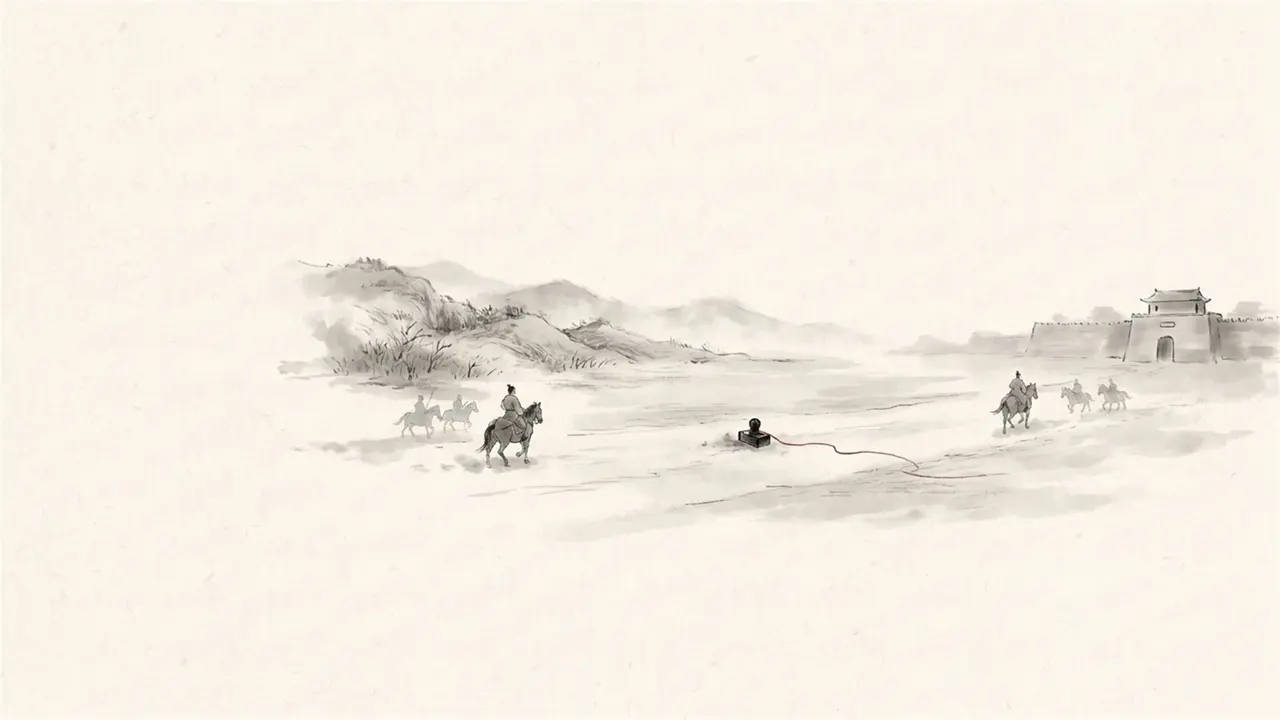
魏の大梁の名士だった張耳と陳余は、親子ほど年が離れていたが、たがいのためなら首をはねられても悔いはないという「刎頸の交わり」を結んだ。秦に追われて門番に身をやつしたときも助け合い、陳勝の乱では趙の地を手に入れて武臣を王に立てる。しかし秦軍に鉅鹿を囲まれたとき、城外の陳余は兵が少ないとして救援に出ず、助かった張耳は陳余を責め、陳余は怒って将軍の印を投げ出した。張耳がその印を受け取ってしまったことから二人は決裂し、のちに陳余は張耳を攻め、張耳は漢につき、最後は韓信とともに陳余を泜水のほとりで斬る。物語は、張耳の子の趙王張敖と、主君の潔白を命がけで守った家臣貫高の話で結ばれる。
この巻のうち「張耳と陳余(刎頸の交わりの果て)」の場面を載せています。巻の全文ではありません。
音声
音声は合成音声です。
動画
節 1
原文
張耳者,大梁人也。其少時,及魏公子毋忌爲客。張耳嘗亡命游外黃。外黃富人女甚美,嫁庸奴,亡其夫,去抵父客。父客素知張耳,乃謂女曰:「必欲求賢夫,從張耳。」女聽,乃卒爲請決,嫁之張耳。張耳是時脱身游,女家厚奉給張耳,張耳以故致千里客。乃宦魏爲外黃令。名由此益賢。
書き下し文
張耳なる者は、大梁の人なり。其の少き時、魏の公子毋忌に及びて客と為る。張耳嘗て亡命して外黄に游ぶ。外黄の富人の女甚だ美しく、庸奴に嫁ぐ。其の夫を亡げ、去りて父の客に抵る。父の客素より張耳を知り、乃ち女に謂いて曰く、「必ず賢夫を求めんと欲せば、張耳に従え」と。女聴き、乃ち卒に為に決を請い、之を張耳に嫁がしむ。張耳是の時身を脱して游ぶ。女の家厚く張耳に奉給す。張耳故を以て千里の客を致す。乃ち魏に宦えて外黄の令と為る。名此に由りて益ます賢とせらる。
現代語訳
張耳は大梁の人である。若いころ、魏の公子無忌(信陵君)の客になったことがある。張耳はあるとき戸籍を捨てて逃れ、外黄に身を寄せた。外黄の金持ちの娘がたいへん美しかったが、つまらない男に嫁いだので、夫のもとから逃げ出し、父の客のところへ身を寄せた。父の客は前から張耳を知っていたので、娘に言った。「どうしても賢い夫がほしいなら、張耳につきなさい」。娘はそれに従い、客がとうとう前の夫との離縁を取りつけてやって、張耳に嫁がせた。張耳はこのころ身ひとつで暮らしていたが、娘の家が手厚く張耳に仕送りをしたので、張耳は千里の遠くからも客を招き寄せることができた。やがて魏に仕えて外黄の県令となり、これでますます賢者として名を知られるようになった。
英訳
Zhang Er was a man of Daliang. As a young man he had been a guest of Prince Wuji of Wei. Once he left his registered home and drifted to Waihuang. A rich man's daughter there, a great beauty, had been married to a worthless man; she ran away from her husband and took refuge with one of her father's guests. This guest had long known Zhang Er, and said to her, "If you truly want a worthy husband, go to Zhang Er." She agreed, and the guest finally arranged her divorce and married her to Zhang Er. Zhang Er was living on his own at the time; her family provided generously for him, and so he could attract guests from a thousand li away. He then took office in Wei as magistrate of Waihuang, and his reputation for worth grew from this.
解説(日)
- 大梁: 魏の都。今の河南省開封市。
- 魏公子毋忌: 信陵君(巻77の章を参照)。「無忌」とも書く。
- 亡命: 戸籍(名籍)を捨てて逃げる。今の「亡命」とは意味が少し違う。
- 外黃: 魏の町。今の河南省民権県のあたり。
- 庸奴: 凡庸でつまらない男。
- 請決: 離縁を願い出る。
- 外黃令: 外黄県の長官。
解説(英)
- Daliang: the capital of Wei, present-day Kaifeng in Henan.
- Prince Wuji of Wei: Lord Xinling (see Volume 77).
- 亡命: to abandon one's registered home and flee (not the modern sense of political exile).
- Waihuang: a town of Wei, near present-day Minquan in Henan.
- 庸奴: a worthless man.
- 請決: to ask for a divorce.
- Magistrate (令): the head of a county.
英語の語注
- refuge/ˈrɛfjudʒ/noun
a place or person that gives safety
本文では: “took refuge with one of her father's guests”
似た語と違い: shelter — protection · sanctuary — a safe place
- reputation/ˌrɛpjəˈteɪʃən/noun
what people think of someone
本文では: “his reputation for worth grew from this”
似た語と違い: name — what someone is known for · standing — position in people's eyes
節 2
原文
陳餘者,亦大梁人也,好儒術,數游趙苦陘。富人公乘氏以其女妻之,亦知陳餘非庸人也。餘年少,父事張耳,兩人相與爲刎頸交。
書き下し文
陳余なる者は、亦た大梁の人なり。儒術を好み、数しば趙の苦陘に游ぶ。富人公乗氏其の女を以て之に妻わす。亦た陳余の庸人に非ざるを知ればなり。余年少く、張耳に父事す。両人相与に刎頸の交わりを為す。
現代語訳
陳余もまた大梁の人である。儒学を好み、たびたび趙の苦陘に出かけた。苦陘の金持ちの公乗氏は、娘を陳余に嫁がせた。公乗氏も、陳余がただの人ではないと見抜いていたのである。陳余は年が若かったので、張耳に父のように仕えた。二人はたがいのためなら首をはねられても悔いはないという、刎頸の交わりを結んだ。
英訳
Chen Yu was also a man of Daliang. He loved the Confucian teachings and often traveled to Kujing in Zhao. A rich man there, of the Gongsheng family, gave him his daughter as wife, for he too saw that Chen Yu was no ordinary man. Chen Yu, being much younger, served Zhang Er as he would his father, and the two became friends who would have their throats cut for each other.
解説(日)
- 儒術: 孔子の教え、儒学。
- 苦陘: 趙の町。今の河北省無極県のあたり。
- 公乘氏: 公乗は姓。
- 父事: 父のように仕える。
- 刎頸交: 相手のためなら首をはねられても悔いのない交わり(巻81「刎頸の交わり」の章と故事成語ページを参照)。
解説(英)
- 儒術: the teachings of Confucius.
- Kujing: a town of Zhao, near present-day Wuji in Hebei.
- The Gongsheng family: Gongsheng is a surname.
- 父事: to serve someone as a father.
- Friends unto death (刎頸交): friends who would have their throats cut for each other (see the chapter in Volume 81 and the idioms page).
英語の語注
- ordinary/ˈɔrdəˌnɛri/adjective
not special or different
本文では: “Chen Yu was no ordinary man”
似た語と違い: common — usual · average — normal
節 3
原文
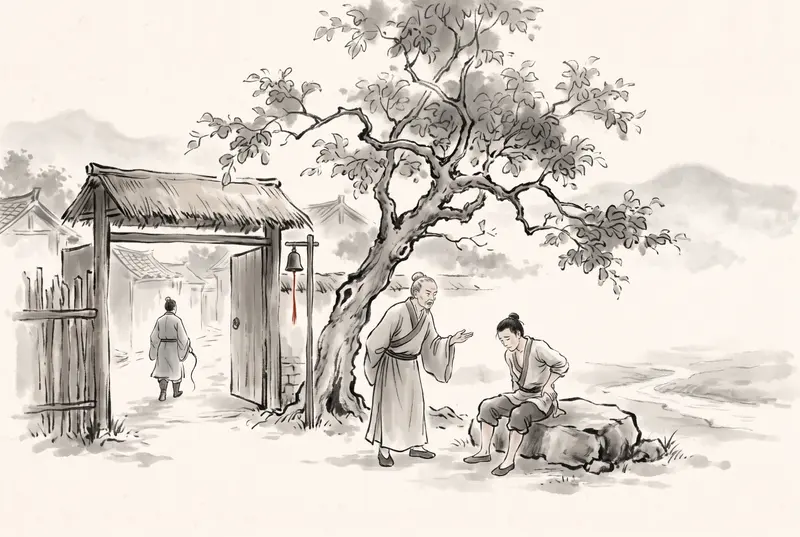
秦之滅大梁也,張耳家外黃。髙祖爲布衣時,嘗數從張耳游,客數月。秦滅魏數歳,已聞此兩人魏之名士也,購求有得張耳千金,陳餘五百金。張耳、陳餘乃變名姓,倶之陳,爲里監門以自食。兩人相對。里吏嘗有過笞陳餘,陳餘欲起,張耳躡之,使受笞。吏去,張耳乃引陳餘之桑下而數之曰:「始吾與公言何如?今見小辱而欲死一吏乎?」陳餘然之。秦詔書購求兩人,兩人亦反用門者以令里中。
書き下し文
秦の大梁を滅ぼすや、張耳外黄に家す。高祖布衣たりし時、嘗て数しば張耳に従いて游び、客たること数月。秦魏を滅ぼして数歳、已に此の両人の魏の名士なるを聞き、購求して張耳を得る有らば千金、陳余は五百金とす。張耳・陳余乃ち名姓を変え、倶に陳に之き、里の監門と為りて以て自ら食う。両人相対す。里吏嘗て過ち有りて陳余を笞うつ。陳余起たんと欲す。張耳之を躡み、笞を受けしむ。吏去る。張耳乃ち陳余を引きて桑の下に之きて之を数めて曰く、「始め吾公と何如と言いしや。今小辱を見て一吏に死せんと欲するか」と。陳余之を然りとす。秦詔書して両人を購求す。両人も亦た反って門者を用いて以て里中に令す。
現代語訳
秦が大梁を滅ぼしたとき、張耳は外黄に住んでいた。高祖(劉邦)がまだ無位無官だったころ、何度か張耳のもとに身を寄せ、数か月客になっていたことがある。秦は魏を滅ぼして数年たつと、この二人が魏の名士だと聞きつけ、賞金をかけて、張耳を捕らえた者には千金、陳余には五百金を与えると触れを出した。張耳と陳余は名前を変え、そろって陳へ逃れて、村の門番となって暮らしを立てた。二人は門の両側に向かい合って立った。あるとき村の役人が、何かの落ち度で陳余をむちで打った。陳余は立ち上がってやり返そうとしたが、張耳がその足を踏んで止め、むちを受けさせた。役人が去ると、張耳は陳余を桑の木の下へ連れて行って、責めて言った。「はじめにわたしとあなたは何と言い合ったか。それなのに、少しばかりの恥を受けたくらいで、役人一人を相手に死ぬつもりか」。陳余はもっともだと思った。秦は詔書を出して二人に賞金をかけた。二人はそれを逆手に取り、門番の役目として、その詔書を村じゅうに触れて回った。
英訳
When Qin destroyed Daliang, Zhang Er was living in Waihuang. When Gaozu was still a commoner, he had more than once come to stay with Zhang Er, as his guest for several months at a time. Some years after Qin destroyed Wei, it learned that these two were famous men of Wei and put prices on their heads: a thousand pieces of gold for Zhang Er, five hundred for Chen Yu. They changed their names, fled together to Chen, and made a living as gatekeepers of a village ward, standing facing each other at the gate. Once a ward official found fault with Chen Yu and flogged him. Chen Yu was about to get up and fight back, but Zhang Er stepped on his foot and made him take the beating. When the official had gone, Zhang Er led Chen Yu under a mulberry tree and scolded him: "What did you and I agree at the start? Would you throw your life away on one petty official over a small insult?" Chen Yu saw that he was right. Qin issued an edict offering a reward for the two of them, and they, as gatekeepers, turned it round and read it out to the ward themselves.
解説(日)
- 秦之滅大梁: 前225年、秦は大梁を水攻めにして魏を滅ぼした。
- 購求: 賞金をかけて探し求める。
- 陳: 今の河南省淮陽。のちに陳勝が王になる町。
- 里監門: 村(里)の門番。
- 躡: 足を踏む。黙って止める合図(巻56「陳平」の章で陳平が漢王の足を踏むのと同じ字)。
- 數: 責める。
- 反用門者以令里中: 門番として、自分たちを探す詔書を村じゅうに伝えた。大胆に身を隠したこと。
解説(英)
- Qin destroyed Daliang: in 225 BCE, by flooding the city.
- 購求: to put a price on someone's head.
- Chen: present-day Huaiyang in Henan, where Chen Sheng later became king.
- 里監門: gatekeeper of a village ward.
- 躡: to step on someone's foot as a silent signal (the same word used for Chen Ping stepping on the King of Han's foot, Volume 56).
- 數: to scold.
- Read it out themselves: as gatekeepers they announced the very edict that was hunting them, a bold way of hiding.
英語の語注
- flog/flɑɡ/verb
to beat with a whip or stick
本文では: “found fault with Chen Yu and flogged him”
似た語と違い: whip — hit with a whip · lash — strike with a whip
- scold/skoʊld/verb
to speak angrily to someone for doing wrong
本文では: “led Chen Yu under a mulberry tree and scolded him”
似た語と違い: tell off — speak angrily to · rebuke — criticize sharply
- petty/ˈpɛti/adjective
small and unimportant
本文では: “on one petty official”
似た語と違い: minor — not important · trivial — of little value
節 4
原文
陳渉起蘄,至入陳,兵數萬。張耳、陳餘上謁陳渉。渉及左右生平數聞張耳、陳餘賢,未嘗見,見即大喜。陳中豪傑父老乃説陳渉曰:「將軍身被堅執鋭,率士卒以誅暴秦,復立楚社稷,存亡繼絶,功德宜爲王。且夫監臨天下諸將,不爲王不可,願將軍立爲楚王也。」陳渉問此兩人,兩人對曰:「夫秦爲無道,破人國家,滅人社稷,絶人後世,罷百姓之力,盡百姓之財。將軍瞋目張膽,出萬死不顧一生之計,爲天下除殘也。今始至陳而王之,示天下私。願將軍毋王,急引兵而西,遣人立六國後,自爲樹黨,爲秦益敵也。敵多則力分,與衆則兵彊。如此野無交兵,縣無守城,誅暴秦,據咸陽以令諸侯。諸侯亡而得立,以德服之,如此則帝業成矣。今獨王陳,恐天下解也。」陳渉不聽,遂立爲王。
書き下し文
陳渉蘄に起こり、入りて陳に至るに至り、兵数万。張耳・陳余陳渉に上謁す。渉及び左右生平数しば張耳・陳余の賢を聞くも、未だ嘗て見ず。見て即ち大いに喜ぶ。陳中の豪傑父老乃ち陳渉に説きて曰く、「将軍身に堅を被り鋭を執り、士卒を率いて以て暴秦を誅し、復た楚の社稷を立て、亡を存し絶を継ぐ。功徳宜しく王為るべし。且つ夫れ天下の諸将を監臨するに、王為らずんば不可なり。願わくは将軍立ちて楚王と為れ」と。陳渉此の両人に問う。両人対えて曰く、「夫れ秦は無道を為し、人の国家を破り、人の社稷を滅ぼし、人の後世を絶ち、百姓の力を罷らし、百姓の財を尽くす。将軍目を瞋らせ胆を張り、万死を出でて一生を顧みざるの計を出だし、天下の為に残を除く。今始めて陳に至りて之に王たらば、天下に私を示さん。願わくは将軍王たること毋く、急に兵を引きて西し、人を遣わして六国の後を立て、自ら為に党を樹て、秦の為に敵を益せ。敵多ければ則ち力分かれ、与衆ければ則ち兵彊し。此の如くんば野に交兵無く、県に守城無く、暴秦を誅し、咸陽に拠りて以て諸侯に令せん。諸侯亡びて立つを得ば、徳を以て之を服せしむ。此の如くんば則ち帝業成らん。今独り陳に王たらば、恐らくは天下解けん」と。陳渉聴かず、遂に立ちて王と為る。
現代語訳
陳渉(陳勝)が蘄で兵を挙げ、陳に入るころには兵は数万になっていた。張耳と陳余は陳渉に名乗り出て面会した。陳渉とその側近は、前々から張耳と陳余の名声を何度も聞いていたが、会ったことはなかったので、会うと大いに喜んだ。陳の町の有力者や長老たちが陳渉に言った。「将軍は自らよろいを着て武器を取り、兵を率いて暴虐な秦を討ち、楚の国をふたたび立て、滅びたものを生き返らせ、絶えたものを継がせようとしておられます。その功と徳からすれば、王になるべきです。それに天下の将軍たちを率いるには、王にならなければなりません。どうか将軍、楚王に立ってください」。陳渉がこの二人にたずねると、二人は答えた。「秦は道に外れたことをして、人の国を破り、人の国家を滅ぼし、人の子孫を絶やし、民の力を使い果たさせ、民の財産を奪い尽くしました。将軍は目をいからせ、胆を据えて、万に一つも生き延びる見込みのない計を立て、天下のために悪を除こうとしておられます。それなのに、陳に来たばかりで王を名のれば、天下に私心を見せることになります。どうか将軍、王を名のらず、急いで兵を率いて西へ進み、人を送って六国の王の子孫を立て、自分の味方を増やし、秦の敵を増やしてください。敵が多ければ秦の力は分かれ、味方が多ければ兵は強くなります。そうすれば野で戦うこともなく、県で城を守る者もいなくなり、暴虐な秦を討って、咸陽に拠って諸侯に号令できます。滅びた諸侯が立ち直れたなら、徳によって従わせることができます。そうすれば帝王の事業は成しとげられるでしょう。いま陳だけで王を名のれば、天下の人心は離れてしまうでしょう」。陳渉は聞き入れず、とうとう王を名のった。
英訳
When Chen She rose at Qi and reached Chen, he had tens of thousands of troops. Zhang Er and Chen Yu went to present themselves to him. Chen She and his followers had often heard of their worth but had never met them, and they were overjoyed to see them. The leading men and elders of Chen urged Chen She: "General, you have put on armor and taken up weapons yourself and led your soldiers to punish tyrannical Qin. You are restoring the state of Chu, bringing back what was lost and reviving what was cut off. Your merit and virtue make you fit to be a king. Besides, you cannot command the generals of the world unless you are king. We beg you, General, to take the throne as King of Chu." Chen She asked the two men, and they answered: "Qin has been lawless. It has broken other men's states, destroyed their altars and cut off their lines; it has worn out the people's strength and taken all their wealth. General, with blazing eyes and a bold heart you set out on a plan with ten thousand chances of death and not one of life, to rid the world of cruelty. If you make yourself king as soon as you reach Chen, you will show the world that you act for yourself. We beg you not to be king, but to lead your army west at once and send men to set up the heirs of the six states. Build up allies for yourself and enemies for Qin: if Qin has many enemies, its strength will be divided; if you have many allies, your army will be strong. Then there will be no battles in the fields and no cities held against you; you will destroy tyrannical Qin, hold Xianyang and command the lords. When fallen lords are restored, you can win them by virtue. That is how an emperor's work is done. If you make yourself king of Chen alone, we fear the world will fall away from you." Chen She would not listen, and made himself king.
解説(日)
- 陳涉起蘄: 陳勝が大沢郷で挙兵し、蘄(今の安徽省宿州)を攻めた(巻48の章を参照)。
- 上謁: 名札を差し出して面会を求める。
- 社稷: 国家。
- 存亡繼絶: 滅びた国を立て直し、絶えた家を継がせる。
- 瞋目張膽: 目をいからせ、胆を据える。
- 六國後: 秦に滅ぼされた六国(韓・魏・趙・燕・斉・楚)の王の子孫。
- 與: 味方。
- 帝業: 天下を治める帝王の事業。
解説(英)
- Chen She rose at Qi: Chen Sheng rose at Dazexiang and attacked Qi, present-day Suzhou in Anhui (see Volume 48).
- 上謁: to present one's name card and ask to be received.
- 社稷: the state (literally its altars).
- 存亡繼絶: restoring fallen states and reviving lines that were cut off.
- 瞋目張膽: blazing eyes and a bold heart.
- The six states: Hann, Wei, Zhao, Yan, Qi and Chu, all destroyed by Qin.
- 與: allies.
- 帝業: the work of an emperor; ruling the world.
英語の語注
- tyrannical/tɪˈrænɪkəl/adjective
ruling in a cruel and unjust way
本文では: “to punish tyrannical Qin”
似た語と違い: despotic — having total, cruel power · oppressive — cruel and unfair
- ally/ˈælaɪ/noun
a person or country that helps you
本文では: “Build up allies for yourself”
似た語と違い: supporter — someone on your side · partner — someone who works with you
節 5
原文
至邯鄲,張耳、陳餘聞周章軍入關,至戲卻;又聞諸將爲陳王徇地,多以讒毀得罪誅,怨陳王不其筴不以爲將而以爲校尉。乃説武臣曰:「陳王起蘄,至陳而王,非必立六國後。將軍今以三千人下趙數十城,獨介居河北,不王無以塡之。且陳王聽讒,還報,恐不脱於禍。又不如立其兄弟;不,即立趙後。將軍毋失時,時閒不容息。」武臣乃聽之,遂立爲趙王。以陳餘爲大將軍,張耳爲右丞相,邵騷爲左丞相。
書き下し文
邯鄲に至り、張耳・陳余周章の軍関に入りて戯に至りて卻くを聞き、又諸将の陳王の為に地を徇うるもの、多く讒毀を以て罪を得て誅せらるるを聞き、陳王の其の筴を用いず、以て将と為さずして以て校尉と為すを怨む。乃ち武臣に説きて曰く、「陳王蘄に起こり、陳に至りて王たり。必ずしも六国の後を立てず。将軍今三千人を以て趙の数十城を下し、独り河北に介居す。王たらずんば以て之を塡むる無し。且つ陳王讒を聴く。還報すとも、恐らくは禍を脱れず。又其の兄弟を立つるに如かず。不ずんば、即ち趙の後を立てよ。将軍時を失うこと毋かれ。時は間に息を容れず」と。武臣乃ち之を聴き、遂に立ちて趙王と為る。陳余を以て大将軍と為し、張耳を右丞相と為し、邵騒を左丞相と為す。
現代語訳
邯鄲まで来たところで、張耳と陳余は、周章(周文)の軍が関中に攻め入ったものの戯で退けられたと聞いた。また、陳王(陳勝)のために各地を攻め取った将軍たちが、讒言によって罪を着せられ、多くが殺されているとも聞いた。二人は、陳王が自分たちの策を用いず、将軍にもせずに校尉にとどめたことを恨んでいた。そこで武臣に説いた。「陳王は蘄で兵を挙げ、陳まで来て王を名のりましたが、六国の子孫を立てようとはしません。将軍はいま、わずか三千の兵で趙の数十の城を降し、ひとり黄河の北にいます。王にならなければ、この地を落ち着かせることはできません。それに陳王は讒言を聞き入れる人です。ここで帰って報告しても、災いを逃れることはできないでしょう。陳王の兄弟を立てるのもよくない。そうでなければ、趙の王家の子孫を立てるしかありません。将軍、時機を逃してはなりません。時機というものは、息をつくひまも与えてくれないのです」。武臣はこれを聞き入れて、とうとう趙王を名のった。陳余を大将軍、張耳を右丞相、邵騒を左丞相とした。
英訳
When they reached Handan, Zhang Er and Chen Yu heard that Zhou Zhang's army had entered the passes and been driven back at Xi. They also heard that many of the generals who had taken territory for King Chen had been slandered, found guilty and executed. And they resented that King Chen had not used their plans and had made them only colonels, not generals. So they urged Wu Chen: "King Chen rose at Qi and made himself king when he reached Chen; he has no intention of setting up the heirs of the six states. With only three thousand men, General, you have taken dozens of cities of Zhao, and you stand alone north of the Yellow River. Unless you become king, you cannot hold this land. Besides, King Chen listens to slander; even if you go back and report, we fear you will not escape disaster. Do not set up one of his brothers either; if not yourself, then set up an heir of the old house of Zhao. General, do not miss your moment. A moment leaves no room even to draw breath." Wu Chen took their advice and made himself King of Zhao. He made Chen Yu supreme general, Zhang Er Chancellor of the Right and Shao Sao Chancellor of the Left.
解説(日)
- 省いた部分: 陳余は陳王に趙の地を攻め取ることを願い出て、陳王は旧友の武臣を将軍とし、張耳・陳余を校尉としてつけた。武臣らは趙の城を次々に降し、范陽では蒯通の説得で戦わずに三十余城を得た(蒯通は巻92「韓信の最期」の章にも出る)。
- 周章: 周文。陳勝の将で、函谷関を破って戯(今の陝西省臨潼)まで攻め入ったが、章邯に敗れた。
- 徇地: 各地を攻め従わせる。
- 筴: 「策」と同じ。
- 校尉: 将軍の下の武官。
- 介居河北: 黄河の北に孤立している。
- 塡: 「鎮」と同じ。しずめ治める。
- 時閒不容息: 時機は一息つくひまも許さない。
解説(英)
- What is left out: Chen Yu asked King Chen for troops to take the land of Zhao, and the king sent his old friend Wu Chen as general with Zhang Er and Chen Yu as colonels. They took city after city, and at Fanyang the persuader Kuai Tong won them more than thirty cities without a fight (Kuai Tong appears again in Volume 92).
- Zhou Zhang: Zhou Wen, Chen Sheng's general, who broke through the Hangu Pass as far as Xi (present-day Lintong in Shaanxi) before being defeated by Zhang Han.
- 徇地: to bring territory under control.
- 筴: the same as 策, plans.
- 校尉: colonel, an officer below a general.
- 介居河北: standing alone north of the Yellow River.
- 塡: the same as 鎮, to hold and pacify.
- 時閒不容息: a moment leaves no room to breathe.
英語の語注
- colonel/ˈkɜrnəl/noun
an army officer of fairly high rank
本文では: “made them only colonels”
似た語と違い: officer — a person in command in the army · commander — a leader in the army
- disaster/dɪˈzæstər/noun
something very bad that happens
本文では: “we fear you will not escape disaster”
似た語と違い: catastrophe — a terrible event · ruin — complete loss
節 6
原文
韓廣至燕,燕人因立廣爲燕王。趙王乃與張耳、陳餘北略地燕界。趙王閒出,爲燕軍所得。燕將囚之,欲與分趙地半,乃歸王。使者往,燕輒殺之以求地。張耳、陳餘患之。有廝養卒謝其舍中曰:「吾爲公説燕,與趙王載歸。」舍中皆笑曰:「使者往十餘輩,輒死,若何以能得王?」乃走燕壁。燕將見之,問燕將曰:「知臣何欲?」燕將曰:「若欲得趙王耳。」曰:「君知張耳、陳餘何如人也?」燕將曰:「賢人也。」曰:「知其志何欲?」曰:「欲得其王耳。」趙養卒乃笑曰:「君未知此兩人所欲也。夫武臣、張耳、陳餘杖馬箠下趙數十城,此亦各欲南面而王,豈欲爲卿相終己邪?夫臣與主豈可同日而道哉,顧其勢初定,未敢參分而王,且以少長先立武臣爲王,以持趙心。今趙地已服,此兩人亦欲分趙而王,時未可耳。今君乃囚趙王。此兩人名爲求趙王,實欲燕殺之,此兩人分趙自立。夫以一趙尚易燕,況以兩賢王左提右挈,而責殺王之罪,滅燕易矣。」燕將以爲然,乃歸趙王,養卒爲御而歸。
書き下し文
韓広燕に至る。燕人因りて広を立てて燕王と為す。趙王乃ち張耳・陳余と北のかた地を燕の界に略す。趙王間に出で、燕軍の得る所と為る。燕将之を囚え、与に趙の地の半ばを分かたんと欲し、乃ち王を帰さんとす。使者往けば、燕輒ち之を殺して以て地を求む。張耳・陳余之を患う。廝養卒有りて其の舎中に謝して曰く、「吾公の為に燕に説き、趙王と載せて帰らん」と。舎中皆笑いて曰く、「使者往くこと十余輩、輒ち死す。若何を以て能く王を得んや」と。乃ち燕の壁に走る。燕将之を見る。燕将に問いて曰く、「臣の何をか欲するかを知るか」と。燕将曰く、「若は趙王を得んと欲するのみ」と。曰く、「君張耳・陳余の何如なる人なるかを知るか」と。燕将曰く、「賢人なり」と。曰く、「其の志何をか欲するかを知るか」と。曰く、「其の王を得んと欲するのみ」と。趙の養卒乃ち笑いて曰く、「君未だ此の両人の欲する所を知らざるなり。夫れ武臣・張耳・陳余は馬箠を杖つきて趙の数十城を下す。此れ亦た各おの南面して王たらんと欲す。豈に卿相為りて己を終えんと欲せんや。夫れ臣と主と豈に日を同じくして道うべけんや。顧うに其の勢い初めて定まり、未だ敢えて参分して王たらず。且く少長を以て先ず武臣を立てて王と為し、以て趙の心を持す。今趙の地已に服す。此の両人も亦た趙を分かちて王たらんと欲するも、時未だ可ならざるのみ。今君乃ち趙王を囚う。此の両人名は趙王を求むと為すも、実は燕の之を殺さんことを欲す。此の両人趙を分かちて自ら立たん。夫れ一趙を以てすら尚お燕を易んず。況んや両賢王左提右挈して、王を殺すの罪を責むるをや。燕を滅ぼすこと易し」と。燕将以て然りと為し、乃ち趙王を帰す。養卒御を為して帰る。
現代語訳
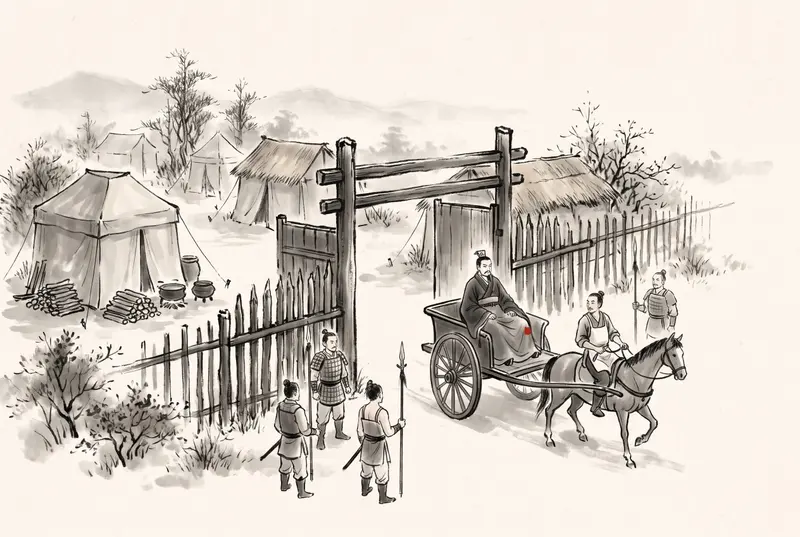
韓広は燕に行くと、燕の人々に押し立てられて燕王になった。そこで趙王(武臣)は張耳・陳余とともに北へ向かい、燕との国境の地を攻め取ろうとした。ところが趙王がひそかに陣を出たところを、燕軍に捕らえられてしまった。燕の将軍は趙王を捕らえておき、趙の領土の半分を分けてよこせば王を返すと言い、使者が行くたびに殺して、土地を要求した。張耳と陳余は困り果てた。すると、炊事や雑用をする兵の一人が、宿舎の仲間に言った。「おれが二人のために燕を説き伏せて、趙王を車に乗せて連れて帰ってやろう」。仲間はみな笑った。「使者が十人あまり行って、みな殺されたんだ。おまえなんかにどうして王を取り返せるものか」。その兵は燕の陣営へ駆けて行き、燕の将軍に会った。そして燕の将軍にたずねた。「わたしが何を望んでいるか、わかりますか」。燕の将軍は言った。「おまえは趙王を取り返したいのだろう」。「では、張耳と陳余がどんな人か、ご存じですか」。「賢い人だ」。「二人が本当は何を望んでいるか、ご存じですか」。「自分たちの王を取り返したいのだろう」。すると趙の兵は笑って言った。「あなたはまだ、あの二人の望みがわかっていません。武臣と張耳と陳余は、馬のむちを手にしただけで趙の数十の城を降しました。三人とも、それぞれ南を向いて座る王になりたいのです。どうして大臣や宰相で一生を終えたいなどと思うでしょう。家臣と主君とでは、まるで比べものになりません。ただ、まだ勢力が固まったばかりなので、三つに分けて王になるわけにはいかず、ひとまず年の順で武臣を王に立てて、趙の人心をまとめているのです。いま趙の地はすっかり従いました。あの二人も趙を分けて王になりたいのですが、まだその時ではないだけです。そこへあなたが趙王を捕らえてくれた。二人は口では趙王を返せと言っていますが、本当は燕が王を殺してくれるのを望んでいるのです。そうなれば、二人は趙を分けて自分が王になるでしょう。趙ひとつだけでも燕を見くびっているのに、まして二人の賢い王が手を取り合い、王を殺した罪を責めて攻めてきたら、燕を滅ぼすのはたやすいことです」。燕の将軍はもっともだと思い、趙王を返した。料理番の兵は自ら御者となって、王を乗せて帰ってきた。
英訳
When Han Guang reached Yan, the people of Yan made him King of Yan. So the King of Zhao went north with Zhang Er and Chen Yu to take land along the border of Yan. The king slipped out of camp on his own and was captured by the Yan army. The Yan general held him prisoner and said he would send him back in exchange for half the land of Zhao; every time an envoy came, Yan killed him and demanded the land. Zhang Er and Chen Yu were at a loss. Then a soldier who cooked and fetched for the others said to his messmates, "I will go and talk Yan round for them, and bring the king back in a carriage." His messmates all laughed. "More than ten envoys have gone, and every one has been killed. How could you get the king back?" But he ran to the Yan camp, and the Yan general saw him. He asked the general, "Do you know what I want?" The general said, "You want to get the King of Zhao back." "Do you know what sort of men Zhang Er and Chen Yu are?" "Worthy men." "Do you know what they really want?" "To get their king back." The cook laughed and said, "You still do not know what those two want. Wu Chen, Zhang Er and Chen Yu took dozens of cities of Zhao with nothing but their riding whips. Each of them wants to face south as a king; why would they be content to end their days as ministers? A minister and a lord are not to be spoken of in the same breath. Only, their power was newly established and they did not yet dare to split the land three ways, so for now they made Wu Chen king, as the eldest, to hold the hearts of Zhao. Now that Zhao has submitted, those two want to divide it and be kings themselves; the time is just not yet right. And now you have taken the King of Zhao prisoner. In name they are asking for him back; in fact they want Yan to kill him, so that they can divide Zhao and set themselves up. Even with one Zhao they think little of Yan; what if two worthy kings join hands and come to punish you for killing their king? Destroying Yan would be easy." The Yan general saw the point and sent the King of Zhao back, with the cook driving his carriage.
解説(日)
- 韓廣: 武臣が燕の地を攻め取らせるために送った将。燕王になって独立した。
- 間出: こっそり出る。
- 廝養卒: たきぎ取りや炊事などの雑用をする兵。
- 舍中: 同じ宿舎の仲間。
- 壁: 陣営のとりで。
- 杖馬箠: 馬のむちを手に持つだけで。たやすく攻め取ったこと。
- 南面: 南を向いて座る。王の座席。
- 參分: 三つに分ける。
- 左提右挈: 左右から手を取り合って助け合う。
解説(英)
- Han Guang: the general Wu Chen sent to take the land of Yan, who made himself King of Yan.
- 間出: to slip out secretly.
- 廝養卒: a soldier who gathers firewood and cooks for the others.
- 舍中: his messmates.
- 壁: a fortified camp.
- 杖馬箠: with nothing but a riding whip in hand; with ease.
- 南面: to face south, as a king sits.
- 參分: to split three ways.
- 左提右挈: hand in hand, helping each other.
英語の語注
- messmate/ˈmɛsmeɪt/noun
a person you eat meals with in the army
本文では: “said to his messmates”
似た語と違い: comrade — a fellow soldier · companion — someone you spend time with
- riding whip/ˈraɪdɪŋ wɪp/noun
a short whip used when riding a horse
本文では: “with nothing but their riding whips”
似た語と違い: crop — a short riding whip · switch — a thin stick
節 7
原文
章邯引兵至邯鄲,皆徙其民河内,夷其城郭。張耳與趙王歇走入鉅鹿城,王離圍之。陳餘北收常山兵,得數萬人,軍鉅鹿北。章邯軍鉅鹿南棘原,筑甬道屬河,餉王離。王離兵食多,急攻鉅鹿。鉅鹿城中食盡兵少,張耳數使人召前陳餘,陳餘自度兵少,不敵秦,不敢前。數月,張耳大怒,怨陳餘,使張黶、陳澤往讓陳餘曰:「始吾與公爲刎頸交,今王與耳旦暮且死,而公擁兵數萬,不肯相救,安在其相爲死!茍必信,胡不赴秦軍倶死?且有十一二相全。」陳餘曰:「吾度前終不能救趙,徒盡亡軍。且餘所以不倶死,欲爲趙王、張君報秦。今必倶死,如以肉委餓虎,何益?」張黶、陳澤曰:「事已急,要以倶死立信,安知後慮!」陳餘曰:「吾死顧以爲無益。必如公言。」乃使五千人令張黶、陳澤先嘗秦軍,至皆沒。
書き下し文
章邯兵を引きて邯鄲に至り、皆其の民を河内に徙し、其の城郭を夷ぐ。張耳趙王歇と走りて鉅鹿城に入る。王離之を囲む。陳余北のかた常山の兵を収め、数万人を得て、鉅鹿の北に軍す。章邯鉅鹿の南の棘原に軍し、甬道を築きて河に属し、王離に餉す。王離の兵食多く、急に鉅鹿を攻む。鉅鹿城中食尽き兵少なし。張耳数しば人をして陳余を召し前ましむ。陳余自ら兵少なくして秦に敵せずと度り、敢えて前まず。数月、張耳大いに怒り、陳余を怨み、張黶・陳沢をして往きて陳余を譲めしめて曰く、「始め吾公と刎頸の交わりを為す。今王と耳と旦暮に且に死せんとす。而るに公兵数万を擁して、肯えて相救わず。安くにか其の相為に死すること在る。苟くも必ず信あらば、胡ぞ秦軍に赴きて倶に死せざる。且つ十に一二の相全うする有らん」と。陳余曰く、「吾度るに前むも終に趙を救う能わず、徒らに尽く軍を亡わん。且つ余の倶に死せざる所以は、趙王・張君の為に秦に報いんと欲すればなり。今必ず倶に死せば、肉を以て餓虎に委ぬるが如し。何の益かあらん」と。張黶・陳沢曰く、「事已に急なり。要は倶に死するを以て信を立つるに在り。安くんぞ後の慮りを知らん」と。陳余曰く、「吾死すとも顧みて以て益無しと為す。必ず公の言の如くせん」と。乃ち五千人をして張黶・陳沢に令して先ず秦軍を嘗みしむ。至りて皆没す。
現代語訳
章邯は兵を率いて邯鄲に来ると、住民をすべて河内へ移し、城壁を取り壊した。張耳は趙王の歇とともに鉅鹿城へ逃げこみ、秦の将軍王離がこれを包囲した。陳余は北で常山の兵を集めて数万人を得、鉅鹿の北に陣を張った。章邯は鉅鹿の南の棘原に陣を張り、壁つきの道を黄河まで築いて、王離の軍に食糧を送った。王離の軍は兵も食糧も多く、鉅鹿を激しく攻めた。鉅鹿の城中では食糧が尽き、兵も少なかった。張耳は何度も使いを送って陳余に進んでくるよう求めたが、陳余は自分の兵は少なく、秦にはかなわないと考えて、進もうとしなかった。数か月たつと、張耳はひどく怒って陳余を恨み、張黶と陳沢を送って陳余を責めさせた。「はじめにわたしとあなたは、刎頸の交わりを結んだ。いま王とわたしは今日明日にも死のうとしているのに、あなたは数万の兵を抱えながら、助けようとしない。たがいのために死ぬという約束はどこへ行ったのか。本当に信義を守るつもりなら、なぜ秦軍に突っこんで一緒に死なないのか。そうすれば、十に一つか二つは、ともに生き残る見込みもあるだろう」。陳余は言った。「わたしの見るところ、進んでも結局趙を救うことはできず、むなしく軍を全滅させるだけだ。それに、わたしが一緒に死なないのは、趙王と張耳どののために秦に仇を討ちたいからだ。いまどうしても一緒に死ねと言うのは、肉を飢えた虎に投げ与えるようなものだ。何の役に立つのか」。張黶と陳沢は言った。「事態はもう切迫しています。大事なのは、ともに死んで信義を立てることです。後のことなど考えている場合ではありません」。陳余は言った。「わたしが死んでも、何の役にも立たないと思う。だが、あなたがたの言うとおりにしよう」。そこで五千の兵を張黶と陳沢に率いさせ、まず秦軍に当たってみさせた。五千人は秦軍のもとに着くと、みな全滅した。
英訳
Zhang Han led his army to Handan, moved all its people to Henei and razed its walls. Zhang Er fled with Xie, King of Zhao, into the city of Julu, and Wang Li besieged it. Chen Yu gathered the troops of Changshan in the north, tens of thousands of them, and camped north of Julu. Zhang Han camped at Jiyuan, south of Julu, and built a walled road to the Yellow River to supply Wang Li. With plenty of men and food, Wang Li pressed his attack on Julu. Inside the city the food ran out and the soldiers were few. Again and again Zhang Er sent men to call Chen Yu forward, but Chen Yu judged that his army was too small to stand against Qin and did not dare advance. After several months Zhang Er, furious and bitter, sent Zhang Yan and Chen Ze to reproach him: "At the start you and I swore to be friends unto death. Now the king and I may die any day, and you, with tens of thousands of men, will not come to save us. What has become of dying for each other? If you truly keep faith, why not throw yourself at the Qin army and die with us? There might even be one or two chances in ten that we all come through." Chen Yu said, "As I judge it, if I advance I cannot save Zhao in the end; I will only lose my whole army. And the reason I do not die with you is that I want to avenge the King of Zhao and Lord Zhang on Qin. To die together now would be like throwing meat to a starving tiger. What good would it do?" Zhang Yan and Chen Ze said, "Things are desperate. What matters is to die together and prove our faith. Who can think about later?" Chen Yu said, "I still think my death would do no good. But I will do as you say." He gave Zhang Yan and Chen Ze five thousand men and had them test the Qin army first. When they reached it, every one of them was killed.
解説(日)
- 省いた部分: 将軍の李良が趙王の姉を殺して寝返り、邯鄲を襲って武臣を殺した。張耳と陳余は逃れて、趙の王族の趙歇を王に立てた。
- 章邯: 秦の将軍(巻7「鉅鹿の戦い」の章)。
- 河内: 黄河の北の地。
- 王離: 秦の将軍。王翦の孫(巻73の章)。
- 常山: 趙の北の郡。
- 甬道: 両側に壁を築いた補給路。
- 餉: 食糧を送る。
- 刎頸交: p2 で結んだ約束。
- 以肉委餓虎: 肉を飢えた虎に投げ与える。むだに命を捨てるたとえ。
- 嘗: 試しに当たってみる。
解説(英)
- What is left out: the general Li Liang killed the King of Zhao's sister, turned against him and killed Wu Chen in Handan. Zhang Er and Chen Yu escaped and set up Zhao Xie, of the old royal house, as king.
- Zhang Han: the Qin general (see the Battle of Julu, Volume 7).
- Henei: the land north of the Yellow River.
- Wang Li: a Qin general, grandson of Wang Jian (Volume 73).
- Changshan: a commandery in the north of Zhao.
- 甬道: a supply road walled on both sides.
- 餉: to send provisions.
- Friends unto death: the oath sworn in p2.
- 以肉委餓虎: throwing meat to a starving tiger; throwing lives away.
- 嘗: to test, to probe.
英語の語注
- raze/reɪz/verb
to destroy a building or town completely
本文では: “razed its walls”
似た語と違い: demolish — knock down · level — flatten to the ground
- besiege/bɪˈsidʒ/verb
to surround a place with an army
本文では: “Wang Li besieged it”
似た語と違い: surround — be all around · blockade — stop people and goods getting in
- starving/ˈstɑrvɪŋ/adjective
very hungry; dying from lack of food
本文では: “throwing meat to a starving tiger”
似た語と違い: famished — very hungry · ravenous — extremely hungry
- avenge/əˈvɛndʒ/verb
to punish someone for harm they have done
本文では: “I want to avenge the King of Zhao and Lord Zhang on Qin”
似た語と違い: take revenge — hurt someone who hurt you · repay — pay back
節 8
原文
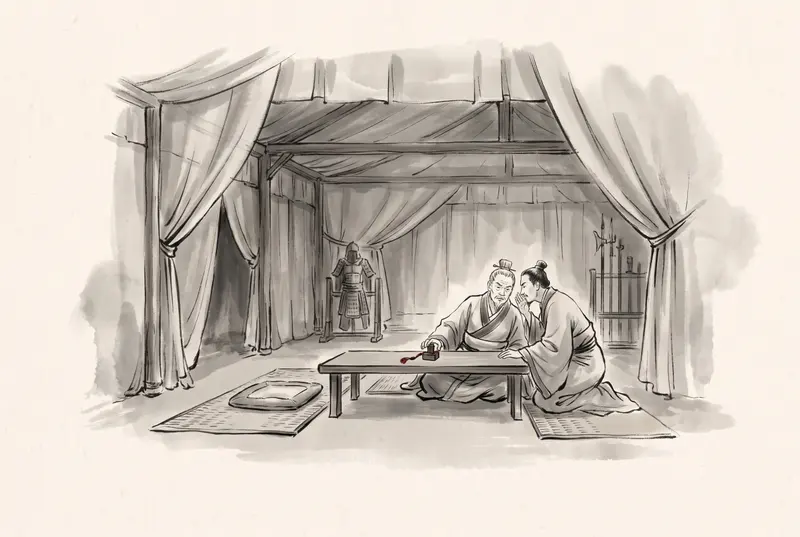
於是趙王歇、張耳乃得出鉅鹿,謝諸侯。張耳與陳餘相見,責讓陳餘以不肯救趙,及問張黶、陳澤所在。陳餘怒曰:「張黶、陳澤以必死責臣,臣使將五千人先嘗秦軍,皆沒不出。」張耳不信,以爲殺之,數問陳餘。陳餘怒曰:「不意君之望臣深也!豈以臣爲重去將哉?」乃脱解印綬,推予張耳。張耳亦愕不受。陳餘起如廁。客有説張耳曰:「臣聞『天與不取,反受其咎』。今陳將軍與君印,君不受,反天不祥。急取之!」張耳乃佩其印,收其麾下。而陳餘還,亦望張耳不讓,遂趨出。張耳遂收其兵。陳餘獨與麾下所善數百人之河上澤中漁獵。由此陳餘、張耳遂有卻。
書き下し文
是に於いて趙王歇・張耳乃ち鉅鹿を出づるを得て、諸侯に謝す。張耳陳余と相見え、陳余を責め譲むるに趙を救うを肯んぜざるを以てし、及び張黶・陳沢の在る所を問う。陳余怒りて曰く、「張黶・陳沢必ず死するを以て臣を責む。臣将として五千人をして先ず秦軍を嘗みしむるに、皆没して出でず」と。張耳信ぜず、以て之を殺せりと為し、数しば陳余に問う。陳余怒りて曰く、「意わざりき、君の臣を望むことの深きを。豈に臣を以て将を去るを重しと為すや」と。乃ち印綬を脱解して、推して張耳に予う。張耳も亦た愕きて受けず。陳余起ちて廁に如く。客有りて張耳に説きて曰く、「臣聞く、『天の与うるを取らざれば、反って其の咎を受く』と。今陳将軍君に印を与う。君受けずんば、天に反して不祥なり。急に之を取れ」と。張耳乃ち其の印を佩び、其の麾下を収む。而して陳余還り、亦た張耳の譲らざるを望み、遂に趨りて出づ。張耳遂に其の兵を収む。陳余独り麾下の善き所の数百人と河上の沢中に之きて漁猟す。此に由りて陳余・張耳遂に郤有り。
現代語訳
こうして趙王の歇と張耳はようやく鉅鹿から出ることができ、助けに来た諸侯に礼を言った。張耳は陳余と顔を合わせると、趙を救おうとしなかったことを責め、張黶と陳沢はどこにいるのかと問いただした。陳余は怒って言った。「張黶と陳沢は、必ず死ぬべきだとわたしを責めたので、五千の兵を率いさせてまず秦軍に当たらせたところ、みな全滅して帰ってこなかったのです」。張耳は信じず、陳余が二人を殺したのだと思って、何度も問いただした。陳余は怒って言った。「あなたがこれほどわたしを恨んでいるとは思いませんでした。わたしが将軍の地位を手放すのを惜しんでいるとでも思うのですか」。そして将軍の印とひもを解いて、張耳の前に押しやった。張耳も驚いて、受け取らなかった。陳余は立って便所へ行った。すると張耳の客が張耳に言った。「『天が与えるものを取らなければ、かえってそのとがめを受ける』と聞いています。いま陳将軍があなたに印を差し出しているのに受け取らなければ、天にそむくことになり、縁起がよくありません。すぐにお取りなさい」。張耳はその印を身につけ、陳余の部下たちを自分の指揮下に収めた。戻ってきた陳余は、張耳が印を譲り返さなかったのを恨み、足早にその場を出て行った。張耳はそのまま陳余の兵を手に入れた。陳余は仲のよい部下数百人だけを連れて、黄河のほとりの沢へ行き、魚をとり狩りをして暮らした。これ以来、陳余と張耳のあいだには、ひびが入った。
英訳
So Xie, King of Zhao, and Zhang Er were at last able to come out of Julu, and they thanked the lords. When Zhang Er met Chen Yu, he blamed him for refusing to save Zhao, and asked where Zhang Yan and Chen Ze were. Chen Yu said angrily, "Zhang Yan and Chen Ze told me I must die. I gave them five thousand men to test the Qin army first, and they were all killed; not one came out." Zhang Er did not believe him; he thought Chen Yu had killed them, and kept questioning him. Chen Yu said angrily, "I never thought you resented me so deeply. Do you think I care so much about being a general?" He untied his seal and its cord and pushed them across to Zhang Er. Zhang Er, taken aback, would not accept them. Chen Yu got up and went to the privy. One of Zhang Er's guests then said to him, "I have heard that if you do not take what Heaven gives you, you will suffer for it. General Chen is giving you his seal; if you refuse, you go against Heaven, and that is unlucky. Take it, quickly." So Zhang Er hung the seal at his belt and took command of Chen Yu's men. When Chen Yu came back, he too resented that Zhang Er had not refused it, and he hurried out. Zhang Er took over his army. Chen Yu went off with only a few hundred of his closest men to the marshes by the Yellow River, to fish and hunt. From then on there was a rift between Chen Yu and Zhang Er.
解説(日)
- 省いた部分: 燕・斉・楚の援軍は陳余のそばに陣を張ったが、秦軍を攻めようとしなかった。項羽が黄河を渡って章邯を破り、王離を捕らえて、鉅鹿はようやく救われた(巻7「鉅鹿の戦い」の章)。
- 謝諸侯: 助けに来た諸侯に礼を言う。
- 望: 恨む。
- 印綬: 官職のしるしの印と、それを下げるひも。
- 天與不取,反受其咎: 天が与えるものを取らなければ、かえってとがめを受ける。好機を逃すなという言葉。
- 麾下: 指揮下の兵。
- 郤: 「隙」と同じ。仲たがい、ひび。
解説(英)
- What is left out: the relief armies of Yan, Qi and Chu camped beside Chen Yu but did not dare attack the Qin army. Xiang Yu crossed the Yellow River, defeated Zhang Han and captured Wang Li, and only then was Julu saved (see Volume 7).
- 謝諸侯: to thank the lords who came to the rescue.
- 望: to resent.
- 印綬: the seal of office and the cord it hangs from.
- "Take what Heaven gives": a saying that warns against letting a chance slip.
- 麾下: the troops under one's command.
- 郤: the same as 隙, a rift.
英語の語注
- privy/ˈprɪvi/noun
a toilet, especially an outdoor one
本文では: “Chen Yu got up and went to the privy”
似た語と違い: latrine — a simple toilet · lavatory — a toilet
- rift/rɪft/noun
a break in a friendship
本文では: “there was a rift between Chen Yu and Zhang Er”
似た語と違い: split — a division · breach — a break in a relationship
節 9
原文
陳餘客多説項羽曰:「陳餘、張耳一體有功於趙。」項羽以陳餘不從入關,聞其在南皮,即以南皮旁三縣以封之,而徙趙王歇王代。張耳之國,陳餘愈益怒,曰:「張耳與餘功等也,今張耳王,餘獨侯,此項羽不平。」及齊王田榮畔楚,陳餘乃使夏説説田榮曰:「項羽爲天下宰不平,盡王諸將善地,徙故王王惡地,今趙王乃居代!願王假臣兵,請以南皮爲捍蔽。」田榮欲樹黨於趙以反楚,乃遣兵從陳餘。陳餘因悉三縣兵襲常山王張耳。張耳敗走,念諸侯無可歸者,曰:「漢王與我有舊故,而項羽又彊,立我,我欲之楚。」甘公曰:「漢王之入關,五星聚東井。東井者,秦分也。先至必霸。楚雖彊,後必屬漢。」故耳走漢。漢王亦還定三秦,方圍章邯廢丘。張耳謁漢王,漢王厚遇之。
書き下し文
陳余の客多く項羽に説きて曰く、「陳余・張耳一体にして趙に功有り」と。項羽陳余の従いて関に入らざるを以て、其の南皮に在るを聞き、即ち南皮の旁の三県を以て之を封じ、而して趙王歇を徙して代に王たらしむ。張耳の国に之くや、陳余愈いよ益ます怒りて曰く、「張耳と余とは功等しきなり。今張耳は王たりて、余は独り侯たり。此れ項羽の不平なり」と。斉王田栄の楚に畔くに及び、陳余乃ち夏説をして田栄に説かしめて曰く、「項羽天下の宰と為りて平らかならず。尽く諸将を善地に王とし、故の王を徙して悪地に王とす。今趙王は乃ち代に居る。願わくは王臣に兵を仮せ。請う南皮を以て捍蔽と為さん」と。田栄趙に党を樹てて以て楚に反せんと欲し、乃ち兵を遣わして陳余に従わしむ。陳余因りて悉く三県の兵もて常山王張耳を襲う。張耳敗れ走り、諸侯に帰すべき者無きを念いて、曰く、「漢王と我とは旧故有り。而して項羽は又彊く、我を立つ。我之を楚に之かんと欲す」と。甘公曰く、「漢王の関に入るや、五星東井に聚まる。東井なる者は、秦の分なり。先ず至る者必ず霸たらん。楚彊しと雖も、後には必ず漢に属せん」と。故に耳漢に走る。漢王も亦た還りて三秦を定め、方に章邯を廃丘に囲む。張耳漢王に謁す。漢王厚く之を遇す。
現代語訳
陳余の客の多くが項羽に言った。「陳余と張耳は、二人一体となって趙のために手柄を立てました」。しかし項羽は、陳余が自分に従って関中に入らなかったので、陳余が南皮にいると聞くと、南皮の近くの三県だけを陳余に与え、趙王の歇を代に移して王とした。張耳が王として自分の国へ向かうと、陳余はますます怒って言った。「張耳とわたしの功は同じだ。それなのに張耳は王で、わたしだけが侯にすぎない。項羽のやり方は不公平だ」。斉王の田栄が楚にそむくと、陳余は夏説を送って田栄に説かせた。「項羽は天下を仕切っていますが、公平ではありません。自分の将軍たちをみな良い土地の王にし、もとの王たちは悪い土地に移して王にしています。いま趙王は代にいるのです。どうか王よ、わたしに兵を貸してください。南皮を斉の守りの盾にいたしましょう」。田栄は趙に味方をつくって楚にそむこうと考え、兵を送って陳余に従わせた。陳余はこれと三県の兵をすべて率いて、常山王の張耳を襲った。張耳は敗れて逃げ、身を寄せられる諸侯がいないと考えて言った。「漢王とわたしは古くからのなじみだ。だが項羽は強いし、わたしを王に立ててくれた。楚へ行こうと思う」。すると甘公が言った。「漢王が関中に入ったとき、五つの惑星が東井に集まりました。東井は秦の土地にあたる星座です。先に関中に入った者が、必ず天下の覇者となります。楚はいまは強くても、いずれは必ず漢のものになるでしょう」。それで張耳は漢へ逃れた。漢王もちょうど引き返して三秦を平定し、廃丘で章邯を包囲していたところだった。張耳が漢王に会うと、漢王は手厚くもてなした。
英訳
Many of Chen Yu's guests told Xiang Yu, "Chen Yu and Zhang Er worked as one, and both won merit for Zhao." But because Chen Yu had not followed him into the passes, when Xiang Yu heard that he was at Nanpi he gave him only the three counties around Nanpi, and moved Xie, King of Zhao, to be king of Dai. When Zhang Er went off to his kingdom, Chen Yu grew angrier than ever. "Zhang Er's merit and mine are equal. Now Zhang Er is a king and I am only a marquis. Xiang Yu is not fair." When Tian Rong, King of Qi, rebelled against Chu, Chen Yu sent Xia Yue to persuade him: "Xiang Yu rules the world unfairly. He has made all his own generals kings of good lands and moved the old kings to poor ones; now the King of Zhao is stuck in Dai. I beg Your Majesty to lend me troops, and I will make Nanpi a shield for you." Tian Rong wanted allies in Zhao to turn against Chu, so he sent troops to join Chen Yu. With these and all the troops of his three counties, Chen Yu attacked Zhang Er, King of Changshan. Zhang Er was defeated and fled. Thinking there was no lord he could turn to, he said, "The King of Han and I are old acquaintances. But Xiang Yu is strong, and he made me a king. I mean to go to Chu." Master Gan said, "When the King of Han entered the passes, the five planets gathered in the Eastern Well. The Eastern Well is the part of the sky that belongs to Qin. Whoever got there first is sure to become hegemon. Chu may be strong now, but in the end it will belong to Han." So Zhang Er fled to Han. The King of Han, too, had come back, pacified the Three Qins and was just then besieging Zhang Han at Feiqiu. Zhang Er presented himself to the King of Han, who received him generously.
解説(日)
- 省いた部分: 張耳は項羽に従って関中に入った。前206年、項羽は張耳を常山王に立て、信都(襄国と改名)を都とさせた。
- 南皮: 今の河北省南皮県。
- 代: 趙の北の地。
- 田榮: 斉の王族。項羽の分封に不満を持ち、最初に反旗をひるがえした。
- 夏說: 陳余の家臣。
- 捍蔽: 守りの盾。
- 甘公: 星を見て吉凶を占う人。
- 五星聚東井: 五つの惑星が東井(ふたご座のあたりの星宿)に集まる。めでたいしるしとされた。
- 廢丘: 今の陝西省興平市。章邯(雍王)の都。
解説(英)
- What is left out: Zhang Er followed Xiang Yu into the passes, and in 206 BCE Xiang Yu made him King of Changshan with his capital at Xindu (renamed Xiangguo).
- Nanpi: present-day Nanpi in Hebei.
- Dai: the land north of Zhao.
- Tian Rong: a member of the Qi royal house, the first to rise against Xiang Yu's division of the empire.
- Xia Yue: a follower of Chen Yu.
- 捍蔽: a shield, a defensive screen.
- Master Gan: a reader of the stars.
- The five planets gathered in the Eastern Well: the Eastern Well is a lunar mansion in Gemini; the gathering was taken as a sign of a new ruler.
- Feiqiu: present-day Xingping in Shaanxi, the capital of Zhang Han as King of Yong.
英語の語注
- fair/fɛr/adjective
treating people equally and rightly
本文では: “Xiang Yu is not fair”
似た語と違い: just — right and fair · even-handed — treating everyone the same
節 10
原文
漢二年,東撃楚,使使告趙,欲與倶。陳餘曰:「漢殺張耳乃從。」於是漢王求人類張耳者斬之,持其頭遺陳餘。陳餘乃遣兵助漢。漢之敗於彭城西,陳餘亦復覺張耳不死,即背漢。漢三年,韓信已定魏地,遣張耳與韓信撃破趙井陘,斬陳餘泜水上,追殺趙王歇襄國。漢立張耳爲趙王。漢五年,張耳薨,謚爲景王。子敖嗣立爲趙王。髙祖長女魯元公主爲趙王敖后。
書き下し文
漢の二年、東して楚を撃ち、使いをして趙に告げしめ、与に倶にせんと欲す。陳余曰く、「漢張耳を殺さば乃ち従わん」と。是に於いて漢王人の張耳に類する者を求めて之を斬り、其の頭を持して陳余に遺る。陳余乃ち兵を遣わして漢を助く。漢の彭城の西に敗るるや、陳余も亦た復た張耳の死せざるを覚り、即ち漢に背く。漢の三年、韓信已に魏の地を定め、張耳と韓信とを遣わして趙を井陘に撃ち破らしめ、陳余を泜水の上に斬り、趙王歇を襄国に追殺す。漢張耳を立てて趙王と為す。漢の五年、張耳薨ず。謚して景王と為す。子敖嗣ぎて立ちて趙王と為る。高祖の長女魯元公主趙王敖の后と為る。
現代語訳
漢の二年(前205年)、漢王は東へ向かって楚を攻めることにし、使者を趙に送って、一緒に戦おうと誘った。陳余は言った。「漢が張耳を殺すなら、従おう」。そこで漢王は張耳に似た男を探してその首を斬り、首を陳余に送った。陳余はそこで兵を送って漢を助けた。ところが漢が彭城の西で敗れたころ、陳余は張耳が死んでいないことに気づき、すぐに漢にそむいた。漢の三年(前204年)、韓信が魏の地を平定すると、漢王は張耳と韓信を送って、井陘で趙を打ち破らせた。陳余を泜水のほとりで斬り、趙王の歇を襄国まで追って殺した。漢は張耳を趙王に立てた。漢の五年(前202年)、張耳は亡くなり、景王とおくり名された。子の張敖が跡を継いで趙王となった。高祖の長女の魯元公主が、趙王張敖の后となった。
英訳
In the second year of Han (205 BCE), the King of Han marched east against Chu and sent envoys to invite Zhao to join him. Chen Yu said, "If Han kills Zhang Er, I will join." So the King of Han found a man who looked like Zhang Er, cut off his head and sent it to Chen Yu, who then sent troops to help Han. But when Han was defeated west of Pengcheng, Chen Yu discovered that Zhang Er was not dead after all, and at once turned against Han. In the third year of Han (204 BCE), when Han Xin had pacified the land of Wei, the King of Han sent Zhang Er and Han Xin to crush Zhao at Jingxing. They beheaded Chen Yu on the Zhi River and pursued Xie, King of Zhao, to Xiangguo and killed him. Han made Zhang Er King of Zhao. In the fifth year of Han (202 BCE), Zhang Er died and was given the posthumous name King Jing. His son Zhang Ao succeeded him as King of Zhao, and Gaozu's eldest daughter, Princess Luyuan, became Zhang Ao's queen.
解説(日)
- 省いた部分: 陳余は張耳を追い出したあと、代にいた趙歇を迎えて趙王に戻し、趙歇は陳余を代王に立てた。陳余は代へは行かず、趙王のそばで補佐した。
- 類: 似ている。
- 漢之敗於彭城西: 前205年、漢王は彭城で項羽に大敗した。
- 井陘: 韓信が「背水の陣」で趙を破った戦い(巻92「韓信」の章、故事成語「背水の陣」)。
- 泜水: 今の河北省を流れる川。
- 薨: 王や諸侯が亡くなる。
- 魯元公主: 高祖と呂后の娘。
解説(英)
- What is left out: after driving Zhang Er out, Chen Yu brought Zhao Xie back from Dai as King of Zhao, and Zhao Xie made Chen Yu King of Dai. Chen Yu stayed with the King of Zhao instead of going to Dai.
- 類: to look like.
- Defeated west of Pengcheng: in 205 BCE the King of Han was routed by Xiang Yu at Pengcheng.
- Jingxing: where Han Xin drew up his army with its back to a river and crushed Zhao (see Volume 92 and the idiom "fighting with the river at one's back").
- The Zhi River: a river in present-day Hebei.
- 薨: the word for the death of a king or lord.
- Princess Luyuan: the daughter of Gaozu and Empress Lü.
英語の語注
- behead/bɪˈhɛd/verb
to cut off someone's head
本文では: “They beheaded Chen Yu on the Zhi River”
似た語と違い: decapitate — cut off the head · execute — kill as a punishment
節 11
原文
漢七年,髙祖從平城過趙,趙王朝夕袒韛蔽,自上食,禮甚卑,有子婿禮。髙祖箕踞詈,甚慢易之。趙相貫髙、趙午等年六十餘,故張耳客也。生平爲氣,乃怒曰:「吾王孱王也!」説王曰:「夫天下豪桀并起,能者先立。今王事髙祖甚恭,而髙祖無禮,請爲王殺之!」張敖齧其指出血,曰:「君何言之誤!且先人亡國,賴髙祖得復國,德流子孫,秋豪皆髙祖力也。願君無復出口。」貫髙、趙午等十餘人皆相謂曰:「乃吾等非也。吾王長者,不倍德。且吾等義不辱,今怨髙祖辱我王,故欲殺之,何乃汙王爲乎?令事成歸王,事敗獨身坐耳。」漢八年,上從東垣還,過趙,貫髙等乃壁人柏人,要之置廁。上過欲宿,心動,問曰:「縣名爲何?」曰:「柏人。」「柏人者,迫於人也!」不宿而去。
書き下し文
漢の七年、高祖平城より趙を過ぐ。趙王朝夕に袒して韛蔽し、自ら食を上り、礼甚だ卑く、子婿の礼有り。高祖箕踞して詈り、甚だ之を慢易す。趙の相貫高・趙午等年六十余にして、故の張耳の客なり。生平気を為し、乃ち怒りて曰く、「吾が王は孱王なり」と。王に説きて曰く、「夫れ天下の豪桀並び起こり、能者先ず立つ。今王高祖に事うること甚だ恭しきに、高祖は無礼なり。請う王の為に之を殺さん」と。張敖其の指を齧りて血を出だして、曰く、「君何ぞ言の誤れる。且つ先人国を亡い、高祖に頼りて国を復するを得たり。徳は子孫に流れ、秋豪も皆高祖の力なり。願わくは君復た口に出だすこと無かれ」と。貫高・趙午等十余人皆相謂いて曰く、「乃ち吾等非なり。吾が王は長者なり、徳に倍かず。且つ吾等義として辱められず。今高祖の我が王を辱むるを怨む。故に之を殺さんと欲す。何ぞ乃ち王を汚すことを為さんや。事成らしめば王に帰し、事敗るれば独り身坐せんのみ」と。漢の八年、上東垣より還り、趙を過ぐ。貫高等乃ち人を柏人に壁にし、之を廁に要え置く。上過ぎて宿らんと欲し、心動き、問いて曰く、「県の名は何と為す」と。曰く、「柏人なり」と。「柏人とは、人に迫らるるなり」と。宿らずして去る。
現代語訳
漢の七年(前200年)、高祖は平城から帰る途中、趙に立ち寄った。趙王の張敖は朝晩、袖をまくって前かけをつけ、自ら食事を運んで差し上げ、婿としての礼をつくして、ひどくへりくだった。ところが高祖は両足を投げ出して座り、ののしって、張敖をまるで相手にしなかった。趙の宰相の貫高や趙午らは六十歳あまりで、もとは張耳の客だった。ふだんから気位が高かったので、怒って言った。「わが王は意気地のない王だ」。そして王に言った。「天下の豪傑がいっせいに立ち上がったとき、力のある者が先に王になったのです。いま王は高祖にたいへん丁重に仕えているのに、高祖は無礼です。どうか王のために、あいつを殺させてください」。張敖は自分の指をかんで血を流し、言った。「何というまちがったことを言うのか。わたしの父は国を失ったが、高祖のおかげで国を取り戻すことができた。その恩は子孫にまで及び、毛筋ほどのものまで、みな高祖のおかげなのだ。二度と口にしないでくれ」。貫高や趙午ら十人あまりは、たがいに言い合った。「まちがっていたのはわれわれだ。わが王は徳のある人で、恩にそむくことはしない。だがわれわれは、義として辱めを受けるわけにはいかない。いま高祖がわが王を辱めたのが許せないから、殺したいのだ。どうして王を汚すことがあろうか。事が成功すれば王の手柄にし、失敗すれば自分たちだけで罪を負えばよい」。漢の八年(前199年)、高祖は東垣から帰る途中で、また趙を通った。貫高らは柏人の宿の壁の中に人をひそませ、便所の陰で高祖を待ち伏せさせた。高祖は通りかかって泊まろうとしたが、胸騒ぎがして、たずねた。「この県の名は何という」。「柏人です」。「柏人(はくじん)とは、人に迫られる(迫人)ということだ」。高祖は泊まらずに立ち去った。
英訳
In the seventh year of Han (200 BCE), on his way back from Pingcheng, Gaozu passed through Zhao. Morning and evening the King of Zhao rolled up his sleeves, put on an apron and served the food himself; he was most humble and behaved as a son-in-law should. Gaozu sat sprawled with his legs out, cursed him and treated him with great contempt. The King of Zhao's ministers Guan Gao, Zhao Wu and the rest, men over sixty who had been guests of Zhang Er, were proud men all their lives. They said angrily, "Our king is a weakling!" and told him, "When the heroes of the world rose together, those with ability became kings first. Now you serve Gaozu most respectfully, and he treats you without courtesy. Let us kill him for you." Zhang Ao bit his own finger until it bled and said, "How wrong you are! My father lost his kingdom, and it was thanks to Gaozu that he got it back. His kindness reaches to us, his descendants; every last hair we have, we owe to Gaozu. Never say such a thing again." Guan Gao, Zhao Wu and the others, more than ten of them, said to one another, "So we were wrong. Our king is a man of honor and will not betray a kindness. But honor does not let us bear an insult. We want to kill Gaozu because we cannot forgive him for shaming our king; why should we stain the king with it? If it succeeds, the credit goes to him; if it fails, we alone will answer for it." In the eighth year of Han (199 BCE), the emperor passed through Zhao again on his way back from Dongyuan. Guan Gao and the others hid men in the walls at Boren, waiting by the privy. The emperor stopped there and was about to spend the night, but his heart stirred, and he asked, "What is the name of this county?" "Boren." "Boren: that means pressed by men!" And he left without staying the night.
解説(日)
- 袒韛蔽: 袖をまくり、前かけをつける。給仕をするときの姿。
- 子婿禮: 婿として舅に仕える礼。張敖は高祖の娘婿。
- 箕踞: 両足を投げ出して座る。ひどく無礼な座り方。
- 慢易: 見下して軽んじる。
- 貫髙: 趙の宰相。もとは張耳の客。
- 孱王: 弱々しい、意気地のない王。
- 齧其指出血: 指をかんで血を出す。固い決意を示すしぐさ。
- 秋豪: 秋に生え変わる獣の細い毛。ごくわずかなもの。
- 東垣: 今の河北省石家荘市のあたり。
- 柏人: 今の河北省隆尧県。「柏人」と「迫人」(人に迫られる)は同じ音。
解説(英)
- 袒韛蔽: sleeves rolled up and an apron on, as a servant waits at table.
- A son-in-law's manners: Zhang Ao was married to Gaozu's daughter.
- 箕踞: sitting with the legs sprawled out, a very rude posture.
- 慢易: to treat with contempt.
- Guan Gao: chancellor of Zhao, once a guest of Zhang Er.
- 孱王: a feeble, spineless king.
- Biting his finger until it bled: a sign of solemn resolve.
- 秋豪: the fine new hair of animals in autumn; the smallest thing.
- Dongyuan: near present-day Shijiazhuang in Hebei.
- Boren: present-day Longyao in Hebei. 柏人 (Boren) sounds like 迫人, "pressed by men."
英語の語注
- contempt/kənˈtɛmpt/noun
the feeling that someone is worthless
本文では: “treated him with great contempt”
似た語と違い: scorn — strong disrespect · disdain — looking down on someone
- betray/bɪˈtreɪ/verb
to be disloyal to someone who trusts you
本文では: “will not betray a kindness”
似た語と違い: let down — disappoint someone who trusts you · double-cross — cheat a partner
- stir/stɜr/verb
to begin to move or feel something
本文では: “his heart stirred”
似た語と違い: quicken — become active · flutter — move quickly and lightly
節 12
原文
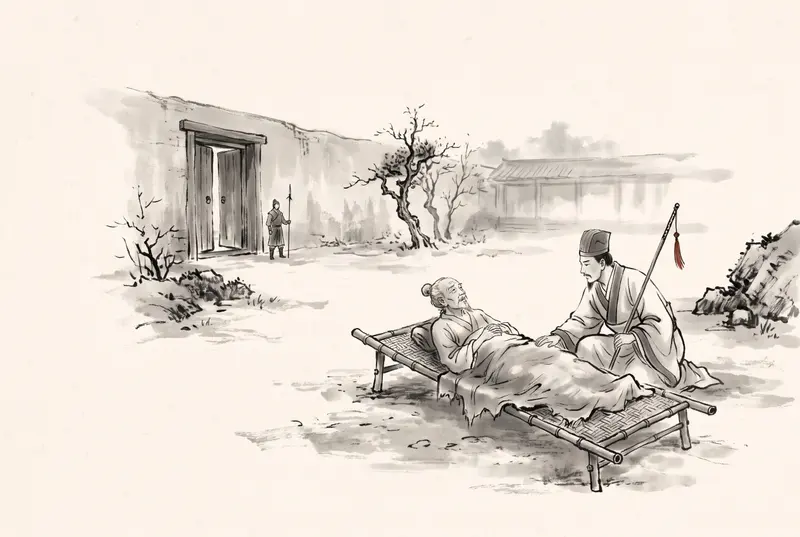
漢九年,貫髙怨家知其謀,乃上變告之。於是上皆并逮捕趙王、貫髙等。十餘人皆爭自剄,貫髙獨怒罵曰:「誰令公爲之?今王實無謀,而并捕王;公等皆死,誰白王不反者!」乃轞車膠致,與王詣長安。治張敖之罪。上乃詔趙群臣賓客有敢從王皆族。貫髙與客孟舒等十餘人,皆自髡鉗,爲王家奴,從來。貫髙至,對獄,曰:「獨吾屬爲之,王實不知。」吏治榜笞數千,刺剟,身無可撃者,終不復言。呂后數言張王以魯元公主故,不宜有此。上怒曰:「使張敖據天下,豈少而女乎!」不聽。廷尉以貫髙事辭聞,上曰:「壯士!誰知者,以私問之。」中大夫泄公曰:「臣之邑子,素知之。此固趙國立名義不侵爲然諾者也。」上使泄公持節問之箯輿前。仰視曰:「泄公邪?」泄公勞苦如生平驩,與語,問張王果有計謀不。髙曰:「人情寧不各愛其父母妻子乎?今吾三族皆以論死,豈以王易吾親哉!顧爲王實不反,獨吾等爲之。」具道本指所以爲者王不知狀。於是泄公入,具以報,上乃赦趙王。
書き下し文
漢の九年、貫高の怨家其の謀を知り、乃ち変を上りて之を告ぐ。是に於いて上皆并せて趙王・貫高等を逮捕す。十余人皆争いて自剄せんとす。貫高独り怒り罵りて曰く、「誰か公をして之を為さしめし。今王実に謀無くして、并せて王を捕らう。公等皆死せば、誰か王の反せざるを白さん」と。乃ち轞車にて膠致し、王と長安に詣る。張敖の罪を治む。上乃ち趙の群臣賓客に詔して敢えて王に従う者有らば皆族せんとす。貫高客の孟舒等十余人と、皆自ら髡鉗して、王の家奴と為りて、従い来たる。貫高至りて、獄に対えて曰く、「独り吾が属之を為す。王は実に知らず」と。吏治めて榜笞すること数千、刺剟して、身に撃つべき者無きも、終に復た言わず。呂后数しば張王は魯元公主の故を以て、宜しく此れ有るべからずと言う。上怒りて曰く、「張敖をして天下に拠らしめば、豈に而の女を少しとせんや」と。聴かず。廷尉貫高の事の辞を以て聞す。上曰く、「壮士なり。誰か知る者ぞ。私を以て之に問え」と。中大夫泄公曰く、「臣の邑子にして、素より之を知る。此れ固より趙国に名義を立てて侵されず、然諾を為す者なり」と。上泄公をして節を持して之に箯輿の前に問わしむ。仰ぎ視て曰く、「泄公か」と。泄公労苦すること生平の驩の如く、与に語り、張王果たして計謀有りや不やを問う。高曰く、「人情寧ろ各おの其の父母妻子を愛せざらんや。今吾が三族皆以て死を論ぜらる。豈に王を以て吾が親に易えんや。顧うに王は実に反せず、独り吾等之を為すが為なり」と。具に本指の為す所以と王の知らざる状を道う。是に於いて泄公入りて、具に以て報ず。上乃ち趙王を赦す。
現代語訳
漢の九年(前198年)、貫高に恨みを持つ者がその計略を知り、謀反があると上書して訴えた。そこで高祖は、趙王と貫高らをまとめて逮捕させた。十人あまりの者は、先を争って自分の首をはねようとした。貫高だけは怒ってののしった。「だれがおまえたちにこんなことをさせたのか。王は本当に何も企んでいないのに、一緒に捕らえられたのだ。おまえたちがみな死んでしまったら、だれが王が謀反していないことを明かすのか」。そして貫高は、目隠しをした囚人車に閉じこめられて、王とともに長安へ送られた。朝廷は張敖の罪を取り調べた。高祖は、趙の家臣や客で王について来る者がいたら、一族皆殺しにすると命じた。それでも貫高は、客の孟舒ら十人あまりとともに、みな自分で髪を剃り首かせをはめ、王の家の奴隷になりすましてついて来た。貫高は着くと取り調べに答えた。「わたしたちだけでやったことです。王は本当に何も知りません」。役人は数千回もむちで打ち、錐で突き刺し、もう体に打つところがなくなっても、貫高はそれ以上何も言わなかった。呂后は何度も、「張王は魯元公主の夫なのですから、そんなことをするはずがありません」と言ったが、高祖は怒って言った。「張敖が天下を手に入れたら、おまえの娘くらいで満足するものか」。そして聞き入れなかった。廷尉が貫高の供述をそのまま高祖に申し上げると、高祖は言った。「壮士だ。だれか貫高を知っている者はいないか。個人として話を聞かせてみよ」。中大夫の泄公が言った。「わたしと同じ村の出で、前からよく知っています。もともと趙の国で名誉と義を立て、人に侮られず、約束を守る男です」。高祖は泄公に節を持たせて、竹のかごに寝かされた貫高のもとへ聞きに行かせた。貫高は見上げて言った。「泄公か」。泄公はふだんの親しい付き合いのとおりにねぎらって語り合い、張王が本当に計略にかかわっていたのかどうかをたずねた。貫高は言った。「人の情として、だれでも自分の父母や妻子をいとしく思わないことがあろうか。いま、わたしの三族はみな死罪と決まった。どうして王を守るために、自分の肉親を犠牲にしたりするだろう(それでも王をかばうのは)、王が本当に謀反しておらず、わたしたちだけでやったからなのだ」。そして、もともとなぜこんなことをしたのか、王が何も知らなかった様子をくわしく話した。泄公は宮中に戻ってありのままを報告し、高祖は趙王を赦した。
英訳
In the ninth year of Han (198 BCE), an enemy of Guan Gao found out about the plot and reported it to the throne. The emperor had the King of Zhao, Guan Gao and the others all arrested together. More than ten of them rushed to cut their own throats. Only Guan Gao cursed them angrily: "Who told you to do this? The king really knew nothing of the plot, yet he has been arrested with us. If you all die, who will make it clear that the king did not rebel?" So he was shut in a sealed cage cart and taken with the king to Chang'an, where Zhang Ao was put on trial. The emperor ordered that any of the ministers and guests of Zhao who dared follow the king would have their whole clans put to death. Even so Guan Gao, with Meng Shu and more than ten other guests, shaved their heads, put iron collars on their necks and followed him as slaves of the king's household. When Guan Gao arrived, he told his examiners, "We did this by ourselves. The king really knew nothing." The officials beat him thousands of times and pierced him with awls until there was no part of his body left to strike, but he never said anything more. Empress Lü said again and again that King Zhang, as the husband of Princess Luyuan, could never have done such a thing. The emperor said angrily, "If Zhang Ao had the empire, would he be satisfied with your daughter?" and would not listen. When the Commandant of Justice reported Guan Gao's testimony, the emperor said, "A real man! Who knows him? Have him asked privately." Xie Gong, a palace counselor, said, "He comes from my own town, and I have long known him. In Zhao he has always stood for honor and duty; no one can bully him, and he keeps his word." The emperor sent Xie Gong with his tally to question Guan Gao where he lay on a bamboo litter. Guan Gao looked up and said, "Xie Gong, is it you?" Xie Gong greeted him warmly, as in their old friendship, talked with him, and asked whether King Zhang had really been part of the plot. Guan Gao said, "Is there anyone who does not love his own father and mother, his wife and children? Now my three clans have all been condemned to death. Would I give up my own family to save the king? It is only that the king truly did not rebel; we alone did this." And he explained in full why they had done it and how the king had known nothing. Xie Gong went in and reported everything, and the emperor pardoned the King of Zhao.
解説(日)
- 上變: 謀反などの非常事態を朝廷に訴え出る。
- 自剄: 自分で首をはねる。
- 白: 明らかにする、申し立てる。
- 轞車膠致: 板で囲って封をした囚人車に閉じこめて送る。
- 族: 一族皆殺しにする。
- 髡鉗: 髪を剃り、首に鉄のかせをはめる。罪人や奴隷の姿。
- 榜笞・刺剟: むちで打ち、錐で突き刺す。
- 而女: おまえの娘。
- 然諾: 引き受けた約束。
- 箯輿: 竹で編んだかご。拷問で歩けなくなった貫高が寝かされていた。
- 三族: 父の一族・母の一族・妻の一族。
解説(英)
- 上變: to report a rebellion or other emergency to the throne.
- 自剄: to cut one's own throat.
- 白: to make clear, to testify.
- 轞車膠致: sent in a cage cart boarded up and sealed.
- 族: to put a whole clan to death.
- 髡鉗: shaven heads and iron collars, the look of convicts and slaves.
- 榜笞・刺剟: beating and piercing with awls.
- 而女: your daughter.
- 然諾: a promise once given.
- 箯輿: a bamboo litter; after the torture Guan Gao could not walk.
- Three clans (三族): the families of one's father, mother and wife.
英語の語注
- arrest/əˈrɛst/verb
to take someone as a prisoner by law
本文では: “Guan Gao and the others all arrested together”
似た語と違い: seize — take hold of · detain — keep in custody
- testimony/ˈtɛstəˌmoʊni/noun
a formal statement of what someone knows
本文では: “reported Guan Gao's testimony”
似た語と違い: statement — what someone says officially · evidence — facts that show what is true
節 13
原文
上賢貫髙爲人能立然諾,使泄公具告之,曰:「張王已出。」因赦貫髙。貫髙喜曰:「吾王審出乎?」泄公曰:「然。」泄公曰:「上多足下,故赦足下。」貫髙曰:「所以不死一身無餘者,白張王不反也。今王已出,吾責已塞,死不恨矣。且人臣有篡殺之名,何面目復事上哉!縱上不殺我,我不愧於心乎?」乃仰絶骯,遂死。當此之時,名聞天下。
書き下し文
上貫高の人と為り能く然諾を立つるを賢とし、泄公をして具に之に告げしめて、曰く、「張王已に出でたり」と。因りて貫高を赦す。貫高喜びて曰く、「吾が王審らかに出でたるか」と。泄公曰く、「然り」と。泄公曰く、「上足下を多とす。故に足下を赦す」と。貫高曰く、「死せずして一身余す無き所以の者は、張王の反せざるを白さんとすればなり。今王已に出づ。吾が責已に塞がる。死すとも恨みず。且つ人臣にして簒殺の名有り、何の面目ありて復た上に事えんや。縦い上我を殺さずとも、我心に愧じざらんや」と。乃ち仰ぎて肮を絶ち、遂に死す。此の時に当たり、名天下に聞こゆ。
現代語訳
高祖は、貫高が約束を守り通す人柄であることを高く評価し、泄公をやってくわしく伝えさせた。「張王はもう出された」。そして貫高も赦した。貫高は喜んで言った。「わが王は本当に出されたのか」。泄公は言った。「そうだ。陛下はあなたを立派だと思われた。だからあなたも赦されたのだ」。貫高は言った。「わたしが死なずに、体じゅうがぼろぼろになるまで耐えてきたのは、張王が謀反していないことを明らかにするためだった。いま王はもう出された。わたしの務めは果たした。死んでも心残りはない。それに、臣下でありながら主君を殺そうとした汚名を負って、どの面さげてふたたび陛下にお仕えできよう。たとえ陛下がわたしを殺さなくても、わたしは自分の心に恥じずにいられようか」。そして天を仰いで、のどの血管を断ち切って死んだ。このとき、貫高の名は天下に知れわたった。
英訳
The emperor admired Guan Gao as a man who kept his word, and sent Xie Gong to tell him everything: "King Zhang has been released." He pardoned Guan Gao too. Guan Gao asked joyfully, "Has my king really been released?" "Yes," said Xie Gong. "His Majesty thinks highly of you, and so he has pardoned you as well." Guan Gao said, "The reason I did not die, though not a part of my body was left whole, was to make it clear that King Zhang did not rebel. Now the king is free. My duty is done, and I can die without regret. Besides, a subject who bears the name of having tried to murder his sovereign, with what face could he serve His Majesty again? Even if His Majesty does not kill me, could I live without shame in my own heart?" He threw back his head, cut the great vein of his throat and died. At that time his name became known throughout the world.
解説(日)
- 多: ほめる、高く評価する。
- 一身無餘: 体じゅうに無事なところが残っていない。
- 責已塞: 務めはもう果たした。
- 篡殺: 主君を殺して位を奪うこと。
- 何面目: どの顔で。巻7「垓下」の章で項羽が言った「何の面目ありて之に見えん」と同じ言い方。
- 絶肮: のどの血管を断ち切る。
解説(英)
- 多: to think highly of.
- 一身無餘: no part of the body left whole.
- 責已塞: the duty is fulfilled.
- 篡殺: killing one's sovereign to seize his place.
- "With what face": the same words Xiang Yu used at the Wu River (Volume 7).
- 絶肮: to cut the great vein in one's throat.
英語の語注
- shame/ʃeɪm/noun
the bad feeling of having done wrong
本文では: “could I live without shame in my own heart?”
似た語と違い: guilt — feeling you did wrong · disgrace — loss of respect
節 14
原文
太史公曰:張耳、陳餘,世傳所稱賢者;其賓客廝役,莫非天下俊桀,所居國無不取卿相者。然張耳、陳餘始居約時,相然信以死,豈顧問哉。及據國爭權,卒相滅亡,何鄕者相慕用之誠,後相倍之戾也!豈非以勢利交哉?名譽雖髙,賓客雖盛,所由殆與大伯、延陵季子異矣。
書き下し文
太史公曰く、張耳・陳余は、世に伝えて称する所の賢者なり。其の賓客廝役も、天下の俊桀に非ざるは莫く、居る所の国卿相を取らざるは無し。然れども張耳・陳余は始め約に居りし時、相然信して以て死す。豈に顧問せんや。国に拠りて権を争うに及び、卒に相滅亡す。何ぞ郷者の相慕用するの誠にして、後に相倍くの戻なるや。豈に勢利を以て交わるに非ずや。名誉高しと雖も、賓客盛んなりと雖も、由る所は殆ど太伯・延陵季子と異なれり。
現代語訳
太史公はいう。張耳と陳余は、世間で賢者と言い伝えられている人である。その客から召使いに至るまで、天下の優れた人物でない者はなく、身を寄せた国でみな大臣や宰相の地位を得た。しかし張耳と陳余は、はじめ貧しかったころには、たがいに信じ合って命をかけ、ためらうことなどなかった。ところが国を手にして権力を争うようになると、とうとう滅ぼし合った。かつてはあれほど心から慕い合っていたのに、のちにあれほどむごく背き合ったのはなぜか。権勢と利益のために交わっていたからではないか。名声は高く、客は多かったけれども、その生き方は、国を譲った太伯や延陵の季子とは、まるで違っていた。
英訳
The Grand Historian says: Zhang Er and Chen Yu are remembered in the world as worthy men. Even their guests and servants were all outstanding men of the age, and in whatever state they lived, they rose to be ministers and chancellors. When Zhang Er and Chen Yu were poor, they trusted each other with their lives, without a moment's doubt. But once they held kingdoms and fought for power, they ended by destroying each other. How could men who once loved and relied on each other so sincerely later betray each other so cruelly? Was it not because their friendship rested on power and profit? Great as their fame was, and many as their guests were, the path they took was far from that of Taibo or Jizi of Yanling.
解説(日)
- 賓客廝役: 客と召使い。
- 俊桀: 優れた人物。
- 居約: 貧しく苦しい境遇にいる。
- 然信: 信じ合う。
- 顧問: ためらって考える。
- 勢利: 権勢と利益。
- 太伯: 周の太王の長男。弟に位を譲るため、南方へ去った(巻31)。
- 延陵季子: 呉の季札。王位を何度もすすめられたが、譲って受けなかった。
解説(英)
- 賓客廝役: guests and servants.
- 俊桀: outstanding men.
- 居約: to live in poverty and hardship.
- 然信: to trust each other.
- 顧問: to hesitate and weigh things up.
- 勢利: power and profit.
- Taibo: eldest son of the Zhou ancestor King Tai, who went south so that his younger brother could inherit (Volume 31).
- Jizi of Yanling: Ji Zha of Wu, who was offered the throne more than once and always refused it.
英語の語注
- sincerely/sɪnˈsɪrli/adverb
honestly and truly
本文では: “loved and relied on each other so sincerely”
似た語と違い: genuinely — really, truly · wholeheartedly — completely and sincerely