列伝 · 巻 88
蒙恬列伝 蒙恬列傳
始皇帝に仕えた将軍蒙恬と、その弟蒙毅の物語。蒙氏は祖父蒙驁、父蒙武と三代にわたって秦の将軍を出した家柄である。天下統一ののち、蒙恬は三十万の兵を率いて北の匈奴を追い払い、西の臨洮から東の遼東まで一万里あまりの長城を築いて、十年あまり辺境にとどまった。弟の蒙毅は始皇帝のそば近くに仕え、かつて大罪を犯した宦官趙高を、法のとおり死罪と判決したことがあった。始皇帝が巡行中に沙丘で急死すると、蒙氏を恨む趙高は、丞相李斯、末子の胡亥とはかって遺言を偽り、長男扶蘇と蒙恬に死を命じる。扶蘇は自害したが、蒙恬は疑って、ふたたび命令を確かめようとしたため捕らえられた。子嬰のいさめも聞き入れられず、蒙毅は殺され、三十万の兵を握りながら謀反を起こさなかった蒙恬も、「長城を築いて大地の脈を断ち切ったのが、わたしの罪だ」と言って毒を飲んだ。司馬遷は自ら長城を見て歩き、民の力を軽んじた蒙恬が殺されたのは当然で、地脈のせいにすることはないときびしく評する。
音声
音声は合成音声です。
動画
節 1
原文
蒙恬者,其先齊人也。恬大父蒙驁,自齊事秦昭王,官至上卿。秦莊襄王元年,蒙驁為秦將,伐韓,取成皋、滎陽,作置三川郡。二年,蒙驁攻趙,取三十七城。始皇三年,蒙驁攻韓,取十三城。五年,蒙驁攻魏,取二十城,作置東郡。始皇七年,蒙驁卒。驁子曰武,武子曰恬。恬嘗書獄典文學。始皇二十三年,蒙武為秦裨將軍,與王翦攻楚,大破之,殺項燕。二十四年,蒙武攻楚,虜楚王。蒙恬弟毅。
書き下し文
蒙恬は、其の先は斉の人なり。恬の大父蒙驁、斉より秦の昭王に事え、官上卿に至る。秦の荘襄王の元年、蒙驁秦の将と為り、韓を伐ち、成皋・滎陽を取り、三川郡を作置す。二年、蒙驁趙を攻め、三十七城を取る。始皇の三年、蒙驁韓を攻め、十三城を取る。五年、蒙驁魏を攻め、二十城を取り、東郡を作置す。始皇の七年、蒙驁卒す。驁の子を武と曰い、武の子を恬と曰う。恬嘗て獄典の文学を書す。始皇の二十三年、蒙武秦の裨将軍と為り、王翦と楚を攻め、大いに之を破り、項燕を殺す。二十四年、蒙武楚を攻め、楚王を虜にす。蒙恬の弟は毅なり。
現代語訳
蒙恬は、先祖が斉の人である。蒙恬の祖父の蒙驁は、斉から秦に来て昭王に仕え、上卿の位にまで上った。秦の荘襄王の元年、蒙驁は秦の将軍となって韓を討ち、成皋と滎陽を取って三川郡を置いた。二年、蒙驁は趙を攻めて三十七の城を取った。始皇の三年、蒙驁は韓を攻めて十三の城を取った。五年、蒙驁は魏を攻めて二十の城を取り、東郡を置いた。始皇の七年、蒙驁は亡くなった。蒙驁の子を蒙武といい、蒙武の子を蒙恬という。蒙恬は若いころ、裁判の文書や法律を学んで書記をしていたことがある。始皇の二十三年、蒙武は秦の副将となって王翦とともに楚を攻め、大いに破って項燕を殺した。二十四年、蒙武は楚を攻めて楚王を捕虜にした。蒙恬の弟は蒙毅である。
英訳
Meng Tian's forefathers were men of Qi. His grandfather Meng Ao came from Qi to serve King Zhao of Qin, and rose to the rank of high minister. In the first year of King Zhuangxiang of Qin, Meng Ao became a general of Qin. He attacked Han, took Chenggao and Xingyang, and set up the Commandery of the Three Rivers. In the second year Meng Ao attacked Zhao and took thirty-seven cities. In the third year of the First Emperor, Meng Ao attacked Han and took thirteen cities. In the fifth year Meng Ao attacked Wei, took twenty cities and set up the Eastern Commandery. In the seventh year of the First Emperor, Meng Ao died. Meng Ao's son was Meng Wu, and Meng Wu's son was Meng Tian. Meng Tian had once worked as a clerk, writing up the records of law cases. In the twenty-third year of the First Emperor, Meng Wu, as a deputy general of Qin, attacked Chu together with Wang Jian. They utterly defeated it and killed Xiang Yan. In the twenty-fourth year Meng Wu attacked Chu and captured the king of Chu. Meng Tian's younger brother was Meng Yi.
解説(日)
- 大父: 祖父。
- 獄典文學: 裁判の記録や法律の文書。蒙恬は武人である前に、法に通じた役人でもあった。
- 項燕: 楚の将軍。項羽の祖父(073-bai-qi の章)。
解説(英)
- Grandfather (大父): Meng Ao, a general of three kings of Qin.
- Records of law cases (獄典文學): Meng Tian began as a legal clerk, not a soldier.
- Xiang Yan (項燕): the Chu general who was Xiang Yu's grandfather (chapter 073).
英語の語注
- forefather/ˈfɔrˌfɑðər/noun
a person in your family who lived long ago
本文では: “Meng Tian's forefathers were men of Qi”
似た語と違い: ancestor — a family member from long ago · forebear — an ancestor (formal)
- deputy/ˈdɛpjəti/noun
a person who is second in command
本文では: “as a deputy general of Qin”
似た語と違い: second-in-command — the next most important person · lieutenant — an assistant to a leader
節 2
原文
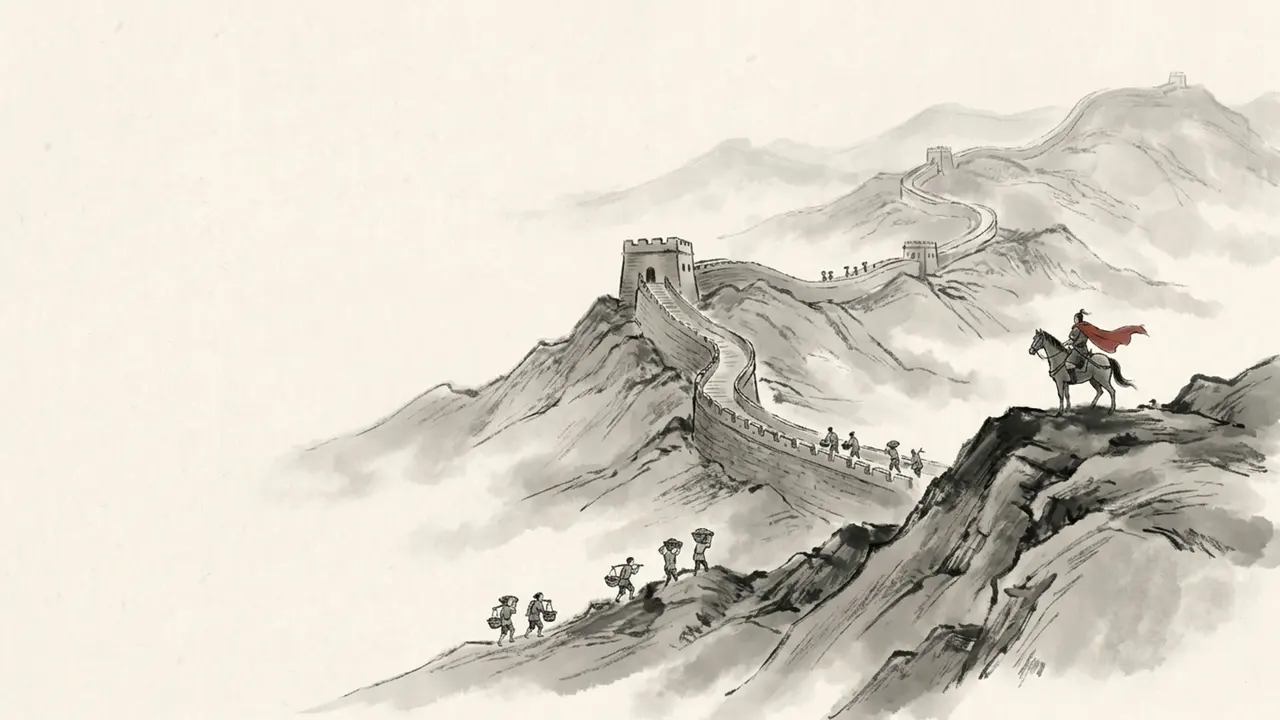
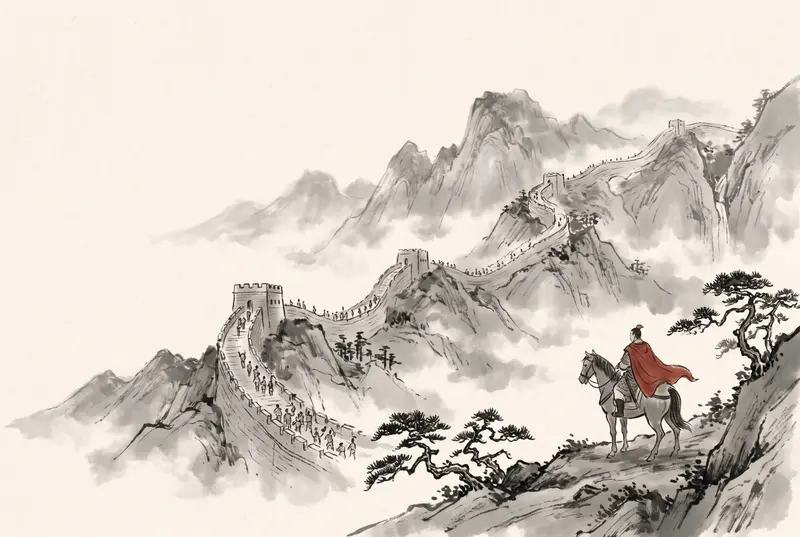
始皇二十六年,蒙恬因家世得為秦將,攻齊,大破之,拜為內史。秦已并天下,乃使蒙恬將三十萬眾北逐戎狄,收河南。筑長城,因地形,用制險塞,起臨洮,至遼東,延袤萬餘里。於是渡河,據陽山,逶蛇而北。暴師於外十餘年,居上郡。是時蒙恬威振匈奴。始皇甚尊寵蒙氏,信任賢之。而親近蒙毅,位至上卿,出則參乘,入則御前。恬任外事而毅常為內謀,名為忠信,故雖諸將相莫敢與之爭焉。
書き下し文
始皇の二十六年、蒙恬家世に因りて秦の将と為るを得、斉を攻め、大いに之を破り、拝して内史と為る。秦已に天下を并せ、乃ち蒙恬をして三十万の衆を将いて北のかた戎狄を逐い、河南を収めしむ。長城を築き、地形に因り、用て険塞を制し、臨洮より起こりて遼東に至るまで、延袤万余里。是に於いて河を渡り、陽山に拠り、逶蛇として北す。師を外に暴すこと十余年、上郡に居る。是の時蒙恬の威匈奴を振るわす。始皇甚だ蒙氏を尊寵し、信任して之を賢とす。而して蒙毅を親近し、位上卿に至り、出づれば則ち参乗し、入れば則ち前に御す。恬は外事に任じ、而して毅は常に内謀を為す。名づけて忠信と為す。故に諸将相と雖も敢えて之と争う莫し。
現代語訳
始皇の二十六年(前221年)、蒙恬は家柄のおかげで秦の将軍となり、斉を攻めて大いに破り、内史(都の長官)に任じられた。秦が天下を併せると、始皇帝は蒙恬に三十万の兵を率いさせて北の戎狄(匈奴)を追い払わせ、黄河の南のオルドスの地を取りもどさせた。蒙恬は長城を築き、地形に合わせて要害を押さえ、西の臨洮から東の遼東まで、延々一万里あまりに及んだ。さらに黄河を渡って陽山を拠点とし、うねうねと北へ進んだ。十年あまりも外で軍をさらし、上郡にとどまった。このとき蒙恬の威光は匈奴をふるえあがらせた。始皇帝は蒙氏をたいへん重んじ、信頼して賢者として扱った。弟の蒙毅もそば近くに置いて、上卿の位にまで上らせ、外出のときは同じ車に乗せ、宮中にいるときは御前に控えさせた。蒙恬は外の仕事を受け持ち、蒙毅はいつも宮中で相談にあずかった。二人は忠義で誠実だと評判だったので、将軍や大臣たちも、彼らと張り合おうとする者はいなかった。
英訳
In the twenty-sixth year of the First Emperor, Meng Tian was made a general of Qin because of his family, and attacked Qi. He utterly defeated it, and was made governor of the capital. When Qin had united the realm, it sent Meng Tian with three hundred thousand men to drive the Rong and Di tribes back to the north and take the land south of the Yellow River. He built the Long Wall, following the lie of the land and using the natural passes and strongholds, from Lintao all the way to Liaodong, stretching more than ten thousand li. Then he crossed the River, held Mount Yang, and wound his way north. For more than ten years he kept his army out in the open, based in the Shang Commandery. In those days Meng Tian's might struck terror into the Xiongnu. The First Emperor honoured and favoured the Meng family greatly, trusted them and thought them men of worth. He kept Meng Yi close to him and raised him to high minister. When the emperor went out, Meng Yi rode in his carriage; at home, he was always in attendance. Meng Tian was trusted with affairs outside, and Meng Yi always took part in the plans within. They were known for their loyalty and good faith, and so not even the other generals and ministers dared to quarrel with them.
解説(日)
- 河南: 黄河が大きく曲がる内側、今の内モンゴルのオルドス地方。
- 長城: 戦国時代に秦・趙・燕がそれぞれ築いた長城をつなぎ、延ばしたもの。今の明代の長城より北を通る。
- 萬餘里: 秦の一里は約四百メートルで、四千キロあまり。
- 參乘: 皇帝の車に同乗すること。もっとも信頼された者の役目。
解説(英)
- South of the Yellow River (河南): the Ordos, inside the great bend of the river in Inner Mongolia.
- The Long Wall (長城): Meng Tian joined and extended the walls of Qin, Zhao and Yan; it ran north of the later Ming wall.
- Ten thousand li: a Qin li was about 400 metres, so over four thousand kilometres.
英語の語注
- stronghold/ˈstrɔŋˌhoʊld/noun
a place that is strongly defended
本文では: “the natural passes and strongholds”
似た語と違い: fortress — a strong castle · bastion — a strong defence
- strike terror into/straɪk ˈtɛrər ˈɪntu/phrase
to make someone very afraid
本文では: “Meng Tian's might struck terror into the Xiongnu”
似た語と違い: frighten — make afraid · intimidate — make afraid by threats
節 3
原文
趙高者,諸趙疏遠屬也。趙高昆弟數人,皆生隱宮,其母被刑僇,世世卑賤。秦王聞高彊力,通於獄法,舉以為中車府令。高既私事公子胡亥,喻之決獄。高有大罪,秦王令蒙毅法治之。毅不敢阿法,當高罪死,除其宦籍。帝以高之敦於事也,赦之,復其官爵。
書き下し文
趙高は、諸趙の疏遠の属なり。趙高の昆弟数人、皆隠宮に生まれ、其の母は刑僇せられ、世世卑賤なり。秦王高の彊力にして獄法に通ずるを聞き、挙げて以て中車府令と為す。高既に私かに公子胡亥に事え、之に決獄を喩う。高大罪有り。秦王蒙毅をして之を法治せしむ。毅敢えて法を阿らず、高の罪死に当たると当て、其の宦籍を除く。帝、高の事に敦きを以て、之を赦し、其の官爵を復す。
現代語訳
趙高は、趙氏のなかでも遠い血筋の者である。趙高の兄弟数人は皆、宮刑を受ける者の住む隠宮で生まれ、母は刑罰を受けた身で、代々身分の低い家柄だった。秦王(始皇帝)は、趙高が力が強く、裁判と法律にくわしいと聞いて、中車府令(皇帝の車馬をつかさどる役)に取り立てた。趙高はひそかに公子胡亥に仕え、裁判のしかたを教えていた。あるとき趙高が大罪を犯すと、秦王は蒙毅にこれを法によって裁かせた。蒙毅は法を曲げずに、趙高の罪は死刑に当たると判決し、宦官の名簿から除いた。しかし始皇帝は、趙高が仕事に熱心だったので許し、もとの官位と爵位にもどした。
英訳
Zhao Gao came from a distant branch of the Zhao clan. Zhao Gao and his several brothers were all born in the hidden palace, where the castrated were kept; their mother had been punished, and their family had been humble for generations. The king of Qin heard that Zhao Gao was strong and well versed in the law, and raised him to be keeper of the palace carriages. Zhao Gao secretly attached himself to the young Prince Huhai and taught him how to judge cases. Zhao Gao committed a serious crime, and the king of Qin had Meng Yi try him by law. Meng Yi did not dare bend the law; he ruled that Zhao Gao's crime deserved death, and struck him off the list of palace eunuchs. But the emperor, because Zhao Gao was so diligent in his work, pardoned him and gave him back his office and rank.
解説(日)
- 隱宮: 宮刑(去勢の刑)を受けた者が傷をいやす部屋とも、刑徒の作業場ともいわれる。趙高が宦官だったかどうかについては、後世に議論がある。
- 中車府令: 皇帝の車馬を管理する役。
- 胡亥: 始皇帝の末子。のちの二世皇帝(006-qin-shihuang の章)。
- このとき蒙毅に死刑を言いわたされたことが、趙高が蒙氏を恨むもとになった。
解説(英)
- The hidden palace (隱宮): where the castrated were kept, or a convict workshop; whether Zhao Gao was a eunuch is debated.
- Keeper of the palace carriages (中車府令): in charge of the emperor's horses and carriages.
- Huhai (胡亥): the emperor's youngest son, later the Second Emperor (chapter 006).
英語の語注
- diligent/ˈdɪlədʒənt/adjective
working hard and carefully
本文では: “because Zhao Gao was so diligent in his work”
似た語と違い: hard-working — putting in much effort · industrious — always busy working
- bend/bɛnd/verb
to change a rule unfairly to help someone
本文では: “Meng Yi did not dare bend the law”
似た語と違い: twist — change the meaning of · stretch — use more loosely than intended
節 4
原文
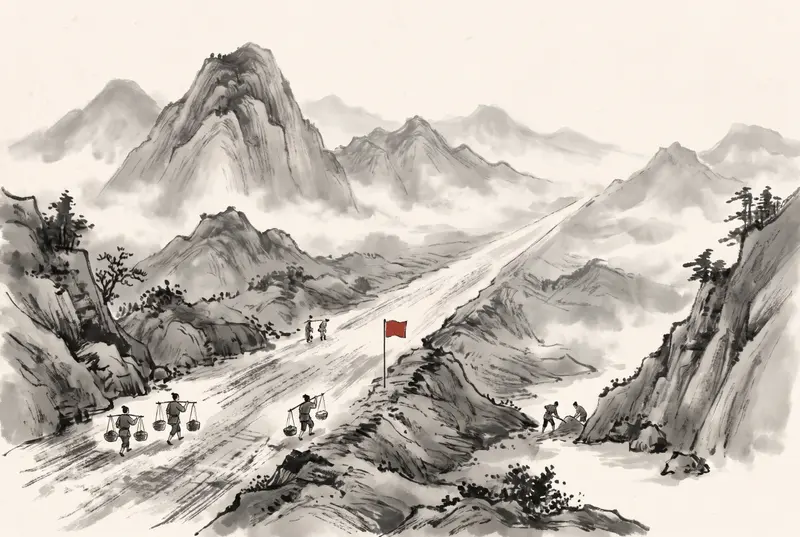
始皇欲游天下,道九原,直抵甘泉,乃使蒙恬通道,自九原抵甘泉,塹山堙谷,千八百里。道未就。始皇三十七年冬,行出游會稽,并海上,北走瑯邪。道病,使蒙毅還禱山川,未反。
書き下し文
始皇天下に游び、九原を道りて、直ちに甘泉に抵らんと欲す。乃ち蒙恬をして道を通ぜしめ、九原より甘泉に抵るまで、山を塹り谷を堙むること、千八百里。道未だ就らず。始皇の三十七年冬、行きて出でて会稽に游び、海上に並いて、北のかた瑯邪に走る。道に病み、蒙毅をして還りて山川に禱らしむ。未だ反らず。
現代語訳
始皇帝は天下を巡り歩くのに、北の九原から都の近くの甘泉までまっすぐ行ける道を造りたいと思った。そこで蒙恬に命じて道を開かせ、九原から甘泉まで、山を切り開き谷を埋めて、千八百里の道を造らせた。しかし道は完成しなかった。始皇の三十七年(前210年)の冬、始皇帝は巡行に出て会稽に遊び、海沿いに北の瑯邪へ向かった。途中で病気になり、蒙毅を都へ帰して、山や川の神々に祈らせた。蒙毅はまだもどらなかった。
英訳
The First Emperor wanted to travel about the realm by a road from Jiuyuan straight to Ganquan. So he had Meng Tian open a road from Jiuyuan to Ganquan, cutting through hills and filling in valleys, for eighteen hundred li. The road was never finished. In the winter of his thirty-seventh year, the First Emperor set out on a journey to Kuaiji, and went north along the coast to Langya. On the way he fell ill, and sent Meng Yi back to pray to the mountains and rivers. Meng Yi had not yet returned.
解説(日)
- 直道: 九原(今の内モンゴル包頭市)から甘泉(咸陽の北)までの軍用道路。いまも跡が残る。
- 千八百里: 約七百キロ。
- 蒙毅が始皇帝のそばを離れていたことが、趙高たちの陰謀を許すことになった。
解説(英)
- The Straight Road (直道): a military road from Jiuyuan near Baotou to Ganquan north of the capital; traces of it survive.
- Eighteen hundred li: about seven hundred kilometres.
- With Meng Yi away from the emperor's side, the plotters had a free hand.
英語の語注
- fill in/fɪl ɪn/phrasal verb
to put earth into a hole until it is full
本文では: “cutting through hills and filling in valleys”
似た語と違い: level — make flat · pack — press earth into
節 5
原文
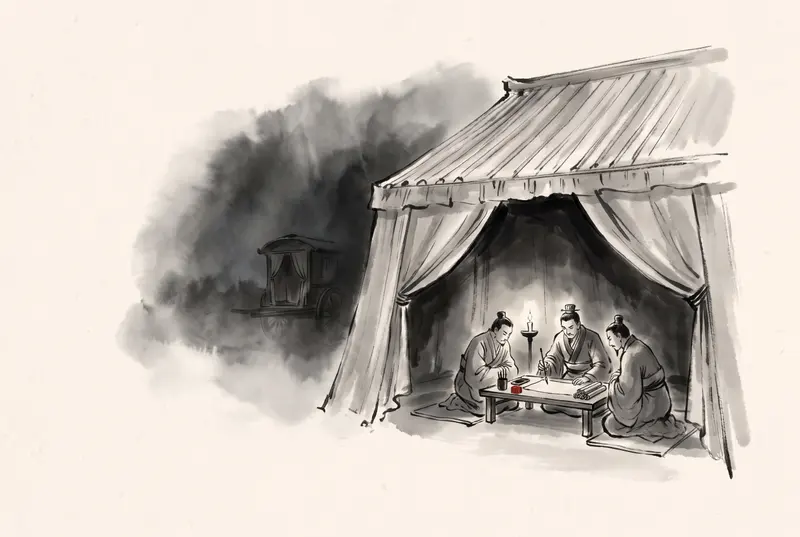
始皇至沙丘崩,祕之,群臣莫知。是時丞相李斯、公子胡亥、中車府令趙高常從。高雅得幸於胡亥,欲立之,又怨蒙毅法治之而不為己也。因有賊心,乃與丞相李斯、公子胡亥陰謀,立胡亥為太子。太子已立,遣使者以罪賜公子扶蘇、蒙恬死。扶蘇已死,蒙恬疑而復請之。使者以蒙恬屬吏,更置。胡亥以李斯舍人為護軍。使者還報,胡亥已聞扶蘇死,即欲釋蒙恬。趙高恐蒙氏復貴而用事,怨之。
書き下し文
始皇沙丘に至りて崩ず。之を秘し、群臣知る莫し。是の時丞相李斯・公子胡亥・中車府令趙高常に従う。高雅より胡亥に幸せらるるを得て、之を立てんと欲し、又蒙毅の之を法治して己の為にせざるを怨む。因りて賊心有り、乃ち丞相李斯・公子胡亥と陰かに謀り、胡亥を立てて太子と為す。太子已に立ち、使者を遣わし罪を以て公子扶蘇・蒙恬に死を賜う。扶蘇已に死す。蒙恬疑いて復た之を請う。使者蒙恬を以て吏に属し、更に置く。胡亥李斯の舎人を以て護軍と為す。使者還りて報ず。胡亥已に扶蘇の死するを聞き、即ち蒙恬を釈かんと欲す。趙高、蒙氏の復た貴くして事を用いんことを恐れ、之を怨む。
現代語訳
始皇帝は沙丘まで来て亡くなった。その死は隠され、群臣はだれも知らなかった。このとき、丞相の李斯、公子の胡亥、中車府令の趙高がいつも付き従っていた。趙高は前から胡亥に気に入られていたので、胡亥を帝位につけたいと思い、また、蒙毅が自分を法で裁いてかばわなかったことを恨んでいた。そこで悪心を起こし、丞相の李斯、公子の胡亥とひそかにはかって、胡亥を太子に立てた。太子が立つと、使者を送り、罪をきせて公子扶蘇と蒙恬に死を命じた。扶蘇はすぐに自害したが、蒙恬は疑って、もう一度命令を確かめたいと願った。使者は蒙恬を役人に引きわたして監禁し、代わりの者を将軍に置いた。胡亥は李斯の家臣を護軍(軍の監督官)にした。使者が帰って報告すると、胡亥は扶蘇が死んだと聞いて安心し、蒙恬を許そうとした。しかし趙高は、蒙氏がふたたび重んじられて権力を握るのを恐れ、恨んでいた。
英訳
When the First Emperor reached Shaqiu, he died. His death was kept secret, and none of the ministers knew. At that time the chancellor Li Si, Prince Huhai and Zhao Gao, the keeper of the palace carriages, were always in attendance. Zhao Gao had long been in Huhai's favour, and he wanted to put him on the throne; and he still hated Meng Yi for trying him by law and not taking his side. So, with treachery in his heart, he plotted in secret with the chancellor Li Si and Prince Huhai, and Huhai was made crown prince. When the crown prince had been set up, envoys were sent to accuse Prince Fusu and Meng Tian of crimes and order them to die. Fusu died at once. But Meng Tian was suspicious and asked for the order to be confirmed. The envoys handed Meng Tian over to the officials and put another man in his place, and Huhai made a retainer of Li Si the supervisor of the army. When the envoys came back and reported, Huhai, hearing that Fusu was dead, wanted to set Meng Tian free. But Zhao Gao feared that the Meng family would rise to power again, and he hated them.
解説(日)
- 沙丘: 今の河北省広宗県のあたり。かつて趙の武霊王もここで死んだ。
- 賜死: 皇帝が罪のある者に自殺を命じること。
- 扶蘇は使者の持ってきた偽の詔を見て、「父が子に死を命じるのに、何を確かめることがあろう」と言って自害した(李斯列伝、087-li-si の章)。
解説(英)
- Shaqiu (沙丘): in southern Hebei, where King Wuling of Zhao had also died.
- Ordered to die (賜死): the emperor's command to commit suicide.
- Fusu said that when a father orders his son to die there is nothing to question, and killed himself (chapter 087, Li Si).
英語の語注
- plot/plɑt/verb
to make a secret plan to do something wrong
本文では: “he plotted in secret with the chancellor Li Si”
似た語と違い: scheme — plan secretly · conspire — plan a crime together
- treachery/ˈtrɛtʃəri/noun
betraying people who trust you
本文では: “with treachery in his heart”
似た語と違い: betrayal — breaking someone's trust · disloyalty — not being faithful
節 6
原文
毅還至,趙高因為胡亥忠計,欲以滅蒙氏,乃言曰:「臣聞先帝欲舉賢立太子久矣,而毅諫曰『不可』。若知賢而俞弗立,則是不忠而惑主也。以臣愚意,不若誅之。」胡亥聽而系蒙毅於代。前已囚蒙恬於陽周。喪至咸陽,已葬,太子立為二世皇帝,而趙高親近,日夜毀惡蒙氏,求其罪過,舉劾之。子嬰進諫曰:「臣聞故趙王遷殺其良臣李牧而用顏聚,燕王喜陰用荊軻之謀而倍秦之約,齊王建殺其故世忠臣而用后勝之議。此三君者,皆各以變古者失其國而殃及其身。今蒙氏,秦之大臣謀士也,而主欲一旦棄去之,臣竊以為不可。臣聞輕慮者不可以治國,獨智者不可以存君。誅殺忠臣而立無節行之人,是內使群臣不相信而外使鬬士之意離也,臣竊以為不可。」
書き下し文
毅還りて至る。趙高因りて胡亥の為に忠計し、以て蒙氏を滅ぼさんと欲し、乃ち言いて曰く、「臣聞く、先帝賢を挙げて太子を立てんと欲すること久しきも、而るに毅諫めて『不可なり』と曰うと。若し賢を知りて俞ろ立てずんば、則ち是れ不忠にして主を惑わすなり。臣が愚意を以てすれば、之を誅するに若かず」と。胡亥聴きて蒙毅を代に繋ぐ。前に已に蒙恬を陽周に囚う。喪咸陽に至り、已に葬り、太子立ちて二世皇帝と為る。而して趙高親近し、日夜蒙氏を毀悪し、其の罪過を求め、之を挙劾す。子嬰進みて諫めて曰く、「臣聞く、故の趙王遷は其の良臣李牧を殺して顔聚を用い、燕王喜は陰かに荊軻の謀を用いて秦の約に倍き、斉王建は其の故世の忠臣を殺して后勝の議を用う。此の三君は、皆各々古を変ずるを以て其の国を失い、殃其の身に及ぶ。今蒙氏は、秦の大臣謀士なり。而るに主一旦にして之を棄て去らんと欲す。臣竊かに以て不可と為す。臣聞く、軽慮なる者は以て国を治むべからず、独智なる者は以て君を存すべからずと。忠臣を誅殺して節行無きの人を立つるは、是れ内は群臣をして相信ぜざらしめ、外は闘士の意をして離れしむるなり。臣竊かに以て不可と為す」と。
現代語訳
蒙毅が都へもどってきた。趙高は胡亥のためを思うふりをして、蒙氏を滅ぼそうとし、こう言った。「聞くところでは、先帝はずっと前から賢い子を選んで太子に立てようとしておられたのに、蒙毅が『いけません』といさめたそうです。賢いと知りながら立てさせなかったのなら、それは不忠で、主君を惑わしたことになります。わたしの愚かな考えでは、殺してしまうのがよいと存じます」。胡亥はこれを聞き入れて、蒙毅を代の地で獄につないだ。それより前に、蒙恬はすでに陽周で捕らわれていた。始皇帝の棺が咸陽に着いて葬儀が終わり、太子が即位して二世皇帝となった。趙高は皇帝のそば近くに仕え、昼も夜も蒙氏の悪口を言い、罪を探して告発した。子嬰が進み出ていさめた。「聞くところでは、昔の趙王遷はすぐれた臣下の李牧を殺して顔聚を用い、燕王喜はひそかに荊軻の計略を用いて秦との約束にそむき、斉王建は代々の忠臣を殺して后勝の意見を用いました。この三人の君主は皆、古くからのやり方を変えたために国を失い、災いはわが身に及びました。いま蒙氏は秦の大臣であり、知恵者です。それを陛下は一朝のうちに捨て去ろうとしておられます。わたしはひそかに、よくないと思います。考えの浅い者には国は治められず、一人よがりの知恵では君主を守れないと聞きます。忠臣を殺して節操のない者を立てれば、内では群臣がたがいを信じなくなり、外では戦う兵士の心が離れます。わたしはひそかに、よくないと思います」。
英訳
Meng Yi came back. Zhao Gao, pretending to plan loyally for Huhai, set out to destroy the Meng family. He said: "I have heard that the late emperor long wished to choose a worthy son and make him crown prince, but Meng Yi argued against it, saying: 'It cannot be.' If he knew which son was worthy and still kept him from the throne, that was disloyal and misled his master. In my foolish opinion, it would be best to put him to death." Huhai listened, and had Meng Yi imprisoned in Dai. Meng Tian had already been imprisoned at Yangzhou. The coffin reached Xianyang and was buried, and the crown prince took the throne as the Second Emperor. Zhao Gao was always at his side, and day and night he spoke ill of the Meng family, searched for their faults and brought charges against them. Ziying came forward and protested: "I have heard that Qian, the former king of Zhao, killed his good minister Li Mu and used Yan Ju; that Xi, the king of Yan, secretly followed Jing Ke's plan and broke his pact with Qin; and that Jian, the king of Qi, killed the loyal ministers his family had always had and followed the advice of Hou Sheng. Each of these three rulers lost his state because he broke with the ways of old, and disaster fell on him. Now the Meng are great ministers and wise counsellors of Qin, and yet Your Majesty would cast them away in a single morning. I humbly think this wrong. I have heard that a man who thinks lightly cannot govern a state, and a man who trusts only his own wisdom cannot keep his ruler safe. To kill loyal ministers and raise up men without principle will make the ministers distrust one another at court, and turn the hearts of the fighting men away in the field. I humbly think this wrong."
解説(日)
- 陽周: 上郡の県(今の陝西省子長県のあたり)。
- 子嬰: 秦の最後の王。のちに趙高を殺し、劉邦に降伏した(006-qin-shihuang の章)。始皇帝の孫とも、弟の子ともいわれる。
- 趙王遷と李牧: 趙は名将李牧を讒言で殺した数か月後に秦に滅ぼされた(081-zhao-kuo の章)。
解説(英)
- Yangzhou (陽周): a county in the Shang Commandery, in northern Shaanxi.
- Ziying (子嬰): the last ruler of Qin, who later killed Zhao Gao and surrendered to Liu Bang (chapter 006).
- Li Mu (李牧): the great general of Zhao, killed on slander months before Zhao fell (chapter 081).
英語の語注
- principle/ˈprɪnsəpəl/noun
a rule of good behaviour that a person believes in
本文では: “men without principle”
似た語と違い: scruples — a sense of right and wrong · integrity — being honest and fair
- disloyal/dɪsˈlɔɪəl/adjective
not faithful to someone you should support
本文では: “that was disloyal and misled his master”
似た語と違い: unfaithful — not loyal · treacherous — likely to betray
節 7
原文
胡亥不聽。而遣御史曲宮乘傳之代,令蒙毅曰:「先主欲立太子而卿難之。今丞相以卿為不忠,罪及其宗。朕不忍,乃賜卿死,亦甚幸矣。卿其圖之!」毅對曰:「以臣不能得先主之意,則臣少宦,順幸沒世。可謂知意矣。以臣不知太子之能,則太子獨從,周旋天下,去諸公子絕遠,臣無所疑矣。夫先主之舉用太子,數年之積也,臣乃何言之敢諫,何慮之敢謀!非敢飾辭以避死也,為羞累先主之名,願大夫為慮焉,使臣得死情實。且夫順成全者,道之所貴也;刑殺者,道之所卒也。昔者秦穆公殺三良而死,罪百里奚而非其罪也,故立號曰『繆』。昭襄王殺武安君白起。楚平王殺伍奢。吳王夫差殺伍子胥。此四君者,皆為大失,而天下非之,以其君為不明,以是籍於諸侯。故曰『用道治者不殺無罪,而罰不加於無辜』。唯大夫留心!」使者知胡亥之意,不聽蒙毅之言,遂殺之。
書き下し文
胡亥聴かず。而して御史曲宮をして伝に乗りて代に之かしめ、蒙毅に令して曰く、「先主太子を立てんと欲するに、而るに卿之を難ず。今丞相卿を以て不忠と為す。罪其の宗に及ぶ。朕忍びず。乃ち卿に死を賜う。亦た甚だ幸いなり。卿其れ之を図れ」と。毅対えて曰く、「臣を以て先主の意を得る能わずと為さば、則ち臣少くして宦し、順幸せられて世を没す。意を知ると謂うべし。臣を以て太子の能を知らずと為さば、則ち太子独り従い、天下を周旋し、諸公子を去ること絶だ遠し。臣疑う所無し。夫れ先主の太子を挙げ用うるは、数年の積なり。臣乃ち何の言をか之れ敢えて諫め、何の慮をか之れ敢えて謀らん。敢えて辞を飾りて以て死を避くるに非ず。先主の名を羞累せんが為なり。願わくは大夫為に慮り、臣をして死の情実を得しめよ。且つ夫れ順成全なる者は、道の貴ぶ所なり。刑殺する者は、道の卒する所なり。昔者秦の穆公、三良を殺して死し、百里奚を罪するも其の罪に非ず。故に号を立てて『繆』と曰う。昭襄王、武安君白起を殺す。楚の平王、伍奢を殺す。呉王夫差、伍子胥を殺す。此の四君は、皆大失を為して、天下之を非とし、其の君を以て不明と為し、是を以て諸侯に籍せらる。故に曰く、『道を用いて治むる者は無罪を殺さず、而して罰は無辜に加えず』と。唯だ大夫心を留めよ」と。使者胡亥の意を知り、蒙毅の言を聴かず、遂に之を殺す。
現代語訳
胡亥は聞き入れなかった。そして御史の曲宮に駅伝の車で代へ行かせ、蒙毅に命じた。「先帝が太子を立てようとされたとき、そなたは反対した。いま丞相は、そなたを不忠だとしている。罪は一族にまで及ぶところだが、わたしは忍びない。そこでそなたに死を賜る。これでもたいへんな幸いである。よく考えよ」。蒙毅は答えた。「わたしが先帝のお心を分かっていなかったとおっしゃるなら、わたしは若いころから仕え、先帝が亡くなるまでかわいがっていただきました。お心を分かっていたと言えましょう。わたしが太子の才能を知らなかったとおっしゃるなら、太子だけが先帝のお供をして天下を巡り、ほかの公子たちとはかけ離れた扱いを受けておられました。わたしには何の疑いもありませんでした。先帝が太子をお選びになったのは、何年もかけてのことです。わたしがどうして、それをいさめたり、はかりごとをめぐらしたりいたしましょう。言葉を飾って死を逃れようというのではありません。先帝のお名前を汚すのが恥ずかしいのです。どうか使者どの、よくお考えになり、わたしが本当のことを明らかにして死ねるようにしてください。そもそも、従わせて全うさせることは道の尊ぶところで、刑罰で殺すことは道の行きつく果てです。昔、秦の穆公は三人の良臣を殉死させ、百里奚を罪のないのに罰したので、『繆(あやまり)』という諡がつけられました。昭襄王は武安君白起を殺し、楚の平王は伍奢を殺し、呉王夫差は伍子胥を殺しました。この四人の君主は皆大きな過ちを犯し、天下の非難を受け、愚かな君主とされて、諸侯の記録に残されました。だから『道によって治める者は罪のない者を殺さず、罰を罪のない者に加えない』というのです。どうか使者どの、心にとめてください」。しかし使者は胡亥の意向を知っていたので、蒙毅の言葉を聞き入れず、ついに蒙毅を殺した。
英訳
Huhai would not listen. He sent the inspector Qu Gong by post carriage to Dai with an order for Meng Yi: "When the late emperor wished to set up the crown prince, you opposed it. Now the chancellor holds you to be disloyal, and the crime would reach your whole clan. We cannot bear that, and so We grant you death. That is great good fortune. Think on it." Meng Yi answered: "If you say I did not understand the late emperor's wishes, I served him from my youth and enjoyed his favour until he died; surely I understood his wishes. If you say I did not know the crown prince's abilities, the crown prince alone went with the late emperor on his journeys about the realm, far ahead of all the other princes; I had no doubts. The late emperor's choice of the crown prince was the work of many years. What words would I have dared to say against it, what plot would I have dared to make? I am not dressing up my words to escape death; I am ashamed to bring disgrace on the late emperor's name. I beg you, sir, to consider it, so that I may die with the truth made plain. To let things follow their course and come to completion is what the Way values; to punish and kill is where the Way comes to an end. In the past Duke Mu of Qin had three good men die with him, and punished Baili Xi though he had done no wrong, and so he was given the name Mu, 'the mistaken'. King Zhaoxiang killed Bai Qi, Lord Wu'an. King Ping of Chu killed Wu She. Fuchai, the king of Wu, killed Wu Zixu. These four rulers all made great mistakes. The realm condemned them as rulers who could not see, and so they were written down in the records of the lords. That is why it is said: 'He who governs by the Way does not kill the innocent, nor lay punishment on the blameless.' I beg you, sir, to keep it in mind." But the envoy knew what Huhai wanted. He would not listen to Meng Yi, and killed him.
解説(日)
- 繆: 秦の穆公の諡はもと「繆」とも書く。蒙毅は「あやまり」の意味にかけて、穆公の殉死を責めている(005-qin の章)。
- 伍奢・伍子胥: 楚の平王に殺された伍奢と、その子で呉王夫差に自害させられた伍子胥(066-wu-zixu の章)。
- 乘傳: 駅ごとに馬を替えて急ぐ公用の車。
解説(英)
- Mu, "the mistaken" (繆): Meng Yi plays on the other way of writing Duke Mu's name, blaming him for the human sacrifices at his burial (chapter 005).
- Wu She and Wu Zixu: father and son, killed by King Ping of Chu and King Fuchai of Wu (chapter 066).
- Post carriage (乘傳): an official carriage that changed horses at each station.
英語の語注
- blameless/ˈbleɪmləs/adjective
having done nothing wrong
本文では: “nor lay punishment on the blameless”
似た語と違い: innocent — not guilty · faultless — without fault
- disgrace/dɪsˈɡreɪs/noun
loss of honour and respect
本文では: “to bring disgrace on the late emperor's name”
似た語と違い: dishonour — shame · shame — loss of respect
節 8
原文
二世又遣使者之陽周,令蒙恬曰:「君之過多矣,而卿弟毅有大罪,法及內史。」恬曰:「自吾先人,及至子孫,積功信於秦三世矣。今臣將兵三十餘萬,身雖囚系,其勢足以倍畔,然自知必死而守義者,不敢辱先人之教,以不忘先主也。昔周成王初立,未離襁緥周公旦負王以朝,卒定天下。及成王有病甚殆,公旦自揃其爪以沈於河,曰:『王未有識,是旦執事。有罪殃,旦受其不祥。』乃書而藏之記府,可謂信矣。及王能治國,有賊臣言:『周公旦欲為亂久矣,王若不備,必有大事。』王乃大怒,周公旦走而奔於楚。成王觀於記府,得周公旦沈書,乃流涕曰:『孰謂周公旦欲為亂乎!』殺言之者而反周公旦。故《周書》曰『必參而伍之』。今恬之宗,世無二心,而事卒如此,是必孽臣逆亂,內陵之道也。夫成王失而復振則卒昌;桀殺關龍逢,紂殺王子比干而不悔,身死則國亡。臣故曰過可振而諫可覺也。察於參伍,上聖之法也。凡臣之言,非以求免於咎也,將以諫而死,願陛下為萬民思從道也。」使者曰:「臣受詔行法於將軍,不敢以將軍言聞於上也。」
書き下し文
二世又使者を陽周に遣わし、蒙恬に令して曰く、「君の過ち多し。而して卿の弟毅大罪有り。法内史に及ぶ」と。恬曰く、「吾が先人より、子孫に及ぶまで、功信を秦に積むこと三世なり。今臣兵三十余万を将い、身は囚繫せらると雖も、其の勢以て倍畔するに足る。然れども自ら必ず死するを知りて義を守る者は、敢えて先人の教えを辱めず、以て先主を忘れざればなり。昔周の成王初めて立ち、未だ襁緥を離れず、周公旦王を負いて以て朝し、卒に天下を定む。成王病有りて甚だ殆うきに及び、公旦自ら其の爪を揃りて以て河に沈めて曰く、『王未だ識有らず。是れ旦事を執る。罪殃有らば、旦其の不祥を受けん』と。乃ち書して之を記府に蔵す。信と謂うべし。王の能く国を治むるに及び、賊臣有りて言う、『周公旦乱を為さんと欲すること久し。王若し備えずんば、必ず大事有らん』と。王乃ち大いに怒り、周公旦走りて楚に奔る。成王記府を観て、周公旦の沈書を得、乃ち流涕して曰く、『孰か周公旦乱を為さんと欲すと謂うや』と。之を言う者を殺して周公旦を反す。故に周書に曰く、『必ず参にして之を伍す』と。今恬の宗、世々二心無し。而るに事卒に此くの如きは、是れ必ず孽臣逆乱し、内陵するの道なり。夫れ成王は失いて復た振るい則ち卒に昌え、桀は関龍逢を殺し、紂は王子比干を殺して悔いず、身死すれば則ち国亡ぶ。臣故に曰く、過ちは振るうべく、而して諫めは覚るべしと。参伍を察するは、上聖の法なり。凡そ臣の言は、以て咎を免れんことを求むるに非ざるなり。将に以て諫めて死せんとす。願わくは陛下万民の為に道に従うことを思え」と。使者曰く、「臣詔を受けて法を将軍に行う。敢えて将軍の言を以て上に聞せず」と。
現代語訳
二世皇帝はまた使者を陽周へ送り、蒙恬に命じた。「そなたの過ちは多い。しかもそなたの弟の蒙毅は大罪を犯した。法は内史(蒙恬)にも及ぶ」。蒙恬は言った。「わたしの祖父から子や孫にいたるまで、三代にわたって秦に功績と信義を積み重ねてきました。いまわたしは三十万あまりの兵を率いています。わが身はとらわれていても、その勢いをもってすれば謀反を起こすこともできます。しかし、必ず死ぬと分かっていながら義を守るのは、祖先の教えを汚さず、先帝のご恩を忘れないためです。昔、周の成王が即位したときは、まだおむつも取れない幼さで、周公旦が王を背負って朝廷に出て、ついに天下を定めました。成王が重い病で危なくなったとき、周公旦は自分の爪を切って黄河に沈め、『王はまだ物事が分かりません。政治をとっているのはこの旦です。罪や災いがあるなら、旦がその不幸を受けます』と祈りました。そしてそれを書いて記録の倉にしまいました。誠実と言うべきです。王が国を治められるようになると、悪い家臣が『周公旦は前々から反乱をたくらんでいます。王が備えなければ、きっと大事になります』と言い、王は大いに怒って、周公旦は楚へ逃れました。成王は記録の倉を見て、周公旦が河に沈めた祈りの書を見つけ、涙を流して『だれが周公旦が反乱をたくらんでいるなどと言ったのか』と言い、それを言った者を殺して周公旦を呼びもどしました。だから『周書』には『必ず三方五方から照らし合わせて調べよ』とあるのです。いまわが一族は代々二心がありません。それなのにこのようなことになったのは、きっと悪い家臣が道理にそむいて乱を起こし、内から主君をしのいでいるからです。成王は過ちを犯してもまた立ち直ったので、ついに栄えました。桀王は関龍逢を、紂王は王子比干を殺して悔いなかったので、身は死に、国は滅びました。だからわたしは、過ちは立て直せるし、いさめれば目をさまされると申すのです。照らし合わせて調べるのは、聖人の法です。わたしの言葉は、罪を逃れようとしてのものではありません。いさめて死ぬつもりなのです。どうか陛下が、万民のために道に従うことをお考えくださいますように」。使者は言った。「わたしは詔を受けて、将軍に法を執行しに来たのです。将軍のお言葉を陛下にお伝えすることはできません」。
英訳
The Second Emperor sent another envoy to Yangzhou, with an order for Meng Tian: "Your faults are many. And your brother Meng Yi has committed a great crime. The law reaches you too, governor." Meng Tian said: "From my grandfather down to his sons and grandsons, my family has built up merit and loyalty in Qin for three generations. Now I command more than three hundred thousand men. Though I am a prisoner, my strength is enough to rebel. But I know that I must die, and I keep to my duty, because I dare not disgrace the teaching of my forefathers or forget the late emperor. Long ago, when King Cheng of Zhou first came to the throne, he was still in swaddling clothes. Dan, the Duke of Zhou, carried the king on his back to court, and in the end brought peace to the realm. When King Cheng fell gravely ill, the duke cut his own nails and sank them in the river, saying: 'The king does not yet understand. It is I, Dan, who run affairs. If there is any guilt or disaster, let me suffer the ill fortune.' He wrote this down and put it away in the archives. That was good faith indeed. When the king was able to govern, a treacherous minister said: 'The Duke of Zhou has long been planning a rebellion. If Your Majesty does not take care, there will be great trouble.' The king flew into a rage, and the Duke of Zhou fled to Chu. Then King Cheng looked in the archives and found the prayer the duke had sunk in the river. He wept and said: 'Who says the Duke of Zhou meant to rebel?' He killed the man who had said it and brought the Duke of Zhou back. That is why the Book of Zhou says: 'Always check by three and by five.' Now my family has never had a divided heart, and yet it has come to this. It must be that wicked ministers are rebelling and overriding their master from within. King Cheng went wrong but recovered, and so he prospered in the end. Jie killed Guan Longfeng and Zhou of Shang killed Prince Bi Gan, and they did not repent; they died, and their states were lost. That is why I say that mistakes can be put right, and that warnings can open the eyes. To check by three and by five is the law of the great sages. I do not say all this to escape blame. I shall protest and die. I only hope that Your Majesty will think of following the Way, for the sake of the people." The envoy said: "I have received an edict to carry out the law on you, general. I dare not report your words to His Majesty."
解説(日)
- 周公旦の爪の話は、魯周公世家にも見える(033-duke-zhou の章)。蒙恬は、讒言を信じず真実を確かめた成王にならうよう求めている。
- 參伍: 三つ五つと照らし合わせて調べること。
- 關龍逢・比干: 夏の桀王と殷の紂王をいさめて殺された忠臣。
解説(英)
- The Duke of Zhou's nails: the same story appears in the Hereditary House of the Duke of Zhou (chapter 033).
- Check by three and by five (參伍): test a charge against several sources before believing it.
- Guan Longfeng and Bi Gan: loyal ministers killed for warning the tyrants Jie and Zhou.
英語の語注
- repent/rɪˈpɛnt/verb
to feel sorry for something wrong you have done
本文では: “they did not repent”
似た語と違い: regret — feel sorry about · atone — make up for a wrong
- treacherous/ˈtrɛtʃərəs/adjective
likely to betray people who trust you
本文では: “a treacherous minister said”
似た語と違い: disloyal — not faithful · two-faced — saying one thing and doing another
節 9
原文
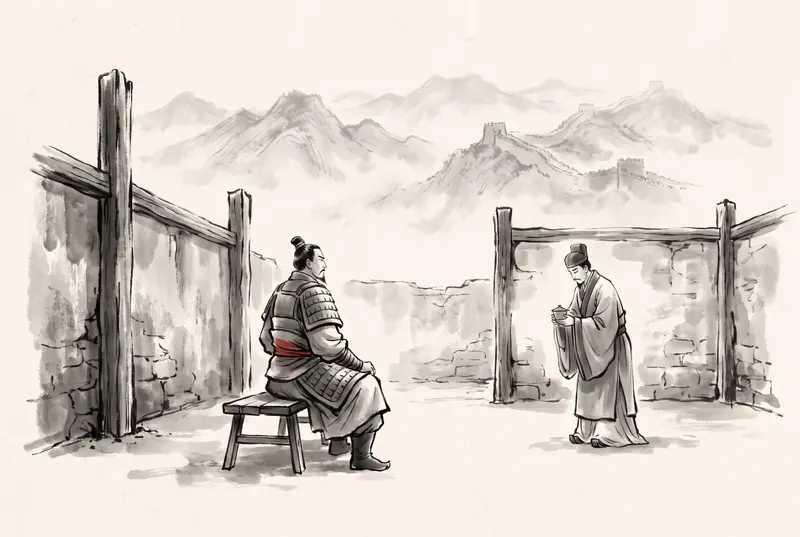
蒙恬喟然太息曰:「我何罪於天,無過而死乎?」良久,徐曰:「恬罪固當死矣。起臨洮屬之遼東,城塹萬餘里,此其中不能無絕地脈哉?此乃恬之罪也。」乃吞藥自殺。
書き下し文
蒙恬喟然として太息して曰く、「我何の罪か天に有りて、過ち無くして死せんや」と。良久しくして、徐ろに曰く、「恬の罪固より死に当たれり。臨洮より起こりて之を遼東に属ぬ。城塹万余里、此の其の中に地脈を絶つ無き能わざらんや。此れ乃ち恬の罪なり」と。乃ち薬を呑みて自殺す。
現代語訳
蒙恬は深いため息をついて言った。「わたしは天に対してどんな罪を犯したというのか。過ちもないのに死なねばならぬとは」。しばらくして、ゆっくりと言った。「いや、わたしの罪はもともと死に当たる。臨洮から遼東まで、一万里あまりの城壁と堀を築いた。そのあいだで、大地の脈を断ち切らなかったはずがあろうか。それこそがわたしの罪だ」。そして毒薬を飲んで自殺した。
英訳
Meng Tian heaved a deep sigh and said: "What crime have I committed against Heaven, that I must die without having done wrong?" After a long while he said slowly: "My crime does indeed deserve death. From Lintao to Liaodong I built walls and ditches for more than ten thousand li. Somewhere along all that length, how could I not have cut the veins of the earth? That is my crime." Then he swallowed poison and killed himself.
解説(日)
- 喟然太息: 深いため息をつくこと。
- 地脈: 大地を流れる気の筋。土木工事でこれを断つと災いが起こると考えられた。
- 蒙恬が死んだのは前210年。三年後、秦は滅びた。
解説(英)
- Heaved a deep sigh (喟然太息).
- The veins of the earth (地脈): lines of energy in the land, which great earthworks were thought to break.
- Meng Tian died in 210 BCE; three years later Qin fell.
この節から生まれた言葉: 地脈を絶つ
英語の語注
- heave a sigh/hiv ə saɪ/phrase
to breathe out slowly and heavily in sadness
本文では: “Meng Tian heaved a deep sigh”
似た語と違い: sigh deeply — breathe out sadly · groan — make a low sad sound
節 10
原文
太史公曰:吾適北邊,自直道歸,行觀蒙恬所為秦筑長城亭障,塹山堙谷,通直道,固輕百姓力矣。夫秦之初滅諸侯,天下之心未定,痍傷者未瘳,而恬為名將,不以此時彊諫,振百姓之急,養老存孤,務修眾庶之和,而阿意興功,此其兄弟遇誅,不亦宜乎!何乃罪地脈哉?
書き下し文
太史公曰く、吾北辺に適き、直道より帰る。行きて蒙恬の秦の為に築きし所の長城亭障を観るに、山を塹り谷を堙み、直道を通ず。固より百姓の力を軽んぜり。夫れ秦の初めて諸侯を滅ぼすや、天下の心未だ定まらず、痍傷する者未だ瘳えず。而して恬名将と為りて、此の時を以て彊諫し、百姓の急を振い、老を養い孤を存し、務めて衆庶の和を修めず、而して意に阿りて功を興す。此れ其の兄弟誅に遇うも、亦た宜ならずや。何ぞ乃ち罪を地脈にせんや。
現代語訳
太史公は言う。わたしは北の辺境へ行き、直道を通って帰ってきた。道すがら、蒙恬が秦のために築いた長城や見張りの砦を見ると、山を切り開き谷を埋めて、直道を通していた。民の力を軽く見ていたことは明らかだ。秦が諸侯を滅ぼしたばかりのころは、天下の人心はまだ落ち着かず、戦で傷ついた者もまだいえていなかった。それなのに蒙恬は名将でありながら、このときに強くいさめて民の苦しみを救い、老人を養い孤児をいたわって、民の和を整えることに努めず、皇帝の心にこびて大工事を起こした。兄弟が誅殺されたのも当然ではないか。どうして地脈のせいにすることがあろうか。
英訳
The Grand Historian says: I went to the northern frontier and came home by the Straight Road. On the way I saw the Long Wall and the watchtowers that Meng Tian built for Qin. He cut through hills and filled in valleys to make the Straight Road. He truly made light of the people's strength. When Qin had just destroyed the lords, the hearts of the realm were not yet settled, and the wounded had not yet healed. Meng Tian was a famous general; yet instead of using that moment to protest strongly, to relieve the people's distress, care for the old, look after the orphans and work for harmony among the common people, he bent to his master's wishes and launched great works. Was it not fitting that he and his brother should be put to death? Why blame the veins of the earth?
解説(日)
- 亭障: 長城に沿った見張りの砦。
- 司馬遷自身が北辺を旅し、直道を通って長城の跡を見ている。現地を歩いて書いた評である。
- 司馬遷は、無実の罪で死んだ蒙恬に同情しつつも、民を苦しめた責任をきびしく問うている。
解説(英)
- Watchtowers (亭障): forts and beacon posts along the wall.
- Sima Qian had travelled the frontier himself and seen the wall and the road with his own eyes.
- He pities Meng Tian's unjust death, but blames him for spending the people's strength.
英語の語注
- frontier/frʌnˈtɪr/noun
the border between two countries, or the land near it
本文では: “I went to the northern frontier”
似た語と違い: border — a line between countries · borderland — the land near a border
- make light of/meɪk laɪt ʌv/phrase
to treat something as unimportant
本文では: “He truly made light of the people's strength”
似た語と違い: play down — make seem less important · belittle — treat as small