世家 · 巻 52
斉悼恵王世家 齊悼惠王世家
「其の種に非ざる者は、鉏きて之を去る」(劉章の耕田の歌) 非其種者,鉏而去之
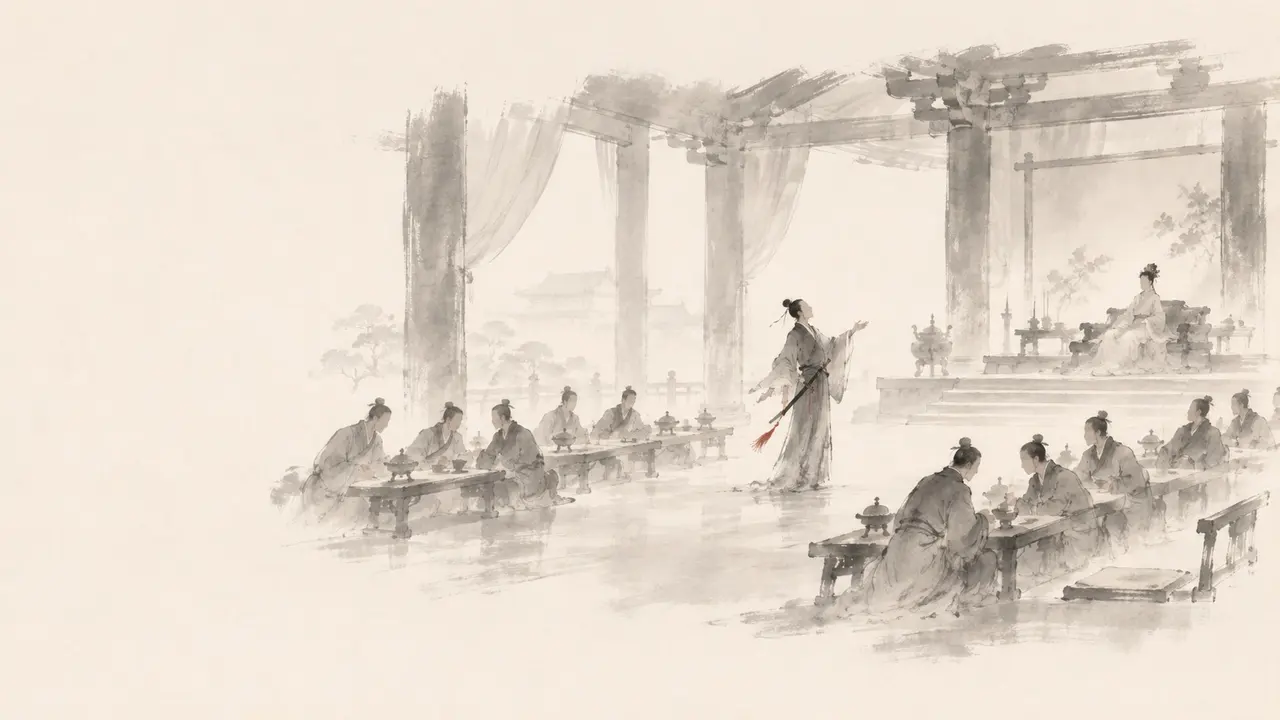
高祖の長男で斉王となった劉肥(悼恵王)とその子孫の物語。劉肥は弟の恵帝に兄として対等に扱われて呂后の怒りを買い、領地の城陽郡を差し出して命拾いした。呂后が呂氏の一族を次々に王にすると、劉肥の孫で二十歳の朱虚侯劉章は、呂后の宴で「軍法で酒を取りしきらせてください」と願い出て、「自分がまいた種でないものは、すきで掘って取り除く」と耕田の歌を歌い、宴から逃げた呂氏の一人を斬った。呂后が死ぬと、劉章は兄の斉王に挙兵を促し、自らまっ先に呂産を斬って呂氏を滅ぼす。だが斉王は、母方のおじが「冠をかぶった虎」だとして皇帝に選ばれず、代王(文帝)が立った。斉王に挙兵を勧めた魏勃は、灌嬰の前でももをふるわせて罪を逃れた。その後、斉は主父偃に追いつめられた厲王の自殺で断絶する。
この巻のうち「「其の種に非ざる者は、鉏きて之を去る」(劉章の耕田の歌)」の場面を載せています。巻の全文ではありません。
音声
音声は合成音声です。
動画
節 1
原文
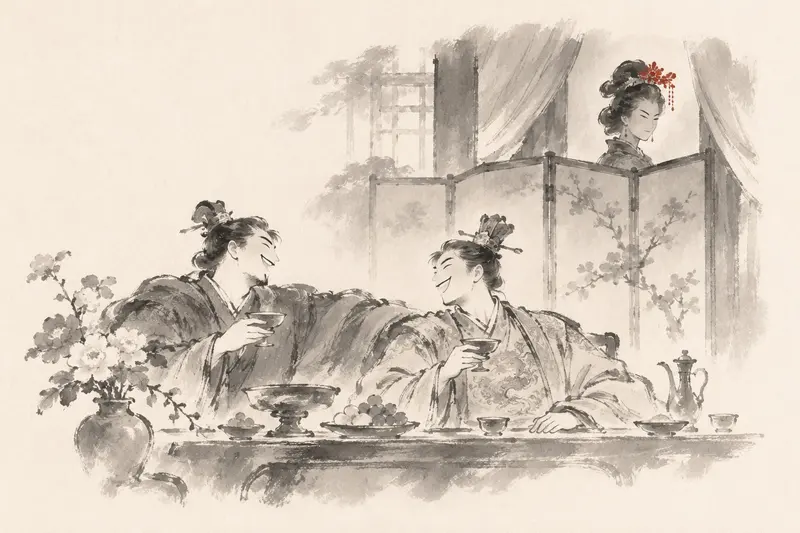
齊悼惠王劉肥者,高祖長庶男也。其母外婦也,曰曹氏。高祖六年,立肥為齊王,食七十城,諸民能齊言者皆予齊王。齊王,孝惠帝兄也。孝惠帝二年,齊王入朝。惠帝與齊王燕飲,亢禮如家人。呂太后怒,且誅齊王。齊王懼不得脫,乃用其內史勳計,獻城陽郡,以為魯元公主湯沐邑。呂太后喜,乃得辭就國。
書き下し文
斉の悼恵王劉肥は、高祖の長庶男なり。其の母は外婦なり、曹氏と曰う。高祖の六年、肥を立てて斉王と為し、七十城を食ましめ、諸民の能く斉言する者は皆斉王に予う。斉王は、孝恵帝の兄なり。孝恵帝の二年、斉王入朝す。恵帝斉王と燕飲し、亢礼すること家人の如し。呂太后怒り、且に斉王を誅せんとす。斉王脱るるを得ざらんことを懼れ、乃ち其の内史勲の計を用い、城陽郡を献じ、以て魯元公主の湯沐邑と為す。呂太后喜び、乃ち辞して国に就くを得たり。
現代語訳
斉の悼恵王劉肥は、高祖の庶子の長男である。母は正式に迎えた妻ではない女性で、曹氏といった。高祖の六年(前201年)、肥を斉王に立て、七十の城を領地とし、斉の言葉を話す民はすべて斉王に与えた。斉王は恵帝の兄である。恵帝の二年、斉王が都に参内した。恵帝は斉王と酒宴を開き、身内の兄弟どうしのように、斉王を対等に扱った。呂太后は怒り、斉王を殺そうとした。斉王は逃れられないことを恐れ、内史の勲の計略を用いて、城陽郡を魯元公主(呂后の娘)の湯沐邑として献上した。呂太后は喜び、斉王はようやく別れを告げて国に帰ることができた。
英訳
King Daohui of Qi, Liu Fei, was Gaozu's eldest son by a woman who was not his wife. His mother was an outside consort named Cao. In the sixth year of Gaozu, Fei was made King of Qi with seventy cities, and all the people who spoke the speech of Qi were given to him. The King of Qi was Emperor Hui's elder brother. In the second year of Emperor Hui, the King of Qi came to court. Emperor Hui feasted with him and treated him as an equal, as brothers do at home. Empress Dowager Lü was furious and was about to have the King of Qi killed. Afraid he would not get away, the king followed the plan of his secretary Xun and offered the commandery of Chengyang as a bath-town estate for Princess Luyuan. Empress Dowager Lü was pleased, and he was allowed to take his leave and return to his kingdom.
解説(日)
- 長庶男: 正妻でない女性が生んだ子のうち、いちばん上の男子。
- 外婦: 正式に迎えていない妻。劉邦がまだ庶民だったころの女性とされる。
- 呂后本紀には、呂太后が斉王に毒酒を飲ませようとし、恵帝がそれに気づいて止めた話がある。
- 魯元公主: 高祖と呂后の娘。湯沐邑は、費用をまかなうための領地。
解説(英)
- Eldest son by a woman not his wife (長庶男): the eldest of the sons born to women other than the empress.
- Outside consort (外婦): a woman Liu Bang had not formally married, from his days as a commoner.
- The Basic Annals of Empress Lü tell how she tried to give the King of Qi poisoned wine and Emperor Hui stopped it.
- Princess Luyuan: the daughter of Gaozu and Empress Lü. A bath-town estate paid for her expenses.
英語の語注
- consort/ˈkɑːnsɔːrt/noun
the wife or partner of a ruler
本文では: “an outside consort named Cao”
似た語と違い: partner — general word · concubine — a ruler's secondary wife
- equal/ˈiːkwəl/noun
a person of the same rank
本文では: “treated him as an equal”
似た語と違い: peer — someone of the same level · match — someone just as good
節 2
原文
哀王元年,孝惠帝崩,呂太后稱制,天下事皆決於高后。二年,高后立其兄子酈侯呂臺為呂王,割齊之濟南郡為呂王奉邑。哀王三年,其弟章入宿衛於漢,呂太后封為朱虛侯,以呂祿女妻之。後四年,封章弟興居為東牟侯,皆宿衛長安中。
書き下し文
哀王の元年、孝恵帝崩じ、呂太后制を称し、天下の事は皆高后に決す。二年、高后其の兄の子酈侯呂台を立てて呂王と為し、斉の済南郡を割きて呂王の奉邑と為す。哀王の三年、其の弟章入りて漢に宿衛し、呂太后封じて朱虚侯と為し、呂禄の女を以て之に妻わす。後四年、章の弟興居を封じて東牟侯と為し、皆長安の中に宿衛す。
現代語訳
哀王の元年(前188年)、恵帝が亡くなり、呂太后が天子に代わって命令を出し、天下のことはすべて呂后が決めた。二年、呂后は兄の子の酈侯呂台を呂王に立て、斉の済南郡を割いて呂王の領地とした。哀王の三年、哀王の弟の劉章が都に入って宮中を守る役につき、呂太后は彼を朱虚侯に封じ、呂禄の娘を妻にあたえた。その四年後、劉章の弟の劉興居を東牟侯に封じ、兄弟はともに長安で宮中を守った。
英訳
In the first year of King Ai, Emperor Hui died. Empress Dowager Lü issued decrees in the emperor's place, and every matter in the realm was decided by her. In the second year she made her brother's son Lü Tai, Marquis of Li, King of Lü, and cut away the commandery of Jinan from Qi to be his estate. In King Ai's third year his younger brother Zhang entered the palace guard in the capital; Empress Dowager Lü made him Marquis of Zhuxu and gave him Lü Lu's daughter as his wife. Four years later Zhang's younger brother Xingju was made Marquis of Dongmou, and both served in the guard in Chang'an.
解説(日)
- 哀王: 悼恵王の子、劉襄。
- 制を称す: 天子の命令(制)として、自分の命令を出すこと。
- 呂禄: 呂后の兄の子。のちに上将軍となる(第4節)。
- 劉章が呂氏の娘を妻にしたことが、のちに呂氏のたくらみを知るきっかけになる。
解説(英)
- King Ai: Liu Xiang, son of King Daohui.
- Issuing decrees (稱制): giving orders in the form reserved for the emperor.
- Lü Lu: a nephew of the empress, later supreme general (passage 4).
- Liu Zhang's marriage into the Lü clan is how he later learns of their plot.
英語の語注
- decree/dɪˈkriː/noun
an official order from a ruler
本文では: “issued decrees in the emperor's place”
似た語と違い: order — general word · edict — a formal public order
- estate/ɪˈsteɪt/noun
land owned by a person or family
本文では: “to be his estate”
似た語と違い: property — what someone owns · domain — land under someone's rule
節 3
原文
朱虛侯年二十,有氣力,忿劉氏不得職。嘗入待高后燕飲,高后令朱虛侯劉章為酒吏。章自請曰:「臣,將種也,請得以軍法行酒。」高后曰:「可。」酒酣,章進飲歌舞。已而曰:「請為太后言耕田歌。」高后兒子畜之,笑曰:「顧而父知田耳。若生而為王子,安知田乎?」章曰:「臣知之。」太后曰:「試為我言田。」章曰:「深耕穊種,立苗欲疏,非其種者,鉏而去之。」呂后默然。頃之,諸呂有一人醉,亡酒,章追,拔劍斬之,而還報曰:「有亡酒一人,臣謹行法斬之。」太后左右皆大驚。業已許其軍法,無以罪也。因罷。自是之後,諸呂憚朱虛侯,雖大臣皆依朱虛侯,劉氏為益彊。
書き下し文
朱虚侯年二十、気力有り、劉氏の職を得ざるを忿る。嘗て入りて高后に燕飲に待す。高后朱虚侯劉章をして酒吏為らしむ。章自ら請いて曰く、「臣は将種なり。請う、軍法を以て酒を行うを得ん」と。高后曰く、「可なり」と。酒酣にして、章進めて飲ませ歌舞す。已にして曰く、「請う、太后の為に耕田の歌を言わん」と。高后児子として之を畜い、笑いて曰く、「顧うに而の父田を知るのみ。若生まれて王子為り、安くんぞ田を知らんや」と。章曰く、「臣之を知る」と。太后曰く、「試みに我が為に田を言え」と。章曰く、「深く耕し穊く種え、苗を立つるには疏ならんことを欲す。其の種に非ざる者は、鉏きて之を去る」と。呂后黙然たり。頃之、諸呂に一人酔いて、酒を亡ぐる有り。章追い、剣を抜きて之を斬り、而して還り報じて曰く、「酒を亡ぐる一人有り。臣謹んで法を行いて之を斬れり」と。太后の左右皆大いに驚く。業已に其の軍法を許せば、以て罪する無きなり。因りて罷む。是より後、諸呂朱虚侯を憚り、大臣と雖も皆朱虚侯に依り、劉氏益々彊しと為る。
現代語訳
朱虚侯は二十歳で、力と気概があり、劉氏の一族が要職につけないことに憤っていた。あるとき宮中に入って呂后の酒宴に侍ると、呂后は朱虚侯劉章に酒の席の取りしまり役を命じた。劉章は自分から願い出た。「わたしは武将の家の生まれです。どうか軍法で酒の席を取りしきらせてください」。呂后は言った。「よろしい」。宴たけなわになると、劉章は酒をすすめ、歌い舞った。やがて言った。「太后のために、田を耕す歌を歌わせてください」。呂后は劉章を子どものように扱っていたので、笑って言った。「田のことを知っているのは、お前の父親くらいのものだ。お前は生まれながらの王子なのに、どうして田のことを知っていよう」。劉章は言った。「知っております」。太后は言った。「では、試しに田のことを言ってごらん」。劉章は言った。「深く耕して種を密にまき、苗を育てるときは間をあけたい。自分がまいた種でないものは、すきで掘って取り除く」。呂后は黙ってしまった。しばらくして、呂氏の一人が酔って、宴席から逃げ出した。劉章は追いかけ、剣を抜いて斬り、戻って報告した。「酒の席から逃げた者が一人おりました。謹んで軍法どおりに斬りました」。太后の側近たちは皆ひどく驚いた。だが、すでに軍法で取りしきることを許していたので、罪に問うことはできなかった。そこで宴はお開きになった。これ以後、呂氏の一族は朱虚侯を恐れ、大臣たちまで皆朱虚侯を頼りにするようになり、劉氏の力はますます強まった。
英訳
The Marquis of Zhuxu was twenty, strong and spirited, and angry that the Liu clan had no power. Once he attended Empress Lü at a banquet, and she made him master of the wine. Liu Zhang asked of his own accord: "I come of a line of generals. Let me run the drinking by military law." The empress said: "You may." When the drinking was at its height, Zhang pressed the wine on everyone, sang and danced. Then he said: "Let me recite for the empress dowager a song about ploughing the fields." The empress, who treated him like a child, laughed and said: "Your father, perhaps, knew about fields. You were born a prince; what can you know of fields?" Zhang said: "I know about them." The empress dowager said: "Then tell me about fields." Zhang said: "Plough deep and sow thick; when the shoots come up, set them well apart. What was not sown by you, hoe it up and throw it out." Empress Lü fell silent. A little later one of the Lü clan, drunk, slipped away from the drinking. Zhang went after him, drew his sword and cut him down, then came back and reported: "One man fled the drinking. I have respectfully applied the law and beheaded him." The empress dowager's attendants were all aghast. But since she had already allowed him to use military law, there was no crime to charge him with, and the banquet broke up. From then on the Lü clan were afraid of the Marquis of Zhuxu, even the high ministers all looked to him, and the Liu clan grew stronger.
解説(日)
- 酒吏: 宴の席で、酒の進め方を取りしまる役。
- 而の父: 劉章の父の劉肥。高祖がまだ庶民だったころに生まれ、田畑の暮らしを知っていた。
- 其の種に非ざる者は、鉏きて之を去る: 劉氏でないのに王になった呂氏の一族を取り除くべきだ、という意味をこめた歌。
- 呂后: 高祖の皇后。恵帝の死後に実権を握り、呂氏の一族を王にした(009-empress-lu の章)。
解説(英)
- Master of the wine (酒吏): the officer who keeps order in the drinking at a banquet.
- Your father: Liu Fei, born before Gaozu rose, who had known life in the fields.
- "What was not sown by you, hoe it up": a veiled call to root out the Lü kings, who were not of the Liu seed.
- Empress Lü: Gaozu's empress, who took power after Emperor Hui died and made members of her clan kings (chapter 009).
英語の語注
- spirited/ˈspɪrɪtɪd/adjective
full of energy and courage
本文では: “strong and spirited”
似た語と違い: lively — full of life · bold — not afraid
- aghast/əˈɡæst/adjective
shocked and upset
本文では: “were all aghast”
似た語と違い: shocked — very surprised and upset · horrified — filled with horror
節 4
原文
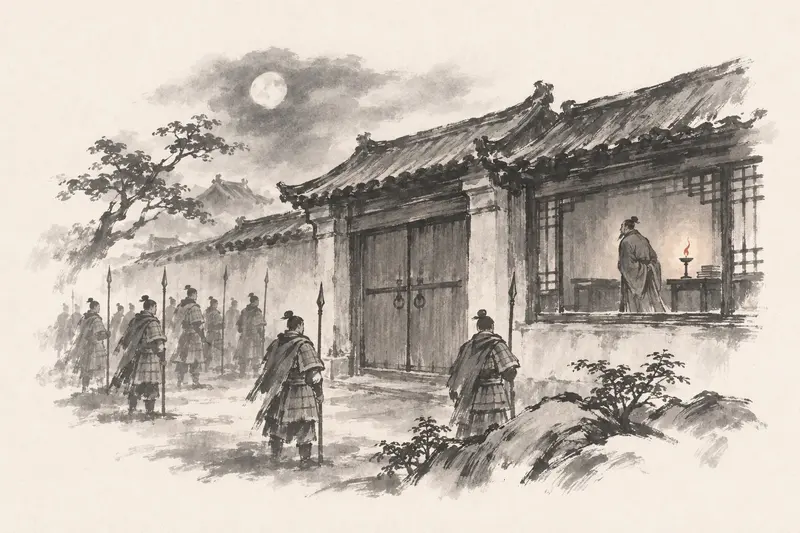
其明年,高后崩。趙王呂祿為上將軍,呂王產為相國,皆居長安中,聚兵以威大臣,欲為亂。朱虛侯章以呂祿女為婦,知其謀,乃使人陰出告其兄齊王,欲令發兵西,朱虛侯、東牟侯為內應,以誅諸呂,因立齊王為帝。齊王既聞此計,乃與其舅父駟鈞、郎中令祝午、中尉魏勃陰謀發兵。齊相召平聞之,乃發卒衛王宮。魏勃紿召平曰:「王欲發兵,非有漢虎符驗也。而相君圍王,固善。勃請為君將兵衛衛王。」召平信之,乃使魏勃將兵圍王宮。勃既將兵,使圍相府。召平曰:「嗟乎!道家之言『當斷不斷,反受其亂』,乃是也。」遂自殺。於是齊王以駟鈞為相,魏勃為將軍,祝午為內史,悉發國中兵。使祝午東詐瑯邪王曰:「呂氏作亂,齊王發兵欲西誅之。齊王自以兒子,年少,不習兵革之事,願舉國委大王。大王自高帝將也,習戰事。齊王不敢離兵,使臣請大王幸之臨菑見齊王計事,并將齊兵以西平關中之亂。」瑯邪王信之,以為然,(西)[迺]馳見齊王。齊王與魏勃等因留瑯邪王,而使祝午盡發瑯邪國而并將其兵。
書き下し文
其の明年、高后崩ず。趙王呂禄上将軍と為り、呂王産相国と為り、皆長安の中に居り、兵を聚めて以て大臣を威し、乱を為さんと欲す。朱虚侯章呂禄の女を以て婦と為し、其の謀を知り、乃ち人をして陰かに出でて其の兄斉王に告げしめ、兵を発して西せしめんと欲す。朱虚侯・東牟侯は内応と為り、以て諸呂を誅し、因りて斉王を立てて帝と為さんとす。斉王既に此の計を聞き、乃ち其の舅父駟鈞・郎中令祝午・中尉魏勃と陰かに兵を発せんことを謀る。斉の相召平之を聞き、乃ち卒を発して王宮を衛る。魏勃召平を紿きて曰く、「王兵を発せんと欲するも、漢の虎符の験有るに非ざるなり。而して相君王を囲むは、固より善し。勃請う、君の為に兵を将いて王を衛らん」と。召平之を信じ、乃ち魏勃をして兵を将いて王宮を囲ましむ。勃既に兵を将い、相府を囲ましむ。召平曰く、「嗟乎、道家の言に『当に断ずべくして断ぜざれば、反って其の乱を受く』と。乃ち是れなり」と。遂に自殺す。是に於いて斉王駟鈞を以て相と為し、魏勃を将軍と為し、祝午を内史と為し、悉く国中の兵を発す。祝午をして東のかた瑯邪王を詐かしめて曰く、「呂氏乱を作し、斉王兵を発して西して之を誅せんと欲す。斉王自ら児子にして、年少く、兵革の事に習わざるを以て、願わくは国を挙げて大王に委ねん。大王は高帝より将たり、戦事に習う。斉王敢えて兵を離れず、臣をして請わしむ、大王幸いに臨菑に之きて斉王に見えて事を計り、并せて斉の兵を将いて以て西して関中の乱を平らげよ」と。瑯邪王之を信じ、以て然りと為し、迺ち馳せて斉王に見ゆ。斉王と魏勃等因りて瑯邪王を留め、而して祝午をして尽く瑯邪国を発して并せて其の兵を将いしむ。
現代語訳
その翌年、呂后が亡くなった。趙王の呂禄は上将軍、呂王の呂産は相国となり、ともに長安にいて兵を集め、大臣たちをおどして反乱を起こそうとした。朱虚侯劉章は呂禄の娘を妻にしていたので、その計画を知り、ひそかに人を送って兄の斉王に知らせた。斉王に兵を起こして西へ攻め上らせ、朱虚侯と東牟侯が都の中から呼応して呂氏の一族を討ち、斉王を皇帝に立てようと考えたのである。斉王はこの計画を聞くと、母方のおじの駟鈞、郎中令の祝午、中尉の魏勃と、ひそかに兵を起こす相談をした。斉の宰相の召平がこれを聞きつけ、兵を出して王宮を囲み、見張らせた。魏勃は召平をだまして言った。「王は兵を起こそうとしていますが、漢の虎符(兵を動かす割符)がありません。宰相が王を囲まれたのは、まことに結構なことです。わたしにあなたのために兵を率いて王を見張らせてください」。召平はそれを信じ、魏勃に兵を率いさせて王宮を囲ませた。ところが魏勃は兵を手にすると、逆に宰相の役所を囲ませた。召平は言った。「ああ、道家の言葉に『断ずべきときに断じなければ、かえってその乱を受ける』とあるのは、このことだ」。そして自殺した。こうして斉王は駟鈞を宰相、魏勃を将軍、祝午を内史とし、国じゅうの兵を動員した。そして祝午を東へやって瑯邪王をだまさせた。「呂氏が反乱を起こし、斉王は兵を起こして西へ攻め上り、これを討とうとしています。斉王は自分がまだ子どもで若く、戦のことを知らないので、国を挙げて大王にお任せしたいと願っています。大王は高帝の時代から将軍で、戦に慣れておられます。斉王は兵のもとを離れられないので、わたしを使いによこしました。どうか臨菑においでになって斉王とご相談のうえ、斉の兵もあわせて率い、西へ行って関中の乱をしずめてください」。瑯邪王はこれを信じ、もっともだと思って、馬を走らせて斉王に会いに来た。斉王と魏勃たちはそこで瑯邪王を引きとめ、祝午に瑯邪国の兵をすべて動員させて、あわせて率いさせた。
英訳
The next year Empress Lü died. Lü Lu, King of Zhao, was supreme general and Lü Chan, King of Lü, was chancellor of state; both stayed in Chang'an, gathering troops to cow the high ministers, and meant to rise in revolt. The Marquis of Zhuxu, whose wife was Lü Lu's daughter, learned of the plot. He secretly sent a man out to tell his elder brother the King of Qi, hoping the king would raise troops and march west while he and the Marquis of Dongmou acted from inside, so that they could wipe out the Lü clan and make the King of Qi emperor. When the King of Qi heard the plan, he plotted in secret to raise troops with his mother's brother Si Jun, his chamberlain Zhu Wu and his commander of the guard Wei Bo. The chancellor of Qi, Shao Ping, heard of it and sent soldiers to guard the palace. Wei Bo tricked Shao Ping, saying: "The king wants to raise troops, but he has no tiger tally from Han to authorise it. You have done well to surround the king. Let me lead the troops and guard him for you." Shao Ping believed him and put Wei Bo in command of the troops around the palace. Once Wei Bo had the troops, he had them surround the chancellor's office instead. Shao Ping said: "Alas! The Daoists say: 'Fail to cut when you should cut, and you will suffer the disorder yourself.' This is what they meant." And he killed himself. Then the King of Qi made Si Jun chancellor, Wei Bo general and Zhu Wu secretary, and raised every soldier in the kingdom. He sent Zhu Wu east to deceive the King of Langya: "The Lü clan have risen in revolt, and the King of Qi has raised troops to march west and punish them. The King of Qi, being young and a mere boy, unused to war, wishes to place his whole kingdom in your hands. You have been a general since the days of Emperor Gao and know war well. The King of Qi dares not leave his troops, so he has sent me to beg you to come to Linzi to see him and plan together, and then to take command of the Qi army as well and go west to put down the revolt within the passes." The King of Langya believed him, thought it right, and galloped off to see the King of Qi. The King of Qi, Wei Bo and the others then kept the King of Langya there, and had Zhu Wu raise all the troops of Langya and take command of them too.
解説(日)
- 虎符: 虎の形をした割符。天子と将軍が半分ずつ持ち、合わせると兵を動かせた。
- 当に断ずべくして断ぜざれば、反って其の乱を受く: 決断すべきときにしないと、かえって災いを招くという言葉。今も成語として使われる。
- 瑯邪王: 劉沢。高祖の遠い一族で、呂后によって王に立てられた。
- 原文の「(西)[迺]」は、底本の校訂で「西」を「迺」に改めたもの。書き下しと訳は改めた字に従う。
解説(英)
- Tiger tally (虎符): a bronze tally in the shape of a tiger, split between the emperor and a general; only the two halves together could move troops.
- "Fail to cut when you should cut…": a saying still used today about the cost of indecision.
- The King of Langya: Liu Ze, a distant kinsman of Gaozu made king by Empress Lü.
- The text's "(西)[迺]" corrects 西 to 迺; the reading and translation follow the correction.
この節から生まれた言葉: 当に断ずべくして断ぜざれば、反って其の乱を受く
英語の語注
- revolt/rɪˈvoʊlt/noun
an attempt to overthrow those in power
本文では: “meant to rise in revolt”
似た語と違い: rebellion — an armed revolt · uprising — a rising of the people
- deceive/dɪˈsiːv/verb
to make someone believe something false
本文では: “to deceive the King of Langya”
似た語と違い: trick — fool someone · mislead — give a wrong idea
節 5
原文
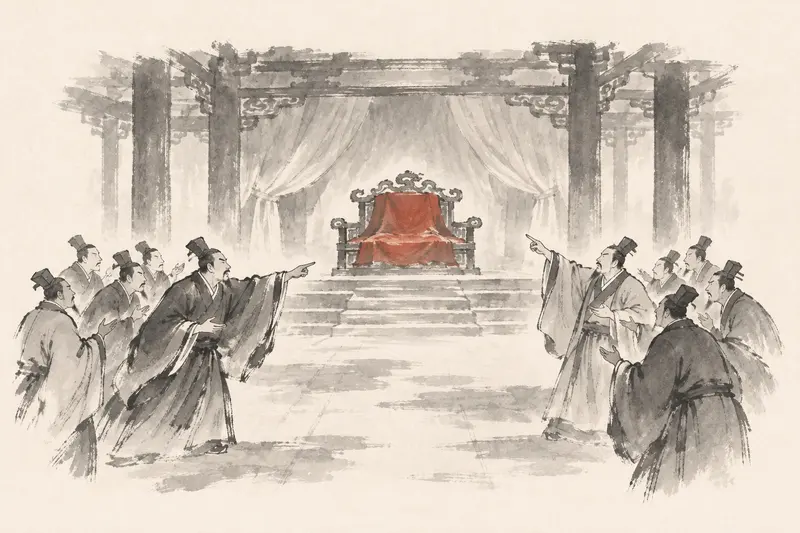
呂祿、呂產欲作亂關中,朱虛侯與太尉勃、丞相平等誅之。朱虛侯首先斬呂產,於是太尉勃等乃得盡誅諸呂。而瑯邪王亦從齊至長安。大臣議欲立齊王,而瑯邪王及大臣曰:「齊王母家駟鈞,惡戾,虎而冠者也。方以呂氏故幾亂天下,今又立齊王,是欲復為呂氏也。代王母家薄氏,君子長者;且代王又親高帝子,於今見在,且最為長。以子則順,以善人則大臣安。」於是大臣乃謀迎立代王,而遣朱虛侯以誅呂氏事告齊王,令罷兵。
書き下し文
呂禄・呂産関中に乱を作さんと欲し、朱虚侯と太尉勃・丞相平等之を誅す。朱虚侯首先に呂産を斬り、是に於いて太尉勃等乃ち尽く諸呂を誅するを得たり。而して瑯邪王も亦た斉より長安に至る。大臣議して斉王を立てんと欲す。而るに瑯邪王及び大臣曰く、「斉王の母家駟鈞は、悪戻にして、虎にして冠する者なり。方に呂氏の故を以て幾ど天下を乱さんとす。今又た斉王を立つるは、是れ復た呂氏を為さんと欲するなり。代王の母家薄氏は、君子長者なり。且つ代王は又た親ら高帝の子にして、今に於いて見在し、且つ最も長たり。子を以てすれば則ち順、善人を以てすれば則ち大臣安し」と。是に於いて大臣乃ち謀りて代王を迎えて立て、而して朱虚侯をして呂氏を誅するの事を以て斉王に告げ、兵を罷めしむ。
現代語訳
呂禄と呂産が関中で反乱を起こそうとすると、朱虚侯は太尉の周勃、丞相の陳平らとともにこれを討った。朱虚侯がまっ先に呂産を斬ったので、周勃たちは呂氏の一族をすべて討ち取ることができた。瑯邪王も斉から長安にやって来た。大臣たちは斉王を皇帝に立てようと相談した。しかし瑯邪王と大臣たちは言った。「斉王の母の実家の駟鈞は、悪くて荒々しく、冠をかぶった虎のような男だ。いま呂氏のせいで天下が乱れかけたばかりなのに、また斉王を立てれば、もう一つ呂氏を作るようなものだ。代王の母の実家の薄氏は、立派で温厚な人々だ。それに代王は高帝の実の子で、今も生きている中では一番年上だ。子という点でも筋が通り、人柄の良さでいっても大臣たちが安心できる」。そこで大臣たちは代王を迎えて皇帝に立てることに決め、朱虚侯に、呂氏を討ったことを斉王に知らせて、兵を引かせた。
英訳
When Lü Lu and Lü Chan were about to rise in revolt within the passes, the Marquis of Zhuxu, together with the Grand Commandant Zhou Bo, the Chancellor Chen Ping and others, put them down. The Marquis of Zhuxu was the first to cut down Lü Chan, and so Zhou Bo and the others were able to wipe out the whole Lü clan. The King of Langya too came from Qi to Chang'an. The high ministers discussed making the King of Qi emperor, but the King of Langya and the ministers said: "The King of Qi's mother's family, Si Jun, is wicked and violent, a tiger wearing a cap. The Lü clan have just brought the realm to the edge of chaos; to make the King of Qi emperor now would be to make another Lü clan. The King of Dai's mother's family, the Bo, are gentlemen and men of worth. Besides, the King of Dai is Emperor Gao's own son, still living, and the eldest. As a son it is right, and as a good man the ministers will be safe." So the ministers decided to bring in the King of Dai and make him emperor, and sent the Marquis of Zhuxu to tell the King of Qi that the Lü clan had been destroyed and to stand down his troops.
解説(日)
- 太尉勃・丞相平: 周勃と陳平(057-zhou-bo と 056-chen-ping の章)。
- 虎にして冠する者: 冠をかぶった虎。見かけは人でも中身は凶暴な者のたとえ。
- 代王: 劉恒。のちの文帝(010-emperor-wen の章)。
- 斉王は真っ先に兵を挙げたが、母方の家柄を理由に皇帝になれなかった。外戚の害を恐れた大臣たちの判断だった。
解説(英)
- The Grand Commandant Bo and the Chancellor Ping: Zhou Bo and Chen Ping (chapters 057 and 056).
- A tiger wearing a cap (虎而冠): a brute in human dress.
- The King of Dai: Liu Heng, later Emperor Wen (chapter 010).
- The King of Qi had been first to rise, yet was passed over because of his mother's family: the ministers feared another clan of in-laws.
英語の語注
- wicked/ˈwɪkɪd/adjective
very bad or evil
本文では: “is wicked and violent”
似た語と違い: evil — morally very bad · cruel — causing pain on purpose
- chaos/ˈkeɪɑːs/noun
complete disorder and confusion
本文では: “to the edge of chaos”
似た語と違い: disorder — lack of order · confusion — not knowing what is happening
節 6
原文
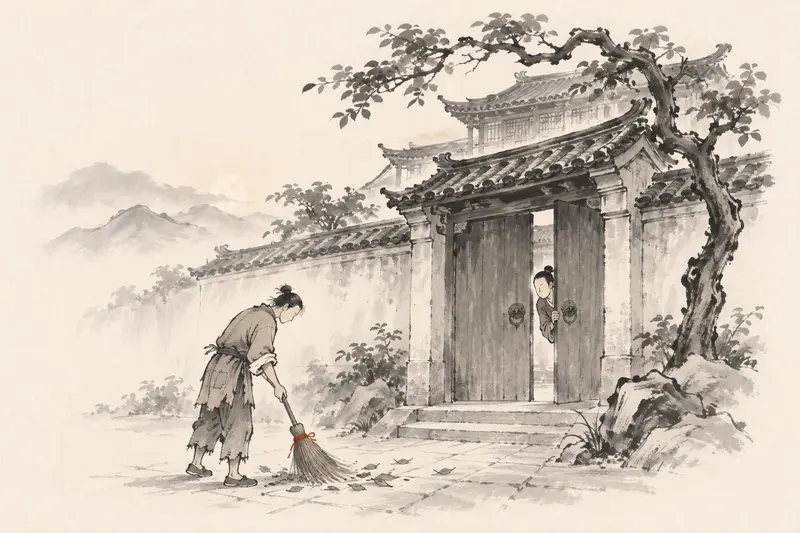
灌嬰在滎陽,聞魏勃本教齊王反,既誅呂氏,罷齊兵,使使召責問魏勃。勃曰:「失火之家,豈暇先言大人而後救火乎!」因退立,股戰而栗,恐不能言者,終無他語。灌將軍熟視笑曰:「人謂魏勃勇,妄庸人耳,何能為乎!」乃罷魏勃。魏勃父以善鼓琴見秦皇帝。及魏勃少時,欲求見齊相曹參,家貧無以自通,乃常獨早夜埽齊相舍人門外。相舍人怪之,以為物,而伺之,得勃。勃曰:「願見相君,無因,故為子埽,欲以求見。」於是舍人見勃曹參,因以為舍人。一為參御,言事,參以為賢,言之齊悼惠王。悼惠王召見,則拜為內史。始,悼惠王得自置二千石。及悼惠王卒而哀王立,勃用事,重於齊相。
書き下し文
灌嬰滎陽に在り、魏勃の本と斉王に教えて反せしむるを聞き、既に呂氏を誅し、斉の兵を罷めて、使いをして魏勃を召して責問せしむ。勃曰く、「失火の家、豈に先ず大人に言いて而る後に火を救うに暇あらんや」と。因りて退きて立ち、股戦きて栗え、恐れて言う能わざる者のごとく、終に他の語無し。灌将軍熟視して笑いて曰く、「人魏勃を勇と謂うも、妄庸の人のみ。何ぞ能く為さんや」と。乃ち魏勃を罷む。魏勃の父は善く琴を鼓くを以て秦の皇帝に見ゆ。魏勃少き時に及び、斉の相曹参に見えんことを求めんと欲するも、家貧しくして以て自ら通ずる無し。乃ち常に独り早夜に斉の相の舎人の門外を埽う。相の舎人之を怪しみ、以て物と為して、之を伺い、勃を得たり。勃曰く、「相君に見えんと願うも、因無し。故に子の為に埽い、以て見えんことを求めんと欲す」と。是に於いて舎人勃を曹参に見えしめ、因りて以て舎人と為す。一たび参の為に御し、事を言う。参以て賢と為し、之を斉の悼恵王に言う。悼恵王召して見、則ち拝して内史と為す。始め、悼恵王は自ら二千石を置くを得たり。悼恵王卒して哀王立つに及び、勃事を用いて、斉の相よりも重し。
現代語訳
灌嬰は滎陽にいたが、もともと斉王に反乱をすすめたのは魏勃だと聞いた。呂氏が討たれて斉の兵が引き上げると、灌嬰は使いを送って魏勃を呼び出し、問いつめた。魏勃は言った。「火事を出した家が、まず家長に知らせてから火を消すひまがありましょうか」。そう言うと下がって立ち、ももをがくがくふるわせ、おびえて口もきけない様子で、それきり何も言わなかった。灌将軍はじっと見つめてから笑って言った。「魏勃は勇ましいと人は言うが、ただの凡人ではないか。何ができるものか」。そして魏勃を放免した。魏勃の父は琴の名手で、秦の始皇帝にお目通りしたことがあった。魏勃は若いころ、斉の宰相の曹参に会いたいと思ったが、家が貧しくて取り次いでくれる人がいなかった。そこでいつも一人で、朝早くと夜遅くに、宰相の家来の家の門の外を掃いていた。家来は不思議に思い、化け物ではないかと思って見張っていると、魏勃をつかまえた。魏勃は言った。「宰相にお目にかかりたいのですが、つてがありません。それであなたのために掃除をして、お目にかかれるようにお願いしようと思ったのです」。そこで家来は魏勃を曹参に会わせ、曹参は彼を家来にした。一度、曹参の車の御者をしたとき、政治について意見を述べると、曹参はすぐれた人物だと思い、斉の悼恵王に推薦した。悼恵王は魏勃を呼んで会い、内史に任じた。はじめ、悼恵王は二千石の高官を自分で任命することができた。悼恵王が亡くなって哀王が立つと、魏勃は実権を握り、斉の宰相よりも重んじられた。
英訳
Guan Ying, at Xingyang, heard that it was Wei Bo who had first urged the King of Qi to rise. Once the Lü clan were destroyed and the Qi troops stood down, he sent for Wei Bo and called him to account. Wei Bo said: "When a house is on fire, is there time to tell the head of the family first and only then put out the fire?" Then he stepped back and stood there, his thighs trembling and shaking, as if too frightened to speak, and said nothing more. General Guan looked at him long and hard, then laughed and said: "People call Wei Bo brave. He is just a nobody. What could he do?" And he let him go. Wei Bo's father had been received by the First Emperor of Qin for his skill on the zither. When Wei Bo was young he wanted to meet Cao Can, the chancellor of Qi, but his family was poor and he had no way to be introduced. So he would go alone, early in the morning and late at night, and sweep outside the gate of one of the chancellor's retainers. The retainer thought it strange, took it for some spirit, kept watch, and caught Wei Bo. Wei Bo said: "I want to meet the chancellor but have no one to introduce me. So I swept for you, hoping you would help me meet him." The retainer took him to see Cao Can, who made him a retainer too. Once, driving Cao Can's carriage, Wei Bo spoke about affairs of state; Cao Can thought him able and told King Daohui of Qi about him. The king summoned him and made him secretary. In the beginning King Daohui could appoint his own officials of two thousand bushels. After King Daohui died and King Ai came to the throne, Wei Bo held power and counted for more than the chancellor of Qi.
解説(日)
- 灌嬰: 高祖の功臣。呂産に命じられて斉を討ちに出たが、滎陽にとどまって斉と通じた。
- 失火の家…: 急な時には手順を踏んでいられない、という意味のたとえ。
- 股戦きて栗う: 恐れてももがふるえる。灌嬰の前で、わざと臆病にふるまったとも読める。
- 曹参: 高祖の功臣で、斉の宰相をつとめた(054-cao-can の章)。
解説(英)
- Guan Ying: one of Gaozu's generals, sent by Lü Chan to attack Qi, who halted at Xingyang and came to terms with Qi instead.
- "When a house is on fire…": in an emergency there is no time for proper channels.
- Trembling thighs: perhaps fear, perhaps an act put on for Guan Ying.
- Cao Can: Gaozu's general and minister, chancellor of Qi (chapter 054).
英語の語注
- tremble/ˈtrɛmbəl/verb
to shake because of fear or cold
本文では: “his thighs trembling and shaking”
似た語と違い: shake — general word · shiver — shake from cold
- retainer/rɪˈteɪnər/noun
a follower who serves a powerful person
本文では: “one of the chancellor's retainers”
似た語と違い: servant — one who serves · follower — one who supports a leader
節 7
原文
主父偃方幸於天子,用事,因言:「齊臨菑十萬戶,市租千金,人眾殷富,巨於長安,此非天子親弟愛子不得王此。今齊王於親屬益疏。」乃從容言:「呂太后時齊欲反,吳楚時孝王幾為亂。今聞齊王與其姊亂。」於是天子乃拜主父偃為齊相,且正其事。主父偃既至齊,乃急治王後宮宦者為王通於姊翁主所者,令其辭證皆引王。王年少,懼大罪為吏所執誅,乃飲藥自殺。絕無後。是時趙王懼主父偃一出廢齊,恐其漸疏骨肉,乃上書言偃受金及輕重之短。天子亦既囚偃。公孫弘言:「齊王以憂死毋後,國入漢,非誅偃無以塞天下之望。」遂誅偃。
書き下し文
主父偃方に天子に幸せられ、事を用う。因りて言う、「斉の臨菑は十万戸、市租は千金、人衆殷富にして、長安より巨なり。此れ天子の親弟愛子に非ざれば此に王たるを得ず。今斉王は親属に於いて益々疏なり」と。乃ち従容として言う、「呂太后の時斉反せんと欲し、呉楚の時孝王幾ど乱を為さんとす。今聞く、斉王其の姉と乱すと」と。是に於いて天子乃ち主父偃を拝して斉の相と為し、且つ其の事を正さしむ。主父偃既に斉に至り、乃ち急に王の後宮の宦者の王の為に姉翁主の所に通ずる者を治め、其の辞証をして皆王を引かしむ。王年少く、大罪にて吏の執えて誅する所と為らんことを懼れ、乃ち薬を飲みて自殺す。絶えて後無し。是の時趙王主父偃の一たび出でて斉を廃するを懼れ、其の漸く骨肉を疏んぜんことを恐れ、乃ち上書して偃の金を受け及び軽重の短を言う。天子も亦た既に偃を囚う。公孫弘言う、「斉王憂いを以て死して後毋く、国漢に入る。偃を誅するに非ざれば以て天下の望みを塞ぐ無し」と。遂に偃を誅す。
現代語訳
そのころ主父偃は天子に気に入られて権力をふるっていた。そこで言った。「斉の都の臨菑は十万戸、市場の税だけで千金、人が多く豊かで、長安よりも大きいほどです。天子の実の弟か愛する子でなければ、ここの王にしてはなりません。いまの斉王は、天子とは血のつながりがますます遠くなっています」。そしてさりげなく言った。「呂太后のときに斉は反乱を起こそうとし、呉楚の乱のときには斉の孝王も危うく反乱に加わるところでした。いま聞くところでは、斉王は自分の姉と通じているそうです」。そこで天子は主父偃を斉の宰相に任じ、そのことを正させた。主父偃は斉に着くと、王の後宮で、王と姉の翁主との間を取りもった宦官たちをすぐに取り調べ、その証言がすべて王を指すようにした。王は若く、大罪で役人に捕らえられて殺されるのを恐れ、毒を飲んで自殺した。跡継ぎはなく、家は絶えた。このとき趙王は、主父偃がいったん外に出ると斉のように諸侯を取りつぶし、だんだん天子の肉親を遠ざけていくのではないかと恐れ、上書して、主父偃が賄賂を受け取ったことや、その他の悪事を訴えた。天子も主父偃を捕らえた。公孫弘は言った。「斉王は心配のあまり死に、跡継ぎもなく、国は漢に取り上げられました。主父偃を誅殺しなければ、天下の人々の不満をしずめられません」。こうして主父偃は誅殺された。
英訳
Zhufu Yan was then in the emperor's favour and held power. He said: "Linzi in Qi has a hundred thousand households; its market dues alone bring in a thousand in gold; its people are many and rich, more than in Chang'an. None but the emperor's own brother or beloved son should be king there. The present King of Qi is ever more distant in kinship." Then he added casually: "In Empress Lü's time Qi meant to rebel, and at the time of Wu and Chu King Xiao nearly joined the revolt. Now I hear that the King of Qi has relations with his own sister." So the emperor made Zhufu Yan chancellor of Qi and told him to set the matter right. When Zhufu Yan reached Qi, he at once put on trial the eunuchs of the king's inner palace who had carried messages between the king and his sister, the princess, and arranged that all their testimony pointed at the king. The king was young; afraid of being seized by the officials and put to death for a great crime, he took poison and killed himself. He left no heir, and his line came to an end. At this the King of Zhao feared that once Zhufu Yan was let loose he would destroy kingdoms as he had Qi, and slowly cut the emperor off from his own flesh and blood. He sent up a letter accusing Zhufu Yan of taking bribes and other wrongdoing. The emperor had Zhufu Yan imprisoned. Gongsun Hong said: "The King of Qi died of fear and left no heir, and his kingdom has passed to Han. Unless Zhufu Yan is put to death, there is no way to answer the anger of the realm." So Zhufu Yan was put to death.
解説(日)
- 主父偃: 武帝に「推恩令」を進言した策士(112-pingjin の章)。同じ出来事が、主父偃の側からも 112 の章に書かれている。
- 斉王: 厲王劉次昌。悼恵王のひ孫。
- 翁主: 諸侯王の娘の呼び名。
- 公孫弘: 当時の丞相(112-pingjin の章)。
解説(英)
- Zhufu Yan: the strategist who proposed the "decree of extended grace" to Emperor Wu (chapter 112, which tells the same events from his side).
- The King of Qi: King Li, Liu Cichang, great-grandson of King Daohui.
- Princess (翁主): the title of a king's daughter.
- Gongsun Hong: the chancellor at the time (chapter 112).
英語の語注
- favour/ˈfeɪvər/noun
approval and support from someone in power
本文では: “in the emperor's favour”
似た語と違い: approval — thinking well of someone · goodwill — friendly feeling
British spelling favour; American favor.
- testimony/ˈtɛstəˌmoʊni/noun
a statement given as evidence
本文では: “all their testimony pointed at the king”
似た語と違い: evidence — facts that prove something · statement — what someone says officially
節 8
原文
太史公曰:諸侯大國無過齊悼惠王。以海內初定,子弟少,激秦之無尺土封,故大封同姓,以填萬民之心。及後分裂,固其理也。
書き下し文
太史公曰く、諸侯の大国は斉の悼恵王に過ぐるは無し。海内初めて定まり、子弟少なく、秦の尺土の封無きに激するを以て、故に大いに同姓を封じ、以て万民の心を填む。後に分裂するに及ぶは、固より其の理なり。
現代語訳
太史公は言う。諸侯の大国で、斉の悼恵王の国より大きなものはなかった。天下が平定されたばかりで、高祖の子や弟は少なく、また秦が一族に少しの土地も与えなかったことへの反省から、同じ劉氏の一族を大きく封じて、民の心をしずめたのである。それがのちに分かれていったのは、もとより自然の道理である。
英訳
The Grand Historian says: Of all the great kingdoms of the lords, none was larger than that of King Daohui of Qi. The realm had only just been settled, Gaozu had few sons and brothers, and in reaction to Qin, which had given its own clan not a foot of land, he enfeoffed his kin on a grand scale to steady the hearts of the people. That the kingdoms were later divided up was only in the nature of things.
解説(日)
- 秦の尺土の封無き: 秦の始皇帝は郡県制をとり、一族を王に封じなかった。
- 分裂: 悼恵王の子たちは、斉・済北・済南・菑川・膠西・膠東・城陽などの王に分けて封じられた。その一部は呉楚七国の乱に加わって滅んだ(101-yuan-ang-chao-cuo の章)。
解説(英)
- Not a foot of land: the First Emperor ruled through commanderies and counties and made none of his clan kings.
- Divided up: King Daohui's sons were made kings of Qi, Jibei, Jinan, Zichuan, Jiaoxi, Jiaodong and Chengyang; some joined the Revolt of the Seven States and were destroyed (chapter 101).
英語の語注
- enfeoff/ɪnˈfiːf/verb
to give land and a title to someone
本文では: “he enfeoffed his kin on a grand scale”
似た語と違い: grant land — plain phrase · invest — formally give a rank or title
- steady/ˈstɛdi/verb
to make calm and stable
本文では: “to steady the hearts of the people”
似た語と違い: calm — make peaceful · reassure — take away worry