Treatises · Vol. 29
The Treatise on Rivers and Canals 河渠書
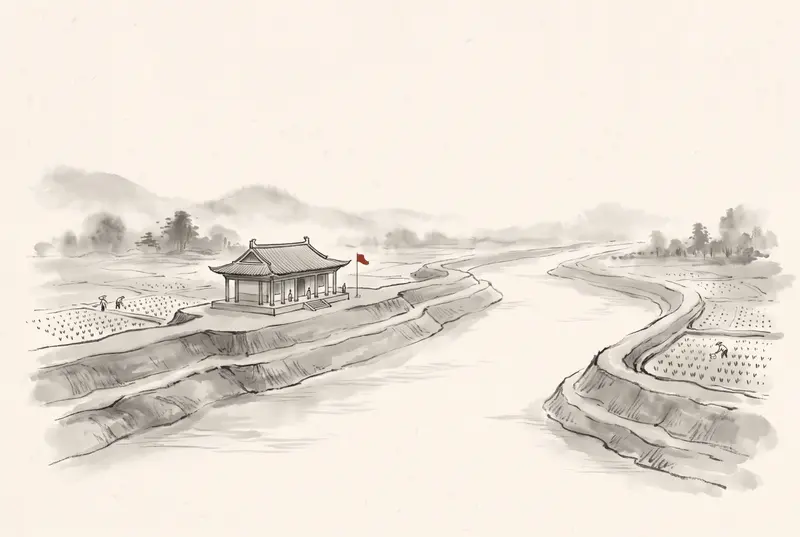
The Breach at Huzi 瓠子決兮將柰何
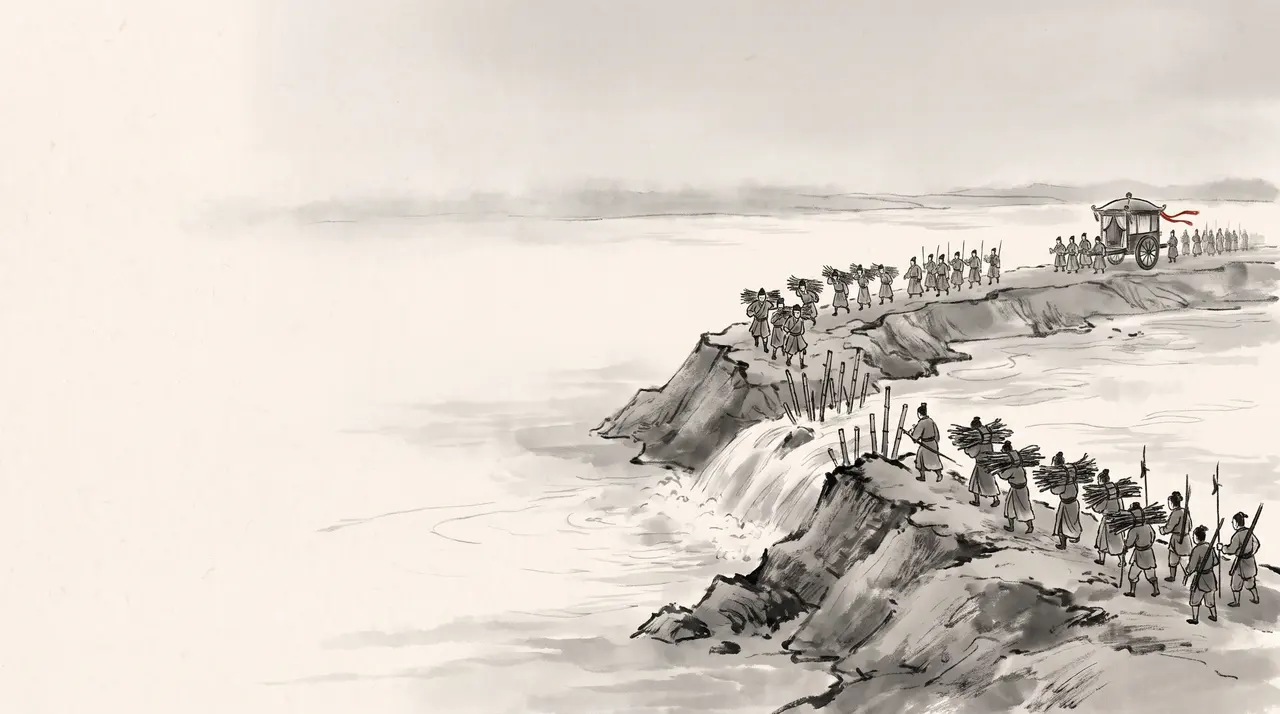
A treatise on the history of flood control and canal building. Yu spent thirteen years taming the floods, passing his own gate without going in; he cut channels along the mountains and split the Yellow River into nine streams to lead it to the sea. Later the Hong Canal linked Song, Zheng, Chen and Cai, and Li Bing, governor of Shu, divided the Min River to water the plain of Chengdu. In the Warring States period the state of Han sent the water engineer Zheng Guo to wear Qin out with a huge canal; when the plot was found out, Zheng Guo said the canal would still profit Qin, and the finished Zheng Guo Canal made the land within the pass so rich that Qin went on to unite the realm. Under Emperor Wu the Yellow River broke its banks at Huzi, and the chancellor Tian Fen, to protect his own estates, said it was Heaven's doing and had the repairs stopped. More than twenty years later the emperor came to the breach himself, sank a white horse and a jade disc in the river, had every official from the generals down carry brushwood to close it, and sang: "The river has burst at Huzi; what can we do?" Sima Qian carried brushwood too, and says the song moved him to write this treatise.
This page has the scene "The Breach at Huzi" from this volume, not the whole volume.
Audio
The audio is synthetic speech.
Video
Passage 1
Original
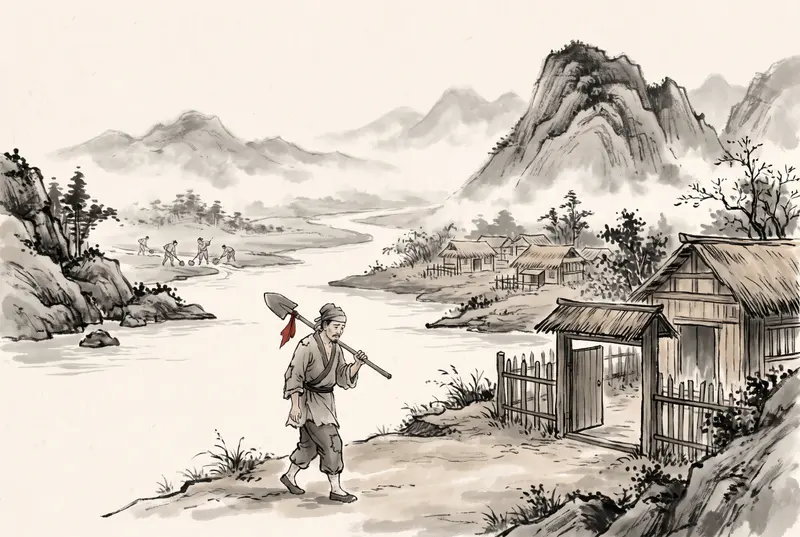
《夏書》曰:禹抑洪水十三年,過家不入門。陸行載車,水行載舟,泥行蹈毳,山行即橋。以別九州,隨山浚川,任土作貢。通九道,陂九澤,度九山。然河菑衍溢,害中國也尤甚。唯是為務。故道河自積石歷龍門,南到華陰,東下砥柱,及孟津、雒汭,至于大邳。於是禹以為河所從來者高,水湍悍,難以行平地,數為敗,乃二渠以引其河。北載之高地,過降水,至于大陸,播為九河,同為逆河,入于勃海九川既疏,九澤既灑,諸夏艾安,功施于三代。
Kundoku (Japanese reading)
『夏書』に曰く、禹洪水を抑うること十三年、家を過ぐれども門に入らず。陸行には車に載り、水行には舟に載り、泥行には毳を蹈み、山行には橋に即く。以て九州を別ち、山に随いて川を浚い、土に任じて貢を作す。九道を通じ、九沢を陂し、九山を度る。然れども河の菑衍溢して、中国を害すること尤も甚だし。唯だ是れを務めと為す。故に河を道くこと積石より龍門を歴、南のかた華陰に到り、東のかた砥柱を下り、孟津・雒汭に及び、大邳に至る。是に於いて禹以為えらく、河の従りて来たる所の者高く、水湍悍にして、以て平地を行き難く、数々敗を為すと。乃ち二渠もて以て其の河を引く。北のかた之を高地に載せ、降水を過ぎ、大陸に至り、播きて九河と為し、同じくして逆河と為し、勃海に入る。九川既に疏し、九沢既に灑ぎ、諸夏艾安して、功三代に施す。
Japanese
『夏書』にこう書かれている。禹は十三年のあいだ洪水を治め、自分の家の前を通っても門に入らなかった。陸を行くときは車に乗り、水を行くときは舟に乗り、泥の上を行くときはそりに乗り、山を行くときはかんじきをはいた。こうして九つの州の境を定め、山に沿って川をさらい、土地に応じて貢ぎ物を定めた。九つの道を通し、九つの沢に堤を築き、九つの山を測った。しかし黄河のあふれる災いが、中国を最もひどく苦しめていた。そこで禹は、これに力をそそいだ。黄河を積石山から龍門を経て導き、南の華陰に至り、東へ砥柱を下り、孟津と雒水の合流点を経て、大邳に至らせた。そこで禹は考えた。黄河の流れてくるもとは高く、流れは急で荒々しく、平地を流れさせるのは難しく、たびたび決壊する、と。そこで二つの水路を掘って黄河を引いた。北へ高い土地に導き、降水を過ぎて大陸の沢に至らせ、九つの流れに分け、それらを合わせて逆河とし、勃海に注がせた。こうして九つの川が通じ、九つの沢があふれずにすむようになり、中国の諸国は安らかに治まり、その功績は夏・殷・周の三代にまで及んだ。
English
The Book of Xia says: Yu held back the floodwaters for thirteen years, and when he passed his own house, he did not go in at the gate. On land he travelled by cart, on water by boat, over mud on a sledge, and in the mountains on spiked shoes. So he marked out the nine provinces, dredged the rivers along the line of the mountains, and fixed the tribute each land should pay according to its soil. He opened nine routes, banked nine marshes, and surveyed nine mountains. But the floods of the Yellow River did the central states more harm than anything else, and that became his chief work. So he led the river from Jishi past Longmen, south to Huayin, east down past Dizhu, on to Mengjin and the mouth of the Luo, and as far as Dapi. Then Yu judged that the river came down from high ground, and its waters were so swift and violent that it was hard to make it run across the plain; it kept breaking its banks. So he dug two channels to draw off the river. He carried it north over the high ground, past the Jiang River, to the Dalu marsh, spread it into nine streams, joined them again as a tidal river, and let it flow into the Bohai Sea. When the nine rivers had been cleared and the nine marshes drained, all the states of Xia were at peace, and his achievement lasted through the Three Dynasties.
Notes (JA)
- 夏書: 『書経』のうち夏の時代の記録。禹の治水を記した「禹貢」篇による。
- 過家不入門: 治水に打ちこんで、家の前を通っても立ち寄らなかった。夏本紀にも同じ話がある(002-xia の章)。
- 九河: 黄河の下流を九つの流れに分けたこと。今の河北省の平野を流れたとされる。
- 三代: 夏・殷・周の三つの王朝。
Notes (EN)
- The Book of Xia (夏書): the Xia section of the Book of Documents, especially the "Tribute of Yu".
- He did not go in at the gate (過家不入門): the same story is told in the Basic Annals of Xia (chapter 002).
- Nine streams (九河): the lower Yellow River spread across what is now the plain of Hebei.
- The Three Dynasties (三代): Xia, Shang and Zhou.
Idioms from this passage: Passing his own gate without going in 家を過ぐれども門に入らず
Word notes
- sledge/slɛdʒ/noun
a vehicle that slides over mud, snow or ice
In the text: “over mud on a sledge”
Similar words: sled — US word for a sledge · sleigh — a sledge pulled by animals
- survey/sərˈveɪ/verb
to measure and examine an area of land
In the text: “surveyed nine mountains”
Similar words: measure — find the size of · map — draw the land

Passage 2
Original
自是之後,滎陽下引河東南為鴻溝,以通宋、鄭、陳、蔡、曹、衛,與濟、汝、淮、泗會。于楚,西方則通渠漢水、雲夢之野,東方則通[鴻]溝江淮之閒。於吳,則通渠三江、五湖。於齊,則通菑濟之閒。於蜀,蜀守冰鑿離碓,辟沫水之害,穿二江成都之中。此渠皆可行舟,有餘則用溉浸,百姓饗其利。至于所過,往往引其水益用溉田疇之渠,以萬億計,然莫足數也。西門豹引漳水溉鄴,以富魏之河內。
Kundoku (Japanese reading)
是れより後、滎陽の下に河を引きて東南して鴻溝と為し、以て宋・鄭・陳・蔡・曹・衛に通じ、済・汝・淮・泗と会す。楚に于いては、西方は則ち渠を漢水・雲夢の野に通じ、東方は則ち鴻溝を江淮の間に通ず。呉に於いては、則ち渠を三江・五湖に通ず。斉に於いては、則ち菑済の間に通ず。蜀に於いては、蜀の守冰離碓を鑿ち、沫水の害を辟け、二江を成都の中に穿つ。此の渠皆舟を行るべし。余り有れば則ち用て溉浸し、百姓其の利を饗く。過ぐる所に至りては、往往其の水を引きて益々用て田疇に溉ぐの渠、万億を以て計うるも、然れども数うるに足る莫きなり。西門豹漳水を引きて鄴に溉ぎ、以て魏の河内を富ます。
Japanese
それから後、滎陽の下流で黄河の水を引いて東南へ流し、鴻溝という運河を作った。これによって宋・鄭・陳・蔡・曹・衛の国々を結び、済水・汝水・淮水・泗水につないだ。楚では、西は漢水と雲夢の野に水路を通し、東は長江と淮水のあいだに鴻溝を通した。呉では、三江と五湖に水路を通した。斉では、菑水と済水のあいだに水路を通した。蜀では、蜀の太守の李冰が離碓を切り開いて、沫水の水害を防ぎ、成都の中に二つの川を掘り通した。これらの水路はどれも舟を通すことができ、余った水は田畑の灌漑に使ったので、民はその恵みを受けた。水路の通る土地では、あちこちでその水を引いて田畑にそそぐ用水路が作られ、その数は万億にものぼり、とても数えきれないほどだった。西門豹は漳水を引いて鄴の田にそそぎ、魏の河内の地を豊かにした。
English
After that, below Xingyang the river was drawn off to the south-east to make the Hong Canal, linking Song, Zheng, Chen, Cai, Cao and Wei and joining the Ji, the Ru, the Huai and the Si. In Chu, canals were opened in the west to the Han River and the plain of Yunmeng, and in the east a canal joined the Yangzi and the Huai. In Wu, canals linked the Three Rivers and the Five Lakes. In Qi, canals joined the Zi and the Ji. In Shu, Bing, the governor of Shu, cut through the Lidui rock to turn away the floods of the Mo River, and dug two channels through the middle of Chengdu. Boats could travel on all these canals, and their surplus water was used for irrigation, so that the people enjoyed the benefit. Wherever they ran, channels were dug here and there to take more of their water onto the fields, by the tens of thousands and more, too many to count. Ximen Bao drew water from the Zhang River to irrigate Ye and enriched the land of Henei in Wei.
Notes (JA)
- 鴻溝: 戦国時代の魏が開いた運河。黄河と淮水の水系を結んだ。のちに楚と漢が天下を分けた境ともなった。
- 冰: 秦の蜀郡太守李冰。岷江を分けて成都の平野を潤した都江堰を築いたとされ、いまも使われている。
- 西門豹: 魏の鄴の長官。河伯に花嫁を捧げる迷信をやめさせ、用水路を開いた(126-huaji の章)。
Notes (EN)
- The Hong Canal (鴻溝): dug by the state of Wei, linking the Yellow River and the Huai; it later marked the line dividing Chu and Han.
- Bing (冰): Li Bing, Qin governor of Shu, credited with the Dujiangyan irrigation works, still in use today.
- Ximen Bao (西門豹): the governor of Ye who ended the river god's "brides" and dug canals (chapter 126).
Word notes
- irrigation/ˌɪrəˈɡeɪʃən/noun
bringing water to land so crops can grow
In the text: “used for irrigation”
Similar words: watering — giving water · channelling — leading water
- surplus/ˈsɜrpləs/noun / adjective
more than is needed
In the text: “their surplus water”
Similar words: excess — too much · extra — more than needed
Passage 3
Original
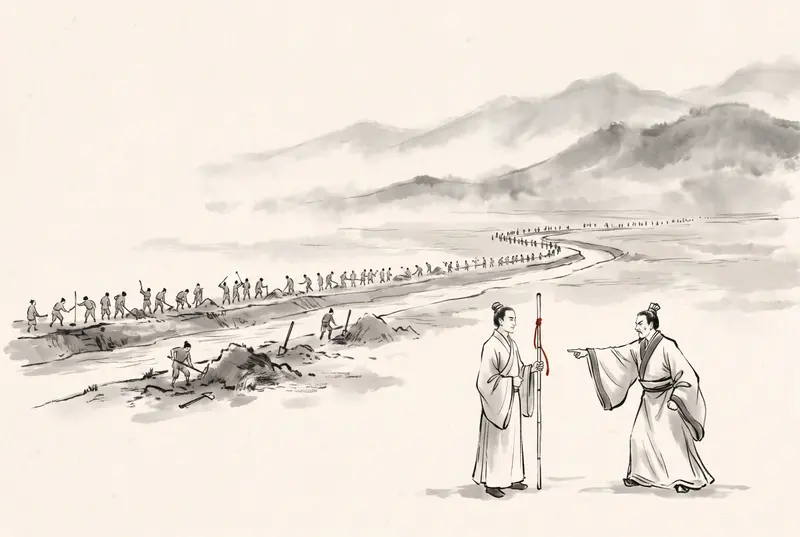
而韓聞秦之好興事,欲罷之,毋令東伐,乃使水工鄭國閒說秦,令鑿涇水自中山西邸瓠口為渠,并北山東注洛三百餘里,欲以溉田。中作而覺,秦欲殺鄭國。鄭國曰:「始臣為閒,然渠成亦秦之利也。」秦以為然,卒使就渠。渠就,用注填閼之水,溉澤鹵之地四萬餘頃,收皆畝一鐘。於是關中為沃野,無凶年,秦以富彊,卒并諸侯,因命曰鄭國渠。
Kundoku (Japanese reading)
而して韓秦の好んで事を興すを聞き、之を罷れしめて、東伐せしむる毋からんと欲す。乃ち水工鄭国をして間して秦に説き、涇水を鑿ちて中山より西のかた瓠口に邸りて渠と為し、北山に并いて東のかた洛に注ぐこと三百余里、以て田に溉がんと欲せしむ。中ごろ作りて覚わる。秦鄭国を殺さんと欲す。鄭国曰く、「始め臣間を為す。然れども渠成らば亦た秦の利なり」と。秦以て然りと為し、卒に渠を就さしむ。渠就り、填閼の水を用て注ぎ、沢鹵の地四万余頃に溉ぐ。収むること皆畝ごとに一鍾。是に於いて関中沃野と為り、凶年無く、秦以て富彊となり、卒に諸侯を并す。因りて命じて鄭国渠と曰う。
Japanese
韓は、秦が大きな事業を起こすのが好きだと聞き、秦の力を工事に使わせて疲れさせ、東へ攻めてこないようにしようと考えた。そこで水利技術者の鄭国を間者として秦に送りこみ、涇水を掘り開いて、中山から西の瓠口に至る水路を作り、北山に沿って東へ洛水に注ぐまで三百里あまり流して、田に水を引くよう説かせた。工事の途中で計略が見破られ、秦は鄭国を殺そうとした。鄭国は言った。「はじめは間者として来ました。しかし、この運河ができれば秦の利益にもなります」。秦はもっともだと考え、とうとう運河を完成させた。運河ができると、泥を多く含んだ水を流しこんで、塩分の多い湿地四万頃あまりを潤したので、どこも一畝あたり一鍾もの収穫があった。こうして関中は肥えた野となって凶作がなくなり、秦は富み栄えて強くなり、ついに諸侯を併合した。そこでこの運河を鄭国渠と名づけた。
English
The state of Han heard that Qin loved great undertakings, and wanted to wear it out so that it would not march east. So it sent a water engineer named Zheng Guo to Qin as a spy, to persuade Qin to dig a canal from the Jing River, running from Zhongshan west to Hukou and then east along the northern hills to the Luo, more than three hundred li, to irrigate the fields. Halfway through the work the plot was discovered, and Qin wanted to kill Zheng Guo. Zheng Guo said: "I did come as a spy. But when the canal is finished, it will profit Qin too." Qin thought he was right, and in the end had him finish the canal. When it was done, its silt-laden water was let onto more than forty thousand qing of salty marshland, and every mu yielded a full zhong of grain. Then the land within the pass became a fertile plain that never had a bad year. Qin grew rich and strong and in the end swallowed up all the lords. So the canal was named the Zheng Guo Canal.
Notes (JA)
- 韓: 戦国時代の韓。秦のすぐ東にあり、最も攻められやすかった。
- 頃・畝・鍾: 頃は百畝。鍾は穀物の量の単位で、六斛四斗。ふつうの田の数倍の収穫にあたる。
- 鄭国渠: 前246年ごろに着工した、陝西省の涇水から洛水までの大運河。秦の天下統一を支えた。
- 敵国の謀略が、かえって敵を強くした皮肉な例である。
Notes (EN)
- The state of Han (韓): Qin's nearest eastern neighbour, the most exposed to attack.
- Qing, mu and zhong: a qing was a hundred mu; a zhong was a large measure of grain, several times an ordinary harvest.
- The Zheng Guo Canal (鄭國渠): begun around 246 BCE, linking the Jing and Luo rivers in Shaanxi; it fed Qin's conquest of the realm.
Word notes
- spy/spaɪ/noun
a person who secretly works for another side
In the text: “as a spy”
Similar words: agent — secret worker · mole — spy inside an organisation
- fertile/ˈfɜrtəl/adjective
able to grow many crops
In the text: “a fertile plain”
Similar words: rich — productive · fruitful — yielding much
Passage 4
Original
漢興三十九年,孝文時河決酸棗,東潰金隄,於是東郡大興卒塞之。其後四十有餘年,今天子元光之中,而河決於瓠子,東南注鉅野,通於淮、泗。於是天子使汲黯、鄭當時興人徒塞之,輒復壞。是時武安侯田蚡為丞相,其奉邑食鄃。鄃居河北,河決而南則鄃無水菑,邑收多。蚡言於上曰:「江河之決皆天事,未易以人力為彊塞,塞之未必應天。」而望氣用數者亦以為然。於是天子久之不事復塞也。
Kundoku (Japanese reading)
漢興りて三十九年、孝文の時河酸棗に決し、東のかた金隄を潰す。是に於いて東郡大いに卒を興して之を塞ぐ。其の後四十有余年、今の天子の元光の中にして、河瓠子に決し、東南のかた鉅野に注ぎ、淮・泗に通ず。是に於いて天子汲黯・鄭当時をして人徒を興して之を塞がしむるも、輒ち復た壊る。是の時武安侯田蚡丞相為り。其の奉邑鄃に食む。鄃は河北に居る。河決して南すれば則ち鄃に水菑無く、邑の収め多し。蚡上に言いて曰く、「江河の決するは皆天の事なり。未だ人力を以て彊いて塞ぎ易からず。之を塞ぐも未だ必ずしも天に応ぜず」と。而して気を望み数を用うる者も亦た以て然りと為す。是に於いて天子之を久しくして復た塞ぐを事とせざるなり。
Japanese
漢がおこって三十九年、孝文帝のとき、黄河が酸棗で決壊し、東の金隄を突き破った。そこで東郡で大勢の人夫を動員して決壊をふさいだ。それから四十年あまりのち、いまの天子(武帝)の元光年間に、黄河が瓠子で決壊し、東南の鉅野の沢に流れこんで、淮水・泗水に通じた。天子は汲黯と鄭当時に人夫を動員させてふさがせたが、すぐにまた崩れた。このとき武安侯の田蚡が丞相だった。田蚡の領地は鄃にあり、鄃は黄河の北にあった。黄河が決壊して南に流れれば、鄃には水害がなく、領地の収穫は多かった。そこで田蚡は帝に言った。「長江や黄河が決壊するのは、皆天のなさることです。人の力で無理にふさぐのはたやすいことではありませんし、ふさいでも天の意にかなうとは限りません」。雲気を見たり占いをしたりする者たちも、そのとおりだと言った。そこで天子は、長いあいだ二度とふさごうとはしなかった。
English
In the thirty-ninth year of Han, under Emperor Wen, the Yellow River broke through at Suanzao and burst the Metal Dyke to the east, and the commandery of Dong raised a great force of men to close the breach. More than forty years later, in the Yuanguang era of the present Son of Heaven, the river broke through at Huzi, poured south-east into the Juye marsh, and ran on into the Huai and the Si. The emperor sent Ji An and Zheng Dangshi to raise labourers and close it, but it kept breaking open again. At that time Tian Fen, Marquis of Wu'an, was chancellor, and his estates were at Shu. Shu lay north of the river. If the river broke through to the south, Shu suffered no floods and its harvests were good. So Tian Fen told the emperor: "When the Yangzi or the Yellow River breaks its banks, it is all the work of Heaven. It is not easy to close a breach by force of human effort, and to close it may not be in accord with Heaven." The men who read the vapours and the numbers agreed. So for a long time the emperor made no further attempt to close it.
Notes (JA)
- 瓠子: 今の河南省濮陽市の西南。前132年に黄河がここで決壊した。
- 鉅野: 彭越が漁をしていた大きな沢(090-peng-yue の章)。
- 田蚡: 武帝のおじで丞相。自分の領地を守るために、民の水害を放置させた(107-dou-ying の章)。
- 望氣用數者: 雲気を見て吉凶を占う者や、数の術で占う者。
Notes (EN)
- Huzi (瓠子): south-west of present-day Puyang in Henan, where the river broke through in 132 BCE.
- The Juye marsh (鉅野): where Peng Yue once fished (chapter 090).
- Tian Fen (田蚡): Emperor Wu's uncle, who left the flood unchecked to protect his own estates (chapter 107).
Word notes
- breach/britʃ/noun
a break or gap in a wall or bank
In the text: “close the breach”
Similar words: gap — opening · rupture — break
- estate/ɪˈsteɪt/noun
a large area of land owned by one person
In the text: “his estates were at Shu”
Similar words: land — property · manor — country estate
Passage 5
Original
是時鄭當時為大農,言曰:「異時關東漕粟從渭中上,度六月而罷,而漕水道九百餘里,時有難處。引渭穿渠起長安,并南山下,至河三百餘里,徑,易漕,度可令三月罷;而渠下民田萬餘頃,又可得以溉田:此損漕省卒,而益肥關中之地,得穀。」天子以為然,令齊人水工徐伯表,悉發卒數萬人穿漕渠,三歲而通。通,以漕,大便利。其後漕稍多,而渠下之民頗得以溉田矣。其後河東守番系言:「漕從山東西,歲百餘萬石,更砥柱之限,敗亡甚多,而亦煩費。穿渠引汾溉皮氏、汾陰下,引河溉汾陰、蒲阪下,度可得五千頃。五千頃故盡河壖棄地,民茭牧其中耳,今溉田之,度可得穀二百萬石以上。穀從渭上,與關中無異,而砥柱之東可無復漕。」天子以為然,發卒數萬人作渠田。數歲,河移徙,渠不利,則田者不能償種。久之,河東渠田廢,予越人,令少府以為稍入。
Kundoku (Japanese reading)
是の時鄭当時大農為り。言いて曰く、「異時関東の漕粟は渭中より上り、六月を度りて罷む。而して漕水の道九百余里、時に難処有り。渭を引きて渠を穿ち長安より起こし、南山の下に并い、河に至るまで三百余里、径にして漕ぎ易し。度るに三月にして罷めしむべし。而して渠の下の民田万余頃、又以て田に溉ぐを得べし。此れ漕を損し卒を省き、而して関中の地を益々肥やし、穀を得ん」と。天子以て然りと為し、斉人の水工徐伯をして表せしめ、悉く卒数万人を発して漕渠を穿たしむ。三歳にして通ず。通じて以て漕ぎ、大いに便利なり。其の後漕稍く多く、而して渠の下の民頗る以て田に溉ぐを得たり。其の後河東の守番係言う、「漕は山東より西し、歳ごとに百余万石、砥柱の限を更て、敗亡甚だ多く、而して亦た煩費なり。渠を穿ちて汾を引きて皮氏・汾陰の下に溉ぎ、河を引きて汾陰・蒲阪の下に溉げば、度るに五千頃を得べし。五千頃は故尽く河壖の棄地にして、民其の中に茭牧するのみ。今之に溉ぎて田とせば、度るに穀二百万石以上を得べし。穀は渭より上り、関中と異なる無く、而して砥柱の東復た漕ぐ無かるべし」と。天子以て然りと為し、卒数万人を発して渠田を作る。数歳にして、河移徙し、渠利あらず、則ち田する者種を償う能わず。之を久しくして、河東の渠田廃れ、越人に予え、少府をして以て稍入と為さしむ。
Japanese
このころ鄭当時が大農令(財政の長官)で、こう言った。「これまで関東から穀物を運ぶ船は、渭水をさかのぼって半年もかかり、水路は九百里あまり、ところどころ難所があります。渭水の水を引いて長安から運河を掘り、南山のふもとに沿って黄河まで三百里あまり通せば、まっすぐで船を運びやすく、三か月で運び終えられるでしょう。そのうえ運河の流域の民の田一万頃あまりにも水を引けます。運送を減らし、人手を省き、関中の土地をさらに肥やして穀物も得られるのです」。天子はもっともだと考え、斉の水利技術者の徐伯に測量させ、兵卒数万人を動員して漕渠(運送用の運河)を掘らせた。三年で通じ、運送はたいへん便利になった。その後、運ばれる穀物はしだいに増え、運河の流域の民も田に水を引けるようになった。その後、河東の太守の番係が言った。「山東から西へ運ぶ穀物は毎年百万石あまりですが、砥柱の難所を越えるので、船が壊れたり失われたりすることがとても多く、費用もかかります。運河を掘って汾水を皮氏・汾陰のあたりに引き、黄河の水を汾陰・蒲阪のあたりに引けば、五千頃の田が得られるでしょう。この五千頃はもとは皆黄河の岸の荒れ地で、民がまぐさを刈り家畜を放しているだけの土地です。いまここに水を引いて田にすれば、二百万石以上の穀物が得られるでしょう。穀物は渭水をさかのぼって運べるので、関中で取れるのと変わらず、砥柱より東から運ぶ必要もなくなります」。天子はもっともだと考え、兵卒数万人を動員して運河と田を作らせた。ところが数年すると黄河の流れが移ってしまい、運河は役に立たず、田を耕す者は種の代金も取り返せなかった。しばらくして河東の運河の田は廃れ、越から移ってきた人々に与え、少府にわずかな収入として納めさせた。
English
At that time Zheng Dangshi was minister of agriculture. He said: "Until now, grain shipped from east of the pass has come up the Wei River, and it takes six months to finish. The water route is over nine hundred li, with dangerous stretches here and there. If we draw water from the Wei and dig a canal from Chang'an along the foot of the Southern Mountains to the Yellow River, about three hundred li, it will be direct and easy to sail, and the shipping could be done in three months. Besides, more than ten thousand qing of the people's fields along the canal could be irrigated. This would cut the shipping, save men, make the land within the pass richer still, and bring in more grain." The emperor thought he was right, had Xu Bo, a water engineer from Qi, survey the route, and sent tens of thousands of soldiers to dig the shipping canal. In three years it was through, and shipping on it was a great convenience. After that more and more grain was shipped, and the people along the canal were able to irrigate their fields. Later Fan Xi, governor of Hedong, said: "Over a million dan of grain is shipped west from east of the mountains every year, past the barrier of Dizhu, where a great many boats are wrecked and lost, at great expense. If we dig canals to bring the Fen down to irrigate the land below Pishi and Fenyin, and bring the Yellow River to irrigate the land below Fenyin and Puban, we could gain five thousand qing. Those five thousand qing are all waste land on the river bank, where the people only cut fodder and graze their animals. If it is irrigated and farmed, it could yield over two million dan of grain. The grain could be shipped up the Wei just like grain from the land within the pass, and there would be no more need to ship it past Dizhu." The emperor thought he was right, and sent tens of thousands of soldiers to build the canals and fields. But after a few years the river shifted its course, the canals were useless, and those who farmed there could not even get back the cost of their seed. In time the canal fields of Hedong were abandoned and given to settlers from Yue, and the treasury of the privy purse took a small revenue from them.
Notes (JA)
- 漕: 船で穀物を都へ運ぶこと。漢は東方の穀物を長安に運ぶのに苦労した。
- 砥柱: 黄河の三門峡にあった岩。船の難所として知られた。
- 少府: 皇帝の私的な財政をつかさどる役所。
- 水利事業には、成功したもの(漕渠)も失敗したもの(河東の渠田)もあったことを、司馬遷は並べて記している。
Notes (EN)
- Shipping (漕): carrying grain to the capital by water, a constant struggle for the Han.
- Dizhu (砥柱): a rock in the Yellow River at Sanmenxia, notorious for wrecks.
- Sima Qian sets the successes (the shipping canal) beside the failures (the Hedong fields).
Word notes
- convenience/kənˈvinjəns/noun
something that makes life easier
In the text: “a great convenience”
Similar words: benefit — advantage · comfort — ease
- abandon/əˈbændən/verb
to leave something and not return
In the text: “were abandoned”
Similar words: give up — stop using · desert — leave behind
Passage 6
Original
其後人有上書欲通褒斜道及漕事,下御史大夫張湯。湯問其事,因言:「抵蜀從故道,故道多阪,回遠。今穿褒斜道,少阪,近四百里;而褒水通沔,斜水通渭,皆可以行船漕。漕從南陽上沔入褒,褒之絕水至斜,閒百餘里,以車轉,從斜下下渭。如此,漢中之穀可致,山東從沔無限,便於砥柱之漕。且褒斜材木竹箭之饒,擬於巴蜀。」天子以為然,拜湯子卬為漢中守,發數萬人作褒斜道五百餘里。道果便近,而水湍石,不可漕。其後莊熊羆言:「臨晉民願穿洛以溉重泉以東萬餘頃故鹵地。誠得水,可令畝十石。」於是為發卒萬餘人穿渠,自徵引洛水至商顏山下。岸善崩,乃鑿井,深者四十餘丈。往往為井,井下相通行水。水穨以絕商顏,東至山嶺十餘里閒。井渠之生自此始。穿渠得龍骨,故名曰龍首渠。作之十餘歲,渠頗通,猶未得其饒。
Kundoku (Japanese reading)
其の後人に書を上りて褒斜道及び漕事を通ぜんと欲する有り。御史大夫張湯に下す。湯其の事を問い、因りて言う、「蜀に抵るには故道に従う。故道は阪多く、回遠なり。今褒斜道を穿たば、阪少なく、近きこと四百里。而して褒水は沔に通じ、斜水は渭に通ず。皆以て船漕を行るべし。漕は南陽より沔に上りて褒に入り、褒の絶水より斜に至るまで、間百余里、車を以て転じ、斜より下りて渭に下る。此くの如くんば、漢中の穀致すべく、山東は沔よりして限り無く、砥柱の漕に便なり。且つ褒斜の材木竹箭の饒、巴蜀に擬す」と。天子以て然りと為し、湯の子卬を拝して漢中の守と為し、数万人を発して褒斜道五百余里を作らしむ。道果たして便にして近し。而れども水湍く石あり、漕ぐべからず。其の後荘熊羆言う、「臨晋の民洛を穿ちて以て重泉以東万余頃の故の鹵地に溉がんことを願う。誠に水を得ば、畝ごとに十石ならしむべし」と。是に於いて為に卒万余人を発して渠を穿ち、徴より洛水を引きて商顔山の下に至る。岸善く崩る。乃ち井を鑿つ。深き者は四十余丈。往往に井を為り、井の下相通じて水を行る。水穨りて以て商顔を絶ち、東のかた山嶺に至る十余里の間なり。井渠の生ずること此れより始まる。渠を穿ちて竜骨を得たり。故に名づけて竜首渠と曰う。之を作ること十余歳、渠頗る通ずるも、猶お未だ其の饒を得ず。
Japanese
その後、褒斜道を通し、船による運送も開くよう上書した者があった。天子はこれを御史大夫の張湯に下げわたした。張湯はくわしく調べて言った。「蜀へ行くには故道を通りますが、故道は坂が多く、遠回りです。いま褒斜道を開けば、坂が少なく、四百里も近くなります。しかも褒水は沔水に通じ、斜水は渭水に通じていて、どちらも船で運べます。南陽から沔水をさかのぼって褒水に入り、褒水が切れるところから斜水までの百里あまりは車で運び、斜水から渭水に下ります。こうすれば漢中の穀物を運べますし、山東からも沔水を通って限りなく運べ、砥柱を越える運送よりも便利です。そのうえ褒斜の地は材木や竹が豊かで、巴・蜀に匹敵します」。天子はもっともだと考え、張湯の子の張卬を漢中の太守に任じ、数万人を動員して五百里あまりの褒斜道を作らせた。道は果たして便利で近くなった。しかし川は流れが急で岩が多く、船で運ぶことはできなかった。その後、荘熊羆が言った。「臨晋の民は、洛水から運河を掘って、重泉より東の一万頃あまりの塩分の多い土地に水を引きたいと願っています。本当に水が得られれば、一畝あたり十石の収穫にできます」。そこで兵卒一万人あまりを動員して運河を掘り、徴から洛水を引いて商顔山のふもとまで導いた。ところが岸がよく崩れるので、井戸を掘った。深いものは四十丈あまりもあった。あちこちに井戸を掘り、井戸の底をたがいにつないで水を通した。水は地下を流れて商顔山を突きぬけ、東の山の峰まで十里あまり通じた。井戸をつないだ地下水路(井渠)は、ここから始まった。運河を掘ったとき竜の骨が出てきたので、龍首渠と名づけた。十年あまりかけて作り、運河はかなり通じたが、まだ十分な恵みは得られなかった。
English
Later someone wrote to the throne proposing to open the Bao-Ye road and ship grain along it. The matter was passed to Zhang Tang, the grand secretary. Zhang Tang looked into it and said: "To reach Shu, one takes the Old Road, which is steep and roundabout. If we open the Bao-Ye road, it will have fewer slopes and be four hundred li shorter. The Bao River joins the Mian, and the Ye River joins the Wei, and both can carry boats. Grain could be shipped from Nanyang up the Mian into the Bao; from where the Bao becomes unnavigable to the Ye, a hundred li or so, it would go by cart; then down the Ye to the Wei. In this way grain could be brought from Hanzhong, and from east of the mountains it could come up the Mian without limit, which would be easier than shipping past Dizhu. Besides, the timber and bamboo of Bao and Ye are as rich as those of Ba and Shu." The emperor thought he was right, made Zhang Tang's son Ang governor of Hanzhong, and sent tens of thousands of men to build the Bao-Ye road, more than five hundred li long. The road was indeed easy and short, but the rivers were too swift and rocky to ship grain. Later Zhuang Xiongpi said: "The people of Linjin wish to dig a canal from the Luo to irrigate more than ten thousand qing of old salt land east of Chongquan. If they could truly get water, every mu could yield ten dan." So more than ten thousand soldiers were sent to dig the canal, drawing the Luo from Zheng to the foot of Mount Shangyan. But the banks kept collapsing, so they dug wells, some of them more than forty zhang deep. They dug wells all along the way and joined them underground so that the water could flow. The water ran down through Mount Shangyan and came out more than ten li to the east, at the ridge of the hills. That was the beginning of the well canal. While digging the canal they found dragon bones, so it was named the Dragon Head Canal. It took more than ten years to build, and the canal ran fairly well, but its full benefits were still not gained.
Notes (JA)
- 褒斜道: 秦嶺山脈を越えて関中と漢中を結ぶ山道。褒水と斜水の谷を通る。
- 張湯: 武帝の御史大夫で、法にくわしい酷吏(122-kuli の章)。
- 井渠: 井戸を並べて掘り、その底をつないで作る地下水路。中央アジアのカナートに似た技術で、龍首渠が始まりとされる。
- 龍骨: 大昔の動物の化石と考えられる。
Notes (EN)
- The Bao-Ye road (褒斜道): a route over the Qinling mountains through the valleys of the Bao and Ye rivers.
- Zhang Tang (張湯): Emperor Wu's grand secretary, the harsh official of chapter 122.
- The well canal (井渠): a chain of wells joined underground, much like the qanats of Central Asia.
- Dragon bones (龍骨): probably fossils of ancient animals.
Word notes
- roundabout/ˈraʊndəˌbaʊt/adjective
not direct; taking a longer way
In the text: “steep and roundabout”
Similar words: indirect — not straight · winding — twisting
- collapse/kəˈlæps/verb
to fall down suddenly
In the text: “the banks kept collapsing”
Similar words: cave in — fall inward · give way — break under pressure
Passage 7
Original
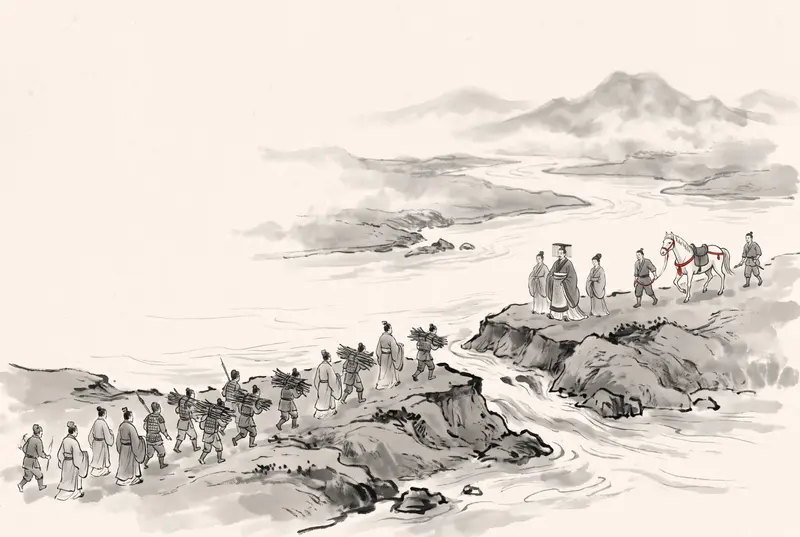
自河決瓠子後二十餘歲,歲因以數不登,而梁楚之地尤甚。天子既封禪巡祭山川,其明年,旱,乾封少雨。天子乃使汲仁、郭昌發卒數萬人塞瓠子決。於是天子已用事萬里沙,則還自臨決河,沈白馬玉璧于河,令群臣從官自將軍已下皆負薪窴決河。是時東郡燒草,以故薪柴少,而下淇園之竹以為楗。
Kundoku (Japanese reading)
河瓠子に決してより後二十余歳、歳因りて以て数々登らず、而して梁楚の地尤も甚だし。天子既に封禅して山川を巡祭す。其の明年、旱して、封を乾かし雨少なし。天子乃ち汲仁・郭昌をして卒数万人を発して瓠子の決を塞がしむ。是に於いて天子已に万里沙に事を用い、則ち還りて自ら決河に臨み、白馬・玉璧を河に沈め、群臣の従官をして将軍より已下皆薪を負いて決河を窴めしむ。是の時東郡草を焼く。故を以て薪柴少なし。而して淇園の竹を下して以て楗と為す。
Japanese
黄河が瓠子で決壊してから二十年あまり、そのため毎年のように凶作が続き、とくに梁と楚の地がひどかった。天子は封禅を行って山や川を巡って祭ったが、その翌年は日照りで、封禅の土を乾かすほど雨が少なかった。そこで天子は汲仁と郭昌に兵卒数万人を動員させ、瓠子の決壊をふさがせた。天子は万里沙で祭りを行うと、その帰りに自ら決壊した黄河に臨み、白馬と玉の璧を黄河に沈め、従ってきた臣下たちに、将軍以下皆薪を背負わせて決壊口を埋めさせた。このとき東郡では草を焼き払っていたので薪が少なく、淇園の竹を切り出して、杭として打ちこんだ。
English
For more than twenty years after the river broke through at Huzi, the harvests failed again and again, and the lands of Liang and Chu suffered worst of all. The Son of Heaven had performed the feng and shan and toured the mountains and rivers to worship them. The next year there was a drought, as if to dry out the earth of the feng, and little rain fell. So the emperor sent Ji Ren and Guo Chang to raise tens of thousands of soldiers to close the breach at Huzi. When he had finished the sacrifice at Wanlisha, the emperor came back and stood over the broken river himself. He sank a white horse and a disc of jade in the river, and had all the officials in his train, from the generals down, carry brushwood on their backs to fill the breach. At that time the people of Dong commandery had burned off their grass, so brushwood was scarce, and the bamboo of the Qi garden was cut down to make stakes.
Notes (JA)
- 封禪: 前110年、武帝は泰山で封禅を行った(028-fengshan の章)。この工事は翌前109年。
- 白馬・玉璧: 黄河の神(河伯)へのささげ物。
- 負薪: 将軍以下の高官が自ら薪を背負った。司馬遷もこの中にいた(第9節)。
- 淇園: 衛の国にあった竹の名所。
Notes (EN)
- The feng and shan: performed by Emperor Wu at Mount Tai in 110 BCE (chapter 028); the repair was the next year, 109 BCE.
- A white horse and a jade disc: offerings to the god of the river.
- Carrying brushwood: even the highest officials did it, Sima Qian among them (passage 9).
Word notes
- drought/draʊt/noun
a long period without rain
In the text: “there was a drought”
Similar words: dry spell — time without rain · water shortage — lack of water
- brushwood/ˈbrʌʃˌwʊd/noun
small branches cut from bushes and trees
In the text: “carry brushwood on their backs”
Similar words: kindling — small sticks for fires · twigs — small branches
Passage 8
Original
天子既臨河決,悼功之不成,乃作歌曰:「瓠子決兮將柰何?皓皓旰旰兮閭殫為河!殫為河兮地不得寧,功無已時兮吾山平。吾山平兮鉅野溢,魚沸郁兮柏冬日。延道弛兮離常流,蛟龍騁兮方遠遊。歸舊川兮神哉沛,不封禪兮安知外!為我謂河伯兮何不仁,泛濫不止兮愁吾人?齧桑浮兮淮、泗滿,久不反兮水維緩。」一曰:「河湯湯兮激潺湲,北渡污兮浚流難。搴長茭兮沈美玉,河伯許兮薪不屬。薪不屬兮衛人罪,燒蕭條兮噫乎何以御水!穨林竹兮楗石菑,宣房塞兮萬福來。」於是卒塞瓠子,筑宮其上,名曰宣房宮。而道河北行二渠,復禹舊跡,而梁、楚之地復寧,無水災。
Kundoku (Japanese reading)
天子既に河の決に臨み、功の成らざるを悼み、乃ち歌を作りて曰く、「瓠子決す、将に柰何せん。皓皓旰旰として、閭殫く河と為る。殫く河と為りて地寧きを得ず、功已む時無くして吾山平らかなり。吾山平らかにして鉅野溢れ、魚沸郁として冬日に柏る。延道弛みて常流を離れ、蛟竜騁せて方に遠く遊ぶ。旧川に帰さば神なるかな沛たり、封禅せずんば安くんぞ外を知らん。我が為に河伯に謂え、何ぞ仁ならざる、泛濫して止まず吾が人を愁えしむるや。齧桑浮かびて淮・泗満ち、久しく反らずして水維れ緩し」と。一に曰く、「河湯湯として激しく潺湲たり、北のかた渡ること紆にして流れを浚うこと難し。長茭を搴りて美玉を沈む、河伯許せども薪属かず。薪属かざるは衛人の罪、焼きて蕭条たり、噫乎何を以てか水を御せん。林竹を穨して石菑を楗す、宣房塞がりて万福来たらん」と。是に於いて卒に瓠子を塞ぎ、宮を其の上に築き、名づけて宣房宮と曰う。而して河を道きて北のかた二渠を行らしめ、禹の旧跡に復す。而して梁・楚の地復た寧く、水災無し。
Japanese
天子は決壊した黄河に臨み、工事がはかどらないのを嘆いて、歌を作った。「瓠子が決壊した、どうしたらよいのか。水は白くはてしなく広がり、村々はすべて川となった。すべて川となって土地は安らかでなく、工事は終わる時がなく、吾山は削られて平らになった。吾山が平らになっても鉅野はあふれ、魚はひしめき合い、冬の日が迫る。堤はゆるんで川は本来の流れを離れ、蛟竜は勢いよく遠くへ泳ぎ去っていく。もとの川筋に戻せばなんと霊妙で豊かなことか、封禅のために出てこなければ、都の外のこの惨状を知ることもなかったろう。わたしのために河伯(黄河の神)に言っておくれ、なぜそんなに思いやりがないのか、あふれて止まらず、わが民を苦しめるのかと。齧桑の町は水に浮かび、淮水と泗水は満ちあふれ、長く戻らないまま、水はゆるゆると流れている」。もう一つの歌はこうである。「黄河はとうとうと流れ、激しくさざめく。北へ渡る道は曲がりくねり、流れをさらうのは難しい。長い縄をとって美しい玉を沈め、河伯は聞き入れてくれたが、薪が足りない。薪が足りないのは衛の人の罪、草を焼き払って野はさびれ、ああ、何で水を防げばよいのか。林の竹を切り倒して石を詰めた杭とし、宣房がふさがれば、万の福がやって来よう」。こうして、ついに瓠子の決壊をふさぎ、その上に宮殿を建てて宣房宮と名づけた。そして黄河を導いて北の二つの水路に流し、禹の時代の流れに戻した。こうして梁と楚の地はまた安らかになり、水害はなくなった。
English
When the Son of Heaven had come to the breach and grieved that the work was not done, he made a song: "The river has burst at Huzi; what can we do? Vast and white, the villages have all become river. All become river, the land has no peace; the work never ends, and Mount Wu is levelled. Mount Wu is levelled, but Juye still overflows; the fish teem and seethe, and the winter days draw near. The dykes have given way, the river has left its course; the dragons gallop off on their long journeys. Bring it back to its old bed, and how wondrous and rich it would be! Had I not come out for the feng and shan, how would I have known what lies beyond? Tell the god of the river for me: why are you so unkind? Why flood without end and grieve my people? Niesang is afloat, the Huai and the Si are full; long it has not returned, and the water drifts slowly on." And another: "The river rolls on, swift and churning; the way north is winding, and its flow is hard to clear. We take long ropes and sink fine jade; the river god consents, but the brushwood runs short. The brushwood runs short through the fault of the men of Wei; they burned the land bare, and alas, with what can we hold the water? We fell the bamboo of the woods and weight the stakes with stone; when Xuanfang is closed, ten thousand blessings will come." So at last the breach at Huzi was closed, and a palace was built on top of it, called the Palace of Xuanfang. The river was led north into its two channels, back along the old course of Yu, and the lands of Liang and Chu were at peace again and suffered no more floods.
Notes (JA)
- 瓠子歌: 武帝が自ら作った二首の歌。『楚辞』の形で、「兮」で句を区切る。
- 吾山: 今の山東省東阿県の魚山。堤を作るために土を削られた。
- 河伯: 黄河の神。
- 宣房宮: 決壊口をふさいだ跡に建てた宮殿。黄河はこのあと約八十年、大きな決壊をしなかった。
Notes (EN)
- The Song of Huzi (瓠子歌): two songs by Emperor Wu in the style of the Songs of Chu.
- Mount Wu (吾山): Mount Yu near Dong'e in Shandong, dug away for the dykes.
- The Palace of Xuanfang (宣房宮): built over the closed breach; the river held for some eighty years.
Word notes
- grieve/ɡriv/verb
to feel deep sadness
In the text: “grieved that the work was not done”
Similar words: mourn — feel sorrow · lament — express grief
- churning/ˈtʃɜrnɪŋ/adjective
moving about violently
In the text: “swift and churning”
Similar words: swirling — turning round · seething — boiling, surging
Passage 9
Original
自是之後,用事者爭言水利。朔方、西河、河西、酒泉皆引河及川谷以溉田;而關中輔渠、靈軹引堵水;汝南、九江引淮;東海引鉅定;泰山下引汶水:皆穿渠為溉田,各萬餘頃。佗小渠披山通道者,不可勝言。然其著者在宣房。太史公曰:余南登廬山,觀禹疏九江,遂至于會稽太湟,上姑蘇,望五湖;東闚洛汭、大邳,迎河,行淮、泗、濟、漯洛渠;西瞻蜀之岷山及離碓;北自龍門至于朔方。曰:甚哉,水之為利害也!余從負薪塞宣房,悲瓠子之詩而作河渠書。
Kundoku (Japanese reading)
是れより後、事を用うる者争いて水利を言う。朔方・西河・河西・酒泉は皆河及び川谷を引きて以て田に溉ぐ。而して関中の輔渠・霊軹は堵水を引く。汝南・九江は淮を引く。東海は鉅定を引く。泰山の下は汶水を引く。皆渠を穿ちて田に溉ぐを為すこと、各々万余頃。佗の小渠の山を披き道を通ずる者は、勝げて言うべからず。然れども其の著しき者は宣房に在り。太史公曰く、余南のかた廬山に登り、禹の九江を疏するを観、遂に会稽の太湟に至り、姑蘇に上り、五湖を望む。東のかた洛汭・大邳を闚い、河を迎え、淮・泗・済・漯・洛渠を行く。西のかた蜀の岷山及び離碓を瞻る。北のかた竜門より朔方に至る。曰く、甚だしいかな、水の利害を為すや。余負薪に従いて宣房を塞ぎ、瓠子の詩を悲しみて河渠書を作る。
Japanese
これ以後、政務にあたる者たちは争って水利の事業を説いた。朔方・西河・河西・酒泉では、どこも黄河や谷川の水を引いて田にそそいだ。関中では輔渠や霊軹渠が堵水を引いた。汝南と九江は淮水を、東海は鉅定沢を、泰山のふもとは汶水を引いた。どこも運河を掘って田に水を引き、それぞれ一万頃あまりを潤した。そのほか、山を切り開き道を通した小さな水路は、数えきれないほどだった。しかし、最も名高いのは宣房である。太史公は言う。わたしは南は廬山に登って禹が九江を通したあとを見、さらに会稽の太湟に至り、姑蘇に上って五湖を眺めた。東は洛水の合流点と大邳をうかがい、黄河をさかのぼり、淮水・泗水・済水・漯水・洛水の運河をめぐった。西は蜀の岷山と離碓を仰ぎ見た。北は龍門から朔方まで行った。そして思った。なんとまあ、水がもたらす利益と害の大きいことか、と。わたしは薪を背負う人々に加わって宣房をふさぎ、瓠子の歌を悲しんで、この河渠書を作ったのである。
English
After that, those in office competed to propose water works. Shuofang, Xihe, Hexi and Jiuquan all drew water from the Yellow River and the valley streams to irrigate their fields. In the land within the pass the Fu canal and the Lingzhi canal drew on the Du River; Runan and Jiujiang drew on the Huai; Donghai drew on the Juding marsh; and the land below Mount Tai drew on the Wen River. Each dug canals to irrigate more than ten thousand qing of fields. The smaller channels cut through hills and along roads were too many to mention. But the most famous was at Xuanfang. The Grand Historian says: I climbed Mount Lu in the south to see where Yu opened the Nine Rivers, went on to Kuaiji and Taihuang, climbed Gusu and looked out over the Five Lakes. In the east I saw the mouth of the Luo and Dapi, followed the Yellow River upstream, and travelled the Huai, the Si, the Ji, the Ta and the Luo canals. In the west I gazed at the Min mountains of Shu and the Lidui rock. In the north I went from Longmen to Shuofang. And I said: How great is the good and the harm that water does! I went with those who carried brushwood to close the breach at Xuanfang, and in grief at the song of Huzi I wrote the Treatise on Rivers and Canals.
Notes (JA)
- 朔方・河西・酒泉: 匈奴から奪った北と西の新しい土地。水を引いて屯田が開かれた(111-wei-huo の章)。
- 余從負薪塞宣房: 司馬遷は郎中として武帝に従い、自ら薪を背負った。『史記』の中でも、作者自身が事件に立ち会ったことを記した珍しい部分である。
- 司馬遷は若いころ各地を旅した。その足跡がこの評にまとめられている(130-taishigong の章)。
Notes (EN)
- Shuofang, Hexi and Jiuquan: new lands taken from the Xiongnu and opened to farming with canals (chapter 111).
- Sima Qian carried brushwood himself as a palace gentleman: a rare moment where the author was present at the event he records.
- His travels as a young man are summed up here (chapter 130).
Word notes
- compete/kəmˈpit/verb
to try to do better than others
In the text: “competed to propose water works”
Similar words: vie — try to win · contend — struggle against others
- gaze/ɡeɪz/verb
to look at something for a long time
In the text: “I gazed at the Min mountains”
Similar words: stare — look fixedly · contemplate — look thoughtfully