Treatises · Vol. 28
The Treatise on the Feng and Shan Sacrifices 封禪書
Emperors in Search of the Immortals 求僊與封禪
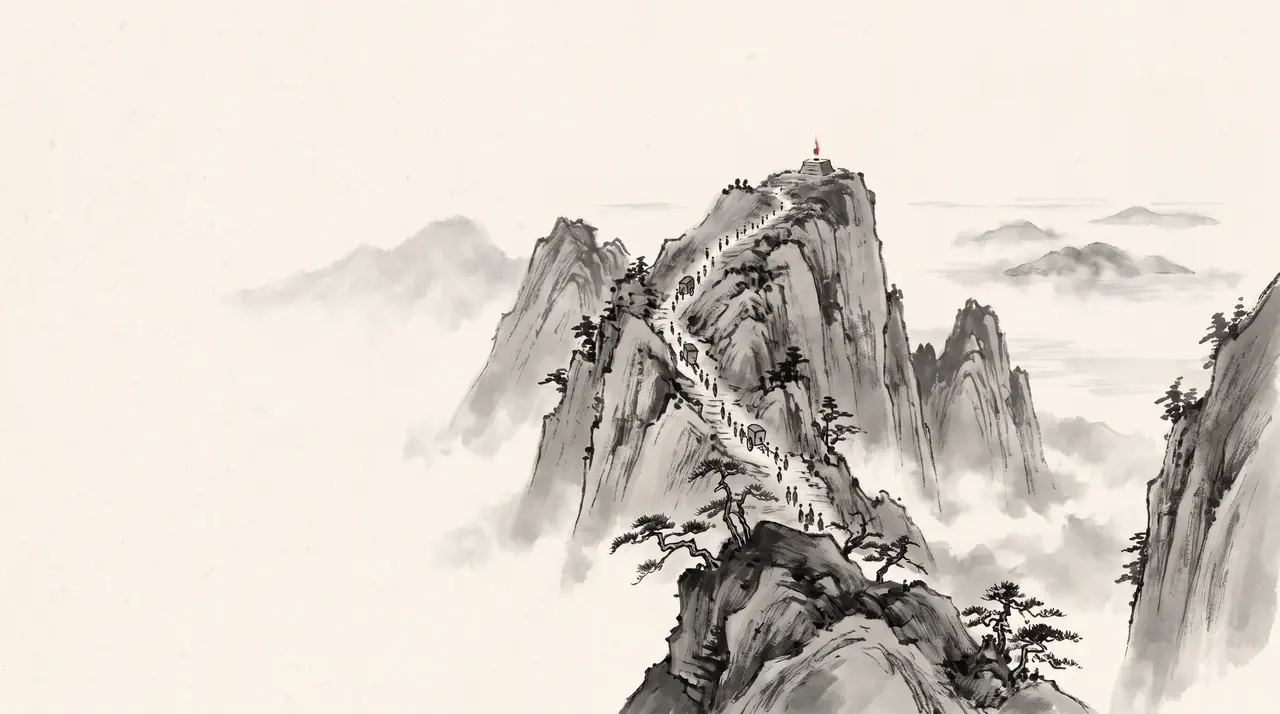
The "Treatises" are the part of the Shiji that deals with institutions, one subject at a time, and this one is about the feng and shan: the supreme rites in which a ruler who had received Heaven's mandate worshipped Heaven on the summit of Mount Tai and Earth on a small hill at its foot. The First Emperor climbed Mount Tai to perform them, but was caught by a storm on the way, to the glee of the Confucian scholars he had shut out. He kept sending ships after the elixir of the three holy mountains in the sea, Penglai, Fangzhang and Yingzhou, until he died on one of his journeys. A century later Emperor Wu of Han also sought the immortals. The magician Li Shaojun, said to be hundreds of years old, told him that by worshipping the god of the stove he could turn cinnabar into gold and meet the immortals. Luan Da boasted that he could make gold and find the drug of immortality, and was given four generals' seals. When Gongsun Qing told how the Yellow Emperor had cast a cauldron and ridden a dragon up to Heaven, the emperor said that if he could be like the Yellow Emperor he would leave his wives and children as easily as kicking off his slippers. Then Emperor Wu performed the feng and shan on Mount Tai. Sima Qian, who went with him, wrote down what the magicians did, outside and in.
This page has the scene "Emperors in Search of the Immortals" from this volume, not the whole volume.
Audio
The audio is synthetic speech.
Video
Passage 1
Original
自古受命帝王,曷嘗不封禪?蓋有無其應而用事者矣,未有睹符瑞見而不臻乎泰山者也。雖受命而功不至,至梁父矣而德不洽,洽矣而日有不暇給,是以即事用希。傳曰:「三年不為禮,禮必廢;三年不為樂,樂必壞。」每世之隆,則封禪答焉,及衰而息。厥曠遠者千有餘載,近者數百載,故其儀闕然堙滅,其詳不可得而記聞云。
Kundoku (Japanese reading)
古より命を受くる帝王、曷ぞ嘗て封禅せざらん。蓋し其の応無くして事を用うる者有り。未だ符瑞の見わるるを睹て泰山に臻らざる者有らざるなり。命を受くと雖も功至らず、梁父に至れども徳洽からず、洽けれども日に給するに暇あらず。是を以て事に即くこと用て希なり。伝に曰く、「三年礼を為さずんば、礼必ず廃れ、三年楽を為さずんば、楽必ず壊る」と。世の隆んなる毎に、則ち封禅もて焉に答え、衰うるに及びて息む。厥の曠しく遠き者は千有余載、近き者は数百載、故に其の儀闕然として堙滅し、其の詳らかなること得て記し聞くべからずと云う。
Japanese
昔から天命を受けた帝王で、封禅をしなかった者がいただろうか。天のしるしがないのに儀式を行った者はいたが、めでたいしるしが現れたのを見て泰山に行かなかった者はいない。天命を受けても功績が十分でなかったり、梁父(ふもとの山)まで行っても徳が行きわたっていなかったり、行きわたっていても忙しくて暇がなかったりしたので、実際に行われることはまれだった。古い伝えに「三年礼を行わなければ礼はすたれ、三年音楽を奏でなければ音楽はくずれる」という。世が盛んになるたびに封禅をして天にこたえ、衰えるとやめた。間があいたのは長いときで千年あまり、短いときでも数百年。そのため、その儀式の作法は失われてしまい、くわしいことは記録にも言い伝えにも残っていないという。
English
Since ancient times, has there ever been an emperor or king who received the mandate of Heaven and did not perform the feng and shan? There were those who performed them without the signs of Heaven's favour, but none who saw the lucky signs appear and did not go to Mount Tai. Some received the mandate but had not achieved enough; some reached Liangfu but their virtue had not spread far enough; some had spread their virtue but had no time to spare. That is why the rites were seldom performed. The tradition says: "If rites are not performed for three years, the rites will decay; if music is not played for three years, the music will be ruined." Whenever an age flourished, it answered Heaven with the feng and shan; when it declined, they stopped. The longest gap was over a thousand years, the shortest several hundred, and so the ceremony has been lost and its details can no longer be recorded or learned.
Notes (JA)
- 封禪: 「封」は泰山の頂に土を盛って天を祭ること、「禅」はふもとの小山(梁父など)で地を清めて祭ること。
- 泰山: 今の山東省泰安市の山。五岳の筆頭で、天に最も近い山とされた。
- 符瑞: 天が帝王の徳にこたえて示すとされた、めでたいしるし(黄龍、麒麟、宝鼎など)。
Notes (EN)
- Feng and shan (封禪): worship of Heaven on the summit of Mount Tai and of Earth on a hill at its foot such as Liangfu.
- Mount Tai (泰山): in Shandong, first of the Five Sacred Peaks.
- Lucky signs (符瑞): omens such as yellow dragons, unicorns or precious cauldrons.
Word notes
- mandate/ˈmænˌdeɪt/noun
the authority to rule, here believed to come from Heaven
In the text: “received the mandate of Heaven”
Similar words: authority — right to rule · commission — a duty given
- decay/dɪˈkeɪ/verb
to become gradually worse or fall apart
In the text: “the rites will decay”
Similar words: decline — grow weaker · crumble — fall to pieces
Passage 2
Original
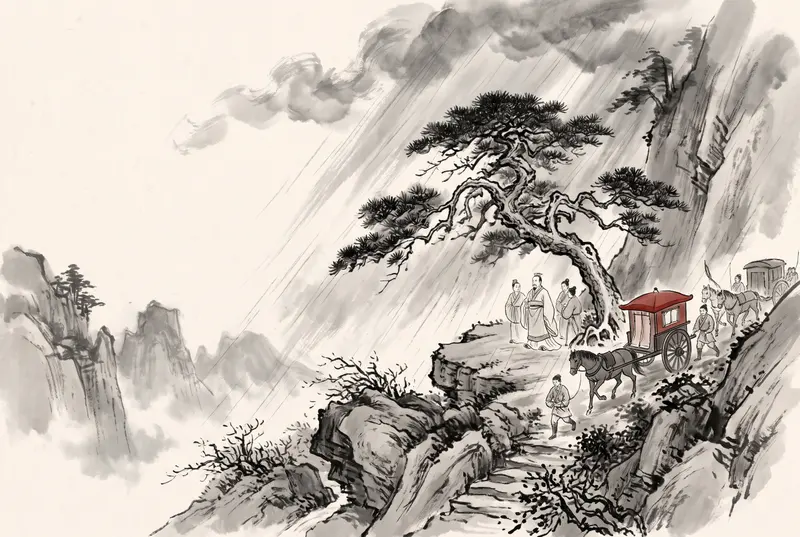
即帝位三年,東巡郡縣,祠騶嶧山,頌秦功業。於是徵從齊魯之儒生博士七十人,至乎泰山下。諸儒生或議曰:「古者封禪為蒲車,惡傷山之土石草木;埽地而祭,席用葅稭,言其易遵也。」始皇聞此議各乖異,難施用,由此絀儒生。而遂除車道,上自泰山陽至巔,立石頌秦始皇帝德,明其得封也。從陰道下,禪於梁父。其禮頗采太祝之祀雍上帝所用,而封藏皆祕之,世不得而記也。始皇之上泰山,中阪遇暴風雨,休於大樹下。諸儒生既絀,不得與用於封事之禮,聞始皇遇風雨,則譏之。
Kundoku (Japanese reading)
帝位に即きて三年、東のかた郡県を巡り、騶嶧山に祠り、秦の功業を頌す。是に於いて斉魯の儒生博士七十人を徴し従えて、泰山の下に至る。諸儒生或いは議して曰く、「古者封禅には蒲車を為る。山の土石草木を傷うを悪めばなり。地を埽いて祭り、席には葅稭を用う。其の遵い易きを言うなり」と。始皇此の議の各々乖異して、施用し難きを聞き、此に由りて儒生を絀く。而して遂に車道を除い、泰山の陽より上りて巓に至り、石を立てて秦の始皇帝の徳を頌し、其の封ずるを得たるを明らかにす。陰道より下り、梁父に禅す。其の礼頗る太祝の雍の上帝を祀る所用を采り、而して封蔵は皆之を秘し、世得て記さざるなり。始皇の泰山に上るや、中阪にして暴風雨に遇い、大樹の下に休む。諸儒生既に絀けられ、封事の礼に与り用いらるるを得ず。始皇の風雨に遇うを聞きて、則ち之を譏る。
Japanese
始皇帝は皇帝となって三年目(前219年)、東の郡県を巡り、騶の嶧山で祭りをして秦の功業をたたえた。そして斉や魯の儒者・博士七十人を呼び寄せて連れ、泰山のふもとに来た。儒者たちのなかには、こう言う者がいた。「昔の封禅では、がまで車輪を包んだ車を使いました。山の土や石や草木を傷つけるのを嫌ったのです。地面を掃き清めて祭り、敷物には草やわらを使いました。簡素で行いやすいことを言っているのです」。始皇帝は、儒者たちの意見がばらばらで、実際には使えないと聞いて、儒者たちを退けた。そして車の通る道を切り開き、泰山の南側から頂上まで登って、石を立てて始皇帝の徳をたたえ、封の儀式を行ったことを示した。北側の道から下り、梁父で禅の儀式を行った。その作法は、雍で上帝を祭る太祝のやり方を多く取り入れたが、封じて納めたものはすべて秘密にされ、世に記録は残らなかった。始皇帝が泰山に登る途中、坂の中ほどで激しい風雨にあい、大木の下で雨宿りした。退けられて儀式に加われなかった儒者たちは、始皇帝が風雨にあったと聞いて、あざ笑った。
English
In the third year after he became emperor, he toured the commanderies and counties of the east, sacrificed on Mount Yi in Zou, and had the achievements of Qin praised. Then he summoned seventy Confucian scholars and court scholars from Qi and Lu to go with him, and came to the foot of Mount Tai. Some of the scholars said: "In ancient times, for the feng and shan, carriages had their wheels wrapped in rushes, so as not to harm the earth, stones, grass and trees of the mountain. The ground was swept for the sacrifice, and mats were made of rushes and straw. This shows how simple the rites were." The First Emperor heard that the scholars' advice was all different and hard to put into practice, and so he dismissed them. Then he had a carriage road cleared, went up from the south side of Mount Tai to the summit, and set up a stone praising the virtue of the First Emperor of Qin, to show that he had been able to perform the feng. He came down by the north path and performed the shan at Liangfu. The ceremonies were largely taken from the rites the Grand Invoker used to worship the Lord on High at Yong, and what was sealed and buried was all kept secret, so that the world has no record of it. As the First Emperor climbed Mount Tai, he was caught halfway up by a violent storm and rested under a great tree. The scholars who had been dismissed and given no part in the rites heard that he had been caught in the storm, and mocked him.
Notes (JA)
- 蒲車: がまの穂で車輪を包んだ車。山を傷つけないため。
- 梁父: 泰山のふもとの小山。禅の儀式を行う場所。
- 大樹: このとき始皇帝が雨宿りした松に「五大夫」の爵位を与えたという話が、秦始皇本紀にある。
- 始皇帝が泰山に立てた石の刻文の一部は、いまも残っている(泰山刻石)。
Notes (EN)
- Carriages with wrapped wheels (蒲車): so as not to scar the holy mountain.
- Liangfu (梁父): a hill at the foot of Mount Tai where the shan was performed.
- The Basic Annals say he gave the sheltering pine the rank of "Grandee of the Fifth Degree"; fragments of his inscribed stone survive today.
Word notes
- summit/ˈsʌmɪt/noun
the highest point of a mountain
In the text: “to the summit”
Similar words: peak — top of a mountain · top — highest point
- mock/mɑk/verb
to laugh at someone in an unkind way
In the text: “and mocked him”
Similar words: ridicule — make fun of · jeer — laugh rudely
Passage 3
Original
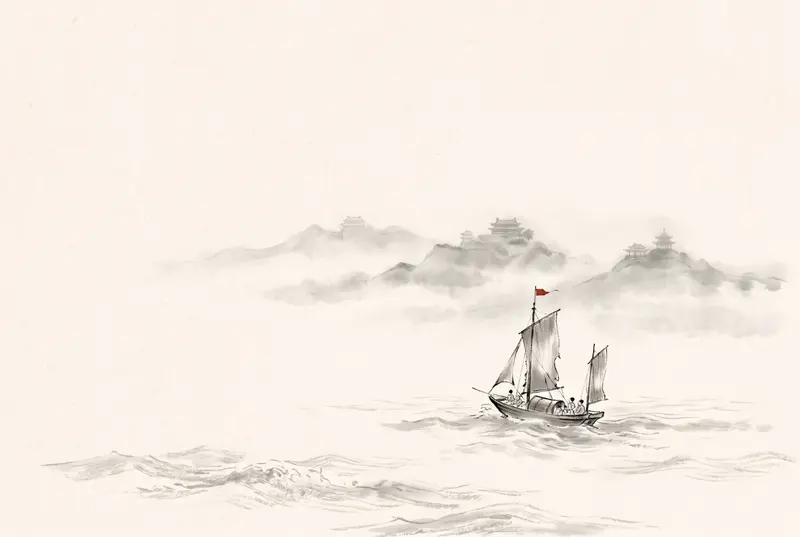
自威、宣、燕昭使人入海求蓬萊、方丈、瀛洲。此三神山者,其傅在勃海中,去人不遠;患且至,則船風引而去。蓋嘗有至者,諸僊人及不死之藥皆在焉。其物禽獸盡白,而黃金銀為宮闕。未至,望之如雲;及到,三神山反居水下。臨之,風輒引去,終莫能至云。世主莫不甘心焉。及至秦始皇并天下,至海上,則方士言之不可勝數。始皇自以為至海上而恐不及矣,使人乃齎童男女入海求之。船交海中,皆以風為解,曰未能至,望見之焉。其明年,始皇復游海上,至瑯邪,過恒山,從上黨歸。後三年,游碣石,考入海方士,從上郡歸。後五年,始皇南至湘山,遂登會稽,并海上,冀遇海中三神山之奇藥。不得,還至沙丘崩。
Kundoku (Japanese reading)
威・宣・燕の昭より人をして海に入りて蓬萊・方丈・瀛洲を求めしむ。此の三神山は、其の伝勃海の中に在り、人を去ること遠からず。患うらくは且に至らんとすれば、則ち船風に引かれて去る。蓋し嘗て至る者有り。諸々の僊人及び不死の薬皆焉に在り。其の物の禽獣は尽く白く、而して黄金銀もて宮闕を為る。未だ至らざれば、之を望むこと雲の如く、到るに及びて、三神山反って水下に居る。之に臨めば、風輒ち引きて去り、終に能く至る莫しと云う。世主甘心せざる莫し。秦の始皇の天下を并するに至りて、海上に至れば、則ち方士の之を言うこと勝げて数うべからず。始皇自ら以為えらく海上に至りて及ばざらんことを恐ると。人をして乃ち童男女を齎して海に入りて之を求めしむ。船海中に交わるも、皆風を以て解と為して曰く、未だ至る能わず、望みて之を見ると。其の明年、始皇復た海上に游び、瑯邪に至り、恒山を過ぎ、上党より帰る。後三年、碣石に游び、海に入りし方士を考え、上郡より帰る。後五年、始皇南のかた湘山に至り、遂に会稽に登り、海上に並いて、海中の三神山の奇薬に遇わんことを冀う。得ず、還りて沙丘に至りて崩ず。
Japanese
斉の威王・宣王や燕の昭王のころから、人を海に出して蓬萊・方丈・瀛洲を探させた。この三つの神山は、渤海の中にあると伝えられ、人のいる所からそう遠くない。困ったことに、たどり着こうとすると、風が船を引き離してしまう。かつて行き着いた者もいたらしい。仙人たちや不死の薬はみなそこにある。そこの鳥や獣はすべて白く、黄金と銀で宮殿や門が造られている。まだ着かないうちは、遠くから雲のように見えるが、着いてみると、三神山はかえって水の下にある。近づくと、風がたちまち船を引き離し、ついに行き着けないという。世の君主で、これにあこがれない者はいなかった。秦の始皇帝が天下を統一して海辺に来ると、方士たちが数えきれないほど神山のことを説いた。始皇帝は、自分が海まで来ても行き着けないのではないかと恐れ、少年少女を連れて海に入り、神山を探させた。船は海の中を行き交ったが、皆、風のせいにして「まだ行き着けませんが、遠くに見えました」と言った。翌年、始皇帝はまた海辺に出かけ、瑯邪まで行き、恒山を通って上党から帰った。三年後には碣石に出かけ、海に出た方士たちを取り調べて、上郡から帰った。五年後には南の湘山まで行き、会稽山に登って、海沿いを進み、海の中の三神山の不思議な薬に出会えることを願ったが、手に入らず、帰る途中、沙丘で亡くなった。
English
Ever since the days of Kings Wei and Xuan of Qi and King Zhao of Yan, men had been sent out to sea to look for Penglai, Fangzhang and Yingzhou. These three holy mountains are said to lie in the Bohai Sea, not far from where people live. The trouble is that whenever a ship is about to reach them, the wind pulls it away. It seems that some once got there. All the immortals and the drug of immortality are there. The birds and beasts are all white, and the palaces and gates are made of gold and silver. Before you arrive they look like clouds in the distance; when you get there, the three holy mountains are under the water instead. As you draw near, the wind always pulls you away, and in the end no one can reach them. There was no ruler who did not long for them. When the First Emperor of Qin had united the realm and came to the sea, the magicians who spoke of them were past counting. Fearing that even at the sea he might fail to reach them, he sent men out to sea with boys and girls to look for them. Their ships crossed and recrossed the sea, but they all blamed the wind, saying that they had not been able to get there, but had seen them in the distance. The next year the First Emperor went to the sea again, reached Langya, passed Mount Heng and came home through Shangdang. Three years later he went to Jieshi, questioned the magicians who had gone to sea, and came home through the Shang Commandery. Five years later he went south to Mount Xiang, climbed Kuaiji, and travelled along the coast, hoping to come upon the wonderful drug of the three holy mountains in the sea. He did not find it, and on his way home he died at Shaqiu.
Notes (JA)
- 三神山: 蓬萊・方丈・瀛洲。徐巿(徐福)もこれを求めて船出した(006-unification の章)。
- 宮闕: 宮殿と門。
- 沙丘: 始皇帝が亡くなった地(006-qin-shihuang の章)。
- 近づくと水の下に沈むという三神山の描写は、蜃気楼を思わせる。
Notes (EN)
- The three holy mountains (三神山): the islands Xu Fu set out to find (chapter 006, Unification).
- Shaqiu (沙丘): where the First Emperor died (chapter 006).
- Islands that look like clouds and sink as you approach sound very like a mirage.
Word notes
- immortal/ɪˈmɔrtəl/noun
a being who never dies
In the text: “All the immortals”
Similar words: deathless one — one who cannot die · god — a divine being
- long for/lɔŋ fɔr/phrasal verb
to want something very much
In the text: “did not long for them”
Similar words: yearn for — want deeply · crave — desire strongly
Passage 4
Original
始皇封禪之後十二歲,秦亡。諸儒生疾秦焚詩書,誅僇文學,百姓怨其法,天下畔之,皆訛曰:「始皇上泰山,為暴風雨所擊,不得封禪。」此豈所謂無其德而用事者邪?
Kundoku (Japanese reading)
始皇封禅の後十二歳にして、秦亡ぶ。諸儒生、秦の詩書を焚き、文学を誅僇するを疾み、百姓其の法を怨み、天下之に畔く。皆訛りて曰く、「始皇泰山に上り、暴風雨の撃つ所と為りて、封禅するを得ず」と。此れ豈に所謂其の徳無くして事を用うる者か。
Japanese
始皇帝が封禅をしてから十二年後、秦は滅んだ。儒者たちは、秦が詩書を焼き、学者たちを殺したことを憎み、民は秦の法を恨み、天下は秦に背いた。そして皆、「始皇帝は泰山に登ったが、暴風雨に打たれて、封禅できなかった」と言いふらした。これこそ、いわゆる徳もないのに儀式を行った者ということだろうか。
English
Twelve years after the First Emperor performed the feng and shan, Qin fell. The scholars hated Qin for burning the Odes and the Documents and putting men of learning to death, the people resented its laws, and the realm rose against it. Everyone spread the false story that "when the First Emperor climbed Mount Tai, he was struck by a violent storm and could not perform the feng and shan." Was this not a case of one who performed the rites without the virtue for them?
Notes (JA)
- 訛: 事実と違ううわさを言いふらすこと。実際には始皇帝は封禅を行っていた。
- 無其德而用事者: 序に出てきた「其の応無くして事を用うる者」と呼応している。
- 焚書坑儒については 006-unification の章を参照。
Notes (EN)
- Spread the false story (訛): the First Emperor had in fact completed the rites.
- Without the virtue for them: an echo of the opening passage.
- On the burning of the books and burial of the scholars, see chapter 006 (Unification).
Word notes
- resent/rɪˈzɛnt/verb
to feel angry about something unfair
In the text: “the people resented its laws”
Similar words: begrudge — feel bitter about · object to — dislike strongly
Passage 5
Original
是時李少君亦以祠灶、穀道、卻老方見上,上尊之。少君者,故深澤侯舍人,主方。匿其年及其生長,常自謂七十,能使物,卻老。其游以方遍諸侯。無妻子。人聞其能使物及不死,更饋遺之,常餘金錢衣食。人皆以為不治生業而饒給,又不知其何所人,愈信,爭事之。少君資好方,善為巧發奇中。嘗從武安侯飲,坐中有九十餘老人,少君乃言與其大父游射處,老人為兒時從其大父,識其處,一坐盡驚。少君見上,上有故銅器,問少君。少君曰:「此器齊桓公十年陳於柏寢。」已而案其刻,果齊桓公器。一宮盡駭,以為少君神,數百歲人也。
Kundoku (Japanese reading)
是の時李少君も亦た祠竈・穀道・却老の方を以て上に見ゆ。上之を尊ぶ。少君は、故の深沢侯の舎人にして、方を主る。其の年及び其の生長を匿し、常に自ら七十と謂い、能く物を使い、老を却くと。其の游ぶに方を以て遍く諸侯に游ぶ。妻子無し。人其の能く物を使い及び死せざるを聞き、更々之に饋遺し、常に金銭衣食を余す。人皆以為えらく生業を治めずして饒給なり、又其の何所の人なるかを知らずと。愈々信じ、争いて之に事う。少君資方を好み、善く巧発奇中を為す。嘗て武安侯に従いて飲む。坐中に九十余の老人有り。少君乃ち其の大父と游射せし処を言う。老人児たりし時其の大父に従い、其の処を識る。一坐尽く驚く。少君上に見ゆ。上に故き銅器有り、少君に問う。少君曰く、「此の器は斉の桓公の十年に柏寝に陳ねたり」と。已にして其の刻を案ずるに、果たして斉の桓公の器なり。一宮尽く駭き、以為えらく少君は神にして、数百歳の人なりと。
Japanese
このころ李少君も、かまどの神を祭る術、穀物を断つ術、老いを退ける術をもって武帝に会い、武帝は彼を重んじた。少君は、もと深沢侯の家来で、方術を受け持っていた。自分の年齢や生まれ育ちを隠し、いつも「七十歳だ」と言い、物を思いのままに動かし、老いを退けることができると称していた。方術を手に諸侯のあいだを渡り歩いた。妻子はいなかった。人々は、彼が物を操り、死なないと聞いて、かわるがわる贈り物をしたので、いつも金や衣服や食べ物があり余っていた。人々は、仕事もしないのに豊かで、どこの人かも分からないので、ますます信じこみ、争って仕えた。少君は方術を好み、巧みに言い当てるのがうまかった。あるとき武安侯(田蚡)の宴に連なったとき、九十歳を超える老人がいた。少君がその老人の祖父と弓を射て遊んだ場所の話をすると、老人は子どものころ祖父についていったその場所を覚えていた。満座の者は皆驚いた。少君が武帝に会ったとき、武帝は古い銅器を持っていて、少君にたずねた。少君は「この器は、斉の桓公の十年に柏寝の台に並べられていたものです」と言った。刻まれた文字を調べると、確かに斉の桓公の器だった。宮中の者は皆驚き、少君は神で、数百歳の人だと思った。
English
At this time Li Shaojun too came to see the emperor with arts of worshipping the stove, living without grain and keeping off old age, and the emperor honoured him. Li Shaojun had once been a retainer of the Marquis of Shenze, in charge of his magic arts. He kept his age and his upbringing secret, always saying he was seventy, and claimed he could command spirits and hold off old age. He travelled about among the lords with his arts. He had no wife or children. When people heard that he could command spirits and would never die, they kept sending him gifts, so that he always had more money, clothes and food than he needed. Everyone thought it strange that he did no work and yet had plenty, and since no one knew where he came from, they believed in him all the more and competed to serve him. Li Shaojun loved his arts and was good at clever guesses that hit the mark. Once, at a drinking party with the Marquis of Wu'an, there was an old man of more than ninety among the guests. Li Shaojun spoke of a place where he had gone hunting with the old man's grandfather. The old man had been there as a child with his grandfather and recognised the place, and the whole party was astonished. When Li Shaojun saw the emperor, the emperor had an old bronze vessel and asked him about it. Li Shaojun said: "This vessel was set out in the Bo Chamber in the tenth year of Duke Huan of Qi." When they read the inscription, it was indeed a vessel of Duke Huan of Qi. The whole palace was astonished, and thought Li Shaojun a god, a man several hundred years old.
Notes (JA)
- 方士: 仙人になる術や不老不死の薬、占いなどを説く人々。
- 祠竈: かまどの神を祭ること。
- 穀道: 穀物を食べずに体を軽くする術(辟穀)。
- 齊桓公: 武帝より五百年近く前の春秋時代の君主(032-qi-taigong の章)。
Notes (EN)
- Magicians (方士): men who claimed arts of immortality, alchemy and divination.
- Living without grain (穀道): a Daoist practice of abstaining from cereals.
- Duke Huan of Qi lived nearly five hundred years before Emperor Wu (chapter 032).
Word notes
- retainer/rɪˈteɪnər/noun
a servant or follower of a powerful person
In the text: “a retainer of the Marquis of Shenze”
Similar words: follower — someone in service · attendant — helper
- astonished/əˈstɑnɪʃt/adjective
very surprised
In the text: “the whole party was astonished”
Similar words: amazed — greatly surprised · stunned — shocked
Passage 6
Original
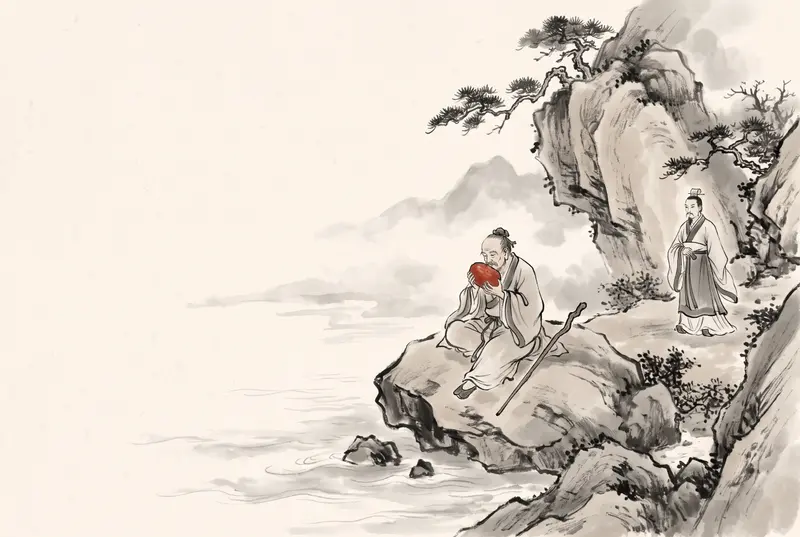
少君言上曰:「祠灶則致物,致物而丹沙可化為黃金,黃金成以為飲食器則益壽,益壽而海中蓬萊僊者乃可見,見之以封禪則不死,黃帝是也。臣嘗游海上,見安期生,安期生食巨棗,大如瓜。安期生僊者,通蓬萊中,合則見人,不合則隱。」於是天子始親祠灶,遣方士入海求蓬萊安期生之屬,而事化丹沙諸藥齊為黃金矣。居久之,李少君病死。天子以為化去不死,而使黃錘史寬舒受其方。求蓬萊安期生莫能得,而海上燕齊怪迂之方士多更來言神事矣。
Kundoku (Japanese reading)
少君上に言いて曰く、「竈を祠れば則ち物を致し、物を致して丹沙化して黄金と為るべし。黄金成りて以て飲食の器と為せば則ち寿を益し、寿を益して海中の蓬萊の僊者乃ち見るべし。之を見て以て封禅すれば則ち死せず。黄帝是れなり。臣嘗て海上に游び、安期生を見る。安期生巨棗を食らう。大きさ瓜の如し。安期生は僊者なり。蓬萊の中に通じ、合えば則ち人に見え、合わざれば則ち隠る」と。是に於いて天子始めて親ら竈を祠り、方士を遣わして海に入りて蓬萊の安期生の属を求めしめ、而して丹沙諸薬斉を化して黄金と為すを事とす。居ること之を久しくして、李少君病みて死す。天子以為えらく化去して死せずと。而して黄錘の史寛舒をして其の方を受けしむ。蓬萊の安期生を求むるも能く得る莫し。而して海上燕斉の怪迂の方士、多く更々来たりて神事を言う。
Japanese
少君は武帝に言った。「かまどの神を祭れば霊物を呼び寄せることができ、霊物を呼び寄せれば丹砂(水銀の鉱石)が黄金に変わります。その黄金で飲食の器を作れば寿命が延び、寿命が延びれば海の中の蓬萊の仙人に会えます。仙人に会って封禅をすれば、死ななくなります。黄帝がそうでした。わたしはかつて海辺を旅して、安期生に会いました。安期生は瓜ほどもある大きな棗を食べていました。安期生は仙人で、蓬萊と行き来しており、心が合えば人に姿を見せ、合わなければ隠れてしまいます」。そこで天子ははじめて自らかまどの神を祭り、方士を海に送って蓬萊の安期生のような仙人を探させ、丹砂やいろいろな薬を調合して黄金を作ることに熱中した。しばらくして、李少君は病気で死んだ。天子は、少君は姿を変えて去っただけで、死んではいないと考え、黄と錘の書記の寛舒に少君の方術を受け継がせた。蓬萊の安期生は探しても見つからなかったが、海辺の燕や斉からは、怪しげで現実離れした方士たちが、次々とやって来て神のことを語るようになった。
English
Li Shaojun told the emperor: "If you worship the stove, you can summon spirits, and when the spirits come, cinnabar can be turned into gold. If you make vessels for food and drink from that gold, your life will be lengthened; when your life is lengthened, you can see the immortals of Penglai in the sea; and if you see them and perform the feng and shan, you will never die. That is what the Yellow Emperor did. I once travelled along the sea coast and met Master Anqi. Master Anqi was eating giant jujubes as big as melons. Master Anqi is an immortal who comes and goes from Penglai; if he takes to someone, he shows himself, and if not, he hides." So the Son of Heaven began to worship the stove himself, sent magicians out to sea to look for Master Anqi and the other immortals of Penglai, and set to work turning cinnabar and other drugs into gold. After some time Li Shaojun fell ill and died. The Son of Heaven believed that he had been transformed and gone away, not died, and had Kuan Shu, a clerk of Huang and Chui, take over his arts. They searched for Master Anqi of Penglai but could not find him, and more and more strange, wild magicians from the coasts of Yan and Qi came to talk about the spirits.
Notes (JA)
- 丹沙: 丹砂。赤い硫化水銀の鉱石で、錬金術や仙薬に使われた。
- 安期生: 蒯通の友人として田儋列伝にも出る斉の人(094-tian-heng の章)。のちに仙人として伝説化した。
- 化去: 死んだのではなく、仙人となって姿を変えて去ること。
Notes (EN)
- Cinnabar (丹沙): red mercury ore, the basic stuff of Chinese alchemy.
- Master Anqi (安期生): Kuai Tong's friend in the life of Tian Dan (chapter 094), later revered as an immortal.
- Transformed and gone away (化去): becoming an immortal instead of dying.
Word notes
- cinnabar/ˈsɪnəˌbɑr/noun
a red mineral that magicians tried to turn into gold
In the text: “cinnabar can be turned into gold”
Similar words: red ore — red rock containing mercury · vermilion — red pigment made from it
- transform/trænsˈfɔrm/verb
to change completely into something else
In the text: “he had been transformed and gone away”
Similar words: change — become different · convert — turn into
Passage 7
Original
其春,樂成侯上書言欒大。欒大,膠東宮人,故嘗與文成將軍同師,已而為膠東王尚方。而樂成侯姊為康王后,無子。康王死,他姬子立為王。而康后有淫行,與王不相中,相危以法。康后聞文成已死,而欲自媚於上,乃遣欒大因樂成侯求見言方。天子既誅文成,後悔其蚤死,惜其方不盡,及見欒大,大說。大為人長美,言多方略,而敢為大言處之不疑。大言曰:「臣常往來海中,見安期、羨門之屬。顧以臣為賤,不信臣。又以為康王諸侯耳,不足與方。臣數言康王,康王又不用臣。臣之師曰:『黃金可成,而河決可塞,不死之藥可得,僊人可致也。』
Kundoku (Japanese reading)
其の春、楽成侯上書して欒大を言う。欒大は、膠東の宮人にして、故と嘗て文成将軍と師を同じくし、已にして膠東王の尚方と為る。而して楽成侯の姊、康王の后と為るも、子無し。康王死し、他姫の子立ちて王と為る。而して康后淫行有り、王と相中らず、相危うくするに法を以てす。康后、文成の已に死せるを聞き、而して自ら上に媚びんと欲し、乃ち欒大を遣わし楽成侯に因りて見えて方を言わんことを求めしむ。天子既に文成を誅し、後に其の蚤く死せるを悔い、其の方の尽きざるを惜しむ。欒大を見るに及び、大いに説ぶ。大の人と為り長美にして、言に方略多く、而して敢えて大言を為し之に処りて疑わず。大言いて曰く、「臣常に海中に往来し、安期・羨門の属を見る。顧うに臣を以て賤しとし、臣を信ぜず。又以為えらく康王は諸侯のみ、与に方するに足らずと。臣数々康王に言うも、康王又臣を用いず。臣の師曰く、『黄金成るべく、而して河決塞ぐべく、不死の薬得べく、僊人致すべし』と。
Japanese
その春、楽成侯が上書して欒大を推薦した。欒大は膠東王の宮中に仕える者で、もと文成将軍(少翁)と同じ師に学び、のちに膠東王の宮中の工房の長となった。楽成侯の姉は膠東の康王の后だったが、子がなかった。康王が死ぬと、ほかの姫の子が王となった。康后は身持ちが悪く、新しい王と仲が悪く、法をたてにたがいを陥れようとしていた。康后は、文成将軍がすでに死んだと聞くと、自分も皇帝に取り入ろうとして、欒大を楽成侯を通じて皇帝に会わせ、方術を説かせようとしたのである。天子は文成将軍を殺したあと、早く死なせたことを悔い、その方術を極めさせなかったのを惜しんでいた。そこへ欒大に会うと、大いに喜んだ。欒大は背が高く美男子で、話には計略が多く、大きなことを平気で言って少しも迷わなかった。欒大は大言した。「わたしはいつも海の中を行き来して、安期生や羨門のような仙人に会っています。ところが仙人たちはわたしが身分が低いので信じてくれず、康王は諸侯にすぎないので、方術をともにするに足りないと思っています。わたしは何度も康王に申し上げましたが、康王はわたしを用いませんでした。わたしの師は『黄金は作れる。黄河の決壊はふさげる。不死の薬は手に入る。仙人は招ける』と言っています」。
English
That spring the Marquis of Lecheng sent a letter recommending Luan Da. Luan Da was a palace servant of the king of Jiaodong who had once studied under the same master as the General of Literary Accomplishment, and later became head of the workshops of the king of Jiaodong. The Marquis of Lecheng's elder sister had been the wife of King Kang of Jiaodong, but had no son. When King Kang died, the son of another concubine became king. Queen Kang behaved shamelessly and did not get on with the new king, and each tried to ruin the other through the law. When Queen Kang heard that the General of Literary Accomplishment was dead, she wanted to win the emperor's favour herself, so she sent Luan Da, through the Marquis of Lecheng, to see the emperor and tell him of his arts. The Son of Heaven had put the General of Literary Accomplishment to death, and afterwards regretted killing him so soon, sorry that his arts had not been used to the full. So when he met Luan Da he was delighted. Luan Da was tall and handsome, full of schemes in his talk, and bold enough to make the biggest claims without a flicker of doubt. Luan Da boasted: "I often travel to and fro in the sea and meet Master Anqi, Xianmen and the other immortals. But they look down on me as a man of low rank and do not trust me. And they think King Kang only a lord, not worth sharing their arts with. I told King Kang many times, but he would not use me. My master said: 'Gold can be made, the breaches in the Yellow River can be closed, the drug of immortality can be found, and the immortals can be summoned.'"
Notes (JA)
- 文成將軍: 斉の方士少翁。武帝の亡き寵姫の姿を夜に見せたとされたが、偽りが発覚して殺された。
- 大言: 大きなことを言うこと。欒大はこのあと五利将軍となり、大将軍の印を四つも得て、武帝の娘をめとった。
- 河決: 黄河の堤防の決壊。武帝のころ、大きな洪水が続いていた。
- 欒大もやがて方術が偽りと分かって斬られた(ここでは省く)。
Notes (EN)
- The General of Literary Accomplishment (文成將軍): the magician Shaoweng, executed when his tricks were exposed.
- Luan Da went on to win four generals' seals and the emperor's daughter as his wife, before he too was exposed and beheaded (left out here).
- Breaches in the Yellow River (河決): great floods were raging in Emperor Wu's reign.
Word notes
- boast/boʊst/verb
to talk too proudly about yourself
In the text: “Luan Da boasted”
Similar words: brag — show off in words · crow — talk triumphantly
- flicker/ˈflɪkər/noun
a very short, small sign of something
In the text: “without a flicker of doubt”
Similar words: trace — small sign · hint — slight suggestion
Passage 8
Original
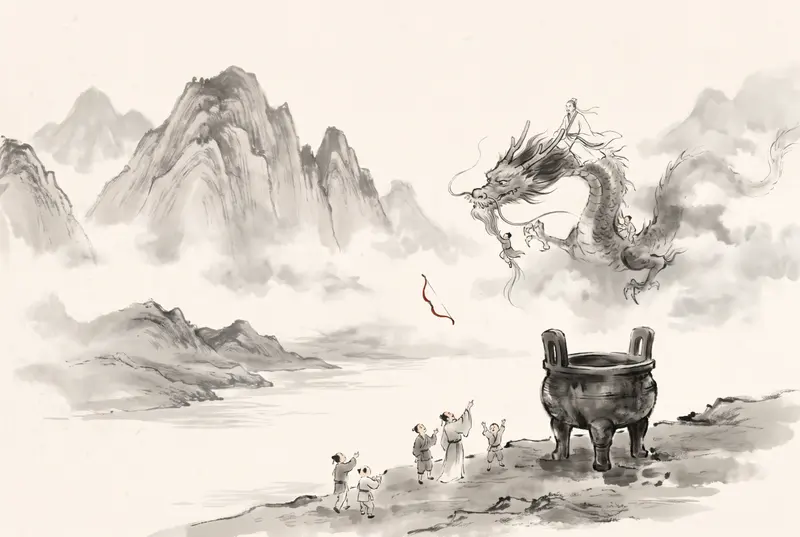
其後黃帝接萬靈明廷。明廷者,甘泉也。所謂寒門者,谷口也。黃帝采首山銅,鑄鼎於荊山下。鼎既成,有龍垂胡髯下迎黃帝。黃帝上騎,群臣後宮從上者七十餘人,龍乃上去。餘小臣不得上,乃悉持龍髯,龍髯拔,墮,墮黃帝之弓。百姓仰望黃帝既上天,乃抱其弓與胡髯號,故後世因名其處曰鼎湖,其弓曰烏號。』」於是天子曰:「嗟乎!吾誠得如黃帝,吾視去妻子如脫屣耳。」乃拜卿為郎,東使候神於太室。
Kundoku (Japanese reading)
其の後黄帝、万霊に明廷に接す。明廷とは、甘泉なり。所謂寒門とは、谷口なり。黄帝、首山の銅を采り、鼎を荊山の下に鋳る。鼎既に成り、龍有りて胡髯を垂れて下りて黄帝を迎う。黄帝上り騎る。群臣後宮の従いて上る者七十余人、龍乃ち上り去る。余の小臣上るを得ず、乃ち悉く龍の髯を持す。龍の髯抜け、墮つ。黄帝の弓を墮とす。百姓仰ぎ望むに黄帝既に天に上る。乃ち其の弓と胡髯とを抱きて号ぶ。故に後世因りて其の処を名づけて鼎湖と曰い、其の弓を烏号と曰う』」と。是に於いて天子曰く、「嗟乎。吾誠に黄帝の如きを得ば、吾妻子を去るを視ること屣を脱ぐが如きのみ」と。乃ち卿を拝して郎と為し、東のかた太室に神を候わしむ。
Japanese
(汾陰で宝の鼎が見つかると、斉の公孫卿は、黄帝も宝鼎を得て天に昇ったという書を差し出し、申公という人から聞いた話として語った。)「その後、黄帝は明廷で多くの神々と会いました。明廷とは甘泉のことで、寒門とは谷口のことです。黄帝は首山の銅を掘り出して、荊山のふもとで鼎を鋳ました。鼎ができあがると、あごひげを垂らした竜が天から降りてきて、黄帝を迎えました。黄帝が竜に乗ると、家臣や後宮の女たちで一緒に乗った者が七十人あまり、そこで竜は天へ昇っていきました。残りの身分の低い家臣たちは乗れなかったので、皆、竜のひげにしがみつきました。ひげは抜けて落ち、黄帝の弓も落ちました。民は黄帝が天に昇っていくのを仰ぎ見て、その弓と竜のひげを抱いて泣き叫びました。それで後の世の人は、その場所を鼎湖と名づけ、その弓を烏号と呼ぶのです」。これを聞いて天子は言った。「ああ、もし本当に黄帝のようになれるなら、妻子を捨てるのは履物を脱ぐようなものだ」。そして公孫卿を郎に任じ、東の太室山で神の訪れを待たせた。
English
"After that the Yellow Emperor received all the spirits in the Bright Court. The Bright Court is Ganquan, and what is called the Cold Gate is Gukou. The Yellow Emperor took copper from Mount Shou and cast a cauldron at the foot of Mount Jing. When the cauldron was finished, a dragon with a long beard hanging from its chin came down to meet the Yellow Emperor. The Yellow Emperor climbed on, and more than seventy of his ministers and palace ladies climbed on after him. Then the dragon flew up and away. The lesser servants who could not get on all clung to the dragon's beard. The hairs of the beard came out and they fell, and the Yellow Emperor's bow fell too. The people looked up and watched the Yellow Emperor rise into Heaven, and they clutched his bow and the dragon's beard and wailed. That is why later generations named the place Cauldron Lake, and called the bow Crow's Cry.'" Then the Son of Heaven said: "Ah! If I could truly be like the Yellow Emperor, I would leave my wives and children as easily as kicking off my slippers." He made Gongsun Qing a palace gentleman, and sent him east to Mount Taishi to watch for the spirits.
Notes (JA)
- 公孫卿: 斉の方士。前113年に汾陰で宝鼎が出土すると、黄帝の故事を説いて武帝に取り入った。
- 鼎湖: 黄帝が竜に乗って昇天したとされる地。「鼎湖の龍」は帝王の崩御のたとえにもなった。
- 烏號: 黄帝の弓の名。名弓の代名詞となった。
- 去妻子如脫屣: 妻子を捨てるのを、くつを脱ぐように何とも思わない。仙人へのあこがれの強さを示す言葉。
Notes (EN)
- Gongsun Qing (公孫卿): a magician from Qi who won favour after a precious cauldron was found in 113 BCE.
- Cauldron Lake (鼎湖): later a poetic way of speaking of an emperor's death.
- "As easily as kicking off my slippers" (如脫屣): how little the emperor would care about leaving his family to become immortal.
Idioms from this passage: Leaving wife and children like slipping off shoes 妻子を去ること脱屣の如し
Word notes
- cauldron/ˈkɔldrən/noun
a large metal pot for cooking or ritual
In the text: “cast a cauldron at the foot of Mount Jing”
Similar words: tripod — three-legged vessel · vessel — container
- cling/klɪŋ/verb
to hold on tightly
In the text: “clung to the dragon's beard”
Similar words: hang on — grip firmly · grasp — hold tight
Passage 9
Original
四月,還至奉高。上念諸儒及方士言封禪人人殊,不經,難施行。天子至梁父,禮祠地主。乙卯,令侍中儒者皮弁薦紳,射牛行事。封泰山下東方,如郊祠太一之禮。封廣丈二尺,高九尺,其下則有玉牒書,書祕。禮畢,天子獨與侍中奉車子侯上泰山,亦有封。其事皆禁。明日,下陰道。丙辰,禪泰山下阯東北肅然山,如祭后土禮。天子皆親拜見,衣上黃而盡用樂焉。江淮閒一茅三脊為神藉。五色土益雜封。縱遠方奇獸蜚禽及白雉諸物,頗以加禮。兕牛犀象之屬不用。皆至泰山祭后土。封禪祠;其夜若有光,晝有白雲起封中。
Kundoku (Japanese reading)
四月、還りて奉高に至る。上、諸儒及び方士の封禅を言うこと人人殊にして、経ならず、施行し難きを念う。天子梁父に至り、地主を礼祠す。乙卯、侍中の儒者をして皮弁薦紳して、牛を射て事を行わしむ。泰山の下の東方に封ずること、郊に太一を祠るの礼の如し。封の広さ丈二尺、高さ九尺、其の下には則ち玉牒書有り。書は秘す。礼畢わり、天子独り侍中奉車子侯と泰山に上り、亦た封有り。其の事は皆禁ず。明日、陰道より下る。丙辰、泰山の下阯の東北の粛然山に禅すること、后土を祭る礼の如し。天子皆親ら拝見し、衣は黄を上びて尽く楽を用う。江淮の間の一茅三脊を神藉と為す。五色の土もて益々封に雑う。遠方の奇獣蜚禽及び白雉の諸物を縦ち、頗る以て礼を加う。兕牛犀象の属は用いず。皆泰山に至りて后土を祭る。封禅の祠、其の夜光有るが若く、昼は白雲封中より起こる。
Japanese
(元封元年、前110年)四月、武帝は(東の海から)引き返して奉高に着いた。武帝は、儒者や方士たちの言う封禅のやり方が人ごとに違い、古典にもとづかず、実行しにくいと考えた。天子は梁父に行き、土地の神を祭った。乙卯の日、皮の冠をつけ笏をはさんだ侍中の儒者たちに牛を射させて儀式を行った。泰山のふもとの東に土を盛って封の儀式を行い、そのやり方は郊外で太一神を祭る礼と同じだった。封の盛り土は広さ一丈二尺、高さ九尺で、その下には玉の札に書いた文が納められたが、その文は秘密にされた。礼が終わると、天子はただ一人、侍中で車を御する子侯(霍去病の子)とともに泰山に登り、頂でも封の儀式を行った。そのことはすべて口外を禁じられた。翌日、北の道から下った。丙辰の日、泰山のふもとの東北の粛然山で禅の儀式を行い、そのやり方は地の神后土を祭る礼と同じだった。天子はすべて自ら拝礼し、衣服は黄色を尊び、音楽をすべて用いた。長江と淮水のあいだに生える三つの稜のある茅を、神の敷物とした。五色の土をまぜて盛り土をした。遠方から献上された珍しい獣や鳥、白いきじなどを放ち、礼を加えた。野牛・さい・象のたぐいは使わなかった。皆泰山まで来て地の神を祭った。封禅を行った夜には光のようなものがあり、昼には白い雲が盛り土の中から立ちのぼった。
English
In the fourth month he came back to Fenggao. The emperor reflected that the scholars and the magicians all described the feng and shan differently, none of it was grounded in the classics, and it would be hard to carry out. The Son of Heaven went to Liangfu and worshipped the lord of the earth. On the day yimao he had the scholars of his attendants, in leather caps and with tablets in their belts, shoot an ox to begin the rites. He performed the feng to the east at the foot of Mount Tai, in the same way as the rite of worshipping the Great Unity in the suburbs. The mound was twelve feet across and nine feet high, and beneath it was a document written on jade tablets; the text was kept secret. When the rites were over, the Son of Heaven climbed Mount Tai alone with Zihou, his attendant and carriage master, and there too performed a feng. Everything about it was kept secret. The next day they came down by the north path. On the day bingchen he performed the shan on Mount Suran, northeast at the foot of Mount Tai, in the same way as the rite for the Earth Goddess. The Son of Heaven made all the bows himself; yellow was the honoured colour of the robes, and music was played throughout. Rushes with three ridges from between the Yangzi and the Huai were used as mats for the spirits. Earth of five colours was mixed into the mound. Strange beasts and flying birds from far away, white pheasants and the like, were set free, adding to the ceremony; wild oxen, rhinoceroses and elephants were not used. All of them came to Mount Tai to worship the Earth Goddess. On the night of the feng and shan something like a light appeared, and in the daytime a white cloud rose from the mound.
Notes (JA)
- 奉高: 泰山のふもとの県(今の山東省泰安市の東)。
- 子侯: 霍去病の子、霍嬗。このあとまもなく急死し、封禅の秘密を知っていたためではないかとうわさされた。
- 一茅三脊: 三つの稜のある茅。神聖な敷物とされた。
- 司馬遷の父の司馬談は、この封禅に加われなかったことを嘆いて亡くなった(130-taishigong の章)。
Notes (EN)
- Fenggao (奉高): the county at the foot of Mount Tai.
- Zihou (子侯): Huo Shan, son of Huo Qubing; he died suddenly soon afterwards, and rumour linked it to the secret rite.
- Sima Qian's father Sima Tan died grieving that he was left out of this very ceremony (chapter 130).
Word notes
- reflect/rɪˈflɛkt/verb
to think carefully about something
In the text: “The emperor reflected that”
Similar words: consider — think over · ponder — think deeply
- grounded/ˈɡraʊndɪd/adjective
based firmly on something
In the text: “none of it was grounded in the classics”
Similar words: based — resting on · rooted — firmly founded
Passage 10
Original
余從巡祭天地諸神名山川而封禪焉。入壽宮侍祠神語,究觀方士祠官之意,於是退而論次自古以來用事於鬼神者,具見其表裏。後有君子,得以覽焉。若至俎豆珪幣之詳,獻酬之禮,則有司存。
Kundoku (Japanese reading)
余天地の諸神・名山川を巡祭するに従いて封禅す。寿宮に入りて神語に侍祠し、方士・祠官の意を究め観て、是に於いて退きて古より以来事を鬼神に用うる者を論次し、具に其の表裏を見す。後に君子有らば、得て以て焉を覧ん。俎豆珪幣の詳、献酬の礼の若きに至りては、則ち有司存す。
Japanese
わたしは天地の神々や名山大川を巡って祭る天子に従って、封禅に加わった。寿宮に入って神のお告げの祭りに仕え、方士や祭りの役人たちの心のうちを見きわめた。そこで退いて、昔から鬼神のために行われてきたことを順に論じ、その表も裏もすっかり書き表した。後の世の君子が読んでくれればと思う。供え物の器や玉・絹の細かいことや、酒をささげる作法などについては、担当の役所に記録がある。
English
I went with the emperor on his journeys to worship Heaven and Earth, the spirits, and the famous mountains and rivers, and I took part in the feng and shan. I entered the Palace of Long Life to attend the rites where the spirits spoke, and studied closely what the magicians and the officers of the sacrifices had in mind. Then I withdrew and set out in order all the dealings with gods and spirits from ancient times, showing them fully, outside and in. Perhaps some gentleman of later times will read it. As for the details of the vessels, jades and silks, and the rules for offering and toasting, the officials in charge have those.
Notes (JA)
- 壽宮: 武帝が神のお告げを聞くために建てた宮殿。
- 表裏: 表と裏。司馬遷は方士たちの言葉の裏まで見抜いて書いたと言っている。
- 司馬遷は武帝の神仙好きを直接批判せず、事実を淡々と並べることで、その愚かさを読者に伝えている。
Notes (EN)
- The Palace of Long Life (壽宮): where Emperor Wu listened to oracles.
- Outside and in (表裏): Sima Qian says he saw behind the magicians' words.
- He never openly condemns the emperor's obsession; he lets the facts speak.
Word notes
- withdraw/wɪðˈdrɔ/verb
to go away from a place or activity
In the text: “Then I withdrew”
Similar words: retire — go away · step back — leave