列伝 · 巻 118
淮南衡山列伝 淮南衡山列傳
「一尺の布も、なお縫うべし」(民の歌) 一尺布,尚可縫
漢の皇族でありながら、二代続けて謀反をはかり国を失った淮南王父子の物語。高祖の末っ子劉長は、母が趙王の謀反に巻き込まれて捕らえられ、牢の中で生まれた。母は助けを得られずに自殺した。成長した劉長は、母を見殺しにした辟陽侯を鉄の椎で打ち殺したが、兄の文帝は許した。しかし劉長はますます思い上がって謀反をはかり、蜀へ流される途中、檻の車の中で食を断って死んだ。民は「一尺の布もなお縫うべし、一斗の粟もなおつくべし、兄弟二人は相容れず」と歌い、文帝は嘆いた。劉長の子の劉安は、読書と琴を好む学者肌の王で、多くの客を集めたが、武帝に跡継ぎがないのを見て、心の中では天下をうかがった。夜ごと地図を広げて兵の進む道を考える王を、伍被は伍子胥の故事を引いていさめた。しかし計画はもれ、劉安は自ら首をはね、一族は滅ぼされた。
この巻のうち「「一尺の布も、なお縫うべし」(民の歌)」の場面を載せています。巻の全文ではありません。
音声
音声は合成音声です。
動画
節 1
原文
淮南厲王長者,高祖少子也,其母故趙王張敖美人。高祖八年,從東垣過趙,趙王獻之美人。厲王母得幸焉,有身。趙王敖弗敢內宮,為筑外宮而捨之。及貫高等謀反柏人事發覺,并逮治王,盡收捕王母兄弟美人,繋之河內。厲王母亦繋,告吏曰:「得幸上,有身。」吏以聞上,上方怒趙王,未理厲王母。厲王母弟趙兼因辟陽侯言呂后,呂后妒,弗肯白,辟陽侯不彊爭。及厲王母已生厲王,恚,即自殺。吏奉厲王詣上,上悔,令呂后母之,而葬厲王母真定。真定,厲王母之家在焉,父世縣也。
書き下し文
淮南の厲王長は、高祖の少子なり。其の母は故の趙王張敖の美人なり。高祖の八年、東垣より趙を過ぐ。趙王之に美人を献ず。厲王の母幸せらるるを得て、身有り。趙王敖敢えて宮に内れず、為に外宮を築きて之を舎す。貫高等の柏人に謀反せし事発覚するに及び、并せて王を逮治し、尽く王の母兄弟美人を収捕し、之を河内に繋ぐ。厲王の母も亦た繋がる。吏に告げて曰く、「上に幸せらるるを得て、身有り」と。吏以て上に聞す。上方に趙王を怒り、未だ厲王の母を理めず。厲王の母の弟趙兼辟陽侯に因りて呂后に言う。呂后妒み、白すを肯んぜず。辟陽侯彊いて争わず。厲王の母已に厲王を生むに及び、恚りて、即ち自殺す。吏厲王を奉じて上に詣る。上悔い、呂后をして之を母とせしめ、而して厲王の母を真定に葬る。真定は、厲王の母の家在り、父の世の県なり。
現代語訳
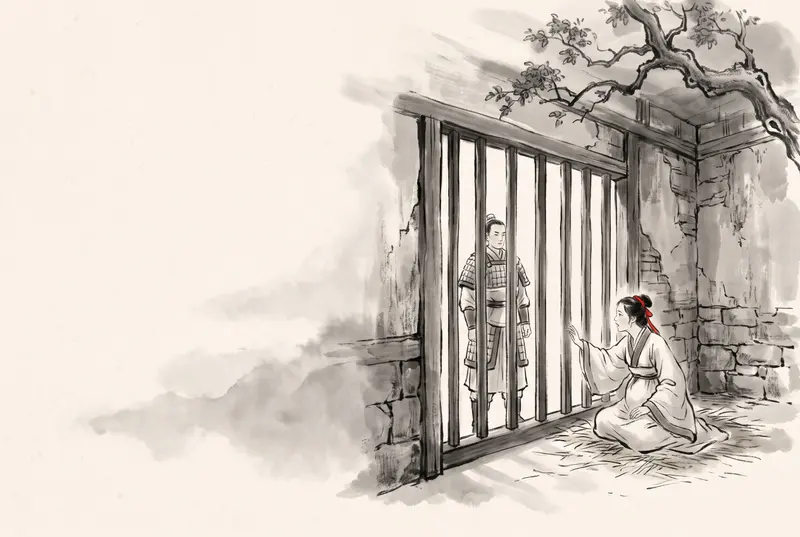
淮南の厲王劉長は、高祖の末っ子である。母はもと趙王張敖の美人(側室)だった。高祖の八年、高祖は東垣から趙を通ったとき、趙王がこの美人を献上した。厲王の母は高祖の寵愛を受けて身ごもった。趙王張敖は、わが宮殿に入れておくのをはばかって、別に宮殿を建てて住まわせた。やがて貫高らが柏人で高祖の暗殺をはかったことが発覚すると、趙王も捕らえられて取り調べを受け、王の母や兄弟、美人たちもみな捕らえられて河内の牢につながれた。厲王の母もつながれた。母は役人に「わたしは陛下のお情けを受けて、身ごもっています」と告げた。役人がこれを高祖に申し上げたが、高祖はちょうど趙王に怒っていたので、厲王の母のことは取り合わなかった。厲王の母の弟の趙兼が辟陽侯を通じて呂后に頼んだが、呂后はやきもちを焼いて、高祖に伝えようとしなかった。辟陽侯も強く頼もうとはしなかった。厲王の母は厲王を生むと、恨んで、すぐに自殺した。役人が厲王を抱いて高祖のもとへ届けると、高祖は後悔し、呂后に母代わりとして育てさせ、厲王の母を真定に葬った。真定は厲王の母の実家があり、代々暮らしてきた県だった。
英訳
Liu Chang, King Li of Huainan, was Gaozu's youngest son. His mother had been a lady of the household of Zhang Ao, King of Zhao. In Gaozu's eighth year, when he passed through Zhao on his way from Dongyuan, the King of Zhao presented this lady to him. King Li's mother won Gaozu's favour and became pregnant. Zhang Ao, King of Zhao, did not dare to keep her in his palace, and built a separate palace for her to live in. When Guan Gao's plot at Boren came to light, the King of Zhao was arrested and tried too, and the king's mother, brothers and ladies were all seized and held at Henei. King Li's mother was held with them. She told the officials: "I have had the emperor's favour, and I am carrying his child." The officials reported this to the emperor, but he was angry with the King of Zhao just then and paid no attention. Her younger brother Zhao Jian asked the Marquis of Biyang to speak to Empress Lü, but the empress was jealous and would not tell the emperor, and the Marquis of Biyang did not press her. When King Li's mother had given birth to him, she killed herself in bitterness. The officials brought the baby to the emperor. Gaozu was sorry, had Empress Lü raise the child as a mother, and buried King Li's mother at Zhending, where her family lived and her father's line had always lived.
解説(日)
- 厲王: 死後のおくり名。「厲」は暴虐をあらわす悪いおくり名。
- 貫高: 趙の宰相。高祖が趙王をののしったことを怒り、柏人で高祖を暗殺しようとした(089-zhang-er-chen-yu の章)。
- 辟陽侯: 審食其。呂后に重用された寵臣(009-empress-lu の章)。
解説(英)
- King Li (厲王): a posthumous title meaning "cruel".
- Guan Gao: chancellor of Zhao who plotted to kill Gaozu at Boren (chapter 089).
- The Marquis of Biyang: Shen Yiji, Empress Lü's favourite (chapter 009).
英語の語注
- pregnant/ˈprɛɡnənt/adjective
carrying a baby in the body
本文では: “became pregnant”
似た語と違い: expecting — going to have a baby · with child — old way to say it
- bitterness/ˈbɪtərnəs/noun
angry sadness about unfair treatment
本文では: “killed herself in bitterness”
似た語と違い: resentment — bitter feeling · anguish — great pain
節 2
原文
高祖十一年(十)[七]月,淮南王黥布反,立子長為淮南王,王黥布故地,凡四郡。上自將兵擊滅布,厲王遂即位。厲王蚤失母,常附呂后,孝惠、呂后時以故得幸無患害,而常心怨辟陽侯,弗敢發。及孝文帝初即位,淮南王自以為最親,驕蹇,數不奉法。上以親故,常寬赦之。三年,入朝。甚橫。從上入苑囿獵,與上同車,常謂上「大兄」。厲王有材力,力能扛鼎,乃往請辟陽侯。辟陽侯出見之,即自袖鐵椎椎辟陽侯,令從者魏敬剄之。厲王乃馳走闕下,肉袒謝曰:「臣母不當坐趙事,其時辟陽侯力能得之呂后,弗爭,罪一也。趙王如意子母無罪,呂後殺之,辟陽侯弗爭,罪二也。呂后王諸呂,欲以危劉氏,辟陽侯弗爭,罪三也。臣謹為天下誅賊臣辟陽侯,報母之仇,謹伏闕下請罪。」孝文傷其志,為親故,弗治,赦厲王。當是時,薄太后及太子諸大臣皆憚厲王,厲王以此歸國益驕恣,不用漢法,出入稱警蹕,稱制,自為法令,擬於天子。
書き下し文
高祖の十一年七月、淮南王黥布反す。子長を立てて淮南王と為し、黥布の故地に王たらしむ、凡そ四郡。上自ら兵を将いて布を撃滅し、厲王遂に即位す。厲王蚤く母を失い、常に呂后に附く。孝恵・呂后の時、故を以て幸せらるるを得て患害無し。而れども常に心に辟陽侯を怨み、敢えて発せず。孝文帝初めて即位するに及び、淮南王自ら以為えらく最も親しと。驕蹇にして、数々法を奉ぜず。上親しきの故を以て、常に寛く之を赦す。三年、入朝す。甚だ横なり。上に従いて苑囿に入りて猟し、上と車を同じくし、常に上を「大兄」と謂う。厲王材力有り、力能く鼎を扛ぐ。乃ち往きて辟陽侯に請う。辟陽侯出でて之に見ゆ。即ち自ら袖にせる鉄椎もて辟陽侯を椎ち、従者魏敬をして之を剄らしむ。厲王乃ち馳せて闕下に走り、肉袒して謝して曰く、「臣が母は当に趙の事に坐すべからず。其の時辟陽侯の力能く之を呂后に得るも、争わず。罪の一なり。趙王如意の子母罪無きに、呂后之を殺す。辟陽侯争わず。罪の二なり。呂后諸呂を王とし、以て劉氏を危うくせんと欲す。辟陽侯争わず。罪の三なり。臣謹んで天下の為に賊臣辟陽侯を誅し、母の仇に報ゆ。謹んで闕下に伏して罪を請う」と。孝文其の志を傷み、親しきが為の故に、治めず、厲王を赦す。是の時に当たり、薄太后及び太子・諸大臣皆厲王を憚る。厲王此れを以て国に帰りて益々驕恣にして、漢法を用いず、出入に警蹕と称し、制と称し、自ら法令を為り、天子に擬す。
現代語訳
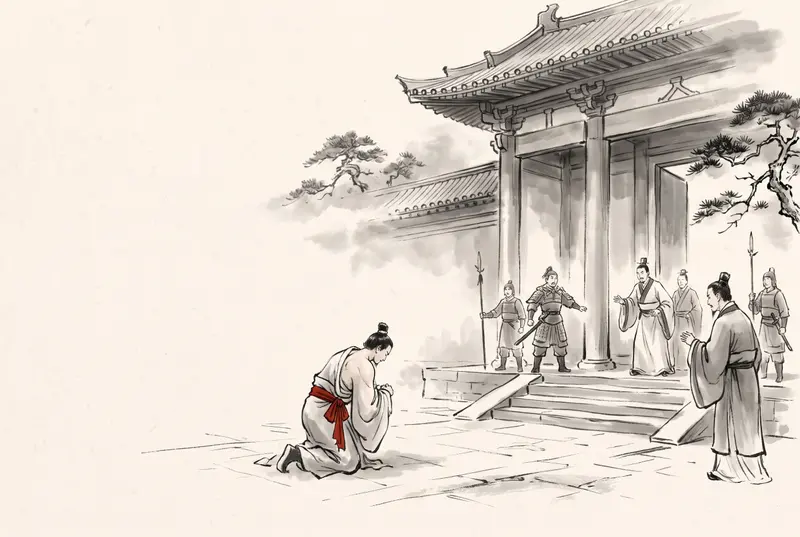
高祖の十一年七月、淮南王の黥布がそむいた。高祖は子の劉長を淮南王に立て、黥布のもとの領地、あわせて四郡の王とした。高祖は自ら兵を率いて黥布を滅ぼし、厲王は即位した。厲王は早くに母を亡くし、いつも呂后になついていた。そのため孝恵帝と呂后の時代にはかわいがられて、わざわいにあうことはなかった。しかし心の中ではいつも辟陽侯を恨んでいたが、口には出さなかった。孝文帝が即位すると、淮南王は自分こそいちばん近い身内だと思い上がり、何度も法を守らなかった。文帝は身内だからと、いつも大目に見て許した。三年、淮南王は入朝したが、ひどく横暴だった。文帝のお供で御苑に入って狩りをし、文帝と同じ車に乗り、いつも文帝を「兄上」と呼んだ。厲王は力が強く、鼎を持ち上げるほどだった。あるとき辟陽侯の屋敷を訪ね、辟陽侯が出て来て会うと、袖に隠していた鉄の椎で辟陽侯を打ち、従者の魏敬に首をはねさせた。それから厲王は宮門の下へ駆けつけ、肌脱ぎになってわびた。「わたしの母は趙の事件で罰せられるべきではありませんでした。そのとき辟陽侯には呂后に頼んで母を救う力があったのに、強く頼みませんでした。これが第一の罪です。趙王如意とその母には罪がないのに、呂后は二人を殺しました。辟陽侯はいさめませんでした。これが第二の罪です。呂后は呂氏の者たちを王にして、劉氏を危うくしようとしました。辟陽侯はいさめませんでした。これが第三の罪です。わたしは天下のために、謹んで賊臣の辟陽侯を殺し、母のかたきを討ちました。謹んで宮門の下にひれ伏して罰を待ちます」。孝文帝は厲王の気持ちをあわれみ、身内でもあるので罪を問わず、許した。このころ薄太后も太子も大臣たちも、みな厲王をおそれた。厲王はそのため国に帰るとますますわがままになり、漢の法を使わず、出入りのときには天子のように道を清めさせ、自分の命令を「制」と呼び、自分で法令を作って、天子と同じようにふるまった。
英訳
In the seventh month of Gaozu's eleventh year, Qing Bu, King of Huainan, rebelled. Gaozu made his son Chang King of Huainan, to rule Qing Bu's old lands, four commanderies in all. The emperor led his army himself and destroyed Qing Bu, and King Li took the throne. Having lost his mother early, King Li always stayed close to Empress Lü, and so under Emperor Hui and Empress Lü he was favoured and came to no harm. But in his heart he always hated the Marquis of Biyang, though he did not dare to show it. When Emperor Wen first came to the throne, the King of Huainan thought himself the emperor's closest kin; he grew arrogant and often broke the law. Because he was family, the emperor always forgave him generously. In the third year he came to court, and was very overbearing. He hunted with the emperor in the parks, rode in the same carriage with him, and always called him "Big Brother". King Li was strong enough to lift a cauldron. He went to call on the Marquis of Biyang, and when the marquis came out to meet him, he struck him with an iron mallet he had hidden in his sleeve, and had his follower Wei Jing cut his throat. Then King Li galloped to the palace gate, bared his shoulder and apologised: "My mother should not have been punished for the Zhao affair. At that time the Marquis of Biyang could have saved her through Empress Lü, but he would not argue for her. That is his first crime. Ruyi, King of Zhao, and his mother were innocent, but Empress Lü killed them, and the Marquis of Biyang did not object. That is his second crime. Empress Lü made kings of the Lü family to endanger the house of Liu, and the Marquis of Biyang did not object. That is his third crime. For the sake of the realm I have put to death the traitor, the Marquis of Biyang, and avenged my mother. I humbly kneel at the palace gate and await my punishment." Emperor Wen was moved by his feelings and, because he was family, did not punish him, but forgave King Li. At that time Empress Dowager Bo, the crown prince and all the ministers feared King Li. So when he went back to his kingdom he grew even more arrogant and wilful. He did not use Han law, had the road cleared when he came and went, called his orders decrees, and made his own laws, as if he were the Son of Heaven.
解説(日)
- 黥布: もと項羽の将で、漢に寝返って淮南王となったが、のちにそむいた(091-qing-bu の章)。
- 扛鼎: 鼎を持ち上げる。項羽にも同じ言葉が使われる、怪力のたとえ。
- 趙王如意: 戚夫人の子。呂后に毒殺された(009-empress-lu の章)。
- 警蹕・稱制: 道を清めて人を払うことと、命令を「制」と呼ぶこと。どちらも天子だけに許された。
解説(英)
- Qing Bu: Xiang Yu's general who went over to Han and later rebelled (chapter 091).
- Lifting a cauldron (扛鼎): a phrase also used of Xiang Yu's strength.
- Ruyi, King of Zhao: Lady Qi's son, poisoned by Empress Lü (chapter 009).
英語の語注
- arrogant/ˈærəɡənt/adjective
thinking you are better than others
本文では: “grew arrogant”
似た語と違い: proud — too pleased with oneself · haughty — looking down on others
- cauldron/ˈkɔldrən/noun
a large metal cooking pot
本文では: “lift a cauldron”
似た語と違い: pot — cooking vessel · tripod — three-legged vessel
節 3
原文
盡誅所與謀者。於是乃遣淮南王,載以輜車,令縣以次傳。是時袁盎諫上曰:「上素驕淮南王,弗為置嚴傅相,以故至此。且淮南王為人剛,今暴摧折之。臣恐卒逢霧露病死。陛下為有殺弟之名,柰何!」上曰:「吾特苦之耳,今復之。」縣傳淮南王者皆不敢發車封。淮南王乃謂侍者曰:「誰謂乃公勇者?吾安能勇!吾以驕故不聞吾過至此。人生一世閒,安能邑邑如此!」乃不食死。至雍,雍令發封,以死聞。上哭甚悲,謂袁盎曰:「吾不聽公言,卒亡淮南王。」盎曰:「不可柰何,願陛下自寬。」上曰:「為之柰何?」盎曰:「獨斬丞相、御史以謝天下乃可。」上即令丞相、御史逮考諸縣傳送淮南王不發封餽侍者,皆棄市。乃以列侯葬淮南王於雍,守冢三十戶。
書き下し文
尽く与に謀りし所の者を誅す。是に於いて乃ち淮南王を遣わし、載するに輜車を以てし、県をして次を以て伝えしむ。是の時袁盎上を諫めて曰く、「上素より淮南王を驕らしめ、為に厳傅相を置かず。故を以て此に至る。且つ淮南王は為人剛なり。今暴かに之を摧折す。臣恐らくは卒に霧露に逢いて病死せん。陛下弟を殺すの名有るを為さば、奈何せん」と。上曰く、「吾特だ之を苦しめんのみ。今之を復さん」と。県の淮南王を伝うる者皆敢えて車の封を発かず。淮南王乃ち侍者に謂いて曰く、「誰か乃公を勇者と謂う。吾安んぞ能く勇ならん。吾驕るの故を以て吾が過ちを聞かずして此に至る。人生一世の間、安んぞ能く邑邑として此くの如くならんや」と。乃ち食らわずして死す。雍に至り、雍の令封を発き、死を以て聞す。上哭すること甚だ悲しく、袁盎に謂いて曰く、「吾公の言を聴かず、卒に淮南王を亡えり」と。盎曰く、「奈何ともすべからず。願わくは陛下自ら寛うせよ」と。上曰く、「之を為すこと奈何」と。盎曰く、「独り丞相・御史を斬りて以て天下に謝すれば乃ち可なり」と。上即ち丞相・御史をして諸県の淮南王を伝送して封を発かず侍者に餽らざる者を逮考せしめ、皆棄市す。乃ち列侯を以て淮南王を雍に葬り、冢を守ること三十戸。
現代語訳
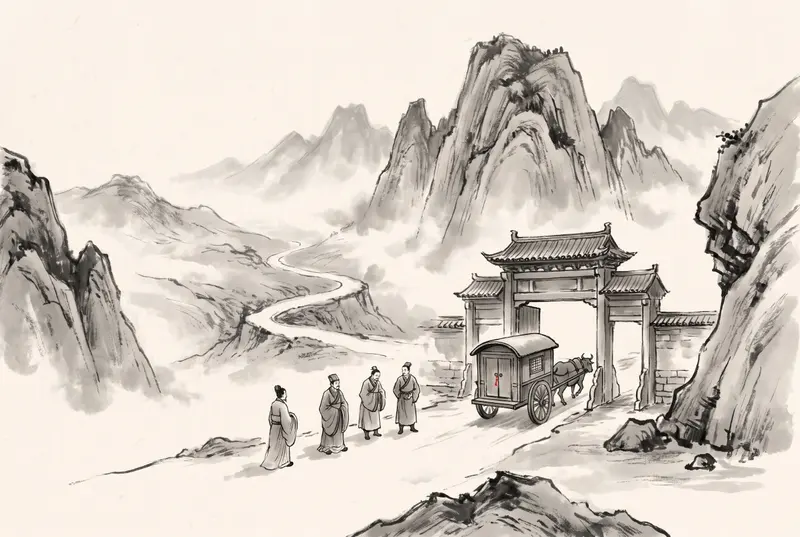
謀反にかかわった者はすべて処刑された。そして淮南王は幌つきの車に乗せられて、県から県へ順に送られることになった。このとき袁盎が文帝をいさめた。「陛下は以前から淮南王をわがままにさせ、厳しい守り役や宰相をつけませんでした。だからこうなったのです。それに淮南王は気性の激しい人です。いま急にくじけば、途中で霧や露にあたって病死するのではないかと心配です。陛下が弟を殺したと言われることになったら、どうなさいます」。文帝は言った。「少し苦しめてやるだけだ。すぐに戻してやる」。淮南王を送る県の役人たちは、みな車の封印をあえて開けようとしなかった。淮南王は付き添いの者に言った。「誰がおれを勇者などと言ったのか。おれのどこが勇ましいものか。おれは思い上がっていたから、自分の過ちを誰からも聞かされず、こんなことになった。人の一生のうちに、どうしてこんなふうにくよくよと生きていられよう」。そして食を断って死んだ。雍に着いて、雍の県令が封印を開け、死んでいることを報告した。文帝はたいそう悲しんで声をあげて泣き、袁盎に言った。「わしはあなたの言葉を聞かず、とうとう淮南王を死なせてしまった」。袁盎は言った。「もうどうにもなりません。どうかお気持ちを楽になさいますように」。文帝が「どうすればよいのか」と言うと、袁盎は「丞相と御史大夫を斬って天下にわびるほかありません」と言った。文帝は丞相と御史大夫に命じて、淮南王を送りながら封印を開けず、付き添いの者に食事を与えなかった県の役人たちを取り調べさせ、みな市場で処刑した。そして列侯の礼で淮南王を雍に葬り、三十戸に墓を守らせた。
英訳
All those who had plotted with him were put to death. Then the King of Huainan was sent off in a covered wagon, passed from county to county along the way. At this time Yuan Ang remonstrated with the emperor: "Your Majesty has always spoiled the King of Huainan and never gave him a strict tutor or chancellor; that is how it came to this. Besides, the King of Huainan is a hard man, and now you are suddenly breaking him. I fear he will meet the mist and dew on the road, fall ill and die. If Your Majesty is said to have killed his brother, what then?" The emperor said: "I only mean to make him suffer a little. I will bring him back soon." None of the counties that passed the King of Huainan along dared to open the seal on his wagon. The King of Huainan said to his attendants: "Who called me a brave man? How am I brave? Because of my arrogance I never heard of my faults, and so I have come to this. How can a man live out his life as wretched as this?" And he refused to eat, and died. When they reached Yong, the magistrate of Yong opened the seal and reported his death. The emperor wept very bitterly and said to Yuan Ang: "I did not listen to you, and in the end I have lost the King of Huainan." Yuan Ang said: "Nothing can be done now. I hope Your Majesty will be easy on yourself." The emperor said: "What should I do?" Yuan Ang said: "Only beheading the chancellor and the imperial counsellor would be apology enough to the realm." So the emperor had the chancellor and the imperial counsellor arrest and examine the officials of the counties who had passed the King of Huainan along without opening the seal or feeding his attendants, and they were all executed in the market place. Then the King of Huainan was buried at Yong with the rites of a marquis, and thirty households were set to guard his tomb.
解説(日)
- この前に、劉長が棘蒲侯の太子らと謀反をはかり、閩越や匈奴に使いを送ったことが発覚し、大臣たちが死罪を求める上奏をした。文帝は死罪を許して王位を廃し、蜀の厳道へ流すことにした。
- 袁盎: 文帝・景帝に仕えた直言の臣(101-yuan-ang-chao-cuo の章)。
- 乃公: 「おれさま」。自分を尊大に言う言い方。
解説(英)
- Before this, Liu Chang's plot with the heir of the Marquis of Jipu, and his envoys to the Min Yue and the Xiongnu, came to light; the ministers asked for his death, but Emperor Wen spared him, stripped him of his kingdom and sent him into exile at Yandao in Shu.
- Yuan Ang: an outspoken minister of Emperors Wen and Jing (chapter 101).
英語の語注
- spoil/spɔɪl/verb
to give someone too much so that they behave badly
本文では: “always spoiled the King of Huainan”
似た語と違い: indulge — allow too much · pamper — treat too kindly
- wretched/ˈrɛtʃɪd/adjective
very unhappy or miserable
本文では: “as wretched as this”
似た語と違い: miserable — very unhappy · pitiful — deserving pity
節 4
原文
孝文十二年,民有作歌歌淮南厲王曰:「一尺布,尚可縫;一斗粟,尚可舂。兄弟二人不能相容。」上聞之,乃嘆曰:「堯舜放逐骨肉,周公殺管蔡,天下稱聖。何者?不以私害公。天下豈以我為貪淮南王地邪?」乃徙城陽王王淮南故地,而追尊謚淮南王為厲王,置園復如諸侯儀。
書き下し文
孝文の十二年、民に歌を作りて淮南の厲王を歌う有りて曰く、「一尺の布も、尚お縫うべし。一斗の粟も、尚お舂くべし。兄弟二人相容るる能わず」と。上之を聞き、乃ち嘆じて曰く、「堯舜は骨肉を放逐し、周公は管蔡を殺すも、天下聖と称す。何となれば、私を以て公を害せざればなり。天下豈に我を以て淮南王の地を貪ると為さんや」と。乃ち城陽王を徙して淮南の故地に王たらしめ、而して淮南王を追尊して諡して厲王と為し、園を置くこと復た諸侯の儀の如くす。
現代語訳
孝文帝の十二年、民の中に淮南の厲王のことを歌にする者があった。「一尺の布も、なお縫い合わせることができる。一斗の粟も、なおついて分けることができる。それなのに兄弟二人は互いに受け入れることができない」。文帝はこれを聞いて嘆いた。「堯や舜は身内を追放し、周公は管叔と蔡叔を殺したが、天下の人々は彼らを聖人とたたえる。なぜか。私情で公のことをそこなわなかったからだ。天下の人々は、わしが淮南王の土地をほしがったと思っているのだろうか」。そこで城陽王を移して淮南のもとの領地の王とし、淮南王に厲王というおくり名を追って贈り、墓所を設けて、諸侯と同じ礼にした。
英訳
In Emperor Wen's twelfth year, some of the people made up a song about King Li of Huainan: "A foot of cloth can still be sewn; a peck of millet can still be husked; but two brothers cannot bear each other." When the emperor heard it, he sighed: "Yao and Shun banished their own kin, and the Duke of Zhou killed Guan and Cai, yet the world calls them sages. Why? Because they did not let private feeling harm the public good. Does the world think I wanted the lands of the King of Huainan?" So he moved the King of Chengyang to rule the old lands of Huainan, gave the King of Huainan the posthumous title of King Li, and set up a funeral park for him with the rites of a vassal king.
解説(日)
- 一尺布,尚可縫: 布や粟でさえ分け合えるのに、兄弟が仲よくできないことを皮肉った歌。
- 管蔡: 周公の兄弟の管叔と蔡叔。殷の遺民と組んで反乱を起こし、周公に討たれた(033-duke-zhou の章)。
- 孝文八年、文帝は劉長の四人の子をみな侯に封じ、十六年には三人を王に立てた。
解説(英)
- "A foot of cloth can still be sewn": even cloth and grain can be shared, but not between these brothers.
- Guan and Cai: the Duke of Zhou's brothers, who rebelled and were put down by him (chapter 033).
- Emperor Wen made Liu Chang's four sons marquises, and later made three of them kings.
この節から生まれた言葉: 一尺の布も尚お縫うべし
英語の語注
- husk/hʌsk/verb
to remove the outer covering from grain
本文では: “can still be husked”
似た語と違い: hull — remove the shell · shell — take off the outside
- sage/seɪdʒ/noun
a very wise person
本文では: “the world calls them sages”
似た語と違い: wise man — person of wisdom · saint — holy person
節 5
原文
淮南王安為人好讀書鼓琴,不喜弋獵狗馬馳騁,亦欲以行陰德拊循百姓,流譽天下。時時怨望厲王死,時欲畔逆,未有因也。及建元二年,淮南王入朝。素善武安侯,武安侯時為太尉,乃逆王霸上,與王語曰:「方今上無太子,大王親高皇帝孫,行仁義,天下莫不聞。即宮車一日晏駕,非大王當誰立者!」淮南王大喜,厚遺武安侯金財物。陰結賓客,拊循百姓,為畔逆事。
書き下し文
淮南王安は為人書を読み琴を鼓するを好み、弋猟狗馬馳騁を喜ばず。亦た陰徳を行いて百姓を拊循し、誉れを天下に流さんと欲す。時時厲王の死を怨望し、時に畔逆せんと欲するも、未だ因有らず。建元二年に及び、淮南王入朝す。素より武安侯と善し。武安侯時に太尉為り。乃ち王を霸上に逆え、王と語りて曰く、「方今上に太子無し。大王は親ら高皇帝の孫にして、仁義を行い、天下聞かざる莫し。即し宮車一日晏駕せば、大王に非ずして当に誰か立つ者ぞ」と。淮南王大いに喜び、厚く武安侯に金財物を遺る。陰かに賓客を結び、百姓を拊循し、畔逆の事を為す。
現代語訳
淮南王の劉安は、読書や琴を好み、狩りや犬・馬を走らせることは好まなかった。人知れず恵みを施して民をいたわり、天下に名声を広めたいとも思っていた。ときどき父の厲王の死を恨み、そむこうと思うこともあったが、まだきっかけがなかった。建元二年、淮南王は入朝した。もともと武安侯(田蚡)と親しかった。武安侯はそのころ太尉で、霸上まで王を出迎えて語った。「いま陛下には太子がおられません。大王は高皇帝の孫で、仁義を行っておられることを天下に知らない者はいません。もし陛下が亡くなられたら、大王をおいて誰が帝位につくでしょう」。淮南王はたいへん喜び、武安侯に金や財物をたっぷり贈った。そしてひそかに賓客と結び、民をいたわって、謀反の準備を進めた。
英訳
Liu An, King of Huainan, loved reading and playing the zither, and did not care for hunting, hounds, horses or racing about. He also wanted to win the people over by secret kindnesses and spread his good name across the realm. From time to time he resented the death of his father King Li and thought of rebelling, but had no opening yet. In the second year of Jianyuan, the King of Huainan came to court. He had long been friends with the Marquis of Wu'an, who was then grand commandant. The marquis went out to meet him at Bashang and said: "Right now the emperor has no heir. Your Highness is a grandson of the Exalted Emperor himself, and everyone in the realm knows of your humanity and righteousness. If one day the palace carriage should be late in coming out, who but Your Highness would be set on the throne?" The King of Huainan was delighted, and gave the Marquis of Wu'an rich presents of gold and goods. In secret he made ties with his guests, won over the people, and prepared for rebellion.
解説(日)
- 劉安: 多くの学者を集めて『淮南子』を編ませた王として知られる。
- 武安侯: 田蚡。武帝の母王太后の弟(107-dou-ying の章)。
- 宮車晏駕: 天子の車が朝遅くまで出て来ない。天子の死を遠回しに言う。
解説(英)
- Liu An: remembered for the Huainanzi, compiled by the scholars he gathered.
- The Marquis of Wu'an: Tian Fen, brother of Emperor Wu's mother (chapter 107).
- The palace carriage late in coming out (宮車晏駕): a euphemism for the emperor's death.
英語の語注
- resent/rɪˈzɛnt/verb
to feel angry about something unfair
本文では: “resented the death of his father”
似た語と違い: begrudge — feel bitter about · hate — dislike strongly
- opening/ˈoʊpənɪŋ/noun
a good chance to do something
本文では: “had no opening yet”
似た語と違い: chance — opportunity · occasion — right moment
節 6
原文
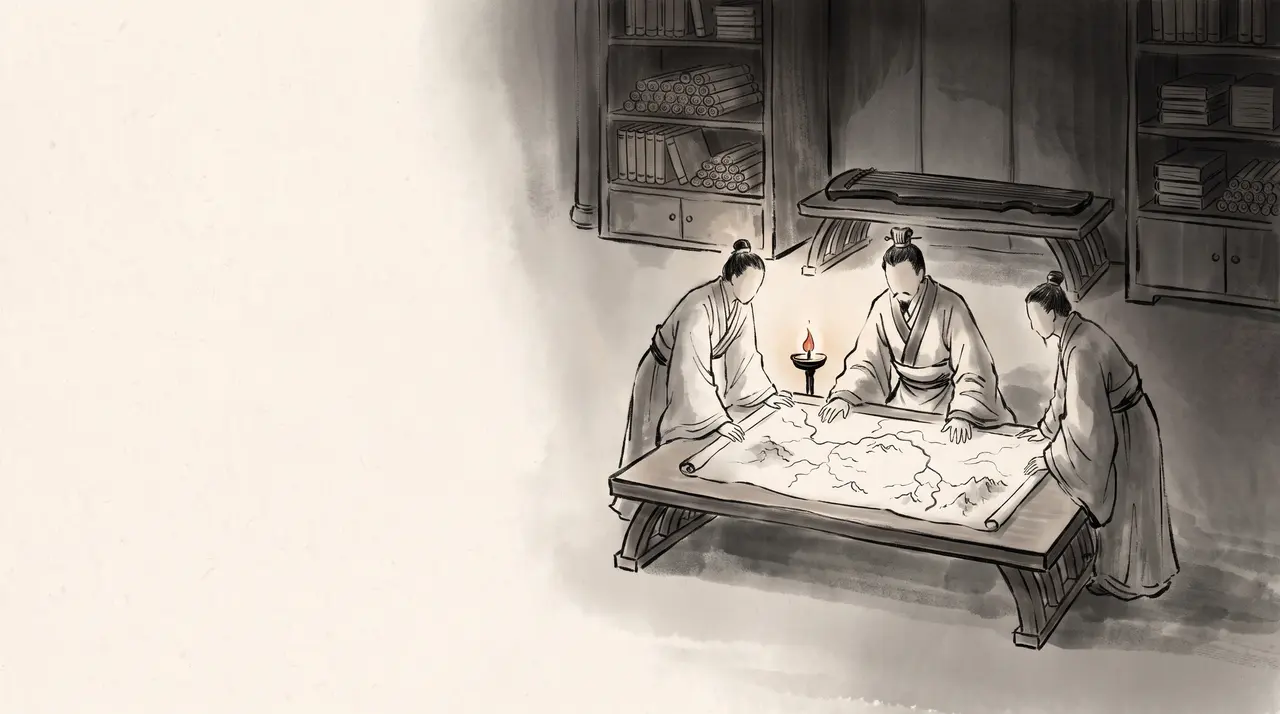
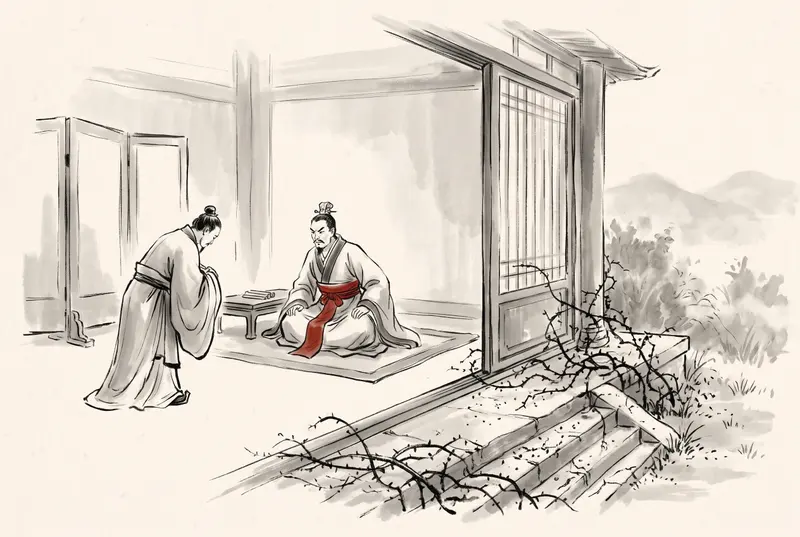
王日夜與伍被、左吳等案輿地圖,部署兵所從入。王曰:「上無太子,宮車即晏駕,廷臣必徵膠東王,不即常山王,諸侯并爭,吾可以無備乎!且吾高祖孫,親行仁義,陛下遇我厚,吾能忍之;萬世之後,吾寧能北面臣事豎子乎!」王坐東宮,召伍被與謀,曰:「將軍上。」被悵然曰:「上寬赦大王,王復安得此亡國之語乎!臣聞子胥諫吳王,吳王不用,乃曰『臣今見麋鹿游姑蘇之臺也』。今臣亦見宮中生荊棘,露霑衣也。」王怒,繋伍被父母,囚之三月。
書き下し文
王日夜伍被・左呉等と輿地図を案じ、兵の従りて入る所を部署す。王曰く、「上に太子無し。宮車即し晏駕せば、廷臣必ず膠東王を徴さん。即かずんば常山王ならん。諸侯并び争わん。吾以て備え無かるべけんや。且つ吾は高祖の孫にして、親ら仁義を行う。陛下我を遇すること厚し。吾能く之を忍ぶ。万世の後、吾寧んぞ能く北面して豎子に臣事せんや」と。王東宮に坐し、伍被を召して与に謀りて曰く、「将軍上れ」と。被悵然として曰く、「上大王を寛赦す。王復た安んぞ此の亡国の語を得んや。臣聞く、子胥呉王を諫め、呉王用いず、乃ち曰く『臣今麋鹿の姑蘇の台に游ぶを見るなり』と。今臣も亦た宮中に荊棘生じ、露の衣を霑すを見るなり」と。王怒り、伍被の父母を繋ぎ、之を囚うること三月。
現代語訳
王は昼も夜も、伍被や左呉らと地図を調べて、兵をどこから攻め入らせるかを割り振った。王は言った。「陛下には太子がいない。もし陛下が亡くなれば、朝廷の臣たちはきっと膠東王を迎えるだろう。そうでなければ常山王だ。諸侯が争い合うことになる。わしが備えをしないでいられようか。それにわしは高祖の孫で、自ら仁義を行っている。陛下はわしを手厚く遇してくださるから、わしはがまんしている。だが陛下が亡くなったあと、どうしてわしが北を向いて若造に臣として仕えることができよう」。王は東宮に座って伍被を呼び、謀反の相談をしようとして言った。「将軍、上がれ」。伍被は悲しそうに言った。「陛下は大王を寛大に許してくださったのに、大王はどうしてまたこのような国を滅ぼす言葉を口にされるのですか。伍子胥が呉王をいさめたのに、呉王は用いなかったので、伍子胥は『わたしはいま、大鹿が姑蘇の台で遊んでいるのが見えます』と言ったと聞きます。いまわたしにも、宮殿にいばらが生え、露が衣をぬらしているのが見えます」。王は怒って、伍被の父母を捕らえ、三か月牢に入れた。
英訳
Day and night the king pored over maps with Wu Bei, Zuo Wu and others, working out where his troops would march in. The king said: "The emperor has no heir. If the palace carriage is late one morning, the court will surely send for the King of Jiaodong, or if not, the King of Changshan. The lords will all fight among themselves. How can I not be prepared? Besides, I am a grandson of Gaozu, and practise humanity and righteousness myself. The emperor treats me generously, so I bear it. But when he is gone, how could I face north and serve some brat as his subject?" The king sat in the Eastern Palace, summoned Wu Bei to plot with him, and said: "General, come up." Wu Bei said sadly: "The emperor has generously pardoned Your Highness. How can you speak such words, that will ruin your kingdom? I have heard that when Wu Zixu remonstrated with the King of Wu and the king would not listen, he said: 'I see deer roaming on the Gusu terrace.' Now I too see brambles growing in the palace, and dew wetting our clothes." The king was furious, and seized Wu Bei's father and mother and kept them in prison for three months.
解説(日)
- 伍被: 淮南王の客の中でも特にすぐれた人物。のちに王の計画に加わった。
- 豎子: 若造。皇帝の跡継ぎとなる若い皇子をさげすんで言う。
- 麋鹿游姑蘇之臺: 呉の都が滅びて、宮殿の跡に鹿が遊ぶようになるという予言(066-wu-zixu の章)。
- その後、伍被は王に三か月後に呼び出され、長い議論で秦の滅亡や呉楚の乱を例に引いていさめ続けた。
解説(英)
- Wu Bei: the most gifted of the King of Huainan's guests, who later joined the plot.
- Deer on the Gusu terrace: Wu Zixu's prophecy that the palace of Wu would fall to ruin (chapter 066).
- Called back after three months, Wu Bei went on warning the king at length, citing the fall of Qin and the revolt of Wu and Chu.
英語の語注
- brat/bræt/noun
a rude word for a child or young person
本文では: “serve some brat”
似た語と違い: whelp — insulting word for a boy · urchin — young rascal
- bramble/ˈbræmbəl/noun
a wild thorny bush
本文では: “brambles growing in the palace”
似た語と違い: thorn — sharp plant · briar — prickly bush
節 7
原文
於是廷尉以王孫建辭連淮南王太子遷聞。上遣廷尉監因拜淮南中尉,逮捕太子。至淮南,淮南王聞,與太子謀召相、二千石,欲殺而發兵。召相,相至;內史以出為解。中尉曰:「臣受詔使,不得見王。」王念獨殺相而內史中尉不來,無益也,即罷相。王猶豫,計未決。太子念所坐者謀刺漢中尉,所與謀者已死,以為口絕,乃謂王曰:「群臣可用者皆前繋,今無足與舉事者。王以非時發,恐無功,臣願會逮。」王亦偷欲休,即許太子。太子即自剄,不殊。伍被自詣吏,因告與淮南王謀反,反蹤跡具如此。
書き下し文
是に於いて廷尉王孫建の辞の淮南王の太子遷に連なるを以て聞す。上廷尉監を遣わし、因りて淮南の中尉を拝し、太子を逮捕せしむ。淮南に至る。淮南王聞き、太子と謀りて相・二千石を召し、殺して兵を発せんと欲す。相を召すに、相至る。内史は出づるを以て解く。中尉曰く、「臣は詔使を受く。王に見ゆるを得ず」と。王念うに独り相を殺すも内史・中尉来たらずんば、益無しと。即ち相を罷む。王猶予して、計未だ決せず。太子念うに坐する所の者は漢の中尉を刺さんと謀りしなり。与に謀りし所の者已に死す。以て口絶ゆと為し、乃ち王に謂いて曰く、「群臣の用うべき者皆前に繋がる。今与に事を挙ぐるに足る者無し。王時に非ざるを以て発せば、恐らくは功無からん。臣願わくは逮に会せん」と。王も亦た偸かに休まんと欲し、即ち太子を許す。太子即ち自ら剄るも、殊せず。伍被自ら吏に詣り、因りて淮南王と謀反せしことを告ぐ。反の蹤跡具に此くの如し。
現代語訳
そこで廷尉は、王の孫の劉建の供述が淮南王の太子劉遷にまで及んでいることを帝に申し上げた。帝は廷尉監を送り、その者を淮南の中尉に任じて太子を捕らえさせた。廷尉監が淮南に着くと、淮南王はそれを聞いて太子と相談し、宰相や二千石の高官たちを呼び寄せて殺し、兵をおこそうとした。宰相を呼ぶと宰相は来たが、内史は外出していると言って断り、中尉は「わたしは詔を受けた使者ですから、王にお会いすることはできません」と言った。王は、宰相一人を殺しても、内史と中尉が来なければ意味がないと考え、宰相を帰した。王はためらって、計画を決められなかった。太子は、自分の罪は漢の中尉を刺し殺そうとはかったことで、一緒にはかった者はもう死んでいるから、証拠の口はふさがれていると考えた。そこで王に言った。「頼りになる臣下はみな前に捕らえられ、いまは一緒に事を起こせる者がいません。王が時でもないのに兵をおこしても、うまくいかないでしょう。わたしは逮捕に応じたいと思います」。王もひそかに計画をやめたいと思っていたので、太子の言うとおりにさせた。太子はすぐに自分で首をはねようとしたが、死にきれなかった。伍被は自分から役人のもとへ出頭し、淮南王と謀反をはかったことを打ち明けた。謀反の証拠はこのようにすべて明らかになった。
英訳
So the commandant of justice reported that the testimony of the king's grandson Jian implicated Qian, the crown prince of Huainan. The emperor sent the commandant's inspector, appointed him commandant of Huainan, and had him arrest the crown prince. When he reached Huainan, the king heard of it and, with the crown prince, planned to summon the chancellor and the officials of two thousand dan, kill them and raise his army. When the chancellor was summoned, he came; but the governor excused himself, saying he was out, and the commandant said: "I have come as an envoy under an imperial edict. I may not see the king." The king thought that killing the chancellor alone would do no good if the governor and the commandant did not come, so he let the chancellor go. The king hesitated, and could not decide. The crown prince thought that the charge against him was plotting to stab the Han commandant, and that those who had plotted it with him were already dead, so no one was left to speak. So he said to the king: "All the ministers who could have been useful are in prison already. There is no one now to rise with us. If Your Highness rises at the wrong time, I fear it will come to nothing. Let me give myself up to arrest." The king too secretly wanted to give the plan up, and agreed. The crown prince at once tried to cut his own throat, but did not die. Wu Bei went to the officials of his own accord and confessed that he had plotted rebellion with the King of Huainan. So all the traces of the plot came to light.
解説(日)
- 王孫建: 劉安の庶長子劉不害の子。父が冷遇されたことを恨み、太子遷の悪事を朝廷に訴えた。
- 太子は、剣の試合で自分を傷つけた郎中の雷被を追い詰め、朝廷から送られてくる中尉を殺す計画も立てていた。
- 不殊: 首が切り離されない。死にきれなかったこと。
解説(英)
- The king's grandson Jian: son of Liu An's neglected eldest son, who denounced the crown prince to the court.
- Did not die (不殊): literally, his head was not severed.
英語の語注
- testimony/ˈtɛstəˌmoʊni/noun
a statement given as evidence
本文では: “the testimony of the king's grandson”
似た語と違い: evidence — proof · statement — account given
- hesitate/ˈhɛzɪˌteɪt/verb
to pause because you cannot decide
本文では: “The king hesitated”
似た語と違い: waver — be undecided · dither — keep changing your mind
節 8
原文
丞相弘、廷尉湯等以聞,天子使宗正以符節治王。未至,淮南王安自剄殺。王后荼、太子遷諸所與謀反者皆族。天子以伍被雅辭多引漢之美,欲勿誅。廷尉湯曰:「被首為王畫反謀,被罪無赦。」遂誅被。國除為九江郡。
書き下し文
丞相弘・廷尉湯等以て聞す。天子宗正をして符節を以て王を治めしむ。未だ至らずして、淮南王安自ら剄りて殺す。王后荼・太子遷、諸々の与に謀反せし所の者は皆族せらる。天子伍被の雅辞多く漢の美を引くを以て、誅すること勿からんと欲す。廷尉湯曰く、「被は首めて王の為に反謀を画す。被の罪赦す無し」と。遂に被を誅す。国除かれて九江郡と為る。
現代語訳
丞相の公孫弘や廷尉の張湯らがこのことを帝に申し上げた。天子は宗正に割り符を持たせて王を裁かせようとしたが、宗正が着く前に、淮南王劉安は自ら首をはねて死んだ。王后の荼や太子の遷など、謀反にかかわった者はみな一族ごと処刑された。天子は、伍被がいつも漢のよいところを引いて王をいさめていたことから、殺さずにおこうとした。しかし廷尉の張湯は言った。「伍被は最初に王のために謀反の計画を立てた者です。その罪は許せません」。こうして伍被は処刑された。淮南国は廃止されて、九江郡となった。
英訳
The chancellor Gongsun Hong, the commandant of justice Zhang Tang and others reported it to the emperor. The Son of Heaven sent the director of the imperial clan with tallies of authority to try the king. Before he arrived, Liu An, King of Huainan, cut his own throat and died. Queen Tu, Crown Prince Qian, and all who had plotted rebellion with them were put to death with their families. Because Wu Bei's elegant words had so often praised the Han, the Son of Heaven wished to spare him. But the commandant of justice Zhang Tang said: "Wu Bei was the first to draw up the plans for the king's rebellion. His crime cannot be pardoned." So Wu Bei was executed. The kingdom was abolished and became Jiujiang commandery.
解説(日)
- 公孫弘: 儒学で出世した武帝の丞相(120-ji-an の章)。
- 張湯: 武帝の酷吏の代表(122-kuli の章)。
- 淮南王の謀反に連座して処刑された者は数千人にのぼった。弟の衡山王劉賜もまもなく謀反の罪に問われて自殺した。
解説(英)
- Gongsun Hong: Emperor Wu's Confucian chancellor (chapter 120).
- Zhang Tang: the most famous of Emperor Wu's harsh officials (chapter 122).
- Thousands were executed in connection with the plot; Liu An's brother, the King of Hengshan, was soon charged too and killed himself.
英語の語注
- execute/ˈɛksɪˌkjut/verb
to kill someone as a legal punishment
本文では: “Wu Bei was executed”
似た語と違い: put to death — kill by law · behead — cut off the head
- abolish/əˈbɑlɪʃ/verb
to officially end something
本文では: “The kingdom was abolished”
似た語と違い: end — stop · dissolve — break up
節 9
原文
《詩》之所謂「戎狄是膺,荊舒是懲」,信哉是言也。淮南、衡山親為骨肉,疆土千里,列為諸侯,不務遵蕃臣職以承輔天子,而專挾邪僻之計,謀為畔逆,仍父子再亡國,各不終其身,為天下笑。此非獨王過也,亦其俗薄,臣下漸靡使然也。夫荊楚彊勇輕悍,好作亂,乃自古記之矣。
書き下し文
詩の所謂「戎狄是れ膺ち、荊舒是れ懲らす」とは、信なるかな是の言や。淮南・衡山は親しく骨肉為り、疆土千里、列して諸侯と為る。蕃臣の職に遵いて以て天子を承輔するを務めず、而して専ら邪僻の計を挟み、畔逆を為さんと謀る。仍りて父子再び国を亡ぼし、各々其の身を終えず、天下の笑いと為る。此れ独り王の過ちのみに非ず。亦た其の俗薄く、臣下漸靡して然らしむるなり。夫れ荊楚は彊勇軽悍にして、好んで乱を作すこと、乃ち古より之を記す。
現代語訳
(太史公の評)『詩経』に「西や北の異民族を討ち、荊や舒をこらしめる」とあるが、まことにそのとおりである。淮南王と衡山王は天子の血を分けた身内で、千里の領土を持ち、諸侯に列せられた。それなのに、天子を守る臣下としての務めを果たして天子を助けようとはせず、ひたすらよこしまなはかりごとをいだいて謀反をたくらんだ。そのため父と子が二代続けて国を失い、どちらも天寿をまっとうできず、天下の笑いものになった。これは王たちだけの過ちではない。その土地の気風が軽く、臣下たちがしだいに悪い方へ染まっていったからでもある。荊楚の人々が強く勇ましく、軽はずみで荒々しく、好んで乱を起こすことは、昔から記されているとおりである。
英訳
(The Grand Historian's comment) The Book of Songs says, "The Rong and Di were struck down; Jing and Shu were punished." How true those words are! The kings of Huainan and Hengshan were the emperor's own flesh and blood, with lands of a thousand li, ranked among the lords. Yet they did not try to keep to their duties as vassals and support the Son of Heaven; instead they nursed wicked schemes and plotted rebellion. So father and son lost their kingdom twice over, neither lived out his days, and they became the laughing-stock of the realm. This was not the kings' fault alone. The customs of their land were shallow, and their ministers led them on little by little. That the people of Jing and Chu are strong and brave, rash and fierce, and fond of making trouble has been recorded since ancient times.
解説(日)
- この点校本の本文では「太史公曰」の字がないが、太史公の評にあたる。
- 戎狄是膺,荊舒是懲: 『詩経』魯頌・閟宮の句。荊(楚)や舒は南方の国。
- 淮南・衡山は、昔の楚の地にあたる。
解説(英)
- The words "The Grand Historian says" are missing from this edition, but this is his comment.
- "The Rong and Di were struck down; Jing and Shu were punished": from the Book of Songs, Hymns of Lu.
- Huainan and Hengshan lay in the old lands of Chu.
英語の語注
- laughing-stock/ˈlæfɪŋˌstɑk/noun
a person everyone laughs at
本文では: “the laughing-stock of the realm”
似た語と違い: joke — object of fun · figure of fun — someone mocked
- rash/ræʃ/adjective
acting too quickly without thinking
本文では: “rash and fierce”
似た語と違い: reckless — careless of danger · hasty — too quick