列伝 · 巻 106
呉王濞列伝 吳王濞列傳
「おまえの顔には謀反の相がある」 若狀有反相
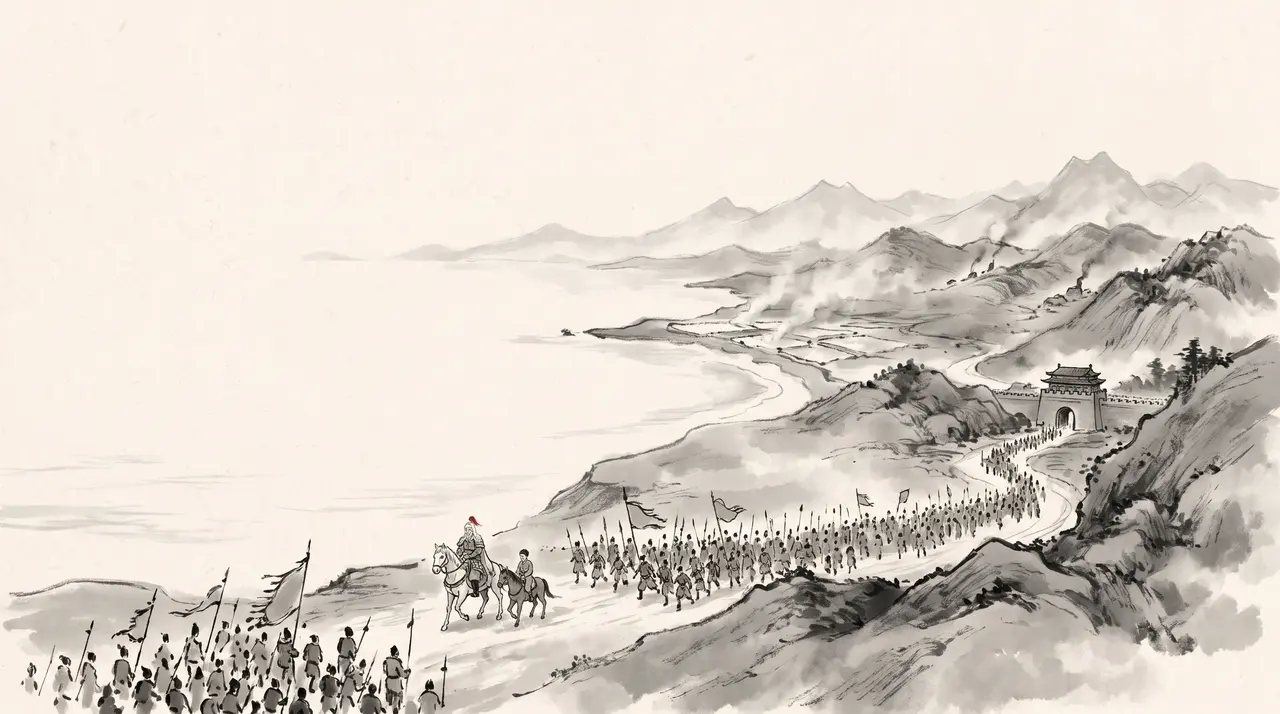
漢の景帝の時代に起きた「呉楚七国の乱」の首謀者、呉王劉濞の物語。劉邦の兄の子劉濞は、英布の乱で手柄を立てて呉王になったが、そのとき劉邦は「おまえの顔には謀反の相がある。五十年後に東南で乱を起こすのはおまえではないか。決して背くな」と言った。呉は銅山で銭を作り、海水を煮て塩を作って豊かになり、民から税を取らずに人心をつかんだ。文帝のとき、呉の太子が皇太子(のちの景帝)とすごろくで争い、盤で打ち殺された。呉王はそれ以来病と称して朝廷に出なくなった。景帝が即位すると、晁錯は「削っても背き、削らなくても背く。削れば早く背いて害は小さい」と諸侯の領地を削ることを進めた。呉王は膠西王らと語らい、六十二歳で自ら兵を率いて七国で挙兵した。景帝は袁盎の策を入れて晁錯を斬ったが、呉王は「わしはもう東の皇帝だ」と言って退かなかった。梁が守りを固め、周亜夫が呉の兵糧を断つと、呉軍は飢えて崩れ、呉王は東越に逃れて殺された。乱はわずか三か月で平定された。
この巻のうち「「おまえの顔には謀反の相がある」」の場面を載せています。巻の全文ではありません。
音声
音声は合成音声です。
動画
節 1
原文
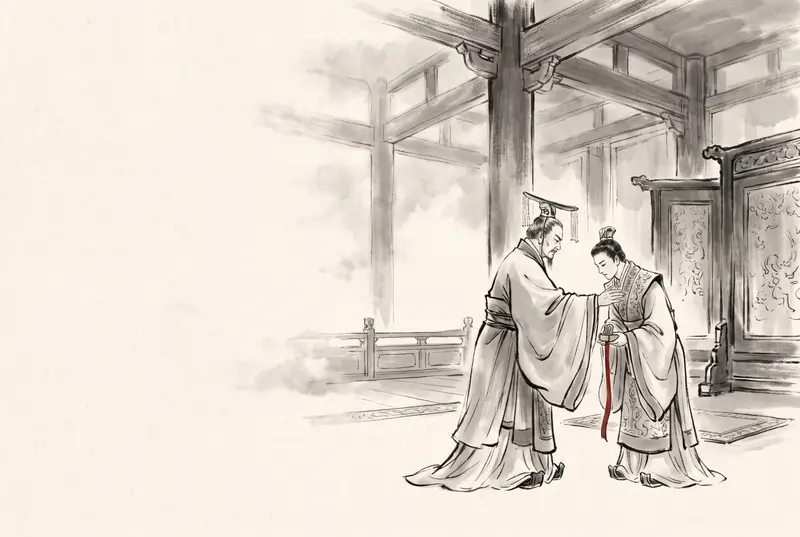
吳王濞者,高帝兄劉仲之子也。高帝已定天下七年,立劉仲為代王。而匈奴攻代,劉仲不能堅守,棄國亡,閒行走雒陽,自歸天子。天子為骨肉故,不忍致法,廢以為郃陽侯。高帝十一年秋,淮南王英布反,東并荊地,劫其國兵,西度淮,擊楚,高帝自將往誅之。劉仲子沛侯濞年二十,有氣力,以騎將從破布軍蘄西,會甀,布走。荊王劉賈為布所殺,無後。上患吳、會稽輕悍,無壯王以填之,諸子少,乃立濞於沛為吳王,王三郡五十三城。已拜受印,高帝召濞相之,謂曰:「若狀有反相。」心獨悔,業已拜,因拊其背,告曰:「漢後五十年東南有亂者,豈若邪?然天下同姓為一家也,慎無反!」濞頓首曰:「不敢。」
書き下し文
呉王濞は、高帝の兄劉仲の子なり。高帝已に天下を定むること七年、劉仲を立てて代王と為す。而して匈奴代を攻む。劉仲堅守する能わず、国を棄てて亡げ、間行して雒陽に走り、自ら天子に帰す。天子骨肉の故を為て、法を致すに忍びず、廃して以て郃陽侯と為す。高帝十一年秋、淮南王英布反し、東のかた荊の地を并せ、其の国の兵を劫かし、西のかた淮を度り、楚を撃つ。高帝自ら将として往きて之を誅す。劉仲の子沛侯濞年二十、気力有り、騎将を以て従いて布の軍を蘄の西、会甀に破り、布走る。荊王劉賈布の殺す所と為りて、後無し。上呉・会稽の軽悍にして、壮王以て之を塡むる無く、諸子少きを患い、乃ち濞を沛に立てて呉王と為し、三郡五十三城に王たらしむ。已に拝して印を受く。高帝濞を召して之を相て、謂いて曰く、「若の状に反相有り」と。心に独り悔ゆるも、業已に拝す。因りて其の背を拊ちて、告げて曰く、「漢の後五十年、東南に乱るる者有らば、豈に若ならんや。然れども天下の同姓は一家為り。慎みて反すること無かれ」と。濞頓首して曰く、「敢えてせず」と。
現代語訳
呉王濞は、高帝の兄劉仲の子である。高帝は天下を定めて七年目に、劉仲を代王にした。ところが匈奴が代を攻めると、劉仲は守りきれず、国を捨てて逃げ、間道を通って雒陽に走り、天子のもとに身を寄せた。天子は肉親なので法で罰するに忍びず、王の位を取り上げて郃陽侯にした。高帝十一年の秋、淮南王英布が背いて、東の荊の地を併せ、その国の兵を奪い、西へ淮水を渡って楚を攻めた。高帝は自ら兵を率いて討ちに行った。劉仲の子の沛侯濞は二十歳で、気力があり、騎兵の将として従って、英布の軍を蘄の西の会甀で破り、英布は逃げた。荊王劉賈は英布に殺されて跡継ぎがなかった。帝は、呉や会稽の人々は気が荒く、強い王が押さえなければならないのに、自分の子たちはまだ幼いことを心配して、沛で濞を呉王に立て、三つの郡、五十三の城を治めさせた。濞が王の位と印を受けたあと、高帝は濞を呼んで顔を見て、言った。「おまえの顔には謀反の相がある」。帝は心の中でひそかに後悔したが、すでに任命してしまっていた。そこで濞の背中をなでて言った。「漢がおこって五十年ののちに、東南で乱を起こす者がいるとすれば、おまえではあるまいな。だが、天下の劉氏は一つの家族だ。決して背いてはならぬぞ」。濞は頭を地につけて「いたしません」と言った。
英訳
Liu Pi, King of Wu, was the son of Liu Zhong, Emperor Gao's elder brother. In the seventh year after he had settled the realm, Emperor Gao made Liu Zhong King of Dai. But when the Xiongnu attacked Dai, Liu Zhong could not hold it; he abandoned his kingdom, slipped away by back roads to Luoyang, and gave himself up to the emperor. Because they were of one flesh and blood, the emperor could not bear to punish him by law, and only demoted him to Marquis of Heyang. In the autumn of the eleventh year, Ying Bu, King of Huainan, rebelled. He seized the land of Jing to the east, took over its army, crossed the Huai to the west and attacked Chu, and Emperor Gao led his army himself to put him down. Liu Zhong's son Pi, Marquis of Pei, was twenty years old and full of vigour. He followed as a cavalry general and helped to defeat Ying Bu's army at Kuaizhui, west of Qi, and Ying Bu fled. Liu Jia, King of Jing, had been killed by Ying Bu and left no heir. The emperor was worried that the people of Wu and Kuaiji were fierce and reckless and needed a strong king to keep them down, while his own sons were still young. So at Pei he made Pi King of Wu, to rule three commanderies and fifty-three cities. When Pi had received his title and seal, Emperor Gao called him over, studied his face, and said: "You have the look of a rebel." In his heart he regretted it, but the appointment had been made. So he patted Pi on the back and told him: "Fifty years after the founding of Han, there will be a rising in the south-east. Could that be you? But all of the same surname in the realm are one family. Take care never to rebel." Pi bowed his head to the ground and said: "I would not dare."
解説(日)
- 劉仲: 劉邦の兄。家業に励む人で、若いころの劉邦はいつも比べられていた(008-guanzhong の章)。
- 英布: 淮南王。前196年に背き、劉邦自らが討った(091-qing-bu の章)。
- 反相: 謀反を起こす人の人相。
- 五十年後: 劉濞が背いたのは前154年で、劉邦の言葉から約四十年後のことだった。
解説(英)
- Liu Zhong (劉仲): the hard-working elder brother with whom young Liu Bang was always compared (chapter 008).
- Ying Bu (英布): the King of Huainan who rebelled in 196 BCE (chapter 091).
- The look of a rebel (反相): a face that foretells rebellion.
- Fifty years: Liu Pi rebelled in 154 BCE, about forty years after these words.
英語の語注
- demote/dɪˈmoʊt/verb
to move someone to a lower rank
本文では: “demoted him to Marquis of Heyang”
似た語と違い: downgrade — lower in rank · reduce — bring down
- reckless/ˈrɛkləs/adjective
not caring about danger
本文では: “fierce and reckless”
似た語と違い: rash — acting without thought · careless — not careful
節 2
原文
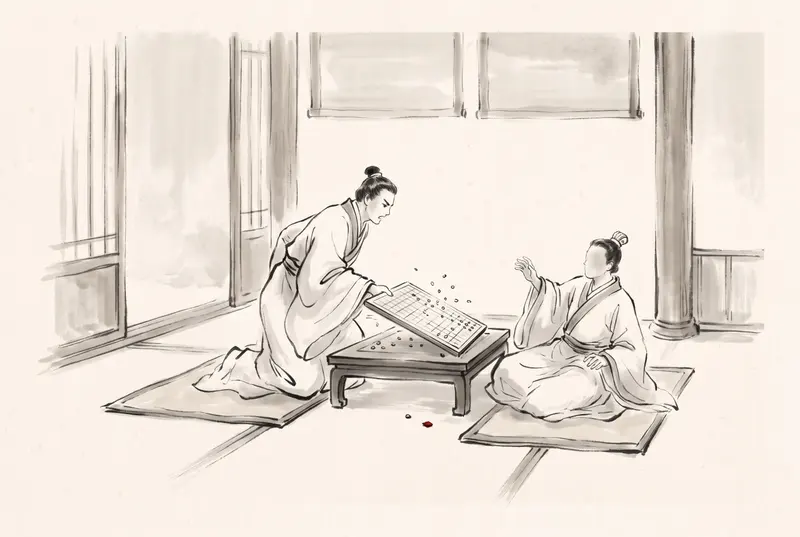
會孝惠、高后時,天下初定,郡國諸侯各務自拊循其民。吳有豫章郡銅山,濞則招致天下亡命者(益)[盜]鑄錢,煮海水為鹽,以故無賦,國用富饒。孝文時,吳太子入見,得侍皇太子飲博。吳太子師傅皆楚人,輕悍,又素驕,博,爭道,不恭,皇太子引博局提吳太子,殺之。於是遣其喪歸葬。至吳,吳王慍曰:「天下同宗,死長安即葬長安,何必來葬為!」復遣喪之長安葬。
書き下し文
孝恵・高后の時に会い、天下初めて定まり、郡国の諸侯各々自ら其の民を拊循するを務む。呉に豫章郡の銅山有り。濞則ち天下の亡命者を招致して盗に銭を鋳、海水を煮て塩と為す。故を以て賦無く、国用富饒なり。孝文の時、呉の太子入りて見え、皇太子に侍りて飲博するを得たり。呉の太子の師傅は皆楚の人にして、軽悍、又素より驕る。博して道を争い、恭ならず。皇太子博局を引きて呉の太子に提ち、之を殺す。是に於いて其の喪を遣りて帰葬せしむ。呉に至る。呉王慍りて曰く、「天下は同宗なり。長安に死せば即ち長安に葬らん。何ぞ必ずしも来たりて葬るを為さん」と。復た喪を遣りて長安に之きて葬らしむ。
現代語訳
孝恵帝と高后(呂后)の時代になると、天下は定まったばかりで、各地の諸侯は、それぞれ自分の民をいたわり治めることに励んだ。呉には豫章郡に銅の山があった。濞は天下の逃亡者を招き集めて、ひそかに銭を鋳造させ、海水を煮て塩を作らせた。そのため民から税を取らなくても、国の財政は豊かだった。孝文帝のとき、呉の太子が都に来て、皇太子(のちの景帝)のお相手として酒を飲み、すごろくをすることになった。呉の太子の守り役は皆楚の人で、気が荒く、そのうえふだんから傲慢だった。呉の太子はすごろくで駒の進め方を争い、無礼にふるまった。皇太子はすごろくの盤をつかんで呉の太子に打ちつけ、殺してしまった。そこで遺体を呉に送り返して葬らせることにした。遺体が呉に着くと、呉王は怒って言った。「天下は同じ一族だ。長安で死んだのなら長安で葬ればよい。わざわざ呉まで運んで葬ることがあるか」。そして遺体を再び長安に送り返して葬らせた。
英訳
In the time of Emperor Hui and Empress Gao, when the realm had only just been settled, the kings and lords of the commanderies and kingdoms each did their best to care for their own people. Wu had copper mountains in Yuzhang commandery. Pi gathered fugitives from all over the realm to cast coins in secret, and boiled sea water to make salt. So, though he took no taxes, his kingdom was rich. Under Emperor Wen, the heir of Wu came to court and was allowed to drink and play a board game with the crown prince. The heir of Wu's tutors were all men of Chu, fierce and reckless, and always arrogant besides. Playing the game, he argued over a move and was disrespectful. The crown prince picked up the game board, struck the heir of Wu with it, and killed him. The body was sent home to Wu to be buried. When it reached Wu, the King of Wu said in anger: "The whole realm is one clan. If he died in Chang'an, he should be buried in Chang'an. Why send him all the way here to be buried?" And he sent the body back to Chang'an to be buried there.
解説(日)
- 盜鑄錢: 民間で銭を鋳ること。文帝は一時、民が銭を鋳るのを許していた。
- 博: 六博。盤の上で駒を進めて争う遊び。
- 皇太子: のちの景帝。自分が殺した呉の太子の父と、のちに戦うことになる。
解説(英)
- Casting coins (鑄錢): for a time Emperor Wen allowed private minting.
- The board game (博): liubo, a race game played with pieces on a board.
- The crown prince was the future Emperor Jing, who would one day fight the father of the boy he had killed.
英語の語注
- fugitive/ˈfjudʒətɪv/noun
a person running away from the law
本文では: “gathered fugitives from all over the realm”
似た語と違い: runaway — one who has fled · outlaw — criminal on the run
- arrogant/ˈærəɡənt/adjective
too proud and rude to others
本文では: “always arrogant besides”
似た語と違い: haughty — proud and scornful · conceited — too proud
節 3
原文
吳王由此稍失藩臣之禮,稱病不朝。京師知其以子故稱病不朝,驗問實不病,諸吳使來,輒系責治之。吳王恐,為謀滋甚。及後使人為秋請,上復責問吳使者,使者對曰:「王實不病,漢系治使者數輩,以故遂稱病。且夫『察見淵中魚,不祥』。今王始詐病,及覺,見責急,愈益閉,恐上誅之,計乃無聊。唯上棄之而與更始。」於是天子乃赦吳使者歸之,而賜吳王几杖,老,不朝。吳得釋其罪,謀亦益解。然其居國以銅鹽故,百姓無賦。卒踐更,輒與平賈。歲時存問茂材,賞賜閭里。佗郡國吏欲來捕亡人者,訟共禁弗予。如此者四十餘年,以故能使其眾。
書き下し文
呉王此れに由りて稍く藩臣の礼を失い、病と称して朝せず。京師其の子の故を以て病と称して朝せざるを知り、験問するに実は病まず。諸々の呉の使い来たれば、輒ち繫ぎて之を責治す。呉王恐れ、謀を為すこと滋々甚だし。後に人をして秋請を為さしむるに及び、上復た呉の使者を責問す。使者対えて曰く、「王実は病まず。漢使者数輩を繫治す。故を以て遂に病と称す。且つ夫れ『淵中の魚を察見するは、不祥なり』。今王始め病を詐り、覚わるるに及び、責めらるること急なり。愈々益々閉じ、上の之を誅せんことを恐れ、計乃ち聊る無し。唯だ上之を棄てて与に更始せよ」と。是に於いて天子乃ち呉の使者を赦して之を帰し、而して呉王に几杖を賜い、老いたれば、朝せざらしむ。呉其の罪を釈かるるを得て、謀も亦た益々解く。然れども其の国に居るに銅塩の故を以て、百姓賦無し。卒の践更には、輒ち平賈を与う。歳時に茂材を存問し、閭里に賞賜す。佗の郡国の吏来たりて亡人を捕えんと欲する者は、訟えて共に禁じて予えず。此くの如き者四十余年、故を以て能く其の衆を使う。
現代語訳
呉王はこれ以来、だんだんと諸侯としての礼を守らなくなり、病気と称して朝廷に出なくなった。都の朝廷は、子のことがあって病気と称しているのだと知り、調べてみると本当は病気ではなかった。そこで呉の使者が来るたびに、捕らえて責め立てた。呉王は恐れて、ますます謀反の計画を深めた。のちに使者を送って秋の朝見の代わりをさせると、帝はまた呉の使者を問いつめた。使者は答えた。「王は実は病気ではありません。漢が使者を何人も捕らえて責めたので、とうとう病気と称するようになったのです。それに『深い淵の中の魚まで見通すのは不吉だ』と申します。王ははじめ病気といつわり、それが知られて厳しく責められたので、ますます閉じこもり、陛下に殺されるのではないかと恐れて、どうしてよいか分からなくなっております。どうか陛下、過ぎたことは忘れて、新しくやり直させてください」。そこで天子は呉の使者を許して帰し、呉王には脇息と杖を与えて、年寄りだから朝見しなくてもよいことにした。呉は罪を許されたので、謀反の計画もしだいにゆるんだ。しかし呉の国では、銅と塩のおかげで民に税をかけなかった。兵役の当番を人に代わってもらう者がいれば、そのたびに公平な代金を出してやった。季節ごとにすぐれた人物を見舞い、村々に褒美を与えた。ほかの郡や国の役人が逃亡者を捕らえに来ても、皆で拒んで引きわたさなかった。こうして四十年あまりたったので、呉王は民を思いのままに動かすことができた。
英訳
From then on the King of Wu gradually stopped observing the courtesies due from a vassal king, and claimed to be ill so as not to come to court. The capital knew he was claiming illness because of his son, and when they looked into it, he was not ill at all. Whenever envoys came from Wu, they were arrested and questioned. The King of Wu grew afraid, and his plotting went further. Later, when he sent a man to make the autumn visit in his place, the emperor again questioned the envoy. The envoy answered: "The king is in fact not ill. Han arrested and questioned several of his envoys, and so in the end he claimed illness. Besides, they say: 'To see the fish at the bottom of a deep pool brings bad luck.' The king first pretended to be ill; when it was found out, he was pressed hard, and so he shut himself away all the more. He fears Your Majesty will put him to death, and does not know what to do. We beg Your Majesty to put this behind you and let him make a fresh start." Then the emperor pardoned the envoy and sent him home, and gave the King of Wu an armrest and a staff: since he was old, he need not come to court. Now that Wu's offence had been forgiven, his plotting slackened too. But in his own kingdom, thanks to the copper and the salt, the common people paid no taxes. When a soldier hired someone to take his turn of service, the king paid a fair price for it. Each season he visited men of talent, and gave rewards to the villages. When officials from other commanderies and kingdoms came to arrest fugitives, the people joined together to refuse to hand them over. This went on for more than forty years, and so the king could command his people as he wished.
解説(日)
- 察見淵中魚,不祥: 人の隠しごとを見通しすぎるのは、かえって災いを招くということわざ。
- 几杖: 脇息と杖。老人をいたわるしるしで、朝見を免除する意味があった。
- 踐更: 兵役の当番。人に代わってもらうとき、呉王がその費用を出してやった。
解説(英)
- To see the fish at the bottom of a deep pool brings bad luck (察見淵中魚,不祥): prying into every secret invites disaster.
- An armrest and a staff (几杖): marks of respect for the old, excusing him from court.
- Turn of service (踐更): the king paid for those who hired substitutes.
英語の語注
- courtesy/ˈkɜrtəsi/noun
polite behaviour that shows respect
本文では: “stopped observing the courtesies”
似た語と違い: politeness — good manners · respect — proper regard
- slacken/ˈslækən/verb
to become less strong or active
本文では: “his plotting slackened too”
似た語と違い: ease off — lessen · let up — grow weaker
節 4
原文
晁錯為太子家令,得幸太子,數從容言吳過可削。數上書說孝文帝,文帝寬,不忍罰,以此吳日益橫。及孝景帝即位,錯為御史大夫,說上曰:「昔高帝初定天下,昆弟少,諸子弱,大封同姓,故王孽子悼惠王王齊七十餘城,庶弟元王王楚四十餘城,兄子濞王吳五十餘城:封三庶孽,分天下半。今吳王前有太子之郄,詐稱病不朝,於古法當誅,文帝弗忍,因賜几杖。德至厚,當改過自新。乃益驕溢,即山鑄錢,煮海水為鹽,誘天下亡人,謀作亂。今削之亦反,不削之亦反。削之,其反亟,禍小;不削,反遲,禍大。」
書き下し文
晁錯太子の家令と為り、太子に幸せらるるを得て、数々従容として呉の過ちの削るべきを言う。数々書を上りて孝文帝に説く。文帝寛にして、罰するに忍びず。此れを以て呉日に益々横なり。孝景帝即位するに及び、錯御史大夫と為り、上に説きて曰く、「昔高帝初めて天下を定むるや、昆弟少く、諸子弱し。大いに同姓を封ず。故に孽子悼恵王を王として斉の七十余城に王たらしめ、庶弟元王を楚の四十余城に王たらしめ、兄の子濞を呉の五十余城に王たらしむ。三庶孽を封じて、天下の半ばを分かつ。今呉王前に太子の郄有り、詐りて病と称して朝せず。古法に於いて当に誅すべし。文帝忍びず、因りて几杖を賜う。徳至って厚し。当に過ちを改めて自ら新たにすべし。乃ち益々驕溢し、山に即きて銭を鋳、海水を煮て塩と為し、天下の亡人を誘いて、乱を作さんと謀る。今之を削るも亦た反し、之を削らざるも亦た反す。之を削れば、其の反すること亟やかにして、禍小なり。削らざれば、反すること遅くして、禍大なり」と。
現代語訳
晁錯は太子(のちの景帝)の家令となって太子に気に入られ、くつろいだ折に何度も「呉の過ちを責めて領地を削るべきです」と言った。孝文帝にもたびたび上書して説いたが、文帝は寛大で、罰するに忍びなかった。このため呉は日ごとに勝手気ままになった。孝景帝が即位すると、晁錯は御史大夫となり、帝に説いた。「昔、高帝が天下を定めたばかりのころは、兄弟が少なく、子どもたちは幼かったので、同じ劉氏の一族を大きく封じました。そこで庶子の悼恵王を斉の七十あまりの城の王とし、腹違いの弟の元王を楚の四十あまりの城の王とし、兄の子の濞を呉の五十あまりの城の王としました。三人の傍流の者を封じて、天下の半分を分け与えたのです。いま呉王は、以前に太子のことで恨みをもち、病気といつわって朝見しません。古い法に照らせば死罪にあたります。文帝は忍びず、脇息と杖を与えました。これ以上ない厚い恩です。呉王は過ちを改めて心を入れかえるべきでした。ところがますますおごり高ぶり、銅山で銭を作り、海水を煮て塩を作り、天下の逃亡者を誘い入れて、乱を起こそうとたくらんでいます。いま領地を削っても背き、削らなくても背くでしょう。削れば早く背きますが、害は小さくてすみます。削らなければ背くのは遅くなりますが、害は大きくなります」。
英訳
Chao Cuo became steward of the crown prince's household and won his favour, and in quiet moments often told him that Wu's offences called for its lands to be cut. He also wrote many times to Emperor Wen, but Emperor Wen was lenient and could not bear to punish Wu, and so Wu grew more lawless day by day. When Emperor Jing came to the throne, Chao Cuo became grand secretary and said to him: "When Emperor Gao first settled the realm, he had few brothers and his sons were young, so he gave great fiefs to men of the same surname. He made his son by a concubine, King Daohui, king over more than seventy cities of Qi; his half-brother, King Yuan, king over more than forty cities of Chu; and his brother's son Pi king over more than fifty cities of Wu. With these three men of side branches he divided half the realm. Now the King of Wu, who has held a grudge since the matter of his heir, falsely claims illness and does not come to court. By the law of old he should be put to death. Emperor Wen could not bear to do it, and gave him an armrest and a staff instead. No kindness could have been greater, and he ought to have mended his ways. Instead he has grown ever more arrogant. He casts coins from the mountains and boils sea water for salt, lures fugitives from all over the realm, and plots rebellion. Now if you cut his lands, he will rebel; if you do not, he will still rebel. Cut them, and he will rebel sooner, but the harm will be small. Leave them, and he will rebel later, but the harm will be great."
解説(日)
- 晁錯: 景帝の重臣。法家の学を修め、「智嚢(知恵袋)」と呼ばれた(101-yuan-ang-chao-cuo の章)。
- 削藩: 諸侯王の領地を削って、中央の力を強める政策。
- 削之亦反,不削之亦反: 削っても背き、削らなくても背く。どちらにしても戦いは避けられないという判断。
解説(英)
- Chao Cuo (晁錯): Emperor Jing's trusted minister, a student of Legalism known as "the bag of wisdom" (chapter 101).
- Cutting the fiefs (削藩): reducing the kings' lands to strengthen the centre.
- "Cut them and he will rebel; leave them and he will still rebel": war was coming either way.
英語の語注
- lenient/ˈliniənt/adjective
not strict in punishing
本文では: “Emperor Wen was lenient”
似た語と違い: merciful — showing mercy · tolerant — accepting
- grudge/ɡrʌdʒ/noun
a lasting feeling of anger about a past wrong
本文では: “who has held a grudge since the matter of his heir”
似た語と違い: resentment — bitterness · ill will — unfriendly feeling
節 5
原文
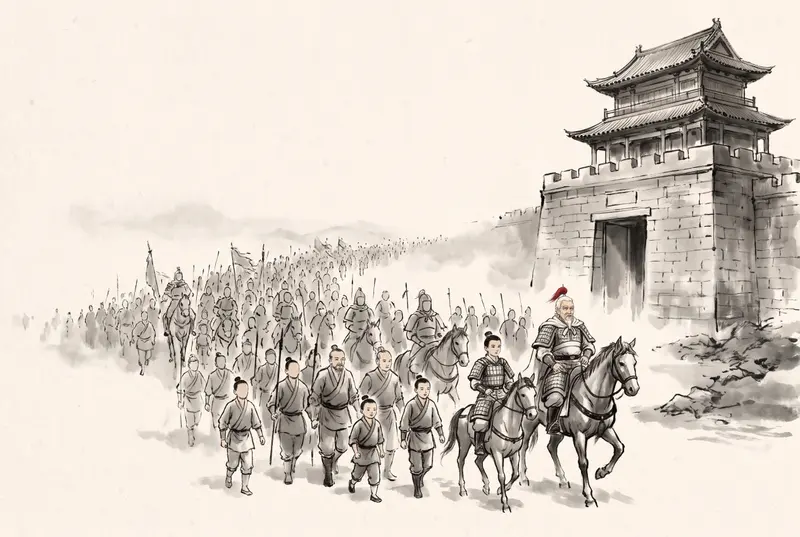
諸侯既新削罰,振恐,多怨晁錯。及削吳會稽、豫章郡書至,則吳王先起兵,膠西正月丙午誅漢吏二千石以下,膠東、菑川、濟南、楚、趙亦然,遂發兵西。齊王後悔,飲藥自殺,畔約。濟北王城壞未完,其郎中令劫守其王,不得發兵。膠西為渠率,膠東、菑川、濟南共攻圍臨菑。趙王遂亦反,陰使匈奴與連兵。七國之發也,吳王悉其士卒,下令國中曰:「寡人年六十二,身自將。少子年十四,亦為士卒先。諸年上與寡人比,下與少子等者,皆發。」發二十餘萬人。南使閩越、東越,東越亦發兵從。
書き下し文
諸侯既に新たに削罰せられ、振恐し、多く晁錯を怨む。呉の会稽・豫章郡を削るの書至るに及び、則ち呉王先ず兵を起こす。膠西正月丙午、漢の吏二千石以下を誅す。膠東・菑川・済南・楚・趙も亦た然り。遂に兵を発して西す。斉王後に悔い、薬を飲みて自殺し、約に畔く。済北王城壊れて未だ完からず、其の郎中令其の王を劫守し、兵を発するを得ず。膠西渠率と為り、膠東・菑川・済南共に臨菑を攻め囲む。趙王遂も亦た反し、陰かに匈奴をして兵を連ねしむ。七国の発するや、呉王悉く其の士卒をもってし、令を国中に下して曰く、「寡人年六十二、身自ら将たり。少子年十四、亦た士卒の先と為る。諸々の年上は寡人と比しく、下は少子と等しき者は、皆発せよ」と。二十余万人を発す。南のかた閩越・東越に使いす。東越も亦た兵を発して従う。
現代語訳
諸侯は領地を削られて罰を受けたばかりだったので、ふるえおののき、多くの者が晁錯を恨んだ。呉の会稽郡と豫章郡を削るという文書が届くと、呉王はまっ先に兵を挙げた。膠西王は正月丙午の日に、二千石以下の漢の役人を殺し、膠東・菑川・済南・楚・趙も同じようにして、兵を出して西へ向かった。斉王は後悔して毒を飲んで自殺し、約束にそむいた。済北王は城壁が壊れて修理が終わっておらず、郎中令が王を押さえつけたので、兵を出すことができなかった。膠西王がかしらとなり、膠東・菑川・済南の王とともに斉の臨菑を囲んで攻めた。趙王遂も背き、ひそかに匈奴に使いを送って兵を合わせようとした。七国が兵を挙げると、呉王は国中の兵をすべて集め、国中にお触れを出した。「わしは六十二歳だが、自ら将となる。末の子は十四歳だが、これも兵士の先頭に立つ。上はわしと同じ年から、下は末の子と同じ年までの者は、皆出陣せよ」。こうして二十万人あまりを集めた。また南の閩越と東越に使いを送り、東越も兵を出して従った。
英訳
The kings had just had lands cut away as punishment; they were shaken and fearful, and many of them hated Chao Cuo. When the order cutting away Wu's commanderies of Kuaiji and Yuzhang arrived, the King of Wu was the first to raise his army. On the bingwu day of the first month, the King of Jiaoxi put to death the Han officials of two thousand dan and below, and Jiaodong, Zichuan, Jinan, Chu and Zhao did the same; then they sent their armies west. The King of Qi changed his mind, took poison and killed himself, breaking the pact. The walls of Jibei were broken and not yet repaired, and the King of Jibei's chief of palace gentlemen held him under guard, so he could not send troops. The King of Jiaoxi became the leader, and with Jiaodong, Zichuan and Jinan he laid siege to Linzi. King Sui of Zhao rebelled too, and secretly sent word to the Xiongnu to join forces. When the seven states rose, the King of Wu called up every soldier he had, and gave an order throughout his kingdom: "I am sixty-two, and I will lead you myself. My youngest son is fourteen, and he too will march at the head of the soldiers. Every man whose age is no greater than mine and no less than my youngest son's will march." He called up more than two hundred thousand men. He sent envoys south to Minyue and Dong'ou, and Dong'ou too sent troops to follow him.
解説(日)
- 七国: 呉・楚・趙・膠西・膠東・菑川・済南の七つの国。前154年の「呉楚七国の乱」。
- 臨菑: 斉の都。斉王は約束を破って漢についたため、四国に囲まれた。
- 東越: 今の浙江省南部にあった越人の国。
解説(英)
- The seven states: Wu, Chu, Zhao, Jiaoxi, Jiaodong, Zichuan and Jinan, in the rebellion of 154 BCE.
- Linzi (臨菑): the capital of Qi, besieged because its king broke the pact.
- Dong'ou (東越): a Yue kingdom in what is now southern Zhejiang.
英語の語注
- shaken/ˈʃeɪkən/adjective
upset and frightened
本文では: “they were shaken and fearful”
似た語と違い: rattled — nervous · unnerved — lost courage
- siege/sidʒ/noun
surrounding a city with an army to capture it
本文では: “laid siege to Linzi”
似た語と違い: blockade — cutting off a place · encirclement — surrounding
節 6
原文
吳楚反書聞,兵未發,竇嬰未行,言故吳相袁盎。盎時家居,詔召入見。上方與晁錯調兵笇軍食,上問袁盎曰:「君嘗為吳相,知吳臣田祿伯為人乎?今吳楚反,於公何如?」對曰:「不足憂也,今破矣。」上曰:「吳王即山鑄錢,煮海水為鹽,誘天下豪桀,白頭舉事。若此,其計不百全,豈發乎?何以言其無能為也?」袁盎對曰:「吳有銅鹽利則有之,安得豪桀而誘之!誠令吳得豪桀,亦且輔王為義,不反矣。吳所誘皆無賴子弟,亡命鑄錢姦人,故相率以反。」晁錯曰:「袁盎策之善。」上問曰:「計安出?」盎對曰:「願屏左右。」上屏人,獨錯在。盎曰:「臣所言,人臣不得知也。」乃屏錯。錯趨避東廂,恨甚。上卒問盎,盎對曰:「吳楚相遺書,曰『高帝王子弟各有分地,今賊臣晁錯擅適過諸侯,削奪之地』。故以反為名,西共誅晁錯,復故地而罷。方今計獨斬晁錯,發使赦吳楚七國,復其故削地,則兵可無血刃而俱罷。」於是上嘿然良久,曰:「顧誠何如,吾不愛一人以謝天下。」盎曰:「臣愚計無出此,願上孰計之。」乃拜盎為太常,吳王弟子德侯為宗正。盎裝治行。後十餘日,上使中尉召錯,紿載行東市。錯衣朝衣斬東市。
書き下し文
呉楚の反書聞こえ、兵未だ発せず、竇嬰未だ行かざるに、故の呉の相袁盎を言う。盎時に家居す。詔して召し入れて見ゆ。上方に晁錯と兵を調え軍食を笇う。上袁盎に問いて曰く、「君嘗て呉の相為り。呉の臣田禄伯の為人を知るか。今呉楚反す。公に於いて何如」と。対えて曰く、「憂うるに足らざるなり。今破れん」と。上曰く、「呉王山に即きて銭を鋳、海水を煮て塩と為し、天下の豪桀を誘い、白頭にして事を挙ぐ。此くの若くして、其の計百全ならずんば、豈に発せんや。何を以て其の能く為す無きを言うや」と。袁盎対えて曰く、「呉に銅塩の利有るは則ち之有り。安んぞ豪桀を得て之を誘わん。誠に呉をして豪桀を得しめば、亦た且に王を輔けて義を為さしめ、反せざらん。呉の誘う所は皆無頼の子弟、亡命して銭を鋳る姦人なり。故に相率いて以て反す」と。晁錯曰く、「袁盎の策の善きなり」と。上問いて曰く、「計安くより出でん」と。盎対えて曰く、「願わくは左右を屏けよ」と。上人を屏け、独り錯在り。盎曰く、「臣の言う所は、人臣も知るを得ず」と。乃ち錯を屏く。錯趨りて東廂に避け、恨むこと甚だし。上卒に盎に問う。盎対えて曰く、「呉楚相遺る書に曰く、『高帝子弟を王として各々分地有り。今賊臣晁錯擅に諸侯を適過し、之が地を削奪す』と。故に反を以て名と為し、西して共に晁錯を誅し、故地を復して罷めんとす。方今の計は独り晁錯を斬り、使いを発して呉楚七国を赦し、其の故の削地を復さば、則ち兵は血刃無くして倶に罷むべし」と。是に於いて上嘿然たること良久しくして、曰く、「顧うに誠に何如。吾一人を愛しみて以て天下に謝せざらんや」と。盎曰く、「臣が愚計此れより出づる無し。願わくは上之を孰計せよ」と。乃ち盎を拝して太常と為し、呉王の弟の子徳侯を宗正と為す。盎装して行を治む。後十余日、上中尉をして錯を召さしめ、紿きて載せて東市に行かしむ。錯朝衣を衣て東市に斬らる。
現代語訳
呉と楚が背いたという知らせが届いたが、まだ兵は出ず、竇嬰もまだ出発していなかった。竇嬰は、以前に呉の宰相だった袁盎のことを帝に話した。袁盎はそのとき家にいたが、詔で呼ばれて帝に会った。帝はちょうど晁錯と兵の割りふりや兵糧の計算をしていた。帝は袁盎にたずねた。「あなたはかつて呉の宰相だった。呉の臣の田禄伯の人柄を知っているか。いま呉と楚が背いたが、どう思うか」。袁盎は答えた。「心配はいりません。すぐに破れます」。帝は言った。「呉王は銅山で銭を作り、海水を煮て塩を作り、天下の豪傑を誘い入れて、白髪頭になってから事を起こしたのだ。これほどの者が、万全の計がなくて兵を挙げるだろうか。どうして何もできないと言えるのか」。袁盎は答えた。「呉に銅と塩の利益があるのはたしかです。しかし、どうして豪傑を誘い入れることなどできましょう。本当に呉が豪傑を得ていたなら、彼らは王を助けて正しい道を行わせ、謀反など起こさせなかったはずです。呉が誘い入れたのは、ならず者の若者や、逃亡して銭を偽造する悪人ばかりです。だからこそ、つれだって謀反を起こしたのです」。晁錯は「袁盎の見立てはよい」と言った。帝は「では、どうすればよいか」とたずねた。袁盎は答えた。「どうか人払いをお願いします」。帝が人を下がらせると、晁錯だけが残った。袁盎は言った。「わたしの申し上げることは、臣下の方にも聞かせられません」。そこで晁錯も下がらせた。晁錯は小走りに東の脇部屋に退き、ひどく恨んだ。帝が改めてたずねると、袁盎は答えた。「呉と楚がやりとりした書には、『高帝は子弟を王にして、それぞれに領地を分けた。いま賊臣晁錯が勝手に諸侯を罪に落として、その領地を削り取っている』とあります。ですから謀反を名目にしてはいても、西へ進んで晁錯を殺し、もとの領地を取り戻せば兵を退くつもりなのです。いまの策としては、晁錯を斬り、使いを出して呉・楚など七国を許し、削った領地をもとに戻すほかはありません。そうすれば刃に血をつけることなく、兵は皆引き上げるでしょう」。帝は長いあいだ黙っていたが、やがて言った。「本当にそうなるかどうかは分からぬが、わしは一人を惜しんで天下にわびないということはしない」。袁盎は言った。「わたしの愚かな考えでは、これより良い策はありません。どうか陛下、よくお考えください」。そこで袁盎を太常に任じ、呉王の弟の子の徳侯を宗正に任じた。袁盎は旅じたくを整えた。十日あまりのち、帝は中尉に晁錯を呼びに行かせ、だまして車に乗せ、東の市場へ連れて行った。晁錯は朝廷に出るときの礼服を着たまま、東の市場で斬られた。
英訳
When news came that Wu and Chu had rebelled, before the armies had set out and before Dou Ying had left, Dou Ying spoke of Yuan Ang, who had once been chancellor of Wu. Yuan Ang was then living at home, and he was summoned by edict to see the emperor. The emperor was just then with Chao Cuo, working out the troops and the army's grain. The emperor asked Yuan Ang: "You were once chancellor of Wu. Do you know what kind of man Wu's minister Tian Lubo is? Now Wu and Chu have rebelled. What do you think?" He answered: "There is nothing to worry about. They will soon be beaten." The emperor said: "The King of Wu casts coins from the mountains and boils sea water for salt, and has lured the bold men of the realm. He has waited until his hair is white to rise. Would he rise without a plan sure to succeed? How can you say he can do nothing?" Yuan Ang answered: "It is true that Wu has the profits of copper and salt. But how could it lure bold men? If Wu had truly won bold men, they would have helped the king to do right, and he would not have rebelled. The men Wu has lured are all good-for-nothing young men and criminals on the run who forge coins. That is why they have joined together to rebel." Chao Cuo said: "Yuan Ang has judged it well." The emperor asked: "What plan do you suggest?" Yuan Ang answered: "I beg you to send your attendants away." The emperor sent them away, and only Chao Cuo remained. Yuan Ang said: "What I have to say may not be heard by any of your ministers." So Chao Cuo too was sent away. He hurried off to the east wing, deeply resentful. When the emperor asked again, Yuan Ang answered: "In the letters Wu and Chu have sent each other, they say: 'Emperor Gao made his sons and brothers kings, each with his own land. Now the traitor minister Chao Cuo has taken it on himself to punish the kings and cut away their lands.' So though they have rebelled, what they mean to do is go west together, kill Chao Cuo, win back their old lands and then stop. The only plan now is to behead Chao Cuo, send envoys to pardon Wu, Chu and the seven states, and give back the lands that were cut away. Then the armies will all stand down without a blade being stained with blood." The emperor was silent for a long time. Then he said: "Whether it will really work, I cannot tell. But I will not spare one man rather than make amends to the realm." Yuan Ang said: "In my foolish judgement there is no better plan. I beg Your Majesty to think it over carefully." Then the emperor made Yuan Ang master of ceremonies, and the son of the King of Wu's brother, the Marquis of De, director of the imperial clan. Yuan Ang made ready for his journey. More than ten days later, the emperor had the capital commandant call for Chao Cuo, tricked him into a carriage and took him to the East Market. Chao Cuo was beheaded in the East Market still wearing his court robes.
解説(日)
- 袁盎: 文帝・景帝の臣。晁錯とは仲が悪く、同じ席に座ったことがなかった(101-yuan-ang-chao-cuo の章)。
- 竇嬰: 景帝の母竇太后のおい。このあと大将軍として滎陽を守る(107-dou-ying の章)。
- 東市: 長安の東の市場。罪人の処刑が行われた。晁錯は自分が斬られるとは知らずに連れて行かれた。
- この後、袁盎は呉に使いしたが、呉王は「我已に東帝為り、尚お誰をか拝せん(わしはもう東の皇帝だ、誰に頭を下げようか)」と言って会わなかった(ここでは省く)。
解説(英)
- Yuan Ang (袁盎): a minister of Emperors Wen and Jing, and Chao Cuo's bitter rival (chapter 101).
- Dou Ying (竇嬰): nephew of Empress Dowager Dou, soon to guard Xingyang as grand general (chapter 107).
- The East Market (東市): the execution ground of Chang'an. Chao Cuo did not know where he was being taken.
- Yuan Ang then went to Wu, but the king refused to see him, saying: "I am already the Emperor of the East. To whom should I bow?" (left out here).
英語の語注
- resentful/rɪˈzɛntfəl/adjective
feeling angry about being treated unfairly
本文では: “deeply resentful”
似た語と違い: bitter — angry and hurt · aggrieved — feeling wronged
- make amends/meɪk əˈmɛndz/phrase
to do something to make up for a wrong
本文では: “rather than make amends to the realm”
似た語と違い: atone — make up for a wrong · compensate — pay back
節 7
原文
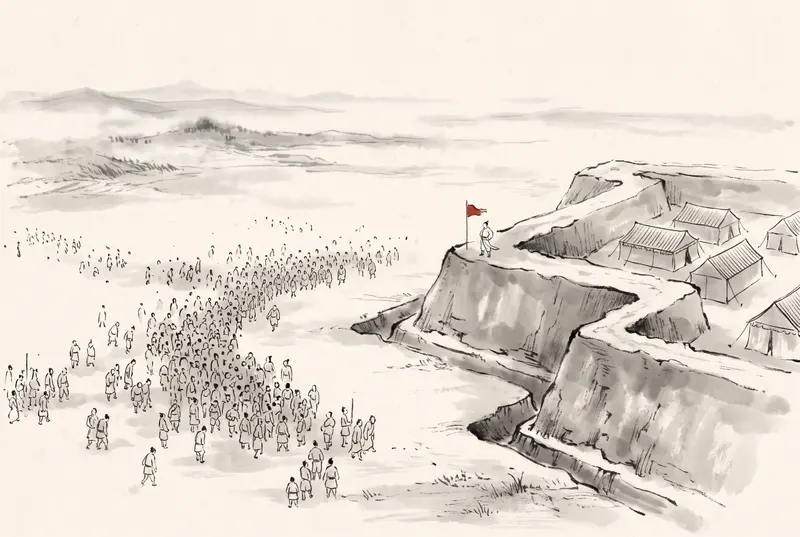
梁使韓安國及楚死事相弟張羽為將軍,乃得頗敗吳兵。吳兵欲西,梁城守堅,不敢西,即走條侯軍,會下邑。欲戰,條侯壁,不肯戰。吳糧絕,卒饑,數挑戰,遂夜奔條侯壁,驚東南。條侯使備西北,果從西北入。吳大敗,士卒多饑死,乃畔散。於是吳王乃與其麾下壯士數千人夜亡去,度江走丹徒,保東越。東越兵可萬餘人,乃使人收聚亡卒。漢使人以利啗東越,東越即紿吳王,吳王出勞軍,即使人鏦殺吳王,盛其頭,馳傳以聞。吳王子子華、子駒亡走閩越。吳王之棄其軍亡也,軍遂潰,往往稍降太尉、梁軍。楚王戊軍敗,自殺。
書き下し文
梁韓安国及び楚の死事の相の弟張羽をして将軍と為さしめ、乃ち頗る呉の兵を敗るを得たり。呉の兵西せんと欲するも、梁の城守堅く、敢えて西せず。即ち条侯の軍に走り、下邑に会す。戦わんと欲するも、条侯壁して、肯えて戦わず。呉の糧絶え、卒饑え、数々戦いを挑み、遂に夜条侯の壁に奔り、東南を驚かす。条侯をして西北に備えしむ。果たして西北より入る。呉大いに敗れ、士卒多く饑死し、乃ち畔散す。是に於いて呉王乃ち其の麾下の壮士数千人と夜亡げ去り、江を度りて丹徒に走り、東越に保る。東越の兵万余人可り。乃ち人をして亡卒を収聚せしむ。漢人をして利を以て東越に啗わしむ。東越即ち呉王を紿く。呉王出でて軍を労う。即ち人をして呉王を鏦殺せしめ、其の頭を盛りて、伝に馳せて以て聞す。呉王の子子華・子駒亡げて閩越に走る。呉王の其の軍を棄てて亡ぐるや、軍遂に潰え、往往稍く太尉・梁の軍に降る。楚王戊の軍敗れ、自殺す。
現代語訳
(呉軍は淮水を渡ると勢いに乗って梁を攻めた。梁は周亜夫に救いを求めたが、周亜夫は応じなかった。)梁は韓安国と、楚で節に殉じた宰相の弟の張羽を将軍にして、ようやく呉の兵をかなり打ち破った。呉の兵は西へ進もうとしたが、梁の城の守りが固くて進めず、周亜夫の軍のほうへ向かって下邑で出会った。呉軍は戦おうとしたが、周亜夫は陣地にこもって戦おうとしなかった。呉軍は兵糧が尽きて兵士は飢え、何度も戦いをしかけたあげく、夜に周亜夫の陣地に攻めかかり、東南の隅で騒ぎを起こした。周亜夫は西北の守りを固めさせた。果たして呉軍は西北から攻め入ってきた。呉軍は大敗し、兵士の多くは飢えて死に、残りはちりぢりに逃げ去った。そこで呉王は配下の勇士数千人と夜のうちに逃げ、長江を渡って丹徒に走り、東越に身を寄せた。東越の兵は一万人あまりで、呉王は人をやって逃げた兵を集めさせた。漢は人をやって、東越に利益をちらつかせた。東越はすぐに呉王をあざむき、呉王が兵をねぎらいに出てきたところを、人に命じて矛で刺し殺させた。そして首を箱に入れ、早馬で都に知らせた。呉王の子の子華と子駒は閩越に逃げた。呉王が軍を捨てて逃げたので、呉軍はくずれ、次々と周亜夫や梁の軍に降った。楚王戊の軍も敗れ、楚王は自殺した。
英訳
Liang made Han Anguo and Zhang Yu, brother of a chancellor of Chu who had died for his loyalty, its generals, and at last they dealt the army of Wu some heavy defeats. The army of Wu wanted to go west, but the walls of Liang were held too firmly, and it did not dare. So it turned towards the army of the Marquis of Tiao, and they met at Xiayi. Wu wanted to fight, but the Marquis of Tiao stayed behind his walls and would not. Wu's grain ran out and its soldiers went hungry. They kept challenging him to battle, and at last attacked his camp by night, making a great noise at the south-east corner. The Marquis of Tiao had the north-west made ready, and sure enough, they came in from the north-west. Wu was utterly defeated; many of its soldiers starved to death, and the rest scattered and deserted. Then the King of Wu fled by night with a few thousand of his bravest men. He crossed the Yangzi, fled to Dantu, and took refuge with Dong'ou. Dong'ou had perhaps ten thousand men, and the king sent people to gather the soldiers who had fled. Han sent men to tempt Dong'ou with rewards. Dong'ou at once betrayed the King of Wu: when he came out to cheer the troops, they had him speared to death, put his head in a box, and sent it by fast relay to the capital. The king's sons Zihua and Ziju fled to Minyue. When the King of Wu abandoned his army and fled, it fell apart, and its men went over little by little to the grand commandant and the army of Liang. The army of King Wu of Chu was beaten, and he killed himself.
解説(日)
- 梁: 景帝の弟の梁孝王の国。呉軍の西進を食い止めた。
- 韓安國: このとき梁の将軍として名をあげ、のち武帝の御史大夫となる(108-han-anguo の章)。
- 條侯: 周亜夫。周勃の子。細柳の陣で知られる名将(057-zhou-bo の章)。
- 周亜夫は梁を救わずに呉の兵糧を断ち、呉軍が疲れきるのを待った。乱は正月に起こり、三月には平定された。
解説(英)
- Liang (梁): the kingdom of Emperor Jing's brother, King Xiao of Liang, which stopped Wu's advance west.
- Han Anguo (韓安國): who made his name here and later became Emperor Wu's grand secretary (chapter 108).
- The Marquis of Tiao (條侯): Zhou Yafu, son of Zhou Bo, famed for his camp at Xiliu (chapter 057).
- Zhou Yafu let Liang take the blows while he cut off Wu's supplies; the rising began in the first month and was over by the third.
英語の語注
- starve/stɑrv/verb
to suffer or die from lack of food
本文では: “many of its soldiers starved to death”
似た語と違い: go hungry — lack food · famish — be extremely hungry
- betray/bɪˈtreɪ/verb
to be disloyal to someone who trusts you
本文では: “Dong'ou at once betrayed the King of Wu”
似た語と違い: double-cross — trick a friend · sell out — betray for gain
節 8
原文
太史公曰:吳王之王,由父省也。能薄賦斂,使其眾,以擅山海利。逆亂之萌,自其子興。爭技發難,卒亡其本;親越謀宗,竟以夷隕。晁錯為國遠慮,禍反近身。袁盎權說,初寵後辱。故古者諸侯地不過百里,山海不以封。「毋親夷狄,以疏其屬」,蓋謂吳邪?「毋為權首,反受其咎」,豈盎、錯邪?
書き下し文
太史公曰く、呉王の王たるは、父の省かるるに由る。能く賦斂を薄くし、其の衆を使い、以て山海の利を擅にす。逆乱の萌は、其の子より興る。技を争いて難を発し、卒に其の本を亡う。越に親しみて宗を謀り、竟に以て夷び隕つ。晁錯国の為に遠く慮り、禍反って身に近し。袁盎権もて説き、初めは寵せられ後には辱めらる。故に古は諸侯の地百里を過ぎず、山海は以て封ぜず。「夷狄に親しみて、以て其の属を疏んずること毋かれ」とは、蓋し呉を謂うか。「権の首と為ること毋かれ、反って其の咎を受けん」とは、豈に盎・錯か。
現代語訳
太史公は言う。呉王が王になれたのは、父が王の位を取り上げられたからである。税を軽くして民を使い、山と海の利益を独り占めにした。謀反の芽生えは、その子から起こった。遊びの勝ち負けを争ったことから難が起こり、ついには国のもとを失った。越と親しくして一族の宗家に対して謀り、とうとう滅んで倒れた。晁錯は国のために遠い先まで考えたが、災いはかえって自分の身近に降りかかった。袁盎は機転をきかせて説き、はじめは重く用いられたが、のちには辱めを受けた。だから昔は諸侯の領地は百里を超えず、山や海は封じなかったのである。「夷狄と親しんで、自分の身内を遠ざけてはならない」というのは、呉のことを言うのだろうか。「物事の先頭に立ってはならない、かえってその咎めを受ける」というのは、袁盎や晁錯のことではないか。
英訳
The Grand Historian says: The King of Wu became a king because his father had been demoted. He kept taxes light, commanded his people, and kept the profits of the mountains and the sea to himself. The seed of his rebellion sprang from his son. A quarrel over a game led to disaster, and in the end he lost his root. He made friends with the Yue to plot against his own clan, and in the end he was cut down. Chao Cuo planned far ahead for the state, but disaster fell close to his own person. Yuan Ang persuaded with clever schemes; he was favoured at first and disgraced later. That is why in ancient times no lord's land was larger than a hundred li, and mountains and seas were not given in fief. "Do not befriend the barbarians and grow distant from your own kin": was this said of Wu? "Do not be the first to make a move, or you will take the blame": was this not Yuan Ang and Chao Cuo?
解説(日)
- 袁盎の「初寵後辱」: 袁盎はのちに梁孝王が皇太弟になるのに反対して、梁の刺客に殺された(101-yuan-ang-chao-cuo の章)。
- 山海不以封: 銅山や海のように大きな利益を生む土地は、諸侯に与えないということ。
- 乱ののち、漢は諸侯王の力を大きく削り、中央の支配が強まった。
解説(英)
- Disgraced later: Yuan Ang was later murdered by assassins from Liang (chapter 101).
- Mountains and seas were not given in fief: lands rich in copper or salt were kept from the lords.
- After the rising, the power of the kings was greatly reduced and the throne grew stronger.
英語の語注
- root/rut/noun
the base or origin of something
本文では: “in the end he lost his root”
似た語と違い: foundation — base · source — origin
- disgrace/dɪsˈɡreɪs/verb
to bring shame on someone
本文では: “favoured at first and disgraced later”
似た語と違い: shame — bring dishonour · humiliate — make ashamed