列伝 · 巻 104
田叔列伝 田叔列傳
「上、梁の事を以て為すこと毋かれ」(梁王の罪を問わぬよう勧めた田叔) 上毋以梁事為也
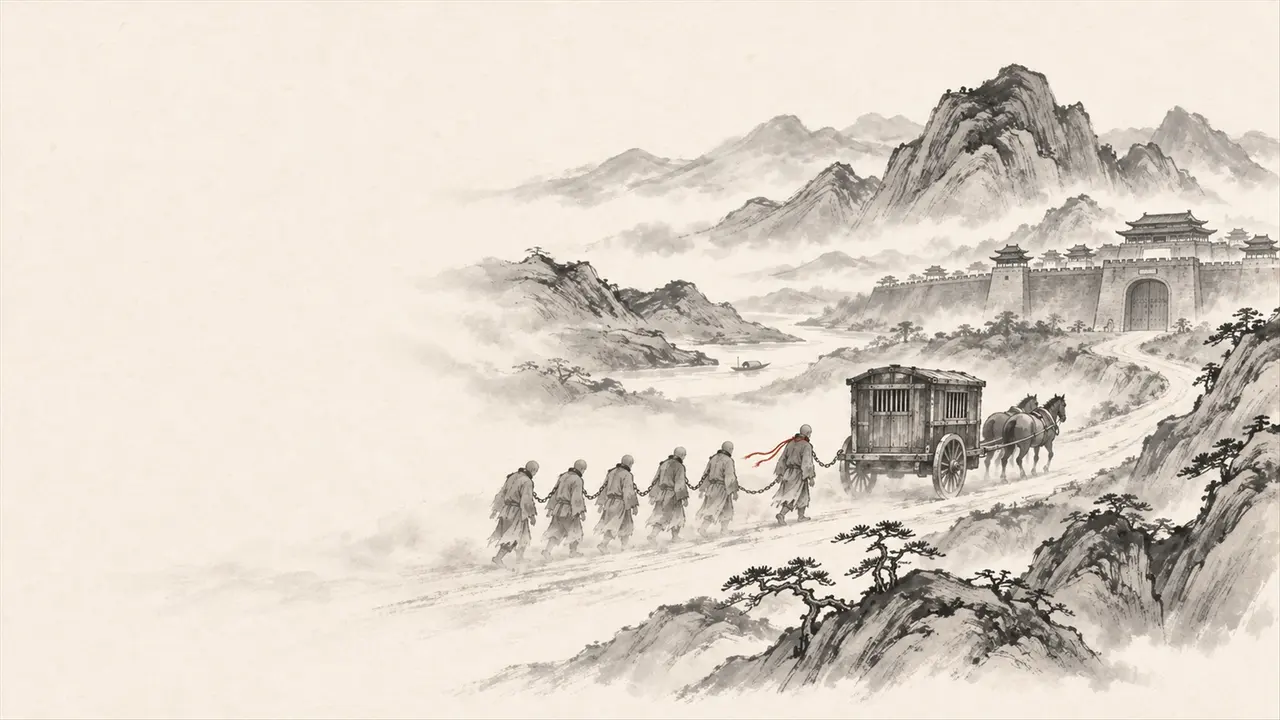
趙の人田叔と、その子田仁の伝記。田叔は趙王張敖に仕えた。家臣の貫高たちが高祖の暗殺をはかったことが発覚し、「王に従う者は三族まで罪とする」と詔が出たとき、田叔は孟舒たちとともに髪をそり首かせをつけ、王の家の奴隷と名のって長安まで王に従った。高祖はその忠義を認めて郡守にとりたてた。文帝に「天下の長者を知っているか」と問われると、匈奴に攻めこまれて罷免された孟舒こそ長者だと弁護した。景帝のときには、梁王が袁盎を殺させた事件を調べ、真相をつかみながら「梁王を罰すれば太后が悲しむ」と説いて、事件を表に出さなかった。魯の相となると、民の物を奪った魯王に自分で償わせた。子の田仁は、褚先生の補った話によれば、友の任安とともに衛青の家来から見いだされたが、二人とも戻太子の事件に巻きこまれて殺された。
この巻のうち「「上、梁の事を以て為すこと毋かれ」(梁王の罪を問わぬよう勧めた田叔)」の場面を載せています。巻の全文ではありません。
音声
音声は合成音声です。
動画
節 1
原文
田叔者,趙陘城人也。其先,齊田氏苗裔也。叔喜劍,學黃老術於樂巨公所。叔為人刻廉自喜,喜游諸公。趙人舉之趙相趙午,午言之趙王張敖所,趙王以為郎中。數歲,切直廉平,趙王賢之,未及遷。
書き下し文
田叔は、趙の陘城の人なり。其の先は、斉の田氏の苗裔なり。叔剣を喜み、黄老の術を楽巨公の所に学ぶ。叔の人と為り刻廉にして自ら喜び、喜んで諸公に游ぶ。趙人之を趙の相趙午に挙ぐ。午之を趙王張敖の所に言い、趙王以て郎中と為す。数歳、切直廉平なり。趙王之を賢とするも、未だ遷すに及ばず。
現代語訳
田叔は趙の陘城の人で、先祖は斉の田氏の子孫である。田叔は剣を好み、楽巨公のもとで黄帝・老子の教えを学んだ。人柄はきびしく潔く、自分の生き方に誇りを持ち、えらい人々とつきあうのを好んだ。趙の人が田叔を趙の相の趙午に推薦し、趙午が趙王張敖に話して、趙王は田叔を郎中(側仕え)にした。数年たつと、田叔はまっすぐで、潔く、公平な人と知られた。趙王は田叔を優れた人だと思ったが、まだ位を上げないうちに事件が起きた。
英訳
Tian Shu was a man of Xingcheng in Zhao, descended from the Tian clan of Qi. He loved swordsmanship, and studied the teachings of the Yellow Emperor and Laozi under Master Yue Ju. He was strict and upright and proud of it, and liked to keep company with men of rank. A man of Zhao recommended him to Zhao Wu, the chancellor of Zhao, who spoke of him to Zhang Ao, King of Zhao, and the king made him a gentleman of the palace. After some years he was known as frank, upright, honest and fair. The king thought highly of him, but had not yet promoted him.
解説(日)
- 黄老の術: 黄帝と老子の教え。漢の初めに重んじられた、政治で無理をしない考え方。
- 楽巨公: 黄老の学者。楽毅の一族とされる(080-yue-yi の章の太史公の評)。
- 張敖: 趙王張耳の子。高祖の娘魯元公主の夫(089-zhang-er-chen-yu の章)。
解説(英)
- The teachings of the Yellow Emperor and Laozi (黃老): the doctrine of light-handed government favoured in early Han.
- Master Yue Ju: a teacher of this doctrine, said to be of Yue Yi's clan (the Grand Historian's comment in chapter 080).
- Zhang Ao: son of Zhang Er, King of Zhao, and husband of Gaozu's daughter, Princess Luyuan (chapter 089).
英語の語注
- upright/ˈʌpraɪt/adjective
honest and moral
本文では: “He was strict and upright”
似た語と違い: honest — truthful · principled — having firm morals
- promote/prəˈmoʊt/verb
to give someone a higher rank
本文では: “had not yet promoted him”
似た語と違い: raise — lift up · advance — move forward
節 2
原文
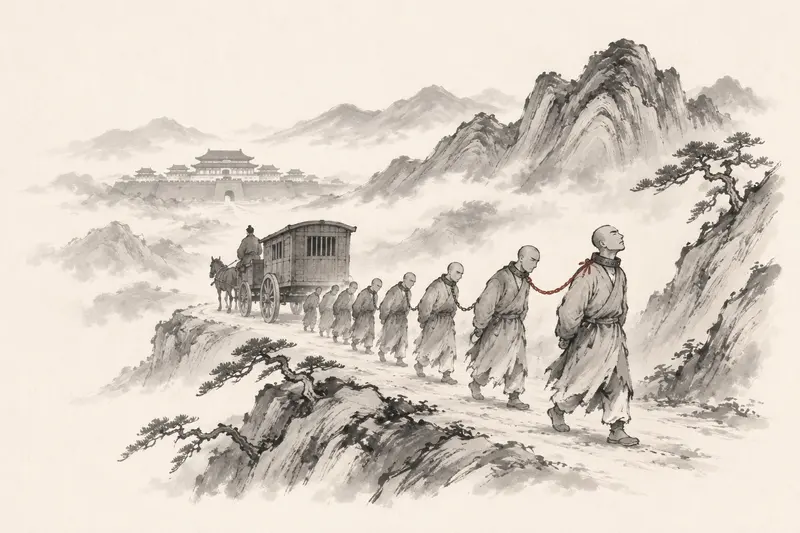
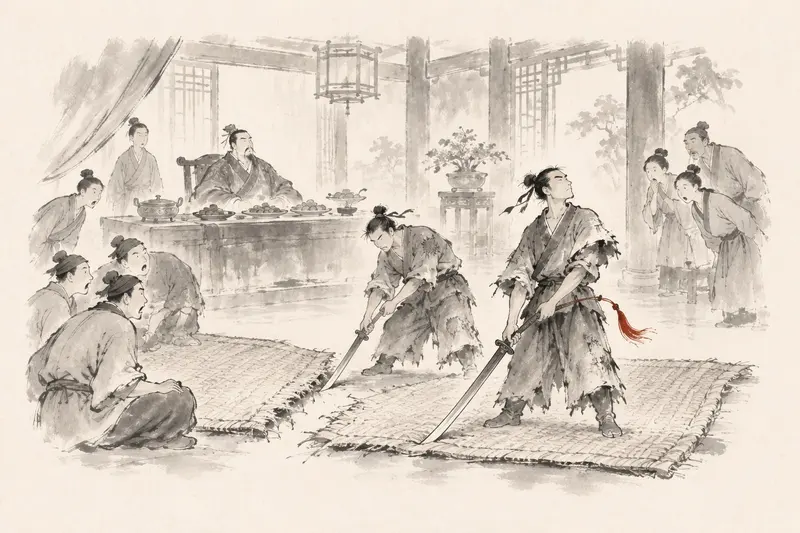
會陳豨反代,漢七年,高祖往誅之,過趙,趙王張敖自持案進食,禮恭甚,高祖箕踞罵之。是時趙相趙午等數十人皆怒,謂張王曰:「王事上禮備矣,今遇王如是,臣等請為亂。」趙王齧指出血,曰:「先人失國,微陛下,臣等當蟲出。公等柰何言若是!毋復出口矣!」於是貫高等曰:「王長者,不倍德。」卒私相與謀弒上。會事發覺,漢下詔捕趙王及群臣反者。於是趙午等皆自殺,唯貫高就系。是時漢下詔書:「趙有敢隨王者罪三族。」唯孟舒、田叔等十餘人赭衣自髡鉗,稱王家奴,隨趙王敖至長安。貫高事明白,趙王敖得出,廢為宣平侯,乃進言田叔等十餘人。上盡召見,與語,漢廷臣毋能出其右者,上說,盡拜為郡守、諸侯相。叔為漢中守十餘年,會高后崩,諸呂作亂,大臣誅之,立孝文帝。
書き下し文
会々陳豨代に反す。漢の七年、高祖往きて之を誅し、趙を過ぐ。趙王張敖自ら案を持して食を進め、礼恭甚だし。高祖箕踞して之を罵る。是の時趙の相趙午等数十人皆怒り、張王に謂いて曰く、「王の上に事うる礼備われり。今王を遇すること是の如し。臣等請う乱を為さん」と。趙王指を齧みて血を出だし、曰く、「先人国を失う。陛下微かりせば、臣等当に虫出づべし。公等奈何ぞ是くの若きを言う。復た口に出だすこと毋かれ」と。是に於いて貫高等曰く、「王は長者なり、徳に倍かず」と。卒に私かに相与に上を弑せんことを謀る。会々事発覚し、漢詔を下して趙王及び群臣の反する者を捕えしむ。是に於いて趙午等皆自殺し、唯だ貫高のみ系に就く。是の時漢詔書を下す、「趙に敢えて王に随う者有らば、罪三族」と。唯だ孟舒・田叔等十余人赭衣して自ら髡鉗し、王の家奴と称し、趙王敖に随いて長安に至る。貫高の事明白にして、趙王敖出づるを得、廃せられて宣平侯と為る。乃ち田叔等十余人を進言す。上尽く召見し、与に語る。漢の廷臣能く其の右に出づる者毋し。上説び、尽く拝して郡守・諸侯の相と為す。叔漢中の守たること十余年、会々高后崩じ、諸呂乱を作す。大臣之を誅し、孝文帝を立つ。
現代語訳
ちょうどそのころ、陳豨が代で反乱を起こした。漢の七年、高祖は討伐に向かう途中で趙を通った。趙王張敖は自分でお膳を持って食事をすすめ、たいへんうやうやしく礼をつくしたが、高祖は足を投げ出して座り、張敖をののしった。このとき趙の相の趙午たち数十人は皆怒り、張王に言った。「王は陛下に礼をつくされました。それなのに、あのようなあしらいをされるとは。わたしたちに反乱を起こさせてください」。趙王は指をかんで血を流しながら言った。「父上は一度国を失った。陛下がおられなければ、わたしたちは死んで虫がわいていたところだ。どうしてそんなことを言うのか。二度と口にするな」。そこで貫高たちは言った。「王は長者で、恩に背くことはなさらない」。そしてとうとう、自分たちだけでひそかに高祖の暗殺をはかった。やがてこれが発覚し、漢は詔を出して趙王と、背いた家臣たちを捕らえさせた。趙午たちは皆自殺し、貫高だけが捕らえられた。このとき漢は詔書を出した。「趙で、王に従う者があれば、三族まで罪とする」。ただ孟舒・田叔たち十数人だけが、罪人の赤い服を着て、自分で髪をそり首に鉄の輪をはめ、王の家の奴隷と名のって、趙王張敖に従って長安まで行った。貫高の取り調べで王の無実がはっきりし、趙王張敖は許されて牢を出たが、王の位は廃されて宣平侯となった。張敖は田叔たち十数人のことを高祖に申し上げた。高祖は全員を呼んで話をしたが、漢の朝廷の家臣で、彼らより優れた者はいなかった。高祖は喜び、全員を郡守や諸侯の相に任じた。田叔は漢中の太守を十数年つとめた。やがて呂后が亡くなり、呂氏の一族が乱を起こしたが、大臣たちがこれを討って、文帝を立てた。
英訳
Then Chen Xi rebelled in Dai. In the seventh year of Han, Gaozu went to punish him and passed through Zhao. Zhang Ao, King of Zhao, carried the food tray himself and served him with the greatest courtesy, but Gaozu sat sprawled with his legs out and cursed him. At this the chancellor Zhao Wu and some dozens of others were all furious, and said to King Zhang: "You have served the emperor with every courtesy, and this is how he treats you. Let us rise against him." The king bit his finger till it bled and said: "My father lost his kingdom. But for His Majesty, we would all be dead and crawling with worms. How can you say such things? Never speak of it again!" At this Guan Gao and the others said: "Our king is a true elder; he will not betray a kindness." And in the end they plotted among themselves to kill the emperor. The plot was discovered, and Han issued a decree to arrest the King of Zhao and the ministers who had rebelled. Zhao Wu and the others all killed themselves; only Guan Gao went into custody. Then Han issued a decree: "Anyone in Zhao who dares to follow the king will be punished to the third degree of kin." Only Meng Shu, Tian Shu and some ten others put on the red clothes of convicts, shaved their own heads, put iron collars round their necks and, calling themselves slaves of the king's household, followed Zhang Ao to Chang'an. When Guan Gao's case made the truth plain, Zhang Ao was released, deposed and made Marquis of Xuanping, and he told the emperor about Tian Shu and the others. The emperor called them all in and talked with them, and found none of the ministers at the Han court their equal. Delighted, he made every one of them a governor or a chancellor to one of the kings. Tian Shu was governor of Hanzhong for more than ten years. Then Empress Lü died, the Lü clan rose in revolt, the great ministers destroyed them, and Emperor Wen was set on the throne.
解説(日)
- 箕踞: 両足を投げ出して座ること。ひどく無礼な座り方。
- 貫高: 趙の相。拷問を受けても「王は知らない」と言い通し、王の無実が明らかになると自殺した(089-zhang-er-chen-yu の章)。
- 赭衣・髡鉗: 赤い囚人服、髪をそること、首に鉄の輪をはめること。いずれも罪人の姿。
- 三族: 父母・兄弟・妻子など、一族をまとめて罰すること。
解説(英)
- Sitting sprawled (箕踞): with both legs stuck out in front, a grossly rude posture.
- Guan Gao: Zhao's chancellor, who under torture insisted the king knew nothing, and killed himself once the king was cleared (chapter 089).
- Red clothes, shaven heads and iron collars (赭衣髡鉗): the dress of convicts.
- The third degree of kin (三族): punishment extended to parents, brothers, wives and children.
英語の語注
- sprawl/sprɔːl/verb
to sit or lie with arms and legs spread out
本文では: “sat sprawled with his legs out”
似た語と違い: lounge — sit lazily · slouch — sit with a bent back
- convict/ˈkɒnvɪkt/noun
a person found guilty of a crime
本文では: “the red clothes of convicts”
似た語と違い: prisoner — one held in prison · criminal — one who breaks the law
節 3
原文
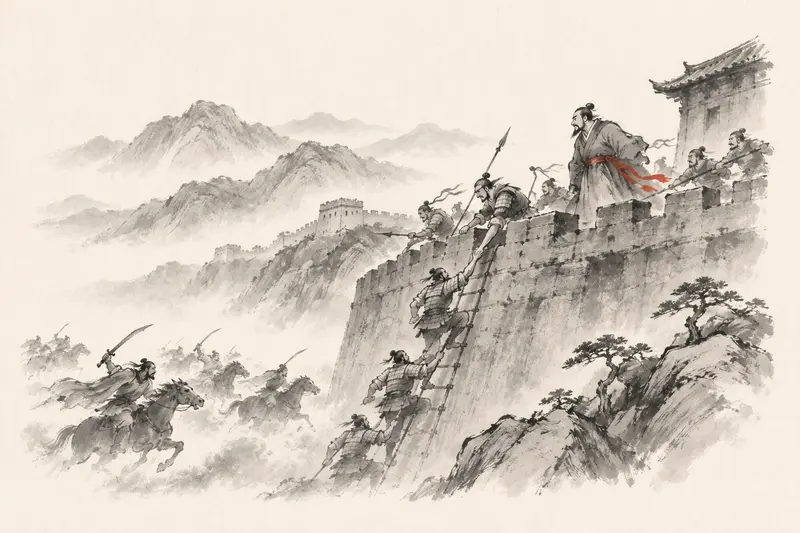
孝文帝既立,召田叔問之曰:「公知天下長者乎?」對曰:「臣何足以知之!」上曰:「公,長者也,宜知之。」叔頓首曰:「故雲中守孟舒,長者也。」是時孟舒坐虜大入塞盜劫,雲中尤甚,免。上曰:「先帝置孟舒雲中十餘年矣,虜曾一人,孟舒不能堅守,毋故士卒戰死者數百人。長者固殺人乎?公何以言孟舒為長者也?」叔叩頭對曰:「是乃孟舒所以為長者也。夫貫高等謀反,上下明詔,趙有敢隨張王,罪三族。然孟舒自髡鉗,隨張王敖之所在,欲以身死之,豈自知為雲中守哉!漢與楚相距,士卒罷敝。匈奴冒頓新服北夷,來為邊害,孟舒知士卒罷敝,不忍出言,士爭臨城死敵,如子為父,弟為兄,以故死者數百人。孟舒豈故驅戰之哉!是乃孟舒所以為長者也。」於是上曰:「賢哉孟舒!」復召孟舒以為雲中守。
書き下し文
孝文帝既に立ち、田叔を召して之に問いて曰く、「公天下の長者を知るか」と。対えて曰く、「臣何ぞ以て之を知るに足らん」と。上曰く、「公は長者なり。宜しく之を知るべし」と。叔頓首して曰く、「故の雲中の守孟舒は、長者なり」と。是の時孟舒、虜大いに塞に入りて盗劫し、雲中尤も甚だしきに坐して、免ぜらる。上曰く、「先帝孟舒を雲中に置くこと十余年なり。虜曾て一たび入るに、孟舒堅く守ること能わず、故毋くして士卒の戦死する者数百人なり。長者固より人を殺すか。公何を以て孟舒を言いて長者と為すや」と。叔叩頭して対えて曰く、「是れ乃ち孟舒の長者為る所以なり。夫れ貫高等謀反し、上明詔を下す、趙に敢えて張王に随う有らば、罪三族と。然れども孟舒自ら髡鉗し、張王敖の在る所に随い、身を以て之に死せんと欲す。豈に自ら雲中の守為らんことを知らんや。漢楚と相距ぎ、士卒罷敝す。匈奴の冒頓新たに北夷を服し、来たりて辺の害を為す。孟舒士卒の罷敝するを知り、言を出だすに忍びず。士争いて城に臨みて敵に死す。子の父の為にし、弟の兄の為にするが如し。故を以て死する者数百人なり。孟舒豈に故らに駆りて之を戦わしめんや。是れ乃ち孟舒の長者為る所以なり」と。是に於いて上曰く、「賢なるかな孟舒」と。復た孟舒を召して以て雲中の守と為す。
現代語訳
文帝が即位すると、田叔を呼んでたずねた。「あなたは天下の長者を知っているか」。田叔は答えた。「わたしなどに、わかるはずがありません」。文帝は言った。「あなたこそ長者だ。だから知っているはずだ」。田叔は頭を地につけて言った。「もとの雲中の太守の孟舒は長者です」。このころ孟舒は、匈奴が国境のとりでを越えて大挙して入りこみ、物を奪い人をさらい、とくに雲中がひどくやられたので、その責任を問われて罷免されていた。文帝は言った。「先帝は孟舒を十年あまり雲中に置いた。匈奴が一度入ってきただけで、孟舒は守りきれず、わけもなく兵士を数百人も戦死させた。長者というのは、人を死なせるものなのか。どうして孟舒が長者だと言うのか」。田叔は頭を地にうちつけて答えた。「それこそ、孟舒が長者であるゆえんです。貫高たちが謀反を起こしたとき、陛下(高祖)ははっきりと詔を出され、趙で張王に従う者は三族まで罪にするとされました。それでも孟舒は自分で髪をそり、首に鉄の輪をはめて張王敖について行き、王のために死ぬつもりでいました。のちに雲中の太守になろうなどと、思ってもいなかったはずです。漢は楚と戦い続けたあとで、兵士たちは疲れきっていました。匈奴の冒頓は北の異民族を従えたばかりで、国境を荒らしにやって来ました。孟舒は兵士たちが疲れきっているのを知っていたので、戦えと言うに忍びませんでした。それでも兵士たちは、子が父のために、弟が兄のために戦うように、争って城壁に上り、敵と戦って死んだのです。そのため数百人が死にました。孟舒がわざと兵を追い立てて戦わせたわけではありません。それこそ、孟舒が長者であるゆえんです」。文帝は「孟舒はすばらしい人だ」と言い、孟舒をまた雲中の太守にした。
英訳
When Emperor Wen had come to the throne, he sent for Tian Shu and asked him: "Do you know who are the true elders of the realm?" "How could I know such a thing?" he replied. "You are a true elder yourself," said the emperor, "so you ought to know." Tian Shu bowed his head to the ground and said: "Meng Shu, the former governor of Yunzhong, is a true elder." At this time Meng Shu had been dismissed because the Xiongnu had broken through the frontier in force, raiding and plundering, and Yunzhong had suffered worst of all. The emperor said: "The late emperor kept Meng Shu at Yunzhong for more than ten years. The raiders came in only once, and he could not hold firm; several hundred of his men died for nothing. Does a true elder get men killed? How can you call Meng Shu a true elder?" Tian Shu knocked his head on the ground and answered: "That is exactly why he is a true elder. When Guan Gao and the others plotted rebellion, the emperor issued a clear decree that anyone in Zhao who dared to follow King Zhang would be punished to the third degree of kin. Yet Meng Shu shaved his head, put on an iron collar and followed King Zhang Ao wherever he went, ready to die for him. How could he have known he would ever be governor of Yunzhong? Han had been fighting Chu, and the soldiers were worn out. Modu of the Xiongnu had just subdued the northern tribes and came to ravage the frontier. Meng Shu knew how worn out his men were, and could not bring himself to order them to fight. But they fought for the walls of their own accord and died facing the enemy, like sons for a father or younger brothers for an elder. That is why several hundred died. Did Meng Shu drive them to fight on purpose? That is exactly why he is a true elder." "What a fine man Meng Shu is!" said the emperor, and he sent for Meng Shu and made him governor of Yunzhong again.
解説(日)
- 長者: 年長者というだけでなく、徳が高く、まごころのある人。
- 雲中: 北の国境の郡。匈奴との境にあった。
- 田叔は孟舒を弁護することで、自分も同じように王に従った者として、孟舒の心を語っている。
解説(英)
- True elder (長者): not merely an older man, but one of deep virtue and good faith.
- Yunzhong: a frontier commandery on the Xiongnu border.
- Tian Shu had followed the king in chains alongside Meng Shu, and speaks from that shared experience.
英語の語注
- ravage/ˈrævɪdʒ/verb
to damage something very badly
本文では: “came to ravage the frontier”
似た語と違い: devastate — destroy completely · wreck — badly damage
- worn out/wɔːrn aʊt/adjective
extremely tired
本文では: “the soldiers were worn out”
似た語と違い: exhausted — completely tired · weary — tired after effort
節 4
原文
後數歲,叔坐法失官。梁孝王使人殺故吳相袁盎,景帝召田叔案梁,具得其事,還報。景帝曰:「梁有之乎?」叔對曰:「死罪!有之。」上曰:「其事安在?」田叔曰:「上毋以梁事為也。」上曰:「何也?」曰:「今梁王不伏誅,是漢法不行也;如其伏法,而太后食不甘味,臥不安席,此憂在陛下也。」景帝大賢之,以為魯相。
書き下し文
後数歳、叔法に坐して官を失う。梁の孝王人をして故の呉の相袁盎を殺さしむ。景帝田叔を召して梁を案ぜしむ。具さに其の事を得て、還りて報ず。景帝曰く、「梁之れ有りや」と。叔対えて曰く、「死罪。之れ有り」と。上曰く、「其の事安くに在りや」と。田叔曰く、「上梁の事を以て為すこと毋かれ」と。上曰く、「何ぞや」と。曰く、「今梁王誅に伏せずんば、是れ漢の法行われざるなり。如し其れ法に伏せば、而ち太后食うも味を甘しとせず、臥すも席に安んぜず。此の憂いは陛下に在るなり」と。景帝大いに之を賢とし、以て魯の相と為す。
現代語訳
数年後、田叔は法に触れて官職を失った。梁の孝王が人をやって、もとの呉の相の袁盎を殺させる事件が起きた。景帝は田叔を呼んで梁の取り調べをさせた。田叔はくわしく事実をつかんで戻り、報告した。景帝が「梁王はやったのか」とたずねると、田叔は答えた。「死罪にあたることを申し上げます。やりました」。景帝が「その証拠はどこにある」と言うと、田叔は言った。「陛下は、梁の事件を取り上げないでください」。景帝が「なぜだ」とたずねると、田叔は言った。「いま梁王を死罪にしなければ、漢の法が守られないことになります。もし法のとおりに罰すれば、太后は食事をしても味がわからず、寝床に入っても眠れなくなるでしょう。そうなれば、その悩みは陛下にかかってきます」。景帝はたいへん感心し、田叔を魯の相にした。
英訳
Some years later Tian Shu lost his post over a breach of the law. Then King Xiao of Liang had men murder Yuan Ang, the former chancellor of Wu, and Emperor Jing sent for Tian Shu to investigate Liang. Tian Shu found out everything and came back to report. "Did Liang do it?" asked the emperor. "I deserve death for saying so, but yes," Tian Shu replied. "Where is the evidence?" asked the emperor. "Your Majesty should not take up the Liang affair," said Tian Shu. "Why not?" "If the King of Liang is not put to death, the laws of Han are not carried out. But if he is punished by the law, the empress dowager will find no taste in her food and no rest in her bed, and that grief will fall on Your Majesty." Emperor Jing thought him very wise and made him chancellor of Lu.
解説(日)
- 梁の孝王: 景帝の弟で、母の竇太后にかわいがられた(058-liang-xiao の章)。
- 袁盎: 梁王を跡継ぎにすることに反対したため、梁王に恨まれた(101-yuan-ang-chao-cuo の章)。
- 田叔は調べの書類を焼いて、手ぶらで報告したとも伝えられる(梁孝王世家の褚先生の補い)。
解説(英)
- King Xiao of Liang: Emperor Jing's younger brother, the darling of their mother, Empress Dowager Dou (chapter 058).
- Yuan Ang: hated by the king for opposing his being made heir (chapter 101).
- Tian Shu is also said to have burned the case papers and reported empty-handed (Master Chu's additions to the House of King Xiao of Liang).
英語の語注
- investigate/ɪnˈvɛstɪɡeɪt/verb
to find out the facts about something
本文では: “to investigate Liang”
似た語と違い: examine — look at closely · look into — try to find out about
- evidence/ˈɛvɪdəns/noun
facts that show something is true
本文では: “Where is the evidence”
似た語と違い: proof — what shows something is true · grounds — reasons for a belief
節 5
原文
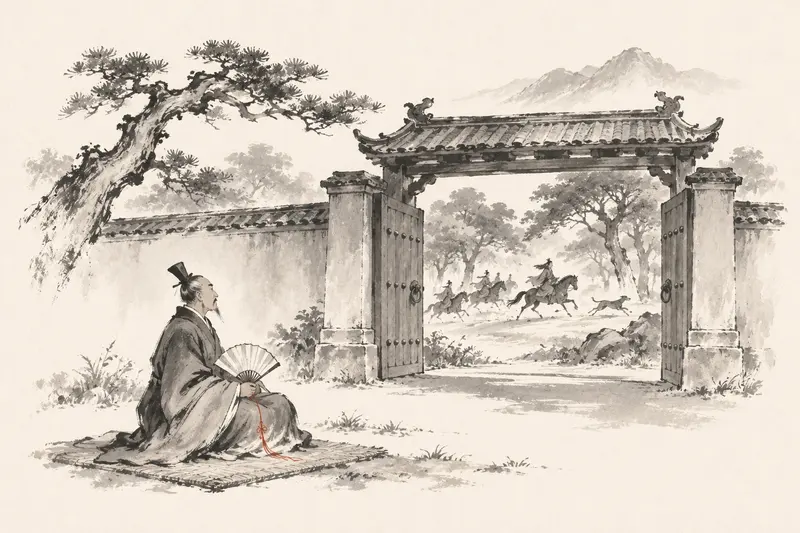
魯相初到,民自言相,訟王取其財物百餘人。田叔取其渠率二十人,各笞五十,餘各搏二十,怒之曰:「王非若主邪?何自敢言若主!」魯王聞之大慚,發中府錢,使相償之。相曰:「王自奪之,使相償之,是王為惡而相為善也。相毋與償之。」於是王乃盡償之。魯王好獵,相常從入苑中,王輒休相就館舍,相出,常暴坐待王苑外。王數使人請相休,終不休,曰:「我王暴露苑中,我獨何為就舍!」魯王以故不大出游。
書き下し文
魯の相初めて到るや、民自ら相に言い、王の其の財物を取るを訟うる者百余人。田叔其の渠率二十人を取り、各々笞うつこと五十、余は各々搏つこと二十、之を怒りて曰く、「王は若の主に非ずや。何ぞ自ら敢えて若の主を言う」と。魯王之を聞きて大いに慚じ、中府の銭を発し、相をして之を償わしむ。相曰く、「王自ら之を奪い、相をして之を償わしむ。是れ王悪を為して相善を為すなり。相与に之を償うこと毋し」と。是に於いて王乃ち尽く之を償う。魯王猟を好む。相常に従いて苑中に入る。王輒ち相を休ませて館舎に就かしむ。相出でて、常に暴坐して王を苑の外に待つ。王数々人をして相に休まんことを請わしむるも、終に休まず。曰く、「我が王苑中に暴露す。我独り何為れぞ舎に就かん」と。魯王故を以て大いに出游せず。
現代語訳
田叔が魯の相として着任したばかりのとき、民が自分から相のもとへ来て、魯王に財産を取られたと訴えた者が百人あまりいた。田叔はその首謀者二十人を捕らえて、それぞれ五十回むちで打ち、残りの者もそれぞれ二十回打って、怒って言った。「王はおまえたちの主君ではないか。どうして自分の主君を訴えたりするのか」。魯王はこれを聞いてたいへん恥じ入り、王室の蔵の銭を出して、相に民へ償わせようとした。田叔は言った。「王が自分で奪っておいて、相に償わせれば、王が悪いことをして、相がよいことをすることになります。わたしは償いに関わりません」。そこで王は自分ですべて償った。魯王は狩りが好きだった。田叔はいつも王について御苑に入ったが、王はそのたびに田叔を休ませて、宿舎で休ませようとした。田叔は御苑を出ると、いつも日にさらされて座り、外で王を待っていた。王が何度も人をやって休むよう勧めても、田叔は最後まで休まず、こう言った。「わが王が御苑で日にさらされているのに、わたしだけ宿舎で休んでいられるものか」。魯王はそのため、あまり遊びに出かけなくなった。
英訳
When the new chancellor first reached Lu, more than a hundred of the people came to him on their own to complain that the king had taken their property. Tian Shu took the twenty ringleaders and gave each of them fifty strokes, and gave the rest twenty blows each, and said to them angrily: "Is the king not your lord? How dare you accuse your own lord!" When the King of Lu heard of it he was deeply ashamed; he brought out money from his own treasury and asked the chancellor to repay the people. The chancellor said: "If the king takes it himself and has the chancellor repay it, then the king does the wrong and the chancellor gets the credit. I will have nothing to do with repaying it." So the king repaid it all himself. The King of Lu loved hunting. The chancellor always went with him into the park, and each time the king told him to go and rest in the lodge. But the chancellor would go out and sit in the open, waiting for the king outside the park. The king kept sending people to beg him to rest, but he never would. "My king is out in the open in the park," he said. "Why should I alone go indoors?" And so the King of Lu seldom went out to hunt.
解説(日)
- 魯王: 景帝の子、魯の共王劉余。宮殿を広げようとして孔子の旧宅をこわし、壁から古い書物が出てきた話でも知られる。
- 田叔は民を罰しながら、王に自分で償わせることで、王に恥を知らせた。
- 暴坐: 日なたや雨風の中に座ること。
解説(英)
- The King of Lu: Liu Yu, King Gong of Lu, a son of Emperor Jing, known also for pulling down Confucius's old house, in whose walls ancient books were found.
- By punishing the people yet making the king repay them himself, Tian Shu shamed the king into mending his ways.
- Sitting in the open (暴坐): exposed to sun and weather.
英語の語注
- ringleader/ˈrɪŋliːdər/noun
a person who leads others in doing wrong
本文では: “the twenty ringleaders”
似た語と違い: instigator — one who starts trouble · leader — one who leads
- repay/rɪˈpeɪ/verb
to pay back money
本文では: “asked the chancellor to repay the people”
似た語と違い: refund — give money back · compensate — make up for a loss
節 6
原文
數年,叔以官卒,魯以百金祠,少子仁不受也,曰:「不以百金傷先人名。」仁以壯健為衛將軍舍人,數從擊匈奴。衛將軍進言仁,仁為郎中。數歲,為二千石丞相長史,失官。其後使刺舉三河。上東巡,仁奏事有辭,上說,拜為京輔都尉。月餘,上遷拜為司直。數歲,坐太子事。時左相自將兵,令司直田仁主閉守城門,坐縱太子,下吏誅死。仁發兵,長陵令車千秋上變仁,仁族死。陘城今在中山國。
書き下し文
数年、叔官を以て卒す。魯百金を以て祠る。少子仁受けざるなり。曰く、「百金を以て先人の名を傷つけず」と。仁壮健を以て衛将軍の舎人と為り、数々従いて匈奴を撃つ。衛将軍仁を進言し、仁郎中と為る。数歳、二千石の丞相長史と為り、官を失う。其の後三河を刺挙せしむ。上東巡し、仁事を奏して辞有り。上説び、拝して京輔都尉と為す。月余、上遷して拝して司直と為す。数歳、太子の事に坐す。時に左相自ら兵を将い、司直田仁をして城門を閉守するを主らしむ。太子を縦すに坐して、吏に下され誅死す。仁兵を発し、長陵の令車千秋仁を上変し、仁族死す。陘城は今中山国に在り。
現代語訳
数年後、田叔は魯の相のまま亡くなった。魯は百金を出して弔おうとしたが、末の子の田仁は受け取らず、「百金のために父の名を傷つけることはしません」と言った。田仁は体が丈夫で力が強かったので、衛将軍(衛青)の家来となり、たびたび衛将軍に従って匈奴を攻めた。衛将軍が田仁を推薦し、田仁は郎中となった。数年後、二千石の丞相長史となったが、官を失った。その後、三河の地方を見回って役人の不正を取り締まる役を命じられた。武帝が東へ巡幸したとき、田仁は報告をして筋の通った意見を述べたので、武帝は喜び、京輔都尉に任じ、ひと月あまりで司直に上げた。数年後、田仁は太子の事件で罪に問われた。そのとき左丞相が自ら兵を率い、司直の田仁に都の城門を閉めて守る役をまかせた。田仁は太子を逃がした罪で役人に引き渡され、殺された。田仁が兵を出したとして、長陵の県令の車千秋が田仁の謀反を訴え、田仁の一族は皆殺しになった。陘城は、いまは中山国にある。
英訳
Some years later Tian Shu died in office. Lu offered a hundred pieces of gold for his funeral rites, but his youngest son, Tian Ren, would not accept it. "I will not stain my father's name for a hundred pieces of gold," he said. Tian Ren, being strong and sturdy, became a retainer of General Wei and went with him several times against the Xiongnu. General Wei recommended him, and he became a gentleman of the palace. After some years he became chief clerk to the chancellor, a post of two thousand piculs, and then lost it. Later he was sent to inspect and report on the Three He commanderies. When the emperor toured the east, Tian Ren reported on affairs and spoke well, and the emperor, pleased, made him Commandant of the Capital Region; a month or so later he promoted him to Director of Rectitude. Some years later Tian Ren was caught up in the affair of the crown prince. The Chancellor of the Left was leading troops himself, and put Tian Ren, as Director of Rectitude, in charge of closing and guarding the city gates. Tian Ren was charged with letting the crown prince escape, handed over to the officers and put to death. Because he had called out troops, Che Qianqiu, magistrate of Changling, reported him for treason, and his whole clan was put to death. Xingcheng is now in the kingdom of Zhongshan.
解説(日)
- 衛将軍: 衛青(111-wei-huo の章)。
- 太子の事: 前91年、武帝の太子劉據が、呪いの疑いをかけられて兵を挙げた事件(巫蠱の乱)。太子は都を出て、のちに自殺した。
- 車千秋: この事件のあと、太子の無実を訴えて武帝に認められ、丞相となった人。
- 司直: 丞相の下で、役人の不正を取り締まる役。
解説(英)
- General Wei: Wei Qing (chapter 111).
- The affair of the crown prince: in 91 BC Liu Ju, Emperor Wu's heir, accused of witchcraft, took up arms; he fled the capital and later killed himself.
- Che Qianqiu: the man who, after the affair, pleaded the prince's innocence, won Emperor Wu's favour and became chancellor.
- Director of Rectitude (司直): an officer under the chancellor who checked official wrongdoing.
英語の語注
- stain/steɪn/verb
to spoil someone's good name
本文では: “I will not stain my father's name”
似た語と違い: tarnish — make less bright or good · sully — spoil; formal
- sturdy/ˈstɜːrdi/adjective
strong and solid
本文では: “being strong and sturdy”
似た語と違い: robust — strong and healthy · hardy — tough
節 7
原文
太史公曰:孔子稱曰「居是國必聞其政」,田叔之謂乎!義不忘賢,明主之美以救過。仁與余善,余故并論之。
書き下し文
太史公曰く、孔子称して曰く「是の国に居れば必ず其の政を聞く」と。田叔の謂いか。義もて賢を忘れず、主の美を明らかにして以て過ちを救う。仁余と善し。余故に并せて之を論ず。
現代語訳
太史公は言う。孔子は「どの国に行っても、必ずその国の政治にかかわる相談を受ける」と言われた。田叔こそ、そういう人ではないだろうか。正しい道を守って、優れた人(孟舒)を忘れず、主君のよいところを明らかにして、あやまちを救った。田仁はわたしと親しかった。だから、あわせて書いておく。
英訳
The Grand Historian says: Confucius said, "In whatever state he lives, he is sure to be consulted on its government." Does this not describe Tian Shu? Out of duty he did not forget a worthy man, and he made his lord's virtues shine so as to save him from his mistakes. Tian Ren was a friend of mine, and so I have written of him too.
解説(日)
- 「是の国に居れば必ず其の政を聞く」: 『論語』学而篇の言葉をふまえる。
- 仁余と善し: 司馬遷と田仁は親しかった。のちの第8〜10節に出てくる任安も、司馬遷の友人である。
解説(英)
- "In whatever state he lives…": based on a saying in the Analects (Xue Er).
- Tian Ren was Sima Qian's friend; so was Ren An, who appears in passages 8 to 10.
英語の語注
- consult/kənˈsʌlt/verb
to ask someone for advice
本文では: “he is sure to be consulted on its government”
似た語と違い: ask — request information · confer — discuss together
- virtue/ˈvɜːrtʃuː/noun
a good quality in a person
本文では: “made his lord's virtues shine”
似た語と違い: merit — a good quality · goodness — being good
節 8
原文
褚先生曰:臣為郎時,聞之曰田仁故與任安相善。任安,滎陽人也。少孤貧困,為人將車之長安,留,求事為小吏,未有因緣也,因占著名數。武功,扶風西界小邑也,谷口蜀道近山。安以為武功小邑,無豪,易高也,安留,代人為求盜亭父。後為亭長。邑中人民俱出獵,任安常為人分麋鹿雉兔,部署老小當壯劇易處,眾人皆喜,曰:「無傷也,任少卿分別平,有智略。」明日復合會,會者數百人。任少卿曰:「某子甲何為不來乎?」諸人皆怪其見之疾也。其後除為三老,舉為親民,出為三百石長,治民。坐上行出游共帳不辦,斥免。
書き下し文
褚先生曰く、臣郎為りし時、之を聞きて曰く田仁は故任安と相善し。任安は、滎陽の人なり。少くして孤にして貧困、人の為に車を将いて長安に之き、留まりて、事を求めて小吏と為らんとするも、未だ因縁有らざるなり。因りて名数を占著す。武功は、扶風の西界の小邑なり。谷口は蜀道の山に近し。安以為えらく武功は小邑にして、豪無く、高くし易きなりと。安留まり、人に代わりて求盗・亭父と為る。後に亭長と為る。邑中の人民倶に出でて猟す。任安常に人の為に麋鹿雉兔を分かち、老小の壮劇易の処に当たるを部署す。衆人皆喜びて曰く、「傷つくること無からん。任少卿の分別は平らかにして、智略有り」と。明日復た合会す。会する者数百人。任少卿曰く、「某子甲何為れぞ来たらざるや」と。諸人皆其の之を見ることの疾きを怪しむ。其の後除せられて三老と為り、挙げられて親民と為り、出でて三百石の長と為り、民を治む。上の行きて出游するに共帳辦ぜざるに坐して、斥けられて免ぜらる。
現代語訳
褚先生は言う。わたしが郎だったころ、田仁がもとから任安と仲がよかったと聞いた。任安は滎陽の人である。幼くして父を亡くし、貧しかった。人に雇われて車を引いて長安へ行き、そのまま残って小役人の仕事を探したが、つてがなかった。そこで戸籍を武功に移した。武功は扶風の西のはずれの小さな町で、谷口は蜀へ通じる道の山に近い。任安は、武功は小さな町で有力者もいないから、出世しやすいだろうと考えたのである。任安はそこにとどまり、人の代わりに盗賊を捕らえる役や亭の雑用係をつとめ、のちに亭長になった。町の人々が皆で狩りに出かけると、任安はいつも人々のために、大鹿・鹿・キジ・ウサギを分け、年寄りや子ども、元気な者を、きつい場所と楽な場所に割りふった。人々は皆喜んで言った。「これなら文句はない。任少卿の分け方は公平で、知恵がある」。翌日また集まったとき、集まった者は数百人いた。任少卿が「どこそこの甲さんは、どうして来ていないのか」と言うと、人々は皆、任安がすぐに見分けたことに驚いた。その後、任安は三老に任じられ、民の世話をする役に選ばれ、やがて三百石の県の長となって民を治めた。しかし、天子が出かけて遊んだときに、とばりなどの用意が整っていなかった罪で、退けられて罷免された。
英訳
Master Chu says: When I was a gentleman of the palace, I heard that Tian Ren had long been a friend of Ren An. Ren An was a man of Xingyang. Orphaned young and poor, he drove a cart to Chang'an for someone, stayed on and looked for work as a minor clerk, but had no connections. So he had himself registered at Wugong. Wugong was a small town on the western edge of Fufeng; Gukou was near the mountains on the road to Shu. Ren An thought that Wugong, being small and without powerful families, would be an easy place to rise. He stayed there, standing in for others as a thief-catcher and post-station hand, and later became head of the post station. When the townspeople all went out hunting together, Ren An always divided up the deer, elk, pheasants and hares for them, and set the old, the young and the strong to the hard or easy places. Everyone was pleased and said: "No harm done; Ren Shaoqing divides things fairly, and he has sense." The next day they gathered again, several hundred of them, and Ren Shaoqing said, "Why hasn't so-and-so come?" Everyone was amazed at how quickly he had seen it. Later he was made an elder of the community, chosen to look after the people, and sent out as head of a county of three hundred piculs. But when the emperor went out on an excursion and the tents and furnishings were not ready, he was blamed, removed and dismissed.
解説(日)
- 褚先生: 前漢後期の学者褚少孫。『史記』の欠けた部分を補った。
- 任安: 字は少卿。司馬遷が死を前にした任安に送った手紙「報任安書(任少卿に報ずる書)」で知られる。
- 亭長: 宿場や村の治安を受け持つ小役人。高祖も若いころ泗水の亭長だった。
- 三老: 村や県で、民を教え導く年長の役。
解説(英)
- Master Chu: Chu Shaosun, a scholar of the later Western Han who filled gaps in the Shiji.
- Ren An: courtesy name Shaoqing, the friend to whom Sima Qian wrote his famous "Letter in Reply to Ren An" as Ren An awaited death.
- Head of the post station (亭長): a minor officer keeping order in a village or station; Gaozu held the post at Sishui as a young man.
- Elder (三老): a senior man charged with guiding the people of a village or county.
英語の語注
- orphaned/ˈɔːrfənd/adjective
having lost one's parents
本文では: “Orphaned young and poor”
似た語と違い: parentless — without parents · fatherless — without a father
- connection/kəˈnɛkʃən/noun
a person you know who can help you
本文では: “had no connections”
似た語と違い: contact — someone you know · tie — a link between people
節 9
原文
乃為衛將軍舍人,與田仁會,俱為舍人,居門下,同心相愛。此二人家貧,無錢用以事將軍家監,家監使養惡齧馬。兩人同床臥,仁竊言曰:「不知人哉家監也!」任安曰:「將軍尚不知人,何乃家監也!」衛將軍從此兩人過平陽主,主家令兩人與騎奴同席而食,此二子拔刀列斷席別坐。主家皆怪而惡之,莫敢呵。其後有詔募擇衛將軍舍人以為郎,將軍取舍人中富給者,令具鞌馬絳衣玉具劍,欲入奏之。會賢大夫少府趙禹來過衛將軍,將軍呼所舉舍人以示趙禹。趙禹以次問之,十餘人無一人習事有智略者。趙禹曰:「吾聞之,將門之下必有將類。傳曰『不知其君視其所使,不知其子視其所友』。今有詔舉將軍舍人者,欲以觀將軍而能得賢者文武之士也。今徒取盎人子上之,又無智略,如木偶人衣之綺繡耳,將柰之何?」於是趙禹悉召衛將軍舍人百餘人,以次問之,得田仁、任安,曰:「獨此兩人可耳,餘無可用者。」衛將軍見此兩人貧,意不平。趙禹去,謂兩人曰:「各自具樾象絳衣。」兩人對曰:「家貧無用具也。」將軍怒曰:「今兩君家自為貧,何為出此言?鞅鞅如有移德於我者,何也?」將軍不得已,上籍以聞。有詔召見衛將軍舍人,此二人前見,詔問能略相推第也。田仁對曰;「提桴鼓立軍門,使士大夫樂死戰鬬,仁不及任安。」任安對曰:「夫決嫌疑,定是非,辯治官,使百姓無怨心,安不及仁也。」武帝大笑曰:「善。」使任安護北軍,使田仁護邊田穀於河上。此兩人立名天下。
書き下し文
乃ち衛将軍の舎人と為り、田仁と会し、倶に舎人と為りて、門下に居り、心を同じくして相愛す。此の二人家貧しく、銭の用いて以て将軍の家監に事うる無し。家監悪齧の馬を養わしむ。両人床を同じくして臥す。仁窃かに言いて曰く、「人を知らざるかな家監や」と。任安曰く、「将軍すら尚お人を知らず。何ぞ乃ち家監をや」と。衛将軍此の両人を従えて平陽主を過る。主家両人をして騎奴と席を同じくして食わしむ。此の二子刀を抜きて席を列断して別に坐す。主家皆怪しみて之を悪むも、敢えて呵する莫し。其の後詔有りて衛将軍の舎人を募択して以て郎と為さんとす。将軍舎人中の富給なる者を取り、鞍馬・絳衣・玉具の剣を具えしめ、入りて之を奏せんと欲す。会々賢大夫少府趙禹来たりて衛将軍を過る。将軍挙ぐる所の舎人を呼びて以て趙禹に示す。趙禹次を以て之に問う。十余人一人も事に習い智略有る者無し。趙禹曰く、「吾之を聞く、将門の下には必ず将の類有りと。伝に曰く『其の君を知らずんば其の使う所を視よ。其の子を知らずんば其の友とする所を視よ』と。今詔有りて将軍の舎人を挙ぐるは、以て将軍の能く賢者文武の士を得るかを観んと欲するなり。今徒らに富人の子を取りて之を上るも、又た智略無く、木偶人の之に綺繡を衣するが如きのみ。将に之を奈何せんとす」と。是に於いて趙禹悉く衛将軍の舎人百余人を召し、次を以て之に問い、田仁・任安を得て、曰く、「独り此の両人のみ可なり。余は用うべき者無し」と。衛将軍此の両人の貧しきを見て、意平らかならず。趙禹去る。両人に謂いて曰く、「各々自ら鞍馬・絳衣を具えよ」と。両人対えて曰く、「家貧しくして用て具うる無きなり」と。将軍怒りて曰く、「今両君の家自ら貧しと為す。何為れぞ此の言を出だす。鞅鞅として我に徳を移す者有るが如きは、何ぞや」と。将軍已むを得ず、籍を上りて以て聞す。詔有りて衛将軍の舎人を召見す。此の二人前みて見ゆ。詔して能く略々相推第するかを問う。田仁対えて曰く、「桴鼓を提げて軍門に立ち、士大夫をして死を楽しみて戦闘せしむるは、仁任安に及ばず」と。任安対えて曰く、「夫れ嫌疑を決し、是非を定め、治官を弁じ、百姓をして怨む心無からしむるは、安仁に及ばざるなり」と。武帝大いに笑いて曰く、「善し」と。任安をして北軍を護らしめ、田仁をして辺の田穀を河上に護らしむ。此の両人名を天下に立つ。
現代語訳
そこで任安は衛将軍(衛青)の家来となり、そこで田仁と出会った。二人とも家来として将軍の屋敷にいて、心を同じくし、仲よくなった。二人とも家が貧しく、将軍家の執事にわたす付け届けの金もなかったので、執事は二人に、人にかみつくたちの悪い馬の世話をさせた。二人が同じ寝台で寝ていたとき、田仁がこっそり言った。「人を見る目がないな、あの執事は」。任安は言った。「将軍でさえ人を見る目がないのだ。執事などなおさらだ」。あるとき衛将軍が二人を連れて平陽公主の屋敷を訪ねると、公主の家の者は、二人を馬の世話をする奴隷と同じ敷物で食事させた。二人は刀を抜いて敷物を切り分け、別に座った。公主の家の者は皆あやしんで嫌ったが、とがめる者はいなかった。のちに詔が出て、衛将軍の家来から人を選んで郎にすることになった。将軍は家来のなかの金持ちの者を選び、鞍をつけた馬、赤い衣、玉で飾った剣をそろえさせて、宮中に推薦しようとした。ちょうどそのとき、賢い大夫として知られた少府の趙禹が衛将軍を訪ねてきた。将軍は推薦する家来たちを呼んで趙禹に見せた。趙禹は順にたずねていったが、十数人のなかに、仕事に通じ、知恵のある者は一人もいなかった。趙禹は言った。「将軍の家には、必ず将軍にふさわしい人物がいると聞いています。古い書物に『その君主がわからなければ、その使う者を見よ。その子がわからなければ、その友を見よ』とあります。いま詔で将軍の家来を推薦させるのは、将軍が文武に優れた賢い人を手に入れられるかどうかを見るためです。いたずらに金持ちの子を選んで推薦しても、知恵がなければ、木の人形に綾や錦を着せたようなもの。どうするおつもりですか」。そこで趙禹は衛将軍の家来百人あまりを全員呼んで、順にたずね、田仁と任安を見つけて言った。「この二人だけがよい。ほかに使える者はいません」。衛将軍は二人が貧しいのを見て、おもしろくなかった。趙禹が帰ると、将軍は二人に言った。「それぞれ自分で鞍をつけた馬と赤い衣をそろえよ」。二人は答えた。「家が貧しくて、そろえる金がありません」。将軍は怒って言った。「おまえたちの家が貧しいのは、おまえたち自身のせいだ。なぜそんなことを言う。まるでわたしに恩を着せようとでもいうように、不満そうな顔をしているのは、どういうことだ」。将軍はしかたなく、名簿を差し出して天子に申し上げた。詔があって、衛将軍の家来たちが天子に会うことになった。二人が進み出ると、武帝は、互いにどちらが何に優れているか言えるかとたずねた。田仁は答えた。「ばちと太鼓を持って軍営の門に立ち、兵士たちを喜んで死ぬまで戦わせることでは、わたしは任安に及びません」。任安は答えた。「疑わしいことを決め、正しいか間違っているかを定め、役人の仕事を見分けて、民に恨む心を持たせないことでは、わたしは田仁に及びません」。武帝は大いに笑って「よろしい」と言い、任安に北軍を監督させ、田仁に黄河のほとりで国境の田畑と穀物を守らせた。この二人は、天下に名を知られるようになった。
英訳
Then Ren An became a retainer of General Wei and met Tian Ren there. Both were retainers living in the general's household, and they became close friends of one mind. Both were poor and had no money to win over the general's steward, so the steward set them to look after a vicious, biting horse. As they lay side by side on the same bed, Tian Ren whispered: "That steward has no eye for men!" Ren An said: "Even the general has no eye for men, let alone his steward!" Once General Wei took the two of them with him to call on the Princess of Pingyang, and her household had them eat on the same mat as the grooms. The two drew their swords, cut the mat in two and sat apart. Her household all thought it strange and disliked them, but no one dared scold them. Later a decree called for the selection of some of General Wei's retainers to become gentlemen of the palace. The general chose the rich ones and had them fit themselves out with saddled horses, red robes and jade-fitted swords, meaning to present them at court. Just then Zhao Yu, the wise Privy Treasurer, came to call on the general, and the general summoned the retainers he had picked to show them to him. Zhao Yu questioned them one after another, and among the dozen or so not one knew his business or had any sense. Zhao Yu said: "I have heard that at a general's gate there are always men of a general's kind. The book says, 'If you do not know the lord, look at those he employs; if you do not know the son, look at his friends.' The decree asking for your retainers is meant to see whether you can find worthy men of letters and of arms. To pick rich men's sons and send them up, with no sense in them, is like dressing wooden dolls in silk and brocade. What do you mean to do?" So Zhao Yu called in all of General Wei's hundred-odd retainers and questioned them one by one, and found Tian Ren and Ren An. "Only these two will do," he said. "None of the rest are any use." General Wei saw how poor the two were and was not pleased. When Zhao Yu had gone, he said to them: "Each of you fit yourselves out with a saddled horse and red robes." "Our families are poor; we have nothing to buy them with," they answered. The general said angrily: "If your families are poor, that is your own doing. Why say such a thing? Why sulk as if I owed you something?" Having no choice, the general sent up the list. A decree summoned General Wei's retainers to an audience, and the two came forward. The emperor asked whether they could judge each other's strengths. Tian Ren answered: "To take up the drumstick and stand at the camp gate, and make officers and men glad to fight to the death — in that I am not the equal of Ren An." Ren An answered: "To settle doubts, decide right and wrong, sort out the work of officials and leave the people with no grievance — in that I am not the equal of Tian Ren." Emperor Wu laughed heartily and said, "Good." He put Ren An in charge of the Northern Army and set Tian Ren to guard the frontier farms and granaries along the Yellow River. The two of them made their names known across the realm.
解説(日)
- 平陽主: 武帝の姉の平陽公主。衛青はもと平陽公主の家の奴隷で、のちに公主の夫となった。
- 趙禹: 張湯とともに法律を作った役人(122-kuli の章)。
- 木偶人: 木の人形。見かけだけで中身のない人のたとえ。
- 北軍: 都の長安を守る軍。
解説(英)
- The Princess of Pingyang: Emperor Wu's elder sister; Wei Qing had once been a slave in her household, and later became her husband.
- Zhao Yu: the official who drew up the laws with Zhang Tang (chapter 122).
- A wooden doll (木偶人): someone with looks but no substance.
- The Northern Army: the troops guarding the capital, Chang'an.
英語の語注
- vicious/ˈvɪʃəs/adjective
violent and dangerous
本文では: “a vicious, biting horse”
似た語と違い: savage — fierce and cruel · fierce — violent and angry
- sulk/sʌlk/verb
to be silent and bad-tempered because you are annoyed
本文では: “Why sulk as if I owed you something”
似た語と違い: pout — push out the lips in annoyance · brood — think unhappily
節 10
原文
是時任安為北軍使者護軍,太子立車北軍南門外,召任安,與節令發兵。安拜受節,入,閉門不出。武帝聞之,以為任安為詳邪,不傅事,何也?任安笞辱北軍錢官小吏,小吏上書言之,以為受太子節,言「幸與我其鮮好者」。書上聞,武帝曰:「是老吏也,見兵事起,欲坐觀成敗,見勝者欲合從之,有兩心。安有當死之罪甚眾,吾常活之,今懷詐,有不忠之心。」下安吏,誅死。夫月滿則虧,物盛則衰,天地之常也。知進而不知退,久乘富貴,禍積為祟。故范蠡之去越,辭不受官位,名傳後世,萬歲不忘,豈可及哉!後進者慎戒之。
書き下し文
是の時任安北軍の使者護軍為り。太子車を北軍の南門の外に立て、任安を召し、節を与えて兵を発せしむ。安拝して節を受け、入りて、門を閉じて出でず。武帝之を聞き、以為えらく任安は詳りて邪なり、事に傅かざるは、何ぞや、と。任安北軍の銭官の小吏を笞辱す。小吏上書して之を言い、以て太子の節を受け、「幸いに我に其の鮮好なる者を与えよ」と言いしとす。書上りて聞す。武帝曰く、「是れ老吏なり。兵事の起こるを見て、坐して成敗を観んと欲し、勝つ者を見て合して之に従わんと欲す。両心有り。安当に死すべきの罪有ること甚だ衆きも、吾常に之を活かす。今詐を懐き、不忠の心有り」と。安を吏に下し、誅死す。夫れ月満つれば則ち虧け、物盛んなれば則ち衰うるは、天地の常なり。進むを知りて退くを知らず、久しく富貴に乗ずれば、禍積もりて祟りを為す。故に范蠡の越を去るや、辞して官位を受けず、名後世に伝わりて、万歳忘れられず。豈に及ぶべけんや。後に進む者は慎みて之を戒めよ。
現代語訳
このとき任安は、北軍の監督の役についていた。太子は北軍の南門の外に車を止めて任安を呼び、兵を出せという命令のしるしの割符を渡した。任安はうやうやしく割符を受け取ったが、門の中へ入ると、門を閉ざして出てこなかった。武帝はこれを聞いて、任安は従うふりをしてよこしまな考えを持ち、どちらにもつかなかったのはなぜかと疑った。任安は以前、北軍の会計係の小役人をむちで打って辱めたことがあった。その小役人が上書して、任安は太子の割符を受け取って「どうかわたしに上等の兵をください」と言ったと訴えた。この書が武帝に届くと、武帝は言った。「これは年季の入った役人だ。兵乱が起きたのを見て、座って勝ち負けを見ていようとし、勝ったほうについて従おうとしたのだ。二心がある。任安には死罪にあたる罪がとても多かったが、わたしはいつも生かしてやった。それなのにいま偽りを抱き、不忠の心を持った」。任安は役人に引き渡され、殺された。月は満ちれば欠け、物は盛んになれば衰える。それが天地の常である。進むことを知って退くことを知らず、いつまでも富と高い位に乗っていると、災いが積もってたたりとなる。だから范蠡が越を去ったとき、官位を辞退して受けず、その名は後の世に伝わって、いつまでも忘れられない。誰がこれに及べようか。後に続く者は、よくつつしんで戒めとせよ。
英訳
At this time Ren An was the envoy supervising the Northern Army. The crown prince stopped his carriage outside the south gate of the Northern Army, summoned Ren An and gave him a tally ordering him to call out the troops. Ren An bowed and received the tally, went in, shut the gate and did not come out. When Emperor Wu heard of it, he suspected that Ren An had only pretended and had wicked intentions — why else had he taken neither side? Ren An had once flogged and humiliated a petty clerk in the Northern Army's pay office, and the clerk sent up a letter saying that Ren An had taken the crown prince's tally and said, "Kindly give me the best of the troops." When the letter reached the emperor, he said: "This is an old hand at office. Seeing armed trouble break out, he meant to sit and watch who would win, and then join the winner. He was double-hearted. Ren An has committed many crimes that deserved death, and I always let him live. Now he harbours deceit and disloyalty." Ren An was handed over to the officers and put to death. The moon wanes when it is full; things decline when they flourish: that is the constant way of Heaven and Earth. One who knows how to advance but not how to withdraw, and rides wealth and rank too long, piles up misfortune until it strikes him down. That is why, when Fan Li left Yue, he declined and would not take office, and his name has come down to later ages, never to be forgotten. Who could match him? Let those who come after take heed and beware.
解説(日)
- 節: 天子や太子の命令であることを示すしるし。
- 任安はこの罪で死刑を待つ身となった。司馬遷の「報任安書」は、このころ書かれたと考えられている。
- 「月満つれば則ち虧く」: 盛りを過ぎれば衰えるというたとえ。
- 范蠡: 越王句践に仕え、功を立てたあと国を去った(041-goujian の章)。
解説(英)
- Tally (節): a token proving that an order came from the emperor or the crown prince.
- Ren An awaited execution for this; Sima Qian's "Letter in Reply to Ren An" is thought to date from this time.
- "The moon wanes when it is full" (月滿則虧): whatever reaches its height must decline.
- Fan Li: the minister of Goujian of Yue who left the state after his success (chapter 041).
この節から生まれた言葉: 月満つれば則ち虧く
英語の語注
- tally/ˈtæli/noun
a token in two halves that proves an order is real
本文では: “gave him a tally”
似た語と違い: token — a sign or symbol · seal — a stamp that proves authority
- wane/weɪn/verb
to become smaller, as the moon does after it is full
本文では: “The moon wanes when it is full”
似た語と違い: shrink — become smaller · decline — become weaker