列伝 · 巻 85
呂不韋列伝 呂不韋列傳
呂不韋(奇貨居くべし) 奇貨可居
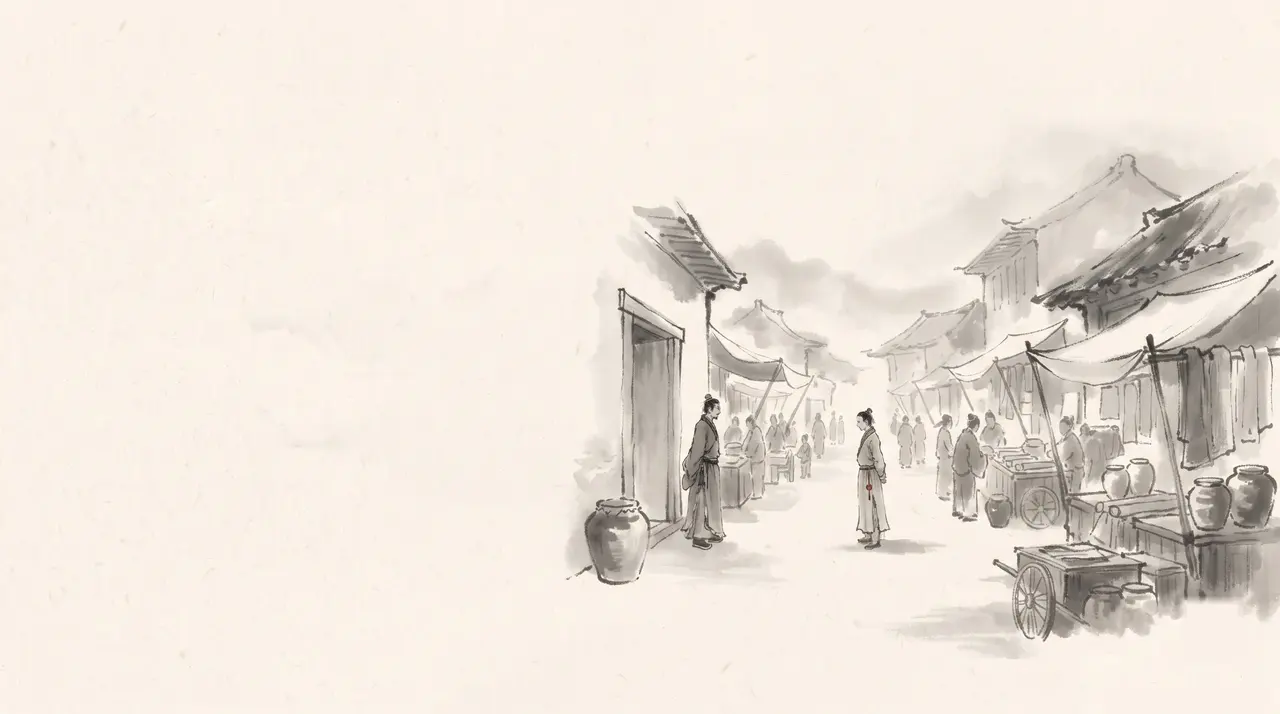
大商人の呂不韋は、趙の都の邯鄲で、秦の王族ながら人質として冷遇されていた子楚に目をつけ、「これは買っておくべき珍しい品だ」と言う。呂不韋は全財産をかけて秦に行き、子のない華陽夫人を動かして、子楚を跡継ぎに立てさせる。さらに自分の愛妾を子楚に差し出し、その女性が産んだ子が、のちの始皇帝の政である。子楚が王になると呂不韋は宰相となり、政の代には「仲父」と呼ばれて、三千人の客に『呂氏春秋』を編ませ、「一字でも直せたら千金を与える」と都の門に掲げた。しかし嫪毐の乱に連座して退けられ、最後は秦王に追いつめられて毒を飲む。
この巻のうち「呂不韋(奇貨居くべし)」の場面を載せています。巻の全文ではありません。
音声
音声は合成音声です。
動画
節 1
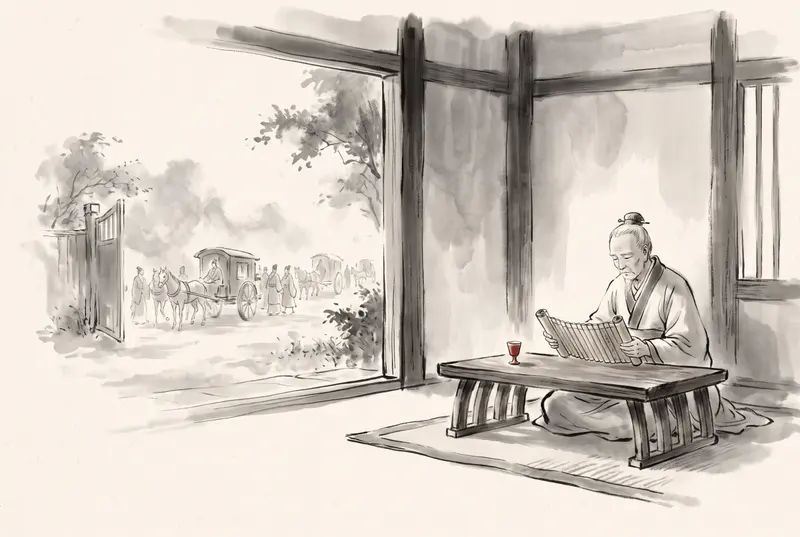
原文
呂不韋者,陽翟大賈人也。往來販賤賣貴,家累千金。秦昭王四十年,太子死。其四十二年,以其次子安國君為太子。安國君有子二十餘人。安國君有所甚愛姬,立以為正夫人,號曰華陽夫人。華陽夫人無子。安國君中男名子楚,子楚母曰夏姬,毋愛。子楚為秦質子於趙。秦數攻趙,趙不甚禮子楚。
書き下し文
呂不韋なる者は、陽翟の大賈人なり。往来して賤しきを販ぎ貴きを売り、家千金を累ぬ。秦の昭王の四十年、太子死す。其の四十二年、其の次子安国君を以て太子と為す。安国君に子二十余人有り。安国君甚だ愛する所の姫有り、立てて以て正夫人と為し、号して華陽夫人と曰う。華陽夫人子無し。安国君の中男の名は子楚、子楚の母を夏姫と曰い、愛せらるる毋し。子楚秦の質子と為りて趙に在り。秦数しば趙を攻む。趙甚だしくは子楚を礼せず。
現代語訳
呂不韋は、陽翟の大商人である。各地を行き来して、安く買って高く売り、家には千金もの財産をたくわえていた。秦の昭王の四十年に太子が亡くなり、四十二年に次男の安国君が太子に立てられた。安国君には二十人あまりの子がいた。安国君には深く愛する女性がいて、正夫人に立てて華陽夫人と呼んでいたが、華陽夫人には子がなかった。安国君の子のうち、兄弟の真ん中あたりの子楚という子がいて、母の夏姫は寵愛を受けていなかった。子楚は秦の人質として趙にいた。秦がたびたび趙を攻めたので、趙は子楚をあまり大切に扱わなかった。
英訳
Lü Buwei was a great merchant of Yangdi. He traveled about buying cheap and selling dear, and his family had piled up a fortune of a thousand gold. In the fortieth year of King Zhao of Qin, the crown prince died, and in the forty-second year the king made his second son, Lord Anguo, crown prince. Lord Anguo had more than twenty sons. He had a consort he loved dearly, whom he made his principal wife with the title Lady Huayang, but Lady Huayang had no children. One of Lord Anguo's middle sons was named Zichu. Zichu's mother, Lady Xia, was not loved. Zichu was living in Zhao as Qin's hostage. Because Qin kept attacking Zhao, Zhao did not treat Zichu with much respect.
解説(日)
- 呂不韋: 戦国時代末の商人・政治家(?〜前235年)。
- 陽翟: 今の河南省禹州市。韓の都だった商業の町。
- 販賤賣貴: 安く買って高く売る。
- 秦昭王四十年: 前267年。
- 安國君: のちの孝文王。
- 子楚: もとの名は異人。のちの荘襄王。始皇帝の父とされる。
- 質子: 人質の王子。国どうしの約束を守らせるために相手の国に預けた。
解説(英)
- Lü Buwei (d. 235 BCE): a merchant and statesman of the late Warring States.
- Yangdi: present-day Yuzhou in Henan, a trading city and once the capital of Hann.
- 販賤賣貴: buying cheap and selling dear.
- The fortieth year of King Zhao: 267 BCE.
- Lord Anguo: later King Xiaowen.
- Zichu: originally named Yiren; later King Zhuangxiang, said to be the First Emperor's father.
- 質子: a prince held as a hostage to guarantee an agreement between states.
英語の語注
- consort/ˈkɑnsɔrt/noun
the wife or partner of a king or prince
本文では: “He had a consort he loved dearly”
似た語と違い: spouse — a husband or wife · concubine — a woman living with a ruler without full marriage
- hostage/ˈhɑstɪdʒ/noun
a person kept by another state as a guarantee of a promise
本文では: “living in Zhao as Qin's hostage”
似た語と違い: captive — a person kept prisoner · pledge — something given as a promise
節 2
原文
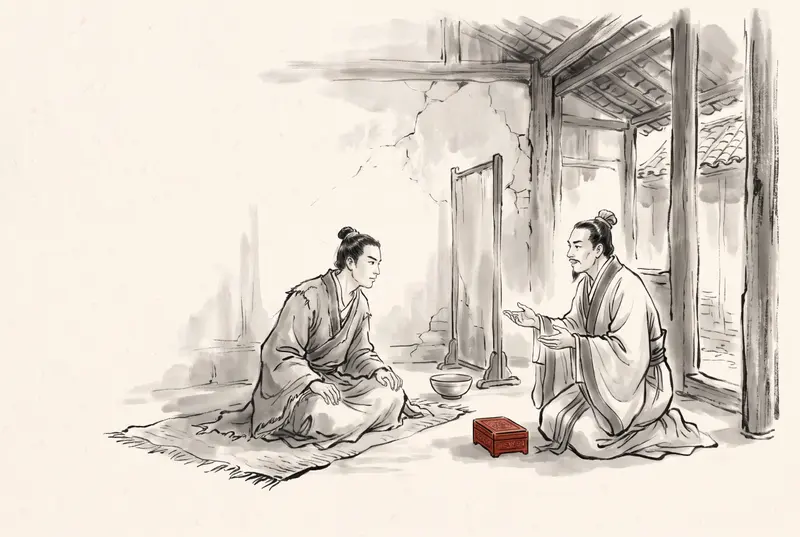
子楚,秦諸庶孽孫,質於諸侯,車乘進用不饒,居處困,不得意。呂不韋賈邯鄲,見而憐之,曰「此奇貨可居」。乃往見子楚,說曰:「吾能大子之門。」子楚笑曰:「且自大君之門,而乃大吾門!」呂不韋曰:「子不知也,吾門待子門而大。」子楚心知所謂,乃引與坐,深語。呂不韋曰:「秦王老矣,安國君得為太子。竊聞安國君愛幸華陽夫人,華陽夫人無子,能立適嗣者獨華陽夫人耳。今子兄弟二十餘人,子又居中,不甚見幸,久質諸侯。即大王薨,安國君立為王,則子毋幾得與長子及諸子旦暮在前者爭為太子矣。」子楚曰:「然。為之柰何?」呂不韋曰:「子貧,客於此,非有以奉獻於親及結賓客也。不韋雖貧,請以千金為子西游,事安國君及華陽夫人,立子為適嗣。」子楚乃頓首曰:「必如君策,請得分秦國與君共之。」
書き下し文
子楚は、秦の諸庶孽の孫にして、諸侯に質たり。車乗進用饒かならず、居処困しみて、意を得ず。呂不韋邯鄲に賈し、見て之を憐れみて曰く「此れ奇貨居くべし」と。乃ち往きて子楚に見え、説きて曰く、「吾能く子の門を大にせん」と。子楚笑いて曰く、「且く自ら君の門を大にせよ。而るに乃ち吾が門を大にせんとす」と。呂不韋曰く、「子知らざるなり。吾が門は子の門を待ちて大なり」と。子楚心に謂う所を知り、乃ち引きて与に坐し、深く語る。呂不韋曰く、「秦王老いたり。安国君太子と為るを得たり。竊かに聞く、安国君華陽夫人を愛幸し、華陽夫人子無し、能く適嗣を立つる者は独り華陽夫人のみ、と。今子の兄弟二十余人、子又中に居り、甚だしくは幸せられず、久しく諸侯に質たり。即し大王薨じ、安国君立ちて王と為らば、則ち子は長子及び諸子の旦暮前に在る者と争いて太子と為るを得ること幾ばくも毋からん」と。子楚曰く、「然り。之を為すこと柰何」と。呂不韋曰く、「子は貧しく、此に客たり。以て親に奉献し及び賓客を結ぶ有るに非ず。不韋貧しと雖も、請う千金を以て子の為に西游し、安国君及び華陽夫人に事え、子を立てて適嗣と為さん」と。子楚乃ち頓首して曰く、「必ず君の策の如くならば、請う秦国を分かちて君と之を共にするを得ん」と。
現代語訳
子楚は、秦王の多くの孫の一人で、しかも正妻以外の母から生まれた子であり、諸侯のもとへ人質に出されていた。車も使えるお金も乏しく、暮らしにも困って、気持ちの晴れない日々を送っていた。呂不韋は邯鄲で商売をしていたとき、子楚を見てあわれに思い、「これは買っておくべき珍しい品だ」と言った。そこで子楚を訪ねて説いた。「わたしなら、あなたの家を大きくしてさしあげられます」。子楚は笑って言った。「まずは自分の家を大きくしたらどうです。それなのに、わたしの家を大きくするとは」。呂不韋は言った。「あなたはおわかりでない。わたしの家は、あなたの家が大きくなるのを待って大きくなるのです」。子楚は呂不韋の言う意味がわかったので、そばに招いて座らせ、深く語り合った。呂不韋は言った。「秦王は年老い、安国君が太子になっています。うわさでは、安国君は華陽夫人を愛していますが、華陽夫人には子がなく、跡継ぎを立てられるのは華陽夫人だけだそうです。いまあなたの兄弟は二十人あまり、あなたはその真ん中で、あまりかわいがられておらず、長く人質に出されています。もし大王が亡くなって安国君が王になれば、あなたは、長男や、いつも父君のそばにいる兄弟たちと太子の座を争っても、まず勝ち目はありません」。子楚は言った。「そのとおりだ。どうしたらよいだろう」。呂不韋は言った。「あなたは貧しく、この国で客の身ですから、親に贈り物をしたり、客と付き合ったりするお金もありません。わたしは貧しいですが、千金を使ってあなたのために西の秦へ行き、安国君と華陽夫人に取り入って、あなたを跡継ぎに立てさせましょう」。子楚は頭を地につけて言った。「もしあなたの策のとおりになったら、秦の国を分けて、あなたとともに治めたい」。
英訳
Zichu, one of the many grandsons of the King of Qin by lesser wives, was a hostage among the lords. He had little in the way of carriages or spending money, lived in hardship and was unhappy. Lü Buwei, trading in Handan, saw him and pitied him, saying, "This is a rare treasure worth hoarding." So he went to see Zichu and said, "I can make your house great." Zichu laughed and said, "Make your own house great first, before you talk of making mine great!" Lü Buwei said, "You do not understand. My house will become great when your house does." Zichu understood what he meant, drew him to a seat and talked with him at length. Lü Buwei said, "The King of Qin is old, and Lord Anguo has become crown prince. I hear that Lord Anguo loves Lady Huayang, that Lady Huayang has no son, and that only Lady Huayang can choose the heir. Now you are one of more than twenty brothers, in the middle, not much favored, and a hostage abroad for a long time. If the king dies and Lord Anguo becomes king, you will have little chance against the eldest son and the brothers who are at his side day and night in the contest to become crown prince." "True," said Zichu. "What can be done?" Lü Buwei said, "You are poor and a guest here, with nothing to offer your parents or to win friends with. I am not rich, but let me go west for you with a thousand gold, serve Lord Anguo and Lady Huayang, and have you made heir." Zichu knocked his head on the ground and said, "If it goes as you plan, I will share the state of Qin with you."
解説(日)
- 庶孽: 正妻以外の女性から生まれた子。
- 車乘進用: 車や、使えるお金。
- 奇貨可居: 珍しい品物だから、買っておけば、あとで大もうけできる。よい機会は逃さず利用せよ、という意味の成語になった。
- 大子之門: あなたの家を大きくする。出世させる。
- 適嗣: 正式な跡継ぎ。「適」は「嫡」と同じ。
- 毋幾: ほとんどない。
- 頓首: 頭を地につけて礼をする。
解説(英)
- 庶孽: a son by a lesser wife.
- 車乘進用: carriages and spending money.
- 奇貨可居 ("a rare good worth hoarding"): buy it now and profit later; an idiom for seizing an opportunity.
- 大子之門: to make someone's house great, to raise him up.
- 適嗣: the official heir (適 is the same as 嫡).
- 毋幾: little or no chance.
- 頓首: to knock one's head on the ground.
この節から生まれた言葉: 奇貨居くべし
英語の語注
- hoard/hɔrd/verb
to collect and keep things, often secretly, for later
本文では: “a rare treasure worth hoarding”
似た語と違い: stockpile — collect a large supply · store up — keep for the future
- pity/ˈpɪti/verb
to feel sorry for someone
本文では: “saw him and pitied him”
似た語と違い: sympathize — share someone's feelings · feel for — feel sorry for
- at length/æt lɛŋkθ/phrase
for a long time, in detail
本文では: “talked with him at length”
似た語と違い: in detail — fully · for hours — for a long time
- contest/ˈkɑntɛst/noun
a competition or struggle to win something
本文では: “in the contest to become crown prince”
似た語と違い: competition — trying to win against others · rivalry — competition between rivals
- heir/ɛr/noun
a person who will receive a title or property when someone dies
本文では: “have you made heir”
似た語と違い: successor — one who comes after · crown prince — the heir to a throne
The h in heir is silent.
- knock/nɑk/verb
to hit something, here the head on the ground in a deep bow
本文では: “Zichu knocked his head on the ground”
似た語と違い: kowtow — bow with the head touching the ground · bow — bend the body forward
節 3
原文
呂不韋乃以五百金與子楚,為進用,結賓客;而復以五百金買奇物玩好,自奉而西游秦,求見華陽夫人姊,而皆以其物獻華陽夫人。因言子楚賢智,結諸侯賓客遍天下,常曰「楚也以夫人為天,日夜泣思太子及夫人」。夫人大喜。
書き下し文
呂不韋乃ち五百金を以て子楚に与え、進用と為し、賓客を結ばしむ。而して復た五百金を以て奇物玩好を買い、自ら奉じて西のかた秦に游び、華陽夫人の姊に見えんことを求め、而して皆其の物を以て華陽夫人に献ず。因りて子楚の賢智にして、諸侯の賓客を結ぶこと天下に遍く、常に曰う「楚や夫人を以て天と為し、日夜泣きて太子及び夫人を思う」と言う。夫人大いに喜ぶ。
現代語訳
呂不韋は五百金を子楚に与えて、暮らしの費用と客との付き合いに使わせた。さらに五百金で珍しい品物や美しい道具を買い、自らそれを持って西の秦へ行き、華陽夫人の姉に会って、品物をすべて華陽夫人に献上してもらった。そして、子楚は賢くて知恵があり、天下の諸侯の客たちと広く付き合っていること、いつも「わたしは夫人を天と仰ぎ、昼も夜も太子と夫人を思って泣いています」と言っていることを伝えた。夫人は大いに喜んだ。
英訳
Lü Buwei gave Zichu five hundred gold for his expenses and for making friends with guests. With another five hundred gold he bought rare objects and fine curios, carried them himself west to Qin, sought out Lady Huayang's elder sister, and had all his gifts presented to Lady Huayang. He told her how wise and able Zichu was, how he had made friends with guests of the lords all over the realm, and how he always said, "I look up to the lady as to Heaven, and I weep day and night thinking of the crown prince and the lady." The lady was delighted.
解説(日)
- 奇物玩好: 珍しい品物と、美しい道具や飾り物。
- 華陽夫人姊: 華陽夫人の姉。直接ではなく、身内を通して働きかけた。
- 以夫人為天: 夫人を天のように仰ぐ。
解説(英)
- 奇物玩好: rare objects and fine curios.
- Lady Huayang's elder sister: Lü Buwei worked through her family rather than approaching her directly.
- 以夫人為天: looking up to the lady as to Heaven.
英語の語注
- curio/ˈkjʊrioʊ/noun
a small, rare or unusual object people collect
本文では: “fine curios”
似た語と違い: ornament — a decorative object · antique — an old, valuable object
- delighted/dɪˈlaɪtɪd/adjective
very pleased
本文では: “The lady was delighted”
似た語と違い: thrilled — very excited and happy · overjoyed — extremely happy
節 4
原文
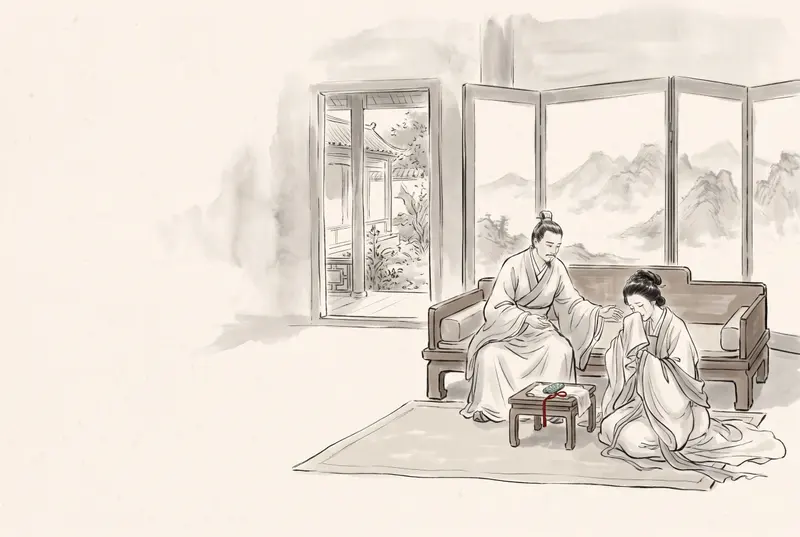
不韋因使其姊說夫人曰:「吾聞之,以色事人者,色衰而愛弛。今夫人事太子,甚愛而無子,不以此時蚤自結於諸子中賢孝者,舉立以為適而子之,夫在則重尊,夫百歲之後,所子者為王,終不失勢,此所謂一言而萬世之利也。不以繁華時樹本,即色衰愛弛後,雖欲開一語,尚可得乎?今子楚賢,而自知中男也,次不得為適,其母又不得幸,自附夫人,夫人誠以此時拔以為適,夫人則竟世有寵於秦矣。」華陽夫人以為然,承太子閒,從容言子楚質於趙者絕賢,來往者皆稱譽之。乃因涕泣曰:「妾幸得充後宮,不幸無子,願得子楚立以為適嗣,以讬妾身。」安國君許之,乃與夫人刻玉符,約以為適嗣。安國君及夫人因厚餽遺子楚,而請呂不韋傅之,子楚以此名譽益盛於諸侯。
書き下し文
不韋因りて其の姊をして夫人に説かしめて曰く、「吾之を聞く、色を以て人に事うる者は、色衰えて愛弛む、と。今夫人太子に事え、甚だ愛せらるるも子無し。此の時を以て蚤く自ら諸子の中の賢孝なる者に結び、挙げ立てて以て適と為して之を子とせずんば。夫在れば則ち重く尊ばれ、夫百歳の後、子とする所の者王と為らば、終に勢を失わず。此れ所謂一言にして万世の利なり。繁華の時を以て本を樹てずんば、即し色衰え愛弛むの後、一語を開かんと欲すと雖も、尚お得べけんや。今子楚は賢にして、自ら中男なるを知る。次は適と為るを得ず。其の母も又幸せらるるを得ず。自ら夫人に附く。夫人誠に此の時を以て抜きて以て適と為さば、夫人は則ち竟世秦に寵有らん」と。華陽夫人以て然りと為し、太子の間に承けて、従容として子楚の趙に質たる者絶だ賢にして、来往する者皆之を称誉すと言う。乃ち因りて涕泣して曰く、「妾幸いに後宮に充つるを得たるも、不幸にして子無し。願わくは子楚を得て立てて以て適嗣と為し、以て妾が身を託せん」と。安国君之を許し、乃ち夫人と玉符に刻み、約して以て適嗣と為す。安国君及び夫人因りて厚く子楚に餽遺し、而して呂不韋に請いて之に傅たらしむ。子楚此を以て名誉益ます諸侯に盛んなり。
現代語訳
呂不韋はさらに、華陽夫人の姉に夫人を説かせた。「美しさで人に仕える者は、美しさが衰えると愛も薄れると聞きます。いまあなたは太子にお仕えして深く愛されていますが、子がありません。いまのうちに、太子の子の中から賢くて親孝行な者と早く結んで、跡継ぎに立てて自分の子とすれば、夫が生きているうちは重んじられ、夫が亡くなったあとも、自分の子とした者が王になるので、勢いを失うことはありません。これこそ、ひと言で万代の利益を得るということです。花の盛りのうちに根を張っておかなければ、美しさが衰えて愛が薄れてから、ひと言口をきこうとしても、もうできないでしょう。いま子楚は賢く、自分が兄弟の真ん中で、順番では跡継ぎになれないことも、母が寵愛を受けていないこともわかっていて、自らあなたを頼りにしています。あなたがいま子楚を取り立てて跡継ぎにすれば、あなたは一生、秦で寵愛を受け続けられるでしょう」。華陽夫人はそのとおりだと思った。そして太子がくつろいでいるときを見計らって、趙で人質になっている子楚はたいへん賢く、行き来する人がみなほめていると、さりげなく話した。そして涙を流して言った。「わたしは幸いにも後宮に入ることができましたが、不幸にも子がありません。どうか子楚を跡継ぎに立てて、わたしの身を託させてください」。安国君はこれを許し、夫人とともに玉の割符に刻んで、子楚を跡継ぎとすることを約束した。安国君と夫人は子楚に手厚く贈り物をし、呂不韋に子楚の守り役を頼んだ。こうして子楚の名声は、ますます諸侯の間に高まった。
英訳
Then Lü Buwei had her sister persuade the lady: "I have heard that one who serves another with beauty finds that when beauty fades, love slackens. Now you serve the crown prince and are dearly loved, but you have no son. Why not take this moment to bind yourself early to one of his sons who is able and filial, raise him up as heir and make him your own son? While your husband lives you will be honored, and after he is gone, the son you adopted will be king, and you will never lose your place. That is what they call a single word that brings profit for ten thousand generations. If you do not put down roots while you are in full flower, then once your beauty fades and his love slackens, you will not be able to say a single word. Now Zichu is able, and he knows that as a middle son he cannot become heir by right of birth, and that his mother is not in favor. He has attached himself to you. If you raise him up as heir now, you will be favored in Qin for the rest of your life." Lady Huayang thought she was right. Choosing a moment when the crown prince was at leisure, she mentioned casually that Zichu, the hostage in Zhao, was exceptionally able, and that everyone who came and went praised him. Then she wept and said, "I have been fortunate to enter your household, but unfortunate to have no son. I beg you to make Zichu your heir, so that I may entrust myself to him." Lord Anguo agreed. He and the lady carved a jade tally and pledged to make Zichu heir. Lord Anguo and the lady then sent Zichu rich gifts and asked Lü Buwei to be his tutor, and Zichu's fame grew greater than ever among the lords.
解説(日)
- 以色事人者,色衰而愛弛: 美しさで人に仕える者は、美しさが衰えれば愛も薄れる。よく知られた言葉。
- 一言而萬世之利: ひと言で万代の利益を得る。
- 繁華時: 花の盛りのとき。若く美しいうち。
- 樹本: 根を張る。地位の土台を固める。
- 承太子閒: 太子がくつろいでいるときを見計らう。
- 玉符: 玉の割符。約束のしるし。
- 傅: 守り役。
解説(英)
- 以色事人者,色衰而愛弛: "One who serves with beauty is loved less when beauty fades," a well-known saying.
- 一言而萬世之利: a single word that brings profit for ten thousand generations.
- 繁華時: while in full flower, young and beautiful.
- 樹本: to put down roots, to secure one's position.
- 承太子閒: choosing a moment when the crown prince was at leisure.
- 玉符: a jade tally, a token of the pledge.
- 傅: a tutor or guardian.
英語の語注
- slacken/ˈslækən/verb
to become weaker or less
本文では: “when beauty fades, love slackens”
似た語と違い: wane — grow smaller or weaker · cool — become less warm or eager
- filial/ˈfɪliəl/adjective
showing the love and duty a child owes to parents
本文では: “able and filial”
似た語と違い: dutiful — doing what one should · devoted — very loving and loyal
- casually/ˈkæʒuəli/adverb
in a relaxed way, as if not important
本文では: “she mentioned casually”
似た語と違い: offhandedly — without seeming to care · in passing — briefly, while talking of other things
- pledge/plɛdʒ/verb
to promise seriously and formally
本文では: “pledged to make Zichu heir”
似た語と違い: vow — promise solemnly · swear — promise strongly
節 5
原文
呂不韋取邯鄲諸姬絕好善舞者與居,知有身。子楚從不韋飲,見而說之,因起為壽,請之。呂不韋怒,念業已破家為子楚,欲以釣奇,乃遂獻其姬。姬自匿有身,至大期時,生子政。子楚遂立姬為夫人。秦昭王五十年,使王齮圍邯鄲,急,趙欲殺子楚。子楚與呂不韋謀,行金六百斤予守者吏,得脫,亡赴秦軍,遂以得歸。趙欲殺子楚妻子,子楚夫人趙豪家女也,得匿,以故母子竟得活。秦昭王五十六年,薨,太子安國君立為王,華陽夫人為王后,子楚為太子。趙亦奉子楚夫人及子政歸秦。
書き下し文
呂不韋邯鄲の諸姫の絶好にして舞を善くする者を取りて与に居り、身有るを知る。子楚不韋に従いて飲み、見て之を説び、因りて起ちて寿を為し、之を請う。呂不韋怒るも、念うに業已に家を破りて子楚の為にし、以て奇を釣らんと欲す、と。乃ち遂に其の姫を献ず。姫自ら身有るを匿す。大期の時に至りて、子政を生む。子楚遂に姫を立てて夫人と為す。秦の昭王の五十年、王齮をして邯鄲を囲ましむ。急にして、趙子楚を殺さんと欲す。子楚呂不韋と謀り、金六百斤を行いて守る者の吏に予え、脱するを得、亡れて秦の軍に赴き、遂に以て帰るを得たり。趙子楚の妻子を殺さんと欲す。子楚の夫人は趙の豪家の女なり。匿るるを得て、故を以て母子竟に活くるを得たり。秦の昭王の五十六年、薨ず。太子安国君立ちて王と為り、華陽夫人王后と為り、子楚太子と為る。趙も亦た子楚の夫人及び子政を奉じて秦に帰す。
現代語訳
呂不韋は、邯鄲の女性たちの中でもとくに美しく踊りの上手な女性を選んで一緒に暮らしていたが、その女性が身ごもったことを知った。子楚が呂不韋の家で酒を飲んだとき、その女性を見て気に入り、立ち上がって呂不韋の長寿を祝う杯をささげ、彼女をゆずってほしいと願った。呂不韋は腹を立てたが、すでに家の財産をつぎこんで子楚のために尽くしているのは、大きなもうけを釣り上げるためだと思い直し、とうとうその女性を差し出した。女性は身ごもっていることを隠していた。月が満ちて、子の政が生まれた。子楚はその女性を夫人とした。秦の昭王の五十年、秦は王齮に邯鄲を包囲させた。情勢が切迫すると、趙は子楚を殺そうとした。子楚は呂不韋と相談し、見張りの役人に金六百斤をつかませて逃げ出し、秦の陣営に駆けこんで、ついに帰国することができた。趙は子楚の妻子を殺そうとしたが、子楚の夫人は趙の有力な家の娘だったので、かくまわれて、母と子はとうとう生きのびた。秦の昭王は五十六年に亡くなり、太子の安国君が王となって、華陽夫人は王后に、子楚は太子になった。趙も子楚の夫人と子の政を丁重に秦へ送り返した。
英訳
Lü Buwei had taken the most beautiful dancing girl in Handan to live with him, and he learned that she was pregnant. When Zichu was drinking with Lü Buwei, he saw her and was taken with her. He rose, drank to Lü Buwei's long life, and asked for her. Lü Buwei was angry, but remembering that he had already ruined his family for Zichu in hopes of landing a rare prize, he gave her to him. The girl concealed her pregnancy, and when her time came she bore a son, Zheng. Zichu made her his wife. In the fiftieth year of King Zhao of Qin, Wang Yi was sent to besiege Handan. When the situation grew desperate, Zhao meant to kill Zichu. Zichu and Lü Buwei made a plan, paid six hundred catties of gold to the officials guarding him, escaped, fled to the Qin army, and so got home. Zhao meant to kill Zichu's wife and son, but his wife was the daughter of a powerful family of Zhao and was able to hide, so mother and son survived. King Zhao of Qin died in his fifty-sixth year. The crown prince, Lord Anguo, became king, Lady Huayang became queen and Zichu became crown prince. Zhao too sent Zichu's wife and his son Zheng back to Qin with due honor.
解説(日)
- 有身: 身ごもる。
- 為壽: 長寿を祝って杯をささげる。
- 釣奇: 大きなもうけを釣り上げる。「奇貨」と同じ考え。
- 大期: 出産の時期。原文の「大期」の意味には諸説あり、ふつうより長くかかったとする読み方もある。
- 政: のちの始皇帝。この話から、始皇帝は実は呂不韋の子だという説が生まれたが、史実かどうかは疑問視されている。
- 秦昭王五十年: 前257年。
- 王齮: 秦の将軍。
- 秦昭王五十六年: 前251年。
解説(英)
- 有身: to be pregnant.
- 為壽: to drink to someone's long life.
- 釣奇 ("angling for something rare"): the same idea as the "rare treasure."
- 大期: the time of birth. The meaning is debated; some read it as an unusually long pregnancy.
- Zheng: the future First Emperor. This story gave rise to the claim that the First Emperor was really Lü Buwei's son, which many historians doubt.
- The fiftieth year of King Zhao: 257 BCE.
- Wang Yi: a general of Qin.
- The fifty-sixth year of King Zhao: 251 BCE.
英語の語注
- ruin/ˈruːɪn/verb
to destroy completely, especially someone's money or position
本文では: “he had already ruined his family”
似た語と違い: bankrupt — make someone lose all their money · wreck — destroy
- conceal/kənˈsiːl/verb
to hide something or keep it secret
本文では: “The girl concealed her pregnancy”
似た語と違い: hide — keep out of sight · cover up — keep something secret
- desperate/ˈdɛspərət/adjective
very bad and almost without hope
本文では: “When the situation grew desperate”
似た語と違い: dire — extremely serious · hopeless — without hope
- survive/sərˈvaɪv/verb
to stay alive through danger
本文では: “mother and son survived”
似た語と違い: pull through — survive something hard · live on — continue to live
節 6
原文
秦王立一年,薨,謚為孝文王。太子子楚代立,是為莊襄王。莊襄王所母華陽后為華陽太后,真母夏姬尊以為夏太后。莊襄王元年,以呂不韋為丞相,封為文信侯,食河南洛陽十萬戶。莊襄王即位三年,薨,太子政立為王,尊呂不韋為相國,號稱「仲父」。秦王年少,太后時時竊私通呂不韋。不韋家僮萬人。
書き下し文
秦王立ちて一年にして薨じ、謚して孝文王と為す。太子子楚代わりて立つ。是を荘襄王と為す。荘襄王の母とする所の華陽后を華陽太后と為し、真の母夏姫を尊びて以て夏太后と為す。荘襄王の元年、呂不韋を以て丞相と為し、封じて文信侯と為し、河南洛陽の十万戸を食ましむ。荘襄王位に即きて三年にして薨じ、太子政立ちて王と為る。呂不韋を尊びて相国と為し、号して「仲父」と称す。秦王年少く、太后時時竊かに私に呂不韋に通ず。不韋の家僮万人。
現代語訳
秦王(安国君)は王になって一年で亡くなり、孝文王とおくり名された。太子の子楚が代わって王になり、荘襄王となった。荘襄王は、母として仰いだ華陽后を華陽太后とし、実の母の夏姫も尊んで夏太后とした。荘襄王の元年、呂不韋を丞相(宰相)に任じ、文信侯に封じて、河南の洛陽の十万戸を領地として与えた。荘襄王は即位して三年で亡くなり、太子の政が王となった。政は呂不韋を尊んで相国とし、「仲父」(叔父のような父)と呼んだ。秦王はまだ年若く、太后(政の母)はたびたび、ひそかに呂不韋と通じていた。呂不韋の家の召使いは一万人にのぼった。
英訳
The new King of Qin died after one year on the throne and was given the posthumous title King Xiaowen. The crown prince Zichu succeeded him as King Zhuangxiang. King Zhuangxiang made Queen Huayang, whom he regarded as his mother, the Queen Dowager Huayang, and honored his real mother, Lady Xia, as the Queen Dowager Xia. In his first year, King Zhuangxiang made Lü Buwei chancellor, named him Marquis Wenxin and gave him a hundred thousand households at Luoyang in Henan. King Zhuangxiang died after three years on the throne, and the crown prince Zheng became king. He honored Lü Buwei as Chancellor of State and called him "Second Father." The King of Qin was still young, and the Queen Dowager often met Lü Buwei in secret as her lover. Lü Buwei had ten thousand household servants.
解説(日)
- 孝文王: 安国君。在位わずか一年(前250年)。
- 莊襄王: 子楚(在位 前249〜前247年)。
- 丞相: 宰相。
- 文信侯: 呂不韋の称号。
- 食~十萬戶: 十万戸の税を収入として与えられる。
- 太子政: のちの始皇帝。前246年に十三歳で王となった(巻6の章を参照)。
- 相國: 宰相の中でも最も高い位。
- 仲父: 父の弟のような、父に次ぐ人。君主が重臣を尊んで呼ぶ称号。斉の桓公が管仲を「仲父」と呼んだ例にならう。
- 太后: 政の母。もとは呂不韋の愛妾だった女性。
- 家僮: 家の召使い。
解説(英)
- King Xiaowen: Lord Anguo, who reigned only one year (250 BCE).
- King Zhuangxiang: Zichu (r. 249–247 BCE).
- 丞相: chancellor.
- Marquis Wenxin: Lü Buwei's title.
- 食~十萬戶: receiving the taxes of a hundred thousand households.
- The crown prince Zheng: the future First Emperor, who became king at thirteen in 246 BCE (see Volume 6).
- 相國: Chancellor of State, the highest of all ministers.
- "Second Father" (仲父): a title of honor for a great minister, following Duke Huan of Qi, who called Guan Zhong by it.
- The Queen Dowager: Zheng's mother, once Lü Buwei's concubine.
- 家僮: household servants.
英語の語注
- posthumous/ˈpɑstʃəməs/adjective
given or happening after a person's death
本文では: “was given the posthumous title King Xiaowen”
似た語と違い: after death — everyday; posthumous · memorial — done to remember someone
Kings of this period are known by titles given after death, such as 孝文王.
- succeed/səkˈsiːd/verb
to take the place of someone, as king
本文では: “The crown prince Zichu succeeded him”
似た語と違い: follow — come after · take over — take the place of
Succeed also means to do well or get what you want.
節 7
原文
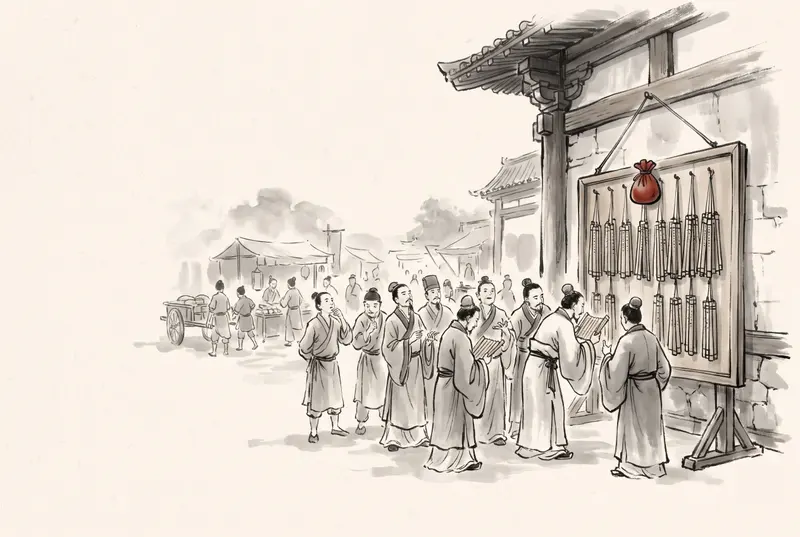
當是時,魏有信陵君,楚有春申君,趙有平原君,齊有孟嘗君,皆下士喜賓客以相傾。呂不韋以秦之彊,羞不如,亦招致士,厚遇之,至食客三千人。是時諸侯多辯士,如荀卿之徒,著書布天下。呂不韋乃使其客人人著所聞,集論以為八覽、六論、十二紀,二十餘萬言。以為備天地萬物古今之事,號曰呂氏春秋。布咸陽市門,懸千金其上,延諸侯游士賓客有能增損一字者予千金。
書き下し文
是の時に当たり、魏に信陵君有り、楚に春申君有り、趙に平原君有り、斉に孟嘗君有り。皆士に下り賓客を喜びて以て相傾く。呂不韋秦の彊きを以て、如かざるを羞じ、亦た士を招致して、厚く之を遇し、食客三千人に至る。是の時諸侯に弁士多し。荀卿の徒の如きは、書を著して天下に布く。呂不韋乃ち其の客をして人人聞く所を著さしめ、論を集めて以て八覧・六論・十二紀と為す。二十余万言。以為えらく天地万物古今の事を備う、と。号して呂氏春秋と曰う。咸陽の市門に布き、千金を其の上に懸け、諸侯の游士賓客を延き、能く一字を増損する者有らば千金を予えんとす。
現代語訳
このころ、魏には信陵君、楚には春申君、趙には平原君、斉には孟嘗君がいて、みな士にへりくだり、客を好んで、互いに人材を奪い合っていた。呂不韋は、秦のような強国にいながら彼らに及ばないのを恥じて、自分も士を招いて手厚くもてなし、食客は三千人にのぼった。このころ諸侯の国には弁の立つ者が多く、荀子のような人々は書物を著して天下に広めていた。そこで呂不韋は、客の一人一人に知っていることを書かせ、それらの論をまとめて八覧・六論・十二紀とした。全部で二十万字あまり。天地万物、昔から今までのことがすべてそろっていると考えて、『呂氏春秋』と名づけた。そしてこれを咸陽の市場の門に並べ、その上に千金を掛けて、諸侯の国の遊説家や客たちを招き、一字でも書き加えたり削ったりできる者には千金を与えると告げた。
英訳
At this time Wei had Lord Xinling, Chu had Lord Chunshen, Zhao had Lord Pingyuan and Qi had Lord Mengchang, all humbling themselves before gentlemen and loving guests, competing to draw men from one another. Lü Buwei, ashamed that powerful Qin could not match them, also invited gentlemen and treated them generously, until he had three thousand retainers. At this time there were many persuaders among the lords, and men like Xun Qing wrote books that spread throughout the realm. So Lü Buwei had each of his guests write down what he knew, and collected their essays into the Eight Surveys, the Six Discourses and the Twelve Almanacs, more than two hundred thousand words. Believing that it contained everything about Heaven and Earth, the ten thousand things, past and present, he called it Lü's Annals. He displayed it at the market gate of Xianyang with a thousand pieces of gold hung above it, and invited the wandering scholars and guests of all the lords: anyone who could add or remove a single character would receive the thousand gold.
解説(日)
- 信陵君・春申君・平原君・孟嘗君: 戦国四君(巻75〜78の章を参照)。
- 荀卿: 荀子。『荀子』を著した。
- 八覽・六論・十二紀: 『呂氏春秋』の三つの部分。十二紀は一年の十二か月にあわせた政治の心得、八覧・六論はさまざまな学派の考えをまとめたもの。
- 呂氏春秋: 呂不韋の客たちが編んだ書。諸子百家の説を集めた「雑家」の代表的な書物として今に伝わる。
- 增損一字者予千金: 一字でも増やしたり削ったりできた者に千金を与える。「一字千金」という言葉のもと。
解説(英)
- Lords Xinling, Chunshen, Pingyuan and Mengchang: the Four Lords of the Warring States (see Volumes 75–78).
- Xun Qing: Xunzi, author of the book that bears his name.
- The Eight Surveys, Six Discourses and Twelve Almanacs: the three parts of Lü's Annals. The Almanacs give advice for governing in each month of the year; the Surveys and Discourses gather the ideas of many schools.
- Lü's Annals (呂氏春秋): the book compiled by Lü Buwei's guests, which survives as the classic of the "Eclectic School."
- A thousand gold for a single character: the origin of the phrase "a character worth a thousand gold."
この節から生まれた言葉: 一字千金
英語の語注
- essay/ˈɛseɪ/noun
a short piece of writing on one subject
本文では: “collected their essays”
似た語と違い: treatise — a long formal piece of writing · discourse — formal; a long talk or essay
- display/dɪˈspleɪ/verb
to put something where people can see it
本文では: “He displayed it at the market gate of Xianyang”
似た語と違い: exhibit — show in public · put on show — display
節 8
原文
始皇九年,有告嫪毐實非宦者,常與太后私亂,生子二人,皆匿之。與太后謀曰「王即薨,以子為後」。於是秦王下吏治,具得情實,事連相國呂不韋。九月,夷嫪毐三族,殺太后所生兩子,而遂遷太后於雍。諸嫪毐舍人皆沒其家而遷之蜀。王欲誅相國,為其奉先王功大,及賓客辯士為游說者眾,王不忍致法。秦王十年十月,免相國呂不韋。及齊人茅焦說秦王,秦王乃迎太后於雍,歸復咸陽,而出文信侯就國河南。
書き下し文
始皇の九年、嫪毐の実は宦者に非ず、常に太后と私に乱れ、子二人を生み、皆之を匿すと告ぐる者有り。太后と謀りて曰く「王即し薨ぜば、子を以て後と為さん」と。是に於いて秦王吏に下して治めしめ、具さに情実を得たり。事相国呂不韋に連なる。九月、嫪毐の三族を夷し、太后の生む所の両子を殺し、而して遂に太后を雍に遷す。諸の嫪毐の舎人は皆其の家を没して之を蜀に遷す。王相国を誅せんと欲するも、其の先王に奉ずる功大なると、及び賓客弁士の為に游説する者衆きが為に、王法を致すに忍びず。秦王の十年十月、相国呂不韋を免ず。斉人茅焦秦王に説くに及び、秦王乃ち太后を雍に迎え、帰りて咸陽に復せしめ、而して文信侯を出だして国に河南に就かしむ。
現代語訳
始皇帝の九年(前238年)、ある者が訴え出た。「嫪毐は実は宦官ではなく、いつも太后とひそかに通じていて、二人の子をもうけ、どちらも隠しています。そして太后と、王が亡くなったら自分たちの子を跡継ぎにしようと、たくらんでいます」。そこで秦王は役人に取り調べさせ、事実をすべて明らかにしたが、事件は相国の呂不韋にも及んだ。九月、嫪毐の一族を皆殺しにし、太后が産んだ二人の子を殺して、太后を雍に移した。嫪毐の家来たちはみな家を取り上げられ、蜀へ移された。王は相国の呂不韋も処刑しようとしたが、呂不韋が先王に仕えた功績が大きく、また客や弁の立つ者たちで呂不韋のために王を説く者が多かったので、王は法を当てはめる気になれなかった。秦王の十年十月、相国の呂不韋を罷免した。やがて斉の人の茅焦が秦王を説いたので、秦王は太后を雍から迎えて咸陽に戻した。そして文信侯(呂不韋)を都から出して、河南の領地に行かせた。
英訳
In the ninth year of the First Emperor, someone reported that Lao Ai was not really a eunuch, that he had long been the Queen Dowager's secret lover, that they had two sons whom they were hiding, and that he had plotted with the Queen Dowager, saying, "When the king dies, our son will succeed him." The King of Qin had officials investigate and learned the whole truth, and the affair implicated the Chancellor of State, Lü Buwei. In the ninth month, Lao Ai's family to the third degree was wiped out, the two sons the Queen Dowager had borne were killed, and the Queen Dowager was sent away to Yong. All of Lao Ai's retainers had their houses confiscated and were exiled to Shu. The king wanted to execute the Chancellor of State, but because of his great service to the late king, and because so many guests and orators spoke up for him, the king could not bring himself to apply the law. In the tenth month of the king's tenth year, he dismissed Lü Buwei as Chancellor of State. Later, when Mao Jiao of Qi persuaded the king, he brought the Queen Dowager back from Yong to Xianyang, and sent Marquis Wenxin away from the capital to his fief in Henan.
解説(日)
- この節の前(省略): 始皇帝が成長すると、太后との関係が知られるのを恐れた呂不韋は、嫪毐という男を宦官(去勢された役人)といつわって太后のもとに送りこみ、自分の代わりとした。太后は嫪毐を寵愛し、嫪毐は大きな権力を持つようになった。
- 始皇九年: 前238年。始皇帝はこの年、成人の儀式を行った。
- 嫪毐: 太后の寵臣。この年、反乱を起こして敗れた(p10の太史公の評を参照)。
- 夷三族: 一族を皆殺しにする刑。
- 雍: 秦の古い都(巻68の章を参照)。
- 蜀: 今の四川省。流刑の地とされた。
- 茅焦: 斉の人。母を遠ざけるのは孝に反すると始皇帝をいさめた。
- 就國: 自分の領地に行く。都から遠ざけられること。
解説(英)
- Before this (left out here): as the First Emperor grew up, Lü Buwei, afraid that his affair with the Queen Dowager would be discovered, sent her a man named Lao Ai disguised as a eunuch to take his place. The Queen Dowager doted on Lao Ai, who became very powerful.
- The ninth year of the First Emperor: 238 BCE, the year he came of age.
- Lao Ai: the Queen Dowager's favorite, who rebelled that year and was defeated (see the Grand Historian's comment in p10).
- 夷三族: wiping out a whole family.
- Yong: an old capital of Qin (see Volume 68).
- Shu: present-day Sichuan, a place of exile.
- Mao Jiao: a man of Qi who rebuked the First Emperor for the unfilial act of banishing his mother.
- 就國: going to one's fief, i.e., being sent away from the capital.
英語の語注
- eunuch/ˈjuːnək/noun
a castrated man who served in a palace
本文では: “Lao Ai was not really a eunuch”
似た語と違い: palace servant — a servant in a palace · chamberlain — an officer of the royal household
- implicate/ˈɪmplɪˌkeɪt/verb
to show that someone is involved in a crime
本文では: “the affair implicated the Chancellor of State”
似た語と違い: involve — include in · incriminate — make someone seem guilty
節 9
原文
歲餘,諸侯賓客使者相望於道,請文信侯。秦王恐其為變,乃賜文信侯書曰:「君何功於秦?秦封君河南,食十萬戶。君何親於秦?號稱仲父。其與家屬徙處蜀!」呂不韋自度稍侵,恐誅,乃飲酖而死。秦王所加怒呂不韋、嫪毐皆已死,乃皆復歸嫪毐舍人遷蜀者。
書き下し文
歳余にして、諸侯の賓客使者道に相望み、文信侯に請う。秦王其の変を為さんことを恐れ、乃ち文信侯に書を賜いて曰く、「君何の功か秦に有る。秦君を河南に封じ、十万戸を食ましむ。君何の親か秦に有る。号して仲父と称す。其れ家属と徙りて蜀に処れ」と。呂不韋自ら稍く侵さるるを度り、誅せられんことを恐れ、乃ち酖を飲みて死す。秦王の怒りを加うる所の呂不韋・嫪毐皆已に死し、乃ち皆嫪毐の舎人の蜀に遷されし者を復帰せしむ。
現代語訳
一年あまりたつと、諸侯の国の客や使者たちが、道に列をなすほど次々と文信侯のもとを訪れ、招こうとした。秦王は呂不韋が反乱を起こすのではないかと恐れ、文信侯に手紙を送った。「あなたは秦に何の功績があるというのか。それなのに秦はあなたを河南に封じ、十万戸の領地を与えた。あなたは秦の王家と何の血のつながりがあるというのか。それなのに仲父と呼ばれている。家族とともに蜀へ移り住め」。呂不韋は、少しずつ追いつめられていることをさとり、処刑されるのを恐れて、毒酒を飲んで死んだ。秦王が怒りを向けていた呂不韋と嫪毐がともに死んだので、蜀へ移されていた嫪毐の家来たちは、みな呼び戻された。
英訳
A year or so later, guests and envoys from the lords were following one another along the roads to call on Marquis Wenxin and invite him to their states. The King of Qin, afraid that he would rebel, sent Marquis Wenxin a letter: "What service have you done Qin, that Qin should give you a fief in Henan with a hundred thousand households? What kin are you to Qin, that you should be called Second Father? Move to Shu with your family!" Lü Buwei judged that he was being squeezed little by little, and fearing execution, he drank poisoned wine and died. Now that both Lü Buwei and Lao Ai, the targets of the king's anger, were dead, all of Lao Ai's retainers who had been exiled to Shu were allowed to return.
解説(日)
- 相望於道: 道で互いに見えるほど、次々に続く。
- 為變: 反乱を起こす。
- 君何功於秦: あなたは秦に何の功績があるのか。「仲父」とまで呼ばれた人への冷たい言葉。
- 稍侵: 少しずつ追いつめられる。
- 酖: 毒酒。酖という鳥の羽をひたした酒とされる。
- 飲酖而死: 前235年。巻130で司馬遷は「不韋蜀に遷されて、世に呂覧を伝う」と書いている(巻130の章を参照)。
解説(英)
- 相望於道: following one another so closely along the road that each could see the next.
- 為變: to rebel.
- "What service have you done Qin?": cold words for the man once honored as Second Father.
- 稍侵: squeezed little by little.
- 酖: poisoned wine, said to be made with the feathers of the zhen bird.
- Drank poison and died: in 235 BCE. In Volume 130 Sima Qian writes that "Lü Buwei was exiled to Shu, and his Lü's Annals have come down to us."
英語の語注
- rebel/rɪˈbɛl/verb
to fight against the ruler
本文では: “afraid that he would rebel”
似た語と違い: revolt — rise against a ruler · rise up — start to fight the government
- squeeze/skwiːz/verb
to press hard; here, to put more and more pressure on someone
本文では: “he was being squeezed little by little”
似た語と違い: pressure — force someone to act · corner — leave someone with no escape
節 10
原文
太史公曰:不韋及嫪毐貴,封號文信侯。人之告嫪毐,毐聞之。秦王驗左右,未發。上之雍郊,毐恐禍起,乃與黨謀,矯太后璽發卒以反蘄年宮。發吏攻毐,毐敗亡走,追斬之好畤,遂滅其宗。而呂不韋由此絀矣。孔子之所謂「聞」者,其呂子乎?
書き下し文
太史公曰く、不韋及び嫪毐貴く、封じて文信侯と号す。人の嫪毐を告ぐるや、毐之を聞く。秦王左右を験するも、未だ発せず。上雍の郊に之く。毐禍の起こらんことを恐れ、乃ち党と謀り、太后の璽を矯めて卒を発して以て蘄年宮に反す。吏を発して毐を攻む。毐敗れて亡れ走る。追いて之を好畤に斬り、遂に其の宗を滅ぼす。而して呂不韋此に由りて絀けらる。孔子の所謂「聞」なる者は、其れ呂子か。
現代語訳
太史公(司馬遷)は言う。呂不韋と嫪毐は高い身分となり、呂不韋は文信侯と名のった。ある人が嫪毐のことを訴え出ると、嫪毐はそれを耳にした。秦王は側近たちを取り調べたが、まだ事は明るみに出なかった。王が雍の郊外へ祭りに出かけると、嫪毐はわざわいが起こるのを恐れて仲間とはかり、太后の印をいつわって兵を集め、蘄年宮で反乱を起こした。秦王は役人に兵を出させて嫪毐を攻めた。嫪毐は敗れて逃げたが、追っ手に好畤で斬られ、一族は滅ぼされた。呂不韋も、これによって退けられたのである。孔子が「聞」(評判だけで中身のない人)と言ったのは、呂不韋のような人のことだろうか。
英訳
The Grand Historian says: Lü Buwei and Lao Ai both rose high, and Lü Buwei was named Marquis Wenxin. When someone denounced Lao Ai, Lao Ai heard of it. The King of Qin questioned his attendants, but nothing had yet come out. When the king went to the outskirts of Yong for the sacrifices, Lao Ai, fearing disaster, plotted with his followers, raised troops with the forged seal of the Queen Dowager and rebelled at the Qinian Palace. The king sent officials to attack him. Lao Ai was defeated and fled, was pursued and beheaded at Haozhi, and his clan was wiped out. Because of this Lü Buwei was brought down. When Confucius spoke of the man who is merely "famous," did he mean someone like Master Lü?
解説(日)
- 驗左右: 側近を取り調べる。
- 上之雍郊: 王が雍の郊外へ祭りに行く。始皇帝は雍で成人の儀式を行った。
- 矯太后璽: 太后の印をいつわって使う。
- 蘄年宮: 雍にあった宮殿。
- 好畤: 今の陝西省乾県のあたり。
- 孔子之所謂「聞」者: 『論語』顔淵篇で、孔子は「聞」(世間に名が聞こえているだけの人)と「達」(本当に道理に通じた人)を区別した。「聞」の人は、うわべは仁を装っているが、行いはそれに反している、という。
解説(英)
- 驗左右: questioning the king's attendants.
- The outskirts of Yong: where the First Emperor held his coming-of-age rites.
- 矯太后璽: using the Queen Dowager's seal without her authority.
- The Qinian Palace: a palace at Yong.
- Haozhi: near present-day Qian County in Shaanxi.
- The merely "famous" man (聞): in the Analects, Confucius distinguishes the man who is merely famous, who puts on a show of virtue but acts against it, from the man who truly understands.
英語の語注
- denounce/dɪˈnaʊns/verb
to tell the authorities that someone has done wrong
本文では: “When someone denounced Lao Ai”
似た語と違い: inform on — tell the police about someone · accuse — say someone did wrong
- behead/bɪˈhɛd/verb
to kill someone by cutting off their head
本文では: “was pursued and beheaded at Haozhi”
似た語と違い: decapitate — formal; cut off the head · execute — kill as a legal punishment