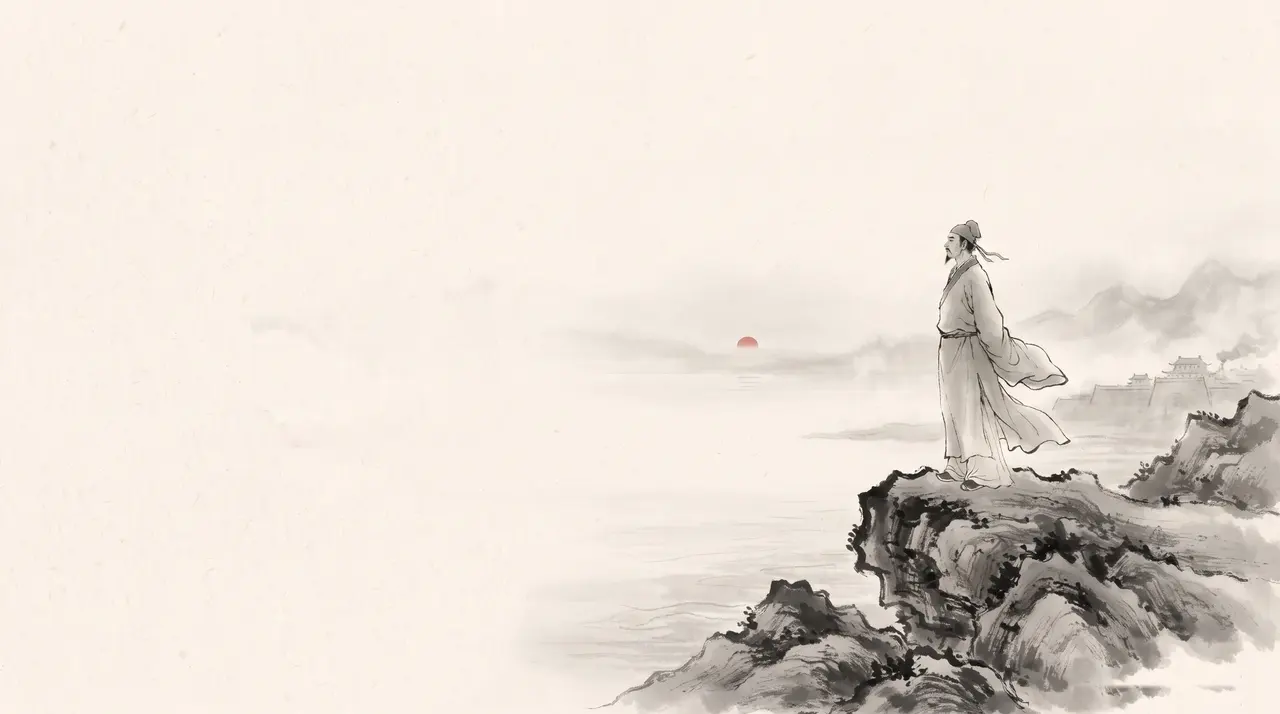
列伝 · 巻 83
魯仲連鄒陽列伝 魯仲連鄒陽列傳
魯仲連(東海を踏みて死せんのみ) 蹈東海而死
秦が趙の都邯鄲を包囲したとき、魏の使者新垣衍は「秦王を皇帝として尊べば、秦は兵を引くだろう」と趙に勧めた。たまたま邯鄲にいた斉の魯仲連は、新垣衍に会って「秦が帝になって天下を治めるなら、わたしは東の海に身を投げて死ぬ。その民にはならない」と言い、秦を帝とすることの害を説いて思いとどまらせる。秦軍は五十里退き、まもなく信陵君の救援で包囲は解けた。平原君が千金を贈ろうとしても、魯仲連は「人の難儀を解いて何も受け取らないのが士だ」と言って去っていった。
この巻のうち「魯仲連(東海を踏みて死せんのみ)」の場面を載せています。巻の全文ではありません。
音声
音声は合成音声です。
動画
節 1
原文
魯仲連者,齊人也。好奇偉俶儻之畫策,而不肯仕宦任職,好持高節。游於趙。趙孝成王時,而秦王使白起破趙長平之軍前後四十餘萬,秦兵遂東圍邯鄲。趙王恐,諸侯之救兵莫敢擊秦軍。魏安釐王使將軍晉鄙救趙,畏秦,止於蕩陰不進。魏王使客將軍新垣衍閒入邯鄲,因平原君謂趙王曰:「秦所為急圍趙者,前與齊湣王爭彊為帝,已而復歸帝;今齊[湣王]已益弱,方今唯秦雄天下,此非必貪邯鄲,其意欲復求為帝。趙誠發使尊秦昭王為帝,秦必喜,罷兵去。」平原君猶預未有所決。
書き下し文
魯仲連なる者は、斉の人なり。奇偉俶儻の画策を好み、而して仕宦して職に任ずるを肯んぜず、好んで高節を持す。趙に游ぶ。趙の孝成王の時、秦王白起をして趙の長平の軍を破らしむること前後四十余万、秦兵遂に東して邯鄲を囲む。趙王恐る。諸侯の救兵敢えて秦軍を撃つ莫し。魏の安釐王将軍晋鄙をして趙を救わしむるも、秦を畏れ、蕩陰に止まりて進まず。魏王客将軍新垣衍をして間より邯鄲に入らしめ、平原君に因りて趙王に謂いて曰く、「秦の急に趙を囲む所以の者は、前に斉の湣王と彊を争いて帝と為り、已にして復た帝を帰す。今斉[湣王]已に益ます弱く、方今唯だ秦のみ天下に雄たり。此れ必ずしも邯鄲を貪るに非ず。其の意は復た帝と為らんことを求めんと欲するなり。趙誠に使いを発して秦の昭王を尊びて帝と為さば、秦必ず喜び、兵を罷めて去らん」と。平原君猶予して未だ決する所有らず。
現代語訳
魯仲連は斉の人である。人の意表をつく、とらわれない策を立てるのが好きで、役人になって職につこうとはせず、高い節操を守ることを好んだ。趙に滞在していた。趙の孝成王のとき、秦王は白起に長平で趙軍を打ち破らせ、前後あわせて四十万あまりを殺し、秦軍はそのまま東へ進んで邯鄲を包囲した。趙王は恐れたが、諸侯の救援軍は秦軍に攻めかかろうとしなかった。魏の安釐王は将軍晋鄙に趙を救わせたが、晋鄙は秦を恐れて蕩陰にとどまり、進まなかった。魏王は客将軍の新垣衍を間道からこっそり邯鄲に入らせ、平原君を通じて趙王にこう言わせた。「秦がこれほど激しく趙を囲んでいるのは、わけがあります。秦は以前、斉の湣王と強さを競って帝を名のり、やがてその称号を取り下げました。いま斉はますます弱り、天下で強いのは秦だけです。秦は邯鄲がほしいわけではなく、もう一度帝になりたいのです。趙が使者を送って秦の昭王を帝として尊べば、秦はかならず喜んで、兵を引くでしょう」。平原君はためらって、決められずにいた。
英訳
Lu Zhonglian was a man of Qi. He loved bold, unconventional schemes, would not take office or hold a post, and prided himself on keeping to high principles. He was staying in Zhao. In the time of King Xiaocheng of Zhao, the King of Qin had Bai Qi destroy the Zhao army at Changping, more than four hundred thousand men in all, and the Qin army marched east and besieged Handan. The King of Zhao was afraid, and none of the lords' relief armies dared to attack the Qin army. King Anxi of Wei sent his general Jin Bi to save Zhao, but Jin Bi, afraid of Qin, halted at Dangyin and went no further. The King of Wei sent Xinyuan Yan, a general from another state in his service, into Handan by a back way, and through Lord Pingyuan he told the King of Zhao: "The reason Qin is pressing its siege of Zhao so hard is this. Earlier it vied for power with King Min of Qi, and both called themselves emperor, then gave up the title. Now Qi has grown ever weaker, and Qin alone is mighty in the world. It is not really Handan that Qin is after; what it wants is to be emperor again. If Zhao will truly send an envoy to honor King Zhao of Qin as emperor, Qin will be delighted and withdraw its army." Lord Pingyuan hesitated and could not decide.
解説(日)
- 奇偉俶儻: 並はずれていて、とらわれない。
- 高節: 高い節操。
- 蕩陰: 今の河南省湯陰県。晋鄙が止まった地(信陵君の章では「鄴」)。
- 客將軍: 他国出身の将軍。
- 新垣衍: 魏の客将軍。
- 閒入: 間道からこっそり入る。
- 齊湣王爭彊為帝: 前288年、秦の昭王が「西帝」、斉の湣王が「東帝」を名のったが、まもなく取り下げた。
- 帝: 王よりも上の称号。のちに秦王政は「皇帝」を名のる(巻6の章を参照)。
- [湣王]: 校訂者が補った字。
- 猶預: ためらう。「猶予」。
解説(英)
- 奇偉俶儻: extraordinary and unconventional.
- 高節: high principles.
- Dangyin: present-day Tangyin in Henan, where Jin Bi halted (Ye in the chapter on Lord Xinling).
- 客將軍: a general from another state.
- Xinyuan Yan: a foreign-born general serving Wei.
- 閒入: entering secretly by a back way.
- Vying with King Min of Qi to be emperor: in 288 BCE King Zhao of Qin called himself "Emperor of the West" and King Min of Qi "Emperor of the East," but both soon gave up the title.
- 帝 (emperor): a title above king. The King of Qin later took the title "First Emperor" (see Volume 6).
- [湣王]: characters added by the editors.
- 猶預: to hesitate.
英語の語注
- vie/vaɪ/verb
to compete hard with others
本文では: “it vied for power with King Min of Qi”
似た語と違い: compete — try to win · contend — struggle to win
- hesitate/ˈhɛzɪˌteɪt/verb
to stop or wait because you are unsure
本文では: “Lord Pingyuan hesitated”
似た語と違い: waver — be unable to decide · falter — lose confidence
節 2
原文
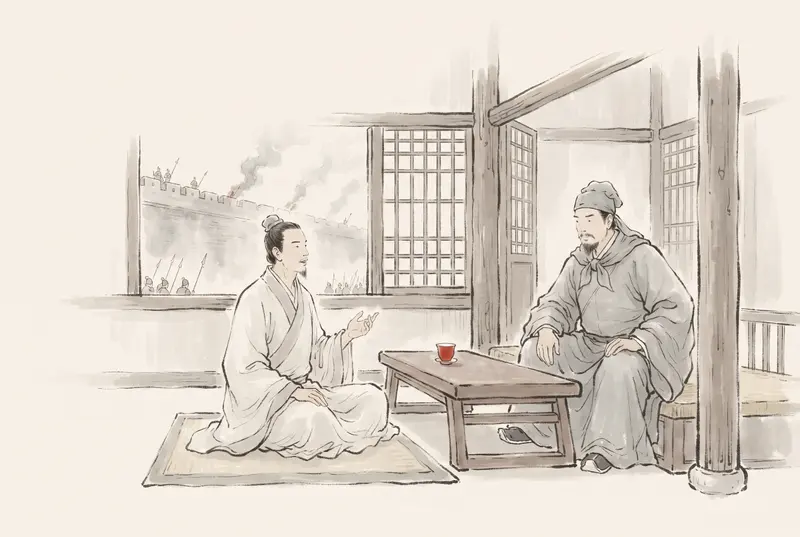
此時魯仲連適游趙,會秦圍趙,聞魏將欲令趙尊秦為帝,乃見平原君曰:「事將柰何?」平原君曰:「勝也何敢言事!前亡四十萬之眾於外,今又內圍邯鄲而不能去。魏王使客將軍新垣衍令趙帝秦,今其人在是。勝也何敢言事!」魯仲連曰:「吾始以君為天下之賢公子也,吾乃今然後知君非天下之賢公子也。梁客新垣衍安在?吾請為君責而歸之。」平原君曰:「勝請為紹介而見之於先生。」平原君遂見新垣衍曰:「東國有魯仲連先生者,今其人在此,勝請為紹介,交之於將軍。」新垣衍曰:「吾聞魯仲連先生,齊國之高士也。衍人臣也,使事有職,吾不願見魯仲連先生。」平原君曰:「勝既已泄之矣。」新垣衍許諾。
書き下し文
此の時魯仲連適たま趙に游び、秦の趙を囲むに会う。魏の将の趙をして秦を尊びて帝と為さしめんと欲するを聞き、乃ち平原君に見えて曰く、「事将に柰何せん」と。平原君曰く、「勝や何ぞ敢えて事を言わん。前に四十万の衆を外に亡い、今又内に邯鄲を囲まれて去らしむる能わず。魏王客将軍新垣衍をして趙をして秦を帝とせしめんとす。今其の人是に在り。勝や何ぞ敢えて事を言わん」と。魯仲連曰く、「吾始め君を以て天下の賢公子と為せり。吾乃ち今然る後に君の天下の賢公子に非ざるを知る。梁の客新垣衍安くにか在る。吾請う君の為に責めて之を帰さん」と。平原君曰く、「勝請う紹介を為して之を先生に見えしめん」と。平原君遂に新垣衍に見えて曰く、「東国に魯仲連先生なる者有り。今其の人此に在り。勝請う紹介を為して、之を将軍に交えん」と。新垣衍曰く、「吾聞く、魯仲連先生は斉国の高士なりと。衍は人臣なり。使事職有り。吾魯仲連先生に見ゆるを願わず」と。平原君曰く、「勝既已に之を泄らせり」と。新垣衍許諾す。
現代語訳
ちょうどこのとき、魯仲連は趙にいて、秦の包囲に出くわした。魏の将軍が趙に秦を帝として尊ばせようとしていると聞いて、平原君に会って言った。「この件はどうなさるおつもりですか」。平原君は言った。「わたしごときが、何を言えましょう。先に外で四十万の兵を失い、いままた邯鄲を囲まれて、追い払うこともできません。魏王は客将軍の新垣衍をよこして、趙に秦を帝とさせようとしており、その人がここにいるのです。わたしが何を言えましょう」。魯仲連は言った。「わたしはこれまで、あなたを天下の賢い公子だと思っていました。いまになって、そうではないとわかりました。魏の客の新垣衍はどこにいますか。わたしがあなたのために、その男を責めて帰らせましょう」。平原君は言った。「では、わたしが紹介して、先生に会わせましょう」。平原君は新垣衍に会って言った。「東の国に魯仲連先生という方がいて、いまここに来ておられます。紹介しますので、将軍とお会いください」。新垣衍は言った。「魯仲連先生は斉の高潔な人物だと聞いています。わたしは人に仕える身で、使者としての務めがあります。魯仲連先生には会いたくありません」。平原君は言った。「わたしはもう、あなたのことを先生に話してしまいました」。新垣衍はしかたなく承知した。
英訳
Lu Zhonglian happened to be in Zhao at the time and was caught in the siege. When he heard that the general from Wei wanted Zhao to honor Qin as emperor, he went to Lord Pingyuan and asked, "What are you going to do?" Lord Pingyuan said, "How can I presume to speak of it? We have lost four hundred thousand men abroad, and now Handan is besieged and we cannot drive the enemy off. The King of Wei has sent his general Xinyuan Yan to make Zhao honor Qin as emperor, and the man is here now. How can I presume to speak?" Lu Zhonglian said, "I used to think you one of the worthiest princes in the world. Only now do I see that you are not. Where is this Xinyuan Yan, the guest from Liang? Let me take him to task for you and send him home." Lord Pingyuan said, "Let me introduce him to you, sir." So Lord Pingyuan went to Xinyuan Yan and said, "There is a Master Lu Zhonglian from the eastern state, and he is here now. Let me introduce you to him, General." Xinyuan Yan said, "I have heard that Master Lu Zhonglian is a man of high principle in Qi. I am another man's servant here on official business. I do not wish to meet Master Lu Zhonglian." Lord Pingyuan said, "I have already told him about you." So Xinyuan Yan agreed.
解説(日)
- 勝: 平原君の名(趙勝)。自分のことを名で言うのはへりくだった言い方。
- 前亡四十萬之眾: 長平の戦い(巻73・巻81の章を参照)。
- 梁: 魏のこと。魏の都が大梁だったので「梁」とも呼ぶ。
- 責而歸之: 責めて帰らせる。
- 紹介: 仲立ちして引き合わせる。今の「紹介」と同じ意味の古い例。
- 使事有職: 使者としての職務がある。
- 泄: 漏らす。
解説(英)
- 勝: Lord Pingyuan's own name (Zhao Sheng); using it is a humble way of saying "I."
- Lost four hundred thousand men: at Changping (see Volumes 73 and 81).
- Liang: Wei, whose capital was Daliang.
- 責而歸之: to take him to task and send him home.
- 紹介: to introduce; an early use of the word still used in Chinese and Japanese today.
- 使事有職: on official business as an envoy.
- 泄: to let slip.
英語の語注
- take to task/teɪk tuː tæsk/idiom
to criticize someone strongly
本文では: “Let me take him to task for you”
似た語と違い: rebuke — speak sharply to · reprimand — scold formally
- introduce/ˌɪntrəˈduːs/verb
to tell people each other's names when they first meet
本文では: “Let me introduce him to you”
似た語と違い: present — introduce formally · acquaint — make known to
節 3
原文
魯連見新垣衍而無言。新垣衍曰:「吾視居此圍城之中者,皆有求於平原君者也;今吾觀先生之玉貌,非有求於平原君者也,曷為久居此圍城之中而不去?」魯仲連曰:「世以鮑焦為無從頌而死者,皆非也。眾人不知,則為一身。彼秦者,棄禮義而上首功之國也,權使其士,虜使其民。彼即肆然而為帝,過而為政於天下,則連有蹈東海而死耳,吾不忍為之民也。所為見將軍者,欲以助趙也。」
書き下し文
魯連新垣衍に見えて言無し。新垣衍曰く、「吾此の囲城の中に居る者を視るに、皆平原君に求むる有る者なり。今吾先生の玉貌を観るに、平原君に求むる有る者に非ざるなり。曷為れぞ久しく此の囲城の中に居りて去らざる」と。魯仲連曰く、「世鮑焦を以て従頌無くして死する者と為すは、皆非なり。衆人知らず、則ち一身の為にすと為す。彼の秦なる者は、礼義を棄てて首功を上ぶの国なり。権もて其の士を使い、虜もて其の民を使う。彼即し肆然として帝と為り、過ちて政を天下に為さば、則ち連東海を蹈みて死する有るのみ。吾之が民と為るに忍びざるなり。将軍に見ゆる所以の者は、以て趙を助けんと欲すればなり」と。
現代語訳
魯仲連は新垣衍に会っても、何も言わなかった。新垣衍が言った。「この包囲された城の中にいる者を見ると、みな平原君に何かを求めている者ばかりです。ところが先生のりっぱなお顔を拝見すると、平原君に何かを求めている方には見えません。どうして、いつまでもこの包囲された城の中にとどまって、去らないのですか」。魯仲連は言った。「世の人は、鮑焦が心が狭くて死んだのだと思っていますが、それはまちがいです。人々はわかっていないので、彼が自分一人のために死んだと思っているのです。あの秦という国は、礼儀を捨てて、敵の首を取った手柄だけを重んじる国です。策略で兵士を使い、民を捕虜のように使います。その秦がほしいままに帝となり、まちがった政治を天下に行うなら、わたしは東の海に踏みこんで死ぬだけです。その民になるのは耐えられません。将軍にお会いしたのは、趙を助けたいからです」。
英訳
Lu Zhonglian met Xinyuan Yan and said nothing. Xinyuan Yan said, "Everyone I see in this besieged city wants something from Lord Pingyuan. But looking at your noble face, sir, you do not seem to be one of them. Why do you stay so long in this besieged city instead of leaving?" Lu Zhonglian said, "People think Bao Jiao died because he was too narrow to bend; they are all wrong. Ordinary people do not understand, so they think he died for his own sake. That state of Qin has thrown away ritual and right and prizes only the heads cut off in battle. It drives its officers by force and works its people like captives. If it makes itself emperor without restraint and goes on to rule the world in its wrong way, then I, Lianzi, will walk into the Eastern Sea and die. I could not bear to be its subject. I came to see you, General, because I want to help Zhao."
解説(日)
- 玉貌: りっぱな顔つき。相手への敬意をこめた言い方。
- 鮑焦: 周の隠者。世を嫌い、木を抱いて死んだと伝えられる。
- 無從頌: 心が狭くて人に合わせられない(読みには諸説ある)。
- 上首功: 敵の首を取った手柄を重んじる。秦の爵位制度(巻68・巻73の章を参照)。
- 權使其士,虜使其民: 策略で兵を使い、民を捕虜のように使う。
- 肆然: ほしいままに。
- 蹈東海而死: 東の海に踏みこんで死ぬ。秦の民になるくらいなら死を選ぶという決意。「東海を蹈む」はのちに、節を守る言葉として引かれる。
解説(英)
- 玉貌 ("noble face"): a polite way of addressing someone.
- Bao Jiao: a recluse of Zhou who, disgusted with the world, is said to have died clinging to a tree.
- 無從頌: too narrow to bend to others (the reading is debated).
- 上首功 ("prizes the heads cut off in battle"): Qin's system of ranks rewarded heads taken (see Volumes 68 and 73).
- 權使其士,虜使其民: driving officers by force and working the people like captives.
- 肆然: without restraint.
- 蹈東海而死 ("walk into the Eastern Sea and die"): he would rather die than be Qin's subject; later quoted as a byword for keeping one's integrity.
この節から生まれた言葉: 東海を蹈みて死す
英語の語注
- restraint/rɪˈstreɪnt/noun
control over what you do
本文では: “without restraint”
似た語と違い: self-control — control of oneself · limit — a point you do not go past
- captive/ˈkæptɪv/noun
a prisoner, especially of war
本文では: “works its people like captives”
似た語と違い: prisoner — a person kept locked up · slave — a person owned by another
節 4
原文
新垣衍曰:「先生助之將柰何?」魯連曰:「吾將使梁及燕助之,齊、楚則固助之矣。」新垣衍曰:「燕則吾請以從矣;若乃梁者,則吾乃梁人也,先生惡能使梁助之?」魯連曰:「梁未睹秦稱帝之害故耳。使梁睹秦稱帝之害,則必助趙矣。」新垣衍曰:「秦稱帝之害何如?」魯連曰:「昔者齊威王嘗為仁義矣,率天下諸侯而朝周。周貧且微,諸侯莫朝,而齊獨朝之。居歲餘,周烈王崩,齊後往,周怒,赴於齊曰:『天崩地坼,天子下席。東藩之臣因齊後至,則斮。』齊威王勃然怒曰:『叱嗟,而母婢也!』卒為天下笑。故生則朝周,死則叱之,誠不忍其求也。彼天子固然,其無足怪。」
書き下し文
新垣衍曰く、「先生之を助くること将に柰何せんとする」と。魯連曰く、「吾将に梁及び燕をして之を助けしめんとす。斉・楚は則ち固より之を助けん」と。新垣衍曰く、「燕は則ち吾請う以て従わしめん。若し乃ち梁なる者は、則ち吾乃ち梁の人なり。先生悪くんぞ能く梁をして之を助けしめん」と。魯連曰く、「梁未だ秦の帝を称するの害を睹ざる故のみ。梁をして秦の帝を称するの害を睹しめば、則ち必ず趙を助けん」と。新垣衍曰く、「秦の帝を称するの害何如」と。魯連曰く、「昔者斉の威王嘗て仁義を為し、天下の諸侯を率いて周に朝す。周貧しく且つ微にして、諸侯朝する莫きに、斉独り之に朝す。居ること歳余、周の烈王崩ず。斉後れて往く。周怒りて、斉に赴げて曰く、『天崩れ地坼け、天子席を下る。東藩の臣因斉後れて至る。則ち斮らん』と。斉の威王勃然として怒りて曰く、『叱嗟、而の母は婢なり』と。卒に天下の笑いと為る。故に生きては則ち周に朝し、死しては則ち之を叱す。誠に其の求めに忍びざればなり。彼の天子は固より然り。其れ怪しむに足る無し」と。
現代語訳
新垣衍は言った。「先生は、どうやって趙を助けるおつもりですか」。魯仲連は言った。「わたしは魏と燕に趙を助けさせます。斉と楚はもともと助けるでしょう」。新垣衍は言った。「燕はわたしも説いて従わせてみせましょう。しかし魏となると、わたしこそ魏の人間です。先生がどうやって魏に趙を助けさせられるのですか」。魯仲連は言った。「魏はまだ、秦が帝を名のることの害を見ていないだけです。それを見せれば、かならず趙を助けます」。新垣衍は言った。「秦が帝を名のることの害とは、どんなものですか」。魯仲連は言った。「昔、斉の威王は仁義を行い、天下の諸侯を率いて周の王に朝見しようとしました。周は貧しく衰え、どの諸侯も朝見しなかったのに、斉だけが朝見したのです。一年あまりして周の烈王が亡くなり、斉の弔問が遅れました。すると周は怒って、斉にこう知らせてきました。『天が崩れ地が裂けるような大事で、新しい天子は喪の席についている。それなのに東の藩の臣、田因斉は遅れて来た。斬り捨ててくれよう』。斉の威王はかっとなって怒り、『なんだと、おまえの母親は下女ではないか』とののしり、天下の笑いものになりました。周の王が生きているうちは朝見し、死ぬとののしったのは、その無理な要求に耐えられなかったからです。天子とはもともとそういうものなので、ふしぎではありません」。
英訳
Xinyuan Yan said, "How do you mean to help Zhao, sir?" Lu Zhonglian said, "I will make Liang and Yan help it. Qi and Chu will help it anyway." Xinyuan Yan said, "As for Yan, I grant you that. But as for Liang, I myself am a man of Liang. How can you make Liang help Zhao?" Lu Zhonglian said, "It is only that Liang has not yet seen the harm of Qin calling itself emperor. If Liang sees the harm of that, it will surely help Zhao." "What is the harm of Qin calling itself emperor?" asked Xinyuan Yan. Lu Zhonglian said, "Long ago, King Wei of Qi set out to be humane and just, and led the lords of the world to pay court to Zhou. Zhou was poor and weak, and none of the lords would pay it court, but Qi alone did. A year or so later, King Lie of Zhou died, and Qi was late in coming to mourn. Zhou was angry and sent word to Qi: 'Heaven has fallen and the earth has split; the Son of Heaven has left his mat to mourn. Yet Tian Yinqi, vassal of the eastern march, comes late. He shall be cut down.' King Wei of Qi flew into a rage: 'Damn you! Your mother was a slave girl!' And in the end he became a laughingstock to the world. So while the King of Zhou lived, Qi paid him court, and when he died, Qi cursed him, because it truly could not bear his demands. That is how a Son of Heaven is; there is nothing strange in it."
解説(日)
- 梁: 魏のこと。
- 齊威王: 斉の王(巻65の章にも出てくる)。
- 周烈王: 周の王。前369年に亡くなった。
- 天崩地坼: 天が崩れ地が裂ける。天子の死をいう。
- 天子下席: 新しい天子が喪の席につく。
- 東藩之臣因齊: 東の藩屏の臣、田因斉(斉の威王の名)。家臣扱いして名を呼び捨てにしている。
- 斮: 斬る。
- 叱嗟,而母婢也: なんだと、おまえの母は下女だ。ののしりの言葉。
- 天子とはそういうものだ: 帝(天子)になれば、諸侯に無理な要求をするのが当然だ、という魯仲連の論。
解説(英)
- Liang: Wei.
- King Wei of Qi: also appears in Volume 65.
- King Lie of Zhou: died in 369 BCE.
- 天崩地坼 ("Heaven has fallen and the earth has split"): the death of the Son of Heaven.
- 天子下席: the new Son of Heaven has left his mat to mourn.
- Tian Yinqi: King Wei of Qi's personal name; calling him by it treats him as a mere vassal.
- 斮: to cut down.
- 叱嗟,而母婢也: a curse, "Your mother was a slave girl!"
- Lu Zhonglian's point: whoever becomes Son of Heaven will make harsh demands on the lords.
英語の語注
- humane/hjuːˈmeɪn/adjective
kind to people
本文では: “set out to be humane and just”
似た語と違い: benevolent — kind and generous · compassionate — caring about others
- curse/kɜrs/verb
to say rude, angry words to or about someone
本文では: “Qi cursed him”
似た語と違い: swear at — use bad words at · revile — formal; abuse with words
節 5
原文
新垣衍曰:「先生獨不見夫仆乎?十人而從一人者,寧力不勝而智不若邪?畏之也。」魯仲連曰:「嗚呼!梁之比於秦若仆邪?」新垣衍曰:「然。」魯仲連曰:「吾將使秦王烹醢梁王。」新垣衍怏然不悅,曰:「噫嘻,亦太甚矣先生之言也!先生又惡能使秦王烹醢梁王?」魯仲連曰:「固也,吾將言之。昔者九侯、鄂侯、文王,紂之三公也。九侯有子而好,獻之於紂,紂以為惡,醢九侯。鄂侯爭之彊,辯之疾,故脯鄂侯。文王聞之,喟然而嘆,故拘之牖里之庫百日,欲令之死。曷為與人俱稱王,卒就脯醢之地?
書き下し文
新垣衍曰く、「先生独り夫の僕を見ずや。十人にして一人に従う者は、寧ろ力勝らずして智若かざるか。之を畏るればなり」と。魯仲連曰く、「嗚呼、梁の秦に比するは僕の若きか」と。新垣衍曰く、「然り」と。魯仲連曰く、「吾将に秦王をして梁王を烹醢せしめんとす」と。新垣衍怏然として悦ばずして、曰く、「噫嘻、亦た太だ甚だしきかな先生の言や。先生又悪くんぞ能く秦王をして梁王を烹醢せしめん」と。魯仲連曰く、「固よりなり。吾将に之を言わんとす。昔者九侯・鄂侯・文王は、紂の三公なり。九侯に子有りて好し。之を紂に献ず。紂以て悪しと為し、九侯を醢にす。鄂侯之を争うこと彊く、之を辯ずること疾し。故に鄂侯を脯にす。文王之を聞き、喟然として嘆ず。故に之を牖里の庫に拘うること百日、之をして死せしめんと欲す。曷為れぞ人と俱に王と称して、卒に脯醢の地に就かんや。
現代語訳
新垣衍は言った。「先生は、召使いというものをご覧になったことがないのですか。十人の召使いが一人の主人に従うのは、力でかなわず、知恵でも劣るからでしょうか。いいえ、恐れているからです」。魯仲連は言った。「ああ、魏は秦と比べると、召使いのようなものだというのですか」。新垣衍「そうです」。魯仲連は言った。「では、わたしは秦王に魏王を煮殺させ、塩漬けにさせてみせましょう」。新垣衍はむっとして不機嫌になり、言った。「ああ、先生のお言葉はあまりにひどい。先生がどうやって、秦王に魏王を煮殺させ塩漬けにさせられるのですか」。魯仲連は言った。「できますとも。お話ししましょう。昔、九侯・鄂侯・文王は殷の紂王の三公でした。九侯には美しい娘がいて、紂王に差し出しましたが、紂王は気に入らず、九侯を塩漬けにしてしまいました。鄂侯が強く抗議し、激しく言い争ったので、鄂侯を干し肉にしてしまいました。文王はそれを聞いてため息をついたので、牖里の牢に百日のあいだ閉じこめられ、殺されかけました。どうして、他の人と同じように王を名のっていながら、最後には干し肉や塩漬けにされる身に落ちなければならないのでしょうか。
英訳
Xinyuan Yan said, "Have you never looked at servants, sir? When ten of them follow one master, is it because they are weaker or less clever than he is? No, it is because they fear him." Lu Zhonglian said, "Ah! So Liang, compared with Qin, is like a servant?" "Yes," said Xinyuan Yan. Lu Zhonglian said, "Then I will make the King of Qin boil the King of Liang and pickle him." Xinyuan Yan was offended and displeased. "Ah, that is going too far, sir! How could you make the King of Qin boil and pickle the King of Liang?" Lu Zhonglian said, "Of course I can; let me tell you. Long ago the Marquis of Jiu, the Marquis of E and King Wen were the three dukes of Zhou, the last king of Shang. The Marquis of Jiu had a beautiful daughter and presented her to Zhou, but Zhou found her ugly and had the Marquis of Jiu pickled. The Marquis of E argued hard and spoke sharply against it, so Zhou had him made into dried meat. When King Wen heard of it, he sighed deeply, so Zhou locked him in the prison at Youli for a hundred days, meaning to let him die. Why should one who is called king just like another end up as dried meat and pickle?
解説(日)
- 仆: 召使い(僕)。
- 烹醢: 煮殺して塩漬けにする。古代の極刑。
- 怏然: 不満げなさま。
- 九侯・鄂侯・文王: 殷の紂王に仕えた三人の諸侯(三公)。文王は周の文王(巻61の章を参照)。
- 醢・脯: 塩漬けの肉、干し肉。人を殺してそのようにする刑。
- 牖里: 文王が閉じこめられた牢(羑里とも書く)。
- 曷為與人俱稱王,卒就脯醢之地: 同じ王でありながら、相手を帝と認めると、最後は臣下として殺される立場になる、ということ。
- このあとの省いた部分(斉の湣王が魯や鄒で天子の礼を求めて拒まれた話)では、小国の臣でさえ帝の無理な礼を拒んだと語られる。
解説(英)
- 仆: a servant.
- 烹醢: boiling and pickling, an ancient punishment.
- 怏然: offended.
- The Marquis of Jiu, the Marquis of E and King Wen: the three dukes who served Zhou, the last king of Shang. King Wen is the founder of Zhou (see Volume 61).
- 醢・脯: pickled flesh and dried meat, punishments in which the victim was killed and treated so.
- Youli: the prison where King Wen was held.
- The point: one who accepts another king as emperor becomes his subject and may be killed by him.
- In the part left out after this, Lu Zhonglian tells how even the ministers of the small states of Lu and Zou refused King Min of Qi when he demanded the rites due to a Son of Heaven.
英語の語注
- offended/əˈfɛndɪd/adjective
upset because someone was rude
本文では: “Xinyuan Yan was offended and displeased”
似た語と違い: insulted — hurt by rudeness · affronted — formal; offended
- pickle/ˈpɪkəl/verb
to keep food in salt water or vinegar
本文では: “boil the King of Liang and pickle him”
似た語と違い: preserve — keep from going bad · salt — keep with salt
節 6
原文
今秦萬乘之國也,梁亦萬乘之國也。俱據萬乘之國,各有稱王之名,睹其一戰而勝,欲從而帝之,是使三晉之大臣不如鄒、魯之仆妾也。且秦無已而帝,則且變易諸侯之大臣。彼將奪其所不肖而與其所賢,奪其所憎而與其所愛。彼又將使其子女讒妾為諸侯妃姬。處梁之宮。梁王安得晏然而已乎?而將軍又何以得故寵乎?」
書き下し文
今秦は万乗の国なり。梁も亦た万乗の国なり。俱に万乗の国に拠り、各おの王と称するの名有り。其の一戦して勝つを睹て、従いて之を帝とせんと欲す。是れ三晋の大臣をして鄒・魯の僕妾に如かざらしむるなり。且つ秦已むこと無くして帝たらば、則ち且に諸侯の大臣を変易せんとす。彼将に其の不肖とする所を奪いて其の賢とする所に与え、其の憎む所を奪いて其の愛する所に与えんとす。彼又将に其の子女讒妾をして諸侯の妃姫と為し、梁の宮に処らしめんとす。梁王安くんぞ晏然として已むを得んや。而して将軍又何を以てか故の寵を得んや」と。
現代語訳
いま秦は万乗の大国ですが、魏もまた万乗の大国です。どちらも万乗の国を持ち、どちらも王と名のっています。それなのに秦が一度戦いに勝ったのを見て、それに従って秦を帝にしようとするのは、韓・魏・趙の大臣を、鄒や魯の召使いにも劣るものにすることです。しかも秦がどこまでも帝としてふるまえば、諸侯の大臣を入れ替えるでしょう。秦がだめだと思う者から地位を奪って気に入った者に与え、憎む者から奪って愛する者に与えるでしょう。さらに秦は自分の娘や口のうまい女たちを諸侯の后や側室にして、魏の宮殿に住まわせるでしょう。そうなったら、魏王がどうして安穏としていられましょうか。そして将軍も、どうして今までのように寵愛を受けていられましょうか」。
英訳
Now Qin is a state of ten thousand chariots, and so is Liang. Both hold states of ten thousand chariots, and both bear the title of king. Yet because Qin has won a single battle, you want to follow it and make it emperor. That would make the ministers of the three Jin states worth less than the servants and concubines of Zou and Lu. What is more, once Qin becomes emperor without restraint, it will change the ministers of the lords. It will take posts from those it thinks unworthy and give them to those it thinks worthy, take from those it hates and give to those it loves. It will also make its own daughters and scheming women the queens and consorts of the lords, and put them in the palace of Liang. How then could the King of Liang live in peace? And how, General, could you keep the favor you enjoy now?"
解説(日)
- 萬乘之國: 兵車一万台を出せる大国。
- 三晉: 韓・魏・趙。
- 鄒、魯之仆妾: 鄒や魯(小国)の召使い。省いた部分で、鄒・魯の臣が斉の湣王の無理な要求を拒んだ話をふまえる。
- 變易: 入れ替える。
- 讒妾: 告げ口をする女。
- 晏然: 安らかなさま。
- 故寵: 今までの寵愛。新垣衍自身の地位にもかかわると説いて、相手の心を動かした。
解説(英)
- 萬乘之國: a great state that can field ten thousand chariots.
- The three Jin states: Hann, Wei and Zhao.
- The servants of Zou and Lu: referring to the part left out, where even the ministers of these small states refused King Min of Qi's demands.
- 變易: to replace.
- 讒妾: scheming women who slander others.
- 晏然: in peace.
- 故寵: the favor he has enjoyed; by showing that Xinyuan Yan's own position was at stake, Lu Zhonglian won him over.
英語の語注
- unworthy/ʌnˈwɜrði/adjective
not good enough to deserve something
本文では: “those it thinks unworthy”
似た語と違い: undeserving — not deserving · inferior — of lower quality
- scheming/ˈskiːmɪŋ/adjective
making secret, dishonest plans
本文では: “scheming women”
似た語と違い: cunning — clever in a bad way · devious — dishonest and tricky
節 7
原文
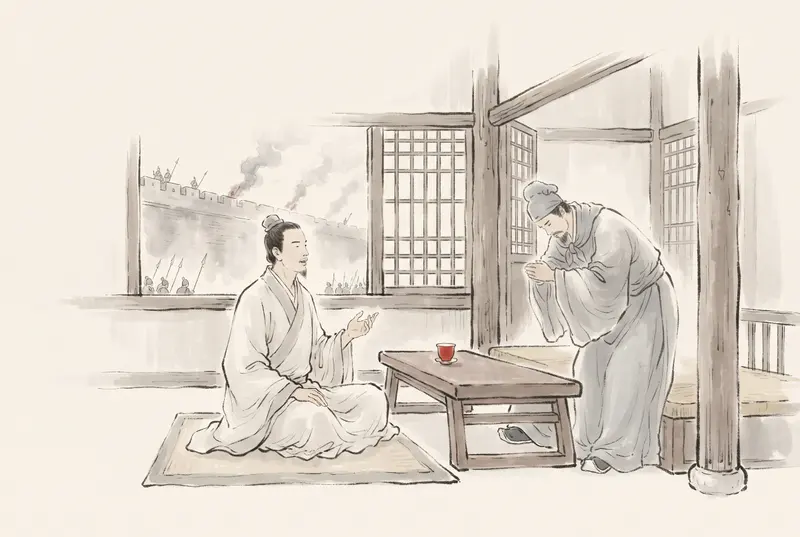
於是新垣衍起,再拜謝曰:「始以先生為庸人,吾乃今日知先生為天下之士也。吾請出,不敢復言帝秦。」秦將聞之,為卻軍五十里。適會魏公子無忌奪晉鄙軍以救趙,擊秦軍,秦軍遂引而去。
書き下し文
是に於いて新垣衍起ち、再拝して謝して曰く、「始め先生を以て庸人と為せり。吾乃ち今日先生の天下の士たるを知るなり。吾請う出でん。敢えて復た秦を帝とせんことを言わず」と。秦の将之を聞き、為に軍を却くること五十里。適たま魏の公子無忌晋鄙の軍を奪いて以て趙を救い、秦軍を撃つに会う。秦軍遂に引きて去る。
現代語訳
そこで新垣衍は立ち上がり、二度おじぎをしてわびた。「はじめは先生をただの人だと思っていましたが、今日はじめて、先生が天下の士だとわかりました。わたしはここを去ります。二度と秦を帝にしようなどとは申しません」。秦の将軍はそれを聞いて、軍を五十里退かせた。ちょうどそのとき、魏の公子無忌(信陵君)が晋鄙の軍を奪って趙を救いに来て、秦軍を攻めたので、秦軍はついに引き上げていった。
英訳
At this Xinyuan Yan rose, bowed twice and apologized: "At first I took you for an ordinary man, sir. Only today do I see that you are a gentleman of the world. Let me leave. I will never again dare to speak of making Qin emperor." When the Qin general heard of it, he pulled his army back fifty li. Just then Wuji, the prince of Wei, seized Jin Bi's army to save Zhao and attacked the Qin army, and the Qin army withdrew.
解説(日)
- 再拜: 二度おじぎをする。深い敬意を表す。
- 庸人: ふつうの人。
- 天下之士: 天下に比べる者のないすぐれた人物。
- 卻軍五十里: 軍を五十里退かせる。魯仲連の弁舌が秦軍まで動かしたと伝える。
- 魏公子無忌: 信陵君。兵符を盗んで晋鄙の軍を奪った(巻77の章を参照)。
解説(英)
- 再拜: bowing twice, a sign of deep respect.
- 庸人: an ordinary man.
- 天下之士: a gentleman without equal in the world.
- 卻軍五十里: the story credits Lu Zhonglian's words with moving even the Qin army back.
- Wuji, the prince of Wei: Lord Xinling, who stole the tally and took Jin Bi's army (see Volume 77).
英語の語注
- ordinary/ˈɔrdəˌnɛri/adjective
not special in any way
本文では: “I took you for an ordinary man”
似た語と違い: common — not special · run-of-the-mill — informal; ordinary
- pull back/ˌpʊl ˈbæk/phrasal verb
to move an army back
本文では: “he pulled his army back fifty li”
似た語と違い: withdraw — move back · retreat — go back after defeat
節 8
原文
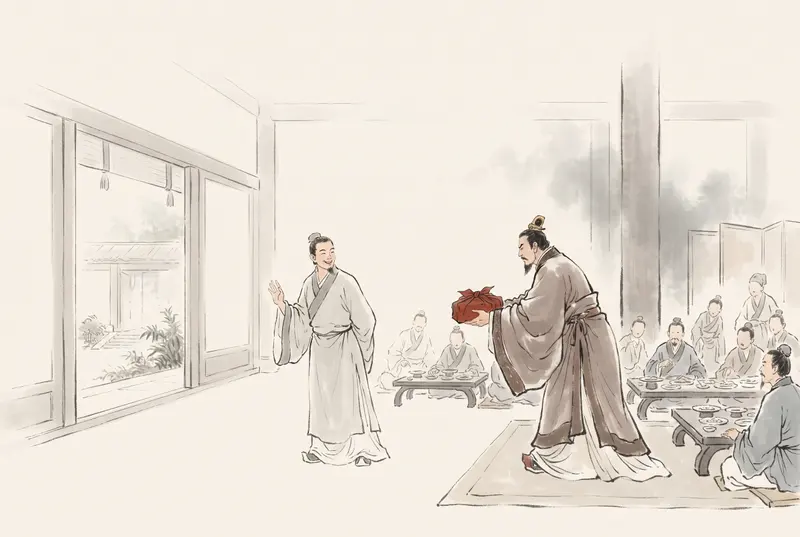
於是平原君欲封魯連,魯連辭讓(使)者三,終不肯受。平原君乃置酒,酒酣起前,以千金為魯連壽。魯連笑曰:「所貴於天下之士者,為人排患釋難解紛亂而無取也。即有取者,是商賈之事也,而連不忍為也。」遂辭平原君而去,終身不復見。
書き下し文
是に於いて平原君魯連を封ぜんと欲す。魯連辞譲すること三たび、終に受くるを肯んぜず。平原君乃ち酒を置き、酒酣にして起ちて前み、千金を以て魯連の寿と為す。魯連笑いて曰く、「天下の士に貴ぶ所の者は、人の為に患いを排し難を釈き紛乱を解きて取ること無きなり。即し取ること有らば、是れ商賈の事なり。而して連は為すに忍びざるなり」と。遂に平原君を辞して去り、終身復た見えず。
現代語訳
そこで平原君は魯仲連に領地を与えようとしたが、魯仲連は三度辞退して、とうとう受けなかった。平原君は酒宴を開き、宴たけなわになると立ち上がって進み出て、千金を贈って魯仲連の長寿を祝おうとした。魯仲連は笑って言った。「天下の士が尊ばれるのは、人のために心配ごとを取り除き、困難を解き、もめごとを収めて、何も受け取らないからです。もし何かを受け取れば、それは商人のすることです。わたしにはそんなことはできません」。そして平原君に別れを告げて去り、生涯二度と会わなかった。
英訳
Then Lord Pingyuan wanted to give Lu Zhonglian a fief. Lu Zhonglian declined three times and in the end would not accept it. So Lord Pingyuan held a feast, and when the wine was flowing he rose, stepped forward and offered a thousand gold to toast Lu Zhonglian's long life. Lu Zhonglian laughed and said, "What makes a gentleman of the world valuable is that he removes other people's troubles, frees them from danger and settles their quarrels, and takes nothing for it. To take something would be the business of a merchant, and I could not bear to do that." Then he took his leave of Lord Pingyuan and went away, and never saw him again as long as he lived.
解説(日)
- 辭讓(使)者三: 三度辞退する。「(使)」は校訂者が不要とした字。
- 為魯連壽: 魯仲連の長寿を祝う(名目で贈り物をする)。
- 排患釋難解紛亂: 心配ごとを取り除き、困難を解き、もめごとを収める。「排難解紛」の言葉のもと。
- 商賈之事: 商人のすること。代価を受け取る取引。
解説(英)
- 辭讓(使)者三: declined three times; (使) is a character the editors mark as extra.
- 為魯連壽: to toast his long life, the occasion for a gift.
- 排患釋難解紛亂 ("removing troubles, freeing from danger, settling quarrels"): the source of the phrase 排難解紛.
- 商賈之事: the business of a merchant, taking a price.
英語の語注
- decline/dɪˈklaɪn/verb
to say politely that you will not accept something
本文では: “declined three times”
似た語と違い: refuse — say no · turn down — refuse an offer
- toast/toʊst/verb
to raise a cup and drink in honor of someone
本文では: “to toast Lu Zhonglian's long life”
似た語と違い: drink to — drink in honor of · salute — honor
節 9
原文
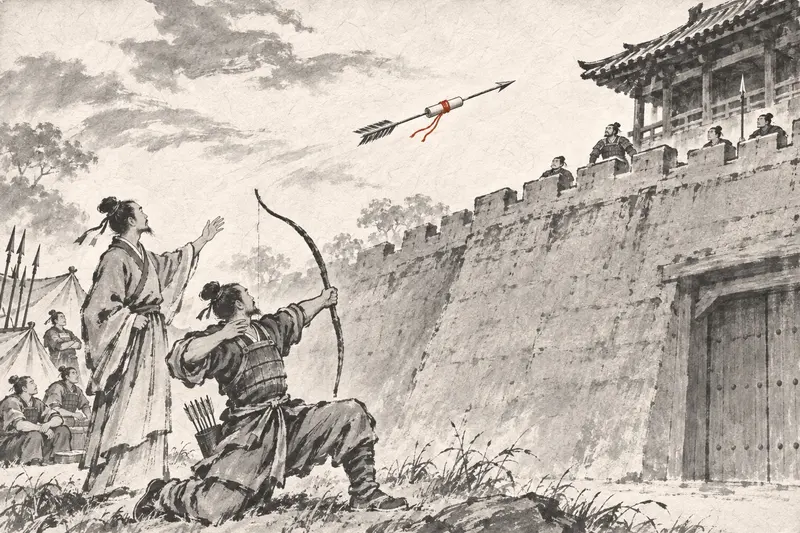
其後二十餘年,燕將攻下聊城,聊城人或讒之燕,燕將懼誅,因保守聊城,不敢歸。齊田單攻聊城歲餘,士卒多死而聊城不下。魯連乃為書,約之矢以射城中,遺燕將。書曰:吾聞之,智者不倍時而棄利,勇士不死而滅名,忠臣不先身而後君。今公行一朝之忿,不顧燕王之無臣,非忠也;殺身亡聊城,而威不信於齊,非勇也;功敗名滅,後世無稱焉,非智也。三者世主不臣,說士不載,故智者不再計,勇士不怯死。今死生榮辱,貴賤尊卑,此時不再至,願公詳計而無與俗同。
書き下し文
其の後二十余年、燕の将聊城を攻め下す。聊城の人或いは之を燕に讒す。燕の将誅せらるるを懼れ、因りて聊城を保守して、敢えて帰らず。斉の田単聊城を攻むること歳余、士卒多く死して聊城下らず。魯連乃ち書を為り、之を矢に約して以て城中に射て、燕の将に遺る。書に曰く、吾之を聞く、智者は時に倍きて利を棄てず、勇士は死して名を滅ぼさず、忠臣は身を先にして君を後にせずと。今公一朝の忿りを行いて、燕王の臣無きを顧みず。忠に非ざるなり。身を殺し聊城を亡いて、威斉に信びず。勇に非ざるなり。功敗れ名滅びて、後世称する無し。智に非ざるなり。三者は世主臣とせず、説士載せず。故に智者は再び計らず、勇士は死を怯れず。今死生栄辱、貴賤尊卑、此の時再びは至らず。願わくは公詳らかに計りて俗と同じくすること無かれ。
現代語訳
それから二十年あまりのち、燕の将軍が斉の聊城を攻め落とした。ところが聊城のある人が、この将軍のことを燕王に告げ口したので、燕の将軍は処刑されるのを恐れて聊城に立てこもり、燕に帰ろうとしなかった。斉の田単は一年あまり聊城を攻めたが、兵士が多く死んだだけで、聊城は落ちなかった。そこで魯仲連は手紙を書き、矢に結びつけて城の中へ射こみ、燕の将軍に届けた。その手紙に言う。「知恵ある者は時機にそむいて利益を捨てたりせず、勇気ある者は死んで名を失うようなことをせず、忠臣は自分を先にして君主を後回しにしない、と聞いています。いまあなたは一時の怒りにまかせて、燕王に臣下がいなくなることを顧みません。これは忠ではありません。自分を殺し聊城を失えば、斉に威光を示すこともできません。これは勇ではありません。手柄はくずれ名は消えて、後の世に語られることもありません。これは知ではありません。この三つを欠く者を、世の君主は臣下にせず、遊説家も語り伝えません。だから知恵ある者は迷わず、勇気ある者は死を恐れないのです。いまこそ、生か死か、栄誉か恥か、貴いか卑しいかの分かれ目です。この時は二度と来ません。どうかよく考えて、ありきたりの道を選ばないでください」。
英訳
More than twenty years later, a general of Yan took the city of Liaocheng. Someone in Liaocheng slandered him to Yan, and the general, afraid of being executed, held on to Liaocheng and did not dare go home. Tian Dan of Qi attacked Liaocheng for more than a year; many soldiers died, but Liaocheng did not fall. So Lu Zhonglian wrote a letter, tied it to an arrow, shot it into the city and sent it to the Yan general. The letter said: I have heard that a wise man does not go against the times and throw away his advantage, a brave man does not die and lose his name, and a loyal minister does not put himself before his lord. Now, in a moment's anger, you give no thought to leaving the King of Yan without a minister; that is not loyalty. If you lose your life and Liaocheng, and your might is never felt in Qi, that is not courage. If your achievements fail and your name is lost and no one praises you in later ages, that is not wisdom. A man lacking these three, rulers will not take as ministers and persuaders will not write of. So a wise man does not waver, and a brave man does not fear death. Now life and death, glory and shame, high and low rank all hang on this moment, and it will not come again. I beg you to think carefully and not do what ordinary men would do.
解説(日)
- 其後二十餘年: 年代には諸説ある。燕の楽毅が斉を攻めたあとの、前250年ごろのこととされる。
- 聊城: 斉の町。今の山東省聊城市。
- 讒之燕: 燕王に告げ口する。
- 田單: 斉の将軍。燕に奪われた斉の領土を「火牛の計」で取り戻した人。
- 約之矢: 矢に結びつける。
- 不倍時而棄利: 時機にそむいて利益を捨てない。
- 不先身而後君: 自分を先にして主君を後回しにしない。
- このあとの省いた部分で、魯仲連は「燕に帰る」か「斉に降って厚く遇される」かを選ぶよう説き、管仲や曹沫が恥を忍んで大きな功を立てた例を挙げる。
解説(英)
- More than twenty years later: the date is debated; around 250 BCE, after Yue Yi of Yan had invaded Qi.
- Liaocheng: a city of Qi, present-day Liaocheng in Shandong.
- 讒之燕: slandered him to the King of Yan.
- Tian Dan: the Qi general who won back Qi's lost lands with his famous "fire oxen."
- 約之矢: tied to an arrow.
- 不倍時而棄利: not going against the times and throwing away one's advantage.
- 不先身而後君: not putting oneself before one's lord.
- In the part left out after this, Lu Zhonglian urges him either to go home to Yan or to come over to Qi with honor, citing Guan Zhong and Cao Mo, who bore disgrace to achieve great things.
英語の語注
- slander/ˈslændər/verb
to say false things to damage someone's name
本文では: “Someone in Liaocheng slandered him to Yan”
似た語と違い: defame — harm someone's name · smear — spread damaging stories
- waver/ˈweɪvər/verb
to be unable to decide
本文では: “a wise man does not waver”
似た語と違い: hesitate — stop because unsure · dither — informal; be unable to decide
節 10
原文
燕將見魯連書,泣三日,猶豫不能自決。欲歸燕,已有隙,恐誅;欲降齊,所殺虜於齊甚眾,恐已降而後見辱。喟然嘆曰:「與人刃我,寧自刃。」乃自殺。聊城亂,田單遂屠聊城。歸而言魯連,欲爵之。魯連逃隱於海上,曰:「吾與富貴而詘於人,寧貧賤而輕世肆志焉。」
書き下し文
燕の将魯連の書を見て、泣くこと三日、猶予して自ら決する能わず。燕に帰らんと欲するも、已に隙有り、誅せらるるを恐る。斉に降らんと欲するも、斉に殺虜する所甚だ衆く、已に降りて後に辱めらるるを恐る。喟然として嘆じて曰く、「人の我を刃せんよりは、寧ろ自ら刃せん」と。乃ち自殺す。聊城乱る。田単遂に聊城を屠る。帰りて魯連を言い、之に爵せんと欲す。魯連海上に逃れ隠れて、曰く、「吾富貴にして人に詘せんよりは、寧ろ貧賤にして世を軽んじ志を肆にせん」と。
現代語訳
燕の将軍は魯仲連の手紙を読んで三日のあいだ泣き、ためらって決められなかった。燕に帰ろうにも、すでに王とのあいだに溝ができていて、処刑されるのが恐ろしい。斉に降伏しようにも、斉の人をたくさん殺したり捕らえたりしてきたので、降伏したあとで辱めを受けるのが恐ろしい。彼はため息をついて言った。「人に斬られるくらいなら、いっそ自分で斬ろう」。そして自害した。聊城は混乱し、田単はついに聊城を攻め落として皆殺しにした。田単は帰って魯仲連の働きを王に申し上げ、爵位を与えようとした。魯仲連は海辺に逃げて隠れ、こう言った。「わたしは、富み栄えて人に頭を下げるくらいなら、貧しく卑しくとも、世の中を軽く見て思いのままに生きたいのだ」。
英訳
When the Yan general read Lu Zhonglian's letter, he wept for three days and could not make up his mind. If he went back to Yan, the rift was already there and he feared execution. If he surrendered to Qi, he had killed and captured so many men of Qi that he feared he would be humiliated once he gave himself up. He sighed and said, "Rather than let another man put a blade to me, I will put one to myself." And he killed himself. Liaocheng fell into chaos, and Tian Dan took the city and put it to the sword. He returned and told the king about Lu Zhonglian, and wanted to give him a rank. Lu Zhonglian fled and hid by the sea, saying, "Rather than be rich and honored and bow to other men, I would be poor and humble, think little of the world and live as I please."
解説(日)
- 隙: 溝、仲たがい。
- 殺虜: 殺したり捕らえたりする。
- 與人刃我,寧自刃: 人に斬られるくらいなら、自分で斬る。
- 屠: 城を落として住民を殺す。
- 爵之: 爵位を与える。
- 逃隱於海上: 海辺に逃げて隠れる。p3の「東海を蹈む」と響き合う結び。
- 詘於人: 人に屈する、頭を下げる。
- 輕世肆志: 世の中を軽んじて、思いのままに生きる。
解説(英)
- 隙: a rift.
- 殺虜: killing and capturing.
- 與人刃我,寧自刃 ("rather than let another man put a blade to me, I will put one to myself").
- 屠: to take a city and slaughter its people.
- 爵之: to give him a rank.
- 逃隱於海上 ("hid by the sea"): an echo of his vow in p3 to walk into the Eastern Sea.
- 詘於人: to bow to others.
- 輕世肆志: to think little of the world and live as one pleases.
英語の語注
- humiliate/hjuːˈmɪliˌeɪt/verb
to make someone feel ashamed and foolish
本文では: “he would be humiliated once he gave himself up”
似た語と違い: disgrace — bring shame on · shame — make ashamed
- honored/ˈɑnərd/adjective
respected and given high rank
本文では: “Rather than be rich and honored”
似た語と違い: esteemed — highly respected · distinguished — famous and respected
節 11
原文
太史公曰:魯連其指意雖不合大義,然余多其在布衣之位,蕩然肆志,不詘於諸侯,談說於當世,折卿相之權。
書き下し文
太史公曰く、魯連は其の指意大義に合わずと雖も、然れども余は其の布衣の位に在りて、蕩然として志を肆にし、諸侯に詘せず、当世に談説して、卿相の権を折くを多とす。
現代語訳
太史公(司馬遷)は言う。魯仲連の考えは、大義にかなっていないところもある。しかしわたしは、彼が無位無官の身でありながら、のびのびと思いのままに生き、諸侯に頭を下げず、当世の人々に説いて、大臣や宰相の権勢をくじいたことを高く評価する。
英訳
The Grand Historian says: Lu Zhonglian's ideas did not always accord with the greater principles. Yet I admire him because, as a man with no office, he lived freely as he pleased, never bowed to the lords, argued with the men of his age and broke the power of ministers and chancellors.
解説(日)
- 指意: 考え、主張。
- 大義: 大きな道理。
- 多: 高く評価する。
- 布衣: 無位無官の庶民。
- 蕩然肆志: のびのびと思いのままに。
- 折卿相之權: 大臣や宰相の権勢をくじく。
- このあとの省いた部分で、司馬遷は鄒陽を魯仲連と同じ巻に載せた理由を述べている。
解説(英)
- 指意: his ideas.
- 大義: the greater principles.
- 多: to admire.
- 布衣 ("cloth-clad"): a commoner with no office.
- 蕩然肆志: living freely as he pleased.
- 折卿相之權: breaking the power of ministers and chancellors.
- In the part left out, Sima Qian explains why he placed Zou Yang in the same volume.
英語の語注
- accord/əˈkɔrd/verb
to agree with or match something
本文では: “did not always accord with the greater principles”
似た語と違い: agree — be the same as · conform — follow a rule
- admire/ədˈmaɪr/verb
to respect and approve of someone
本文では: “Yet I admire him”
似た語と違い: respect — think well of · look up to — admire