列伝 · 巻 80
楽毅列伝 樂毅列傳
楽毅の斉攻めと「燕王に報ずる書」 樂毅伐齊與報燕王書
戦国時代の燕の名将楽毅の物語。斉に国を踏みにじられた燕の昭王は、まず凡庸な郭隗を手厚く迎えて天下の賢者を招き、魏から使者として来た楽毅を引き留めて重く用いた。楽毅は趙・楚・韓・魏と連合して斉を破り、ただ一人斉の地にとどまって、五年で七十余城を降す。残るは莒と即墨の二城だけとなったが、昭王が死に、楽毅と不仲だった恵王が立つと、斉の田単の流した噂によって楽毅は将軍を解かれ、誅殺を恐れて趙へ逃れた。後任の将軍は田単に大敗し、斉はすべての城を取り戻す。恵王が楽毅を責める手紙を送ると、楽毅は「燕王に報ずる書」で、先王との信頼と、伍子胥の悲劇を引いて自らの身の処し方を語り、「君子は交わりを絶っても悪口を言わない」と結んだ。後世、この手紙を読んで泣かない者はいなかったという。
この巻のうち「楽毅の斉攻めと「燕王に報ずる書」」の場面を載せています。巻の全文ではありません。
音声
音声は合成音声です。
動画
節 1
原文
樂毅者,其先祖曰樂羊。樂羊為魏文侯將,伐取中山,魏文侯封樂羊以靈壽。樂羊死,葬於靈壽,其後子孫因家焉。中山復國,至趙武靈王時復滅中山,而樂氏後有樂毅。樂毅賢,好兵,趙人舉之。及武靈王有沙丘之亂,乃去趙適魏。聞燕昭王以子之之亂而齊大敗燕,燕昭王怨齊,未嘗一日而忘報齊也。燕國小,辟遠,力不能制,於是屈身下士,先禮郭隗以招賢者。樂毅於是為魏昭王使於燕,燕王以客禮待之。樂毅辭讓,遂委質為臣,燕昭王以為亞卿,久之。
書き下し文
楽毅なる者は、其の先祖を楽羊と曰う。楽羊魏の文侯の将と為り、中山を伐ち取る。魏の文侯楽羊を封ずるに霊寿を以てす。楽羊死して、霊寿に葬る。其の後子孫因りて家す。中山国を復し、趙の武霊王の時に至りて復た中山を滅ぼす。而して楽氏の後に楽毅有り。 楽毅賢にして、兵を好む。趙人之を挙ぐ。武霊王に沙丘の乱有るに及び、乃ち趙を去りて魏に適く。燕の昭王の、子之の乱を以て斉大いに燕を敗るを以て、燕の昭王斉を怨み、未だ嘗て一日として斉に報ゆることを忘れざるを聞く。燕国は小にして辟遠、力制する能わず。是に於いて身を屈して士に下り、先ず郭隗を礼して以て賢者を招く。楽毅是に於いて魏の昭王の為に燕に使いす。燕王客礼を以て之を待つ。楽毅辞譲するも、遂に質を委ねて臣と為る。燕の昭王以て亜卿と為すこと、之を久しうす。
現代語訳
楽毅の祖先は楽羊という。楽羊は魏の文侯の将軍となって中山国を討ち取り、文侯は楽羊を霊寿に封じた。楽羊は死んで霊寿に葬られ、子孫はそのままそこに住んだ。中山はその後国を回復したが、趙の武霊王の時代に再び滅ぼされた。楽氏の子孫に楽毅がいた。 楽毅は賢く、兵法を好み、趙の人々に推挙された。武霊王が沙丘で反乱に巻きこまれて死ぬと、楽毅は趙を去って魏へ行った。そのころ燕の昭王は、子之の乱に乗じて斉に大敗させられたことから斉を恨み、一日たりとも斉への仕返しを忘れたことがないと聞こえていた。だが燕は小さく辺境にあって、力では斉を抑えられない。そこで昭王は身を低くして士人にへりくだり、まず郭隗を手厚く迎えて、天下の賢者を招いた。楽毅はこのとき、魏の昭王の使者として燕へ行った。燕王は賓客の礼で彼をもてなした。楽毅はいったん辞退したが、ついに燕の臣下となった。燕の昭王は楽毅を亜卿(上卿に次ぐ大臣)として、長く用いた。
英訳
Yue Yi's ancestor was Yue Yang. Yue Yang was a general of Marquis Wen of Wei; he conquered the state of Zhongshan, and the marquis enfeoffed him at Lingshou. When Yue Yang died he was buried at Lingshou, and his descendants settled there. Zhongshan later regained its independence, but in the time of King Wuling of Zhao it was destroyed again; and among the descendants of the Yue family was Yue Yi. Yue Yi was able and loved the art of war, and the people of Zhao recommended him for office. When King Wuling met his end in the troubles at Shaqiu, Yue Yi left Zhao and went to Wei. He heard that King Zhao of Yan hated Qi, because Qi had taken advantage of the disorder of Zizhi to crush Yan, and that the king had never for a single day forgotten his wish for revenge. But Yan was small and remote and could not overpower Qi. So the king humbled himself before men of talent: he began by honouring Guo Wei, in order to attract the worthy. At this time Yue Yi came to Yan as an envoy for King Zhao of Wei. The King of Yan received him with the courtesy due to a guest. Yue Yi declined at first, but in the end he pledged himself as the king's subject, and King Zhao made him a vice-minister, a post he held for a long time.
解説(日)
- 樂羊: 魏の将軍。中山を攻めているとき、中山はとらえた楽羊の子を煮て送ってきたが、楽羊はそれを食べて攻め続けたという。
- 沙丘之亂: 趙の武霊王が、跡継ぎ争いに巻きこまれて沙丘の宮で餓死した事件(巻43)。
- 子之之亂: 燕王噲が宰相子之に王位を譲ったために起きた内乱。斉はこれに乗じて燕を攻めた。
- 先禮郭隗: 「まず隗より始めよ」。凡庸な自分を厚遇すれば、もっとすぐれた人が集まると郭隗が昭王に説いた話(『戦国策』)。
- 亞卿: 上卿に次ぐ大臣の位。
解説(英)
- The troubles at Shaqiu (沙丘之亂): King Wuling of Zhao starved to death in the Shaqiu palace during a succession struggle (vol. 43).
- The disorder of Zizhi (子之之亂): civil war in Yan after its king handed the throne to his minister Zizhi; Qi invaded.
- Honouring Guo Wei (先禮郭隗): "Begin with Wei", Guo Wei told the king: if even an ordinary man like him was richly rewarded, better men would come.
この節から生まれた言葉: 先ず隗より始めよ
英語の語注
- remote/rɪˈmoʊt/adjective
far away from other places
本文では: “Yan was small and remote”
似た語と違い: distant — far off · isolated — cut off
- humble oneself/ˈhʌmbəl wʌnˈsɛlf/phrase
to act as if one is less important than others
本文では: “humbled himself before men of talent”
似た語と違い: bow to — show respect to · stoop — lower oneself
節 2
原文
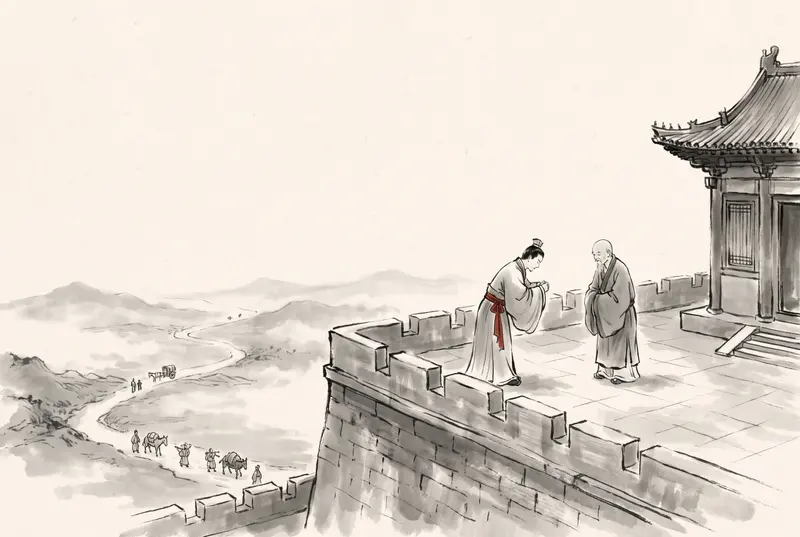
當是時,齊湣王彊,南敗楚相唐眛於重丘,西摧三晉於觀津,遂與三晉擊秦,助趙滅中山,破宋,廣地千餘里。與秦昭王爭重為帝,已而復歸之。諸侯皆欲背秦而服於齊。湣王自矜,百姓弗堪。於是燕昭王問伐齊之事。樂毅對曰:「齊,霸國之餘業也,地大人眾,未易獨攻也。王必欲伐之,莫如與趙及楚、魏。」於是使樂毅約趙惠文王,別使連楚、魏,令趙嚪說秦以伐齊之利。諸侯害齊湣王之驕暴,皆爭合從與燕伐齊。樂毅還報,燕昭王悉起兵,使樂毅為上將軍,趙惠文王以相國印授樂毅。樂毅於是并護趙、楚、韓、魏、燕之兵以伐齊,破之濟西。諸侯兵罷歸,而燕軍樂毅獨追,至于臨菑。齊湣王之敗濟西,亡走,保於莒。樂毅獨留徇齊,齊皆城守。樂毅攻入臨菑,盡取齊寶財物祭器輸之燕。燕昭王大說,親至濟上勞軍,行賞饗士,封樂毅於昌國,號為昌國君。於是燕昭王收齊鹵獲以歸,而使樂毅復以兵平齊城之不下者。
書き下し文
是の時に当たり、斉の湣王彊く、南のかた楚の相唐眛を重丘に敗り、西のかた三晋を観津に摧き、遂に三晋と秦を撃ち、趙を助けて中山を滅ぼし、宋を破り、地を広むること千余里。秦の昭王と重きを争いて帝と為り、已にして復た之を帰す。諸侯皆秦に背きて斉に服せんと欲す。湣王自ら矜り、百姓堪えず。是に於いて燕の昭王斉を伐つの事を問う。楽毅対えて曰く、「斉は、霸国の余業なり。地大きく人衆く、未だ独り攻め易からざるなり。王必ず之を伐たんと欲せば、趙及び楚・魏と与にするに如くは莫し」と。是に於いて楽毅をして趙の恵文王と約せしめ、別に使いして楚・魏に連なり、趙をして秦に嚪説せしむるに斉を伐つの利を以てす。諸侯斉の湣王の驕暴を害とし、皆争いて合従して燕と斉を伐つ。楽毅還りて報ず。燕の昭王悉く兵を起こし、楽毅をして上将軍と為す。趙の恵文王相国の印を以て楽毅に授く。楽毅是に於いて并せて趙・楚・韓・魏・燕の兵を護して以て斉を伐ち、之を済西に破る。諸侯の兵罷めて帰る。而して燕軍の楽毅独り追いて、臨菑に至る。斉の湣王の済西に敗るるや、亡げ走りて、莒に保つ。楽毅独り留まりて斉を徇う。斉皆城守す。楽毅攻めて臨菑に入り、尽く斉の宝財物祭器を取りて之を燕に輸す。燕の昭王大いに説び、親ら済上に至りて軍を労い、賞を行い士を饗し、楽毅を昌国に封じ、号して昌国君と為す。是に於いて燕の昭王斉の鹵獲を収めて以て帰り、而して楽毅をして復た兵を以て斉の城の下らざる者を平らげしむ。
現代語訳
このころ斉の湣王は強大で、南は重丘で楚の宰相唐眛を破り、西は観津で韓・魏・趙の三晋を打ちくだき、さらに三晋とともに秦を攻め、趙を助けて中山を滅ぼし、宋を破って、領土を千里あまりも広げていた。秦の昭王と覇を争ってそれぞれ帝を名のったが、やがて帝号を返上した。諸侯はみな秦にそむいて斉に従おうとした。湣王は思い上がり、民は耐えられなかった。そこで燕の昭王は、斉を討つことについて楽毅に尋ねた。楽毅は答えた。「斉はかつての覇者の国の名残で、土地は広く人も多く、一国だけで攻めるのは容易ではありません。王がどうしても討とうとなさるなら、趙や楚・魏と組むのが一番です」。そこで楽毅を使者として趙の恵文王と同盟を結ばせ、別の使者で楚と魏を味方につけ、趙を通じて秦に、斉を討つ利益を説かせた。諸侯は斉の湣王のおごりと乱暴を憎んでいたので、みな争って合従し、燕とともに斉を討った。楽毅が帰って報告すると、燕の昭王は全軍を挙げて楽毅を上将軍とし、趙の恵文王も宰相の印を楽毅に授けた。楽毅は趙・楚・韓・魏・燕の兵をまとめて斉を攻め、済水の西で打ち破った。諸侯の兵は引き上げたが、燕軍の楽毅だけはそのまま追撃して斉の都臨淄に迫った。斉の湣王は済西で敗れると逃げて莒にたてこもった。楽毅はただ一人斉にとどまって各地を攻め取り、斉の城はみな守りを固めた。楽毅は臨淄に攻め入り、斉の宝物や財物、祭器をすべて奪って燕へ送った。燕の昭王は大いに喜び、自ら済水のほとりまで出向いて軍をねぎらい、恩賞を与え、兵士に酒食をふるまい、楽毅を昌国に封じて昌国君とした。昭王は斉からの戦利品を持ち帰り、楽毅には引き続き兵を率いて、まだ降らない斉の城を平定させた。
英訳
At this time King Min of Qi was powerful. In the south he had defeated Tang Mie, the chief minister of Chu, at Chongqiu; in the west he had crushed the three Jin states at Guanjin; then with the three Jin he had attacked Qin, helped Zhao destroy Zhongshan, and broken Song, enlarging his lands by more than a thousand li. He had vied with King Zhao of Qin for supremacy and called himself emperor, though he soon gave up the title. The lords all wanted to leave Qin and submit to Qi. King Min grew proud, and his people could not bear him. So King Zhao of Yan asked about attacking Qi. Yue Yi answered: "Qi still has the strength of a former hegemon. Its land is large and its people many; it will not be easy to attack alone. If Your Majesty is set on it, there is nothing better than to join with Zhao, Chu and Wei." So Yue Yi was sent to make an alliance with King Huiwen of Zhao, other envoys went to bring in Chu and Wei, and Zhao was used to tempt Qin with the profit of attacking Qi. The lords, who resented King Min's arrogance and violence, all hurried to join the alliance with Yan against Qi. When Yue Yi came back and reported, King Zhao of Yan raised every soldier he had and made Yue Yi supreme general, and King Huiwen of Zhao gave him the seal of chancellor of Zhao. Yue Yi took command of the armies of Zhao, Chu, Han, Wei and Yan together, attacked Qi and broke it west of the Ji River. The lords' armies then went home, but Yue Yi with the army of Yan pursued alone as far as Linzi. King Min, defeated west of the Ji, fled and held out at Ju. Yue Yi stayed on alone, taking the land of Qi, while the cities of Qi all shut themselves up to defend their walls. He stormed Linzi and sent all the treasures, wealth and ritual vessels of Qi back to Yan. King Zhao of Yan was overjoyed. He came in person to the banks of the Ji to reward the army, gave out prizes and feasted the soldiers, and enfeoffed Yue Yi at Changguo as Lord of Changguo. Then King Zhao took the spoils of Qi home and had Yue Yi carry on with the army, subduing the cities of Qi that had not yet surrendered.
解説(日)
- 湣王: 斉の王。前288年に秦の昭王と並んで「帝」を名のった(東帝・西帝)。
- 三晉: 晋から分かれた韓・魏・趙の三国。
- 合從: 諸国が南北に連合すること(巻69蘇秦列伝)。
- 臨菑: 斉の都。臨淄とも書く。
- 濟西: 済水の西。前284年の決戦の地。
解説(英)
- King Min (湣王): in 288 BCE he and King Zhao of Qin briefly took the titles Emperor of the East and Emperor of the West.
- The three Jin (三晉): Han, Wei and Zhao, the states that grew out of Jin.
- Linzi (臨菑): the capital of Qi.
英語の語注
- enfeoff/ɛnˈfif/verb
to give land and a title to a noble
本文では: “enfeoffed Yue Yi at Changguo”
似た語と違い: grant land — give an estate · invest — give a rank officially
- arrogance/ˈærəɡəns/noun
too much pride
本文では: “King Min's arrogance”
似た語と違い: haughtiness — proud manner · conceit — too high an opinion of oneself
節 3
原文
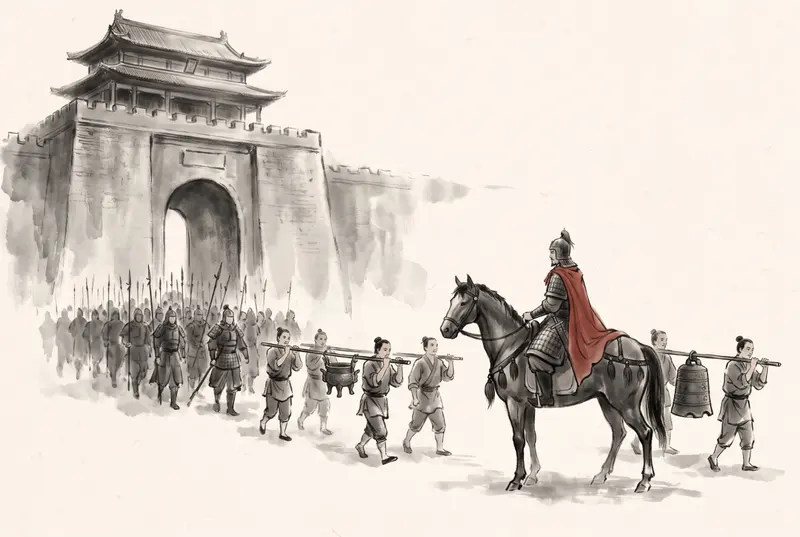
樂毅留徇齊五歲,下齊七十餘城,皆為郡縣以屬燕,唯獨莒、即墨未服。會燕昭王死,子立為燕惠王。惠王自為太子時嘗不快於樂毅,及即位,齊之田單聞之,乃縱反閒於燕,曰:「齊城不下者兩城耳。然所以不早拔者,聞樂毅與燕新王有隙,欲連兵且留齊,南面而王齊。齊之所患,唯恐他將之來。」於是燕惠王固已疑樂毅,得齊反閒,乃使騎劫代將,而召樂毅。樂毅知燕惠王之不善代之,畏誅,遂西降趙。趙封樂毅於觀津,號曰望諸君。尊寵樂毅以警動於燕、齊。齊田單後與騎劫戰,果設詐誑燕軍,遂破騎劫於即墨下,而轉戰逐燕,北至河上,盡復得齊城,而迎襄王於莒,入于臨菑。
書き下し文
楽毅留まりて斉を徇うこと五歳、斉の七十余城を下し、皆郡県と為して以て燕に属せしむ。唯だ独り莒・即墨のみ未だ服せず。会々燕の昭王死し、子立ちて燕の恵王と為る。恵王自ら太子為りし時より嘗て楽毅に快からず。即位するに及び、斉の田単之を聞き、乃ち反閒を燕に縦ちて曰く、「斉の城の下らざる者は両城のみ。然れども早く抜かざる所以の者は、聞く、楽毅燕の新王と隙有り、兵を連ねて且く斉に留まり、南面して斉に王たらんと欲すと。斉の患うる所は、唯だ他将の来たらんことを恐るるのみ」と。是に於いて燕の恵王固より已に楽毅を疑う。斉の反閒を得て、乃ち騎劫をして代わりて将たらしめ、而して楽毅を召す。楽毅燕の恵王の善からずして之に代うるを知り、誅を畏れ、遂に西のかた趙に降る。趙楽毅を観津に封じ、号して望諸君と曰う。楽毅を尊寵して以て燕・斉を警動す。 斉の田単後に騎劫と戦い、果たして詐を設けて燕軍を誑き、遂に騎劫を即墨の下に破り、而して転戦して燕を逐い、北のかた河上に至り、尽く斉の城を復し得て、襄王を莒より迎え、臨菑に入る。
現代語訳
楽毅は斉にとどまって各地を攻め取ること五年、斉の七十あまりの城を降して、すべて燕の郡や県とした。降らないのは莒と即墨だけになった。ちょうどそのとき燕の昭王が亡くなり、子が立って燕の恵王となった。恵王は太子のころから楽毅をこころよく思っていなかった。恵王が即位すると、斉の田単はそれを聞いて、燕に間者を放ってこう言いふらさせた。「斉でまだ降らない城は二つだけだ。それなのに早く攻め落とさないのは、楽毅が燕の新しい王と仲が悪く、兵を集めたまましばらく斉にとどまり、自ら南面して斉の王になろうとしているからだそうだ。斉が恐れているのは、ほかの将軍が来ることだけだ」。燕の恵王はもともと楽毅を疑っていたので、斉の間者の流した噂を聞くと、騎劫を楽毅の代わりの将軍とし、楽毅を呼び戻した。楽毅は、恵王が自分を嫌って交代させたことを知り、誅殺を恐れて、西へ逃れて趙に降った。趙は楽毅を観津に封じて望諸君と呼び、楽毅を尊んで厚遇し、燕と斉を警戒させた。 その後、斉の田単は騎劫と戦い、はたして計略をめぐらして燕軍をあざむき、即墨の城下で騎劫を打ち破った。そのまま転戦して燕軍を追い、北は黄河のほとりまで攻め進んで、斉の城をすべて取り戻し、襄王を莒から迎えて臨淄に入った。
英訳
Yue Yi stayed in Qi for five years, taking its territory, and brought more than seventy of its cities to surrender, making them all commanderies and counties of Yan. Only Ju and Jimo had not submitted. Then King Zhao of Yan died, and his son took the throne as King Hui. Even as crown prince, King Hui had disliked Yue Yi. When he came to the throne, Tian Dan of Qi heard of it and sent agents into Yan to spread the word: "Only two cities of Qi have not fallen. The reason they have not been taken long ago is, we hear, that Yue Yi has fallen out with the new king of Yan and means to keep his army in Qi and make himself its king. The only thing Qi fears is that another general might come." King Hui already distrusted Yue Yi, and when he heard Qi's rumours he sent Qi Jie to take over the command and recalled Yue Yi. Knowing that King Hui wished him ill in replacing him, and afraid of being put to death, Yue Yi went west and gave himself up to Zhao. Zhao enfeoffed him at Guanjin with the title Lord of Wangzhu, and honoured and favoured him in order to keep Yan and Qi on their guard. Later Tian Dan of Qi fought Qi Jie and, as expected, deceived the Yan army with a trick. He broke Qi Jie beneath the walls of Jimo, then pursued the Yan army from battle to battle as far north as the Yellow River, recovered every city of Qi, welcomed King Xiang back from Ju and entered Linzi.
解説(日)
- 莒・即墨: 最後まで残った斉の二城。即墨を守ったのが田単(巻82)。
- 反閒: 敵に偽りの情報を流して仲を裂く計略。
- 南面而王齊: 南を向いて座り、斉の王となる。
- 騎劫: 楽毅に代わった燕の将軍。
- 果設詐誑燕軍: 火牛の計など、田単の計略(巻82)。
解説(英)
- Ju and Jimo (莒・即墨): the last two cities of Qi; Tian Dan held Jimo (vol. 82).
- Agents spreading rumours (反閒): the classic stratagem of sowing distrust in the enemy's camp.
- A trick: Tian Dan's stratagems, including the famous fire oxen (vol. 82).
英語の語注
- distrust/dɪsˈtrʌst/verb
to not believe someone is honest
本文では: “already distrusted Yue Yi”
似た語と違い: suspect — think guilty · doubt — be unsure of
- recover/rɪˈkʌvər/verb
to get back something lost
本文では: “recovered every city of Qi”
似た語と違い: regain — win back · retake — capture again
節 4
原文
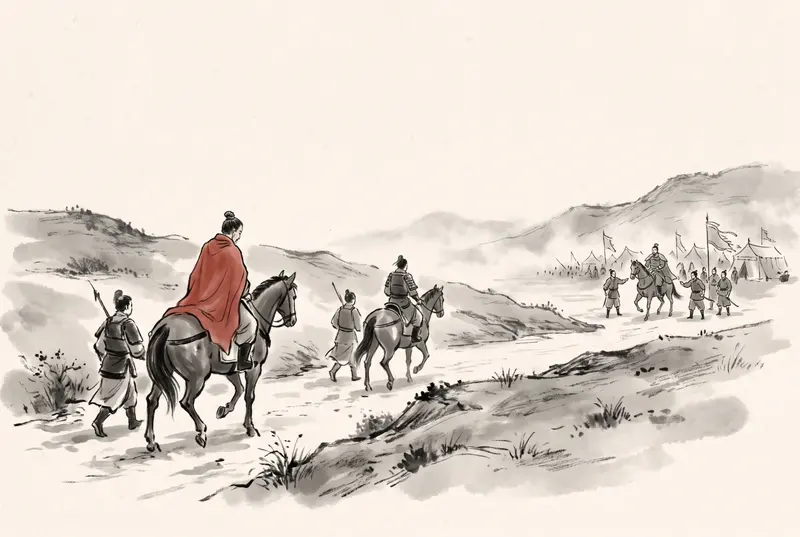
燕惠王後悔使騎劫代樂毅,以故破軍亡將失齊;又怨樂毅之降趙,恐趙用樂毅而乘燕之獘以伐燕。燕惠王乃使人讓樂毅,且謝之曰:「先王舉國而委將軍,將軍為燕破齊,報先王之讎,天下莫不震動,寡人豈敢一日而忘將軍之功哉!會先王棄群臣,寡人新即位,左右誤寡人。寡人之使騎劫代將軍,為將軍久暴露於外,故召將軍且休,計事。將軍過聽,以與寡人有隙,遂捐燕歸趙。將軍自為計則可矣,而亦何以報先王之所以遇將軍之意乎?」樂毅報遺燕惠王書曰:
書き下し文
燕の恵王後に騎劫をして楽毅に代えしめ、故を以て軍を破り将を亡い斉を失いしを悔ゆ。又楽毅の趙に降るを怨み、趙楽毅を用いて燕の獘に乗じて以て燕を伐たんことを恐る。燕の恵王乃ち人をして楽毅を譲め、且つ之に謝せしめて曰く、「先王国を挙げて将軍に委ぬ。将軍燕の為に斉を破り、先王の讎に報ず。天下震動せざる莫し。寡人豈に敢えて一日として将軍の功を忘れんや。会々先王群臣を棄て、寡人新たに即位す。左右寡人を誤る。寡人の騎劫をして将軍に代えしむるは、将軍の久しく外に暴露するが為なり。故に将軍を召して且く休め、事を計らんとす。将軍過り聴き、以て寡人と隙有りと為し、遂に燕を捐てて趙に帰す。将軍自ら計を為すは則ち可なり。而れども亦何を以て先王の将軍を遇する所以の意に報いんや」と。楽毅燕の恵王に書を報遺して曰く、
現代語訳
燕の恵王はのちに、騎劫を楽毅の代わりにしたために軍を破られ、将軍を失い、斉を失ったことを後悔した。また楽毅が趙に降ったことを恨み、趙が楽毅を用いて燕の弱みにつけこみ、攻めてくるのではないかと恐れた。そこで恵王は人をやって楽毅を責め、同時にわびてこう言わせた。「先王は国を挙げて将軍にゆだね、将軍は燕のために斉を破って、先王の仇を討ってくれた。天下にふるえあがらない者はいなかった。私がどうして一日でも将軍の功績を忘れようか。ちょうど先王が亡くなり、私は即位したばかりで、側近たちが私をあやまらせたのだ。私が騎劫を将軍の代わりにしたのは、将軍が長く外で野ざらしの苦労をしていたので、呼び戻してしばらく休んでもらい、これからのことを相談しようと思ったからだ。ところが将軍は噂を真に受けて、私と仲たがいしたと思いこみ、燕を捨てて趙についてしまった。将軍が自分の身を守るためなら、それもよかろう。だが、それで先王が将軍を厚くもてなしたお心に、どう報いるつもりなのか」。楽毅は燕の恵王に返書を送った。
英訳
Afterwards King Hui of Yan regretted having replaced Yue Yi with Qi Jie, which had cost him his army, his general and Qi. He also resented Yue Yi's going over to Zhao, and feared that Zhao would use Yue Yi to take advantage of Yan's weakness and attack it. So King Hui sent a man to reproach Yue Yi and, at the same time, to apologise: "The late king entrusted the whole state to you, general, and you broke Qi for Yan and avenged the late king; there was no one in the realm who did not tremble. How could I ever forget your achievement for a single day? But just then the late king left his ministers, I had only just come to the throne, and those around me misled me. When I sent Qi Jie to replace you, it was because you had been out in the field so long that I wanted to call you back to rest for a while and discuss our plans. You listened to the wrong people, thought that you and I had fallen out, and abandoned Yan for Zhao. For your own sake, general, that was well enough. But how does it repay the kindness with which the late king treated you?" Yue Yi sent back a letter to King Hui of Yan, which said:
解説(日)
- 先王: 亡くなった前の王。ここでは燕の昭王。
- 棄群臣: 群臣を捨てる。王が亡くなることの婉曲な言い方。
- 暴露: 野外で風雨にさらされる。戦場での苦労。
- 恵王の手紙は、わびるようでいて、楽毅を恩知らずと責めている。
解説(英)
- Left his ministers (棄群臣): a polite way of saying that a king has died.
- King Hui's letter apologises, but it also accuses Yue Yi of ingratitude.
英語の語注
- reproach/rɪˈproʊtʃ/verb
to blame someone and show disappointment
本文では: “to reproach Yue Yi”
似た語と違い: rebuke — scold · upbraid — criticise sharply
- mislead/mɪsˈlid/verb
to give someone a wrong idea
本文では: “those around me misled me”
似た語と違い: deceive — make believe something false · lead astray — guide wrongly
節 5
原文
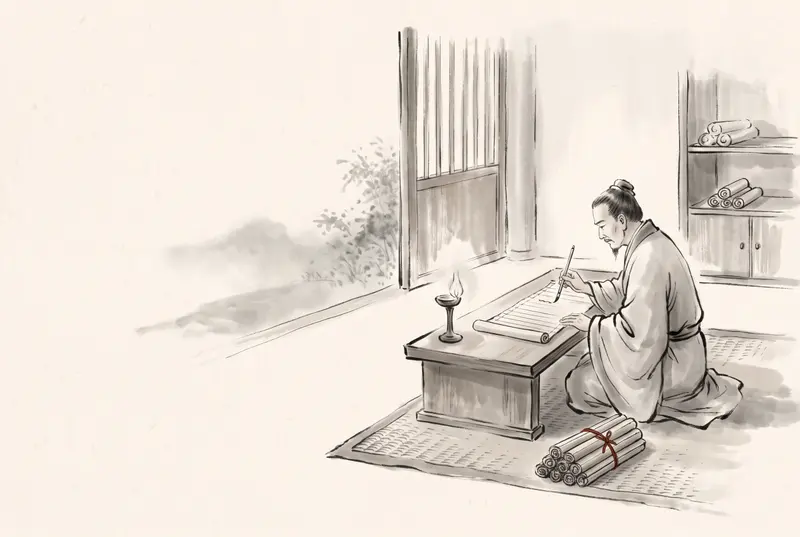
臣不佞,不能奉承王命,以順左右之心,恐傷先王之明,有害足下之義,故遁逃走趙。今足下使人數之以罪,臣恐侍御者不察先王之所以畜幸臣之理,又不白臣之所以事先王之心,故敢以書對。臣聞賢聖之君不以祿私親,其功多者賞之,其能當者處之。故察能而授官者,成功之君也;論行而結交者,立名之士也。臣竊觀先王之舉也,見有高世主之心,故假節於魏,以身得察於燕。先王過舉,廁之賓客之中,立之群臣之上,不謀父兄,以為亞卿。臣竊不自知,自以為奉令承教,可幸無罪,故受令而不辭。
書き下し文
臣佞ならず、王命を奉承して、以て左右の心に順う能わず。先王の明を傷つけ、足下の義を害せんことを恐る。故に遁逃して趙に走る。今足下人をして之を数むるに罪を以てせしむ。臣恐るらくは侍御者の先王の臣を畜幸する所以の理を察せず、又臣の先王に事うる所以の心を白らかにせざらんことを。故に敢えて書を以て対う。 臣聞く、賢聖の君は禄を以て親に私せず、其の功多き者は之を賞し、其の能当たる者は之に処らしむと。故に能を察して官を授くる者は、功を成すの君なり。行いを論じて交わりを結ぶ者は、名を立つるの士なり。臣竊かに先王の挙を観るに、高世の主の心有るを見る。故に節を魏に仮りて、身を以て燕に察せらるるを得たり。先王過りて挙げ、之を賓客の中に廁え、之を群臣の上に立て、父兄に謀らずして、以て亜卿と為す。臣竊かに自ら知らず、自ら以為えらく令を奉じ教えを承けば、幸いに罪無かるべしと。故に令を受けて辞せず。
現代語訳
私はふつつか者で、王のご命令をお受けして、おそばの方々のお気持ちに沿うことができませんでした。それで先王の人を見る目の明らかさを傷つけ、あなたさまの義をそこなうのを恐れて、趙へ逃れたのです。いま、あなたさまは人をよこして私の罪を責められました。私は、おそばの方々が、先王が私をかわいがってくださったわけをわかっておらず、また私が先王にお仕えした心もはっきりしないのではないかと心配しております。それで、あえて手紙でお答えいたします。 私は聞いております。賢く聖なる君主は、俸禄を自分の身内のためにえこひいきして与えず、手柄の多い者には賞を与え、能力のふさわしい者をその地位につける、と。ですから、能力を見きわめて官職を授けるのは功業を成しとげる君主であり、行いを見きわめて交わりを結ぶのは名を立てる士なのです。私がひそかに先王のなさりようを見ますと、世にぬきんでた君主の心をお持ちでした。それで私は魏の使者の割り符を借りて燕へ参り、自分の身を先王に見ていただくことができたのです。先王は過分にも私を取り立て、賓客の中に加え、群臣の上に立たせ、一族の長老方に相談もなさらずに亜卿とされました。私はひそかに身のほども知らず、ご命令を守り教えに従えば幸い罪を得ることはあるまいと考えて、ご命令をお受けして辞退しなかったのです。
英訳
I am a man of no talent. I could not carry out Your Majesty's commands and still please those around you, and I feared that I would tarnish the late king's clear judgement and harm your own good name; so I fled to Zhao. Now you have sent a man to charge me with crimes. I fear that those who serve you do not understand why the late king favoured me, and that the heart with which I served him has not been made plain; so I venture to answer in writing. I have heard that a wise and sage ruler does not give salaries to favour his kin, but rewards those with the most merit and appoints those whose abilities fit the post. So a ruler who weighs ability before giving office is one who achieves great things, and a man who weighs conduct before making friends is one who makes his name. When I quietly observed the late king's actions, I saw in him the mind of a ruler above his age. So I borrowed the tally of an envoy from Wei, and came myself to be seen in Yan. The late king raised me beyond my worth: he placed me among his guests, set me above his ministers, and without consulting the elders of his house, made me a vice-minister. Not knowing my own limits, I thought that if I obeyed his orders and followed his teaching I might be lucky enough to escape blame, so I accepted the charge and did not decline.
解説(日)
- ここから楽毅の「報燕王書」。後世、名文として読み継がれた。
- 不佞: ふつつか者。自分をへりくだる言葉。
- 足下: あなたさま。王に対して直接呼ぶのを避けた言い方。
- 假節於魏: 魏の使者のしるしを借りて燕に行く。
- 不謀父兄: 王族の長老たちに相談しない。よそ者を異例の抜擢をしたことを示す。
解説(英)
- From here on is the "Letter in Reply to the King of Yan", read for centuries as a masterpiece of prose.
- You (足下): a respectful way of addressing the king indirectly.
- Without consulting the elders of his house (不謀父兄): an outsider was promoted against all custom.
英語の語注
- tarnish/ˈtɑrnɪʃ/verb
to spoil someone's good name
本文では: “I would tarnish the late king's clear judgement”
似た語と違い: stain — mark badly · sully — make less pure
British spelling in the text: judgement (US: judgment).
- venture/ˈvɛntʃər/verb
to dare to do or say something
本文では: “I venture to answer in writing”
似た語と違い: dare — have the courage · presume — take the liberty
節 6
原文
先王命之曰:「我有積怨深怒於齊,不量輕弱,而欲以齊為事。」臣曰:「夫齊,霸國之餘業而最勝之遺事也。練於兵甲,習於戰攻。王若欲伐之,必與天下圖之。與天下圖之,莫若結於趙。且又淮北、宋地,楚魏之所欲也,趙若許而約四國攻之,齊可大破也。」先王以為然,具符節南使臣於趙。顧反命,起兵擊齊。以天之道,先王之靈,河北之地隨先王而舉之濟上。濟上之軍受命擊齊,大敗齊人。輕卒銳兵,長驅至國。齊王遁而走莒,僅以身免;珠玉財寶車甲珍器盡收入于燕。齊器設於寧臺,大呂陳於元英,故鼎反乎磿室,薊丘之植植於汶篁,自五伯已來,功未有及先王者也。先王以為慊於志,故裂地而封之,使得比小國諸侯。臣竊不自知,自以為奉命承教,可幸無罪,是以受命不辭。
書き下し文
先王之に命じて曰く、「我斉に積怨深怒有り。軽弱を量らずして、斉を以て事と為さんと欲す」と。臣曰く、「夫れ斉は、霸国の余業にして最勝の遺事なり。兵甲に練れ、戦攻に習う。王若し之を伐たんと欲せば、必ず天下と之を図れ。天下と之を図らば、趙に結ぶに若くは莫し。且つ又淮北・宋の地は、楚・魏の欲する所なり。趙若し許して四国を約して之を攻めば、斉大いに破るべきなり」と。先王以て然りと為し、符節を具えて南のかた臣を趙に使いせしむ。顧みて命を反し、兵を起こして斉を撃つ。天の道と、先王の霊とを以て、河北の地先王に随いて之を済上に挙ぐ。済上の軍命を受けて斉を撃ち、大いに斉人を敗る。軽卒鋭兵、長駆して国に至る。斉王遁れて莒に走り、僅かに身を以て免る。珠玉財宝車甲珍器、尽く収めて燕に入る。斉の器は寧台に設け、大呂は元英に陳ね、故鼎は磿室に反り、薊丘の植は汶篁に植う。五伯より已来、功未だ先王に及ぶ者有らざるなり。先王以て志に慊れりと為し、故に地を裂きて之を封じ、小国の諸侯に比するを得しむ。臣竊かに自ら知らず、自ら以為えらく命を奉じ教えを承けば、幸いに罪無かるべしと。是を以て命を受けて辞せず。
現代語訳
先王は私にお命じになりました。「わしは斉に長年の恨みと深い怒りを抱いている。わが国の弱さもかえりみず、斉と事を構えたい」。私は申し上げました。「斉はかつての覇者の国の名残で、たびたび勝ち抜いてきた伝統があります。兵や武具の扱いに慣れ、戦いや攻城にも熟練しています。王がもし討とうとなさるなら、必ず天下の諸国と図らねばなりません。天下と図るなら、趙と結ぶのが一番です。また淮水の北や宋の土地は、楚と魏が欲しがっているところです。趙が承知して、四か国で約束して攻めれば、斉を大いに破ることができましょう」。先王はそのとおりだとして、割り符を用意して、私を南の趙へ使いに出されました。私が戻ってご報告すると、兵を起こして斉を攻めました。天の道と先王のご威光によって、黄河の北の土地の兵は先王に従って済水のほとりまで進みました。済水のほとりの軍はご命令を受けて斉を攻め、斉の人々を大いに破りました。身軽な兵と精鋭が、はるかに駆け進んで斉の都に迫りました。斉王は逃げて莒へ走り、命からがら身ひとつで助かりました。真珠や玉、財宝、車や鎧、めずらしい器は、すべて燕に運びこまれました。斉の祭器は燕の寧台に並べられ、斉の大呂の鐘は元英殿に置かれ、かつて斉に奪われた燕の鼎は磿室に戻り、燕の薊丘の植物は斉の汶水の竹やぶに植えられました。五人の覇者の時代からこのかた、先王に及ぶ功業を立てた者はおりません。先王はこれで志がかなったとお思いになり、それで土地を割いて私を封じ、小国の諸侯と肩を並べられるようにしてくださいました。私はひそかに身のほども知らず、ご命令を守り教えに従えば幸い罪を得ることはあるまいと考えて、ご命令をお受けして辞退しなかったのです。
英訳
The late king charged me, saying: "I have a long-held grudge and a deep anger against Qi. I mean to take on Qi, whatever our weakness." I said: "Qi still has the strength of a former hegemon and the tradition of a state that has won many victories. Its men are trained to arms and practised in war and siege. If Your Majesty wishes to attack it, you must do so together with the realm. If you do so with the realm, nothing is better than an alliance with Zhao. And the land north of the Huai and the land of Song are what Chu and Wei want. If Zhao agrees and four states join to attack, Qi can be utterly broken." The late king agreed. He provided me with tallies and sent me south as his envoy to Zhao. When I came back and reported, he raised his army and struck Qi. By the way of Heaven and the late king's spirit, the lands north of the Yellow River followed him to the banks of the Ji. The army on the Ji received its orders, attacked Qi and routed its people. Lightly armed troops and picked soldiers drove all the way to the capital. The King of Qi fled to Ju, escaping with nothing but his life. Pearls and jade, treasure, chariots, armour and precious vessels were all taken back to Yan. The vessels of Qi were set out in the Ning Terrace, the great bell Dalü was displayed in the Yuanying Hall, our old cauldrons returned to the Li Chamber, and the plants of Jiqiu in Yan were planted among the bamboos of the Wen in Qi. Since the time of the Five Hegemons, no one has achieved what the late king achieved. The late king felt that his wish had been fulfilled, and so he divided land to enfeoff me, so that I might stand with the lords of small states. Not knowing my own limits, I thought that if I obeyed his orders and followed his teaching I might be lucky enough to escape blame, and so I accepted the charge and did not decline.
解説(日)
- 最勝之遺事: たびたび戦いに勝ってきた国の伝統。
- 大呂: 斉の名高い大きな鐘。
- 故鼎反乎磿室: かつて斉が燕から奪った鼎が燕の宮殿に戻った。
- 薊丘之植植於汶篁: 燕の都の植物が斉の地に植えられる。燕が斉を支配したことを示す。
- 五伯: 春秋時代の五人の覇者。
- 前の段と同じ「自ら知らず…辞せず」の言葉を繰り返し、謙虚さと忠誠を強調している。
解説(英)
- Dalü (大呂): a famous great bell of Qi.
- Our old cauldrons returned: vessels that Qi had once taken from Yan came home.
- The Five Hegemons (五伯): the five great overlords of the Spring and Autumn period.
- He repeats the closing words of the previous section, stressing his modesty and loyalty.
英語の語注
- grudge/ɡrʌdʒ/noun
a lasting feeling of anger about a past wrong
本文では: “a long-held grudge”
似た語と違い: resentment — bitterness · grievance — a cause for complaint
- utterly/ˈʌtərli/adverb
completely
本文では: “Qi can be utterly broken”
似た語と違い: totally — completely · thoroughly — in every way
節 7
原文
臣聞賢聖之君,功立而不廢,故著於春秋;蚤知之士,名成而不毀,故稱於後世。若先王之報怨雪恥,夷萬乘之彊國,收八百歲之蓄積,及至棄群臣之日,餘教未衰,執政任事之臣,修法令,慎庶孽,施及乎萌隸,皆可以教後世。臣聞之,善作者不必善成,善始者不必善終。昔伍子胥說聽於闔閭,而吳王遠跡至郢;夫差弗是也,賜之鴟夷而浮之江。吳王不寤先論之可以立功,故沈子胥而不悔;子胥不蚤見主之不同量,是以至於入江而不化。
書き下し文
臣聞く、賢聖の君は、功立ちて廃せず、故に春秋に著わる。蚤知の士は、名成りて毀れず、故に後世に称せらると。先王の怨みに報い恥を雪ぎ、万乗の彊国を夷げ、八百歳の蓄積を収むるが若き、群臣を棄つるの日に及ぶまで、余教未だ衰えず。政を執り事に任ずるの臣、法令を修め、庶孽を慎み、施きて萌隷に及ぶ。皆以て後世に教うべし。 臣之を聞く、善く作す者は必ずしも善く成さず、善く始むる者は必ずしも善く終わらずと。昔伍子胥説闔閭に聴かれて、呉王遠く跡して郢に至る。夫差は是とせず、之に鴟夷を賜いて之を江に浮かぶ。呉王先論の以て功を立つべきを寤らず。故に子胥を沈めて悔いず。子胥は蚤く主の量を同じくせざるを見ず。是を以て江に入りて化せざるに至る。
現代語訳
私は聞いております。賢く聖なる君主は、功業を立てても、それがすたれることがないので、歴史書に記される。先を見通す士は、名声を得ても、それがそこなわれることがないので、後の世にたたえられる、と。先王のように、恨みを晴らし恥をすすぎ、一万の戦車をもつ強国を平らげ、斉の八百年の蓄えを手に入れられた方は、亡くなられる日まで、その残された教えは衰えませんでした。政治をとり仕事をまかされた臣下たちは法令を整え、庶子たちを慎んで扱い、その恵みは民にまで及びました。みな後の世の手本となるものです。 私はこう聞いております。うまく始める者が必ずしもうまく成しとげるとはかぎらず、よいスタートを切る者が必ずしもよい終わりを迎えるとはかぎらない、と。昔、伍子胥は呉王闔閭に説を聞き入れられ、呉王ははるか遠く楚の都の郢まで攻め入りました。ところが次の夫差は伍子胥をよしとせず、彼に自害させ、その遺体を革袋に入れて長江に浮かべました。呉王夫差は、先王が伍子胥の献策によって功業を立てたことを悟らなかったので、伍子胥を沈めても悔いなかったのです。伍子胥は、二人の君主の器量が同じでないことを早く見抜けなかったので、長江に沈められても、その恨みが消えなかったのです。
英訳
I have heard that the deeds of a wise and sage ruler, once achieved, are never undone, and so they are recorded in the annals; and that the name of a far-seeing man, once made, is never spoiled, and so he is praised by later ages. The late king avenged his grudge and wiped out his shame, levelled a great state of ten thousand chariots and took the stores of eight hundred years; and to the day he left his ministers, the teaching he left behind did not fade. The ministers who held the government and managed affairs put the laws in order, dealt carefully with the sons of concubines, and his kindness reached the common people. All of this can serve as a lesson to later ages. I have heard that one who makes a good start does not always make a good finish, and one who begins well does not always end well. Long ago Wu Zixu's advice was heeded by Helü, and the King of Wu marched far, all the way to Ying. But Fuchai did not approve of him; he sent him the order to die, put his body in a leather bag and floated it on the Yangzi. The King of Wu did not understand that it was Wu Zixu's earlier counsel that had won the victories, so he drowned him without regret. And Wu Zixu did not see early enough that his two masters were not men of the same measure, so even in the river his spirit could not rest.
解説(日)
- 萬乘之彊國: 一万の戦車を出せる大国。斉のこと。
- 八百歲之蓄積: 太公以来の斉の八百年の財宝。
- 善作者不必善成,善始者不必善終: よい始めが必ずしもよい終わりにならない。
- 鴟夷: 馬の革で作った袋。夫差は伍子胥の遺体を入れて長江に流した(巻66)。
- 不化: 恨みが消えない、魂が安らがない。楽毅は、伍子胥のようにはなりたくないと言外に告げている。
解説(英)
- A great state of ten thousand chariots (萬乘之彊國): Qi.
- "One who makes a good start does not always make a good finish" (善作者不必善成).
- A leather bag (鴟夷): Fuchai had Wu Zixu's body thrown into the Yangzi in one (vol. 66).
- Yue Yi is saying, without saying it, that he would not end like Wu Zixu.
英語の語注
- undo/ʌnˈdu/verb
to cancel the effect of something
本文では: “are never undone”
似た語と違い: reverse — turn back · cancel — make void
- heed/hid/verb
to pay attention to advice
本文では: “was heeded by Helü”
似た語と違い: follow — act on · listen to — take notice of
節 8
原文
夫免身立功,以明先王之跡,臣之上計也。離毀辱之誹謗,墮先王之名,臣之所大恐也。臨不測之罪,以幸為利,義之所不敢出也。臣聞古之君子交絕,不出惡聲;忠臣去國,不絜其名。臣雖不佞,數奉教於君子矣。恐侍御者之親左右之說,不察疏遠之行,故敢獻書以聞,唯君王之留意焉。於是燕王復以樂毅子樂閒為昌國君;而樂毅往來復通燕,燕、趙以為客卿。樂毅卒於趙。
書き下し文
夫れ身を免れて功を立て、以て先王の跡を明らかにするは、臣の上計なり。毀辱の誹謗に離り、先王の名を墮すは、臣の大いに恐るる所なり。不測の罪に臨みて、幸いを以て利と為すは、義の敢えて出ださざる所なり。 臣聞く、古の君子は交わり絶ゆるとも、悪声を出ださず。忠臣は国を去るとも、其の名を絜くせずと。臣佞ならずと雖も、数々教えを君子に奉ず。恐るらくは侍御者の左右の説に親しみて、疏遠の行いを察せざらんことを。故に敢えて書を献じて以て聞す。唯だ君王の意を留めよ。 是に於いて燕王復た楽毅の子楽閒を以て昌国君と為す。而して楽毅往来して復た燕に通ず。燕・趙以て客卿と為す。楽毅趙に卒す。
現代語訳
身を全うして功業を立て、先王の事績を明らかにすることこそ、私にとって最上の策です。そしられ辱められて、先王の名をけがすことこそ、私のもっとも恐れることです。はかり知れない罪に問われる危険の中で、運よく助かることを利益だと考えるのは、義として私にはとうていできないことです。 私は聞いております。昔の君子は、交わりを絶っても相手の悪口を言わない。忠臣は国を去っても、自分だけを潔白に見せようとはしない、と。私はふつつか者ですが、たびたび君子の教えを受けてまいりました。おそばの方々が側近の言葉ばかりを信じて、遠く離れた者の行いを察してくださらないのではないかと恐れ、それで、あえて手紙を差し上げて申し上げる次第です。どうか王さま、お心におとめください。 燕王はそこで、楽毅の子の楽閒を再び昌国君とした。楽毅も燕と行き来して交わりを取り戻し、燕と趙はともに楽毅を客卿として遇した。楽毅は趙で亡くなった。
英訳
To keep myself safe while achieving great things, and so make the late king's deeds shine, was my highest aim. To meet with slander and disgrace, and so drag down the late king's name, is what I most fear. To face an unknown charge and count it a gain if I happen to escape is something that a sense of right will not let me do. I have heard that when a gentleman of old broke off a friendship, he spoke no evil of his friend, and that when a loyal minister left his country, he did not try to clear his own name at his ruler's expense. I am a man of no talent, but I have often received the teaching of gentlemen. I fear that those who serve you listen only to the talk of your favourites and do not understand the conduct of one who is far away; so I venture to send this letter to let you know. I beg Your Majesty to take it to heart. Then the King of Yan made Yue Yi's son, Yue Jian, Lord of Changguo once more, and Yue Yi resumed his ties with Yan, travelling back and forth. Both Yan and Zhao made him an honoured guest-minister. Yue Yi died in Zhao.
解説(日)
- 交絕,不出惡聲: 交わりを絶っても悪口を言わない。君子の別れ方として有名な言葉。
- 不絜其名: 自分の名だけを清く見せようとしない。君主の非を言い立てて自分を正当化しない。
- 客卿: 他国出身で大臣として遇される者。
- 楽毅は恵王を責めず、先王への忠誠と自らの身の処し方を静かに語って、燕と趙の両方の信頼を得た。
解説(英)
- "When a gentleman broke off a friendship, he spoke no evil of his friend" (交絕,不出惡聲): a famous description of how a gentleman parts.
- He did not try to clear his own name (不絜其名): he would not justify himself by blaming his ruler.
- Without reproaching King Hui, Yue Yi quietly set out his loyalty and his reasons, and won the trust of both Yan and Zhao.
この節から生まれた言葉: 君子は交わり絶ゆとも悪声を出ださず
英語の語注
- slander/ˈslændər/noun
false talk that damages someone's reputation
本文では: “To meet with slander and disgrace”
似た語と違い: libel — damaging written lies · smear — an attack on one's name
- favourite/ˈfeɪvərɪt/noun
a person a ruler likes and trusts too much
本文では: “the talk of your favourites”
似た語と違い: minion — a ruler's flatterer · courtier — a member of a royal court
British spelling; US: favorite.
節 9
原文
太史公曰:始齊之蒯通及主父偃讀樂毅之報燕王書,未嘗不廢書而泣也。
書き下し文
太史公曰く、始め斉の蒯通及び主父偃楽毅の燕王に報ずる書を読みて、未だ嘗て書を廃して泣かずんばあらざるなり。
現代語訳
太史公は言う。むかし斉の蒯通や主父偃は、楽毅の「燕王に報ずる書」を読むたびに、書物を置いて泣かずにはいられなかった。
英訳
The Grand Historian says: When Kuai Tong of Qi and Zhufu Yan read Yue Yi's letter in reply to the King of Yan, they never failed to put the book down and weep.
解説(日)
- 蒯通: 漢初の弁士。韓信に独立をすすめた(巻92)。
- 主父偃: 武帝の時代の策士。
- 二人とも、君主との関係に悩んだ弁舌の士だった。楽毅の手紙に自分を重ねたのだろう。
- 評の後半(黄老の学の系譜)は省いた。
解説(英)
- Kuai Tong (蒯通): the persuader who urged Han Xin to break away from Han (vol. 92).
- Zhufu Yan (主父偃): a strategist at the court of Emperor Wu.
- Both were men whose fortunes hung on their rulers' trust, and they must have seen themselves in Yue Yi's letter. The rest of the comment, on a lineage of Daoist teachers, is left out.
英語の語注
- weep/wip/verb
to cry
本文では: “put the book down and weep”
似た語と違い: cry — shed tears · sob — cry noisily