列伝 · 巻 78
春申君列伝 春申君列傳
春申君(断ずべきに断ぜず) 當斷不斷
楚の黄歇は、秦の昭王に「二頭の虎が争えば、つまらない犬がその疲れにつけこむ」と説いて、楚への攻撃を思いとどまらせる。人質として秦にいた楚の太子を変装させて逃がし、自分は死を覚悟して残るが、秦の宰相の口添えで許される。太子が王になると宰相となり、春申君と呼ばれて、三千人の客を養った。ところが跡継ぎのいない王に、身ごもった李園の妹を差し出し、その子が太子となる。客の朱英は「李園があなたを殺そうとしている」と警告するが、春申君は聞き入れず、王の死の直後、宮殿の門で李園の刺客に斬られる。
この巻のうち「春申君(断ずべきに断ぜず)」の場面を載せています。巻の全文ではありません。
音声
音声は合成音声です。
動画
節 1
原文
春申君者,楚人也,名歇,姓黃氏。游學博聞,事楚頃襄王。頃襄王以歇為辯,使於秦。秦昭王使白起攻韓、魏,敗之於華陽,禽魏將芒卯,韓、魏服而事秦。秦昭王方令白起與韓、魏共伐楚,未行,而楚使黃歇適至於秦,聞秦之計。當是之時,秦已前使白起攻楚,取巫、黔中之郡,拔鄢郢,東至竟陵,楚頃襄王東徙治於陳縣。黃歇見楚懷王之為秦所誘而入朝,遂見欺,留死於秦。頃襄王,其子也,秦輕之,恐壹舉兵而滅楚。歇乃上書說秦昭王曰:
書き下し文
春申君なる者は、楚の人なり。名は歇、姓は黄氏。游学して博聞、楚の頃襄王に事う。頃襄王歇を以て弁なりと為し、秦に使いせしむ。秦の昭王白起をして韓・魏を攻めしめ、之を華陽に敗り、魏の将芒卯を禽にす。韓・魏服して秦に事う。秦の昭王方に白起をして韓・魏と共に楚を伐たしめんとし、未だ行かず。而して楚の使い黄歇適たま秦に至り、秦の計を聞く。是の時に当たり、秦已に前に白起をして楚を攻めしめ、巫・黔中の郡を取り、鄢郢を抜き、東のかた竟陵に至る。楚の頃襄王東に徙りて陳県に治す。黄歇楚の懐王の秦の誘う所と為りて入朝し、遂に欺かれ、留まりて秦に死せしを見る。頃襄王は、其の子なり。秦之を軽んじ、壹たび兵を挙げて楚を滅ぼさんことを恐る。歇乃ち書を上りて秦の昭王に説きて曰く、
現代語訳
春申君は楚の人で、名を歇、姓を黄という。諸国をめぐって学び、物知りで、楚の頃襄王に仕えた。頃襄王は黄歇の弁舌を買って、秦への使者とした。そのころ秦の昭王は白起に韓と魏を攻めさせ、華陽で破って魏の将軍芒卯を捕らえたので、韓と魏は秦に服従していた。秦の昭王はさらに、白起に韓・魏とともに楚を攻めさせようとしていて、まだ出発していなかった。ちょうどそこへ楚の使者の黄歇が秦に着き、秦の計画を知った。このときまでに、秦はすでに白起に楚を攻めさせて、巫と黔中の郡を奪い、都の鄢と郢を落とし、東は竟陵にまで達しており、楚の頃襄王は東の陳県に都を移していた。黄歇は、楚の懐王が秦に誘われて朝見に出向き、だまされて引き留められ、秦で死んだのを見てきた。頃襄王はその子である。秦は楚を軽く見ており、一気に兵を挙げて楚を滅ぼすのではないかと、黄歇は恐れた。そこで秦の昭王に上書して説いた。
英訳
Lord Chunshen was a man of Chu named Xie, of the Huang family. He had traveled to study and was widely learned, and he served King Qingxiang of Chu. King Qingxiang, thinking Xie eloquent, sent him as an envoy to Qin. King Zhao of Qin had sent Bai Qi to attack Hann and Wei; he defeated them at Huayang and captured Mang Mao, the Wei general, and Hann and Wei submitted to Qin. King Zhao was about to have Bai Qi attack Chu together with Hann and Wei, but they had not yet set out when Huang Xie, the envoy of Chu, happened to arrive in Qin and learned of the plan. By this time Qin had already sent Bai Qi against Chu, taken the commanderies of Wu and Qianzhong, captured Yan and Ying and pushed east as far as Jingling, and King Qingxiang of Chu had moved his capital east to Chen. Huang Xie had seen how King Huai of Chu had been lured into Qin to pay court, deceived, held there and left to die. King Qingxiang was his son. Qin despised him, and Huang Xie feared that Qin would raise its armies once and destroy Chu. So he sent a letter to persuade King Zhao of Qin, which said:
解説(日)
- 春申君: 黄歇(?〜前238年)。戦国四君の一人。
- 頃襄王: 楚の王(在位 前298〜前263年)。懐王の子。
- 白起: 秦の名将(巻76の章を参照)。
- 巫・黔中: 今の重慶市・湖南省西部のあたり。
- 鄢郢: 楚の都。前278年に白起が落とした。
- 陳縣: 今の河南省淮陽。楚はここに都を移した。
- 楚懷王: 秦の昭王に誘われて秦に入り、引き留められて秦で死んだ(巻84の章を参照)。
解説(英)
- Lord Chunshen: Huang Xie (d. 238 BCE), one of the Four Lords of the Warring States.
- King Qingxiang of Chu (r. 298–263 BCE), son of King Huai.
- Bai Qi: the great general of Qin (see Volume 76).
- Wu and Qianzhong: in present-day Chongqing and western Hunan.
- Yan and Ying: the capitals of Chu, taken by Bai Qi in 278 BCE.
- Chen: present-day Huaiyang in Henan, where Chu moved its capital.
- King Huai of Chu: lured into Qin by King Zhao, held there, and died in Qin (see Volume 84).
英語の語注
- commandery/kəˈmændəri/noun
a large area ruled by a governor sent by the king
本文では: “taken the commanderies of Wu and Qianzhong”
似た語と違い: province — a large part of a country · district — an area with its own government
- despise/dɪˈspaɪz/verb
to feel no respect for someone
本文では: “Qin despised him”
似た語と違い: scorn — look down on · disdain — think unworthy of respect
- persuade/pərˈsweɪd/verb
to make someone agree by giving reasons
本文では: “to persuade King Zhao of Qin”
似た語と違い: convince — make someone believe · talk into — persuade by talking
節 2
原文
天下莫彊於秦、楚。今聞大王欲伐楚,此猶兩虎相與鬬。兩虎相與鬬而駑犬受其獘,不如善楚。臣請言其說:臣聞物至則反,冬夏是也;致至則危,累棋是也。
書き下し文
天下に秦・楚より彊きは莫し。今聞く、大王楚を伐たんと欲すと。此れ猶お両虎の相与に闘うがごとし。両虎相与に闘いて駑犬其の弊を受く。楚に善くするに如かず。臣請う其の説を言わん。臣聞く、物至まれば則ち反る、冬夏是れなり。致すこと至まれば則ち危うし、累棋是れなり。
現代語訳
「天下に秦と楚ほど強い国はありません。いま大王は楚を攻めようとしておられると聞きます。これは二頭の虎が戦うようなものです。二頭の虎が戦えば、つまらない犬がその疲れにつけこんで得をします。楚と仲よくなさるほうがよろしいでしょう。そのわけを申し上げます。物事はきわまれば逆戻りすると聞いています。冬と夏がそうです。積み上げきれば危うくなると聞いています。積み重ねた碁石がそうです。
英訳
"No states in the realm are stronger than Qin and Chu. Now I hear that Your Majesty means to attack Chu. That would be like two tigers fighting each other. When two tigers fight, a worthless dog profits from their exhaustion. Better to be on good terms with Chu. Let me explain why. I have heard that when a thing reaches its limit, it turns back, as winter and summer do; and that when a pile is built as high as it can go, it is in danger, as a stack of game pieces is.
解説(日)
- 兩虎相與鬬: 二頭の虎が戦う。強い者どうしが争えば、両方とも傷つく。
- 駑犬受其獘: つまらない犬が、その疲れにつけこんで得をする。「漁夫の利」と似た考え。韓・魏のことをさす。
- 物至則反: 物事はきわまれば逆戻りする。
- 累棋: 積み重ねた碁石や駒。高く積むほど崩れやすい。「累卵の危うき」と似たたとえ。
- このあと(省略): 上書は長く続き、秦は勢いの頂点にあるので、楚と争えば韓・魏や斉が得をするだけだと説く。
解説(英)
- 兩虎相與鬬 ("two tigers fighting"): when the strong fight each other, both are wounded.
- 駑犬受其獘: a worthless dog profits from their exhaustion; like the idea of the fisherman who catches both the clam and the bird. The "dog" means Hann and Wei.
- 物至則反: a thing turns back when it reaches its limit.
- 累棋: a stack of game pieces, the higher the shakier; like "a stack of eggs."
- After this (left out here): the long letter argues that Qin is at the peak of its power, and that a war with Chu would only benefit Hann, Wei and Qi.
英語の語注
- exhaustion/ɪɡˈzɔstʃən/noun
the state of being extremely tired
本文では: “profits from their exhaustion”
似た語と違い: fatigue — great tiredness · weariness — tiredness after long effort
- limit/ˈlɪmɪt/noun
the furthest point something can reach
本文では: “when a thing reaches its limit”
似た語と違い: extreme — the furthest point · peak — the highest point
節 3
原文
昭王曰:「善。」於是乃止白起而謝韓、魏。發使賂楚,約為與國。黃歇受約歸楚,楚使歇與太子完入質於秦,秦留之數年。楚頃襄王病,太子不得歸。而楚太子與秦相應侯善,於是黃歇乃說應侯曰:「相國誠善楚太子乎?」應侯曰:「然。」歇曰:「今楚王恐不起疾,秦不如歸其太子。太子得立,其事秦必重而德相國無窮,是親與國而得儲萬乘也。若不歸,則咸陽一布衣耳;楚更立太子,必不事秦。夫失與國而絕萬乘之和,非計也。願相國孰慮之。」
書き下し文
昭王曰く、「善し」と。是に於いて乃ち白起を止めて韓・魏に謝す。使いを発して楚に賂い、約して与国と為す。黄歇約を受けて楚に帰る。楚歇と太子完とをして秦に入りて質たらしむ。秦之を留むること数年。楚の頃襄王病む。太子帰るを得ず。而して楚の太子は秦の相応侯と善し。是に於いて黄歇乃ち応侯に説きて曰く、「相国誠に楚の太子と善きか」と。応侯曰く、「然り」と。歇曰く、「今楚王恐らくは疾より起たざらん。秦其の太子を帰すに如かず。太子立つを得ば、其の秦に事うること必ず重くして、相国を徳とすること窮まり無からん。是れ与国に親しみて万乗を儲くるを得るなり。若し帰さずんば、則ち咸陽の一布衣のみ。楚更に太子を立てば、必ず秦に事えず。夫れ与国を失いて万乗の和を絶つは、計に非ざるなり。願わくは相国孰ら之を慮れ」と。
現代語訳
昭王は「よろしい」と言い、白起を止めて、韓と魏には出兵を断った。そして楚に使者を送って贈り物をし、同盟国となる約束を結んだ。黄歇は約束をまとめて楚に帰った。楚は黄歇と太子の完を人質として秦に送り、秦は二人を数年のあいだ引き留めた。やがて楚の頃襄王が病気になったが、太子は帰ることができなかった。楚の太子は秦の宰相の応侯と親しかったので、黄歇は応侯に説いた。「宰相殿はまことに楚の太子と親しいのですか」。応侯は「そうだ」と言った。黄歇は言った。「いま楚王は、おそらく病から立ち直れないでしょう。秦は太子を帰したほうがよい。太子が王位につけば、きっと秦を重んじて仕え、宰相殿の恩をいつまでも忘れないでしょう。そうなれば同盟国と仲よくして、大国の王をいわば味方にたくわえておくことになります。もし帰さなければ、太子は咸陽にいるただの庶民にすぎません。楚は別の太子を立て、その太子は決して秦に仕えないでしょう。同盟国を失い、大国との和を断つのは、よい策ではありません。どうか宰相殿、よくお考えください」。
英訳
"Good," said King Zhao. He halted Bai Qi and sent Hann and Wei away. He sent envoys with gifts to Chu, and they agreed to be allies. Huang Xie took the agreement back to Chu. Chu then sent Xie with the crown prince, Wan, to Qin as hostages, and Qin kept them there for several years. When King Qingxiang of Chu fell ill, the crown prince could not go home. But the crown prince of Chu was on good terms with Qin's chancellor, the Marquis of Ying, so Huang Xie said to the Marquis, "Are you truly a friend of the crown prince of Chu, Chancellor?" "I am," said the Marquis. Xie said, "The King of Chu will probably not recover from his illness. Qin would do best to send the crown prince home. If he takes the throne, he is sure to serve Qin faithfully and be forever grateful to you. That way Qin keeps a friendly ally and has a great king in reserve. If he is not sent home, he is just a commoner in Xianyang. Chu will name another crown prince, who will surely not serve Qin. To lose an ally and break the peace with a great state is no plan at all. I beg you to think it over carefully."
解説(日)
- 與國: 同盟国。
- 太子完: のちの楚の考烈王。
- 質: 人質。
- 應侯: 范雎(巻79の章を参照)。応の地を与えられたので応侯と呼ばれる。
- 萬乘: 戦車一万台を出せる大国。またその王。
- 儲: たくわえる。いざというときのために味方を用意しておく。
- 布衣: 庶民。
解説(英)
- 與國: an allied state.
- Crown prince Wan: later King Kaolie of Chu.
- 質: a hostage.
- The Marquis of Ying: Fan Ju (see Volume 79), given the fief of Ying.
- 萬乘 ("ten thousand chariots"): a great state, or its king.
- 儲: to keep in reserve.
- 布衣: a commoner.
英語の語注
- halt/hɔlt/verb
to stop, or to make something stop
本文では: “He halted Bai Qi”
似た語と違い: stop — end movement · check — stop or slow
- hostage/ˈhɑstɪdʒ/noun
a person kept by another state as a guarantee of a promise
本文では: “to Qin as hostages”
似た語と違い: captive — a person kept prisoner · pledge — something given as a promise
- recover/rɪˈkʌvər/verb
to get well again after being ill
本文では: “will probably not recover from his illness”
似た語と違い: get better — become healthy again · pull through — survive a serious illness
節 4
原文
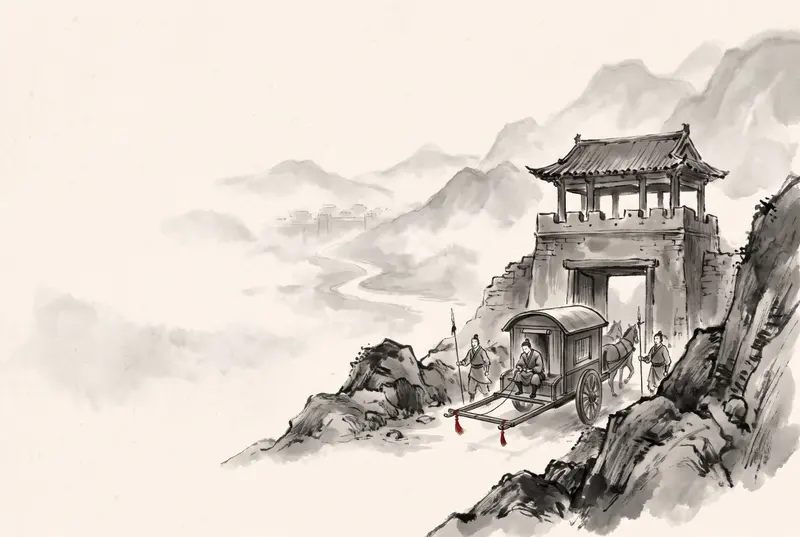
應侯以聞秦王。秦王曰:「令楚太子之傅先往問楚王之疾,返而後圖之。」黃歇為楚太子計曰:「秦之留太子也,欲以求利也。今太子力未能有以利秦也,歇憂之甚。而陽文君子二人在中,王若卒大命,太子不在,陽文君子必立為後,太子不得奉宗廟矣。不如亡秦,與使者俱出;臣請止,以死當之。」楚太子因變衣服為楚使者御以出關,而黃歇守舍,常為謝病。度太子已遠,秦不能追,歇乃自言秦昭王曰:「楚太子已歸,出遠矣。歇當死,願賜死。」昭王大怒,欲聽其自殺也。應侯曰:「歇為人臣,出身以徇其主,太子立,必用歇,故不如無罪而歸之,以親楚。」秦因遣黃歇。
書き下し文
応侯以て秦王に聞す。秦王曰く、「楚の太子の傅をして先ず往きて楚王の疾を問わしめ、返りて後に之を図らん」と。黄歇楚の太子の為に計りて曰く、「秦の太子を留むるや、以て利を求めんと欲するなり。今太子の力未だ以て秦を利する有る能わず。歇之を憂うること甚だし。而して陽文君の子二人中に在り。王若し大命を卒えば、太子在らず、陽文君の子必ず立ちて後と為り、太子宗廟を奉ずるを得ざらん。秦を亡れて、使者と倶に出づるに如かず。臣請う止まりて、死を以て之に当たらん」と。楚の太子因りて衣服を変じて楚の使者の御と為りて以て関を出づ。而して黄歇舎を守り、常に為に病と謝す。太子已に遠く、秦追う能わずと度り、歇乃ち自ら秦の昭王に言いて曰く、「楚の太子已に帰り、出でて遠し。歇当に死すべし。願わくは死を賜え」と。昭王大いに怒り、其の自殺を聴さんと欲す。応侯曰く、「歇人臣と為りて、身を出だして以て其の主に徇う。太子立たば、必ず歇を用いん。故に罪無くして之を帰し、以て楚に親しむに如かず」と。秦因りて黄歇を遣る。
現代語訳
応侯がこれを秦王に伝えると、秦王は言った。「まず楚の太子の守り役を帰して楚王の病状を見させ、戻ってきてから考えよう」。黄歇は楚の太子のために計略を立てて言った。「秦が太子を引き留めているのは、利益を引き出すためです。いまの太子には、まだ秦に利益をもたらす力がありません。わたしはそれがとても心配です。それに、楚の都には陽文君の二人の子がいます。もし王が亡くなったとき太子がいなければ、陽文君の子が必ず跡継ぎに立てられ、太子は先祖の祭りを受け継げなくなります。秦から逃げて、使者と一緒に出ていくほうがよい。わたしは残って、死をもって責任を負いましょう」。そこで楚の太子は服を着替え、楚の使者の御者に変装して関所を抜けた。黄歇は宿舎に残り、いつも太子は病気だと言って人に会わせなかった。太子がもう遠くまで逃げて、秦が追いつけないころを見計らって、黄歇は自ら秦の昭王に申し出た。「楚の太子はもう帰国し、遠くへ去りました。わたしは死罪にあたります。どうか死をお与えください」。昭王は激怒し、黄歇が自害するのを許そうとした。応侯が言った。「黄歇は家臣として、身を投げ出して主君に尽くしました。太子が王になれば、必ず黄歇を用いるでしょう。罪を問わずに帰して、楚と親しくなるほうがよいでしょう」。そこで秦は黄歇を帰した。
英訳
The Marquis of Ying told the King of Qin, who said, "Let the crown prince's tutor go first to see how the King of Chu is, and when he returns we will decide." Huang Xie made a plan for the crown prince of Chu: "Qin keeps you here because it wants to gain something from you. You do not yet have the power to give Qin anything, and that worries me greatly. And the two sons of Lord Yangwen are in Chu. If the king dies while you are away, one of them is sure to be made heir, and you will never inherit the ancestral temple. You had better escape from Qin by going out with the envoys. I will stay behind and answer for it with my life." So the crown prince of Chu changed his clothes and passed through the pass disguised as the driver of a Chu envoy. Huang Xie stayed in their lodging and kept telling visitors that the prince was ill. When he judged that the prince was far enough away that Qin could not catch him, Huang Xie went himself to King Zhao of Qin and said, "The crown prince of Chu has gone home and is far away. I deserve death. I ask you to grant it." King Zhao was furious and was about to let him kill himself. The Marquis of Ying said, "As a subject, Xie risked his life for his master. If the crown prince becomes king, he is sure to employ Xie. Better to send him home unpunished and make a friend of Chu." So Qin sent Huang Xie home.
解説(日)
- 傅: 守り役、教育係。
- 陽文君: 楚の王族。その子が王位を争う恐れがあった。
- 卒大命: 寿命が尽きる。王が亡くなること。
- 奉宗廟: 先祖の祭りを受け継ぐ。王位を継ぐこと。
- 為楚使者御: 楚の使者の御者に化ける。
- 謝病: 病気を理由に人に会わない。
- 出身以徇其主: 身を投げ出して主君に尽くす。
解説(英)
- 傅: a tutor or guardian.
- Lord Yangwen: a member of the Chu royal house whose sons might claim the throne.
- 卒大命: to come to the end of one's life.
- 奉宗廟 ("tend the ancestral temple"): to succeed to the throne.
- 為楚使者御: disguised as the driver of a Chu envoy.
- 謝病: to excuse oneself on grounds of illness.
- 出身以徇其主: to risk one's life for one's master.
英語の語注
- inherit/ɪnˈhɛrɪt/verb
to receive a title, land or money when someone dies
本文では: “you will never inherit the ancestral temple”
似た語と違い: succeed to — take a title after someone · come into — receive as an heir
- disguise/dɪsˈɡaɪz/verb
to change your looks so that people will not know you
本文では: “disguised as the driver of a Chu envoy”
似た語と違い: mask — hide the face or truth · camouflage — hide by looking like the surroundings
- furious/ˈfjʊriəs/adjective
extremely angry
本文では: “King Zhao was furious”
似た語と違い: enraged — very angry · livid — informal; extremely angry
- unpunished/ʌnˈpʌnɪʃt/adjective
without being punished
本文では: “send him home unpunished”
似た語と違い: pardoned — forgiven officially · scot-free — informal; without punishment
節 5
原文
歇至楚三月,楚頃襄王卒,太子完立,是為考烈王。考烈王元年,以黃歇為相,封為春申君,賜淮北地十二縣。後十五歲,黃歇言之楚王曰:「淮北地邊齊,其事急,請以為郡便。」因并獻淮北十二縣。請封於江東。考烈王許之。春申君因城故吳墟,以自為都邑。春申君既相楚,是時齊有孟嘗君,趙有平原君,魏有信陵君,方爭下士,招致賓客,以相傾奪,輔國持權。
書き下し文
歇楚に至りて三月、楚の頃襄王卒し、太子完立つ。是を考烈王と為す。考烈王の元年、黄歇を以て相と為し、封じて春申君と為し、淮北の地十二県を賜う。後十五歳、黄歇之を楚王に言いて曰く、「淮北の地は斉に辺す。其の事急なり。請う以て郡と為すが便なり」と。因りて并せて淮北の十二県を献ず。封を江東に請う。考烈王之を許す。春申君因りて故の呉の墟に城きて、以て自ら都邑と為す。春申君既に楚に相たり。是の時斉に孟嘗君有り、趙に平原君有り、魏に信陵君有り。方に争いて士に下り、賓客を招致し、以て相傾奪し、国を輔けて権を持す。
現代語訳
黄歇が楚に戻って三か月後、楚の頃襄王が亡くなり、太子の完が位について考烈王となった。考烈王の元年、黄歇を宰相とし、春申君に封じて、淮北の十二県を与えた。それから十五年後、黄歇は楚王に申し出た。「淮北の地は斉と境を接していて、守りが急を要します。王の直轄の郡にしたほうがよいでしょう」。そして淮北の十二県をまとめて返上し、かわりに江東の地に領地を求めた。考烈王はこれを許した。春申君は、もとの呉の都の跡に城を築き、自分の本拠とした。春申君が楚の宰相となったころ、斉には孟嘗君、趙には平原君、魏には信陵君がいて、競い合って士にへりくだり、客を招き、互いに人材を奪い合って、それぞれ国を助けて権力を握っていた。
英訳
Three months after Xie reached Chu, King Qingxiang died and the crown prince Wan came to the throne as King Kaolie. In his first year, King Kaolie made Huang Xie chief minister, named him Lord Chunshen and gave him twelve counties north of the Huai. Fifteen years later Huang Xie said to the king, "The land north of the Huai borders on Qi. Its defense is urgent; it would be better to make it a royal commandery." So he gave back all twelve counties north of the Huai and asked for a fief east of the Yangzi instead. King Kaolie agreed. Lord Chunshen built walls on the ruins of the old capital of Wu and made it his own seat. When Lord Chunshen was chief minister of Chu, Qi had Lord Mengchang, Zhao had Lord Pingyuan and Wei had Lord Xinling, and they were all competing to humble themselves before gentlemen and attract guests, trying to win men away from one another, and each helped to run his state and held its power.
解説(日)
- 考烈王: 楚の王(在位 前262〜前238年)。
- 春申君: 黄歇の称号。上海を流れる黄浦江や、上海の別名「申」は、春申君にちなむと伝えられる。
- 淮北: 淮水の北。
- 江東: 長江の下流の南の地方。
- 故吳墟: もとの呉の都の跡。今の江蘇省蘇州市。伍子胥や夫差の呉の都(巻66の章を参照)。
- 傾奪: 人材を奪い合う。
解説(英)
- King Kaolie of Chu (r. 262–238 BCE).
- Lord Chunshen: Huang Xie's title. The Huangpu River in Shanghai and Shen, an old name for Shanghai, are said to be named after him.
- North of the Huai (淮北).
- East of the Yangzi (江東): the lands south of the lower Yangzi.
- The ruins of the old capital of Wu: present-day Suzhou, the capital of Wu Zixu and Fuchai (see Volume 66).
- 傾奪: competing to draw men away from one another.
英語の語注
- county/ˈkaʊnti/noun
a small area of local government
本文では: “twelve counties north of the Huai”
似た語と違い: district — an area of a country · prefecture — an area run by an official
節 6
原文
春申君為楚相四年,秦破趙之長平軍四十餘萬。五年,圍邯鄲。邯鄲告急於楚,楚使春申君將兵往救之,秦兵亦去,春申君歸。春申君相楚八年,為楚北伐滅魯,以荀卿為蘭陵令。當是時,楚復彊。趙平原君使人於春申君,春申君捨之於上舍。趙使欲夸楚,為瑁簪,刀劍室以珠玉飾之,請命春申君客。春申君客三千餘人,其上客皆躡珠履以見趙使,趙使大慚。
書き下し文
春申君楚の相と為りて四年、秦趙の長平の軍四十余万を破る。五年、邯鄲を囲む。邯鄲急を楚に告ぐ。楚春申君をして兵を将いて往きて之を救わしむ。秦の兵も亦た去り、春申君帰る。春申君楚に相たること八年、楚の為に北伐して魯を滅ぼし、荀卿を以て蘭陵の令と為す。是の時に当たり、楚復た彊し。趙の平原君人を春申君に使いせしむ。春申君之を上舎に舎す。趙の使い楚に夸らんと欲し、瑁簪を為り、刀剣の室は珠玉を以て之を飾り、春申君の客に命を請う。春申君の客三千余人、其の上客は皆珠履を躡みて以て趙の使いに見ゆ。趙の使い大いに慚ず。
現代語訳
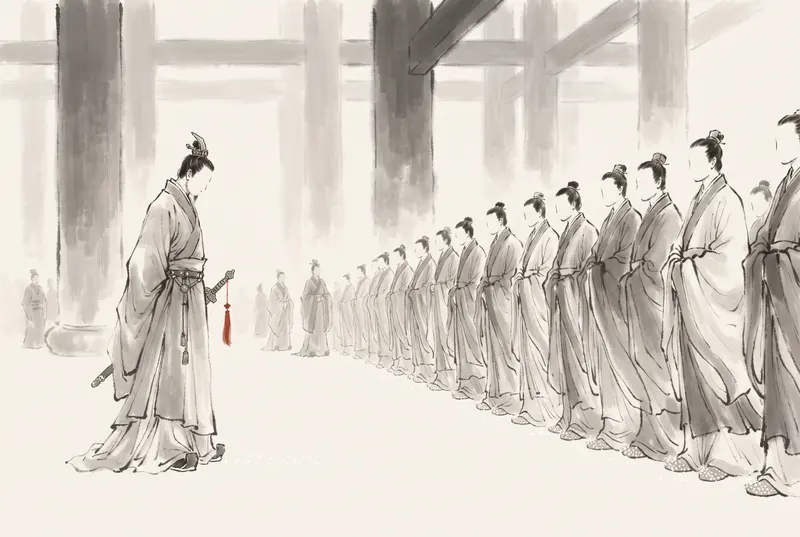
春申君が楚の宰相になって四年目、秦は長平で四十万あまりの趙の軍を破った。五年目には邯鄲を包囲した。邯鄲が楚に急を告げると、楚は春申君に兵を率いさせて救援に向かわせ、秦の兵も去ったので、春申君は帰国した。宰相となって八年目、春申君は楚のために北へ攻めこんで魯を滅ぼし、荀卿(荀子)を蘭陵の長官にした。このころ、楚はふたたび強くなった。趙の平原君が春申君のもとに使者を送ってきたので、春申君は使者を上等の宿舎に泊めた。趙の使者は楚に自慢しようとして、べっこうのかんざしをさし、刀や剣のさやを珠玉で飾って、春申君の客に会いたいと願い出た。春申君の客は三千人あまりいたが、その上客たちはみな、珠玉で飾った履をはいて趙の使者に会った。趙の使者は大いに恥じ入った。
英訳
In Lord Chunshen's fourth year as chief minister of Chu, Qin crushed the Zhao army at Changping, more than four hundred thousand men. In his fifth year Qin besieged Handan. When Handan appealed to Chu for help, Chu sent Lord Chunshen with an army to rescue it; the Qin troops withdrew, and Lord Chunshen returned. In his eighth year as chief minister, he marched north for Chu and destroyed Lu, and he made Xun Qing magistrate of Lanling. At this time Chu grew strong again. Lord Pingyuan of Zhao sent an envoy to Lord Chunshen, who lodged him in the best guesthouse. The envoy from Zhao, wanting to show off to Chu, wore a hairpin of tortoiseshell and carried swords in scabbards decorated with pearls and jade, and asked to meet Lord Chunshen's guests. Lord Chunshen had more than three thousand guests, and his chief guests all came to meet the envoy wearing shoes decorated with pearls. The envoy from Zhao was deeply embarrassed.
解説(日)
- 長平・邯鄲: 前260年の長平の戦いと、前258〜前257年の邯鄲の包囲(巻76・巻77の章を参照)。
- 滅魯: 前256年ごろ。孔子の故郷の国、魯は楚に滅ぼされた。
- 荀卿: 荀子(巻87の李斯の章を参照)。蘭陵は今の山東省蘭陵県。
- 瑁簪: べっこうのかんざし。
- 刀劍室: 刀や剣のさや。
- 珠履: 珠玉で飾った履。春申君の豪勢さを示す話。
解説(英)
- Changping and Handan: the battle of 260 BCE and the siege of 258–257 BCE (see Volumes 76 and 77).
- Destroyed Lu: around 256 BCE. Lu, Confucius's home state, fell to Chu.
- Xun Qing: Xunzi (see the Li Si chapter, Volume 87). Lanling is present-day Lanling County in Shandong.
- 瑁簪: a tortoiseshell hairpin.
- 刀劍室: scabbards.
- 珠履: shoes decorated with pearls; a show of Lord Chunshen's wealth.
この節から生まれた言葉: 珠履三千
英語の語注
- magistrate/ˈmædʒɪˌstreɪt/noun
an official who governs and judges in a town
本文では: “made Xun Qing magistrate of Lanling”
似た語と違い: governor — the head of an area · prefect — a local official
- scabbard/ˈskæbərd/noun
a cover for the blade of a sword
本文では: “in scabbards decorated with pearls and jade”
似た語と違い: sheath — a cover for a blade · case — a container
- embarrassed/ɪmˈbærəst/adjective
feeling foolish or ashamed in front of others
本文では: “The envoy from Zhao was deeply embarrassed”
似た語と違い: ashamed — feeling guilt or shame · humiliated — made to feel foolish
節 7
原文
楚考烈王無子,春申君患之,求婦人宜子者進之,甚眾,卒無子。趙人李園持其女弟,欲進之楚王,聞其不宜子,恐久毋寵。李園求事春申君為舍人,已而謁歸,故失期。還謁,春申君問之狀,對曰:「齊王使使求臣之女弟,與其使者飲,故失期。」春申君曰:「娉入乎?」對曰:「未也。」春申君曰:「可得見乎?」曰:「可。」於是李園乃進其女弟,即幸於春申君。
書き下し文
楚の考烈王子無し。春申君之を患え、婦人の子に宜しき者を求めて之を進むること甚だ衆きも、卒に子無し。趙人李園其の女弟を持して、之を楚王に進めんと欲するも、其の子に宜しからずと聞き、久しくして寵毋からんことを恐る。李園春申君に事えて舎人と為らんことを求む。已にして謁して帰り、故に期を失す。還りて謁す。春申君之が状を問う。対えて曰く、「斉王使いをして臣の女弟を求めしむ。其の使者と飲む。故に期を失す」と。春申君曰く、「娉入るるか」と。対えて曰く、「未だし」と。春申君曰く、「見るを得べきか」と。曰く、「可なり」と。是に於いて李園乃ち其の女弟を進む。即ち春申君に幸せらる。
現代語訳
楚の考烈王には子がなかった。春申君は心配して、子を産みそうな女性を探してはたくさん王に差し出したが、とうとう子はできなかった。趙の人の李園は、自分の妹を楚王に差し出そうとしたが、王には子ができにくいと聞いて、そのうちに妹が寵愛を失うのではないかと恐れた。そこで李園は、春申君の家来にしてほしいと頼んで仕えた。やがて休みをもらって帰省し、わざと戻る日に遅れた。戻ってあいさつすると、春申君がわけをたずねた。李園は答えた。「斉王が使いをよこして、わたしの妹を求めてきたのです。その使者と酒を飲んでいて、遅れてしまいました」。春申君は言った。「もう結納は済んだのか」。「まだです」。春申君は言った。「会わせてもらえるか」。「よろしいですとも」。こうして李園は妹を春申君に差し出し、妹はすぐに春申君の寵愛を受けた。
英訳
King Kaolie of Chu had no son. Lord Chunshen was worried and sought out women likely to bear children and presented many of them to the king, but he never had a son. Li Yuan, a man of Zhao, wanted to present his younger sister to the King of Chu, but he heard that the king was unlikely to have children and feared that she would soon lose favor. So Li Yuan asked to serve Lord Chunshen as a retainer. Before long he asked for leave to go home and deliberately came back late. When he returned to pay his respects, Lord Chunshen asked what had happened. He answered, "The King of Qi sent an envoy to ask for my sister. I was drinking with the envoy, so I was late." "Has the betrothal gift been accepted?" asked Lord Chunshen. "Not yet," he answered. "May I see her?" asked Lord Chunshen. "You may." So Li Yuan presented his sister, and she at once became Lord Chunshen's favorite.
解説(日)
- 宜子: 子を産むのに向いている。
- 李園: 趙の人。のちに楚で権力を握る。
- 女弟: 妹。
- 舍人: 家来、食客。
- 失期: 約束の期日に遅れる。わざと遅れて、話のきっかけを作った。
- 娉入: 結納を受け入れる。婚約が成立する。
解説(英)
- 宜子: likely to bear children.
- Li Yuan: a man of Zhao who later seized power in Chu.
- 女弟: younger sister.
- 舍人: a retainer.
- 失期 ("missing the date"): he was late on purpose, to bring up the subject.
- 娉入: accepting a betrothal gift.
英語の語注
- deliberately/dɪˈlɪbərətli/adverb
on purpose, not by accident
本文では: “deliberately came back late”
似た語と違い: on purpose — meaning to do it · intentionally — with intention
- betrothal/bɪˈtroʊðəl/noun
an agreement to marry
本文では: “Has the betrothal gift been accepted?”
似た語と違い: engagement — a promise to marry · match — an arranged marriage
節 8
原文
知其有身,李園乃與其女弟謀。園女弟承閒以說春申君曰:「楚王之貴幸君,雖兄弟不如也。今君相楚二十餘年,而王無子,即百歲後將更立兄弟,則楚更立君後,亦各貴其故所親,君又安得長有寵乎?非徒然也,君貴用事久,多失禮於王兄弟,兄弟誠立,禍且及身,何以保相印江東之封乎?今妾自知有身矣,而人莫知。妾幸君未久,誠以君之重而進妾於楚王,王必幸妾;妾賴天有子男,則是君之子為王也,楚國盡可得,孰與身臨不測之罪乎?」春申君大然之,乃出李園女弟,謹舍而言之楚王。楚王召入幸之,遂生子男,立為太子,以李園女弟為王后。楚王貴李園,園用事。
書き下し文
其の身有るを知り、李園乃ち其の女弟と謀る。園の女弟間に承けて以て春申君に説きて曰く、「楚王の君を貴幸すること、兄弟と雖も如かざるなり。今君楚に相たること二十余年。而るに王に子無し。即し百歳の後に将に更に兄弟を立てんとせば、則ち楚更に君を立つる後、亦た各おの其の故より親しむ所を貴ばん。君又安くんぞ長く寵有るを得んや。徒だ然るのみに非ず。君貴くして事を用うること久しく、多く礼を王の兄弟に失す。兄弟誠に立たば、禍且に身に及ばんとす。何を以て相印江東の封を保たんや。今妾自ら身有るを知る。而して人知る莫し。妾の君に幸せらるること未だ久しからず。誠に君の重きを以て妾を楚王に進めば、王必ず妾を幸せん。妾天に頼りて子男有らば、則ち是れ君の子王と為るなり。楚国尽く得べし。身不測の罪に臨むに孰与ぞや」と。春申君大いに之を然りとし、乃ち李園の女弟を出だし、謹んで舎して之を楚王に言う。楚王召し入れて之を幸し、遂に子男を生む。立てて太子と為し、李園の女弟を以て王后と為す。楚王李園を貴び、園事を用う。
現代語訳
妹が身ごもったとわかると、李園は妹と計略を練った。李園の妹は折を見て春申君に説いた。「楚王があなたを重んじ、かわいがっておられるのは、王の兄弟以上です。あなたは楚の宰相になって二十年あまりになりますが、王には子がありません。王が亡くなったあとで兄弟の一人が王に立てば、新しい王はそれぞれ、もとから親しい者を重んじるでしょう。あなたがいつまでも寵愛を受けていられるでしょうか。それだけではありません。あなたは長いあいだ高い地位で政治をとってきて、王の兄弟たちにも礼を欠くことが多かった。兄弟の一人が王になれば、わざわいはあなたの身に及びます。宰相の印や江東の領地をどうやって守れましょう。いま、わたしは身ごもっていますが、まだだれも知りません。あなたのおそばに上がってまだ日が浅いので、あなたの重みでわたしを楚王に差し出していただければ、王はきっとわたしをかわいがるでしょう。天のおかげで男の子が生まれれば、あなたの子が王になるのです。楚の国はすべて手に入ります。思いもよらない罪に身をさらすのと比べて、どちらがよいでしょう」。春申君は大いにそのとおりだと思い、李園の妹を屋敷から出して丁重に別の家に住まわせ、楚王にすすめた。楚王は妹を召し入れてかわいがり、やがて男の子が生まれた。王はその子を太子に立て、李園の妹を王后とした。楚王は李園を重んじ、李園が政治を動かすようになった。
英訳
When she knew she was pregnant, Li Yuan made a plan with his sister. Choosing her moment, she said to Lord Chunshen, "The King of Chu honors and loves you more than his own brothers. You have been chief minister of Chu for more than twenty years, and the king has no son. When he dies, one of his brothers will take the throne, and the new king will favor those he was close to before. How can you keep your favor for long? And that is not all. You have held high office and run the government for a long time, and you have often been less than courteous to the king's brothers. If one of them becomes king, disaster will fall on you. How will you keep your chief minister's seal and your fief east of the Yangzi? Now, I know that I am pregnant, but no one else knows. I have not been with you long. If you use your influence to present me to the King of Chu, he will surely love me. If by Heaven's grace I have a son, then your son will be king, and all of Chu will be yours. Is that not better than facing unknown punishment?" Lord Chunshen thought she was entirely right. He sent Li Yuan's sister out of his house, lodged her with great care and spoke of her to the King of Chu. The king summoned her, loved her, and she bore a son, who was made crown prince, and Li Yuan's sister was made queen. The King of Chu honored Li Yuan, and Li Yuan came to run the government.
解説(日)
- 有身: 身ごもる。
- 承閒: すきを見て、折を見て。
- 百歲後: 亡くなったあと。死を遠回しに言う言葉。
- 相印: 宰相の印。
- 不測之罪: 思いもよらない罪。
- 謹舍: 丁重に別の家に住まわせる。
- このあと(省略): 李園は秘密がもれるのを恐れ、ひそかに刺客を養って春申君の口をふさごうとした。
解説(英)
- 有身: to be pregnant.
- 承閒: to choose one's moment.
- 百歲後 ("after a hundred years"): a polite way of saying "after his death."
- 相印: the seal of a chief minister.
- 不測之罪: unforeseeable punishment.
- 謹舍: to lodge someone with great care in a separate house.
- After this (left out here): fearing the secret would come out, Li Yuan secretly kept assassins to silence Lord Chunshen.
英語の語注
- pregnant/ˈprɛɡnənt/adjective
having a baby growing inside the body
本文では: “When she knew she was pregnant”
似た語と違い: expecting — informal; pregnant · with child — old; pregnant
- courteous/ˈkɜrtiəs/adjective
polite and respectful
本文では: “less than courteous to the king's brothers”
似た語と違い: polite — having good manners · respectful — showing respect
節 9
原文
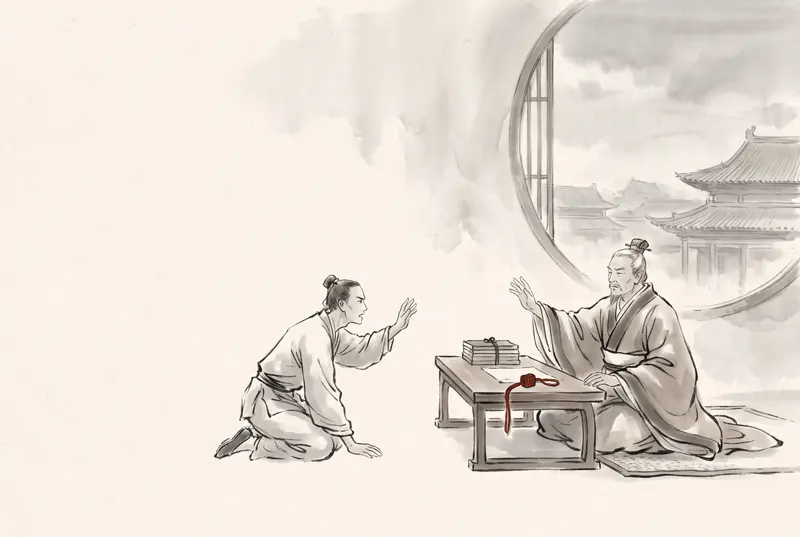
春申君相二十五年,楚考烈王病。朱英謂春申君曰:「世有毋望之福,又有毋望之禍。今君處毋望之世,事毋望之主,安可以無毋望之人乎?」春申君曰:「何謂毋望之福?」曰:「君相楚二十餘年矣,雖名相國,實楚王也。今楚王病,旦暮且卒,而君相少主,因而代立當國,如伊尹、周公,王長而反政,不即遂南面稱孤而有楚國?此所謂毋望之福也。」春申君曰:「何謂毋望之禍?」曰:「李園不治國而君之仇也,不為兵而養死士之日久矣,楚王卒,李園必先入據權而殺君以滅口。此所謂毋望之禍也。」春申君曰:「何謂毋望之人?」對曰:「君置臣郎中,楚王卒,李園必先入,臣為君殺李園。此所謂毋望之人也。」春申君曰:「足下置之,李園,弱人也,仆又善之,且又何至此!」朱英知言不用,恐禍及身,乃亡去。
書き下し文
春申君相たること二十五年、楚の考烈王病む。朱英春申君に謂いて曰く、「世に毋望の福有り、又毋望の禍有り。今君毋望の世に処り、毋望の主に事う。安くんぞ以て毋望の人無かるべけんや」と。春申君曰く、「何をか毋望の福と謂う」と。曰く、「君楚に相たること二十余年なり。名は相国と雖も、実は楚王なり。今楚王病み、旦暮に且に卒せんとす。而して君少主に相たり。因りて代わり立ちて国に当たること、伊尹・周公の如くし、王長じて政を反す。不んば即ち遂に南面して孤と称して楚国を有たん。此れ所謂毋望の福なり」と。春申君曰く、「何をか毋望の禍と謂う」と。曰く、「李園は国を治めずして君の仇なり。兵を為めずして死士を養うの日久し。楚王卒せば、李園必ず先ず入りて権に拠り、君を殺して以て口を滅せん。此れ所謂毋望の禍なり」と。春申君曰く、「何をか毋望の人と謂う」と。対えて曰く、「君臣を郎中に置け。楚王卒せば、李園必ず先ず入らん。臣君の為に李園を殺さん。此れ所謂毋望の人なり」と。春申君曰く、「足下之を置け。李園は弱人なり。僕又之に善し。且つ又何ぞ此に至らん」と。朱英言の用いられざるを知り、禍の身に及ばんことを恐れ、乃ち亡れ去る。
現代語訳
春申君が宰相となって二十五年目、楚の考烈王が病気になった。客の朱英が春申君に言った。「世の中には思いがけない福があり、また思いがけないわざわいがあります。いまあなたは先の読めない世にいて、先の読めない主君に仕えておられる。思いがけないときに役立つ人を用意しておかなくてよいのですか」。春申君は言った。「思いがけない福とは何だ」。朱英は言った。「あなたは楚の宰相になって二十年あまり、名前こそ宰相ですが、実際は楚王です。いま楚王は病気で、今日明日にも亡くなりそうです。あなたは幼い主君の宰相となり、伊尹や周公のように王に代わって国を治め、王が成長したら政治を返すこともできます。さもなければ、南を向いて座り、自ら王となって楚の国を手に入れることもできます。これが思いがけない福です」。春申君は言った。「思いがけないわざわいとは何だ」。朱英は言った。「李園は国を治める役でもないのに、あなたを仇とねらっています。兵を率いる役でもないのに、命知らずの者を長いあいだ養っています。楚王が亡くなれば、李園は必ず真っ先に宮中に入って権力を握り、あなたを殺して口をふさぐでしょう。これが思いがけないわざわいです」。春申君は言った。「思いがけないときに役立つ人とは何だ」。朱英は答えた。「わたしを宮中の護衛役に置いてください。楚王が亡くなれば、李園は必ず真っ先に入ってきます。わたしがあなたのために李園を殺します。これが思いがけないときに役立つ人です」。春申君は言った。「あなた、それはやめておきなさい。李園は気の弱い男だし、わたしは李園とも仲がよい。そんなことになるはずがない」。朱英は、自分の言葉が聞き入れられないと知り、わざわいが自分の身に及ぶのを恐れて、逃げ去った。
英訳
In Lord Chunshen's twenty-fifth year as chief minister, King Kaolie of Chu fell ill. Zhu Ying said to Lord Chunshen, "There is unexpected fortune in the world, and there is unexpected disaster. Now you live in an unpredictable age and serve an unpredictable lord. How can you be without an unexpected man?" "What do you mean by unexpected fortune?" asked Lord Chunshen. "You have been chief minister of Chu for more than twenty years. In name you are chief minister, but in fact you are King of Chu. Now the king is ill and may die any day. You will be chief minister to a young lord; you can rule the state in his place like Yi Yin or the Duke of Zhou and hand back the government when the king comes of age, or else face south, call yourself king and possess the state of Chu. That is what I call unexpected fortune." "What do you mean by unexpected disaster?" asked Lord Chunshen. "Li Yuan does not govern the state, yet he is your enemy. He does not command troops, yet he has kept men ready to die for a long time. When the king dies, Li Yuan will be the first into the palace; he will seize power and kill you to silence you. That is what I call unexpected disaster." "What do you mean by an unexpected man?" asked Lord Chunshen. Zhu Ying answered, "Make me one of the palace guards. When the king dies, Li Yuan will be the first to come in, and I will kill Li Yuan for you. That is what I call an unexpected man." Lord Chunshen said, "Let it be, sir. Li Yuan is a weak man, and I am on good terms with him. How could it come to that?" Zhu Ying knew that his advice would not be taken, and fearing that disaster would reach him too, he fled.
解説(日)
- 朱英: 春申君の客。
- 毋望: 思いがけない、予測できない。「無妄」とも書く(易の卦の名)。
- 伊尹・周公: 殷の伊尹と周の周公。どちらも幼い王に代わって国を治め、王が成長すると政治を返した名臣。
- 南面稱孤: 南を向いて座り、自ら「孤」(王の自称)と名のる。王になること。
- 死士: 命知らずの者、刺客。
- 滅口: 秘密を知る者を殺して口をふさぐ。
- 郎中: 宮中の護衛役。
- 足下置之: あなた、それはやめておきなさい。
解説(英)
- Zhu Ying: one of Lord Chunshen's retainers.
- 毋望: unexpected, unforeseeable (also written 無妄, the name of a hexagram in the Changes).
- Yi Yin and the Duke of Zhou: ministers who ruled for young kings and handed back the government when the kings came of age.
- 南面稱孤 ("face south and call oneself the lonely one"): to make oneself king.
- 死士: men ready to die; assassins.
- 滅口: to kill someone to keep a secret.
- 郎中: a palace guard.
- 足下置之: "Let it be, sir."
英語の語注
- unexpected/ˌʌnɪkˈspɛktɪd/adjective
not thought likely to happen
本文では: “There is unexpected fortune in the world”
似た語と違い: unforeseen — not predicted · sudden — happening quickly, with no warning
- unpredictable/ˌʌnprɪˈdɪktəbəl/adjective
impossible to know in advance
本文では: “you live in an unpredictable age”
似た語と違い: uncertain — not sure · volatile — likely to change suddenly
- advice/ədˈvaɪs/noun
an opinion about what someone should do
本文では: “his advice would not be taken”
似た語と違い: counsel — formal; advice · guidance — help about what to do
Advice is uncountable: say "a piece of advice", not "an advice".
- flee/fliː/verb
to run away from danger (past tense: fled)
本文では: “he fled”
似た語と違い: escape — get away · bolt — run away suddenly
節 10
原文
後十七日,楚考烈王卒,李園果先入,伏死士於棘門之內。春申君入棘門,園死士俠刺春申君,斬其頭,投之棘門外。於是遂使吏盡滅春申君之家。而李園女弟初幸春申君有身而入之王所生子者遂立,是為楚幽王。
書き下し文
後十七日、楚の考烈王卒す。李園果たして先ず入り、死士を棘門の内に伏す。春申君棘門に入る。園の死士俠みて春申君を刺し、其の頭を斬りて、之を棘門の外に投ず。是に於いて遂に吏をして尽く春申君の家を滅ぼさしむ。而して李園の女弟の初め春申君に幸せられて身有りて之を王の所に入れて生みし子なる者遂に立つ。是を楚の幽王と為す。
現代語訳
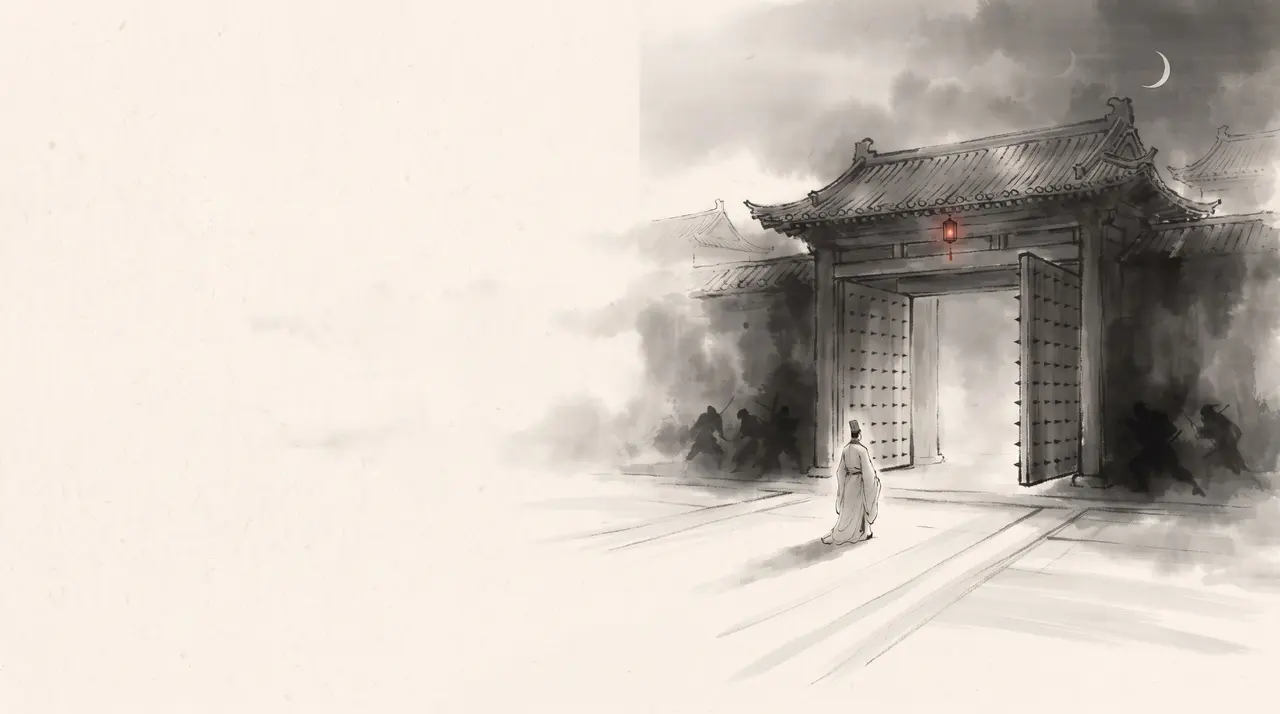
それから十七日後、楚の考烈王が亡くなった。李園は果たして真っ先に宮中に入り、命知らずの者たちを棘門の内側に伏せておいた。春申君が棘門を入ると、李園の刺客たちが両側から春申君を刺し、首を斬って、棘門の外に投げ捨てた。そして役人に命じて、春申君の一族をみな殺しにさせた。李園の妹が初め春申君に愛されて身ごもり、王のもとに入って産んだ子が、こうして王位についた。これが楚の幽王である。
英訳
Seventeen days later, King Kaolie of Chu died. Li Yuan was indeed the first to enter the palace, and he hid his men inside the Thorn Gate. When Lord Chunshen came through the Thorn Gate, Li Yuan's assassins closed in from both sides and stabbed him, cut off his head and threw it outside the gate. Then Li Yuan had officials wipe out Lord Chunshen's whole family. And the son whom Li Yuan's sister had conceived with Lord Chunshen and borne after entering the king's palace took the throne. He was King You of Chu.
解説(日)
- 棘門: 宮殿の門の名。
- 俠: 両側からはさむ。
- 楚幽王: 楚の王(在位 前237〜前228年)。前238年に春申君は殺された。その十五年後、楚は秦に滅ぼされた。
- このあと(省略): 同じ年、秦では始皇帝が即位して九年目で、嫪毐の乱が起き、呂不韋が退けられた(巻85の章を参照)。
解説(英)
- 棘門 ("the Thorn Gate"): the name of a palace gate.
- 俠: to close in from both sides.
- King You of Chu (r. 237–228 BCE). Lord Chunshen was killed in 238 BCE; fifteen years later Qin destroyed Chu.
- After this (left out here): in the same year, the ninth of the First Emperor's reign, Lao Ai rebelled in Qin and Lü Buwei was dismissed (see Volume 85).
英語の語注
- assassin/əˈsæsɪn/noun
a person who kills an important person, often for money or politics
本文では: “Li Yuan's assassins closed in from both sides”
似た語と違い: killer — a person who kills · hit man — informal; a paid killer
- wipe out/ˌwaɪp ˈaʊt/phrasal verb
to destroy or kill completely
本文では: “wipe out Lord Chunshen's whole family”
似た語と違い: exterminate — kill all of · annihilate — destroy completely
節 11
原文
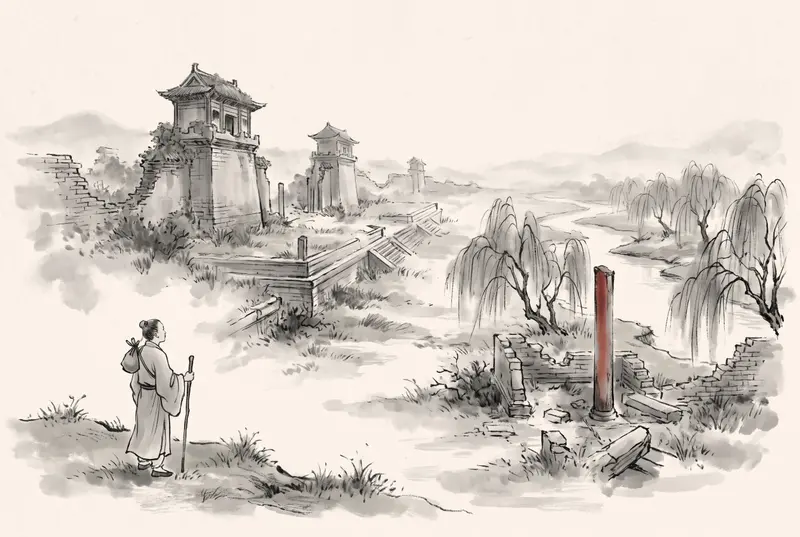
太史公曰:吾適楚,觀春申君故城,宮室盛矣哉!初,春申君之說秦昭王,及出身遣楚太子歸,何其智之明也!後制於李園,旄矣。語曰:「當斷不斷,反受其亂。」春申君失朱英之謂邪?
書き下し文
太史公曰く、吾楚に適き、春申君の故城を観るに、宮室盛んなるかな。初め、春申君の秦の昭王に説き、及び身を出だして楚の太子を遣りて帰らしむるは、何ぞ其の智の明らかなるや。後に李園に制せらるるは、旄せり。語に曰く、「当に断ずべくして断ぜざれば、反って其の乱を受く」と。春申君の朱英を失うの謂いか。
現代語訳
太史公(司馬遷)は言う。わたしは楚に行って、春申君の城の跡を見たが、宮殿は実に壮大だった。初めのころ、春申君が秦の昭王を説き伏せ、身を投げ出して楚の太子を逃がしたのは、なんと明晰な知恵だったことか。のちに李園に押さえこまれたのは、年老いてもうろくしたのだ。ことわざに「決断すべきときに決断しなければ、かえってその乱れに巻きこまれる」という。春申君が朱英の言葉を聞かなかったのは、まさにこのことだろう。
英訳
The Grand Historian says: I went to Chu and saw the old city of Lord Chunshen. How splendid his palaces were! At first, when he persuaded King Zhao of Qin and risked his own life to send the crown prince of Chu home, how clear his wisdom was! That later he was overpowered by Li Yuan shows that he had grown old and dull. The saying goes, "If you do not decide when you should, you will suffer the disorder instead." Was this not Lord Chunshen's mistake in ignoring Zhu Ying?
解説(日)
- 故城: もとの城の跡。春申君の本拠の呉(今の蘇州)とされる。
- 旄: 「耄」と同じ。年老いて判断が鈍る、もうろくする。
- 當斷不斷,反受其亂: 決断すべきときに決断しなければ、かえってわざわいを受ける。今もよく使われることわざ。
解説(英)
- 故城: the old city, probably his seat at Wu (present-day Suzhou).
- 旄: the same as 耄, grown old and dull-witted.
- 當斷不斷,反受其亂: "If you do not decide when you should, you will suffer the disorder instead," a saying still in common use.
英語の語注
- splendid/ˈsplɛndɪd/adjective
very grand and beautiful
本文では: “How splendid his palaces were!”
似た語と違い: magnificent — very impressive · grand — large and impressive
- dull/dʌl/adjective
slow to understand; not sharp
本文では: “he had grown old and dull”
似た語と違い: slow-witted — slow to understand · feeble — weak