列伝 · 巻 73
白起王翦列伝 白起王翦列傳
白起と王翦(長平の戦い) 長平之戰
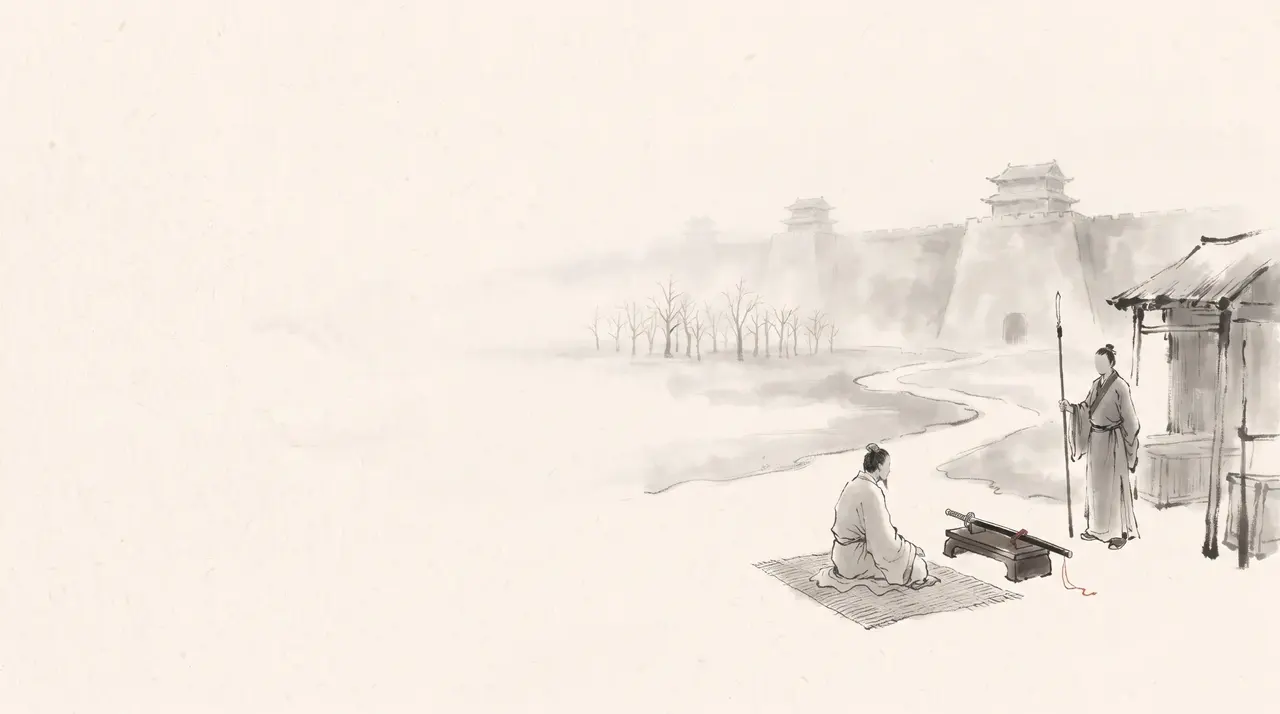
秦の将軍白起は、生涯で七十あまりの城を落とし、長平の戦いでは趙の降伏兵四十万を穴埋めにした。しかし宰相の范雎(応侯)と対立し、邯鄲攻めを拒んだために王の怒りを買い、「長平で降伏兵をだまして殺した、これだけで死に値する」と言って自害する。のちの名将王翦は、二十万で足りると言った若い李信が楚に大敗したあと、六十万の兵を率いて楚を滅ぼす。出陣の前には、王に疑われないよう、わざと田畑や屋敷をしきりにねだった。
この巻のうち「白起と王翦(長平の戦い)」の場面を載せています。巻の全文ではありません。
音声
音声は合成音声です。
動画
節 1
原文
白起者,郿人也。善用兵,事秦昭王。昭王十三年,而白起為左庶長,將而擊韓之新城。是歲,穰侯相秦,舉任鄙以為漢中守。其明年,白起為左更,攻韓、魏於伊闕,斬首二十四萬,又虜其將公孫喜,拔五城。後七年,白起攻楚,拔鄢、鄧五城。其明年,攻楚,拔郢,燒夷陵,遂東至竟陵。楚王亡去郢,東走徙陳。秦以郢為南郡。白起遷為武安君。
書き下し文
白起なる者は、郿の人なり。善く兵を用い、秦の昭王に事う。昭王の十三年、白起左庶長と為り、将として韓の新城を撃つ。是の歳、穰侯秦に相たり、任鄙を挙げて以て漢中の守と為す。其の明年、白起左更と為り、韓・魏を伊闕に攻め、斬首二十四万、又其の将公孫喜を虜にし、五城を抜く。後七年、白起楚を攻め、鄢・鄧の五城を抜く。其の明年、楚を攻め、郢を抜き、夷陵を焼き、遂に東して竟陵に至る。楚王亡れて郢を去り、東に走りて陳に徙る。秦郢を以て南郡と為す。白起遷りて武安君と為る。
現代語訳
白起は郿の人である。兵を用いるのがうまく、秦の昭王に仕えた。昭王の十三年、白起は左庶長の位につき、将軍として韓の新城を攻めた。この年、穰侯が秦の宰相となり、任鄙を漢中の長官に取り立てた。その翌年、白起は左更の位にのぼり、伊闕で韓と魏の軍を攻めて二十四万の首を取り、さらに将軍の公孫喜を捕虜にして、五つの城を落とした。七年後、白起は楚を攻めて、鄢・鄧など五つの城を落とした。その翌年にはさらに楚を攻めて都の郢を落とし、夷陵を焼き、東の竟陵まで進んだ。楚王は郢を捨てて東の陳へ逃れ、都を移した。秦は郢を南郡とした。白起は昇進して武安君となった。
英訳
Bai Qi was a man of Mei. He was a master of warfare and served King Zhao of Qin. In King Zhao's thirteenth year, Bai Qi was given the rank of Left Chief and led an attack on Xincheng in Hann. That year the Marquis of Rang became chancellor of Qin and appointed Ren Bi governor of Hanzhong. The next year Bai Qi was raised to Left Director. He attacked Hann and Wei at Yique, took two hundred and forty thousand heads, captured their general Gongsun Xi and took five cities. Seven years later Bai Qi attacked Chu and took five cities including Yan and Deng. The year after that he attacked Chu again, took Ying, burned Yiling and pushed east as far as Jingling. The King of Chu abandoned Ying and fled east, moving his capital to Chen. Qin made Ying its Southern Commandery, and Bai Qi was raised to Lord of Wu'an.
解説(日)
- 郿: 今の陝西省眉県。
- 左庶長・左更: 秦の爵位。商鞅が定めた二十等の爵位の一部(巻68の章を参照)。
- 伊闕: 今の河南省洛陽市の南、龍門のあたり。前293年の戦い。
- 斬首二十四萬: 二十四万の首を取る。秦では斬った首の数で手柄を数えた。
- 拔郢,燒夷陵: 前278年。夷陵には楚の王の墓があった(平原君の章で毛遂が語る「先人を辱めた」こと)。屈原の章も参照。
- 武安君: 白起の称号。
- 途中の細かな戦歴(韓・魏・趙の城攻め)は省いた。
解説(英)
- Mei: present-day Mei County in Shaanxi.
- Left Chief, Left Director: ranks of Qin, part of the twenty grades set by Shang Yang (see Volume 68).
- Yique: south of present-day Luoyang, near Longmen. The battle was in 293 BCE.
- 斬首二十四萬: Qin counted merit by heads taken.
- Took Ying, burned Yiling: in 278 BCE. Yiling held the tombs of the kings of Chu (the "disgrace to your ancestors" Mao Sui speaks of in Volume 76). See also the chapter on Qu Yuan.
- Lord of Wu'an: Bai Qi's title.
- Some of his lesser campaigns are left out here.
英語の語注
- governor/ˈɡʌvərnər/noun
the person in charge of a region for the king
本文では: “appointed Ren Bi governor of Hanzhong”
似た語と違い: prefect — a local official · administrator — a person who manages
- abandon/əˈbændən/verb
to leave a place and not come back
本文では: “The King of Chu abandoned Ying”
似た語と違い: desert — leave behind · forsake — formal; abandon
節 2
原文
四十五年,伐韓之野王。野王降秦,上黨道絕。其守馮亭與民謀曰:「鄭道已絕,韓必不可得為民。秦兵日進,韓不能應,不如以上黨歸趙。趙若受我,秦怒,必攻趙。趙被兵,必親韓。韓趙為一,則可以當秦。」因使人報趙。趙孝成王與平陽君、平原君計之。平陽君曰:「不如勿受。受之,禍大於所得。」平原君曰:「無故得一郡,受之便。」趙受之,因封馮亭為華陽君。
書き下し文
四十五年、韓の野王を伐つ。野王秦に降り、上党の道絶ゆ。其の守馮亭民と謀りて曰く、「鄭の道已に絶ゆ。韓必ず民と為ることを得べからず。秦兵日に進み、韓応ずる能わず。上党を以て趙に帰するに如かず。趙若し我を受けば、秦怒りて必ず趙を攻めん。趙兵を被らば、必ず韓に親しまん。韓趙一と為らば、則ち以て秦に当たるべし」と。因りて人をして趙に報ぜしむ。趙の孝成王平陽君・平原君と之を計る。平陽君曰く、「受くる勿きに如かず。之を受くれば、禍得る所より大ならん」と。平原君曰く、「故無くして一郡を得。之を受くるは便なり」と。趙之を受け、因りて馮亭を封じて華陽君と為す。
現代語訳
昭王の四十五年、秦は韓の野王を攻めた。野王は秦に降伏し、上党へ通じる道が断たれた。上党の長官の馮亭は民と相談して言った。「韓の都への道はもう断たれ、わたしたちは韓の民でいられなくなった。秦の兵は日ごとに迫ってくるのに、韓は手を打てない。それなら上党を趙に差し出したほうがいい。趙がわたしたちを受け入れれば、秦は怒ってかならず趙を攻める。趙が攻められれば、かならず韓と親しくなる。韓と趙が一つになれば、秦に立ち向かえる」。そこで人をやって趙に申し出た。趙の孝成王は平陽君と平原君に相談した。平陽君は言った。「受けないほうがよいでしょう。受ければ、得るものより災いのほうが大きくなります」。平原君は言った。「何もせずに郡を一つ得られるのです。受けるのが得策です」。趙は上党を受け入れ、馮亭を華陽君に封じた。
英訳
In the forty-fifth year, Qin attacked Yewang in Hann. Yewang surrendered to Qin, and the road to Shangdang was cut. The governor of Shangdang, Feng Ting, consulted with the people: "The road to Zheng is cut, and we can no longer be subjects of Hann. Qin's army comes closer every day, and Hann cannot answer it. Better to give Shangdang to Zhao. If Zhao takes us, Qin will be angry and attack Zhao. Once Zhao is attacked, it will surely make friends with Hann. If Hann and Zhao stand as one, we can face Qin." So he sent word to Zhao. King Xiaocheng of Zhao consulted the Lord of Pingyang and Lord Pingyuan. The Lord of Pingyang said, "Better not to accept. If we accept, the disaster will be greater than the gain." Lord Pingyuan said, "We gain a whole commandery for nothing. We should accept." Zhao accepted it and made Feng Ting Lord of Huayang.
解説(日)
- 四十五年: 秦の昭王の四十五年(前262年)。
- 野王: 韓の地。今の河南省沁陽市。ここを取られて上党は韓の本国と切り離された。
- 上黨: 韓の郡。今の山西省東南部。
- 鄭: 韓の都(新鄭)。
- 平陽君: 趙の公子、趙豹。
- 平原君: 巻76の章を参照。司馬遷は平原君の章の太史公評で、この判断を「利は智をして昏からしむ」と批判している。
解説(英)
- The forty-fifth year: of King Zhao of Qin, 262 BCE.
- Yewang: in Hann, present-day Qinyang in Henan; its fall cut Shangdang off from the rest of Hann.
- Shangdang: a commandery of Hann, in present-day southeastern Shanxi.
- Zheng: the capital of Hann (Xinzheng).
- The Lord of Pingyang: Zhao Bao, a prince of Zhao.
- Lord Pingyuan: see Volume 76, where Sima Qian condemns this decision: "Profit clouds the mind."
英語の語注
- consult/kənˈsʌlt/verb
to ask someone for advice
本文では: “consulted with the people”
似た語と違い: confer — discuss together · seek advice — ask for advice
- gain/ɡeɪn/noun
something you get that is useful or valuable
本文では: “the disaster will be greater than the gain”
似た語と違い: profit — money or benefit gained · advantage — something that helps
節 3
原文
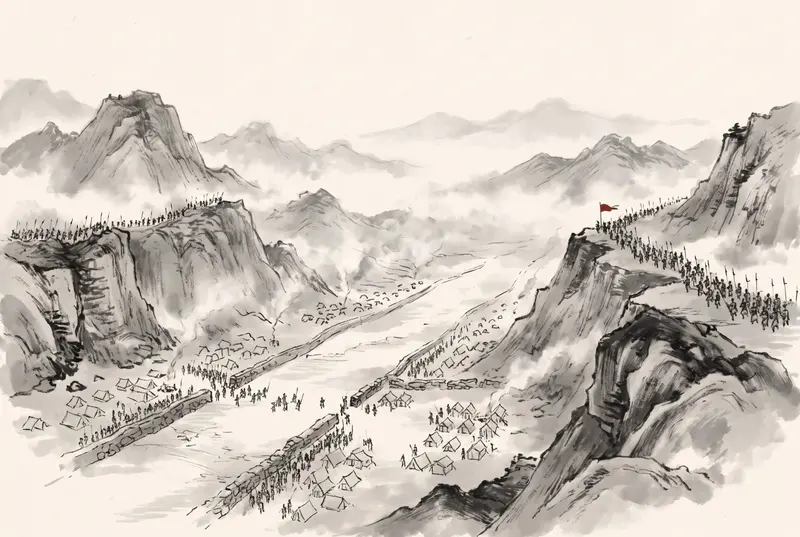
四十七年,秦使左庶長王龁攻韓,取上黨。上黨民走趙。趙軍長平,以按據上黨民。四月,龁因攻趙。趙使廉頗將。趙軍士卒犯秦斥兵,秦斥兵斬趙裨將茄。六月,陷趙軍,取二鄣四尉。七月,趙軍筑壘壁而守之。秦又攻其壘,取二尉,敗其陣,奪西壘壁。廉頗堅壁以待秦,秦數挑戰,趙兵不出。趙王數以為讓。而秦相應侯又使人行千金於趙為反閒,曰:「秦之所惡,獨畏馬服子趙括將耳,廉頗易與,且降矣。」趙王既怒廉頗軍多失亡,軍數敗,又反堅壁不敢戰,而又聞秦反閒之言,因使趙括代廉頗將以擊秦。秦聞馬服子將,乃陰使武安君白起為上將軍。而王龁為尉裨將,令軍中有敢泄武安君將者斬。趙括至,則出兵擊秦軍。秦軍詳敗而走,張二奇兵以劫之。趙軍逐勝,追造秦壁。壁堅拒不得入,而秦奇兵二萬五千人絕趙軍後,又一軍五千騎絕趙壁閒,趙軍分而為二,糧道絕。而秦出輕兵擊之。趙戰不利,因筑壁堅守,以待救至。秦王聞趙食道絕,王自之河內,賜民爵各一級,發年十五以上悉詣長平,遮絕趙救及糧食。
書き下し文
四十七年、秦左庶長王齕をして韓を攻めしめ、上党を取る。上党の民趙に走る。趙長平に軍して、以て上党の民を按拠す。四月、齕因りて趙を攻む。趙廉頗をして将たらしむ。趙軍の士卒秦の斥兵を犯す。秦の斥兵趙の裨将茄を斬る。六月、趙軍を陥れ、二鄣四尉を取る。七月、趙軍塁壁を築きて之を守る。秦又其の塁を攻め、二尉を取り、其の陣を敗り、西の塁壁を奪う。廉頗壁を堅くして以て秦を待つ。秦数しば戦いを挑むも、趙兵出でず。趙王数しば以て譲む。而して秦の相応侯又人をして千金を趙に行わしめて反間を為さしめて曰く、「秦の悪む所は、独り馬服子趙括の将たるを畏るるのみ。廉頗は与し易く、且に降らんとす」と。趙王既に廉頗の軍の失亡多く、軍数しば敗れ、又反って壁を堅くして敢えて戦わざるを怒り、而して又秦の反間の言を聞き、因りて趙括をして廉頗に代わりて将として以て秦を撃たしむ。秦馬服子の将たるを聞き、乃ち陰かに武安君白起をして上将軍と為し、而して王齕を尉裨将と為し、軍中に令して敢えて武安君の将たるを泄らす者有らば斬らんとす。趙括至り、則ち兵を出だして秦軍を撃つ。秦軍詳り敗れて走り、二奇兵を張りて以て之を劫かす。趙軍勝ちを逐い、追いて秦の壁に造る。壁堅く拒みて入るを得ず。而して秦の奇兵二万五千人趙軍の後を絶ち、又一軍五千騎趙の壁間を絶つ。趙軍分かれて二と為り、糧道絶ゆ。而して秦軽兵を出だして之を撃つ。趙戦い利あらず、因りて壁を築きて堅守し、以て救いの至るを待つ。秦王趙の食道絶ゆと聞き、王自ら河内に之き、民に爵各おの一級を賜い、年十五以上を発して悉く長平に詣らしめ、趙の救い及び糧食を遮絶す。
現代語訳
四十七年、秦は左庶長の王齕に韓を攻めさせ、上党を奪った。上党の民は趙へ逃げこんだ。趙は長平に軍を置き、上党の民を守ろうとした。四月、王齕は趙を攻めた。趙は廉頗を将軍にした。趙の兵が秦の偵察部隊に手を出すと、秦の偵察部隊は趙の副将の茄を斬った。六月、秦は趙軍を破り、二つのとりでと四人の部隊長を奪った。七月、趙軍は土塁を築いて守った。秦はさらにその土塁を攻めて二人の部隊長を奪い、陣を破って西の土塁を奪った。廉頗は陣を固めて秦を待ち受け、秦がいくら戦いを挑んでも趙の兵は出なかった。趙王はたびたび廉頗を責めた。そこへ秦の宰相の応侯(范雎)が、人に千金を持たせて趙に送りこみ、こう言いふらさせた。「秦が恐れているのは、馬服君の子の趙括が将軍になることだけだ。廉頗はくみしやすく、もうすぐ降伏するだろう」。趙王は、廉頗の軍が多くの兵を失って何度も負け、そのうえ陣を固めて戦おうとしないことに腹を立てていたので、秦が流したうわさを聞くと、趙括を廉頗に代えて秦を攻めさせた。秦は趙括が将軍になったと聞くと、ひそかに武安君白起を総大将にし、王齕を副将にして、「武安君が将軍であることを漏らした者は斬る」と軍中に命じた。趙括は着任するとすぐに兵を出して秦軍を攻めた。秦軍はわざと負けて逃げ、二つの奇襲部隊を伏せて待ち受けた。趙軍は勝ちに乗って追いかけ、秦の陣地まで迫ったが、陣は固くて入れなかった。そのすきに秦の奇襲部隊二万五千人が趙軍の退路を断ち、さらに騎兵五千が趙の陣地のあいだを断ち切ったので、趙軍は二つに分断され、食糧の道も断たれた。秦は身軽な部隊を出して攻撃した。趙は戦いに負け、土塁を築いて固く守り、救援を待った。秦王は趙の食糧の道が断たれたと聞くと、自ら河内へ出向き、民に爵位を一級ずつ与え、十五歳以上の者をすべて長平へ送って、趙への救援と食糧を断ち切った。
英訳
In the forty-seventh year, Qin sent the Left Chief Wang He to attack Hann, and he took Shangdang. The people of Shangdang fled to Zhao. Zhao encamped at Changping to protect them. In the fourth month Wang He attacked Zhao. Zhao made Lian Po general. Zhao soldiers ran into Qin scouts, and the scouts killed a Zhao lieutenant named Jia. In the sixth month Qin broke into the Zhao lines and took two forts and four captains. In the seventh month the Zhao army built earthworks and held them. Qin attacked the earthworks, took two more captains, broke the line and seized the western wall. Lian Po held fast behind his walls to wait for Qin; Qin challenged him again and again, but the Zhao troops would not come out. The King of Zhao reproached him repeatedly. Then Qin's chancellor, the Marquis of Ying, sent a man with a thousand gold to Zhao to spread this rumor: "The only thing Qin fears is that Zhao Kuo, son of the Lord of Mafu, might be made general. Lian Po is easy to deal with; he will soon surrender." The King of Zhao was already angry that Lian Po's army had lost so many men and been beaten so often, and that it now hid behind its walls instead of fighting. When he heard the rumor, he sent Zhao Kuo to replace Lian Po and attack Qin. When Qin heard that the son of the Lord of Mafu was in command, it secretly made Bai Qi, Lord of Wu'an, supreme general, with Wang He as his lieutenant, and ordered that anyone in the army who revealed that the Lord of Wu'an was in command would be beheaded. As soon as Zhao Kuo arrived, he sent his troops against the Qin army. The Qin army pretended to be beaten and fled, with two surprise forces lying in wait. The Zhao army chased its victory up to the Qin walls, but the walls held and they could not get in. Then a surprise force of twenty-five thousand Qin troops cut off the Zhao army from behind, and another five thousand horsemen cut between the Zhao camps. The Zhao army was split in two, and its supply line was cut. Qin sent light troops to attack. Losing the fight, Zhao built walls and held fast to wait for help. When the King of Qin heard that Zhao's food supply had been cut, he went to Henei himself, gave every man one step in rank, and sent everyone aged fifteen and over to Changping to block any relief or food from reaching Zhao.
解説(日)
- 四十七年: 前260年。長平の戦い。
- 王齕: 秦の将軍(原文の字は「王龁」)。
- 按據: 押さえて守る。
- 斥兵: 偵察部隊。
- 裨將: 副将。
- 二鄣四尉: 二つのとりでと、四人の部隊長(尉)。
- 應侯: 范雎(巻79の章を参照)。
- 反閒: 敵の中に偽りのうわさを広める策。巻81の章(趙括)にも同じ話がある。
- 馬服子: 馬服君(趙奢)の子、趙括。
- 河內: 黄河の北の地。今の河南省北部。
- 賜民爵各一級: 民に爵位を一級ずつ与える。総動員のための褒美。
解説(英)
- The forty-seventh year: 260 BCE, the battle of Changping.
- Wang He: a general of Qin.
- 按據: to protect and hold.
- 斥兵: scouts.
- 裨將: a lieutenant.
- 二鄣四尉: two forts and four captains.
- The Marquis of Ying: Fan Ju (see Volume 79).
- 反閒: spreading false rumors in the enemy camp; the same story appears in Volume 81 (Zhao Kuo).
- The son of the Lord of Mafu: Zhao Kuo, son of Zhao She.
- Henei: the land north of the Yellow River, in present-day northern Henan.
- 賜民爵各一級: one step in rank for every man, as a reward for the general levy.
英語の語注
- reproach/rɪˈproʊtʃ/verb
to tell someone you are disappointed with what they did
本文では: “The King of Zhao reproached him repeatedly”
似た語と違い: blame — say someone is at fault · scold — speak angrily to
- rumor/ˈruːmər/noun
a story passed from person to person that may not be true
本文では: “to spread this rumor”
似た語と違い: gossip — talk about others · hearsay — what people say without proof
- lie in wait/laɪ ɪn weɪt/phrase
to hide and wait in order to attack
本文では: “with two surprise forces lying in wait”
似た語と違い: ambush — attack from hiding · lurk — wait hidden
- supply line/səˈplaɪ laɪn/noun
the route by which food and weapons reach an army
本文では: “its supply line was cut”
似た語と違い: lifeline — a vital link · logistics — the moving of supplies
節 4
原文
至九月,趙卒不得食四十六日,皆內陰相殺食。來攻秦壘,欲出。為四隊,四五復之,不能出。其將軍趙括出銳卒自搏戰,秦軍射殺趙括。括軍敗,卒四十萬人降武安君。武安君計曰:「前秦已拔上黨,上黨民不樂為秦而歸趙。趙卒反覆。非盡殺之,恐為亂。」乃挾詐而盡阬殺之,遺其小者二百四十人歸趙。前後斬首虜四十五萬人。趙人大震。
書き下し文
九月に至り、趙の卒食を得ざること四十六日、皆内に陰かに相殺して食らう。来たりて秦の塁を攻め、出でんと欲す。四隊と為り、四五たび之を復すも、出づる能わず。其の将軍趙括鋭卒を出だして自ら搏戦す。秦軍趙括を射殺す。括の軍敗れ、卒四十万人武安君に降る。武安君計りて曰く、「前に秦已に上党を抜くも、上党の民は秦と為るを楽しまずして趙に帰す。趙の卒は反覆す。尽く之を殺すに非ずんば、恐らくは乱を為さん」と。乃ち詐りを挟みて尽く之を阬殺し、其の小なる者二百四十人を遺して趙に帰らしむ。前後の斬首虜四十五万人。趙人大いに震う。
現代語訳
九月になると、趙の兵士は四十六日も食べ物を得られず、陣の中でひそかに殺し合って食べるありさまだった。趙軍は秦の土塁を攻めて抜け出そうとし、四つの部隊に分かれて四度も五度も繰り返したが、抜け出せなかった。将軍の趙括は精鋭の兵を率いて自ら打って出たが、秦軍に射殺された。趙括の軍は敗れ、四十万の兵が武安君に降伏した。武安君は考えた。「以前、秦が上党を落としたとき、上党の民は秦の民になるのを嫌って趙に逃げた。趙の兵は寝返りやすい。皆殺しにしなければ、反乱を起こすおそれがある」。そこでだまして全員を穴埋めにして殺し、年少の者二百四十人だけを残して趙に帰した。前後に斬ったり捕らえたりした者は四十五万人にのぼった。趙の人々は震えあがった。
英訳
By the ninth month the Zhao soldiers had been without food for forty-six days, and inside the camp they were secretly killing and eating one another. They attacked the Qin earthworks trying to break out, forming four columns and charging four or five times, but could not get out. Their general Zhao Kuo led out his best troops to fight hand to hand himself, and the Qin army shot him dead. Kuo's army was beaten, and four hundred thousand soldiers surrendered to the Lord of Wu'an. The Lord of Wu'an reckoned, "When Qin took Shangdang before, its people did not want to be Qin's subjects and went over to Zhao. Zhao soldiers change sides easily. Unless I kill them all, they may rise up." So he tricked them and buried them all alive, sending only the two hundred and forty youngest back to Zhao. In all, four hundred and fifty thousand men were beheaded or taken. The people of Zhao were struck with terror.
解説(日)
- 相殺食: 殺し合って食べる。食糧が尽きたあとの極限の状態。
- 搏戰: 白兵戦。
- 反覆: 寝返る、態度を変える。
- 挾詐: だます。
- 阬殺: 穴埋めにして殺す。今の山西省高平市では、大量の人骨が出た穴が見つかっている。
- 四十五萬: 巻81(趙括)の章の「凡そ四十五万」と同じ数。
解説(英)
- 相殺食: killing and eating one another, the extreme of starvation.
- 搏戰: hand-to-hand fighting.
- 反覆: to change sides.
- 挾詐: by trickery.
- 阬殺: to bury alive. Pits of human bones have been found near present-day Gaoping in Shanxi.
- 四十五萬: the same total as in Volume 81 (Zhao Kuo).
英語の語注
- column/ˈkɑləm/noun
a long line of soldiers moving together
本文では: “forming four columns”
似た語と違い: file — a line of people one behind another · formation — an arrangement of troops
- terror/ˈtɛrər/noun
very great fear
本文では: “struck with terror”
似た語と違い: dread — great fear · horror — shock and fear
節 5
原文
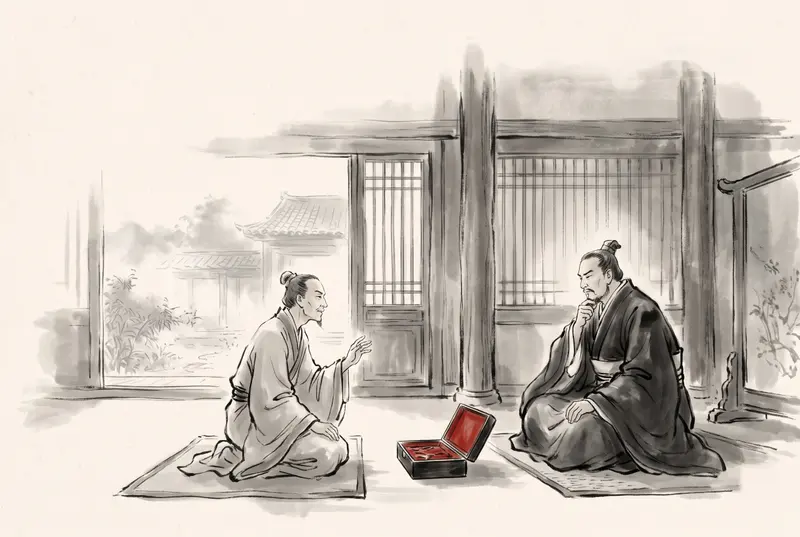
四十八年十月,秦復定上黨郡。秦分軍為二:王龁攻皮牢,拔之;司馬梗定太原。韓、趙恐,使蘇代厚幣說秦相應侯曰:「武安君禽馬服子乎?」曰:「然。」又曰:「即圍邯鄲乎?」曰:「然。」「趙亡則秦王王矣,武安君為三公。武安君所為秦戰勝攻取者七十餘城,南定鄢、郢、漢中,北禽趙括之軍,雖周、召、呂望之功不益於此矣。今趙亡,秦王王,則武安君必為三公,君能為之下乎?雖無欲為之下,固不得已矣。秦嘗攻韓,圍邢丘,困上黨,上黨之民皆反為趙,天下不樂為秦民之日久矣。今亡趙,北地入燕,東地入齊,南地入韓、魏,則君之所得民亡幾何人。故不如因而割之,無以為武安君功也。」於是應侯言於秦王曰:「秦兵勞,請許韓、趙之割地以和,且休士卒。」王聽之,割韓垣雍、趙六城以和。正月,皆罷兵。武安君聞之,由是與應侯有隙。
書き下し文
四十八年十月、秦復た上党郡を定む。秦軍を分かちて二と為す。王齕皮牢を攻めて之を抜き、司馬梗太原を定む。韓・趙恐れ、蘇代をして幣を厚くして秦の相応侯に説かしめて曰く、「武安君馬服子を禽にせしか」と。曰く、「然り」と。又曰く、「即ち邯鄲を囲まんとするか」と。曰く、「然り」と。「趙亡びば則ち秦王王たらん。武安君は三公と為らん。武安君の秦の為に戦い勝ち攻め取る所の者七十余城、南は鄢・郢・漢中を定め、北は趙括の軍を禽にす。周・召・呂望の功と雖も此に益さず。今趙亡び、秦王王たらば、則ち武安君必ず三公と為らん。君能く之が下と為らんか。之が下と為るを欲する無しと雖も、固より已むを得ざらん。秦嘗て韓を攻め、邢丘を囲み、上党を困しむ。上党の民皆反って趙と為る。天下の秦の民と為るを楽しまざるの日久し。今趙を亡ぼさば、北地は燕に入り、東地は斉に入り、南地は韓・魏に入らん。則ち君の得る所の民は幾何の人も亡からん。故に因りて之を割かしめ、以て武安君の功と為すこと無きに如かず」と。是に於いて応侯秦王に言いて曰く、「秦の兵労れたり。請う韓・趙の地を割きて以て和するを許し、且つ士卒を休めん」と。王之を聴き、韓の垣雍、趙の六城を割きて以て和す。正月、皆兵を罷む。武安君之を聞き、是に由りて応侯と隙有り。
現代語訳
四十八年十月、秦は再び上党郡を平定した。秦は軍を二つに分け、王齕は皮牢を攻め落とし、司馬梗は太原を平定した。韓と趙は恐れ、蘇代に手厚い贈り物を持たせて秦の宰相応侯を説かせた。蘇代は言った。「武安君は馬服君の子を捕らえたのですね」。応侯「そうだ」。「次は邯鄲を包囲するのですね」。応侯「そうだ」。「趙が滅びれば、秦王は天下の王となり、武安君は三公となるでしょう。武安君が秦のために戦って落とした城は七十あまり、南は鄢・郢・漢中を平定し、北は趙括の軍を捕らえました。周公や召公や呂望(太公望)の手柄でも、これ以上ではありません。いま趙が滅びて秦王が天下の王となれば、武安君はかならず三公となります。あなたはその下につけますか。つきたくなくても、つかざるをえなくなるでしょう。秦はかつて韓を攻め、邢丘を囲み、上党を苦しめましたが、上党の民はみな趙につきました。天下の人々が秦の民になるのを嫌って久しいのです。いま趙を滅ぼしても、北の土地は燕に、東の土地は斉に、南の土地は韓や魏に入り、あなたが手に入れる民は、いくらもいないでしょう。ですから、この機会に土地を割譲させて和睦し、武安君の手柄にさせないほうがよいのです」。そこで応侯は秦王に言った。「秦の兵は疲れています。韓と趙が土地を割いて和睦することを許し、兵を休ませましょう」。王はそれを聞き入れ、韓の垣雍と趙の六つの城を割譲させて和睦した。正月、すべての兵を引き上げた。武安君はそれを聞いて、それ以来、応侯と仲が悪くなった。
英訳
In the tenth month of the forty-eighth year, Qin pacified the commandery of Shangdang once more. Qin divided its army in two: Wang He attacked Pilao and took it, and Sima Geng pacified Taiyuan. Hann and Zhao were afraid, and sent Su Dai with rich gifts to persuade Qin's chancellor, the Marquis of Ying. "Has the Lord of Wu'an captured the son of the Lord of Mafu?" he asked. "He has." "And is he about to besiege Handan?" "He is." "If Zhao falls, the King of Qin will be king of the world, and the Lord of Wu'an will become one of the Three Dukes. The Lord of Wu'an has won battles and taken more than seventy cities for Qin. In the south he pacified Yan, Ying and Hanzhong; in the north he captured Zhao Kuo's army. Not even the Duke of Zhou, the Duke of Shao or Lü Wang did more. If Zhao falls now and the King of Qin becomes king of the world, the Lord of Wu'an will surely become one of the Three Dukes. Can you bear to stand below him? Even if you do not wish to, you will have no choice. Qin once attacked Hann, besieged Xingqiu and hemmed in Shangdang, and the people of Shangdang all went over to Zhao. The world has long been unwilling to be Qin's subjects. If you destroy Zhao now, its northern lands will go to Yan, its eastern lands to Qi, its southern lands to Hann and Wei, and you will gain hardly any people at all. So you had better make them cede land now, and leave the Lord of Wu'an no further merit." The Marquis of Ying then said to the King of Qin, "Qin's troops are worn out. Let us allow Hann and Zhao to cede land for peace and give our soldiers a rest." The king agreed, and made peace in return for Yuanyong from Hann and six cities from Zhao. In the first month all the troops were withdrawn. When the Lord of Wu'an heard of it, a rift opened between him and the Marquis of Ying.
解説(日)
- 四十八年: 前259年。
- 蘇代: 蘇秦の弟の遊説家(巻69の章を参照)。
- 禽: 「擒」と同じ。捕らえる。
- 秦王王矣: 秦王が天下の王となる。
- 三公: 最高位の三つの官職。
- 周、召、呂望: 周公旦・召公奭・呂尚(太公望)。周の建国の功臣。
- 有隙: 仲が悪くなる。すき間ができる。
解説(英)
- The forty-eighth year: 259 BCE.
- Su Dai: a persuader, Su Qin's younger brother (see Volume 69).
- 禽: the same as 擒, to capture.
- 秦王王矣: the King of Qin will be king of the world.
- The Three Dukes (三公): the three highest offices.
- The Duke of Zhou, the Duke of Shao and Lü Wang (the Grand Duke): the founders of the Zhou dynasty.
- 有隙: a rift.
英語の語注
- merit/ˈmɛrɪt/noun
credit for something good you have done
本文では: “leave the Lord of Wu'an no further merit”
似た語と違い: credit — praise for an achievement · distinction — special honor
- rift/rɪft/noun
a break in friendly relations
本文では: “a rift opened between him and the Marquis”
似た語と違い: split — a division · breach — a break in a relationship
節 6
原文
其九月,秦復發兵,使五大夫王陵攻趙邯鄲。是時武安君病,不任行。四十九年正月,陵攻邯鄲,少利,秦益發兵佐陵。陵兵亡五校。武安君病愈,秦王欲使武安君代陵將。武安君言曰:「邯鄲實未易攻也。且諸侯救日至,彼諸侯怨秦之日久矣。今秦雖破長平軍,而秦卒死者過半,國內空。遠絕河山而爭人國都,趙應其內,諸侯攻其外,破秦軍必矣。不可。」秦王自命,不行;乃使應侯請之,武安君終辭不肯行,遂稱病。
書き下し文
其の九月、秦復た兵を発し、五大夫王陵をして趙の邯鄲を攻めしむ。是の時武安君病みて、行くに任えず。四十九年正月、陵邯鄲を攻むるも、利少なし。秦益ます兵を発して陵を佐く。陵の兵五校を亡う。武安君病愈ゆ。秦王武安君をして陵に代わりて将たらしめんと欲す。武安君言いて曰く、「邯鄲は実に未だ攻め易からざるなり。且つ諸侯の救い日に至らん。彼の諸侯の秦を怨むの日久し。今秦長平の軍を破ると雖も、秦の卒の死する者半ばを過ぎ、国内空し。遠く河山を絶えて人の国都を争わば、趙其の内に応じ、諸侯其の外を攻めん。秦軍を破ること必せり。不可なり」と。秦王自ら命ずるも行かず。乃ち応侯をして之を請わしむるも、武安君終に辞して行くを肯んぜず、遂に病と称す。
現代語訳
その年の九月、秦は再び兵を出し、五大夫の王陵に趙の邯鄲を攻めさせた。このとき武安君は病気で、出陣できなかった。四十九年正月、王陵は邯鄲を攻めたが、あまり戦果がなく、秦はさらに兵を出して王陵を助けた。王陵は五つの部隊を失った。武安君の病気が治ったので、秦王は武安君を王陵に代えて将軍にしようとした。武安君は言った。「邯鄲は、実はたやすく攻め落とせません。しかも諸侯の救援が日ごとにやって来ます。諸侯が秦を恨んで久しいのです。いま秦は長平で趙軍を破ったとはいえ、秦の兵も半分以上が死に、国の中は空っぽです。遠く川や山を越えて他国の都を奪おうとすれば、趙は内から迎え撃ち、諸侯は外から攻めて、秦軍はかならず破られます。行ってはなりません」。秦王が自ら命じても行かず、応侯に頼ませても、武安君はとうとう断って行こうとせず、病気だと言い張った。
英訳
In the ninth month of that year, Qin raised troops again and sent Wang Ling, a grandee of the fifth rank, to attack Handan in Zhao. The Lord of Wu'an was ill at the time and could not go. In the first month of the forty-ninth year, Wang Ling attacked Handan with little success, and Qin sent more troops to help him. Wang Ling lost five battalions. When the Lord of Wu'an recovered, the King of Qin wanted him to replace Wang Ling in command. The Lord of Wu'an said, "Handan is truly not easy to take. Besides, the lords' relief armies are arriving every day, and they have hated Qin for a long time. Qin may have destroyed the army at Changping, but more than half of Qin's own soldiers died there, and the country is drained. If we cross rivers and mountains far from home to fight over another state's capital, Zhao will strike from inside and the lords from outside, and Qin's army will surely be destroyed. It cannot be done." The King of Qin ordered him himself, but he would not go. Then the king had the Marquis of Ying ask him, and in the end the Lord of Wu'an still refused, saying he was ill.
解説(日)
- 五大夫: 秦の爵位の一つ。
- 王陵: 秦の将軍(漢の王陵とは別人)。
- 五校: 五つの部隊。
- 遠絕河山: 遠く黄河や山を越えて。
- 稱病: 病気だと言い張る。
解説(英)
- 五大夫: a rank of Qin, the "grandee of the fifth rank."
- Wang Ling: a general of Qin (not the Han official of the same name).
- 五校: five battalions.
- 遠絕河山: crossing rivers and mountains far from home.
- 稱病: to plead illness.
英語の語注
- battalion/bəˈtæljən/noun
a large group of soldiers
本文では: “Wang Ling lost five battalions”
似た語と違い: unit — a group of soldiers · regiment — a large army unit
- drained/dreɪnd/adjective
with all strength or resources used up
本文では: “the country is drained”
似た語と違い: exhausted — very tired; used up · depleted — reduced a lot
節 7
原文
秦王使王龁代陵將,八九月圍邯鄲,不能拔。楚使春申君及魏公子將兵數十萬攻秦軍,秦軍多失亡。武安君言曰:「秦不聽臣計,今如何矣!」秦王聞之,怒,彊起武安君,武安君遂稱病甐。應侯請之,不起。於是免武安君為士伍,遷之陰密。武安君病,未能行。居三月,諸侯攻秦軍急,秦軍數卻,使者日至。秦王乃使人遣白起,不得留咸陽中。武安君既行,出咸陽西門十里,至杜郵。秦昭王與應侯群臣議曰:「白起之遷,其意尚怏怏不服,有餘言。」秦王乃使使者賜之劍,自裁。武安君引劍將自剄,曰:「我何罪于天而至此哉?」良久,曰:「我固當死。長平之戰,趙卒降者數十萬人,我詐而盡阬之,是足以死。」遂自殺。武安君之死也,以秦昭王五十年十一月。死而非其罪,秦人憐之,鄉邑皆祭祀焉。
書き下し文
秦王王齕をして陵に代わりて将たらしむ。八九月邯鄲を囲むも、抜く能わず。楚春申君及び魏公子をして兵数十万に将として秦軍を攻めしむ。秦軍失亡多し。武安君言いて曰く、「秦臣の計を聴かず。今如何ぞや」と。秦王之を聞き、怒りて、彊いて武安君を起たしめんとす。武安君遂に病篤しと称す。応侯之を請うも、起たず。是に於いて武安君を免じて士伍と為し、之を陰密に遷す。武安君病みて、未だ行く能わず。居ること三月、諸侯秦軍を攻むること急にして、秦軍数しば却き、使者日に至る。秦王乃ち人をして白起を遣らしめ、咸陽の中に留まるを得ざらしむ。武安君既に行き、咸陽の西門を出づること十里、杜郵に至る。秦の昭王応侯・群臣と議して曰く、「白起の遷るや、其の意尚お怏怏として服せず、余言有り」と。秦王乃ち使者をして之に剣を賜い、自裁せしむ。武安君剣を引きて将に自剄せんとして、曰く、「我何の罪か天に有りて此に至るや」と。良久しくして、曰く、「我固より当に死すべし。長平の戦い、趙の卒の降る者数十万人、我詐りて尽く之を阬にす。是れ以て死するに足る」と。遂に自殺す。武安君の死するや、秦の昭王の五十年十一月を以てす。死して其の罪に非ず。秦人之を憐み、郷邑皆祭祀す。
現代語訳
秦王は王齕を王陵に代えて将軍にし、八月から九月にかけて邯鄲を包囲したが、落とせなかった。楚は春申君に、魏は公子(信陵君)に数十万の兵を率いさせて秦軍を攻め、秦軍は多くの兵を失った。武安君は言った。「秦はわたしの言うことを聞かなかった。いまどうなったか」。秦王はそれを聞いて怒り、むりやり武安君を出陣させようとしたが、武安君は病気が重いと言い張った。応侯が頼んでも、起き上がらなかった。そこで秦王は武安君の官位を取り上げて一兵卒に落とし、陰密へ移した。武安君は病気で、すぐには出発できなかった。三か月たつと、諸侯が秦軍を激しく攻め、秦軍は何度も退却し、使者が毎日のように知らせに来た。秦王は人をやって白起を追い出し、都の咸陽にとどまることを許さなかった。武安君は出発し、咸陽の西門から十里の杜郵まで来た。秦の昭王は応侯や家臣たちと相談して言った。「白起は移されたことに不満を抱いて従わず、恨みごとを言っている」。そこで秦王は使者に剣を持たせて白起に与え、自害させた。武安君は剣を取って首を切ろうとして言った。「わたしは天に何の罪があって、こんなことになったのか」。しばらくして、また言った。「わたしはもともと死ぬべきなのだ。長平の戦いで、趙の兵で降伏した者は数十万人いたが、わたしはだましてすべて穴埋めにした。これだけで死ぬに値する」。そして自害した。武安君が死んだのは、秦の昭王の五十年十一月のことである。罪もないのに死んだので、秦の人々は彼をあわれみ、村々ではみな彼を祭った。
英訳
The King of Qin had Wang He replace Wang Ling in command, and through the eighth and ninth months he besieged Handan but could not take it. Chu sent Lord Chunshen and Wei sent its prince with several hundred thousand men against the Qin army, and the Qin army lost many men. The Lord of Wu'an said, "Qin would not listen to my plan. And look at it now!" When the King of Qin heard this, he was furious and tried to force the Lord of Wu'an to take the field, but the Lord of Wu'an said he was gravely ill. The Marquis of Ying asked him, but he would not get up. So the king stripped the Lord of Wu'an of his rank, made him a common soldier and banished him to Yinmi. The Lord of Wu'an was ill and could not leave at once. After three months, the lords were pressing the Qin army hard, it fell back again and again, and messengers arrived every day. Then the King of Qin sent men to drive Bai Qi out and would not let him stay in Xianyang. The Lord of Wu'an set out, and ten li beyond the west gate of Xianyang he reached Duyou. King Zhao of Qin consulted the Marquis of Ying and his ministers: "Bai Qi resents his banishment. He will not submit, and he is still talking." So the King of Qin sent an envoy with a sword and ordered him to kill himself. The Lord of Wu'an took up the sword to cut his own throat and said, "What crime have I committed against Heaven to come to this?" After a long while he said, "I deserve to die. At Changping, several hundred thousand Zhao soldiers surrendered, and I tricked them and buried them all alive. That alone is enough to deserve death." Then he killed himself. The Lord of Wu'an died in the eleventh month of King Zhao's fiftieth year. Because he died for no crime of his own, the people of Qin pitied him, and every village made offerings to him.
解説(日)
- 魏公子: 信陵君(巻77の章を参照)。
- 稱病甐: 通行本では「稱病篤」。病気が重いと言い張る。
- 士伍: 爵位のない一兵卒。
- 陰密: 今の甘粛省霊台県のあたり。
- 杜郵: 咸陽の西の宿駅。
- 怏怏: 不満でふさぎこむさま。
- 自裁: 自害する。
- 我固當死: わたしはもともと死ぬべきだ。白起が長平の穴埋めを自分の罪と認めた言葉。
- 秦昭王五十年: 前257年。
解説(英)
- The prince of Wei: Lord Xinling (see Volume 77).
- 稱病甐: written 稱病篤 in most editions; claiming to be gravely ill.
- 士伍: a common soldier with no rank.
- Yinmi: near present-day Lingtai in Gansu.
- Duyou: a post station west of Xianyang.
- 怏怏: sullen and resentful.
- 自裁: to kill oneself.
- 我固當死 ("I deserve to die"): Bai Qi owns the burying of the prisoners as his crime.
- King Zhao's fiftieth year: 257 BCE.
英語の語注
- deserve/dɪˈzɜrv/verb
to have earned something because of what you have done
本文では: “I deserve to die”
似た語と違い: merit — be worthy of · earn — get by one's actions
- offering/ˈɔfərɪŋ/noun
food or gifts given to the gods or the dead
本文では: “every village made offerings to him”
似た語と違い: sacrifice — something offered in worship · tribute — a gift to honor someone
節 8
原文
秦始皇既滅三晉,走燕王,而數破荊師。秦將李信者,年少壯勇,嘗以兵數千逐燕太子丹至於衍水中,卒破得丹,始皇以為賢勇。於是始皇問李信:「吾欲攻取荊,於將軍度用幾何人而足?」李信曰:「不過用二十萬人。」始皇問王翦,王翦曰:「非六十萬人不可。」始皇曰:「王將軍老矣,何怯也!李將軍果勢壯勇,其言是也。」遂使李信及蒙恬將二十萬南伐荊。王翦言不用,因謝病,歸老於頻陽。李信攻平與,蒙恬攻寢,大破荊軍。信又攻鄢郢,破之,於是引兵而西,與蒙恬會城父。荊人因隨之,三日三夜不頓舍,大破李信軍,入兩壁,殺七都尉,秦軍走。
書き下し文
秦の始皇既に三晋を滅ぼし、燕王を走らせ、而して数しば荊の師を破る。秦の将李信なる者、年少くして壮勇なり。嘗て兵数千を以て燕の太子丹を逐いて衍水の中に至り、卒に破りて丹を得たり。始皇以て賢勇と為す。是に於いて始皇李信に問う、「吾荊を攻め取らんと欲す。将軍に於いて度るに幾何の人を用いて足らんか」と。李信曰く、「二十万人を用うるに過ぎず」と。始皇王翦に問う。王翦曰く、「六十万人に非ずんば不可なり」と。始皇曰く、「王将軍老いたり。何ぞ怯なるや。李将軍は果勢壮勇なり。其の言是なり」と。遂に李信及び蒙恬をして二十万に将として南のかた荊を伐たしむ。王翦の言用いられず、因りて病と謝し、頻陽に帰老す。李信平輿を攻め、蒙恬寝を攻め、大いに荊軍を破る。信又鄢郢を攻めて之を破り、是に於いて兵を引きて西し、蒙恬と城父に会す。荊人因りて之に随い、三日三夜頓舎せず、大いに李信の軍を破り、両壁に入り、七都尉を殺す。秦軍走る。
現代語訳
秦の始皇帝は、すでに韓・魏・趙の三国を滅ぼし、燕王を遼東へ追いやり、楚の軍もたびたび破っていた。秦の将軍に李信という者がいて、若く勇ましかった。かつて数千の兵で燕の太子丹を衍水まで追いつめ、ついに破って丹を手に入れたことがあり、始皇帝は彼を有能で勇敢だと思っていた。そこで始皇帝は李信にたずねた。「わたしは楚を攻め取りたい。将軍の見積もりでは、何人いれば足りるか」。李信は答えた。「二十万人で十分です」。始皇帝が王翦にたずねると、王翦は「六十万人でなければなりません」と答えた。始皇帝は言った。「王将軍は年をとった。なんと臆病なことか。李将軍は思い切りがよく勇ましい。その言うとおりだ」。そして李信と蒙恬に二十万の兵を率いさせて、南の楚を攻めさせた。王翦は意見が用いられなかったので、病気を理由に辞職し、故郷の頻陽へ引退した。李信は平輿を、蒙恬は寝を攻めて、楚軍を大いに破った。李信はさらに鄢・郢を攻めて破り、兵を西へ引き返して城父で蒙恬と合流しようとした。楚の人々はそのあとをつけ、三日三晩休まずに追って、李信の軍を大いに破り、二つの陣地に攻め入って七人の部隊長を殺した。秦軍は逃げ去った。
英訳
The First Emperor of Qin had already destroyed the three Jin states, driven out the King of Yan and beaten the armies of Jing several times. One Qin general, Li Xin, was young, strong and brave. He had once chased Dan, the crown prince of Yan, to the Yan River with a few thousand men and finally caught him, and the First Emperor thought him able and brave. So the First Emperor asked Li Xin, "I want to conquer Jing. How many men do you reckon it will take, General?" "No more than two hundred thousand," said Li Xin. The First Emperor asked Wang Jian, who said, "Nothing less than six hundred thousand." The First Emperor said, "General Wang has grown old. How timid he is! General Li is bold and brave, and he is right." So he sent Li Xin and Meng Tian south against Jing with two hundred thousand men. Since his advice had not been taken, Wang Jian pleaded illness and retired to his home at Pinyang. Li Xin attacked Pingyu and Meng Tian attacked Qin, and they crushed the Jing army. Li Xin went on to attack Yan and Ying and broke them, then turned his army west to meet Meng Tian at Chengfu. The men of Jing followed him for three days and three nights without stopping to rest, crushed Li Xin's army, broke into two of his camps and killed seven colonels. The Qin army fled.
解説(日)
- この節の前(省略): 王翦は始皇帝のもとで趙と燕を攻め、子の王賁は魏を滅ぼした。
- 三晉: 晋から分かれた韓・魏・趙の三国。
- 荊: 楚のこと。始皇帝の父の名「子楚」をはばかって「荊」と呼んだとされる。
- 李信: 秦の将軍。漢の李広・李陵の祖先とされる。
- 燕太子丹: 荊軻に始皇帝を刺させた燕の太子(巻86の章を参照)。
- 蒙恬: 秦の将軍。のちに長城を築く(巻6の章を参照)。
- 頻陽: 王翦の故郷。今の陝西省富平県。
- 頓舍: 止まって休む。
- 都尉: 部隊長。
解説(英)
- Before this (left out here): Wang Jian attacked Zhao and Yan for the First Emperor, and his son Wang Ben conquered Wei.
- The three Jin states: Hann, Wei and Zhao, which grew out of Jin.
- Jing: Chu. It is said to be called Jing here to avoid the name of the First Emperor's father, Zichu.
- Li Xin: a Qin general, said to be an ancestor of Li Guang and Li Ling of the Han.
- Dan, the crown prince of Yan: who sent Jing Ke to kill the First Emperor (see Volume 86).
- Meng Tian: a Qin general who later built the Great Wall (see Volume 6).
- Pinyang: Wang Jian's home, present-day Fuping in Shaanxi.
- 頓舍: to halt and rest.
- 都尉: colonels.
英語の語注
- timid/ˈtɪmɪd/adjective
shy and easily frightened
本文では: “How timid he is!”
似た語と違い: cowardly — not brave · fearful — afraid
- plead/pliːd/verb
to give something as an excuse
本文では: “Wang Jian pleaded illness”
似た語と違い: claim — say something is true · allege — say without proof
節 9
原文
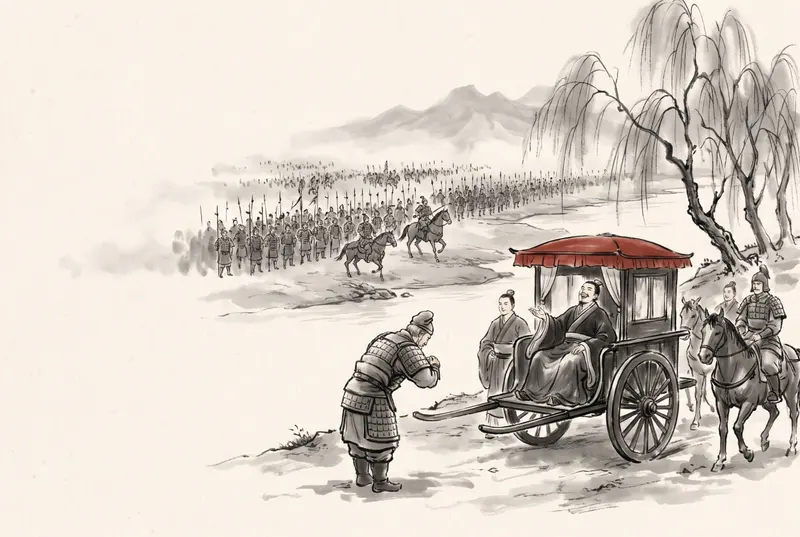
始皇聞之,大怒,自馳如頻陽,見謝王翦曰:「寡人以不用將軍計,李信果辱秦軍。今聞荊兵日進而西,將軍雖病,獨忍棄寡人乎!」王翦謝曰:「老臣罷病悖亂,唯大王更擇賢將。」始皇謝曰:「已矣,將軍勿復言!」王翦曰:「大王必不得已用臣,非六十萬人不可。」始皇曰:「為聽將軍計耳。」於是王翦將兵六十萬人,始皇自送至灞上。王翦行,請美田宅園池甚眾。始皇曰:「將軍行矣,何憂貧乎?」王翦曰:「為大王將,有功終不得封侯,故及大王之向臣,臣亦及時以請園池為子孫業耳。」始皇大笑。王翦既至關,使使還請善田者五輩。或曰:「將軍之乞貸,亦已甚矣。」王翦曰:「不然。夫秦王怚而不信人。今空秦國甲士而專委於我,我不多請田宅為子孫業以自堅,顧令秦王坐而疑我邪?」
書き下し文
始皇之を聞き、大いに怒り、自ら馳せて頻陽に如き、王翦に見えて謝して曰く、「寡人将軍の計を用いざるを以て、李信果たして秦軍を辱む。今聞く荊の兵日に進みて西すと。将軍病むと雖も、独り寡人を棄つるに忍びんや」と。王翦謝して曰く、「老臣罷病悖乱す。唯だ大王更に賢将を択べ」と。始皇謝して曰く、「已みなん。将軍復た言うこと勿かれ」と。王翦曰く、「大王必ず已むを得ずして臣を用いんとせば、六十万人に非ずんば不可なり」と。始皇曰く、「将軍の計を聴かんのみ」と。是に於いて王翦兵六十万人に将たり。始皇自ら送りて灞上に至る。王翦行くに、美田宅園池を請うこと甚だ衆し。始皇曰く、「将軍行け。何ぞ貧を憂えんや」と。王翦曰く、「大王の将と為りて、功有るも終に侯に封ぜらるるを得ず。故に大王の臣に向かうに及び、臣も亦た時に及びて以て園池を請いて子孫の業と為さんのみ」と。始皇大いに笑う。王翦既に関に至り、使いをして還りて善田を請わしむる者五輩。或るひと曰く、「将軍の乞貸も、亦た已に甚だし」と。王翦曰く、「然らず。夫れ秦王は怚にして人を信ぜず。今秦国の甲士を空しくして専ら我に委ぬ。我多く田宅を請いて子孫の業と為して以て自ら堅くせずんば、顧って秦王をして坐して我を疑わしめんや」と。
現代語訳
始皇帝はそれを聞いて激怒し、自ら馬を走らせて頻陽へ行き、王翦に会ってわびて言った。「わたしが将軍の策を用いなかったために、はたして李信は秦軍に恥をかかせた。いま聞けば、楚の兵は日ごとに西へ進んでいるという。将軍は病気とはいえ、わたしを見捨てるに忍びるのか」。王翦はわびて言った。「老いぼれのわたしは疲れて病み、頭もぼけております。どうか大王は、ほかに賢い将軍をお選びください」。始皇帝は言った。「もういい、将軍、そんなことは言わないでくれ」。王翦は言った。「大王がどうしてもわたしをお使いになるなら、六十万人でなければなりません」。始皇帝は言った。「将軍の言うとおりにしよう」。こうして王翦は六十万の兵を率いることになり、始皇帝は自ら灞上まで見送った。王翦は出発のとき、良い田畑や屋敷、庭園や池をしきりにねだった。始皇帝は言った。「将軍、さあ行きなさい。何を貧乏の心配などすることがあろう」。王翦は言った。「大王の将軍として手柄を立てても、結局、諸侯に封じられることはありません。ですから大王がわたしを頼りにしてくださるうちに、わたしも今のうちに庭園や池をいただいて、子孫の財産にしておきたいのです」。始皇帝は大笑いした。王翦は関所に着いてからも、使者を五回も都へ戻らせて良い田畑をねだった。ある人が言った。「将軍のおねだりは、いくらなんでもひどすぎます」。王翦は言った。「そうではない。秦王は気が荒く、人を信じない。いま秦の国じゅうの兵をからにして、すべてわたしに任せている。わたしが田畑や屋敷を子孫のためにたくさんねだって、自分の身を守っておかなければ、秦王はかえって、何もせずにわたしを疑うようになるだろう」。
英訳
When the First Emperor heard of this, he flew into a rage. He rode to Pinyang himself, met Wang Jian and apologized: "Because I did not use your plan, General, Li Xin has disgraced the army of Qin, just as you said. Now I hear that the Jing army is advancing west day by day. You may be ill, General, but can you bear to abandon me?" Wang Jian declined: "This old servant is worn out, ill and muddled. I beg Your Majesty to choose another, abler general." The First Emperor said, "Enough, General. Say no more!" Wang Jian said, "If Your Majesty truly has no choice but to use me, it must be six hundred thousand men." "I will do as you say," said the First Emperor. So Wang Jian took command of six hundred thousand men, and the First Emperor saw him off himself as far as Bashang. As he set out, Wang Jian asked for a great many fine fields, houses, gardens and ponds. The First Emperor said, "Go, General! Why worry about being poor?" Wang Jian said, "As Your Majesty's general, however much I achieve, I will never be made a lord with a fief. So while Your Majesty looks kindly on me, I want to take this chance to ask for gardens and ponds to leave to my sons and grandsons." The First Emperor laughed aloud. Even after Wang Jian reached the pass, he sent messengers back five times to ask for good fields. Someone said, "General, your begging has gone too far." Wang Jian said, "Not at all. The King of Qin is fierce and trusts no one. Now he has emptied the state of Qin of its soldiers and put them all in my hands. If I do not ask for many fields and houses for my descendants to show where my heart lies, the King of Qin will sit at home and begin to suspect me."
解説(日)
- 罷病悖亂: 疲れて病み、頭がぼけている。へりくだった言い方。
- 灞上: 咸陽の東、灞水のほとり(巻7・巻8の章にも出てくる)。
- 請美田宅園池: 良い田畑・屋敷・庭園・池をねだる。
- 五輩: 五回、五組。
- 乞貸: ものをねだること。
- 怚: 気が荒い。粗暴。
- 自堅: 自分の立場を固める。財産にしか関心がないと見せて、謀反の心がないことを示した。
解説(英)
- 罷病悖亂: worn out, ill and muddled; a humble way of declining.
- Bashang: on the Ba River east of Xianyang (see also Volumes 7 and 8).
- 請美田宅園池: asking for fine fields, houses, gardens and ponds.
- 五輩: five times.
- 乞貸: begging for things.
- 怚: fierce, rough.
- 自堅 ("to show where my heart lies"): by seeming to care only about wealth, he showed he had no thought of rebellion.
英語の語注
- beg/bɛɡ/verb
to ask for something again and again
本文では: “your begging has gone too far”
似た語と違い: plead — ask earnestly · implore — beg desperately
- suspect/səˈspɛkt/verb
to think someone may be guilty or disloyal
本文では: “begin to suspect me”
似た語と違い: distrust — not trust · doubt — not be sure of
節 10
原文
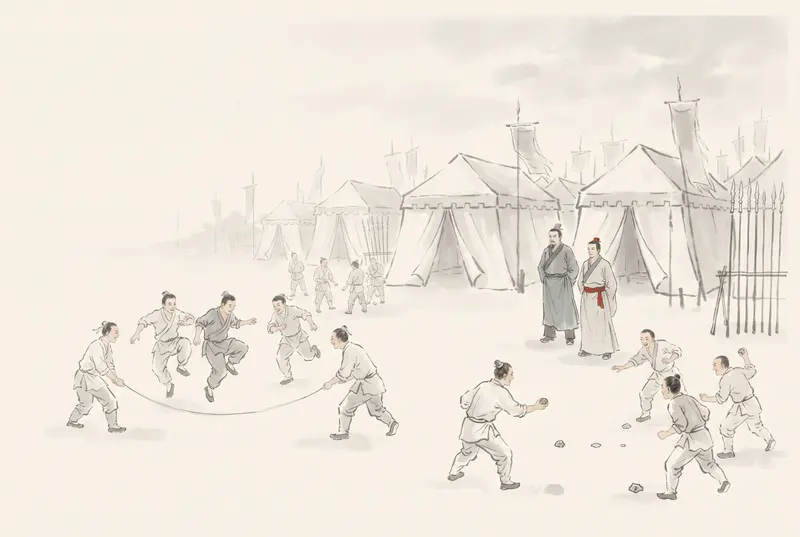
王翦果代李信擊荊。荊聞王翦益軍而來,乃悉國中兵以拒秦。王翦至,堅壁而守之,不肯戰。荊兵數出挑戰,終不出。王翦日休士洗沐,而善飲食撫循之,親與士卒同食。久之,王翦使人問軍中戲乎?對曰:「方投石超距。」於是王翦曰:「士卒可用矣。」荊數挑戰而秦不出,乃引而東。翦因舉兵追之,令壯士擊,大破荊軍。至蘄南,殺其將軍項燕,荊兵遂敗走。秦因乘勝略定荊地城邑。歲餘,虜荊王負芻,竟平荊地為郡縣。
書き下し文
王翦果たして李信に代わりて荊を撃つ。荊王翦の軍を益して来たるを聞き、乃ち国中の兵を悉くして以て秦を拒ぐ。王翦至り、壁を堅くして之を守り、戦うを肯んぜず。荊の兵数しば出でて戦いを挑むも、終に出でず。王翦日に士を休めて洗沐せしめ、而して善く飲食せしめて之を撫循し、親ら士卒と食を同じくす。之を久しくして、王翦人をして問わしむ、軍中戯るるかと。対えて曰く、「方に石を投げ距を超ゆ」と。是に於いて王翦曰く、「士卒用うべし」と。荊数しば戦いを挑むも秦出でず。乃ち引きて東す。翦因りて兵を挙げて之を追い、壮士をして撃たしめ、大いに荊軍を破る。蘄の南に至り、其の将軍項燕を殺す。荊の兵遂に敗走す。秦因りて勝ちに乗じて荊の地の城邑を略定す。歳余、荊王負芻を虜にし、竟に荊の地を平らげて郡県と為す。
現代語訳
王翦は李信に代わって楚を攻めた。楚は王翦が大軍を率いて来ると聞くと、国じゅうの兵を集めて秦を防いだ。王翦は着くと、陣を固めて守り、戦おうとしなかった。楚の兵が何度出てきて戦いを挑んでも、最後まで出なかった。王翦は毎日兵士を休ませて体を洗わせ、十分に飲み食いさせていたわり、自分も兵士と同じものを食べた。しばらくして、王翦は人をやって「兵たちは何をして遊んでいるか」とたずねさせた。答えは「石投げや跳躍をしています」だった。そこで王翦は言った。「これで兵士は使える」。楚は何度戦いを挑んでも秦が出てこないので、兵を東へ引き上げた。王翦はすかさず兵を挙げて追いかけ、勇士たちに攻めさせて、楚軍を大いに破った。蘄の南まで追って、楚の将軍項燕を殺し、楚の兵はついに敗走した。秦は勝ちに乗じて楚の城や町を攻め取った。一年あまりのちには楚王の負芻を捕らえ、とうとう楚の地をすべて平定して郡県とした。
英訳
So Wang Jian replaced Li Xin and attacked Jing. When Jing heard that Wang Jian was coming with a larger army, it called up every soldier in the state to hold off Qin. When Wang Jian arrived, he strengthened his camp and held it, and would not fight. Again and again the Jing troops came out to challenge him, but he never came out. Every day Wang Jian let his men rest and bathe, fed them well and looked after them, and ate the same food as the soldiers himself. After a long time, Wang Jian sent someone to ask what games the men were playing. "They are throwing stones and jumping," came the answer. Then Wang Jian said, "The men are ready to be used." Since Qin would not come out however often Jing challenged it, the Jing army withdrew to the east. Wang Jian at once took his army after it, sent his strongest men to attack and crushed the Jing army. South of Qi he killed its general Xiang Yan, and the Jing troops broke and fled. Riding its victory, Qin went on to take the cities and towns of Jing. A little over a year later it captured Fuchu, King of Jing, and at last pacified all of Jing and turned it into commanderies and counties.
解説(日)
- 洗沐: 体や髪を洗う。休養。
- 撫循: いたわる。
- 投石超距: 石を投げる遊びと、跳躍の遊び。兵士の元気がありあまっていることを表す。
- 蘄: 今の安徽省宿州市のあたり。
- 項燕: 楚の将軍。項羽の祖父(巻7・巻48の章を参照)。陳勝はのちに項燕の名を借りて兵を挙げた。
- 負芻: 楚の最後の王。前223年に捕らえられ、楚は滅びた。
解説(英)
- 洗沐: to bathe; rest.
- 撫循: to look after.
- 投石超距 ("throwing stones and jumping"): games that showed the soldiers were bursting with energy.
- Qi (蘄): near present-day Suzhou in Anhui.
- Xiang Yan: the Chu general, grandfather of Xiang Yu (see Volumes 7 and 48); Chen Sheng later raised his revolt in Xiang Yan's name.
- Fuchu: the last king of Chu, captured in 223 BCE.
英語の語注
- bathe/beɪð/verb
to wash your body
本文では: “let his men rest and bathe”
似た語と違い: wash — clean with water · soak — stay in water
- pacify/ˈpæsəˌfaɪ/verb
to bring peace to a place, usually by force
本文では: “pacified all of Jing”
似た語と違い: subdue — bring under control · conquer — take by force
節 11
原文
秦二世之時,王翦及其子賁皆已死,而又滅蒙氏。陳勝之反秦,秦使王翦之孫王離擊趙,圍趙王及張耳鉅鹿城。或曰:「王離,秦之名將也。今將彊秦之兵,攻新造之趙,舉之必矣。」客曰:「不然。夫為將三世者必敗。必敗者何也?必其所殺伐多矣,其後受其不祥。今王離已三世將矣。」居無何,項羽救趙,擊秦軍,果虜王離,王離軍遂降諸侯。
書き下し文
秦の二世の時、王翦及び其の子賁皆已に死し、而して又蒙氏を滅ぼす。陳勝の秦に反するや、秦王翦の孫王離をして趙を撃たしめ、趙王及び張耳を鉅鹿城に囲む。或るひと曰く、「王離は秦の名将なり。今彊秦の兵に将として、新造の趙を攻む。之を挙ぐること必せり」と。客曰く、「然らず。夫れ将為ること三世なる者は必ず敗る。必ず敗るる者は何ぞや。必ず其の殺伐する所多く、其の後其の不祥を受くればなり。今王離已に三世の将なり」と。居ること何も無くして、項羽趙を救い、秦軍を撃ち、果たして王離を虜にす。王離の軍遂に諸侯に降る。
現代語訳
秦の二世皇帝のとき、王翦とその子の王賁はすでに死んでおり、蒙氏の一族も滅ぼされていた。陳勝が秦に反乱を起こすと、秦は王翦の孫の王離に趙を攻めさせ、趙王と張耳を鉅鹿の城に包囲した。ある人が言った。「王離は秦の名将だ。強い秦の兵を率いて、できたばかりの趙を攻めるのだから、かならず落とすだろう」。ある客が言った。「そうではない。三代にわたって将軍を務める家はかならず負ける。なぜかならず負けるのか。人を殺しすぎたので、その報いを子孫が受けるからだ。王離はもう三代目の将軍だ」。まもなく項羽が趙を救いに来て秦軍を攻め、はたして王離を捕虜にし、王離の軍は諸侯に降伏した。
英訳
In the time of the Second Emperor of Qin, Wang Jian and his son Wang Ben were both dead, and the Meng family had been destroyed. When Chen Sheng rose against Qin, Qin sent Wang Jian's grandson Wang Li to attack Zhao, and he besieged the King of Zhao and Zhang Er in the city of Julu. Someone said, "Wang Li is a famous general of Qin. Leading the army of mighty Qin against the newly founded Zhao, he is sure to take it." A guest said, "Not so. A family that has been generals for three generations is bound to fall. Why is it bound to fall? Because it has killed so many that its descendants must pay for the evil. And Wang Li is a general of the third generation." Before long, Xiang Yu came to the rescue of Zhao, attacked the Qin army and, just as the guest had said, captured Wang Li, whose army then surrendered to the lords.
解説(日)
- 滅蒙氏: 蒙恬・蒙毅の兄弟が趙高らに殺されたこと(巻6・巻87の章を参照)。
- 王離: 王翦の孫。鉅鹿の戦いで項羽に捕らえられた(巻7の章「鉅鹿の戦い」を参照)。
- 張耳: 趙の宰相。のちに漢の趙王(巻92の章を参照)。
- 新造之趙: 陳勝の乱のあとに新しく立てられた趙。
- 為將三世者必敗: 三代続けて将軍の家はかならず負ける。殺した人の報いを受けるという考え。
解説(英)
- The Meng family destroyed: Meng Tian and Meng Yi were killed through Zhao Gao's schemes (see Volumes 6 and 87).
- Wang Li: Wang Jian's grandson, captured by Xiang Yu at Julu (see Volume 7, "The Battle of Julu").
- Zhang Er: chancellor of Zhao, later King of Zhao under the Han (see Volume 92).
- 新造之趙: the new Zhao set up after Chen Sheng's revolt.
- 為將三世者必敗 ("a family of generals for three generations is bound to fall"): it must pay for all the killing.
英語の語注
- besiege/bɪˈsiːdʒ/verb
to surround a city with an army
本文では: “he besieged the King of Zhao”
似た語と違い: surround — be all around · encircle — form a circle around
- bound to/baʊnd tuː/phrase
certain to happen
本文では: “is bound to fall”
似た語と違い: sure to — certain to · destined to — fated to
節 12
原文
太史公曰:鄙語云「尺有所短,寸有所長」。白起料敵合變,出奇無窮,聲震天下,然不能救患於應侯。王翦為秦將,夷六國,當是時,翦為宿將,始皇師之,然不能輔秦建德,固其根本,偷合取容,以至圽身。及孫王離為項羽所虜,不亦宜乎!彼各有所短也。
書き下し文
太史公曰く、鄙語に云う「尺も短き所有り、寸も長き所有り」と。白起敵を料り変に合い、奇を出だすこと窮まり無く、声天下を震わす。然れども患いを応侯に救う能わず。王翦秦の将と為り、六国を夷らぐ。是の時に当たり、翦は宿将為り、始皇之を師とす。然れども秦を輔けて徳を建て、其の根本を固むる能わず。偸合して容れられんことを取り、以て身を歿するに至る。孫の王離の項羽の虜とする所と為るに及ぶは、亦た宜ならずや。彼各おの短き所有るなり。
現代語訳
太史公(司馬遷)は言う。ことわざに「一尺でも短すぎることがあり、一寸でも長すぎることがある」という。白起は敵を見きわめて変化に応じ、奇策を出すこと限りなく、その名は天下をふるわせた。しかし、応侯からのわざわいを防ぐことはできなかった。王翦は秦の将軍として六国を平らげた。このとき王翦は老練な将軍で、始皇帝も彼を師と仰いだ。しかし、秦を助けて徳を打ち立て、国の根本を固めることはできず、王の機嫌をとって身を守ることに努めたまま、生涯を終えた。孫の王離が項羽に捕らえられたのも、当然ではないか。二人にはそれぞれ短所があったのである。
英訳
The Grand Historian says: the common saying goes, "A foot can be too short, and an inch can be long enough." Bai Qi could read an enemy and adapt to every change; his surprise moves were endless, and his name shook the world. Yet he could not save himself from the Marquis of Ying. Wang Jian, as general of Qin, leveled the six states. At that time he was the veteran general, and the First Emperor treated him as a teacher. Yet he could not help Qin build up its virtue and make its foundations firm. He only went along with the king to keep his favor, and so he lived out his life. Was it not fitting that his grandson Wang Li was captured by Xiang Yu? Each of them had his shortcomings.
解説(日)
- 尺有所短,寸有所長: 一尺でも短すぎるときがあり、一寸でも十分なときがある。どんな人にも長所と短所があるということわざ。
- 料敵合變: 敵を見きわめて、変化に応じる。
- 不能救患於應侯: 応侯(范雎)からのわざわいを防げなかった。
- 夷六國: 六国を平らげる。
- 偷合取容: その場しのぎに主君に合わせて、受け入れられようとする。
- 圽身: 通行本では「歿身」。生涯を終える。
解説(英)
- 尺有所短,寸有所長 ("a foot can be too short, and an inch long enough"): everyone has strengths and weaknesses.
- 料敵合變: reading the enemy and adapting to change.
- 不能救患於應侯: he could not escape the harm done him by the Marquis of Ying (Fan Ju).
- 夷六國: leveling the six states.
- 偷合取容: going along with the ruler only to keep his favor.
- 圽身: written 歿身 in most editions; to end one's life.
この節から生まれた言葉: 尺も短き所有り、寸も長き所有り
英語の語注
- veteran/ˈvɛtərən/adjective
having long experience
本文では: “he was the veteran general”
似た語と違い: seasoned — experienced · experienced — having done it many times
- shortcoming/ˈʃɔrtˌkʌmɪŋ/noun
a fault or weakness
本文では: “Each of them had his shortcomings”
似た語と違い: flaw — a fault · weakness — a weak point