世家 · 巻 47
孔子世家 孔子世家
喪家の狗 喪家之狗
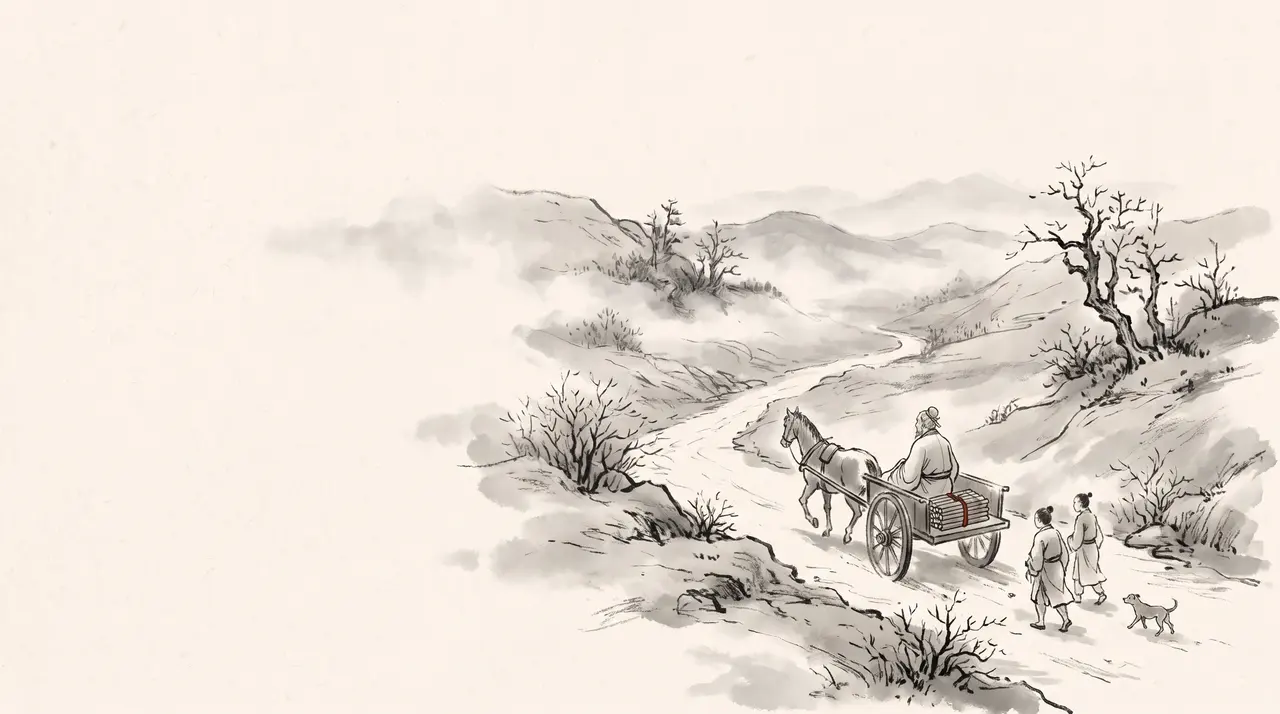
孔子は魯の貧しい家に生まれ、幼いころから礼のまねごとをして遊んだ。五十を過ぎて魯の政治を任され、夾谷の会では斉の君主を言葉でしりぞけたが、斉の贈った美女に主君が溺れると、国を去る。そこから十四年、諸国をめぐっても用いられず、匡では殺されかけ、鄭では「喪家の狗」と笑われ、陳と蔡の間では食糧が尽きた。それでも弟子と琴を弾き、歌をやめない。晩年は魯に帰って古典を整え、『易』を綴じひもが三度切れるほど読み、『春秋』を書いた。諸侯ではない一人の庶民の孔子に「世家」を立てた司馬遷は、「至聖」と呼んで深く敬う。
この巻のうち「喪家の狗」の場面を載せています。巻の全文ではありません。
音声
音声は合成音声です。
動画
節 1
原文
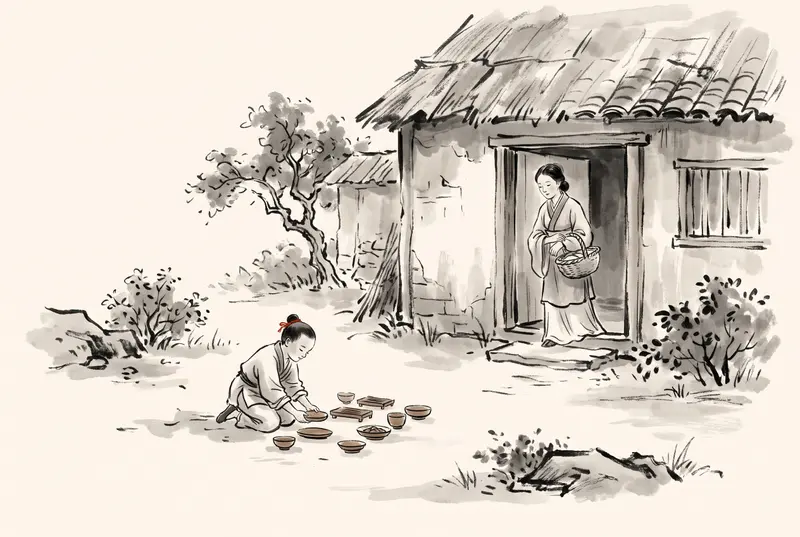
孔子生魯昌平鄉陬邑。其先宋人也,曰孔防叔。防叔生伯夏,伯夏生叔梁紇。紇與顏氏女野合而生孔子,禱於尼丘得孔子。魯襄公二十二年而孔子生。生而首上圩頂,故因名曰丘云。字仲尼,姓孔氏。丘生而叔梁紇死,葬於防山。防山在魯東,由是孔子疑其父墓處,母諱之也。孔子為兒嬉戲,常陳俎豆,設禮容。孔子母死,乃殯五父之衢,蓋其慎也。郰人輓父之母誨孔子父墓,然後往合葬於防焉。
書き下し文
孔子は魯の昌平郷の陬邑に生まる。其の先は宋の人なり、孔防叔と曰う。防叔は伯夏を生み、伯夏は叔梁紇を生む。紇、顔氏の女と野合して孔子を生む。尼丘に禱りて孔子を得たり。魯の襄公二十二年にして孔子生まる。生まれながらにして首上圩頂なり。故に因りて名づけて丘と曰うと云う。字は仲尼、姓は孔氏。丘生まれて叔梁紇死し、防山に葬る。防山は魯の東に在り。是に由りて孔子其の父の墓処を疑う。母之を諱めばなり。孔子児たりて嬉戯するに、常に俎豆を陳ね、礼容を設く。孔子の母死す。乃ち五父の衢に殯す。蓋し其の慎みなり。郰の人輓父の母、孔子に父の墓を誨う。然る後に往きて防に合葬す。
現代語訳
孔子は魯の昌平郷の陬邑で生まれた。先祖は宋の人で、孔防叔という。防叔は伯夏を生み、伯夏は叔梁紇を生んだ。紇は顔氏の娘と正式な婚礼を経ずに結ばれて孔子を生んだ。尼丘の山に祈って授かった子である。魯の襄公二十二年に孔子は生まれた。生まれつき頭の頂がくぼんでいたので、丘と名づけたという。字は仲尼、姓は孔である。丘が生まれてまもなく叔梁紇は死に、防山に葬られた。防山は魯の東にある。母が語ろうとしなかったので、孔子は父の墓の場所を知らなかった。孔子は子どものころ、遊ぶときにはいつも祭器を並べて、礼の作法のまねをした。孔子の母が死ぬと、五父の衢に仮に葬った。慎重を期したのである。郰の車引きの母が父の墓を教えてくれたので、そのあと防に行って父母を合葬した。
英訳
Confucius was born in the town of Zou in Changping, in the state of Lu. His ancestors were men of Song, beginning with Kong Fangshu. Fangshu fathered Boxia, and Boxia fathered Shuliang He. He had a child with a young woman of the Yan family outside a formal marriage. They prayed at Mount Ni and were given Confucius, who was born in the twenty-second year of Duke Xiang of Lu. He was born with a hollow on the crown of his head, and so, it is said, he was named Qiu, "mound." His courtesy name was Zhongni, and his family name was Kong. Soon after Qiu was born, Shuliang He died and was buried at Mount Fang, east of the Lu capital. Because his mother would not speak of it, Confucius did not know where his father's grave was. When he played as a child, he would always set out sacrificial dishes and act out the rites. When his mother died, he laid her coffin for a time at the Crossroads of Wufu, out of caution. The mother of a carter from Zou told him where his father's grave was, and after that he took her to Fang and buried them together.
解説(日)
- 陬邑: 今の山東省曲阜市の東南。
- 野合: 正式な婚礼によらない結びつき。年の差のある結婚をいうとする説もある。
- 魯襄公二十二年: 前551年。『公羊伝』『穀梁伝』は前552年とする。
- 圩頂: 頭の頂がくぼんでいること。
- 俎豆: 祭りで供え物を盛る器。
- 殯: 埋葬の前に棺を仮に安置すること。
解説(英)
- Zou (陬邑): southeast of present-day Qufu, Shandong.
- Outside a formal marriage (野合): some read this as a marriage with a great difference in age.
- Twenty-second year of Duke Xiang: 551 BCE. Other sources give 552.
- Qiu (丘) means "mound", a play on the shape of his head.
- Sacrificial dishes (俎豆): the vessels used to hold offerings.
英語の語注
- courtesy name/ˈkɜrtəsi neɪm/noun
a name used by adults in old China, in place of the given name
本文では: “His courtesy name was Zhongni”
似た語と違い: style name — another term for the same name · formal name — a name used politely
- sacrificial/ˌsækrəˈfɪʃəl/adjective
used in offerings to gods or ancestors
本文では: “set out sacrificial dishes”
似た語と違い: ritual — used in a ceremony · votive — offered to a god
節 2
原文
孔子貧且賤。及長,嘗為季氏史,料量平;嘗為司職吏而畜蕃息。由是為司空。已而去魯,斥乎齊,逐乎宋、衞,困於陳蔡之間,於是反魯。孔子長九尺有六寸,人皆謂之「長人」而異之。魯復善待,由是反魯。魯南宮敬叔言魯君曰:「請與孔子適周。」魯君與之一乘車,兩馬,一豎子俱,適周問禮,蓋見老子云。辭去,而老子送之曰:「吾聞富貴者送人以財,仁人者送人以言。吾不能富貴,竊仁人之號,送子以言,曰:『聰明深察而近於死者,好議人者也。博辯廣大危其身者,發人之惡者也。為人子者毋以有己,為人臣者毋以有己。』」孔子自周反于魯,弟子稍益進焉。
書き下し文
孔子貧にして且つ賤し。長ずるに及び、嘗て季氏の史と為り、料量平らかなり。嘗て司職の吏と為りて畜蕃息す。是に由りて司空と為る。已にして魯を去り、斉に斥けられ、宋・衛に逐われ、陳蔡の間に困しみ、是に於いて魯に反る。孔子長九尺有六寸、人皆之を「長人」と謂いて之を異とす。魯復た善く待す、是に由りて魯に反る。魯の南宮敬叔魯君に言いて曰く、「請う、孔子と周に適かん」と。魯君之に一乗の車、両馬、一豎子を与えて倶にし、周に適きて礼を問う。蓋し老子に見ゆと云う。辞し去るに、老子之を送りて曰く、「吾聞く、富貴なる者は人を送るに財を以てし、仁人なる者は人を送るに言を以てすと。吾富貴なること能わず、仁人の号を窃み、子を送るに言を以てせん。曰く、『聡明深察にして死に近き者は、好んで人を議する者なり。博辯広大にして其の身を危うくする者は、人の悪を発く者なり。人の子たる者は以て己を有つこと毋かれ、人の臣たる者は以て己を有つこと毋かれ』と」と。孔子周より魯に反り、弟子稍く益々進む。
現代語訳
孔子は貧しく、身分も低かった。成長すると、季氏の倉庫番をして穀物の量りを公平にし、牧場の役人になると家畜がよく増えた。こうして司空に取り立てられた。しかしやがて魯を去り、斉では退けられ、宋や衛では追われ、陳と蔡の間で苦しみ、のちに魯へ戻ることになる。孔子は身長が九尺六寸もあり、人々はみな「のっぽ」と呼んで驚いた。魯の南宮敬叔が魯の君主に申し出た。「孔子とともに周へ行かせてください」。君主は一台の馬車と二頭の馬、一人の童僕を与えた。周へ行って礼を学び、そのとき老子に会ったという。別れるとき、老子はこう言って送った。「富貴な人は財物を贈り、仁者は言葉を贈ると聞く。私は富貴ではないので、仁者の名を借りて言葉を贈ろう。聡明で物事を深く見抜きながら死に近づく者は、好んで人を批評する者である。博識で弁が立ちながら身を危うくする者は、人の悪をあばく者である。人の子たる者、人の臣たる者は、自分というものを押し立ててはならない」。孔子が周から魯へ帰ると、弟子はしだいに増えていった。
英訳
Confucius was poor and of low rank. As a young man he kept the granary accounts for the Ji family, and his measures were fair. He was put in charge of livestock, and the herds multiplied. And so he rose to be Minister of Works. Later he would leave Lu, be rejected in Qi, be driven out of Song and Wey, and suffer between Chen and Cai before coming home. He was nine feet six inches tall, and everyone called him "the Tall Man" and marveled at him. Nangong Jingshu of Lu said to the duke: "Let me go with Confucius to Zhou." The duke gave them a carriage, two horses and a servant boy. They went to Zhou to ask about the rites, and it was there, it is said, that he met Laozi. When he took his leave, Laozi saw him off and said: "I have heard that the rich and noble send a man off with wealth, and the good send him off with words. I am not rich or noble, but I will borrow the name of a good man and send you off with words. A clever and sharp-eyed man who comes close to death is one who loves to judge others. A learned and eloquent man who puts himself in danger is one who exposes the faults of others. As a son, do not put yourself first. As a minister, do not put yourself first." When Confucius came back to Lu from Zhou, his students gradually grew in number.
解説(日)
- 季氏: 魯の実権を握った三桓の一つ。
- 料量: 穀物をはかること。
- 司空: 土木などをつかさどる官。
- 九尺六寸: 漢尺で約221cmとなり、誇張とみられる。
- 老子: 周の書庫の役人とされる思想家(巻63)。この会見は史実かどうか議論がある。
解説(英)
- The Ji family: one of the three great clans that held real power in Lu.
- Nine feet six inches: about 221 cm in Han measure, surely an exaggeration.
- Laozi: the Daoist sage, said to have kept the Zhou archives (Volume 63). Whether this meeting really took place is debated.
英語の語注
- eloquent/ˈɛləkwənt/adjective
good at speaking well
本文では: “A learned and eloquent man”
似た語と違い: articulate — able to express ideas clearly · silver-tongued — persuasive in speech
節 3
原文
孔子年三十五,而季平子與郈昭伯以鬬雞故得罪魯昭公,昭公率師擊平子,平子與孟氏、叔孫氏三家共攻昭公,昭公師敗,奔於齊,齊處昭公乾侯。其後頃之,魯亂。孔子適齊,為高昭子家臣,欲以通乎景公。與齊太師語樂,聞韶音,學之,三月不知肉味,齊人稱之。景公問政孔子,孔子曰:「君君,臣臣,父父,子子。」景公曰:「善哉!信如君不君,臣不臣,父不父,子不子,雖有粟,吾豈得而食諸!」他日又復問政於孔子,孔子曰:「政在節財。」景公說,將欲以尼谿田封孔子。晏嬰進曰:「夫儒者滑稽而不可軌法;倨傲自順,不可以為下;崇喪遂哀,破產厚葬,不可以為俗;游說乞貸,不可以為國。自大賢之息,周室既衰,禮樂缺有間。今孔子盛容飾,繁登降之禮,趨詳之節,累世不能殫其學,當年不能究其禮。君欲用之以移齊俗,非所以先細民也。」後景公敬見孔子,不問其禮。異日,景公止孔子曰:「奉子以季氏,吾不能。」以季孟之間待之。齊大夫欲害孔子,孔子聞之。景公曰:「吾老矣,弗能用也。」孔子遂行,反乎魯。
書き下し文
孔子年三十五にして、季平子、郈昭伯と闘鶏の故を以て罪を魯の昭公に得たり。昭公師を率いて平子を撃つ。平子、孟氏・叔孫氏の三家と共に昭公を攻む。昭公の師敗れ、斉に奔る。斉昭公を乾侯に処く。其の後頃之、魯乱る。孔子斉に適き、高昭子の家臣と為り、以て景公に通ぜんと欲す。斉の太師と楽を語り、韶の音を聞きて之を学び、三月肉の味を知らず。斉人之を称す。景公政を孔子に問う。孔子曰く、「君は君たり、臣は臣たり、父は父たり、子は子たり」と。景公曰く、「善いかな。信に如し君君たらず、臣臣たらず、父父たらず、子子たらずんば、粟有りと雖も、吾豈に得て諸を食らわんや」と。他日又復た政を孔子に問う。孔子曰く、「政は財を節するに在り」と。景公説び、将に尼谿の田を以て孔子を封ぜんと欲す。晏嬰進みて曰く、「夫れ儒者は滑稽にして軌法とすべからず。倨傲自順にして、以て下と為すべからず。喪を崇び哀を遂げ、産を破りて葬を厚くし、以て俗と為すべからず。游説乞貸し、以て国を為むべからず。大賢の息みしより、周室既に衰え、礼楽缺くること間有り。今孔子容飾を盛んにし、登降の礼、趨詳の節を繁くす。累世も其の学を殫くす能わず、当年も其の礼を究むる能わず。君之を用いて以て斉の俗を移さんと欲するは、細民を先にする所以に非ざるなり」と。後に景公敬して孔子に見ゆるも、其の礼を問わず。異日、景公孔子を止めて曰く、「子を奉ずるに季氏を以てするは、吾能わず」と。季孟の間を以て之を待す。斉の大夫孔子を害せんと欲す。孔子之を聞く。景公曰く、「吾老いたり、用うる能わざるなり」と。孔子遂に行き、魯に反る。
現代語訳
孔子が三十五歳のとき、季平子と郈昭伯の闘鶏のもめごとがもとで、季平子が魯の昭公に罪を問われた。昭公が軍を率いて季平子を攻めると、季平子は孟氏・叔孫氏と三家で共に昭公を攻め、昭公は敗れて斉へ逃げた。その後、魯は乱れた。孔子は斉へ行き、高昭子の家臣となって景公に近づこうとした。斉の楽長と音楽を語り合い、韶の音楽を聞いて学ぶと、三か月の間、肉の味もわからないほどであった。斉の人々は彼をほめた。景公が政治について尋ねると、孔子は言った。「君主は君主らしく、臣は臣らしく、父は父らしく、子は子らしくあることです」。景公は言った。「よいことを言う。もし君主が君主らしくなく、臣が臣らしくなく、父が父らしくなく、子が子らしくなければ、穀物があっても、私は食べることができないだろう」。別の日にまた尋ねると、孔子は「政治は財を節約することにあります」と言った。景公は喜び、尼谿の田を与えて孔子を封じようとした。すると晏嬰が進み出て言った。「儒者は口が達者で、規範にはなりません。おごって自分の考えに従い、臣下にはなりません。葬儀を重んじて悲しみを尽くし、財産をつぶして手厚く葬るので、風俗にしてはなりません。各地を説いて回って援助を求めるので、国を任せられません。偉大な賢者たちが去り、周王室が衰えて、礼楽はとうに欠けています。いま孔子は身なりを飾り立て、階段の上り下りや歩き方の作法を煩雑にしています。何代かけてもその学問を尽くせず、一生かけてもその礼を究められません。これで斉の風俗を変えようとなさるのは、民を第一にするやり方ではありません」。その後、景公は孔子に敬意を払って会っても、礼については尋ねなくなった。ある日、景公は孔子を引きとめて言った。「季氏と同じ待遇はできない」。そして季氏と孟氏の中間の待遇とした。斉の大夫の中に孔子に危害を加えようとする者があり、孔子はこれを聞いた。景公は言った。「私は年老いた。あなたを用いることはできない」。孔子はそこで去り、魯へ帰った。
英訳
When Confucius was thirty-five, a quarrel over a cockfight between Ji Pingzi and Hou Zhaobo brought Ji Pingzi into conflict with Duke Zhao of Lu. The duke led troops against him, but Pingzi joined with the Meng and Shusun families to attack the duke. The duke's army was defeated and he fled to Qi. Lu fell into disorder. Confucius went to Qi and became a retainer of Gao Zhaozi, hoping to reach Duke Jing. He talked of music with the Grand Music Master of Qi, heard the Shao music and studied it, and for three months he did not notice the taste of meat. The people of Qi praised him. Duke Jing asked him about government. Confucius said: "Let the ruler be a ruler, the minister a minister, the father a father, the son a son." The duke said: "Excellent! Truly, if the ruler is no ruler, the minister no minister, the father no father and the son no son, then even with grain in the barn, how could I get to eat it?" Another day the duke asked again, and Confucius said: "Government lies in being sparing with wealth." The duke was pleased and thought of giving Confucius the fields of Nixi. But Yan Ying came forward and said: "These Confucians are smooth talkers and cannot be taken as a standard. They are proud and go their own way, and will not serve as subordinates. They make a cult of mourning and ruin themselves on funerals, which must not become our custom. They wander about persuading and begging, and cannot be trusted with a state. Since the great sages passed away and the house of Zhou declined, rites and music have long been in decay. Now Confucius makes much of dress and piles up rules for going up and down stairs and for how to walk. Generations could not exhaust his learning, and a lifetime could not master his rites. If you use him to change the ways of Qi, you will not be putting the common people first." After that, the duke received Confucius with respect but no longer asked about the rites. One day he stopped Confucius and said: "I cannot treat you as Lu treats the Ji family." He offered him a place between the Ji and the Meng. Some ministers of Qi wanted to harm Confucius, and he heard of it. The duke said: "I am old, and cannot make use of you." So Confucius left and went back to Lu.
解説(日)
- 三家: 三桓。季孫・孟孫・叔孫の三氏。
- 韶: 聖王舜の作と伝わる音楽。
- 三月不知肉味: 音楽に心を奪われたさま。『論語』述而篇。
- 君君、臣臣: 『論語』顔淵篇。
- 晏嬰: 管晏列伝の晏子(巻62)。
- 滑稽: ここでは弁舌がなめらかなこと。
解説(英)
- The three families: the Ji, Meng and Shusun clans, descended from Duke Huan of Lu.
- Shao music: said to be the work of the sage king Shun.
- Three months without tasting meat: Analects 7.14.
- "Let the ruler be a ruler": Analects 12.11.
- Yan Ying: the Master Yan of Volume 62.
この節から生まれた言葉: 三月肉の味を知らず
英語の語注
- retainer/rɪˈteɪnər/noun
a person who serves a noble family
本文では: “became a retainer of Gao Zhaozi”
似た語と違い: attendant — someone who serves · vassal — one who serves a lord
- minister/ˈmɪnɪstər/noun
a high official of a government
本文では: “the minister a minister”
似た語と違い: official — a person with a public post · counselor — an adviser
- funeral/ˈfjunərəl/noun
a ceremony for a dead person
本文では: “ruin themselves on funerals”
似た語と違い: burial — putting a body in the ground · last rites — ceremonies for the dying or dead
節 4
原文
定公十年春,及齊平。夏,齊大夫黎鉏言於景公曰:「魯用孔丘,其勢危齊。」乃使使告魯為好會,會於夾谷。魯定公且以乘車好往。孔子攝相事,曰:「臣聞有文事者必有武備,有武事者必有文備。古者諸侯出疆,必具官以從。請具左右司馬。」定公曰:「諾。」具左右司馬。會齊侯夾谷,為壇位,土階三等,以會遇之禮相見,揖讓而登。獻酬之禮畢,齊有司趨而進曰:「請奏四方之樂。」景公曰:「諾。」於是旍旄羽袚矛戟劍撥鼓噪而至。孔子趨而進,歷階而登,不盡一等,舉袂而言曰:「吾兩君為好會,夷狄之樂何為於此!請命有司!」有司卻之,不去,則左右視晏子與景公。景公心怍,麾而去之。有頃,齊有司趨而進曰:「請奏宮中之樂。」景公曰:「諾。」優倡侏儒為戲而前。孔子趨而進,歷階而登,不盡一等,曰:「匹夫而營惑諸侯者罪當誅!請命有司!」有司加法焉,手足異處。景公懼而動,知義不若,歸而大恐,告其羣臣曰:「魯以君子之道輔其君,而子獨以夷狄之道敎寡人,使得罪於魯君,為之奈何?」有司進對曰:「君子有過則謝以質,小人有過則謝以文。君若悼之,則謝以質。」於是齊侯乃歸所侵魯之鄆、汶陽、龜陰之田以謝過。
書き下し文
定公十年春、斉と平らぐ。夏、斉の大夫黎鉏景公に言いて曰く、「魯孔丘を用う。其の勢い斉を危うくせん」と。乃ち使いをして魯に告げて好会を為さしめ、夾谷に会す。魯の定公且に乗車を以て好く往かんとす。孔子相の事を摂り、曰く、「臣聞く、文事有る者は必ず武備有り、武事有る者は必ず文備有りと。古者諸侯疆を出づれば、必ず官を具えて以て従う。請う左右の司馬を具えん」と。定公曰く、「諾」と。左右の司馬を具う。斉侯に夾谷に会し、壇位を為し、土階三等、会遇の礼を以て相見え、揖譲して登る。献酬の礼畢わる。斉の有司趨りて進みて曰く、「請う四方の楽を奏せん」と。景公曰く、「諾」と。是に於いて旍旄羽袚矛戟剣撥、鼓噪して至る。孔子趨りて進み、階を歴て登り、一等を尽くさず、袂を挙げて言いて曰く、「吾が両君好会を為す。夷狄の楽何為れぞ此に於いてせん。請う有司に命ぜよ」と。有司之を却くるも、去らず。則ち左右晏子と景公とを視る。景公心に怍じ、麾きて之を去らしむ。頃有りて、斉の有司趨りて進みて曰く、「請う宮中の楽を奏せん」と。景公曰く、「諾」と。優倡侏儒戯を為して前む。孔子趨りて進み、階を歴て登り、一等を尽くさず、曰く、「匹夫にして諸侯を営惑する者は罪誅に当たる。請う有司に命ぜよ」と。有司法を加え、手足処を異にす。景公懼れて動き、義の若かざるを知り、帰りて大いに恐れ、其の群臣に告げて曰く、「魯は君子の道を以て其の君を輔く。而るに子は独り夷狄の道を以て寡人に教え、罪を魯君に得しむ。之を為すこと奈何」と。有司進みて対えて曰く、「君子過ち有れば則ち謝するに質を以てし、小人過ち有れば則ち謝するに文を以てす。君若し之を悼まば、則ち謝するに質を以てせよ」と。是に於いて斉侯乃ち侵す所の魯の鄆・汶陽・亀陰の田を帰して以て過ちを謝す。
現代語訳
定公十年の春、魯は斉と和睦した。夏、斉の大夫の黎鉏が景公に言った。「魯は孔丘を用いています。これでは斉が危うくなります」。そこで使者を送って友好の会を申し入れ、夾谷で会うことにした。魯の定公は、平時の車で気軽に出かけようとした。孔子は宰相の代理として進言した。「文の事にも必ず武の備えがあり、武の事にも必ず文の備えがあると聞いています。昔の諸侯は国境を出るとき、必ず官を従えました。左右の司馬をお連れください」。定公は「よかろう」と言った。夾谷で斉の景公と会い、土の階段三段の壇を築き、会見の礼をもって挨拶して登った。杯を交わす礼が終わると、斉の役人が小走りに進み出て言った。「四方の音楽を奏でましょう」。景公が「よかろう」と言うと、旗や羽飾りを立て、矛や剣を持った者たちが、太鼓を鳴らして騒ぎながら現れた。孔子は小走りに進み、階段を上って最後の一段を残したところで、袖を挙げて言った。「両君が友好の会をしておられるのに、異民族の音楽がなぜここにあるのか。役人に命じて下げさせてください」。役人が下がらせようとしたが、去らない。一同は晏子と景公の顔を見た。景公は心に恥じて、手を振って下がらせた。しばらくして、斉の役人がまた進み出て言った。「宮中の音楽を奏でましょう」。景公が「よかろう」と言うと、芸人や小人が戯れながら前に出てきた。孔子は小走りに進み、また階段を上って言った。「身分の低い者が諸侯を惑わす罪は死に値します。役人に命じてください」。役人は法を執行し、彼らは手足を斬られた。景公は恐れおののき、道義では及ばないと悟り、帰ると大いに恐れて群臣に言った。「魯は君子の道で主君を助けているのに、そなたらは異民族のやり方を私に教え、魯の君に罪を犯させた。どうすればよいのか」。役人は答えた。「君子は過ちがあれば実物をもって謝り、小人は言葉を飾って謝ります。もし悔やまれるなら、実物でお詫びください」。そこで斉の景公は、奪っていた魯の鄆、汶陽、亀陰の田を返して過ちをわびた。
英訳
In the spring of the tenth year of Duke Ding, Lu made peace with Qi. That summer, the Qi minister Li Chu said to Duke Jing: "Lu is employing Kong Qiu. This will put Qi in danger." So envoys were sent to Lu to propose a friendly meeting at Jiagu. Duke Ding was about to set off in a plain carriage, without an escort. Confucius, acting as his chief minister, said: "I have heard that those who deal in peace must be ready for war, and those who deal in war must be ready for peace. When the lords of old left their borders they always took their officers with them. Please bring the Marshals of the Left and Right." The duke agreed. He met the lord of Qi at Jiagu, where a platform had been built with three earthen steps. They greeted each other with the proper rites, bowed and went up. When the toasts were done, a Qi officer hurried forward and said: "May we play the music of the four quarters?" Duke Jing said: "Yes." At that, men came on with banners and plumes, spears, halberds, swords and shields, drumming and shouting. Confucius hurried forward and climbed the steps, stopping just short of the top. He raised his sleeve and said: "Our two lords are meeting in friendship. What is this barbarian music doing here? Order your officers to remove it!" The officers told them to go, but they stayed. Everyone looked to Master Yan and Duke Jing. The duke, ashamed at heart, waved them away. After a while a Qi officer hurried forward and said: "May we play the music of the palace?" Duke Jing said: "Yes." Jesters and dwarfs came capering up. Confucius hurried forward, climbed the steps, stopping just short of the top, and said: "A commoner who bewilders the lords deserves death. Order your officers to act!" The officers carried out the law, and the performers' hands and feet were cut from their bodies. Duke Jing was shaken with fear, knowing he had been outdone in right conduct. He went home deeply afraid and said to his ministers: "Lu helps its lord with the way of a gentleman, while you have taught me only the way of barbarians and made me offend the lord of Lu. What shall I do?" An officer answered: "When a gentleman does wrong, he makes amends with something real; when a petty man does wrong, he makes amends with fine words. If you regret this, make amends with something real." So the lord of Qi returned the fields he had taken from Lu at Yun, Wenyang and Guiyin to atone for his fault.
解説(日)
- 定公十年: 前500年。
- 夾谷: 今の山東省内の地とされる。
- 攝相事: 君主の補佐役を臨時につとめる。
- 有文事者必有武備: 「文武両道」の考えの源の一つ。
- 優倡侏儒: 歌や踊りを演じる芸人や小人。
- 手足を斬る記述は『史記』のもの。『左伝』の同じ場面にはない。
解説(英)
- Tenth year of Duke Ding: 500 BCE.
- Acting as chief minister (攝相事): serving as the ruler's assistant for the occasion.
- Dwarfs (侏儒): court entertainers.
- The killing of the performers appears in the Shiji, but not in the older Zuo Commentary's account.
英語の語注
- halberd/ˈhælbərd/noun
a long weapon with a blade and spike
本文では: “spears, halberds, swords and shields”
似た語と違い: pike — a long spear · polearm — a weapon on a long pole
- make amends/meɪk əˈmɛndz/idiom
to do something to correct a wrong
本文では: “he makes amends with something real”
似た語と違い: atone — make up for a wrong · compensate — pay for a loss
節 5
原文
定公十四年,孔子年五十六,由大司寇行攝相事,有喜色。門人曰:「聞君子禍至不懼,福至不喜。」孔子曰:「有是言也。不曰『樂其以貴下人』乎?」於是誅魯大夫亂政者少正卯。與聞國政三月,粥羔豚者弗飾賈,男女行者別於塗,塗不拾遺;四方之客至乎邑者不求有司,皆予之以歸。齊人聞而懼,曰:「孔子為政必霸,霸則吾地近焉,我之為先并矣。盍致地焉?」黎鉏曰:「請先嘗沮之;沮之而不可則致地,庸遲乎!」於是選齊國中女子好者八十人,皆衣文衣而舞康樂,文馬三十駟,遺魯君。陳女樂文馬於魯城南高門外,季桓子微服往觀再三,將受,乃語魯君為周道游,往觀終日,怠於政事。子路曰:「夫子可以行矣。」孔子曰:「魯今且郊,如致膰乎大夫,則吾猶可以止。」桓子卒受齊女樂,三日不聽政;郊,又不致膰俎於大夫。孔子遂行,宿乎屯。而師己送,曰:「夫子則非罪。」孔子曰:「吾歌可夫?」歌曰:「彼婦之口,可以出走;彼婦之謁,可以死敗。蓋優哉游哉,維以卒歲!」師己反,桓子曰:「孔子亦何言?」師己以實告。桓子喟然嘆曰:「夫子罪我以羣婢故也夫!」
書き下し文
定公十四年、孔子年五十六、大司寇より相の事を行摂し、喜色有り。門人曰く、「聞く、君子は禍至れども懼れず、福至れども喜ばずと」と。孔子曰く、「是の言有り。『其の貴きを以て人に下るを楽しむ』と曰わずや」と。是に於いて魯の大夫の政を乱す者少正卯を誅す。与りて国政を聞くこと三月、羔豚を粥ぐ者賈を飾らず、男女の行く者塗を別にし、塗に遺ちたるを拾わず。四方の客の邑に至る者有司に求めず、皆之に予えて以て帰す。斉人聞きて懼れて曰く、「孔子政を為さば必ず覇たらん。覇たらば則ち吾が地近し、我之が先に并せられん。盍ぞ地を致さざる」と。黎鉏曰く、「請う先ず嘗みに之を沮まん。之を沮みて可かずんば則ち地を致すも、庸ぞ遅からんや」と。是に於いて斉の国中の女子の好き者八十人を選び、皆文衣を衣て康楽を舞わしめ、文馬三十駟とともに、魯君に遺る。女楽文馬を魯城の南の高門の外に陳ぬ。季桓子微服して往きて観ること再三、将に受けんとし、乃ち魯君に語りて周道を為して游び、往きて観ること終日、政事を怠る。子路曰く、「夫子以て行くべし」と。孔子曰く、「魯今且に郊せんとす。如し膰を大夫に致さば、則ち吾猶お以て止まるべし」と。桓子卒に斉の女楽を受け、三日政を聴かず。郊するも、又膰俎を大夫に致さず。孔子遂に行き、屯に宿る。而して師己送りて曰く、「夫子は則ち罪に非ず」と。孔子曰く、「吾歌わん、可ならんか」と。歌いて曰く、「彼の婦の口、以て出走すべし。彼の婦の謁、以て死敗すべし。蓋し優なるかな游なるかな、維れ以て歳を卒えん」と。師己反る。桓子曰く、「孔子亦何をか言う」と。師己実を以て告ぐ。桓子喟然として嘆きて曰く、「夫子我を罪するは群婢の故を以てするかな」と。
現代語訳
定公十四年、五十六歳の孔子は大司寇のまま宰相の仕事を代行し、うれしそうな様子であった。門人が言った。「君子は禍が来ても恐れず、福が来ても喜ばないと聞きました」。孔子は言った。「そういう言葉はある。だが『高い地位にあって人にへりくだるのを楽しむ』とも言うではないか」。こうして政治を乱していた魯の大夫の少正卯を誅した。孔子が国政に関わること三か月で、子羊や豚を売る者は値をごまかさず、男女は道を分けて歩き、道に落ちた物を拾う者もなくなった。各地から町に来た旅人は、役人に頼まなくても、みな必要なものを与えられて帰った。斉の人々はこれを聞いて恐れた。「孔子が政治をすれば魯は必ず覇者になる。そうなれば、隣の我が国が真っ先に併合される。先に土地を差し出してはどうか」。黎鉏は言った。「まず妨害してみましょう。うまくいかなければ、土地を差し出しても遅くはありません」。そこで斉の国中から美女八十人を選び、美しい衣を着せて康楽の舞を習わせ、飾った馬百二十頭とともに魯の君に贈った。女楽と馬を魯の都の南の高門の外に並べると、季桓子はお忍びで何度も見に行き、受け取ろうとして、定公に道の視察と称して誘い、一日中見物して政治を怠った。子路は言った。「先生、もう去るべきです」。孔子は言った。「魯はまもなく郊の祭りをする。もし祭りの肉を大夫に分けるなら、私はまだとどまれる」。桓子はついに斉の女楽を受け取り、三日間政務を執らなかった。郊の祭りをしても、供えた肉を大夫に分けなかった。孔子はついに去り、屯に泊まった。楽師の己が見送って言った。「先生に罪はありません」。孔子は「歌ってもよいだろうか」と言って歌った。「あの女たちの口で、人は国を追われる。あの女たちの願いで、人は身を滅ぼす。ゆったりのんびり、こうして年を終えよう」。師己が帰ると、桓子は「孔子は何か言っていたか」と尋ねた。師己がありのままに告げると、桓子は深くため息をついて言った。「先生は、女たちのことで私を責めているのだな」。
英訳
In the fourteenth year of Duke Ding, Confucius, aged fifty-six, moved up from Minister of Justice to acting chief minister, and he looked delighted. A student said: "I have heard that a gentleman does not fear when disaster comes or rejoice when good fortune comes." Confucius said: "There is such a saying. But is it not also said, 'He takes joy in using his high rank to humble himself before others'?" He then put to death Shaozheng Mao, a minister of Lu who had been disrupting the government. After he had shared in running the state for three months, those selling lambs and piglets no longer padded their prices, men and women walked on separate sides of the road, and no one picked up what others had dropped. Visitors from every quarter needed no help from the officials, and all were given what they needed before they went home. The people of Qi heard this and were afraid. "With Confucius in charge, Lu will become hegemon, and we are its nearest neighbor. We will be the first to be swallowed. Why not offer them land?" Li Chu said: "Let us first try to stop it. If that fails, it will not be too late to give land." So they picked eighty of the most beautiful women in Qi, dressed them in fine robes, taught them the Kang dance, and sent them with a hundred and twenty painted horses to the lord of Lu. The dancers and horses were put on show outside the High Gate on the south of the Lu capital. Ji Huanzi went in disguise to watch them again and again. Wanting to accept them, he got the duke to come along on the pretext of a tour of the roads, and they watched all day and neglected the government. Zilu said: "Master, it is time for us to go." Confucius said: "Lu is about to hold the great sacrifice at the suburban altar. If they share the sacrificial meat with the ministers, I can still stay." In the end Huanzi accepted the women of Qi, and for three days no business was done at court. And after the sacrifice, no meat was sent to the ministers. So Confucius left and spent the night at Tun. The music master Ji came to see him off and said: "Master, you are not to blame." Confucius said: "May I sing?" And he sang: "A woman's tongue can drive a man away. A woman's plea can bring him to his end. So let me wander, free and at ease, and live out my years." When the music master returned, Huanzi asked: "What did Confucius say?" He told him the truth. Huanzi heaved a sigh and said: "The master blames me because of those slave girls."
解説(日)
- 大司寇: 司法をつかさどる大臣。
- 少正卯: 孔子が誅したと伝わる人物。史実かどうか、古くから疑う説がある。
- 塗不拾遺: 道に落ちた物を拾わない。治安がよいこと。
- 三十駟: 四頭立て三十組で、百二十頭。
- 郊: 天を祭る大きな祭り。
- 膰: 祭りに供えた肉。大夫に分けるのが礼。
解説(英)
- Minister of Justice (大司寇): the chief judicial officer of the state.
- Shaozheng Mao: whether Confucius really had him killed has long been doubted.
- No one picked up what others had dropped (塗不拾遺): a classic image of a well-ordered society.
- Suburban sacrifice (郊): the great offering to Heaven.
- Sacrificial meat (膰): by rite it was shared among the ministers. Not sending it was a mark of disrespect.
英語の語注
- neglect/nɪˈɡlɛkt/verb
to fail to take care of
本文では: “neglected the government”
似た語と違い: ignore — pay no attention to · overlook — fail to notice
- disguise/dɪsˈɡaɪz/noun
clothes that hide who you are
本文では: “went in disguise”
似た語と違い: costume — special clothes · mask — a cover for the face
節 6
原文
將適陳,過匡,顏刻為僕,以其策指之曰:「昔吾入此,由彼缺也。」匡人聞之,以為魯之陽虎。陽虎嘗暴匡人,匡人於是遂止孔子。孔子狀類陽虎,拘焉五日,顏淵後,子曰:「吾以汝為死矣。」顏淵曰:「子在,回何敢死!」匡人拘孔子益急,弟子懼。孔子曰:「文王既沒,文不在茲乎?天之將喪斯文也,後死者不得與于斯文也。天之未喪斯文也,匡人其如予何!」孔子使從者為甯武子臣於衞,然後得去。
書き下し文
将に陳に適かんとして、匡を過ぐ。顔刻僕たり、其の策を以て之を指して曰く、「昔吾此に入るに、彼の缺に由れり」と。匡人之を聞き、以て魯の陽虎と為す。陽虎嘗て匡人を暴す。匡人是に於いて遂に孔子を止む。孔子の状陽虎に類す。拘えらるること五日。顔淵後る。子曰く、「吾汝を以て死せりと為す」と。顔淵曰く、「子在す、回何ぞ敢えて死せん」と。匡人孔子を拘うること益々急なり。弟子懼る。孔子曰く、「文王既に没す、文茲に在らずや。天の将に斯の文を喪ぼさんとするや、後死の者斯の文に与るを得ざるなり。天の未だ斯の文を喪ぼさざるや、匡人其れ予を如何せん」と。孔子従者をして甯武子の臣と為りて衛に於いてせしめ、然る後に去るを得たり。
現代語訳
陳へ行こうとして匡を通りかかった。御者の顔刻が、むちで城壁を指して言った。「昔ここへ攻め入ったときは、あの崩れた所から入ったのです」。匡の人々はこれを聞いて、一行を魯の陽虎だと思った。陽虎はかつて匡の人々に乱暴をはたらいたことがあり、しかも孔子の姿は陽虎に似ていた。匡の人々は孔子を引き止めて、五日間取り囲んだ。顔淵が遅れて追いつくと、孔子は言った。「お前は死んだかと思ったよ」。顔淵は言った。「先生がおられるのに、私がどうして死ねましょう」。匡の人々の囲みはますます厳しくなり、弟子たちは恐れた。孔子は言った。「文王はすでに亡くなったが、その文化はここ、私の身にあるではないか。天がこの文化を滅ぼすつもりなら、後の世の私がこれにあずかることはなかったはずだ。天がまだこの文化を滅ぼさないのなら、匡の人々が私をどうすることができよう」。孔子は従者を衛の甯武子の家臣として仕えさせ、そのつてでようやく去ることができた。
英訳
On his way to Chen he passed through Kuang. Yan Ke, who was driving, pointed with his whip and said: "When I came here before, we got in through that gap in the wall." The people of Kuang heard this and took them for Yang Hu of Lu, who had once treated them with violence. Confucius also looked like Yang Hu. So they stopped him and held him for five days. Yan Yuan fell behind, and when he caught up the Master said: "I thought you were dead." Yan Yuan said: "While you live, Master, how would I dare die?" The people of Kuang pressed harder, and the students were afraid. Confucius said: "King Wen is gone, but is not his culture here with me? If Heaven meant to destroy this culture, those who came after him could never have had a share in it. And if Heaven does not mean to destroy it, what can the people of Kuang do to me?" Confucius had one of his followers enter the service of Ning Wuzi of Wey, and only then was he able to leave.
解説(日)
- 匡: 今の河南省にあった町。
- 陽虎: 魯の季氏の家臣で、国政を握ろうとした人物。
- 顏淵: 顔回。孔子が最も愛した弟子。
- 文: 周の文王が伝えた文化や礼楽。『論語』子罕篇。
解説(英)
- Yang Hu: a retainer of the Ji family who tried to seize power in Lu.
- Yan Yuan: Yan Hui, the student Confucius loved most.
- Culture (文): the rites, music and learning handed down from King Wen. Analects 9.5.
英語の語注
- culture/ˈkʌltʃər/noun
the learning, arts and ways of a people
本文では: “is not his culture here with me”
似た語と違い: civilization — an advanced society · heritage — what is passed down
節 7
原文
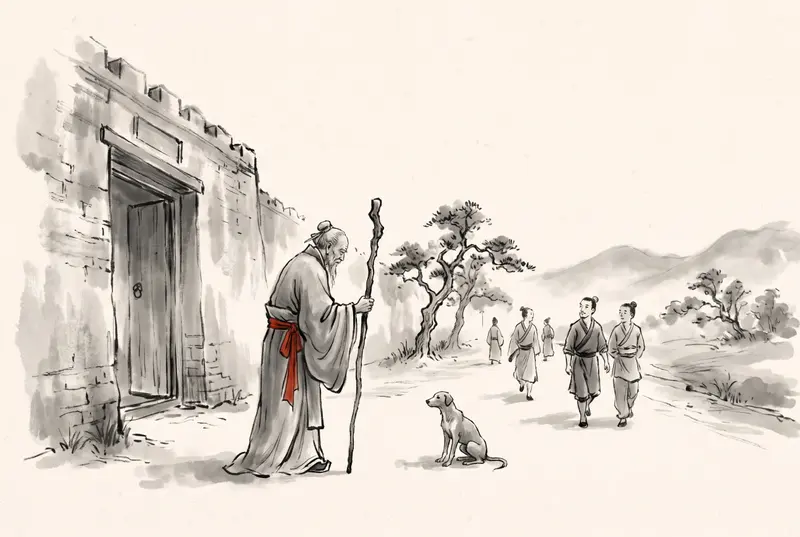
孔子去曹適宋,與弟子習禮大樹下。宋司馬桓魋欲殺孔子,拔其樹。孔子去。弟子曰:「可以速矣。」孔子曰:「天生德於予,桓魋其如予何!」孔子適鄭,與弟子相失,孔子獨立郭東門。鄭人或謂子貢曰:「東門有人,其顙似堯,其項類皋陶,其肩類子產,然自要以下不及禹三寸。纍纍若喪家之狗。」子貢以實告孔子。孔子欣然笑曰:「形狀,末也。而謂似喪家之狗,然哉!然哉!」
書き下し文
孔子曹を去りて宋に適き、弟子と礼を大樹の下に習う。宋の司馬桓魋孔子を殺さんと欲し、其の樹を抜く。孔子去る。弟子曰く、「以て速やかにすべし」と。孔子曰く、「天徳を予に生ず。桓魋其れ予を如何せん」と。孔子鄭に適き、弟子と相失い、孔子独り郭の東門に立つ。鄭人或いは子貢に謂いて曰く、「東門に人有り。其の顙は堯に似、其の項は皋陶に類し、其の肩は子産に類す。然れども要より以下禹に及ばざること三寸。纍纍として喪家の狗の若し」と。子貢実を以て孔子に告ぐ。孔子欣然として笑いて曰く、「形状は末なり。而して喪家の狗に似たりと謂うは、然るかな、然るかな」と。
現代語訳
孔子は曹を去って宋へ行き、弟子たちと大きな木の下で礼の稽古をした。宋の司馬の桓魋は孔子を殺そうとして、その木を引き抜いた。孔子はそこを去った。弟子が「急ぎましょう」と言うと、孔子は言った。「天が私に徳を授けたのだ。桓魋ごときが私をどうできよう」。孔子は鄭へ行ったとき、弟子たちとはぐれ、一人で城郭の東門に立っていた。鄭のある人が子貢に言った。「東門に人がいました。額は堯に似て、うなじは皋陶のよう、肩は子産のようでしたが、腰から下は禹より三寸足りません。ぐったりと疲れ果てて、まるで喪中の家の犬のようでした」。子貢がそのまま孔子に伝えると、孔子はうれしそうに笑って言った。「姿かたちのことなど、どうでもよい。だが喪家の犬に似ているとは、そのとおりだ、そのとおりだ」。
英訳
Confucius left Cao and went to Song, where he practiced the rites with his students under a great tree. Huan Tui, the Minister of War of Song, wanted to kill him, and had the tree pulled up. Confucius left. His students said: "We must hurry." Confucius said: "Heaven gave me this virtue. What can Huan Tui do to me?" In Zheng he lost track of his students and stood alone by the east gate of the outer wall. A man of Zheng said to Zigong: "There is a man at the east gate. His forehead is like Yao's, his neck like Gao Yao's, and his shoulders like Zichan's, but from the waist down he falls three inches short of Yu. Worn out and forlorn, he looks like a dog from a house in mourning." Zigong told Confucius exactly what the man had said. Confucius laughed with delight and said: "The looks do not matter. But a dog from a house in mourning? That's right! That's right!"
解説(日)
- 桓魋: 宋の軍事長官。
- 子貢: 弁舌と商才に優れた弟子。
- 堯・禹: 古代の聖王。皋陶は舜の臣。子産は鄭の名宰相。
- 喪家の狗: 喪中で餌をもらえない家の犬。「宿無しの犬」とする解釈もある。
解説(英)
- Zigong: a student gifted in speech and business.
- Yao and Yu: sage kings. Gao Yao was a minister of Shun, and Zichan a great chancellor of Zheng.
- A dog from a house in mourning (喪家之狗): a dog no one remembers to feed. It is also read as "a homeless dog".
この節から生まれた言葉: 喪家の狗
英語の語注
- forlorn/fərˈlɔrn/adjective
sad and alone
本文では: “Worn out and forlorn”
似た語と違い: lonely — sad to be alone · wretched — very unhappy
- mourning/ˈmɔrnɪŋ/noun
a time of sadness after a death
本文では: “a house in mourning”
似た語と違い: grief — deep sorrow · bereavement — the loss of a loved one
節 8
原文
去葉,反于蔡。長沮、桀溺耦而耕,孔子以為隱者,使子路問津焉。長沮曰:「彼執輿者為誰?」子路曰:「為孔丘。」曰:「是魯孔丘與?」曰:「然。」曰:「是知津矣。」桀溺謂子路曰:「子為誰?」曰:「為仲由。」曰:「子,孔丘之徒與?」曰:「然。」桀溺曰:「悠悠者天下皆是也,而誰以易之?且與其從辟人之士,豈若從辟世之士哉!」耰而不輟。子路以告孔子,孔子憮然曰:「鳥獸不可與同羣。天下有道,丘不與易也。」
書き下し文
葉を去りて、蔡に反る。長沮・桀溺耦して耕す。孔子以て隠者と為し、子路をして津を問わしむ。長沮曰く、「彼の輿を執る者は誰と為す」と。子路曰く、「孔丘と為す」と。曰く、「是れ魯の孔丘か」と。曰く、「然り」と。曰く、「是れ津を知らん」と。桀溺子路に謂いて曰く、「子は誰と為す」と。曰く、「仲由と為す」と。曰く、「子は孔丘の徒か」と。曰く、「然り」と。桀溺曰く、「悠悠たる者天下皆是れなり。而して誰か以て之を易えん。且つ其の人を辟くるの士に従わんよりは、豈に世を辟くるの士に従うに若かんや」と。耰して輟めず。子路以て孔子に告ぐ。孔子憮然として曰く、「鳥獣は与に群を同じくすべからず。天下に道有らば、丘与に易えざるなり」と。
現代語訳
葉を去って蔡へ戻るとき、長沮と桀溺が二人並んで田を耕していた。孔子は隠者だと思い、子路に渡し場を尋ねさせた。長沮は言った。「あの手綱を取っているのは誰だ」。子路は「孔丘です」と答えた。「魯の孔丘か」「そうです」。「それなら渡し場くらい知っているだろう」。桀溺は子路に言った。「あなたは誰だ」。「仲由です」。「孔丘の門人か」「そうです」。桀溺は言った。「滔々と流れていくのが天下というものだ。誰がこれを変えられよう。人を選んで避けて回る男についていくより、世の中そのものを避ける者についていくほうがよくはないか」。そう言って種に土をかける手を休めなかった。子路がこれを告げると、孔子はがっかりした様子で言った。「鳥や獣と一緒に暮らすことはできない。天下に道が行われているなら、私も変えようとはしないのだ」。
英訳
Leaving She, he went back to Cai. Changju and Jieni were plowing side by side. Confucius took them for recluses and sent Zilu to ask them where the ford was. Changju said: "Who is that holding the reins?" Zilu said: "That is Kong Qiu." "Kong Qiu of Lu?" "Yes." "Then he must know where the ford is." Jieni said to Zilu: "And who are you?" "I am Zhong You." "A follower of Kong Qiu?" "Yes." Jieni said: "The whole world is rushing along like a flood. Who can change it? Rather than follow a man who avoids this person and that, wouldn't you do better to follow those who avoid the world altogether?" And he went on covering the seed without stopping. Zilu told Confucius. Confucius, looking crestfallen, said: "One cannot live in the company of birds and beasts. If the world had the Way, I would not be trying to change it."
解説(日)
- 耦: 二人並んで耕す。
- 津: 渡し場。「是知津矣」は「天下を説いて回る人なら道を知っているはず」という皮肉。
- 仲由: 子路の本名。
- 耰: 種をまいたあと土をかぶせる。
- 『論語』微子篇にも同じ話がある。
解説(英)
- The ford (津): "He must know where the ford is" is a jibe at a man who goes around telling the world which way to go.
- Zhong You: Zilu's personal name.
- The same story appears in Analects 18.6.
英語の語注
- recluse/ˈrɛklus/noun
a person who lives apart from society
本文では: “took them for recluses”
似た語と違い: hermit — someone living alone · loner — someone who avoids others
- ford/fɔrd/noun
a shallow place to cross a river
本文では: “where the ford was”
似た語と違い: crossing — a place to go across · shallows — shallow water
節 9
原文
孔子遷于蔡三歲,吳伐陳。楚救陳,軍于城父。聞孔子在陳蔡之間,楚使人聘孔子。孔子將往拜禮,陳蔡大夫謀曰:「孔子賢者,所刺譏皆中諸侯之疾。今者久留陳蔡之間,諸大夫所設行皆非仲尼之意。今楚,大國也,來聘孔子。孔子用於楚,則陳蔡用事大夫危矣。」於是乃相與發徒役圍孔子於野。不得行,絕糧。從者病,莫能興。孔子講誦弦歌不衰。子路慍見曰:「君子亦有窮乎?」孔子曰:「君子固窮,小人窮斯濫矣。」
書き下し文
孔子蔡に遷ること三歳、呉陳を伐つ。楚陳を救い、城父に軍す。孔子の陳蔡の間に在るを聞き、楚人をして孔子を聘せしむ。孔子将に往きて礼を拝せんとす。陳蔡の大夫謀りて曰く、「孔子は賢者なり。刺譏する所皆諸侯の疾に中る。今者久しく陳蔡の間に留まり、諸大夫の設け行う所は皆仲尼の意に非ず。今楚は大国なり、来たりて孔子を聘す。孔子楚に用いらるれば、則ち陳蔡の事を用うる大夫危うし」と。是に於いて乃ち相与に徒役を発して孔子を野に囲む。行くを得ず、糧を絶つ。従者病み、能く興つ莫し。孔子講誦弦歌して衰えず。子路慍りて見えて曰く、「君子も亦窮すること有るか」と。孔子曰く、「君子は固より窮す。小人は窮すれば斯に濫る」と。
現代語訳
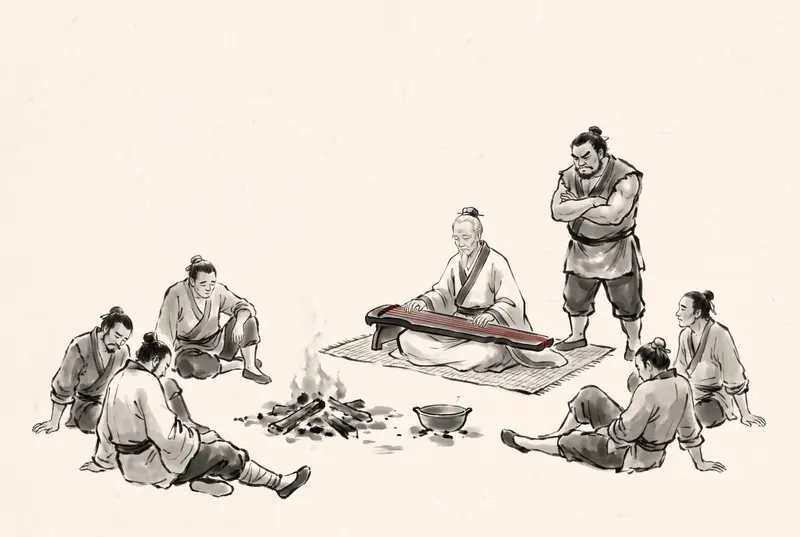
孔子が蔡に移って三年、呉が陳を攻め、楚が陳を救おうとして城父に陣を敷いた。楚は孔子が陳と蔡の間にいると聞き、使者を送って招いた。孔子が出向いて礼を述べようとすると、陳と蔡の大夫たちは相談した。「孔子は賢者で、批判はいつも諸侯の弱点をついている。長く陳と蔡にいて、我々のやり方はどれも彼の意にかなわない。いま大国の楚が彼を招いている。孔子が楚で用いられたら、陳と蔡の実権を握る我々が危うい」。そこで人夫を動員して、孔子を野原で取り囲んだ。一行は進むことができず、食糧も絶えた。従者は病み、起き上がれる者もいなくなった。それでも孔子は講義や朗誦を続け、琴を弾いて歌うことをやめなかった。子路は怒って孔子に言った。「君子でも行き詰まることがあるのですか」。孔子は言った。「君子ももちろん行き詰まる。だが小人は行き詰まると、すぐ取り乱すのだ」。
英訳
After Confucius had been in Cai for three years, Wu attacked Chen, and Chu came to Chen's rescue and camped at Chengfu. Hearing that Confucius was between Chen and Cai, Chu sent an envoy to invite him. As he was about to go and pay his respects, the ministers of Chen and Cai plotted together: "Confucius is a worthy man, and his criticisms strike at the sickness of every state. He has stayed a long time between Chen and Cai, and he approves of nothing we ministers do. Now great Chu has come to invite him. If Chu employs him, those of us in power in Chen and Cai will be in danger." So they sent out gangs of laborers and surrounded Confucius in the open country. He could not go on, and his food ran out. His followers fell ill, and none could stand. Confucius kept on teaching, reciting, playing the lute and singing, with no loss of spirit. Zilu came to him in anger and said: "Does a gentleman also come to such an end?" Confucius said: "A gentleman holds firm when he is at the end of his means. A petty man, at the end of his means, goes to pieces."
解説(日)
- 城父: 今の河南省・安徽省の境の地。
- 聘: 礼をもって招く。
- 弦歌: 琴を弾いて歌う。
- 君子固窮: 君子ももとより困窮する。「固く窮を守る」とも読む。『論語』衛霊公篇。
- 陳蔡の厄: この危機を後世こう呼ぶ。
解説(英)
- Invite (聘): to summon someone with gifts and courtesy.
- "A gentleman holds firm" (君子固窮): also read as "A gentleman, of course, may run out of means." Analects 15.2.
- The Crisis between Chen and Cai (陳蔡之厄): the name later generations gave this episode.
この節から生まれた言葉: 君子固より窮す
節 10
原文
孔子知弟子有慍心,乃召子路而問曰:「《詩》云『匪兕匪虎,率彼曠野』。吾道非邪?吾何為於此?」子路曰:「意者吾未仁邪?人之不我信也。意者吾未知邪?人之不我行也。」孔子曰:「有是乎!由,譬使仁者而必信,安有伯夷、叔齊?使知者而必行,安有王子比干?」子路出,子貢入見。孔子曰:「賜,《詩》云『匪兕匪虎,率彼曠野』。吾道非邪?吾何為於此?」子貢曰:「夫子之道至大也,故天下莫能容夫子。夫子蓋少貶焉?」孔子曰:「賜,良農能稼而不能為穡,良工能巧而不能為順。君子能脩其道,綱而紀之,統而理之,而不能為容。今爾不脩爾道而求為容。賜,而志不遠矣!」子貢出,顏回入見。孔子曰:「回,《詩》云『匪兕匪虎,率彼曠野』。吾道非邪?吾何為於此?」顏回曰:「夫子之道至大,故天下莫能容。雖然,夫子推而行之,不容何病,不容然後見君子!夫道之不脩也,是吾醜也。夫道既已大脩而不用,是有國者之醜也。不容何病,不容然後見君子!」孔子欣然而笑曰:「有是哉顏氏之子!使爾多財,吾為爾宰。」於是使子貢至楚。楚昭王興師迎孔子,然後得免。
書き下し文
孔子弟子に慍心有るを知り、乃ち子路を召して問いて曰く、「詩に云う、『兕に匪ず虎に匪ず、彼の曠野に率う』と。吾が道非なるか。吾何為れぞ此に於いてする」と。子路曰く、「意うに吾未だ仁ならざるか、人の我を信ぜざるなり。意うに吾未だ知ならざるか、人の我を行わざるなり」と。孔子曰く、「是れ有らんや。由よ、譬えば仁者をして必ず信ぜらるれば、安くんぞ伯夷・叔斉有らん。知者をして必ず行わるれば、安くんぞ王子比干有らん」と。子路出で、子貢入りて見ゆ。孔子曰く、「賜よ、詩に云う、『兕に匪ず虎に匪ず、彼の曠野に率う』と。吾が道非なるか。吾何為れぞ此に於いてする」と。子貢曰く、「夫子の道は至大なり。故に天下能く夫子を容るる莫し。夫子蓋ぞ少しく貶せざる」と。孔子曰く、「賜よ、良農は能く稼すれども穡を為す能わず、良工は能く巧なれども順を為す能わず。君子は能く其の道を脩め、綱して之を紀し、統べて之を理むるも、容れらるるを為す能わず。今爾爾の道を脩めずして容れられんことを求む。賜よ、而の志は遠からず」と。子貢出で、顔回入りて見ゆ。孔子曰く、「回よ、詩に云う、『兕に匪ず虎に匪ず、彼の曠野に率う』と。吾が道非なるか。吾何為れぞ此に於いてする」と。顔回曰く、「夫子の道は至大なり。故に天下能く容るる莫し。然りと雖も、夫子推して之を行う。容れられざるも何ぞ病まん。容れられずして然る後に君子を見る。夫れ道の脩まらざるは、是れ吾が醜なり。夫れ道既已に大いに脩まりて用いられざるは、是れ国を有つ者の醜なり。容れられざるも何ぞ病まん。容れられずして然る後に君子を見る」と。孔子欣然として笑いて曰く、「是れ有るかな顔氏の子。爾をして財多からしめば、吾爾の宰と為らん」と。是に於いて子貢をして楚に至らしむ。楚の昭王師を興して孔子を迎え、然る後に免るるを得たり。
現代語訳
孔子は弟子たちが不満を抱いていると知り、子路を呼んで尋ねた。「『詩経』に『野牛でも虎でもないのに、あの荒野をさまよう』とある。私の道が間違っているのだろうか。なぜ私はこんな目にあっているのか」。子路は言った。「きっと私たちがまだ仁でないから、人に信じてもらえないのでしょう。まだ知が足りないから、人が私たちの道を行わないのでしょう」。孔子は言った。「そうだろうか。由よ、もし仁者が必ず信じられるなら、どうして伯夷・叔斉が餓死しただろう。もし知者が必ず用いられるなら、どうして王子比干が殺されただろう」。子路が出ると、子貢が入ってきた。孔子は同じことを尋ねた。子貢は言った。「先生の道はあまりに大きいので、天下が受け入れられないのです。先生、少し程度を下げてはいかがでしょう」。孔子は言った。「賜よ、よい農夫は種をまくのが上手でも、収穫まで請け負うことはできない。よい職人は技が巧みでも、人の好みに合わせられるとは限らない。君子はその道を修め、筋道を立てて整えることはできるが、世に受け入れられるようにすることはできない。今お前は自分の道を修めずに、受け入れられることばかり求めている。賜よ、お前の志は遠くない」。子貢が出ると、顔回が入ってきた。孔子はまた同じことを尋ねた。顔回は言った。「先生の道はこの上なく大きいので、天下が受け入れられないのです。けれども先生はそれを推し進めておられる。受け入れられなくても、何を気に病むことがありましょう。受け入れられないからこそ、君子であることがわかるのです。道を修めないのは、私たちの恥です。道を十分に修めたのに用いないのは、国を治める者の恥です。受け入れられなくても、何を気に病むことがありましょう。受け入れられないからこそ、君子であることがわかるのです」。孔子はうれしそうに笑って言った。「そのとおりだ、顔家の息子よ。もしお前が金持ちになったら、私がお前の家の番頭になろう」。そこで子貢を楚へ行かせた。楚の昭王が軍を出して孔子を迎えたので、ようやく難を逃れた。
英訳
Confucius knew his students were resentful, so he called in Zilu and asked him: "The Book of Songs says: 'Neither wild ox nor tiger, yet we roam the wilderness.' Is my Way wrong? Why have I come to this?" Zilu said: "Perhaps we are not yet good enough, and so people do not trust us. Perhaps we are not yet wise enough, and so people do not follow us." Confucius said: "Is that so? You, if the good were always trusted, would there have been a Boyi and a Shuqi? If the wise were always followed, would there have been a Prince Bigan?" Zilu went out and Zigong came in. Confucius said: "Si, the Book of Songs says: 'Neither wild ox nor tiger, yet we roam the wilderness.' Is my Way wrong? Why have I come to this?" Zigong said: "Master, your Way is so vast that the world cannot hold it. Why not lower it a little?" Confucius said: "Si, a good farmer can sow, but cannot promise the harvest. A good craftsman can be skillful, but cannot promise to please. A gentleman can cultivate his Way, set it in order and hold it together, but he cannot make the world accept it. Now you do not cultivate your Way, and seek only to be accepted. Si, your aim is not very high." Zigong went out and Yan Hui came in. Confucius said: "Hui, the Book of Songs says: 'Neither wild ox nor tiger, yet we roam the wilderness.' Is my Way wrong? Why have I come to this?" Yan Hui said: "Master, your Way is so vast that the world cannot hold it. Even so, you press on and practice it. What harm if they do not accept it? It is by not being accepted that a gentleman is known. If the Way is not cultivated, the shame is ours. If the Way has been fully cultivated and is not used, the shame belongs to those who rule the states. What harm if they do not accept it? It is by not being accepted that a gentleman is known." Confucius laughed with delight and said: "So it is, son of the Yan family! If you ever grow rich, I will be your steward." Then he sent Zigong to Chu. King Zhao of Chu sent troops to meet Confucius, and only then did he escape.
解説(日)
- 匪兕匪虎: 『詩経』小雅「何草不黄」の句。
- 伯夷・叔齊: 周の粟を食べずに餓死した兄弟(巻61)。
- 王子比干: 殷の紂王を諫めて殺された王族。
- 賜: 子貢の本名。回: 顔回の本名。
- 稼・穡: 種まきと収穫。
- 宰: 家の財産を管理する執事。
解説(英)
- "Neither wild ox nor tiger": a line from the Book of Songs, Ode 234.
- Boyi and Shuqi: the brothers who starved rather than eat the grain of Zhou (Volume 61).
- Prince Bigan: a royal kinsman killed for rebuking the tyrant Zhou of Shang.
- Si (賜) is Zigong's personal name; Hui (回) is Yan Yuan's.
英語の語注
- resentful/rɪˈzɛntfəl/adjective
angry because of unfair treatment
本文では: “his students were resentful”
似た語と違い: bitter — angry and hurt · aggrieved — feeling wronged
- cultivate/ˈkʌltəˌveɪt/verb
to develop by care and study
本文では: “cultivate his Way”
似た語と違い: nurture — help to grow · refine — make better
- steward/ˈstuərd/noun
a person who manages another's household
本文では: “I will be your steward”
似た語と違い: manager — one in charge · butler — chief male household servant
節 11
原文
楚狂接輿歌而過孔子,曰:「鳳兮鳳兮,何德之衰!往者不可諫兮,來者猶可追也!已而已而,今之從政者殆而!」孔子下,欲與之言。趨而去,弗得與之言。
書き下し文
楚の狂接輿歌いて孔子を過ぎて曰く、「鳳や鳳や、何ぞ徳の衰えたる。往く者は諫むべからず、来たる者は猶お追うべし。已みなん已みなん、今の政に従う者は殆うし」と。孔子下り、之と言わんと欲す。趨りて去り、之と言うを得ず。
現代語訳
楚の狂人の接輿が、歌いながら孔子の車のそばを通り過ぎた。「鳳よ、鳳よ、なんと徳が衰えたことか。過ぎたことはもう諫められないが、これから先はまだ間に合う。やめなさい、やめなさい。今の政治に関わる者は危ういぞ」。孔子は車を下りて話をしようとしたが、接輿は小走りに去ってしまい、話すことができなかった。
英訳
Jieyu, the madman of Chu, passed by Confucius singing: "Phoenix, O phoenix, how your virtue has declined! The past cannot be mended, but the future can still be saved. Give it up, give it up! Those who serve in government today are in peril." Confucius got down and wanted to speak with him, but the man hurried off, and he could not.
解説(日)
- 接輿: 楚の隠者。狂人のふりをしていたという。
- 鳳: 太平の世に現れる霊鳥。ここでは孔子をたとえる。
- 『論語』微子篇にも見える。
解説(英)
- Jieyu: a recluse of Chu who pretended to be mad.
- Phoenix (鳳): a sacred bird said to appear only in times of peace. Here it stands for Confucius.
英語の語注
- peril/ˈpɛrəl/noun
serious danger
本文では: “are in peril”
似た語と違い: danger — risk of harm · jeopardy — being at risk
節 12
原文
孔子之去魯凡十四歲而反乎魯。古者詩三千餘篇,及至孔子,去其重,取可施於禮義,上采契后稷,中述殷周之盛,至幽厲之缺,始於衽席,故曰「關雎之亂以為風始,鹿鳴為小雅始,文王為大雅始,清廟為頌始」。三百五篇孔子皆弦歌之,以求合韶武雅頌之音。禮樂自此可得而述,以備王道,成六藝。孔子晚而喜《易》,序彖、繫、象、說卦、文言。讀易,韋編三絕。曰:「假我數年,若是,我於易則彬彬矣。」孔子以詩書禮樂敎,弟子蓋三千焉,身通六藝者七十有二人。如顏濁鄒之徒,頗受業者甚衆。
書き下し文
孔子の魯を去ること凡そ十四歳にして魯に反る。古者詩三千余篇。孔子に至るに及び、其の重なるを去り、礼義に施すべきを取る。上は契・后稷を采り、中は殷周の盛んなるを述べ、幽厲の缺くるに至る。衽席に始まる。故に曰く、「関雎の乱以て風の始めと為し、鹿鳴を小雅の始めと為し、文王を大雅の始めと為し、清廟を頌の始めと為す」と。三百五篇孔子皆之を弦歌し、以て韶武雅頌の音に合わんことを求む。礼楽此より得て述ぶべく、以て王道を備え、六芸を成す。孔子晩にして易を喜み、彖・繫・象・説卦・文言を序す。易を読みて、韋編三たび絶つ。曰く、「我に数年を仮し、是くの若くならば、我易に於いて則ち彬彬たらん」と。孔子詩書礼楽を以て教う。弟子蓋し三千、身づから六芸に通ずる者七十有二人。顔濁鄒の徒の如き、頗る業を受くる者甚だ衆し。
現代語訳
孔子が魯を去ってから十四年で、ようやく魯へ帰った。昔、詩は三千篇あまりあった。孔子はその重複を除き、礼義に役立つものを選んだ。古くは殷の祖の契や周の祖の后稷の歌から、中ほどは殷周の盛時、そして幽王・厲王の衰えまでを収め、夫婦の道を歌う詩から始めた。だから「関雎の終章を国風の始めとし、鹿鳴を小雅の始めとし、文王を大雅の始めとし、清廟を頌の始めとする」という。三百五篇すべてを孔子は琴に合わせて歌い、韶や武、雅や頌の音楽に合うように努めた。礼と楽はこれによって語り伝えられ、王道が備わり、六芸ができあがった。孔子は晩年に『易』を好み、その解説の諸篇を整えた。『易』を読むこと繰り返し、竹簡を綴じる革ひもが三度も切れた。そして言った。「私にあと数年を与えてくれたなら、『易』について十分に通じることができるのだが」。孔子は詩・書・礼・楽を教えた。弟子はおよそ三千人、六芸すべてに通じた者は七十二人であった。顔濁鄒のように、一部を学んだ者はさらに多かった。
英訳
Fourteen years after leaving Lu, Confucius returned to Lu. In ancient times there were more than three thousand songs. Confucius removed the duplicates and kept those that could serve the rites and right conduct. They reached back to Xie and Hou Ji, went on through the glory of Shang and Zhou, and came down to the failures of Kings You and Li, and they began with the love between man and wife. So it is said: "The close of 'Guanju' opens the Airs, 'Deer Call' opens the Lesser Odes, 'King Wen' opens the Greater Odes, and 'Pure Temple' opens the Hymns." Confucius sang all three hundred and five to the lute, seeking to match the music of the Shao and the Wu and of the Odes and Hymns. From then on the rites and music could be handed down, the kingly Way was complete, and the Six Arts took their form. In old age Confucius grew fond of the Book of Changes, and put its commentaries in order. He read it so often that the leather cords binding its bamboo strips broke three times. He said: "Give me a few more years, and I would be well versed in the Changes." He taught the Songs, the Documents, the rites and music. His students numbered about three thousand, and seventy-two of them mastered all Six Arts. There were many more, like Yan Zhuozou, who received part of his teaching.
解説(日)
- 段落の間を省略している(p12 の冒頭は帰国の一文)。
- 契・后稷: 殷と周の始祖。
- 關雎・鹿鳴・文王・清廟: 『詩経』各部の最初の詩。
- 六藝: 詩・書・礼・楽・易・春秋。
- 韋編三絕: 革ひもが三度切れるほど繰り返し読む。
- 彬彬: 内容と形式がよく調和しているさま。
解説(英)
- Some paragraphs are skipped here.
- Xie and Hou Ji: the founding ancestors of Shang and Zhou.
- Six Arts (六藝): here the six classics, the Songs, Documents, Rites, Music, Changes and Spring and Autumn Annals.
- The bindings broke three times (韋編三絕): the classic image of tireless study.
この節から生まれた言葉: 韋編三絶
英語の語注
- duplicate/ˈdupləkət/noun
an exact copy
本文では: “removed the duplicates”
似た語と違い: copy — something made the same · repeat — something done again
- bamboo/bæmˈbu/noun
a tall plant with hard hollow stems
本文では: “its bamboo strips”
似た語と違い: cane — a hollow plant stem · reed — a tall water plant
節 13
原文
魯哀公十四年春,狩大野。叔孫氏車子鉏商獲獸,以為不祥。仲尼視之,曰:「麟也。」取之。曰:「河不出圖,雒不出書,吾已矣夫!」顏淵死,孔子曰:「天喪予!」及西狩見麟,曰:「吾道窮矣!」喟然嘆曰:「莫知我夫!」子貢曰:「何為莫知子?」子曰:「不怨天,不尤人,下學而上達,知我者其天乎!」
書き下し文
魯の哀公十四年春、大野に狩す。叔孫氏の車子鉏商獣を獲て、以て不祥と為す。仲尼之を視て曰く、「麟なり」と。之を取る。曰く、「河図を出ださず、雒書を出ださず、吾已んぬるかな」と。顔淵死す。孔子曰く、「天予を喪ぼせり」と。西狩して麟を見るに及びて曰く、「吾が道窮まれり」と。喟然として嘆きて曰く、「我を知る莫きかな」と。子貢曰く、「何為れぞ子を知る莫きや」と。子曰く、「天を怨みず、人を尤めず、下学して上達す。我を知る者は其れ天か」と。
現代語訳
魯の哀公十四年の春、大野で狩りが行われた。叔孫氏の車係の鉏商が一頭の獣を捕らえ、不吉だと考えた。孔子はこれを見て「麒麟だ」と言い、引き取った。そして言った。「黄河から図は現れず、洛水から書も現れない。私はもうおしまいだ」。顔淵が死んだとき、孔子は「天が私を滅ぼした」と言った。西の狩りで麒麟を見ると、「私の道は行き詰まった」と言い、深くため息をついて「私を知る者はいないのだなあ」と言った。子貢が「どうして先生を知る者がいないのですか」と言うと、孔子は言った。「天を恨まず、人をとがめず、身近なことを学んで高い道理に至る。私を知ってくれるのは、天であろうか」。
英訳
In the spring of the fourteenth year of Duke Ai of Lu, there was a hunt at Daye. A charioteer of the Shusun family named Chu Shang caught a strange beast and thought it an evil omen. Confucius looked at it and said: "It is a qilin," and took it. He said: "The River gives forth no chart, the Luo gives forth no writing. It is over for me." When Yan Yuan died, Confucius had said: "Heaven has destroyed me!" Now, when he saw the qilin from the western hunt, he said: "My Way has come to an end." He heaved a sigh and said: "No one knows me." Zigong said: "How can you say no one knows you?" The Master said: "I do not resent Heaven and I do not blame men. I study what is near at hand and reach up to what is high. If anyone knows me, it must be Heaven."
解説(日)
- 哀公十四年: 前481年。
- 麟: 麒麟。聖人の世に現れるという霊獣。乱世に現れて捕らえられたことを、孔子は嘆いた。
- 河圖・雒書: 聖王の世に黄河や洛水から現れるという瑞祥。
- 不怨天、不尤人: 『論語』憲問篇。
解説(英)
- Fourteenth year of Duke Ai: 481 BCE.
- Qilin (麟): a sacred beast said to appear in the reign of a sage. Seeing one captured in a time of chaos grieved Confucius.
- Chart and writing (河圖, 雒書): good omens said to come from the Yellow and Luo rivers under a sage king.
英語の語注
- omen/ˈoʊmən/noun
a sign of what will happen
本文では: “an evil omen”
似た語と違い: sign — something that shows · portent — a warning of the future
- resent/rɪˈzɛnt/verb
to feel angry about unfair treatment
本文では: “I do not resent Heaven”
似た語と違い: begrudge — be unhappy about · hold against — keep blaming
節 14
原文
子曰:「弗乎弗乎,君子病沒世而名不稱焉。吾道不行矣,吾何以自見於後世哉?」乃因史記作春秋,上至隱公,下訖哀公十四年,十二公。據魯,親周,故殷,運之三代。約其文辭而指博。故吳楚之君自稱王,而春秋貶之曰「子」;踐土之會實召周天子,而春秋諱之曰「天王狩於河陽」:推此類以繩當世。貶損之義,後有王者舉而開之。春秋之義行,則天下亂臣賊子懼焉。孔子在位聽訟,文辭有可與人共者,弗獨有也。至於為春秋,筆則筆,削則削,子夏之徒不能贊一辭。弟子受春秋,孔子曰:「後世知丘者以春秋,而罪丘者亦以春秋。」
書き下し文
子曰く、「弗なるかな弗なるかな、君子は世を没えて名の称せられざるを病む。吾が道行われず、吾何を以て自ら後世に見れんや」と。乃ち史記に因りて春秋を作る。上は隠公に至り、下は哀公十四年に訖る、十二公。魯に拠り、周を親しみ、殷を故とし、之を三代に運らす。其の文辞を約にして指博し。故に呉楚の君自ら王と称するも、春秋は之を貶して「子」と曰う。践土の会は実は周の天子を召すも、春秋は之を諱みて「天王河陽に狩す」と曰う。此の類を推して以て当世を縄す。貶損の義、後に王者有りて挙げて之を開かん。春秋の義行わるれば、則ち天下の乱臣賊子懼る。孔子位に在りて訟を聴くに、文辞の人と共にすべき者有れば、独り有せざるなり。春秋を為るに至りては、筆すべきは則ち筆し、削るべきは則ち削り、子夏の徒も一辞を賛する能わず。弟子春秋を受く。孔子曰く、「後世丘を知る者は春秋を以てし、丘を罪する者も亦春秋を以てせん」と。
現代語訳
孔子は言った。「いけない、いけない。君子は死んだあとに名が称えられないことを憂える。私の道は行われなかった。何によって私を後世に示そうか」。そこで魯の史書をもとに『春秋』を作った。上は隠公から、下は哀公十四年まで、十二代の君主にわたる。魯を中心に、周を尊び、殷を古の伝統として、三代の道を貫いた。言葉は簡潔だが、その意味は広い。たとえば呉や楚の君主は自ら王と称したが、『春秋』は格を下げて「子」と記した。践土の会では、実は周の天子を諸侯が呼びつけたのに、『春秋』はこれをはばかって「天王が河陽に狩りをした」と記した。こうした書き方で当時の世を正したのである。その批判の意味は、のちの王者が取り上げて広めるだろう。春秋の義が行われれば、天下の乱臣や賊子は恐れる。孔子は官にあって訴えを裁くとき、文章を人と相談して作り、自分一人で決めることはなかった。しかし『春秋』については、書くべきは書き、削るべきは削って、子夏のような弟子たちも一言も口をはさめなかった。弟子に『春秋』を授けるとき、孔子は言った。「後の世で私を理解する者は『春秋』によるだろう。私を罪する者もまた『春秋』によるだろう」。
英訳
The Master said: "No, no! A gentleman is troubled at the thought of dying with no name to be remembered. My Way has not prevailed. How can I show myself to later ages?" So he took the records of the historians and made the Spring and Autumn Annals. It runs from Duke Yin down to the fourteenth year of Duke Ai, through twelve dukes. It is based on Lu, holds Zhou close and treats Shang as the old tradition, carrying on the way of the Three Dynasties. Its words are few and its meaning is wide. So, though the rulers of Wu and Chu called themselves kings, the Annals demoted them to viscounts. Though at the meeting at Jiantu the Son of Heaven was in fact summoned by the lords, the Annals, to avoid saying so, wrote: "The Heavenly King went hunting at Heyang." In such ways he passed judgment on his times, so that later kings might take up his meaning and spread it. When the principles of the Annals prevail, rebel ministers and wicked sons tremble. When Confucius held office and heard lawsuits, he would share the wording of his judgments with others and not keep it to himself. But in making the Annals, he wrote what should be written and cut what should be cut, and even Zixia and his fellows could not add a single word. When he passed the Annals on to his students, Confucius said: "Those who know me in later ages will know me by the Annals, and those who condemn me will condemn me by the Annals."
解説(日)
- 史記: ここでは魯の国の歴史の記録のこと。
- 春秋: 前722〜前481年の魯の年代記。儒教の経典。
- 踐土の會: 晋の文公が開いた諸侯の会(巻39 重耳)。
- 春秋の筆法: 言葉の選び方で善悪を示す書き方。
- 子夏: 文学に優れた弟子。
解説(英)
- Records of the historians (史記): the state chronicle of Lu, not this book.
- Spring and Autumn Annals: a chronicle of Lu from 722 to 481 BCE, one of the Confucian classics.
- The meeting at Jiantu was called by Duke Wen of Jin (see Volume 39).
- Zixia: a student known for his learning in the classics.
英語の語注
- condemn/kənˈdɛm/verb
to say that someone is very wrong
本文では: “those who condemn me”
似た語と違い: denounce — criticize publicly · censure — blame formally
節 15
原文
明歲,子路死於衞。孔子病,子貢請見。孔子方負杖逍遙於門,曰:「賜,汝來何其晚也?」孔子因歎,歌曰:「太山壞乎!梁柱摧乎!哲人萎乎!」因以涕下。謂子貢曰:「天下無道久矣,莫能宗予。夏人殯於東階,周人於西階,殷人兩柱間。昨暮予夢坐奠兩柱之間,予始殷人也。」後七日卒。孔子年七十三,以魯哀公十六年四月己丑卒。
書き下し文
明歳、子路衛に死す。孔子病む。子貢見えんことを請う。孔子方に杖を負いて門に逍遙し、曰く、「賜よ、汝来たること何ぞ其れ晩きや」と。孔子因りて歎じ、歌いて曰く、「太山壊れんか、梁柱摧けんか、哲人萎えんか」と。因りて涕下る。子貢に謂いて曰く、「天下道無きこと久し、能く予を宗とする莫し。夏人は東階に殯し、周人は西階に於いてし、殷人は両柱の間にす。昨暮予夢みらく、両柱の間に坐奠せらると。予始め殷人なり」と。後七日にして卒す。孔子年七十三、魯の哀公十六年四月己丑を以て卒す。
現代語訳
翌年、子路が衛で死んだ。孔子は病気になった。子貢が見舞いに来ると、孔子は杖を背負って門のあたりをぶらぶらと歩いていて、言った。「賜よ、来るのがなんと遅かったことか」。孔子はため息をついて歌った。「泰山が崩れるのか。梁と柱が砕けるのか。哲人がしおれるのか」。そして涙を流した。子貢に言った。「天下に道が失われて久しく、私を師と仰ぐ者はいない。夏の人は東の階段に、周の人は西の階段に、殷の人は二本の柱の間に棺を置いた。昨夜、私は二本の柱の間に座って供え物を受ける夢を見た。私の先祖は殷の人だ」。その七日後に亡くなった。孔子は七十三歳、魯の哀公十六年四月己丑の日のことである。
英訳
The next year Zilu died in Wey. Confucius fell ill. Zigong asked to see him. Confucius, with his staff across his back, was strolling by the gate. He said: "Si, why have you come so late?" Then he sighed and sang: "Mount Tai crumbles! The roof beam breaks! The wise man withers!" And his tears fell. He said to Zigong: "For a long time the world has been without the Way, and no one will take me as their teacher. The people of Xia laid their dead by the eastern steps, the people of Zhou by the western steps, and the people of Shang between the two pillars. Last night I dreamed I was sitting between the two pillars, receiving offerings. My forebears were men of Shang." Seven days later he died. Confucius was seventy-three. He died on the day jichou of the fourth month, in the sixteenth year of Duke Ai of Lu.
解説(日)
- 子路衛に死す: 衛の内乱で、冠のひもを結び直して死んだと伝わる。
- 太山: 泰山。孔子の故郷に近い名山。
- 殯: 棺を仮に置く。夢は自身の死の予告とされる。
- 魯哀公十六年: 前479年。
解説(英)
- Zilu was killed in a civil conflict in Wey, tying his cap strings as he died, according to tradition.
- Mount Tai (太山): the great sacred mountain near Confucius's home.
- Sixteenth year of Duke Ai: 479 BCE.
英語の語注
- wither/ˈwɪðər/verb
to dry up and die
本文では: “The wise man withers”
似た語と違い: fade — lose strength · shrivel — dry and shrink
節 16
原文
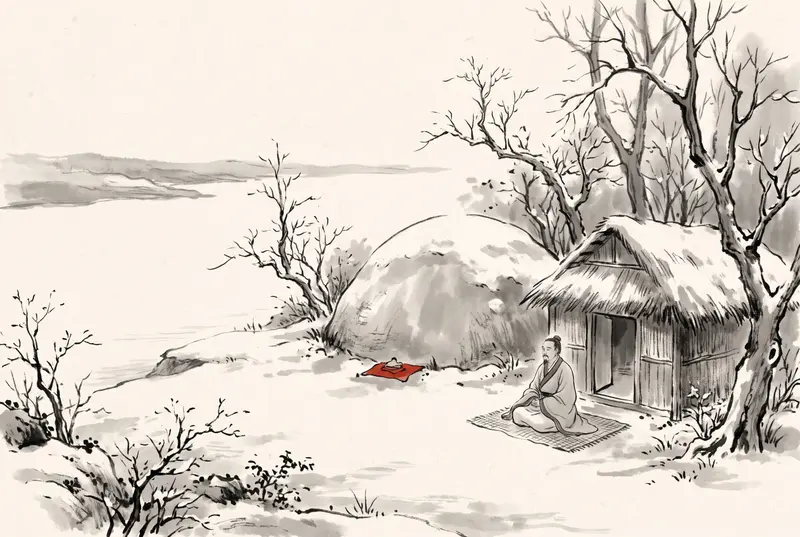
孔子葬魯城北泗上,弟子皆服三年。三年心喪畢,相訣而去,則哭,各復盡哀;或復留。唯子貢廬於冢上,凡六年,然後去。弟子及魯人往從冢而家者百有餘室,因命曰孔里。魯世世相傳以歲時奉祠孔子冢,而諸儒亦講禮鄉飲大射於孔子冢。孔子冢大一頃。故所居堂弟子內,後世因廟藏孔子衣冠琴車書,至于漢二百餘年不絕。高皇帝過魯,以太牢祠焉。諸侯卿相至,常先謁然後從政。
書き下し文
孔子魯城の北泗の上に葬らる。弟子皆服すること三年。三年の心喪畢わり、相訣れて去るに、則ち哭し、各々復た哀を尽くす。或いは復た留まる。唯だ子貢のみ冢の上に廬すること凡そ六年、然る後に去る。弟子及び魯人の往きて冢に従いて家する者百有余室、因りて命じて孔里と曰う。魯世世相伝えて歳時を以て孔子の冢を奉祠す。而して諸儒も亦礼を講じ郷飲大射を孔子の冢に於いてす。孔子の冢は大いさ一頃。故の居る所の堂、弟子の内、後世因りて廟として孔子の衣冠琴車書を蔵し、漢に至るまで二百余年絶えず。高皇帝魯を過ぎ、太牢を以て祠る。諸侯卿相至れば、常に先ず謁して然る後に政に従う。
現代語訳
孔子は魯の都の北、泗水のほとりに葬られた。弟子たちはみな三年の喪に服した。三年の心の喪が終わって別れるとき、声をあげて泣き、それぞれ改めて悲しみを尽くした。そのまま残る者もいた。子貢だけは墓のそばに小屋を建てて、合わせて六年過ごしてから去った。弟子や魯の人で、墓のそばに移り住んだ者は百軒あまりになり、そこを孔里と呼んだ。魯では代々、季節ごとに孔子の墓を祭り、儒者たちも孔子の墓で礼を講じ、郷飲や大射の儀式を行った。孔子の墓の広さは一頃である。かつて住んだ家と弟子の部屋は、のちに廟となって、孔子の衣冠、琴、車、書物を納め、漢に至るまで二百年あまり絶えなかった。高祖は魯を通ったとき、太牢の供え物で孔子を祭った。諸侯や大臣が着任すると、まず参拝してから政務についた。
英訳
Confucius was buried north of the Lu capital, on the River Si. All his students mourned him for three years. When the three years of mourning in the heart were over and they took their leave of each other, they wept and gave way to grief once more; and some stayed on. Only Zigong built a hut by the grave and lived there for six years in all before he left. More than a hundred households of students and people of Lu came to live by the grave, and the place was named Kong Village. In Lu, from generation to generation, sacrifices were offered at his grave in each season, and the scholars gathered there to study the rites and hold the village drinking and archery ceremonies. His grave covered about one qing. The hall where he had lived and the rooms of his students later became a temple, where his robes and cap, lute, carriage and books were kept, unbroken for more than two hundred years down to the Han. When Emperor Gaozu passed through Lu he made the great sacrifice there. Lords and ministers who came always paid their respects first, before taking up their duties.
解説(日)
- 泗: 泗水。曲阜の北を流れる川。
- 心喪: 喪服を着ないが、心の中で喪に服すこと。
- 廬: 墓のそばの小屋。
- 孔里: 今の曲阜の孔林の起こり。
- 太牢: 牛・羊・豚をそろえた最高の供え物。
解説(英)
- Mourning in the heart (心喪): observed inwardly, without mourning clothes.
- Kong Village (孔里): the origin of today's Cemetery of Confucius at Qufu.
- Great sacrifice (太牢): an offering of an ox, a sheep and a pig, the highest of all.
英語の語注
- hut/hʌt/noun
a small simple shelter
本文では: “built a hut by the grave”
似た語と違い: shack — a rough small house · cabin — a small wooden house
節 17
原文
《詩》有之:「高山仰止,景行行止。」雖不能至,然心鄉往之。余讀孔氏書,想見其為人。適魯,觀仲尼廟堂車服禮器,諸生以時習禮其家,余祗回留之不能去云。天下君王至於賢人衆矣,當時則榮,沒則已焉。孔子布衣,傳十餘世,學者宗之。自天子王侯,中國言六藝者折中於夫子,可謂至聖矣!
書き下し文
太史公曰く、詩に之有り、「高山は仰ぎ、景行は行く」と。至る能わずと雖も、然れども心之に郷往す。余孔氏の書を読み、其の人と為りを想見す。魯に適き、仲尼の廟堂・車服・礼器を観る。諸生時を以て礼を其の家に習う。余祗回留して之を去る能わずと云う。天下の君王より賢人に至るまで衆し。当時は則ち栄え、没すれば則ち已む。孔子は布衣なるも、十余世に伝わり、学者之を宗とす。天子王侯より、中国の六芸を言う者は夫子に折中す。至聖と謂うべし。
現代語訳
太史公は言う。『詩経』に「高い山は仰ぎ見るもの、大きな道は歩むもの」とある。たどり着くことはできなくても、心はそこへ向かう。私は孔子の書を読み、その人柄を思い描いた。魯へ行って、孔子の廟堂や車、衣服、礼器を見た。学生たちが折々にその家で礼を習っているのを見て、私は敬いの心から立ち去りがたく、そこにとどまった。天下には君主から賢者まで多くの人がいたが、生きている間は栄えても、死ねばそれで終わる。孔子は無位無官の身でありながら、その教えは十数代にわたって伝わり、学ぶ者は彼を宗として仰いでいる。天子や王侯から、中国で六芸を語るすべての者が、孔子を基準としている。至聖と言うべきであろう。
英訳
The Grand Historian says: The Book of Songs has the line: "A high mountain is there to look up to; a great road is there to walk." Though I cannot reach it, my heart goes out to it. I have read the works of Confucius and tried to imagine the man. I went to Lu and saw his temple hall, his carriage and robes and his ritual vessels, and watched the students practicing the rites at his house in due season. I lingered in reverence and could not bring myself to leave. There have been many in this world, from kings to worthy men, who were glorious in their day and came to nothing when they died. Confucius was a commoner, yet his teaching has come down through more than ten generations, and scholars look to him as their master. From the Son of Heaven and the kings and lords on down, all in China who speak of the Six Arts take their measure from the Master. He may truly be called the supreme sage.
解説(日)
- 高山仰止、景行行止: 『詩経』小雅「車舝」の句。
- 祗回: 敬って立ち去りかねる。
- 布衣: 官位のない庶民。諸侯の記録である「世家」に庶民の孔子を立てたことは、司馬遷の大きな判断である。
- 折中: 判断の基準とする。
- 至聖: この上ない聖人。のちの孔子の尊称のもとになった。
解説(英)
- The line comes from the Book of Songs, Ode 218.
- A commoner (布衣): placing a man with no title among the hereditary houses, reserved for lords, was Sima Qian's own bold decision.
- Supreme sage (至聖): this phrase became the basis of Confucius's later titles.
英語の語注
- linger/ˈlɪŋɡər/verb
to stay longer than needed
本文では: “I lingered in reverence”
似た語と違い: tarry — stay a while · remain — stay in a place
- sage/seɪdʒ/noun
a very wise person
本文では: “the supreme sage”
似た語と違い: wise man — a person of great wisdom · philosopher — a thinker