書 · 巻 30
平準書 平準書
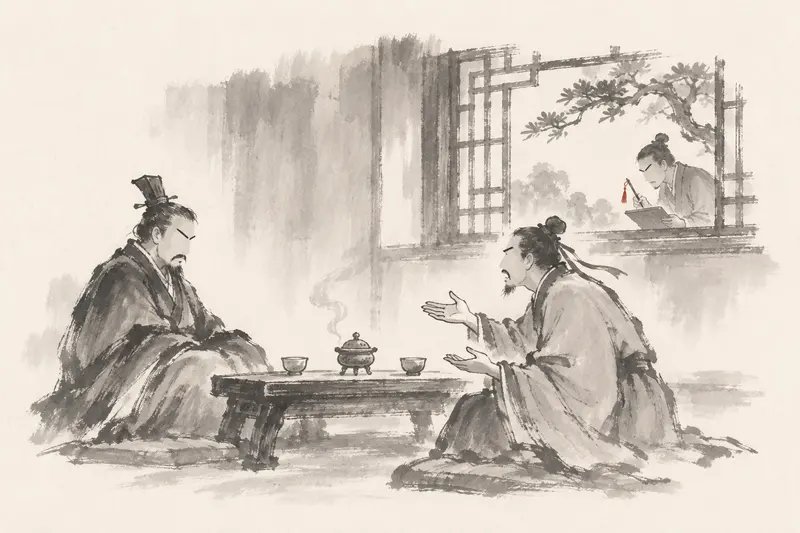
「弘羊を烹れば、天乃ち雨ふらん」(卜式の言葉) 亨弘羊,天乃雨
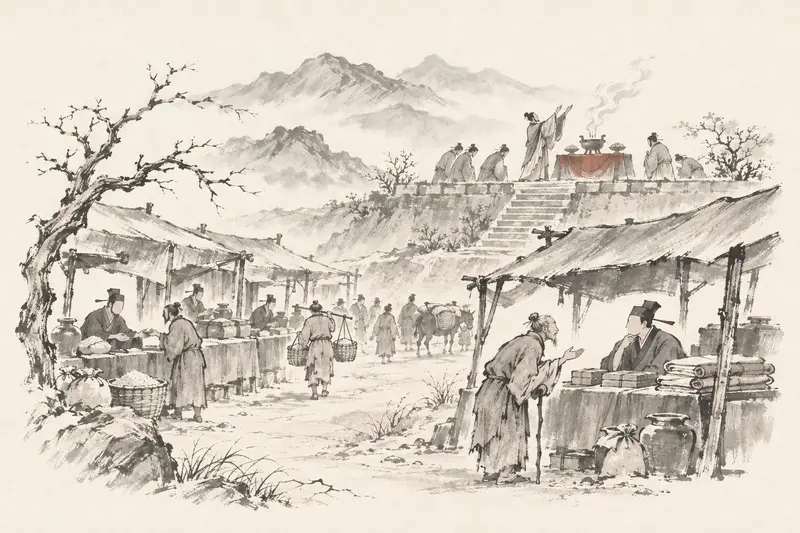
漢の初めから武帝の時代までの、お金と財政の歴史。秦の後を受けた漢の初めは、天子でさえ同じ毛色の馬をそろえられないほど貧しかった。七十年たって武帝が即位するころには、都の銭はひもが腐るほど積まれ、倉の穀物は腐るほどあふれた。しかし「物盛んなれば衰う」。匈奴との戦や大工事で国の蓄えは尽き、武帝は白い鹿の皮で作った高額の「皮幣」、龍・馬・亀の模様の「白金」を作り、商人の財産に税をかけた。羊飼いの卜式は、財産の半分を国に差し出したいと申し出て、のちに取り立てられる。一方、皮幣に異を唱えた大臣の顔異は、唇をゆがめただけで「腹の中でそしった」として死刑になった。財産隠しの密告「告緡」で中流以上の商人は破産し、桑弘羊は国が物を売り買いして物価をならす「均輸」と「平準」を始めた。日照りの年、卜式は言った。「弘羊を釜ゆでにすれば、天は雨を降らせるでしょう」。
この巻のうち「「弘羊を烹れば、天乃ち雨ふらん」(卜式の言葉)」の場面を載せています。巻の全文ではありません。
音声
音声は合成音声です。
動画
節 1
原文
漢興,接秦之弊,丈夫從軍旅,老弱轉糧饢,作業劇而財匱,自天子不能具鈞駟,而將相或乘牛車,齊民無藏蓋。於是為秦錢重難用,更令民鑄錢,一黃金一斤,約法省禁。而不軌逐利之民,蓄積餘業以稽市物,物踴騰糶,米至石萬錢,馬一匹則百金。天下已平,高祖乃令賈人不得衣絲乘車,重租稅以困辱之。孝惠、高后時,為天下初定,復弛商賈之律,然市井之子孫亦不得仕宦為吏。量吏祿,度官用,以賦於民。而山川園池市井租稅之入,自天子以至于封君湯沐邑,皆各為私奉養焉,不領於天下之經費。漕轉山東粟,以給中都官,歲不過數十萬石。
書き下し文
漢興りて、秦の弊を接ぎ、丈夫は軍旅に従い、老弱は糧饢を転じ、作業劇しくして財匱し。天子より鈞駟を具うる能わず、而して将相は或いは牛車に乗り、斉民は蔵蓋無し。是に於いて秦の銭重くして用い難しと為し、更めて民をして銭を鋳しめ、黄金は一斤を一とし、法を約し禁を省く。而るに不軌にして利を逐うの民、余業を蓄積して以て市物を稽め、物踊騰して糶し、米は石に万銭に至り、馬一匹は則ち百金なり。天下已に平らぎ、高祖乃ち賈人をして糸を衣て車に乗るを得ざらしめ、租税を重くして以て之を困辱す。孝恵・高后の時、天下初めて定まるが為に、復た商賈の律を弛む。然れども市井の子孫も亦た仕宦して吏と為るを得ず。吏禄を量り、官用を度りて、以て民に賦す。而して山川・園池・市井の租税の入は、天子より以て封君の湯沐邑に至るまで、皆各々私の奉養と為し、天下の経費に領せず。山東の粟を漕転して、以て中都の官に給するも、歳に数十万石に過ぎず。
現代語訳
漢が興ったとき、秦の疲弊をそのまま受けついでいた。男たちは戦に出て、老人や弱い者は兵糧を運び、仕事はきついのに財は乏しかった。天子でさえ同じ毛色の四頭の馬をそろえられず、将軍や宰相の中には牛車に乗る者もいて、民の家には蓄えがなかった。そこで、秦の銭は重くて使いにくいとして、民に銭を鋳造させ、黄金は一斤を単位とし、法を簡単にして禁令を減らした。ところが、法を守らず利を追う民が、余った品物を買いだめして市場の物資をせき止めたので、物の値段がはね上がり、米は一石が一万銭、馬は一頭が百金にもなった。天下が平定されると、高祖は商人に絹を着ることも車に乗ることも禁じ、税を重くして苦しめ、はずかしめた。恵帝と呂后の時代には、天下が定まったばかりなので、商人の取り締まりをまたゆるめた。それでも商人の子孫は役人になることができなかった。役人の給料と役所の費用をはかって、それに見合う税を民に課した。山や川、園や池、市場からの税収は、天子から封君の領地に至るまで、それぞれが自分の暮らしのためのものとし、国の経費には入れなかった。山東の穀物を水運で運んで都の役所の分にあてたが、一年に数十万石に過ぎなかった。
英訳
When Han arose it inherited the exhaustion left by Qin. The men were away with the armies, the old and weak hauled provisions, the work was hard and wealth was scarce. Even the Son of Heaven could not find four horses of one colour for his carriage, some generals and ministers rode in ox carts, and the common people had nothing stored away. Because the Qin coins were heavy and hard to use, the people were allowed to cast coins; gold was reckoned by the catty, the laws were simplified and the prohibitions cut back. But lawless men chasing profit hoarded goods to corner the markets, and prices leapt, until rice cost ten thousand cash a picul and a horse a hundred pieces of gold. When the realm was at peace, Gaozu forbade merchants to wear silk or ride in carriages, and taxed them heavily to hurt and shame them. In the time of Emperor Hui and Empress Lü, as the realm had only just been settled, the laws on merchants were relaxed again; but the sons and grandsons of the marketplace still could not become officials. The salaries of officials and the costs of government were reckoned, and the people were taxed to match. The revenue from mountains and rivers, parks and ponds, and market dues went, from the Son of Heaven down to the lords with their bath-town estates, to each one's own household, and was not counted in the expenses of the realm. Grain shipped from east of the mountains to supply the offices of the capital came to no more than a few hundred thousand piculs a year.
解説(日)
- 鈞駟: 同じ毛色の四頭立ての馬。天子の車の格式。
- 黄金は一斤を一とし: 黄金の単位を一斤とした。秦では一溢(二十両)を単位としていた。
- 湯沐邑: 天子や諸侯の私的な費用をまかなう領地。
- 平準書は、漢の初めから武帝の時代までの経済と財政を記した巻。「平準」は物価を平らにする役所の名(第8節)。
解説(英)
- Four horses of one colour (鈞駟): the proper team for the emperor's carriage.
- Gold reckoned by the catty: Qin had used the yi (20 taels) as its unit.
- Bath-town estates (湯沐邑): lands whose revenue paid for a ruler's private expenses.
- This treatise follows the economy and finances of Han from its founding to Emperor Wu; the "balanced standard" (平準) is the office described in passage 8.
英語の語注
- exhaustion/ɪɡˈzɔːstʃən/noun
the state of being completely worn out
本文では: “it inherited the exhaustion left by Qin”
似た語と違い: fatigue — tiredness of body or mind · depletion — using up of supplies or resources
- hoard/hɔːrd/verb
to collect a large supply of something and keep it hidden
本文では: “hoarded goods to corner the markets”
似た語と違い: stockpile — store up for later use · stash — hide away; informal
節 2
原文
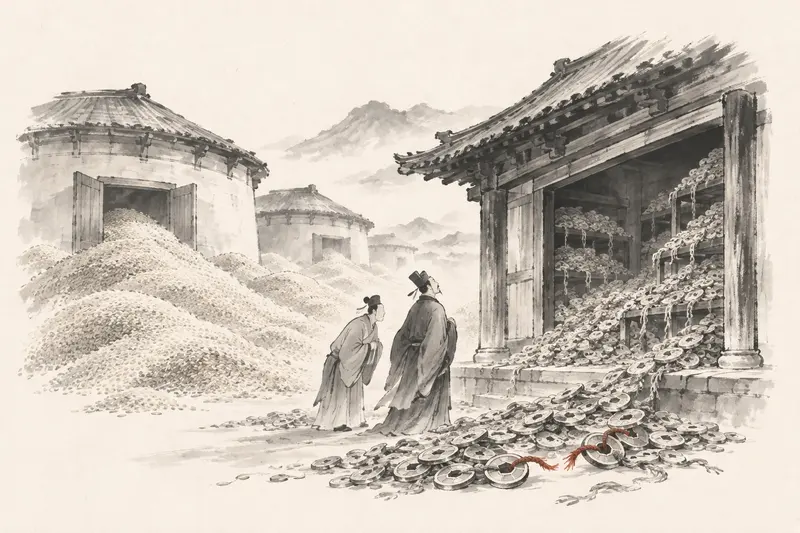
至今上即位數歲,漢興七十餘年之閒,國家無事,非遇水旱之災,民則人給家足,都鄙廩庾皆滿,而府庫餘貨財。京師之錢累巨萬,貫朽而不可校。太倉之粟陳陳相因,充溢露積於外,至腐敗不可食。眾庶街巷有馬,阡陌之閒成群,而乘字牝者儐而不得聚會。守閭閻者食粱肉,為吏者長子孫,居官者以為姓號。故人人自愛而重犯法,先行義而後絀恥辱焉。當此之時,網疏而民富,役財驕溢,或至兼并豪黨之徒,以武斷於鄉曲。宗室有土公卿大夫以下,爭于奢侈,室廬輿服僭于上,無限度。物盛而衰,固其變也。
書き下し文
今上即位して数歳に至り、漢興りて七十余年の間、国家事無く、水旱の災に遇うに非ざれば、民は則ち人ごとに給し家ごとに足り、都鄙の廩庾皆満ち、而して府庫は貨財を余す。京師の銭は巨万を累ね、貫朽ちて校うべからず。太倉の粟は陳陳相因り、充溢して外に露積し、腐敗して食らうべからざるに至る。衆庶の街巷に馬有り、阡陌の間に群を成し、而して字牝に乗る者は儐けられて聚会するを得ず。閭閻を守る者も粱肉を食らい、吏為る者は子孫を長じ、官に居る者は以て姓号と為す。故に人人自ら愛して法を犯すを重んじ、義を行うを先にして恥辱を絀く。此の時に当たりて、網疏にして民富み、財を役して驕溢し、或いは兼并豪党の徒、以て郷曲に武断するに至る。宗室の土有るもの、公卿大夫以下、奢侈を争い、室廬輿服は上を僭して、限度無し。物盛んなれば衰う、固より其の変なり。
現代語訳
今の天子(武帝)が即位して数年たったころ、漢が興ってから七十年余りの間、国に大きな事件がなく、洪水や日照りに見舞われない限り、民は一人一人が満ち足り、家々は豊かで、都にも村にも穀物倉がいっぱいで、役所の倉には財貨が余っていた。都の銭は何億と積み上がり、銭を通すひもが腐って数えることもできなかった。国の大倉の穀物は古いものの上に古いものが重なり、あふれて外に積まれ、腐って食べられなくなるほどだった。庶民の町にも馬がいて、あぜ道には群れをなし、雌馬に乗って来る者は嫌がられて集まりに加われないほどだった。村の門番までが上等の米と肉を食べ、役人は子や孫が育つまで同じ役にとどまり、役職の名をそのまま家の名にするほどだった。だから人々は自分を大切にして法を犯すことを重く見、正しい行いを先にして、恥となることを遠ざけた。この時代、法の網はゆるく、民は豊かだったが、財をたのんでおごり、土地を買い占めて徒党を組む者が、郷里で好き勝手に裁きを下すまでになった。領地を持つ皇族、公卿や大夫以下の者は、ぜいたくを競い、家や車や衣服は身分を越えて限りがなかった。物事は盛んになれば衰える。それがもとより移り変わりというものである。
英訳
In the first years of the present emperor's reign, some seventy years after the rise of Han, the state had known no great troubles. Unless there were floods or drought, every person had enough and every household plenty; the granaries in the capital and the countryside were full, and the treasuries had wealth to spare. In the capital the cash piled up by the hundreds of millions, and the strings that held the coins rotted so that they could no longer be counted. In the Great Granary the grain lay layer upon layer, overflowing and heaped up in the open, until it rotted and could not be eaten. Ordinary people had horses in their lanes, and herds of them roamed between the fields, so that a man who came riding a mare was shunned and kept out of the gatherings. Even the keepers of village gates ate fine grain and meat; officials kept their posts until their grandsons grew up, and holders of office took their titles as family names. So everyone valued himself and feared to break the law, put right conduct first and kept away from disgrace. In this age the net of the law was loose and the people were rich. Some grew arrogant with wealth, and men who bought up land and gathered gangs lorded it over their villages. Members of the imperial clan with lands, and the high ministers and officers below them, vied with each other in luxury; their houses, carriages and clothes outdid their betters without limit. When things reach their height they decline: that is the way of change.
解説(日)
- 今上: 今の天子。司馬遷にとっては武帝。
- 貫朽: 銭の穴に通したひも(貫)が腐る。使われずに積まれていたことのたとえ。
- 字牝に乗る: 子を産む雌馬に乗る。だれもが雄馬に乗るほど、馬が多かった。
- 物盛んなれば衰う: 平準書を貫く言葉。ここから、武帝の戦と出費、財政の立て直しへと話が移る。
解説(英)
- The present emperor (今上): Emperor Wu, in whose reign Sima Qian wrote.
- The strings rotted (貫朽): coins were strung through their holes; they lay unused so long that the strings rotted.
- Riding a mare: horses were so plentiful that everyone rode a stallion.
- "When things reach their height they decline" (物盛而衰): the thread of the whole treatise; from here it turns to Emperor Wu's wars, spending and the struggle to refill the treasury.
英語の語注
- granary/ˈɡreɪnəri/noun
a building for storing grain
本文では: “the granaries in the capital and the countryside were full”
似た語と違い: storehouse — any building for storing goods · silo — a tall tower for grain or feed
- luxury/ˈlʌɡʒəri/noun
great comfort and costly things beyond what is needed
本文では: “vied with each other in luxury”
似た語と違い: extravagance — spending far too much · opulence — rich, showy wealth
節 3
原文
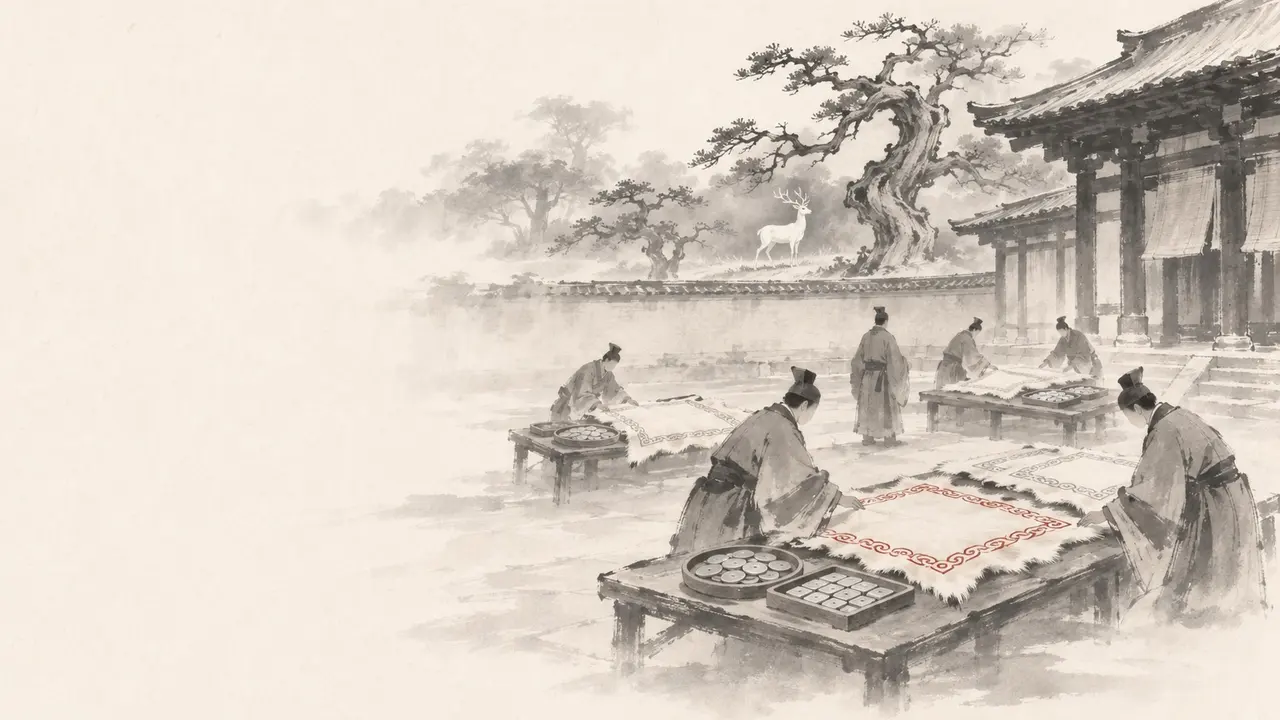
而富商大賈或蹛財役貧,轉轂百數,廢居居邑,封君皆低首仰給。冶鑄煮鹽,財或累萬金,而不佐國家之急,黎民重困。於是天子與公卿議,更錢造幣以贍用,而摧浮淫并兼之徒。是時禁苑有白鹿而少府多銀錫。自孝文更造四銖錢,至是歲四十餘年,從建元以來,用少,縣官往往即多銅山而鑄錢,民亦閒盜鑄錢,不可勝數。錢益多而輕,物益少而貴。有司言曰:「古者皮幣,諸侯以聘享。金有三等,黃金為上,白金為中,赤金為下。今半兩錢法重四銖,而姦或盜摩錢裏取鋊,錢益輕薄而物貴,則遠方用幣煩費不省。」乃以白鹿皮方尺,緣以藻繢,為皮幣,直四十萬。王侯宗室朝覲聘享,必以皮幣薦璧,然後得行。又造銀錫為白金。以為天用莫如龍,地用莫如馬,人用莫如龜,故白金三品:其一曰重八兩,圜之,其文龍,名曰「白選」,直三千;二曰以重差小,方之,其文馬,直五百;三曰復小,撱之,其文龜,直三百。令縣官銷半兩錢,更鑄三銖錢,文如其重。盜鑄諸金錢罪皆死,而吏民之盜鑄白金者不可勝數。
書き下し文
而るに富商大賈は或いは財を蹛えて貧を役し、転轂百を数え、廃居して邑に居り、封君も皆首を低れて給を仰ぐ。冶鋳煮塩、財或いは万金を累ぬるも、国家の急を佐けず、黎民重ねて困しむ。是に於いて天子公卿と議し、銭を更め幣を造りて以て用を贍し、而して浮淫并兼の徒を摧かんとす。是の時禁苑に白鹿有りて、少府に銀錫多し。孝文の四銖銭を更造してより、是の歳に至るまで四十余年、建元より以来、用少なく、県官往往にして銅山多きに即きて銭を鋳、民も亦た間ま盗みて銭を鋳ること、勝げて数うべからず。銭益々多くして軽く、物益々少なくして貴し。有司言いて曰く、「古者は皮幣、諸侯以て聘享す。金に三等有り、黄金を上と為し、白金を中と為し、赤金を下と為す。今半両銭は法として重さ四銖なるも、姦或いは盗みて銭の裏を摩りて鋊を取り、銭益々軽薄にして物貴く、則ち遠方は幣を用うるに煩費して省かれず」と。乃ち白鹿の皮方尺なるを以て、縁どるに藻繢を以てし、皮幣と為し、直四十万とす。王侯宗室の朝覲聘享には、必ず皮幣を以て璧を薦め、然る後に行うを得しむ。又た銀錫を造りて白金と為す。以為えらく天の用は龍に如くは莫く、地の用は馬に如くは莫く、人の用は亀に如くは莫しと。故に白金三品あり。其の一に曰く、重さ八両、之を圜にし、其の文は龍、名づけて「白選」と曰い、直三千。二に曰く、重さを以て差小さく、之を方にし、其の文は馬、直五百。三に曰く、復た小さく、之を撱にし、其の文は亀、直三百。県官をして半両銭を銷かしめ、更に三銖銭を鋳しめ、文は其の重さの如くす。諸々の金銭を盗鋳するの罪は皆死なるも、吏民の白金を盗鋳する者、勝げて数うべからず。
現代語訳
ところが大商人の中には、財をためこんで貧しい人々を使い、何百台もの車で品物を運び、安いときに買いだめして町に住み、領地を持つ諸侯までが頭を下げて彼らに頼るほどの者もいた。鉄を鋳たり塩を煮たりして何万金もの財をためながら、国の急場を助けようとはせず、民はますます苦しんだ。そこで天子は大臣たちと相談し、銭を改め、新しい通貨を作って費用をまかない、ぜいたくをして土地を買い占める者たちをくじこうとした。このとき、天子の苑には白い鹿がおり、天子の財政を扱う少府には銀と錫がたくさんあった。文帝が四銖銭を作り直してから、この年まで四十年余り、建元の年からは財政が足りず、役所はあちこちで銅山の近くで銭を鋳造し、民の中にもひそかに銭を鋳造する者が数えきれないほどいた。銭はますます増えて軽くなり、物はますます少なく高くなった。役人が言った。「昔は皮の通貨があり、諸侯が贈り物に使いました。金には三等があり、黄金が上、白金(銀)が中、赤金(銅)が下です。いま半両銭は法では重さ四銖ですが、悪者が銭の裏を削って銅の粉を盗み取るので、銭はますます薄く軽くなり、物は高くなって、遠方では通貨を使うのに手間と費用がかかっています」。そこで、白い鹿の皮を一尺四方に切り、色とりどりの刺繍でふちどって「皮幣」とし、一枚の値打ちを四十万銭とした。王侯や皇族が天子に会うときや贈り物をするときには、必ずこの皮幣の上に璧をのせて差し出さなければ、儀式ができないことにした。また、銀と錫をまぜて「白金」を作った。天で役に立つものは龍にまさるものはなく、地では馬、人では亀にまさるものはないと考えて、白金を三種類にした。一つ目は重さ八両の丸い形で、龍の模様をつけ、「白選」と名づけて三千銭。二つ目は少し軽い四角い形で、馬の模様、五百銭。三つ目はさらに小さい楕円の形で、亀の模様、三百銭。役所に半両銭を溶かさせ、改めて三銖銭を鋳造させ、銭の文字は重さのとおりにした。金や銭をひそかに鋳造した者はみな死罪としたが、白金をひそかに作る役人や民は数えきれなかった。
英訳
Yet some great merchants and traders hoarded wealth and set the poor to work for them; they ran hundreds of carts, bought cheap and sat on their goods in the cities, and even the enfeoffed lords bowed their heads and looked to them for supplies. Smelting iron and boiling salt, some piled up tens of thousands in gold, yet they did nothing to help the state in its need, and the people were pressed harder than ever. So the Son of Heaven took counsel with his ministers to change the coinage and create new currency to meet the costs, and to break those who lived in idle luxury and swallowed up others' land. At this time there were white deer in the imperial park, and the Privy Treasury held much silver and tin. Some forty years had passed since Emperor Wen remade the four-zhu coin, and since the Jianyuan era money had been short; officials often cast coins near the copper mines, and countless people secretly cast coins too. The coins grew ever more numerous and lighter, and goods ever scarcer and dearer. The officials said: "In ancient times there was a currency of hides, which the lords used in their visits and offerings. Metal came in three grades: yellow metal was the highest, white metal the middle, red metal the lowest. The half-tael coin is by law four zhu in weight, but crooks scrape metal from the backs of the coins, so they grow ever thinner and lighter while goods grow dearer, and in distant places using money costs much trouble and expense." So they took the hides of white deer, cut them a foot square, bordered them with coloured embroidery and made them into hide money worth four hundred thousand cash apiece. When kings, lords and members of the imperial clan came to court or made offerings, they had to present their jade discs on a hide; only then could the ceremony proceed. They also made "white metal" of silver and tin. Reasoning that in heaven nothing serves like the dragon, on earth nothing like the horse, and among men nothing like the tortoise, they made white metal in three kinds: the first weighed eight taels, round, with a dragon on it, called "white choice," worth three thousand cash; the second a little lighter, square, with a horse, worth five hundred; the third smaller still, oval, with a tortoise, worth three hundred. The offices were told to melt down the half-tael coins and cast three-zhu coins instead, with the weight as their inscription. The penalty for secretly casting any metal coin was death, yet officials and commoners who secretly cast white metal were too many to count.
解説(日)
- 少府: 天子の私的な財政をつかさどる役所。
- 半両銭・四銖: 「半両」と刻まれた銭。半両は十二銖だが、文帝のころには実際の重さは四銖になっていた。
- 皮幣: 白鹿の皮を使った高額の「通貨」。実際には、諸侯から朝見の費用を取り立てる仕組みだった。第6節の顔異は、これに異を唱えた。
- 白選: 銀の貨幣の名。意味については諸説ある。
解説(英)
- Privy Treasury (少府): the office of the emperor's private finances.
- Half-tael coin (半両): inscribed "half a tael" (12 zhu), but by Emperor Wen's time it actually weighed 4 zhu.
- Hide money (皮幣): in effect a way of making the lords pay for their audiences; Yan Yi objects to it in passage 6.
- "White choice" (白選): the name of the silver coin; its meaning is uncertain.
英語の語注
- currency/ˈkɜːrənsi/noun
the money used in a country
本文では: “create new currency to meet the costs”
似た語と違い: money — the everyday word · coinage — coins, or the system of coins
- embroidery/ɪmˈbrɔɪdəri/noun
patterns sewn onto cloth with thread
本文では: “bordered them with coloured embroidery”
似た語と違い: needlework — sewing done by hand · stitching — a line of stitches
節 4
原文
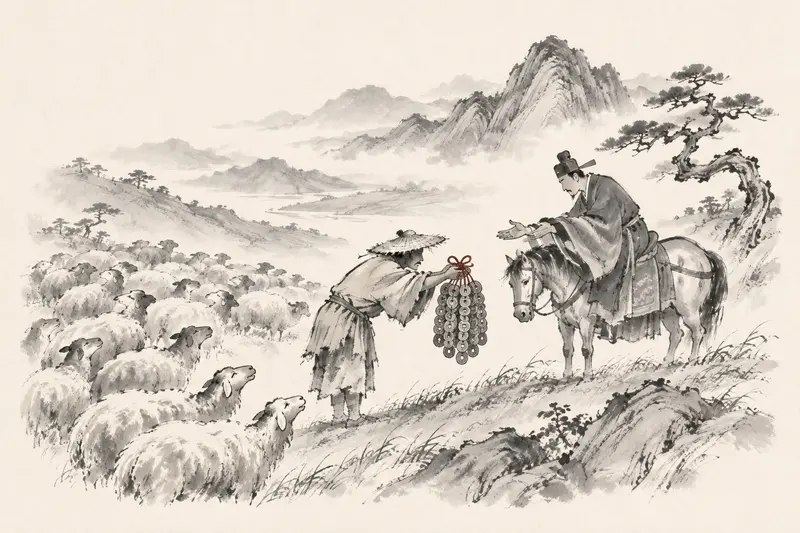
初,卜式者,河南人也,以田畜為事。親死,式有少弟,弟壯,式脫身出分,獨取畜羊百餘,田宅財物盡予弟。式入山牧十餘歲,羊致千餘頭,買田宅。而其弟盡破其業,式輒復分予弟者數矣。是時漢方數使將擊匈奴,卜式上書,願輸家之半縣官助邊。天子使使問式:「欲官乎?」式曰:「臣少牧,不習仕宦,不願也。」使問曰:「家豈有冤,欲言事乎?」式曰:「臣生與人無分爭。式邑人貧者貸之,不善者教順之,所居人皆從式,式何故見冤於人!無所欲言也。」使者曰:「茍如此,子何欲而然?」式曰:「天子誅匈奴,愚以為賢者宜死節於邊,有財者宜輸委,如此而匈奴可滅也。」使者具其言入以聞。天子以語丞相弘。弘曰:「此非人情。不軌之臣,不可以為化而亂法,願陛下勿許。」於是上久不報式,數歲,乃罷式。式歸,復田牧。歲餘,會軍數出,渾邪王等降,縣官費眾,倉府空。其明年,貧民大徙,皆仰給縣官,無以盡贍。卜式持錢二十萬予河南守,以給徙民。河南上富人助貧人者籍,天子見卜式名,識之,曰「是固前而欲輸其家半助邊」,乃賜式外繇四百人。式又盡復予縣官。是時富豪皆爭匿財,唯式尤欲輸之助費。天子於是以式終長者,故尊顯以風百姓。
書き下し文
初め、卜式なる者は、河南の人なり。田畜を以て事と為す。親死して、式に少弟有り。弟壮なるや、式身を脱して出でて分かれ、独り畜羊百余を取り、田宅財物は尽く弟に予う。式山に入りて牧すること十余歳、羊千余頭を致し、田宅を買う。而るに其の弟尽く其の業を破り、式輒ち復た弟に分かち予うる者数々なり。是の時漢方に数々将をして匈奴を撃たしむ。卜式上書して、家の半ばを県官に輸して辺を助けんと願う。天子使いをして式に問わしむ、「官を欲するか」と。式曰く、「臣少くして牧し、仕宦に習わず。願わざるなり」と。使い問いて曰く、「家に豈に冤有りて、事を言わんと欲するか」と。式曰く、「臣生まれて人と分争無し。式の邑人の貧しき者は之に貸し、善からざる者は之を教順す。居る所の人皆式に従う。式何の故にか人に冤せられん。言わんと欲する所無きなり」と。使者曰く、「苟しくも此くの如くんば、子何を欲して然るか」と。式曰く、「天子匈奴を誅す。愚以為えらく、賢者は宜しく節に辺に死すべく、財有る者は宜しく輸委すべし。此くの如くにして匈奴滅ぼすべきなり」と。使者具さに其の言を以て入りて以て聞す。天子以て丞相弘に語る。弘曰く、「此れ人情に非ず。不軌の臣は、以て化を為して法を乱すべからず。願わくは陛下許すこと勿かれ」と。是に於いて上久しく式に報ぜず、数歳にして乃ち式を罷む。式帰り、復た田牧す。歳余、会々軍数々出で、渾邪王等降り、県官の費衆く、倉府空し。其の明年、貧民大いに徙り、皆県官に仰給し、以て尽く贍す無し。卜式銭二十万を持して河南の守に予え、以て徙民に給す。河南富人の貧人を助くる者の籍を上る。天子卜式の名を見て、之を識りて曰く、「是れ固より前に其の家の半ばを輸して辺を助けんと欲せし者なり」と。乃ち式に外繇四百人を賜う。式又た尽く復た県官に予う。是の時富豪皆争いて財を匿すに、唯だ式のみ尤も之を輸して費を助けんと欲す。天子是に於いて式を以て終に長者と為し、故に尊顕して以て百姓を風す。
現代語訳
さて、卜式は河南の人で、田畑と家畜で暮らしていた。親が死んだとき、式には幼い弟がいた。弟が大きくなると、式は家を出て財産を分け、自分は百頭あまりの羊だけを取り、田畑や家や財産はすべて弟に与えた。式は山に入って十年あまり羊を飼い、羊は千頭あまりに増えて、田畑と家を買った。ところが弟は財産をすっかりつぶしてしまい、式はそのたびにまた弟に分けてやった。それが何度もあった。そのころ漢はしきりに将軍を送って匈奴を攻めていた。卜式は上書して、家の財産の半分を国に納めて国境の守りを助けたいと願い出た。天子は使者をやって式にたずねさせた。「役人になりたいのか」。式は言った。「わたしは若いころから羊を飼ってきて、役人の仕事は知りません。なりたくありません」。使者はたずねた。「では、家が無実の罪でも着せられて、訴えたいことがあるのか」。式は言った。「わたしは生まれてから人と争ったことがありません。村の貧しい者には貸し、行いの悪い者には道理を教えてきたので、村の人は皆わたしに従っています。どうして人から無実の罪を着せられることがありましょう。訴えたいことなどありません」。使者は言った。「それなら、あなたは何が望みでそうするのか」。式は言った。「天子が匈奴を討っておられます。わたしの考えでは、すぐれた者は国境で命をかけるべきで、財のある者はそれを差し出すべきです。そうすれば匈奴は滅ぼせます」。使者はその言葉をそのまま天子に伝えた。天子がこれを丞相の公孫弘に話すと、弘は言った。「これは人の情ではありません。道に外れた者を手本にして、法を乱してはなりません。どうかお許しになりませんように」。そこで天子は長い間返事をせず、数年たってから式を帰らせた。式は帰って、また田畑と羊の仕事に戻った。一年あまりして、軍がたびたび出動し、匈奴の渾邪王たちが降伏してきて、国の出費がかさみ、倉は空になった。その翌年、貧しい民が大勢移住し、皆が国の世話にたよったが、とてもまかないきれなかった。卜式は二十万銭を河南の郡守にさし出して、移住する民の費用にあてさせた。河南郡が、貧しい人を助けた富豪の名簿を差し出すと、天子は卜式の名を見つけ、覚えていて言った。「これは前に財産の半分を国境の守りに出したいと言ってきた者だ」。そこで式に、国境の守りの代わりに四百人が納める銭を受け取る権利を与えた。式はそれもまたすべて国に返した。このころ、金持ちは皆争って財産を隠していたのに、式だけはそれを差し出して費用を助けようとした。天子はそこで式を本当の長者(徳のある人)だと考え、取り立てて名を高め、民の手本とした。
英訳
Bu Shi was a man of Henan who lived by farming and herding. When his parents died, he had a younger brother. When the brother grew up, Bu Shi left home and divided the property: he took only a hundred or so sheep and gave all the fields, the house and the goods to his brother. He went into the hills and herded for more than ten years, until he had over a thousand sheep, and bought land and a house. But his brother ran through everything he had, and each time Bu Shi shared with him again. This happened several times. At that time Han was again and again sending generals against the Xiongnu. Bu Shi sent up a letter offering half his property to the government to help the frontier. The Son of Heaven sent an envoy to ask him: "Do you want an office?" Bu Shi said: "I have herded sheep since I was young and know nothing of government. I do not want one." The envoy asked: "Then has your family suffered some wrong you wish to report?" Bu Shi said: "I have never quarrelled with anyone in my life. When the poor of my village are in need I lend to them; when men behave badly I teach them better; everyone where I live follows me. Why should anyone wrong me? There is nothing I wish to report." The envoy said: "If that is so, what do you want, that you do this?" Bu Shi said: "The Son of Heaven is punishing the Xiongnu. In my foolish view, worthy men should be ready to die on the frontier, and men of wealth should hand it over. That way the Xiongnu can be destroyed." The envoy reported his words in full. The Son of Heaven told the chancellor Gongsun Hong, who said: "This is not human nature. A man who breaks the rules must not be made an example to upset the laws. I beg Your Majesty not to accept." So the emperor gave Bu Shi no answer for a long time, and after several years sent him home. Bu Shi went back to his farming and herding. A year or so later the armies were often in the field, the Hunye king and others surrendered, the government's costs were enormous, and the granaries and treasuries were empty. The next year great numbers of poor people were moved, all depending on the government, and there was not enough to provide for them. Bu Shi took two hundred thousand cash to the governor of Henan to help the people being moved. Henan sent up a list of rich men who had helped the poor, and the Son of Heaven saw Bu Shi's name and remembered him: "This is the man who once wanted to give half his property to help the frontier." He granted Bu Shi the frontier-service dues of four hundred men. Bu Shi gave all of these back to the government too. At a time when every rich man was racing to hide his wealth, Bu Shi alone wanted to hand his over to help with the costs. So the Son of Heaven decided that Bu Shi was truly a man of worth, and raised him to honour as an example to the people.
解説(日)
- 卜式: のちに御史大夫まで昇る。司馬遷は、彼の素朴さと、武帝の財政への苦言(第8節)の両方を書く。
- 丞相弘: 公孫弘(112-pingjin の章)。「人情に非ず」として、卜式を疑った。
- 渾邪王: 匈奴の王。前121年に数万の民を率いて漢に降った。
- 外繇: 国境の守りにつく代わりに納める銭。四百人分のその銭を受け取れる権利のこと。
解説(英)
- Bu Shi later rose to Imperial Counsellor; Sima Qian records both his simplicity and his blunt criticism of the emperor's finances (passage 8).
- The chancellor Hong: Gongsun Hong (chapter 112), who thought Bu Shi's offer "not human nature".
- The Hunye king: a Xiongnu king who surrendered to Han with tens of thousands of people in 121 BCE.
- Frontier-service dues (外繇): money paid in place of frontier duty; Bu Shi was granted what 400 men paid.
英語の語注
- frontier/frʌnˈtɪr/noun
the border area at the edge of a country
本文では: “to the government to help the frontier”
似た語と違い: border — the line between two countries · borderland — the land along a border
- quarrel/ˈkwɔːrəl/verb
to have an angry argument
本文では: “I have never quarrelled with anyone in my life”
似た語と違い: argue — disagree with words · feud — keep up a long, bitter quarrel
British spelling quarrelled; American quarreled.
節 5
原文
初,式不願為郎。上曰:「吾有羊上林中,欲令子牧之。」式乃拜為郎,布衣屩而牧羊。歲餘,羊肥息。上過見其羊,善之。式曰:「非獨羊也,治民亦猶是也。以時起居;惡者輒斥去,毋令敗群。」上以式為奇,拜為緱氏令試之,緱氏便之。遷為成皋令,將漕最。上以為式樸忠,拜為齊王太傅。
書き下し文
初め、式郎と為るを願わず。上曰く、「吾羊を上林の中に有す。子をして之を牧せしめんと欲す」と。式乃ち拝して郎と為り、布衣屩にして羊を牧す。歳余にして、羊肥えて息う。上過りて其の羊を見て、之を善しとす。式曰く、「独り羊のみに非ず、民を治むるも亦た猶お是くのごときなり。時を以て起居せしめ、悪しき者は輒ち斥け去り、群を敗らしむること毋し」と。上式を以て奇と為し、拝して緱氏の令と為して之を試む。緱氏之を便とす。遷りて成皋の令と為り、漕を将いて最たり。上式を以て樸忠と為し、拝して斉王の太傅と為す。
現代語訳
はじめ、式は郎(宮中の役人)になることを望まなかった。天子は言った。「わたしは上林苑に羊を持っている。あなたにそれを飼ってもらいたい」。そこで式は郎となり、粗末な衣にわらじをはいて羊を飼った。一年あまりで、羊は肥えて数が増えた。天子が通りかかってその羊を見て、ほめた。式は言った。「羊だけではありません。民を治めるのも同じことです。決まった時刻に起きて休ませ、悪いものはすぐに追い出して、群れをだめにさせないことです」。天子は式を変わった人物だと思い、緱氏県の長官にして試した。緱氏の民はそれを喜んだ。式は成皋県の長官に移り、水運の成績が一番だった。天子は式を素朴で誠実な人と見て、斉王の太傅(守り役)にした。
英訳
At first Bu Shi had not wanted to become a gentleman of the palace. The emperor said: "I have sheep in the Shanglin Park. I want you to herd them." So Bu Shi accepted the post and herded the sheep in a plain cloth robe and straw sandals. After a year or so the sheep were fat and had multiplied. The emperor passed by, saw the sheep and praised them. Bu Shi said: "It is not only sheep. Governing people is just the same: let them rise and rest at the proper times, and whenever one is bad, put it out at once so that it does not spoil the flock." The emperor thought him remarkable and tried him as magistrate of Goushi, and Goushi did well under him. He was moved to be magistrate of Chenggao, and his record in grain shipping was the best. The emperor judged Bu Shi simple and loyal, and made him tutor to the King of Qi.
解説(日)
- 上林: 長安の西にあった、天子の広大な苑。
- 緱氏・成皋: 洛陽の近くの県。成皋は黄河の水運の要所。
- 悪しき者は輒ち斥け去り、群を敗らしむること毋し: 一匹の悪いものが群れ全体をだめにする、という羊飼いの知恵を政治にあてはめた言葉。
解説(英)
- Shanglin (上林): the vast imperial park west of Chang'an.
- Goushi and Chenggao: counties near Luoyang; Chenggao was a key point for shipping on the Yellow River.
- "Put it out so that it does not spoil the flock": a shepherd's rule turned into a rule of government.
英語の語注
- multiply/ˈmʌltəˌplaɪ/verb
to increase in number
本文では: “the sheep were fat and had multiplied”
似た語と違い: increase — grow larger · breed — produce young
- magistrate/ˈmædʒəˌstreɪt/noun
an official in charge of a county or town
本文では: “tried him as magistrate of Goushi”
似た語と違い: official — a person with public authority · judge — one who decides cases
節 6
原文
而大農顏異誅。初,異為濟南亭長,以廉直稍遷至九卿。上與張湯既造白鹿皮幣,問異。異曰:「今王侯朝賀以蒼璧,直數千,而其皮薦反四十萬,本末不相稱。」天子不說。張湯又與異有卻,及有人告異以它議,事下張湯治異。異與客語,客語初令下有不便者,異不應,微反脣。湯奏當異九卿見令不便,不入言而腹誹,論死。自是之後,有腹誹之法(以此)[比],而公卿大夫多諂諛取容矣。
書き下し文
而して大農顔異誅せらる。初め、異は済南の亭長と為り、廉直を以て稍く遷りて九卿に至る。上張湯と既に白鹿皮幣を造り、異に問う。異曰く、「今王侯の朝賀には蒼璧を以てし、直数千なるに、而るに其の皮の薦むること反って四十万なり。本末相称わず」と。天子説ばず。張湯又た異と卻有り。人の異を告ぐるに它議を以てする有るに及び、事張湯に下りて異を治めしむ。異客と語る。客初令の下るに便ならざる者有りと語るに、異応ぜず、微かに脣を反す。湯奏して当つ、「異は九卿にして令の便ならざるを見て、入りて言わずして腹誹す。死に論ず」と。是より後、腹誹の法の比有りて、公卿大夫多く諂諛して容を取る。
現代語訳
そして大農(財政長官)の顔異が死刑になった。顔異は、はじめ済南の亭長(宿場の役人)だったが、清廉で正直なので少しずつ昇進し、九卿にまでなった。天子と張湯が白鹿の皮幣を作ったあと、顔異に意見を求めた。顔異は言った。「いま王侯が新年の挨拶に差し出す青い璧は、数千銭の値打ちです。それなのに、それをのせる皮のほうが四十万銭とは、本と末があべこべです」。天子は不機嫌になった。張湯もまた顔異と仲が悪かった。ある人が別のことで顔異を訴えると、その件は張湯に回されて、顔異を取り調べることになった。顔異が客と話していたとき、客が、新しい法令には不便なところがあると言ったが、顔異は答えず、わずかに唇をゆがめた。張湯は上奏して判決を下した。「顔異は九卿でありながら、法令が不便だと思っても、参内して申し上げず、腹の中でそしった。死罪にあたる」。これ以後、「腹誹」(腹の中でそしる)の罪という前例ができ、大臣たちの多くはへつらって気に入られようとするようになった。
英訳
Then the Grand Minister of Agriculture, Yan Yi, was put to death. Yan Yi had begun as a station master in Jinan and, being honest and upright, rose step by step to be one of the nine ministers. When the emperor and Zhang Tang had made the white-deer hide money, they asked Yan Yi about it. He said: "When the kings and lords come to court for the New Year, they bring green jade discs worth a few thousand cash, yet the hide they present them on is worth four hundred thousand. The root and the branch are out of proportion." The Son of Heaven was displeased. Zhang Tang had a quarrel with Yan Yi as well, and when someone accused Yan Yi over another matter, the case was handed to Zhang Tang. Yan Yi had been talking with a guest, and when the guest said that the new orders had their drawbacks, Yan Yi made no reply but curled his lip slightly. Zhang Tang reported his verdict: "Yan Yi, one of the nine ministers, saw that an order was flawed, yet instead of coming to court and saying so, he criticised it in his belly. The sentence is death." From then on there was a precedent for the crime of "criticising in one's belly," and most of the high officials took to flattery to keep themselves safe.
解説(日)
- 大農: 大農令。国の財政をつかさどる九卿の一つ。
- 張湯: 武帝の時代の代表的な「酷吏」。法を厳しく運用して、武帝の財政政策を支えた(122-kuli の章)。
- 腹誹: 口には出さず、腹の中でそしること。思っただけで罪になる、という恐ろしい前例になった。
- 原文の「(以此)[比]」は、底本の校訂で「以此」をよけいな字とし、「比」(前例)を補ったもの。書き下しと訳は補った字に従う。
解説(英)
- Grand Minister of Agriculture (大農): one of the nine ministers, in charge of state finances.
- Zhang Tang: the most famous of Emperor Wu's harsh officials (chapter 122).
- Criticising in one's belly (腹誹): a crime of thought alone, and a fearful precedent.
- The text's "(以此)[比]" marks 以此 as superfluous and supplies 比 ("precedent"); the reading and translation follow the correction.
英語の語注
- precedent/ˈprɛsɪdənt/noun
an earlier case used as a rule for later ones
本文では: “there was a precedent for the crime”
似た語と違い: example — a case that shows a rule · model — something to be copied
- flattery/ˈflætəri/noun
praise that is too much and not sincere
本文では: “most of the high officials took to flattery”
似た語と違い: praise — kind words, sincere or not · fawning — trying too hard to please
節 7
原文
卜式相齊,而楊可告緡遍天下,中家以上大抵皆遇告。杜周治之,獄少反者。乃分遣御史廷尉正監分曹往,即治郡國緡錢,得民財物以億計,奴婢以千萬數,田大縣數百頃,小縣百餘頃,宅亦如之。於是商賈中家以上大率破,民偷甘食好衣,不事畜藏之產業,而縣官有鹽鐵緡錢之故,用益饒矣。
書き下し文
卜式斉に相たり。而して楊可の告緡天下に遍く、中家以上は大抵皆告げらる。杜周之を治め、獄の反る者少なし。乃ち御史・廷尉の正監を分遣し曹を分かちて往き、即きて郡国の緡銭を治め、民の財物を得ること億を以て計え、奴婢は千万を以て数え、田は大県に数百頃、小県に百余頃、宅も亦た之の如し。是に於いて商賈の中家以上は大率破れ、民は甘食好衣を偸み、畜蔵の産業を事とせず。而して県官は塩鉄・緡銭の故有りて、用益々饒かなり。
現代語訳
卜式が斉の宰相になったころ、楊可による「告緡」(財産隠しの密告)が天下にゆきわたり、中流以上の家は、たいてい密告された。杜周がこれを取り調べ、判決がくつがえることはほとんどなかった。そこで御史や廷尉の役人を手分けして各地へ送り、郡や国で緡銭(財産税)の件を取り調べさせた。民から取り上げた財物は億を単位に数え、奴婢は千や万を単位に数えるほどで、田は大きな県で数百頃、小さな県でも百頃あまり、家屋も同じほどだった。こうして中流以上の商人はほとんどが破産し、民は目の前のうまい物を食べ、よい服を着ることばかり考えて、財産をたくわえる仕事に励まなくなった。一方、国は塩と鉄の専売と緡銭のおかげで、ますます豊かになった。
英訳
When Bu Shi was chancellor of Qi, Yang Ke's informing on hidden wealth spread across the realm, and nearly every family of middling means or better was denounced. Du Zhou tried the cases, and few verdicts were overturned. So imperial secretaries and officers of the Commandant of Justice were sent out in teams to judge the property-tax cases in every commandery and kingdom. The property seized from the people was counted in hundreds of millions, slaves by the thousands and tens of thousands, fields at several hundred qing in a large county and over a hundred in a small one, and houses likewise. So most merchants of middling means or better were ruined, and the people, living only for good food and fine clothes today, no longer worked to build up and store their wealth. Meanwhile the government, thanks to salt and iron and the property tax, grew richer than ever.
解説(日)
- 緡銭: 商人などの財産にかけた税。財産を少なく申告した者を密告すると、取り上げた財産の半分が密告した者に与えられた。これが「告緡」。
- 楊可・杜周: 告緡を進めた役人と、それを裁いた酷吏(122-kuli の章)。
- 頃: 田の広さの単位。一頃は百畝。
解説(英)
- Property tax (緡錢): a tax on merchants' wealth; anyone who exposed an under-declared fortune received half of what was seized. This was "informing on hidden wealth" (告緡).
- Yang Ke and Du Zhou: the official who drove the informing and the harsh judge who tried the cases (chapter 122).
- Qing (頃): a measure of land, a hundred mu.
英語の語注
- denounce/dɪˈnaʊns/verb
to accuse someone publicly or to the authorities
本文では: “nearly every family of middling means or better was denounced”
似た語と違い: accuse — say someone did wrong · inform on — secretly report someone
- seize/siːz/verb
to take something by force or by law
本文では: “The property seized from the people”
似た語と違い: confiscate — take away as a punishment · grab — take suddenly; informal
節 8
原文
其明年,元封元年,卜式貶秩為太子太傅。而桑弘羊為治粟都尉,領大農,盡代僅筦天下鹽鐵。弘羊以諸官各自市,相與爭,物故騰躍,而天下賦輸或不償其僦費,乃請置大農部丞數十人,分部主郡國,各往往縣置均輸鹽鐵官,令遠方各以其物貴時商賈所轉販者為賦,而相灌輸。置平準于京師,都受天下委輸。召工官治車諸器,皆仰給大農。大農之諸官盡籠天下之貨物,貴即賣之,賤則買之。如此,富商大賈無所牟大利,則反本,而萬物不得騰踴。故抑天下物,名曰「平準」。天子以為然,許之。於是天子北至朔方,東到太山,巡海上,并北邊以歸。所過賞賜,用帛百餘萬匹,錢金以巨萬計,皆取足大農。弘羊又請令吏得入粟補官,及罪人贖罪。令民能入粟甘泉各有差,以復終身,不告緡。他郡各輸急處,而諸農各致粟,山東漕益歲六百萬石。一歲之中,太倉、甘泉倉滿。邊餘穀諸物均輸帛五百萬匹。民不益賦而天下用饒。於是弘羊賜爵左庶長,黃金再百斤焉。是歲小旱,上令官求雨,卜式言曰:「縣官當食租衣稅而已,今弘羊令吏坐市列肆,販物求利。亨弘羊,天乃雨。」
書き下し文
其の明年、元封元年、卜式秩を貶されて太子太傅と為る。而して桑弘羊治粟都尉と為り、大農を領し、尽く僅に代わりて天下の塩鉄を筦す。弘羊諸官の各々自ら市し、相与に争い、物故に騰躍し、而して天下の賦輸或いは其の僦費を償わざるを以て、乃ち請いて大農の部丞数十人を置き、部を分かちて郡国を主らしめ、各々往往にして県に均輸・塩鉄の官を置き、遠方をして各々其の物の貴き時に商賈の転販する所の者を以て賦と為して、相灌輸せしむ。平準を京師に置き、都て天下の委輸を受く。工官を召して車諸器を治めしめ、皆大農に仰給す。大農の諸官尽く天下の貨物を籠め、貴ければ即ち之を売り、賤ければ則ち之を買う。此くの如くすれば、富商大賈は大利を牟る所無く、則ち本に反り、而して万物騰踊するを得ず。故に天下の物を抑うるを、名づけて「平準」と曰う。天子以て然りと為し、之を許す。是に於いて天子北のかた朔方に至り、東のかた太山に到り、海上を巡り、北辺を并せて以て帰る。過ぐる所の賞賜、帛を用うること百余万匹、銭金は巨万を以て計うるも、皆大農に取りて足る。弘羊又た請いて吏をして粟を入れて官を補うを得しめ、及び罪人をして罪を贖わしむ。民の能く粟を甘泉に入るる者は各々差有り、以て終身を復し、告緡せざらしむ。他郡は各々急なる処に輸し、而して諸農は各々粟を致し、山東の漕は歳ごとに六百万石を益す。一歳の中に、太倉・甘泉倉満つ。辺には余穀諸物あり、均輸の帛は五百万匹。民は賦を益さずして天下の用饒かなり。是に於いて弘羊に爵左庶長、黄金再百斤を賜う。是の歳小旱す。上官をして雨を求めしむ。卜式言いて曰く、「県官は当に租を食らい税を衣るのみなるべし。今弘羊は吏をして市に坐し肆に列ねて、物を販ぎて利を求めしむ。弘羊を亨れば、天乃ち雨ふらん」と。
現代語訳
その翌年、元封元年(前110年)、卜式は位を下げられて太子太傅となった。そして桑弘羊が治粟都尉となって大農の仕事を兼ね、孔僅に代わって天下の塩と鉄の専売をすべて取りしきった。弘羊は、役所がそれぞれ勝手に物を買いつけて互いに競り合うので物価がはね上がり、また地方から都へ納める品物の中には運賃にも見合わないものがあることから、願い出て大農の部丞を数十人置き、手分けして郡や国を受け持たせた。各地の県には均輸と塩鉄の役所を置き、遠い地方には、その土地で値が高いときに商人が運んで売っている品物で税を納めさせ、それを互いに必要な所へ回した。都には平準の役所を置いて、天下から送られてくる品物をすべて受け入れた。職人の役所に車やさまざまな道具を作らせ、その費用はすべて大農から出した。大農の役所は天下の品物をすっかり抱えこみ、値が高ければ売り、安ければ買った。こうすれば大商人は大もうけができず、本業(農業)に戻り、物の値段ははね上がらなくなる。このように天下の物価を抑えるので、これを「平準」と名づけた。天子はもっともだと思い、これを許した。そこで天子は北は朔方まで、東は泰山まで行き、海辺を巡り、北の国境を回って帰った。通った所で与えた褒美は、絹が百万匹あまり、銭や金は何億にもなったが、すべて大農の蓄えでまかなえた。弘羊はさらに願い出て、役人が穀物を納めれば官位を得られるようにし、罪人も穀物で罪をつぐなえるようにした。民が甘泉の倉に穀物を納めると、量に応じて一生の労役を免除され、告緡にもかけられないことにした。ほかの郡はそれぞれ穀物の足りない所へ送り、各地の農官も穀物を集めたので、山東からの水運は一年に六百万石増えた。一年のうちに、都の太倉と甘泉の倉がいっぱいになった。国境には穀物などが余り、均輸で集めた絹は五百万匹になった。民の税を増やさずに、国の費用は豊かになった。そこで弘羊は左庶長の爵位と黄金二百斤を与えられた。この年、少し日照りがあった。天子は役人に雨ごいをさせた。卜式は言った。「国は田の税で食べ、布の税で着ればそれでよいのです。いま弘羊は役人を市場に座らせ、店を並べて物を売り、利益を求めさせています。弘羊を釜ゆでにすれば、天は雨を降らせるでしょう」。
英訳
The next year, the first year of Yuanfeng, Bu Shi was demoted to tutor to the crown prince. Sang Hongyang became Commandant of Grain and took charge of the Grand Ministry of Agriculture, replacing Kong Jin altogether in managing the salt and iron of the realm. Because the government offices each bought goods for themselves and bid against each other, prices leapt, and some of the tribute sent to the capital was not worth the cost of carrying it. So Sang Hongyang asked to appoint several dozen deputies of the Grand Ministry, each in charge of a group of commanderies and kingdoms, and to set up offices of "equal distribution" and of salt and iron in county after county. Distant regions were to pay their taxes in the goods that merchants carried and sold when those goods were dear, and these were passed on to wherever they were needed. A "balanced standard" office was set up in the capital to receive all the goods sent in from the realm. The government workshops were told to make carts and all kinds of tools, all paid for by the Grand Ministry. The offices of the Grand Ministry gathered in all the goods of the realm, selling when prices were high and buying when they were low. In this way the great merchants and traders would have no chance of huge profits; they would go back to the basic work of farming, and prices would not leap. Because it held down the prices of the realm, it was called the "balanced standard." The Son of Heaven approved and allowed it. Then he travelled north to Shuofang and east to Mount Tai, toured the coast and went back along the northern frontier. The rewards he gave on the way came to over a million bolts of silk and cash and gold in the hundreds of millions, and all of it came from the Grand Ministry. Sang Hongyang further asked that officials be allowed to gain posts by delivering grain, and criminals to pay off their crimes with it. Commoners who delivered grain to Ganquan were exempted, by degrees, from labour for life and from informing on their wealth. Other commanderies sent grain to wherever it was most needed, and the farm offices each collected grain, so that shipments from east of the mountains rose by six million piculs a year. Within a single year the Great Granary and the Ganquan granary were full. On the frontier there was surplus grain and goods, and five million bolts of silk from equal distribution. Without raising the people's taxes, the realm had all it needed. For this Sang Hongyang was given the rank of Left Chief of the Multitude and two hundred catties of gold. That year there was a slight drought, and the emperor ordered the officials to pray for rain. Bu Shi said: "The government should eat from the land tax and dress from the cloth tax, and that is all. Now Sang Hongyang has officials sitting in the market and setting out stalls, selling goods for profit. Boil Sang Hongyang, and Heaven will send rain."
解説(日)
- 桑弘羊: 洛陽の商人の子。計算に長じ、塩鉄の専売、均輸、平準などで武帝の財政を支えた。武帝の死後、塩鉄会議で儒者たちと論争した。
- 均輸: 地方の特産物を税として集め、足りない所へ回して売る仕組み。
- 平準: 都の役所が品物を貯え、高いときに売り、安いときに買って物価をならす仕組み。この巻の名はここから来る。
- 孔僅: 南陽の大製鉄業者。塩鉄の専売を始めた。
- 亨: 烹(煮る)と同じ。釜ゆでの刑。卜式のこの言葉で平準書の本文は終わり、太史公の評に続く。
解説(英)
- Sang Hongyang: a merchant's son from Luoyang, brilliant at figures, who ran Emperor Wu's salt and iron monopoly, equal distribution and balanced standard; after the emperor's death he debated the Confucians at the Salt and Iron Conference.
- Equal distribution (均輸): collecting local goods as tax and moving them to where they were needed.
- Balanced standard (平準): a capital office that stored goods, selling when dear and buying when cheap; the treatise takes its name from it.
- Kong Jin: a great iron-master of Nanyang who began the salt and iron monopoly.
- Boil (亨): the same as 烹. Bu Shi's words close the narrative of the treatise; the Grand Historian's comment follows.
英語の語注
- tribute/ˈtrɪbjuːt/noun
goods sent to a ruler as a tax or gift
本文では: “some of the tribute sent to the capital”
似た語と違い: tax — money people must pay · offering — a gift given in respect
- drought/draʊt/noun
a long time with too little rain
本文では: “there was a slight drought”
似た語と違い: dry spell — a short time without rain · aridity — dryness of land or climate