Biographies · Vol. 113
The Account of Southern Yue 南越列傳
Two Heroes Cannot Both Stand 兩雄不俱立
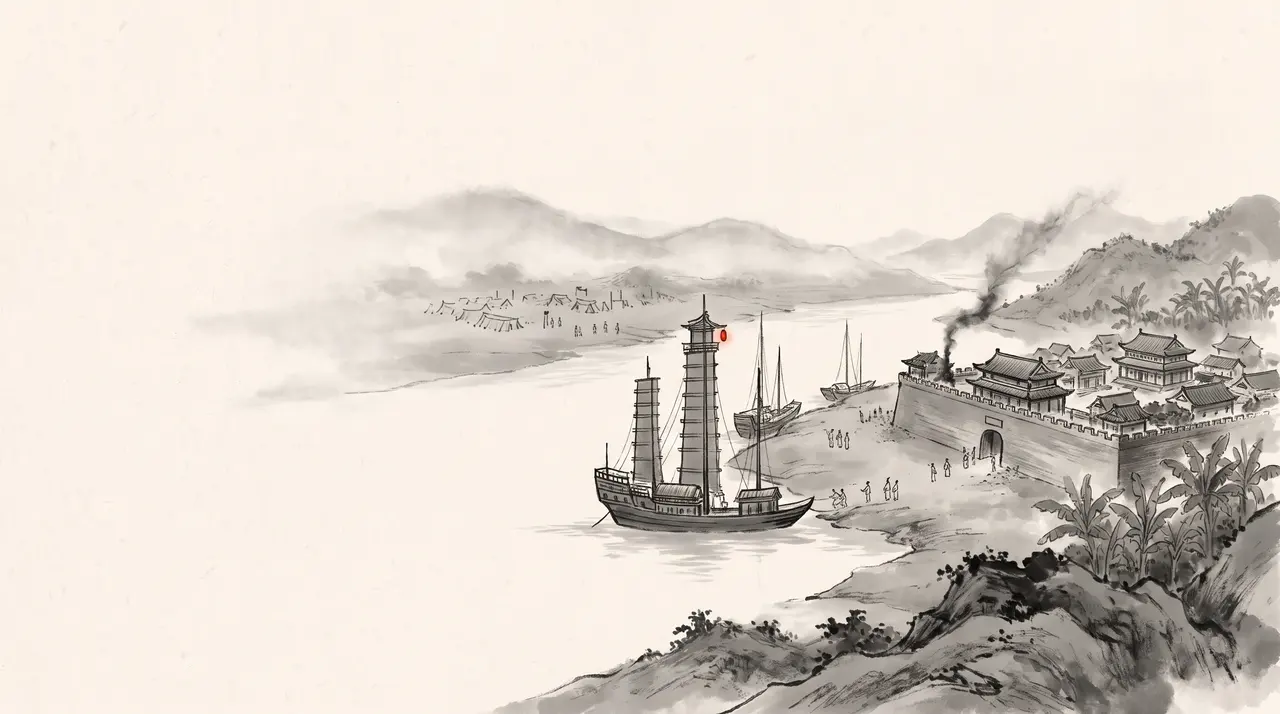
The ninety-three years of the kingdom of Southern Yue, in what is now Guangdong, Guangxi and northern Vietnam, from its founding to its fall. Zhao Tuo, a Qin official, was told by the dying commandant Ren Xiao that this land could become a kingdom of its own, and when Qin fell he made himself King of Southern Yue. Under Empress Lü he even called himself emperor, but when Emperor Wen sent Lu Jia to him, he wrote humbly as "the old man, great chief of the barbarians, your subject Tuo", declared that "two heroes cannot both stand", and gave up the imperial title. Four reigns later, when the queen mother, a woman from the Central States, tried to hand the kingdom to the Han, the chancellor Lü Jia, who had served three kings, stood against her. At a banquet the queen mother even tried to spear him; in the end Lü Jia killed the king, the queen mother and the Han envoys, and wiped out Han Qianqiu's relief force. Emperor Wu sent Lu Bode and Yang Pu with their armies; the city of Panyu burned and surrendered, and Southern Yue became nine commanderies.
This page has the scene "Two Heroes Cannot Both Stand" from this volume, not the whole volume.
Audio
The audio is synthetic speech.
Video
Passage 1
Original
南越王尉佗者,真定人也,姓趙氏。秦時已并天下,略定楊越,置桂林、南海、象郡,以謫徙民,與越雜處十三歲。佗,秦時用為南海龍川令。至二世時,南海尉任囂病且死,召龍川令趙佗語曰:「聞陳勝等作亂,秦為無道,天下苦之,項羽、劉季、陳勝、吳廣等州郡各共興軍聚眾,虎爭天下,中國擾亂,未知所安,豪傑畔秦相立。南海僻遠,吾恐盜兵侵地至此,吾欲興兵絕新道,自備,待諸侯變,會病甚。且番禺負山險,阻南海,東西數千里,頗有中國人相輔,此亦一州之主也,可以立國。郡中長吏無足與言者,故召公告之。」即被佗書,行南海尉事。囂死,佗即移檄告橫浦、陽山、湟谿關曰:「盜兵且至,急絕道聚兵自守!」因稍以法誅秦所置長吏,以其黨為假守。秦已破滅,佗即擊并桂林、象郡,自立為南越武王。高帝已定天下,為中國勞苦,故釋佗弗誅。漢十一年,遣陸賈因立佗為南越王,與剖符通使,和集百越,毋為南邊患害,與長沙接境。
Kundoku (Japanese reading)
南越王尉佗は、真定の人なり、姓は趙氏。秦の時已に天下を并せ、楊越を略定し、桂林・南海・象郡を置き、謫徙の民を以て、越と雑処せしむること十三歳。佗は、秦の時用いられて南海の龍川の令と為る。二世の時に至り、南海尉任囂病みて且に死せんとし、龍川の令趙佗を召して語りて曰く、「聞くならく陳勝等乱を作し、秦無道を為し、天下之に苦しむ。項羽・劉季・陳勝・呉広等州郡各々共に軍を興し衆を聚め、虎のごとく天下を争う。中国擾乱し、未だ安んずる所を知らず。豪傑秦に畔きて相立つ。南海は僻遠なり。吾盗兵の地を侵して此に至るを恐る。吾兵を興して新道を絶ち、自ら備え、諸侯の変を待たんと欲するも、会々病甚だし。且つ番禺は山険を負い、南海に阻まれ、東西数千里、頗る中国人の相輔くる有り。此れ亦た一州の主なり。以て国を立つべし。郡中の長吏に与に言うに足る者無し。故に公を召して之を告ぐ」と。即ち佗に書を被らしめ、南海尉の事を行わしむ。囂死し、佗即ち檄を移して横浦・陽山・湟谿関に告げて曰く、「盗兵且に至らんとす。急ぎ道を絶ち兵を聚めて自ら守れ」と。因りて稍く法を以て秦の置く所の長吏を誅し、其の党を以て仮守と為す。秦已に破滅し、佗即ち桂林・象郡を撃ちて并せ、自ら立ちて南越の武王と為る。高帝已に天下を定め、中国の労苦の為に、故に佗を釈して誅せず。漢の十一年、陸賈を遣わし因りて佗を立てて南越王と為し、与に符を剖きて使いを通じ、百越を和集し、南辺の患害と為ること毋からしむ。長沙と境を接す。
Japanese
南越王の尉佗は真定の人で、姓は趙である。秦は天下を統一したのち楊越の地を攻め取り、桂林・南海・象郡を置いて、罪を犯して移された民を越の人々と十三年にわたって混じり住ませた。趙佗は秦のとき、南海郡の龍川の県令に用いられた。二世皇帝のとき、南海尉の任囂は重い病で死にかけ、龍川の県令趙佗を呼んで言った。「陳勝らが乱を起こしたと聞く。秦は道にはずれたことをして、天下が苦しんでいる。項羽・劉季(劉邦)・陳勝・呉広らが、それぞれの州や郡で兵をおこして人を集め、虎のように天下を争っている。中国は乱れて、どこに落ち着くか分からない。豪傑たちは秦にそむいて次々に王を立てている。南海は遠く離れた土地だが、賊の兵がここまで攻めて来るのではないかと心配だ。わしは兵をおこして新しく開いた道をふさぎ、自分で守りを固めて、諸侯の動きを待とうと思ったが、あいにく病が重くなった。それに番禺は険しい山を背にし、南は海に守られ、東西は数千里もあり、中国から来た人々もかなりいて助けになる。ここは一つの州の主となれる土地で、国を立てることができる。郡の役人には相談するに足る者がいないので、あなたを呼んで話したのだ」。そして趙佗に任命の書を与え、南海尉の仕事を代わりにさせた。任囂が死ぬと、趙佗はすぐに横浦・陽山・湟谿の関所に知らせを送った。「賊の兵がまもなく来る。急いで道をふさぎ、兵を集めて守れ」。そして少しずつ、法を口実に秦が置いた役人を殺し、自分の仲間を代わりの長官にした。秦が滅びると、趙佗は桂林と象郡を攻めて合わせ、自ら南越の武王を名乗った。高帝(劉邦)は天下を平定したが、中国の人々の疲れを思って、趙佗を討たずにおいた。漢の十一年、陸賈を送って趙佗を南越王に立て、割り符を分けて使者を行き来させ、百越の人々をまとめさせて、南の国境を乱さないようにさせた。南越は長沙国と境を接していた。
English
Tuo, the commandant who became King of Southern Yue, was a man of Zhending, of the Zhao family. After Qin had united the realm, it conquered the Yang Yue and set up the commanderies of Guilin, Nanhai and Xiang, and for thirteen years sent convicts there to live among the Yue. Under Qin, Tuo was made magistrate of Longchuan in Nanhai. In the time of the Second Emperor, Ren Xiao, the commandant of Nanhai, fell ill and was dying. He called the magistrate of Longchuan, Zhao Tuo, and said: "I hear that Chen Sheng and others have rebelled. Qin has done wrong, and the realm suffers. Xiang Yu, Liu Ji, Chen Sheng, Wu Guang and others are raising armies and gathering followers in every province and commandery, fighting like tigers over the realm. The Central States are in chaos and no one knows where it will end. Bold men are turning against Qin and setting themselves up. Nanhai is remote, and I fear that bandit armies will overrun the land as far as here. I meant to raise troops, cut the new roads, defend ourselves and wait to see what the lords do, but now my illness is grave. Panyu has steep mountains behind it and the southern sea in front; it stretches thousands of li from east to west, and there are many men from the Central States to help. It could be the seat of a whole province. A kingdom could be founded here. There is no one among the officials of the commandery worth talking to, so I have called you to tell you this." He then gave Tuo a written appointment to act as commandant of Nanhai. When Ren Xiao died, Tuo at once sent word to the passes at Hengpu, Yangshan and Huangxi: "Bandit armies are about to arrive. Cut the roads at once, gather troops and defend yourselves!" Then, little by little, he used the law to put to death the officials Qin had appointed, and made his own men acting governors. When Qin had fallen, Tuo attacked and took Guilin and Xiang, and made himself King Wu of Southern Yue. When the Exalted Emperor had settled the realm, he spared Tuo and did not punish him, because the Central States had suffered enough. In the eleventh year of Han, he sent Lu Jia to make Tuo King of Southern Yue, split tallies with him and exchange envoys, so that he would keep the hundred Yue peoples in peace and not trouble the southern border. Southern Yue bordered on Changsha.
Notes (JA)
- 南越: いまの広東省・広西チワン族自治区からベトナム北部にあった国。都は番禺(いまの広州)。
- 尉佗: 南海尉の趙佗。官名をつけて呼ぶ。
- 剖符: 割り符を二つに割って一方ずつ持つ。君主と臣下の約束のしるし。
- 陸賈の使いは、酈生陸賈列伝にも詳しい(097-li-yiji-lu-jia の章)。
Notes (EN)
- Southern Yue (南越): a kingdom in modern Guangdong, Guangxi and northern Vietnam, with its capital at Panyu, modern Guangzhou.
- Splitting tallies (剖符): each side kept half, as a token of the bond between ruler and vassal.
- Lu Jia's mission is also told in chapter 097.
Word notes
- convict/ˈkɑnvɪkt/noun
a person found guilty of a crime
In the text: “sent convicts there”
Similar words: prisoner — one held for a crime · criminal — lawbreaker
- remote/rɪˈmoʊt/adjective
far away from other places
In the text: “Nanhai is remote”
Similar words: distant — far off · isolated — cut off
Passage 2
Original
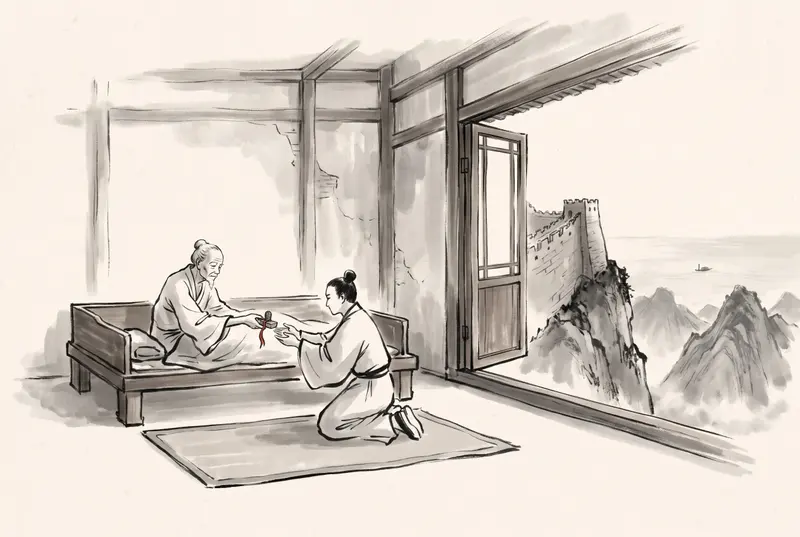
及孝文帝元年,初鎮撫天下,使告諸侯四夷從代來即位意,喻盛德焉。乃為佗親冢在真定,置守邑,歲時奉祀。召其從昆弟,尊官厚賜寵之。詔丞相陳平等舉可使南越者,平言好畤陸賈,先帝時習使南越。乃召賈以為太中大夫,往使。因讓佗自立為帝,曾無一介之使報者。陸賈至南越,王甚恐,為書謝,稱曰:「蠻夷大長老夫臣佗,前日高后隔異南越,竊疑長沙王讒臣,又遙聞高后盡誅佗宗族,掘燒先人冢,以故自棄,犯長沙邊境。且南方卑溼,蠻夷中閒,其東閩越千人眾號稱王,其西甌駱裸國亦稱王。老臣妄竊帝號,聊以自娛,豈敢以聞天王哉!」乃頓首謝,願長為藩臣,奉貢職。於是乃下令國中曰:「吾聞兩雄不俱立,兩賢不并世。皇帝,賢天子也。自今以後,去帝制黃屋左纛。」陸賈還報,孝文帝大說。遂至孝景時,稱臣,使人朝請。然南越其居國竊如故號名,其使天子,稱王朝命如諸侯。至建元四年卒。
Kundoku (Japanese reading)
孝文帝の元年に及び、初めて天下を鎮撫し、諸侯四夷に代より来たりて即位せし意を告げしめ、盛徳を喩す。乃ち佗の親の冢の真定に在るが為に、守邑を置き、歳時に奉祀す。其の従昆弟を召し、官を尊くし厚く賜いて之を寵す。丞相陳平等に詔して南越に使いすべき者を挙げしむ。平言う、好畤の陸賈、先帝の時南越に使いするに習うと。乃ち賈を召して以て太中大夫と為し、往きて使いせしむ。因りて佗の自ら立ちて帝と為り、曾て一介の使いの報ずる者無きを譲む。陸賈南越に至る。王甚だ恐れ、書を為りて謝し、称して曰く、「蛮夷の大長老夫臣佗、前日高后南越を隔異す。窃かに長沙王の讒臣を疑う。又遥かに高后尽く佗の宗族を誅し、先人の冢を掘焼すと聞く。故を以て自ら棄て、長沙の辺境を犯す。且つ南方は卑湿にして、蛮夷の中間なり。其の東の閩越は千人の衆にして王と号称し、其の西の甌駱は裸国にして亦た王と称す。老臣妄りに帝号を窃み、聊か以て自ら娯しむ。豈に敢えて以て天王に聞せんや」と。乃ち頓首して謝し、長く藩臣と為りて、貢職を奉ぜんことを願う。是に於いて乃ち令を国中に下して曰く、「吾聞く、両雄は倶には立たず、両賢は世を并せずと。皇帝は、賢天子なり。今より以後、帝制・黄屋・左纛を去らん」と。陸賈還りて報ず。孝文帝大いに説ぶ。遂に孝景の時に至るまで、臣と称し、人をして朝請せしむ。然れども南越其の国に居りては窃かに故の如く号名し、其の天子に使いするには、王と称して命を朝すること諸侯の如し。建元四年に至りて卒す。
Japanese
孝文帝の元年、文帝は即位するとまず天下を落ち着かせようと、諸侯や四方の異民族に、代国から来て即位したいきさつを知らせ、恵み深い政治を説き聞かせた。そして、真定にある趙佗の親の墓のために墓守の村を置いて、季節ごとに祭らせた。趙佗のいとこたちを呼び寄せて高い官と手厚い褒美を与えた。丞相の陳平らに命じて南越への使者にふさわしい者を推薦させると、陳平は「好畤の陸賈は、先帝のときに南越に使いしたことがあり、慣れております」と言った。そこで陸賈を太中大夫にして使いに行かせ、趙佗が勝手に帝を名乗り、一人の使者もよこさないことを責めさせた。陸賈が南越に着くと、王はたいへんおそれ、手紙を書いてわびた。「蛮夷の大長老夫、臣佗より申し上げます。先ごろ高后(呂后)が南越との行き来を断ったので、長沙王が讒言したのではないかとひそかに疑いました。また、高后がわたしの一族をみな殺し、先祖の墓を掘り返して焼いたと遠くで聞き、やけになって長沙の国境を侵しました。そのうえ南方は低くて湿った土地で、蛮夷のただ中にあります。東の閩越はわずか千人ほどで王を名乗り、西の甌駱は裸で暮らす国なのに、やはり王を名乗っています。老いたわたしがみだりに帝号を盗んだのは、ほんの気晴らしにすぎません。どうして天子さまのお耳に入れるようなことでしょう」。そして頭を地につけてわび、いつまでも漢を守る臣下として、貢ぎ物をささげたいと願い出た。そこで国中に命令を出した。「両雄は並び立たず、両賢は世を同じくせず、と聞く。皇帝は賢い天子である。今後は、帝の制度も、黄色い屋根の車も、左に立てる旗飾りもやめる」。陸賈が戻って報告すると、孝文帝はたいそう喜んだ。こうして孝景帝のときまで、南越は臣下と名乗り、使者を送って朝見した。しかし南越は国の中では、ひそかに前と同じ帝の名を使い、天子に使いを送るときだけ、王と名乗って諸侯と同じように命令を受けた。趙佗は建元四年に亡くなった。
English
In the first year of Emperor Wen, when he first set out to calm the realm, he sent word to the lords and the peoples of the four quarters of how he had come from Dai to take the throne, and told them of his generous rule. Because the graves of Tuo's parents were at Zhending, he set up a village of guardians there and had sacrifices made each season. He summoned Tuo's cousins, and favoured them with high office and rich gifts. He ordered the chancellor Chen Ping and others to name a man who could go as envoy to Southern Yue. Chen Ping named Lu Jia of Haozhi, who had been there as envoy under the late emperor. So Lu Jia was made a grand palace grandee and sent as envoy, to reproach Tuo for making himself emperor without ever sending a single envoy. When Lu Jia reached Southern Yue, the king was very frightened, and wrote a letter of apology: "The old man, great chief of the barbarians, your subject Tuo, says: Lately, when Empress Lü cut off Southern Yue, I privately suspected slander from the King of Changsha. I also heard from afar that Empress Lü had killed all my kinsmen and dug up and burned my ancestors' graves. So I gave up on myself and raided the borders of Changsha. Besides, the south is low and damp, in the midst of the barbarians. To the east, the Min Yue, with a thousand people, call themselves a kingdom; to the west, the Ou Luo, a naked people, also call themselves a kingdom. This old subject took the title of emperor without right, just to amuse himself. How would I dare to let the Son of Heaven hear of it?" He knocked his head to the ground in apology, and asked to be a vassal for ever and to send tribute. Then he issued a decree throughout his kingdom: "I have heard that two heroes cannot both stand, and two worthies cannot share one age. The emperor is a worthy Son of Heaven. From now on, I give up the imperial rites, the yellow-roofed carriage and the plumed standard on the left." Lu Jia returned and reported, and Emperor Wen was delighted. So until Emperor Jing's time, Tuo called himself a subject and sent men to court. But within his own kingdom he secretly kept his old title, and only when he sent envoys to the Son of Heaven did he call himself king and receive orders like the other lords. He died in the fourth year of Jianyuan.
Notes (JA)
- 呂后の時代、漢が鉄器の取引を禁じたので、趙佗は南越武帝を名乗り、長沙を攻めた。
- 黄屋左纛: 黄色い絹の屋根の車と、車の左に立てる旄牛の尾の旗飾り。どちらも天子だけが使えた。
- 兩雄不俱立: 二人の英雄は同時に並び立つことができない。
- 趙佗は百歳近くまで生き、建元四年(前137年)に亡くなった。
Notes (EN)
- When the Han banned the trade in iron under Empress Lü, Tuo called himself Emperor Wu of Southern Yue and attacked Changsha.
- The yellow-roofed carriage and plumed standard (黃屋左纛): privileges of the Son of Heaven alone.
- "Two heroes cannot both stand" (兩雄不俱立).
- Zhao Tuo lived to nearly a hundred, dying in 137 BC.
Idioms from this passage: Two heroes cannot both stand 両雄並び立たず
Word notes
- reproach/rɪˈproʊtʃ/verb
to criticise someone for doing wrong
In the text: “to reproach Tuo”
Similar words: rebuke — scold · criticise — find fault
- tribute/ˈtrɪbjut/noun
gifts a weaker state sends to a stronger ruler
In the text: “to send tribute”
Similar words: offering — gift · payment — what is paid
Passage 3
Original
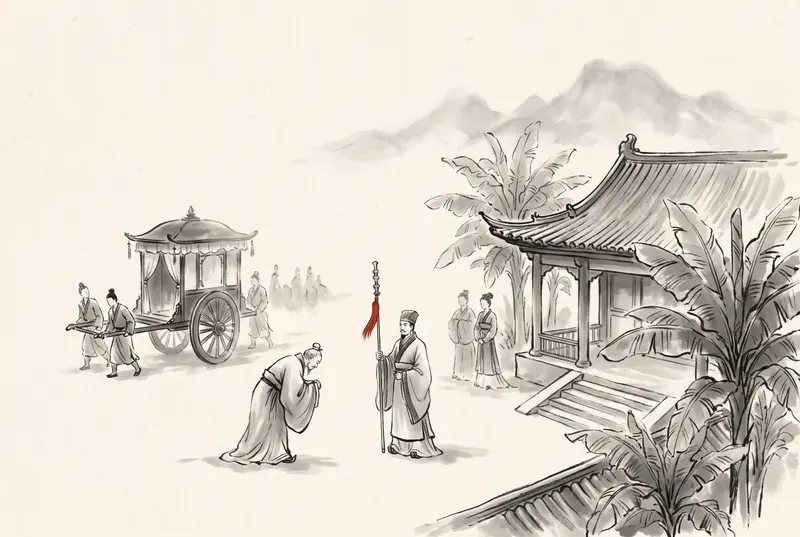
太子興代立,其母為太后。太后自未為嬰齊姬時,嘗與霸陵人安國少季通。及嬰齊薨後,元鼎四年,漢使安國少季往諭王、王太后以入朝,比內諸侯;令辯士諫大夫終軍等宣其辭,勇士魏臣等輔其缺,衛尉路博德將兵屯桂陽,待使者。王年少,太後中國人也,嘗與安國少季通,其使復私焉。國人頗知之,多不附太后。太后恐亂起,亦欲倚漢威,數勸王及群臣求內屬。即因使者上書,請比內諸侯,三歲一朝,除邊關。於是天子許之,賜其丞相呂嘉銀印,及內史、中尉、太傅印,餘得自置。除其故黥劓刑,用漢法,比內諸侯。使者皆留填撫之。王、王太后飭治行裝重齎,為入朝具。
Kundoku (Japanese reading)
太子興代わりて立ち、其の母を太后と為す。太后未だ嬰斉の姫と為らざりし時より、嘗て霸陵の人安国少季と通ず。嬰斉の薨ずる後に及び、元鼎四年、漢安国少季をして往きて王・王太后に諭すに入朝し、内諸侯に比するを以てせしむ。弁士諫大夫終軍等をして其の辞を宣べしめ、勇士魏臣等をして其の欠けたるを輔けしめ、衛尉路博徳をして兵を将いて桂陽に屯し、使者を待たしむ。王は年少く、太后は中国の人なり。嘗て安国少季と通じ、其の使いするや復た私す。国人頗る之を知り、多く太后に附かず。太后乱の起こるを恐れ、亦た漢の威に倚らんと欲し、数々王及び群臣に勧めて内属を求む。即ち使者に因りて上書し、内諸侯に比し、三歳に一たび朝し、辺関を除かんことを請う。是に於いて天子之を許し、其の丞相呂嘉に銀印、及び内史・中尉・太傅の印を賜い、余は自ら置くを得しむ。其の故の黥劓の刑を除き、漢法を用い、内諸侯に比す。使者皆留まりて之を填撫す。王・王太后行装重齎を飭治し、入朝の具と為す。
Japanese
太子の興が王位を継ぎ、母は太后となった。この太后は、嬰斉の側室になる前に、霸陵の人安国少季と通じていたことがあった。嬰斉が亡くなったあと、元鼎四年、漢は安国少季を送って、王と王太后に、漢に入朝して国内の諸侯と同じ扱いになるよう説かせた。弁舌の立つ諫大夫の終軍らにその言葉を伝えさせ、勇士の魏臣らに足りないところを助けさせ、衛尉の路博徳に兵を率いて桂陽にとどまり、使者を待たせた。王はまだ若く、太后は中国の人だった。太后はかつて安国少季と通じていたが、少季が使者として来ると、また密通した。国の人々はこのことをかなり知っていて、多くは太后に従わなかった。太后は乱が起こるのをおそれ、漢の威光にも頼りたいと思って、たびたび王と群臣に、漢に属するよう勧めた。そこで使者を通じて上書し、国内の諸侯と同じ扱いにして、三年に一度朝見し、国境の関所を取り払うことを願い出た。天子はこれを許し、丞相の呂嘉に銀の印、内史・中尉・太傅にも印を与え、そのほかの役人は南越が自分で置いてよいとした。昔からの入れ墨や鼻切りの刑をやめさせ、漢の法を用い、国内の諸侯と同じにした。使者たちはみな残って国を落ち着かせた。王と王太后は旅支度と貢ぎ物をととのえて、入朝の準備をした。
English
Crown Prince Xing succeeded to the throne, and his mother became queen mother. Before she became Yingqi's consort, she had once had an affair with An'guo Shaoji of Baling. After Yingqi died, in the fourth year of Yuanding, the Han sent An'guo Shaoji to urge the king and the queen mother to come to court and be treated like the lords within the realm. It sent the eloquent remonstrating grandee Zhong Jun and others to speak for it, the brave Wei Chen and others to make up for any weakness, and the commander of the guard Lu Bode to camp with troops at Guiyang and wait for the envoys. The king was young, and the queen mother was from the Central States. She had once had an affair with An'guo Shaoji, and when he came as envoy she took up with him again in secret. Many of her people knew of it, and many would not support her. Fearing a revolt, and wanting to lean on the might of Han, the queen mother kept urging the king and his ministers to ask to join the Han. So through the envoys they sent a letter asking to be treated like the lords within the realm, to come to court once every three years, and to have the border passes removed. The Son of Heaven agreed. He gave their chancellor Lü Jia a silver seal, and seals to the governor, the commandant of the capital and the grand tutor, leaving them to appoint the other officials themselves. He abolished their old punishments of tattooing and cutting off the nose, and had them use Han law, like the lords within the realm. The envoys all stayed on to keep the country calm. The king and the queen mother prepared their baggage and rich gifts for the journey to court.
Notes (JA)
- 樛太后: 邯鄲の樛氏の娘。嬰斉が長安で宿衛していたときに妻となった。
- 嬰齊: 趙佗の孫の趙胡の子。若いころ人質として長安にいた。
- 終軍: 若くして名を知られた弁士。「長い縄をいただければ、南越王をしばって連れて来ます」と言ったという(『漢書』)。
- 内諸侯: 漢の国内の諸侯王と同じ扱い。独立国ではなくなることを意味する。
Notes (EN)
- The queen mother: a daughter of the Jiu family of Handan, who married Yingqi while he was a hostage at Chang'an.
- Zhong Jun: a young orator who, the Book of Han says, asked for "a long rope to bind the King of Southern Yue".
- Like the lords within the realm (內諸侯): no longer an independent kingdom.
Word notes
- affair/əˈfɛr/noun
a secret love relationship
In the text: “had an affair”
Similar words: liaison — secret relationship · romance — love affair
- eloquent/ˈɛləkwənt/adjective
able to speak well and persuasively
In the text: “the eloquent remonstrating grandee”
Similar words: persuasive — convincing · articulate — clear in speech
Passage 4
Original
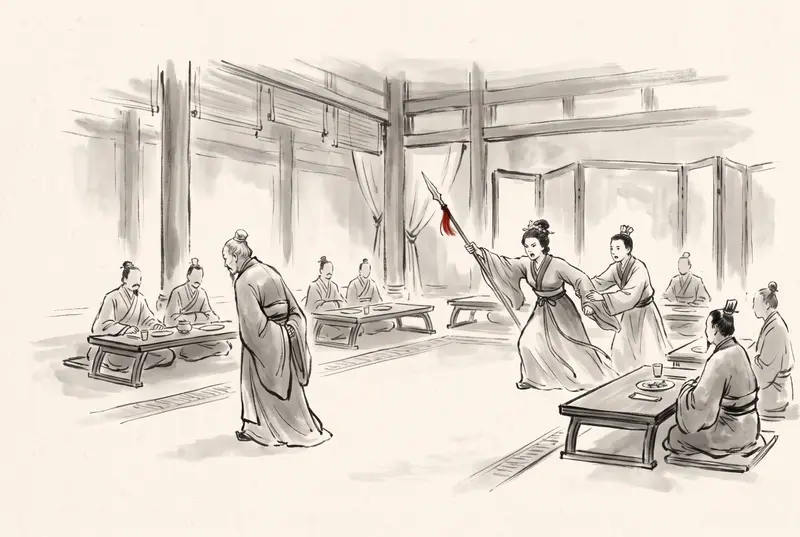
其相呂嘉年長矣,相三王,宗族官仕為長吏者七十餘人,男盡尚王女,女盡嫁王子兄弟宗室,及蒼梧秦王有連。其居國中甚重,越人信之,多為耳目者,得眾心愈於王。王之上書,數諫止王,王弗聽。有畔心,數稱病不見漢使者。使者皆注意嘉,勢未能誅。王、王太后亦恐嘉等先事發,乃置酒,介漢使者權,謀誅嘉等。使者皆東鄉,太后南鄉,王北鄉,相嘉、大臣皆西鄉,侍坐飲。嘉弟為將,將卒居宮外。酒行,太后謂嘉曰:「南越內屬,國之利也,而相君苦不便者,何也?」以激怒使者。使者狐疑相杖,遂莫敢發。嘉見耳目非是,即起而出。太后怒,欲鏦嘉以矛,王止太後。嘉遂出,分其弟兵就舍,稱病,不肯見王及使者。乃陰與大臣作亂。王素無意誅嘉,嘉知之,以故數月不發。太后有淫行,國人不附,欲獨誅嘉等,力又不能。
Kundoku (Japanese reading)
其の相呂嘉は年長ぜり。三王に相たり。宗族の官仕して長吏と為る者七十余人、男は尽く王の女を尚り、女は尽く王の子兄弟宗室に嫁し、及び蒼梧の秦王と連有り。其の国中に居ること甚だ重く、越人之を信じ、多く耳目と為る者あり、衆の心を得ること王に愈る。王の上書するや、数々諌めて王を止む。王聴かず。畔く心有り、数々病と称して漢の使者に見えず。使者皆嘉に注意すれども、勢い未だ誅する能わず。王・王太后も亦た嘉等の事に先だちて発せんことを恐れ、乃ち酒を置き、漢の使者の権に介りて、嘉等を誅せんと謀る。使者皆東郷し、太后は南郷し、王は北郷し、相嘉・大臣は皆西郷し、侍坐して飲む。嘉の弟将と為り、卒を将いて宮外に居る。酒行わる。太后嘉に謂いて曰く、「南越の内属は、国の利なり。而るに相君の苦だ便ならずとするは、何ぞや」と。以て使者を激怒せしむ。使者狐疑して相杖り、遂に敢えて発する莫し。嘉耳目の是に非ざるを見、即ち起ちて出づ。太后怒り、嘉を鏦くに矛を以てせんと欲す。王太后を止む。嘉遂に出で、其の弟の兵を分かちて舎に就き、病と称して、王及び使者に見ゆるを肯んぜず。乃ち陰かに大臣と乱を作す。王素より嘉を誅するに意無し。嘉之を知る。故を以て数月発せず。太后淫行有りて、国人附かず。独り嘉等を誅せんと欲するも、力又能わず。
Japanese
宰相の呂嘉は年老いていて、三代の王に宰相として仕えた。一族で役人となり長官になった者は七十人あまり、息子たちはみな王の娘をめとり、娘たちはみな王の子や兄弟、一族に嫁いでいた。蒼梧の秦王とも縁続きだった。国の中でとても重んじられ、越の人々に信頼され、その耳や目となって働く者が多く、人々の心をつかむことでは王にまさっていた。王が漢に上書したときも、何度も王をいさめて止めたが、王は聞き入れなかった。呂嘉はそむく心をいだき、たびたび病気を口実に漢の使者に会わなかった。使者たちはみな呂嘉に目をつけていたが、情勢から見てまだ殺すことができなかった。王と王太后も、呂嘉らが先に事を起こすのをおそれ、酒宴を開いて、漢の使者の力を借りて呂嘉らを殺そうとはかった。使者たちはみな東を向き、太后は南を、王は北を、宰相の呂嘉と大臣たちはみな西を向いて座り、酒を飲んだ。呂嘉の弟は将軍で、兵を率いて宮殿の外にいた。酒がまわると、太后は呂嘉に言った。「南越が漢に属するのは、国のためになることです。それなのに宰相どのがひどく反対するのはなぜですか」。こうして使者を怒らせ、手を出させようとした。しかし使者たちはためらって互いに頼り合い、誰も手を下そうとしなかった。呂嘉は、まわりの様子がおかしいと見て取ると、すぐに立ち上がって出て行った。太后は怒って、矛で呂嘉を突こうとしたが、王が太后を止めた。呂嘉はそのまま出て行き、弟の兵を分けて自分の屋敷を固め、病気だと言って王にも使者にも会おうとしなかった。そしてひそかに大臣たちと反乱の準備をした。王はもともと呂嘉を殺すつもりはなく、呂嘉もそれを知っていたので、数か月は事を起こさなかった。太后はみだらな行いのために国の人々から慕われておらず、自分だけで呂嘉らを殺そうとしても、その力はなかった。
English
The chancellor, Lü Jia, was an old man who had served three kings as chancellor. More than seventy of his clan held office as senior officials; all his sons had married daughters of the king, and all his daughters had married the king's sons, brothers and kinsmen, and he was related to the King of Qin in Cangwu as well. He carried great weight in the kingdom; the Yue people trusted him, many served as his eyes and ears, and he had won the people's hearts more than the king had. When the king wrote to the Han, Lü Jia remonstrated with him again and again, but the king would not listen. Lü Jia began to think of rebellion, and often claimed to be ill so as not to meet the Han envoys. The envoys all kept an eye on him, but were not yet in a position to kill him. The king and the queen mother also feared that Lü Jia and his men would strike first, so they held a banquet, planning to use the power of the Han envoys to kill them. The envoys all sat facing east, the queen mother faced south, the king faced north, and the chancellor Lü Jia and the ministers all faced west, as they sat and drank. Lü Jia's younger brother was a general, and was waiting outside the palace with his soldiers. As the wine went round, the queen mother said to Lü Jia: "Joining the Han is good for the kingdom. Why does the chancellor find it so very inconvenient?" She meant to anger the envoys into action. But the envoys hesitated, each waiting for the other, and none dared to make a move. Lü Jia saw that the faces around him were not right, and at once rose and went out. The queen mother, furious, tried to strike him with a spear, but the king held her back. Lü Jia went out, took some of his brother's troops to guard his house, claimed to be ill, and refused to see either the king or the envoys. Then he secretly plotted rebellion with the ministers. The king had never meant to kill Lü Jia, and Lü Jia knew it, so for several months he did nothing. Because of her loose conduct, the queen mother had no support among the people; she wanted to kill Lü Jia and his men by herself, but did not have the strength.
Notes (JA)
- 蒼梧秦王: 南越の一族の趙光。蒼梧(いまの広西の東部)で王を名乗っていた。
- 東鄉: 東を向いて座る。客の座る上座。漢の使者を主賓とした。
- 鏦: 矛で突くこと。
Notes (EN)
- The King of Qin in Cangwu: Zhao Guang, a kinsman of the royal house, in modern eastern Guangxi.
- Facing east (東鄉): the seat of the chief guest, given to the Han envoys.
Word notes
- banquet/ˈbæŋkwɪt/noun
a large formal meal
In the text: “they held a banquet”
Similar words: feast — big meal · dinner — evening meal
- hesitate/ˈhɛzɪˌteɪt/verb
to pause before acting because you are unsure
In the text: “the envoys hesitated”
Similar words: waver — be undecided · falter — lose courage
Passage 5
Original
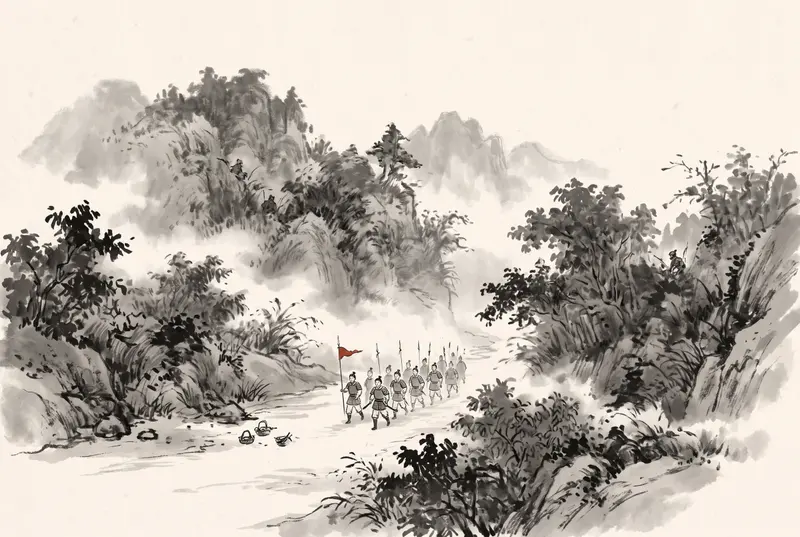
郟壯士故濟北相韓千秋奮曰:「以區區之越,又有王、太后應,獨相呂嘉為害,願得勇士二百人,必斬嘉以報。」於是天子遣千秋與王太后弟樛樂將二千人往,入越境。呂嘉等乃遂反,下令國中曰:「王年少。太後,中國人也,又與使者亂,專欲內屬,盡持先王寶器入獻天子以自媚,多從人,行至長安,虜賣以為僮仆。取自脫一時之利,無顧趙氏社稷,為萬世慮計之意。」乃與其弟將卒攻殺王、太后及漢使者。遣人告蒼梧秦王及其諸郡縣,立明王長男越妻子術陽侯建德為王。而韓千秋兵入,破數小邑。其後越直開道給食,未至番禺四十里,越以兵擊千秋等,遂滅之。
Kundoku (Japanese reading)
郟の壮士、故の済北の相韓千秋奮いて曰く、「区区たる越を以て、又王・太后の応ずる有り、独り相呂嘉害を為すのみ。願わくは勇士二百人を得て、必ず嘉を斬りて以て報ぜん」と。是に於いて天子千秋と王太后の弟樛楽とを遣わし、二千人を将いて往かしむ。越の境に入る。呂嘉等乃ち遂に反し、令を国中に下して曰く、「王は年少し。太后は、中国の人なり。又使者と乱れ、専ら内属を欲し、尽く先王の宝器を持ちて入りて天子に献じて以て自ら媚び、多く人を従え、行きて長安に至らば、虜売して以て僮僕と為さん。自ら脱するの一時の利を取り、趙氏の社稷を顧みて、万世の為に慮計するの意無し」と。乃ち其の弟と卒を将いて王・太后及び漢の使者を攻め殺す。人を遣わして蒼梧の秦王及び其の諸郡県に告げ、明王の長男の越の妻の子術陽侯建徳を立てて王と為す。而して韓千秋の兵入り、数小邑を破る。其の後越直ちに道を開き食を給す。未だ番禺に至らざること四十里、越兵を以て千秋等を撃ち、遂に之を滅ぼす。
Japanese
郟の勇士で、もと済北国の宰相だった韓千秋が奮い立って言った。「ちっぽけな越の国で、しかも王と太后が味方しており、害をなしているのは宰相の呂嘉だけです。勇士二百人をいただければ、必ず呂嘉を斬ってご報告します」。そこで天子は韓千秋と王太后の弟の樛楽に二千人を率いて行かせ、一行は越の国境に入った。呂嘉らはついに反乱を起こし、国中に命令を出した。「王は若い。太后は中国の人で、しかも使者と乱れた関係にあり、ひたすら漢に属することを望んでいる。先王の宝物をすべて持って行って天子に献上してこびようとし、多くの人を連れて長安に行けば、その人々を捕虜として売り、召使いにしてしまうだろう。自分が助かる一時の利益だけを求めて、趙氏の国を思い、末長くのことを考える気持ちがない」。そして弟とともに兵を率いて、王と太后と漢の使者を攻め殺した。蒼梧の秦王とそのほかの郡や県に人を送って知らせ、明王(嬰斉)の長男で越人の妻が生んだ術陽侯の建徳を王に立てた。いっぽう韓千秋の軍は越に入って、いくつかの小さな町を破った。すると越はわざと道を開けて食べ物を与えた。番禺の手前四十里まで来たところで、越は兵を出して韓千秋らを攻め、全滅させた。
English
Han Qianqiu, a bold man from Jia who had once been chancellor of Jibei, spoke up eagerly: "Yue is a tiny place, and the king and the queen mother are on our side. The chancellor Lü Jia is the only trouble. Give me two hundred brave men, and I will surely cut off Lü Jia's head and report back." So the Son of Heaven sent Han Qianqiu and the queen mother's younger brother Jiu Le with two thousand men, and they crossed into Yue. Then Lü Jia and his men rebelled at last, and issued a decree throughout the kingdom: "The king is young. The queen mother is a woman of the Central States who carries on with the envoys. All she wants is to join the Han. She will take all the treasures of the late kings to offer to the Son of Heaven and win his favour, and she will take many people with her to Chang'an, to be sold off as slaves. She seeks only a moment's advantage to save herself, with no thought for the altars of the Zhao house or for the generations to come." Then, with his brother, he led troops to attack and kill the king, the queen mother and the Han envoys. He sent word to the King of Qin in Cangwu and to all the commanderies and counties, and made Jiande, Marquis of Shuyang, eldest son of King Ming by a Yue wife, king. Meanwhile Han Qianqiu's army entered Yue and took several small towns. After that the Yue simply opened the road and gave them food. When they were still forty li short of Panyu, the Yue attacked Han Qianqiu and his men, and wiped them out.
Notes (JA)
- 區區: ちっぽけなこと。
- 明王: 嬰斉のおくり名。建徳は越人の妻の子で、樛太后の子の興とは母がちがう。
- 越はわざと道を開けて漢軍を深く入らせ、そこで討った。
- 武帝は「韓千秋は成功しなかったが、軍の先鋒の第一だ」として、その子を侯にした。
Notes (EN)
- King Ming: Yingqi's posthumous title. Jiande was his son by a Yue wife, half-brother of King Xing.
- The Yue opened the road on purpose, drawing the Han force deep inside before striking.
- Emperor Wu made Han Qianqiu's son a marquis, calling him "first in the vanguard, though he failed".
Word notes
- eagerly/ˈiɡərli/adverb
with great wish or enthusiasm
In the text: “spoke up eagerly”
Similar words: keenly — with interest · avidly — with strong desire
- slave/sleɪv/noun
a person owned by another and forced to work
In the text: “to be sold off as slaves”
Similar words: servant — one who serves · bondsman — person in bondage
Passage 6
Original
元鼎六年冬,樓船將軍將精卒先陷尋陜,破石門,得越船粟,因推而前,挫越鋒,以數萬人待伏波。伏波將軍將罪人,道遠,會期後,與樓船會乃有千餘人,遂俱進。樓船居前,至番禺。建德、嘉皆城守。樓船自擇便處,居東南面;伏波居西北面。會暮,樓船攻敗越人,縱火燒城。越素聞伏波名,日暮,不知其兵多少。伏波乃為營,遣使者招降者,賜印,復縱令相招。樓船力攻燒敵,反驅而入伏波營中。犁旦,城中皆降伏波。呂嘉、建德已夜與其屬數百人亡入海,以船西去。伏波又因問所得降者貴人,以知呂嘉所之,遣人追之。以其故校尉司馬蘇弘得建德,封為海常侯;越郎都稽得嘉,封為臨蔡侯。
Kundoku (Japanese reading)
元鼎六年冬、楼船将軍精卒を将いて先ず尋陜を陥し、石門を破り、越の船粟を得、因りて推して前み、越の鋒を挫き、数万人を以て伏波を待つ。伏波将軍罪人を将い、道遠く、期に後る。楼船と会するに乃ち千余人有り。遂に倶に進む。楼船前に居り、番禺に至る。建徳・嘉皆城守す。楼船自ら便処を択び、東南面に居る。伏波は西北面に居る。会々暮れ、楼船越人を攻め敗り、火を縦ちて城を焼く。越素より伏波の名を聞く。日暮れて、其の兵の多少を知らず。伏波乃ち営を為り、使者を遣わして降る者を招き、印を賜い、復た縦ちて相招かしむ。楼船力めて攻め敵を焼き、反って駆りて伏波の営中に入らしむ。犁旦、城中皆伏波に降る。呂嘉・建徳已に夜其の属数百人と海に亡入し、船を以て西に去る。伏波又因りて降るを得し所の貴人に問い、以て呂嘉の之く所を知り、人を遣わして之を追わしむ。其の故の校尉司馬蘇弘建徳を得るを以て、封じて海常侯と為す。越の郎都稽嘉を得て、封じて臨蔡侯と為す。
Japanese
元鼎六年の冬、楼船将軍(楊僕)は精鋭の兵を率いて、まず尋陜を落とし、石門を破って、越の船と食糧を手に入れた。そのまま押し進んで越の勢いをくじき、数万の兵で伏波将軍を待った。伏波将軍(路博徳)は罪人の兵を率いていたが、道が遠くて期日に遅れ、楼船と合流したときには千人あまりしかいなかった。そこでともに進んだ。楼船が前に立って番禺に着いた。建徳と呂嘉はみな城を守った。楼船は自分に都合のよい場所を選んで東南側に陣取り、伏波は西北側に陣取った。日が暮れると、楼船は越の兵を攻め破り、火を放って町を焼いた。越の人々は前から伏波の名を聞いていた。日が暮れて、伏波の兵がどれほどいるのか分からなかった。伏波は陣営を作り、使者を送って降る者を招き、印を与えて、また放してほかの者を招かせた。楼船が力いっぱい攻めて敵を焼き立てたので、かえって敵を伏波の陣営に追い込むことになった。夜明けには、城中の者はみな伏波に降った。呂嘉と建徳は、すでに夜のうちに部下数百人と海に逃げ、船で西へ去っていた。伏波は降った貴人たちに聞いて呂嘉の行き先を知り、人を送って追わせた。もとの校尉で司馬の蘇弘が建徳を捕らえたので、海常侯に封じた。越の郎の都稽が呂嘉を捕らえたので、臨蔡侯に封じた。
English
In the winter of the sixth year of Yuanding, the General of the Towered Ships led his best troops to take Xunxia first, broke through at Shimen, seized the Yue boats and grain, and pushed forward, blunting the Yue attack, and waited with tens of thousands of men for the Wave-Calming General. The Wave-Calming General was leading convicts and had a long way to come; he was late, and when he joined the General of the Towered Ships he had only a thousand or so men. They advanced together. The General of the Towered Ships went in front and reached Panyu. Jiande and Lü Jia both held the city. The General of the Towered Ships chose the best ground for himself and took the south-east side; the Wave-Calming General took the north-west. As night fell, the General of the Towered Ships defeated the Yue and set fire to the city. The Yue had long known the Wave-Calming General by name, and in the dark they could not tell how many men he had. The Wave-Calming General made camp and sent messengers to invite surrender, giving seals to those who came and sending them back to invite others. The General of the Towered Ships attacked and burned so fiercely that he drove the enemy into the Wave-Calming General's camp instead. By dawn, everyone in the city had surrendered to the Wave-Calming General. Lü Jia and Jiande had already fled to sea in the night with a few hundred followers, and sailed away west. The Wave-Calming General asked the nobles who had surrendered where Lü Jia had gone, and sent men after him. His former colonel, the commandant Su Hong, caught Jiande and was made Marquis of Haichang; Duji, a gentleman of Yue, caught Lü Jia and was made Marquis of Lincai.
Notes (JA)
- 樓船將軍: 楊僕。大きな楼のある軍船の水軍を率いた。酷吏の一人でもある(122-kuli の章)。
- 伏波將軍: 路博徳。「波を伏せる」将軍。霍去病のもとで匈奴と戦った。
- 南越は九つの郡に分けられ、趙佗が王となってから五代九十三年で滅んだ。
Notes (EN)
- General of the Towered Ships (樓船將軍): Yang Pu, who led a fleet of tall warships; also one of the harsh officials (chapter 122).
- Wave-Calming General (伏波將軍): Lu Bode, who had fought the Xiongnu under Huo Qubing.
- Southern Yue became nine commanderies, ninety-three years and five reigns after Zhao Tuo became king.
Word notes
- blunt/blʌnt/verb
to make something weaker or less sharp
In the text: “blunting the Yue attack”
Similar words: weaken — make weak · dull — make less sharp
- surrender/səˈrɛndər/noun
giving up to an enemy
In the text: “invite surrender”
Similar words: submission — giving in · capitulation — yielding
Passage 7
Original
尉佗之王,本由任囂。遭漢初定,列為諸侯。隆慮離溼疫,佗得以益驕。甌駱相攻,南越動搖。漢兵臨境,嬰齊入朝。其後亡國,徵自樛女;呂嘉小忠,令佗無後。樓船從欲,怠傲失惑;伏波困窮,智慮愈殖,因禍為福。成敗之轉,譬若糾墨。
Kundoku (Japanese reading)
尉佗の王たるは、本と任囂に由る。漢の初めて定まるに遭い、列して諸侯と為る。隆慮湿疫に離り、佗以て益々驕るを得たり。甌駱相攻め、南越動揺す。漢兵境に臨み、嬰斉入朝す。其の後国を亡ぼすは、徴樛女よりす。呂嘉の小忠、佗をして後無からしむ。楼船は欲に従い、怠傲にして失惑す。伏波は困窮して、智慮愈々殖え、禍に因りて福と為す。成敗の転ずること、譬えば糾墨の若し。
Japanese
(太史公の評)尉佗が王になったのは、もとはといえば任囂のおかげだった。漢がようやく天下を定めたときにめぐりあって、諸侯の列に加えられた。隆慮侯の軍が湿気と疫病にやられたので、尉佗はますます思い上がることができた。甌駱が攻め合って、南越はゆらいだ。漢の兵が国境に迫ると、嬰斉は入朝した。のちに国が滅んだのは、樛氏の娘(太后)がきっかけだった。呂嘉のささやかな忠義が、かえって尉佗の子孫を絶やすことになった。楼船将軍は欲のままに動き、なまけておごり、判断を誤った。伏波将軍は苦しい立場にあって、かえって知恵がますます働き、わざわいを転じて福とした。成功と失敗の入れかわりは、まるでより合わせた縄のようである。
English
(The Grand Historian's comment) Tuo became king thanks, in the first place, to Ren Xiao. He met the moment when the Han had just settled the realm, and was ranked among the lords. When the Marquis of Longlü's army was struck by damp and plague, Tuo could grow ever prouder. When the Ou Luo attacked each other, Southern Yue was shaken; when Han troops came to the border, Yingqi went to court. The kingdom's fall later began with the woman of the Jiu family. Lü Jia's small loyalty left Tuo with no heirs. The General of the Towered Ships followed his greed, and was lax, proud and misguided; the Wave-Calming General, in hard straits, grew ever wiser, and turned misfortune into good fortune. Success and failure turn into each other like the strands of a twisted rope.
Notes (JA)
- この点校本の本文では「太史公曰」の字がないが、太史公の評にあたる。
- 隆慮: 呂后が南越を討たせた隆慮侯周竈。暑さと湿気で疫病がはやり、山を越えられなかった。
- 糾墨: より合わせた縄。福と禍がより合わさっていることのたとえ(「禍福はあざなえる縄のごとし」)。
Notes (EN)
- The words "The Grand Historian says" are missing from this edition, but this is his comment.
- The Marquis of Longlü: Zhou Zao, sent by Empress Lü against Southern Yue, whose army was stopped by heat, damp and plague.
- A twisted rope (糾墨): fortune and misfortune twined together.
Word notes
- plague/pleɪɡ/noun
a disease that spreads quickly and kills many
In the text: “damp and plague”
Similar words: epidemic — widespread disease · pestilence — deadly sickness
- misfortune/mɪsˈfɔrtʃən/noun
bad luck
In the text: “turned misfortune into good fortune”
Similar words: bad luck — unlucky events · adversity — hardship