Biographies · Vol. 111
The Biographies of General Wei and the General of Swift Cavalry 衛將軍驃騎列傳
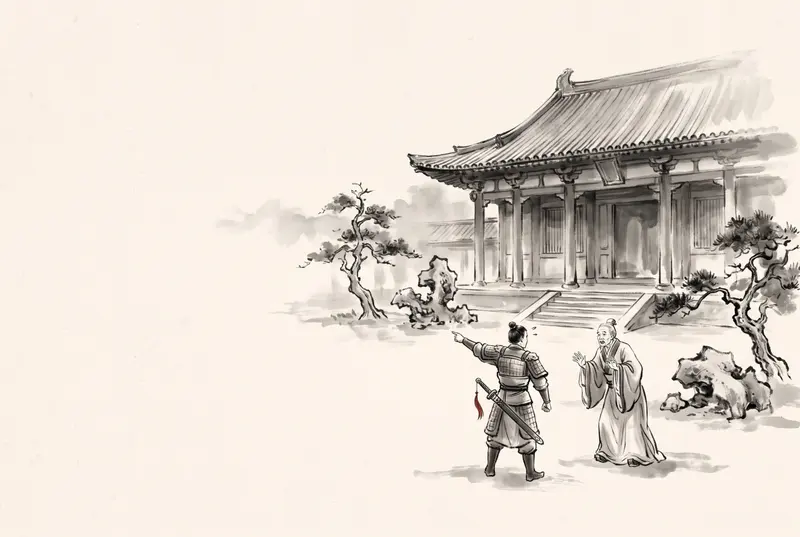
The Xiongnu Are Not Yet Destroyed 匈奴未滅
Wei Qing was born the son of a slave woman in a marquis's household. He herded sheep and was treated as a slave by his half brothers. When his sister Wei Zifu won the love of Emperor Wu his fate changed, and victory after victory over the Xiongnu carried him to the rank of Grand General. He was a careful man who gave credit to his officers and kept to the law. His nephew Huo Qubing won his first battle at eighteen, took the land west of the Yellow River, received the surrender of the Hunye King, and on the great campaign north of the Gobi offered sacrifice to Heaven on Mount Langjuxu. He is remembered for saying that he could not think of a home while the Xiongnu were undestroyed, but he also ignored the hunger of his men. Together they transformed the northern frontier, yet the glory of the Wei family did not last. Sima Qian, whose sympathies lie with Li Guang, portrays them both with a cool pen.
This page has the scene "The Xiongnu Are Not Yet Destroyed" from this volume, not the whole volume.
Audio
The audio is synthetic speech.
Video
Passage 1
Original
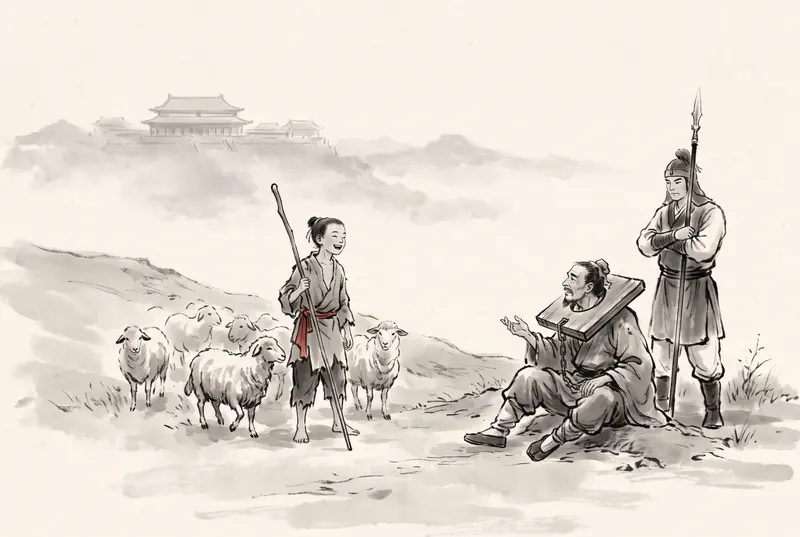
大將軍衛青者,平陽人也。其父鄭季,為吏,給事平陽侯家,與侯妾衛媼通,生青。青同母兄衛長子,而姊衛子夫自平陽公主家得幸天子,故冒姓為衛氏。字仲卿。長子更字長君。長君母號為衛媼。媼長女衛孺,次女少兒,次女即子夫。後子夫男弟步、廣皆冒衛氏。青為侯家人,少時歸其父,其父使牧羊。先母之子皆奴畜之,不以為兄弟數。青嘗從入至甘泉居室,有一鉗徒相青曰:「貴人也,官至封侯。」青笑曰:「人奴之生,得毋笞罵即足矣,安得封侯事乎!」
Kundoku (Japanese reading)
大将軍衛青なる者は、平陽の人なり。其の父鄭季、吏と為り、平陽侯の家に給事し、侯の妾衛媼と通じて、青を生む。青の同母兄衛長子、而して姉衛子夫平陽公主の家より天子に幸せらる。故に姓を冒して衛氏と為す。字は仲卿。長子は字を更めて長君とす。長君の母は号して衛媼と為す。媼の長女は衛孺、次女は少児、次女は即ち子夫なり。後に子夫の男弟歩・広皆衛氏を冒す。青は侯の家人と為り、少き時其の父に帰す。其の父羊を牧せしむ。先母の子皆之を奴畜し、兄弟の数と為さず。青嘗て従いて入りて甘泉の居室に至る。一鉗徒有りて青を相して曰く、「貴人なり、官は封侯に至らん」と。青笑いて曰く、「人奴の生、笞罵を得る毋ければ即ち足れり。安くんぞ封侯の事を得んや」と。
Japanese
大将軍の衛青は平陽の人である。父の鄭季は役人として平陽侯の家に勤め、侯の家の女奴隷の衛媼と通じて衛青が生まれた。衛青の同母兄に衛長子がおり、姉の衛子夫は平陽公主の家から天子の寵愛を受けたので、衛青は衛という姓を名のった。字は仲卿という。長子は字を長君と改めた。長君の母が衛媼である。衛媼の長女は衛孺、次女は少児、その次の娘が子夫である。のちに子夫の弟の歩と広も衛の姓を名のった。衛青は侯の家の使用人となり、幼いころ父のもとに帰されると、羊の番をさせられた。父の本妻の子たちは彼を奴隷扱いして、兄弟とは認めなかった。あるとき衛青が供をして甘泉宮の獄舎へ行くと、首かせをはめた囚人が彼の人相を見て言った。「高貴な相だ。侯にまでなるだろう」。衛青は笑って言った。「奴隷の身だ。鞭で打たれ、罵られずにすめばそれで十分だ。侯になるなどあるものか」。
English
The Grand General Wei Qing was a man of Pingyang. His father, Zheng Ji, was a clerk who worked in the household of the Marquis of Pingyang, and had an affair with a servant of the marquis called Old Lady Wei, who bore him Qing. Qing's elder half brother was Wei Changzi, and his sister Wei Zifu, from the house of Princess Pingyang, won the favor of the emperor. So he took the surname Wei. His courtesy name was Zhongqing. Old Lady Wei's eldest daughter was Wei Ru, the next was Shao'er, and the next was Zifu. Later, Zifu's younger brothers Bu and Guang also took the name Wei. Qing grew up as a servant of the marquis's household. As a boy he went back to his father, who set him to herding sheep. The sons of his father's wife treated him as a slave and did not count him as a brother. Once he went with his master to the Ganquan Palace, where a convict in an iron collar read his face and said: "You will be a great man and rise to be a marquis." Qing laughed and said: "I was born a slave. If I can get through life without being whipped and cursed, that will be enough. How would I ever become a marquis?"
Notes (JA)
- 平陽: 今の山西省臨汾市付近。
- 媼: 老女の呼び名。
- 平陽公主: 武帝の姉。
- 鉗徒: 首かせをはめられた囚人。
- 奴畜: 奴隷のように扱う。
Notes (EN)
- Princess Pingyang: the elder sister of Emperor Wu.
- Convict in an iron collar (鉗徒): a prisoner wearing a metal ring around the neck.
Word notes
- convict/ˈkɑnvɪkt/noun
a person found guilty of a crime
In the text: “a convict in an iron collar”
Similar words: prisoner — a person held in jail · inmate — a person in prison
- curse/kɜrs/verb
to use angry, rude words at someone
In the text: “whipped and cursed”
Similar words: swear at — use bad language toward · abuse — speak cruelly to
Passage 2
Original
青壯,為侯家騎,從平陽主。建元二年春,青姊子夫得入宮幸上。皇后,堂邑大長公主女也,無子,妒。大長公主聞衛子夫幸,有身,妒之,乃使人捕青。青時給事建章,未知名。大長公主執囚青,欲殺之。其友騎郎公孫敖與壯士往篡取之,以故得不死。上聞,乃召青為建章監,侍中,及同母昆弟貴,賞賜數日閒累千金。孺為太僕公孫賀妻。少兒故與陳掌通,上召貴掌。公孫敖由此益貴。子夫為夫人。青為大中大夫。
Kundoku (Japanese reading)
青壮にして、侯の家の騎と為り、平陽主に従う。建元二年春、青の姉子夫宮に入りて上に幸せらるるを得たり。皇后は、堂邑の大長公主の女なり。子無く、妒む。大長公主衛子夫の幸せられて身有るを聞き、之を妒み、乃ち人をして青を捕えしむ。青時に建章に給事し、未だ名を知られず。大長公主青を執え囚えて、之を殺さんと欲す。其の友騎郎公孫敖壮士と往きて之を篡い取る。故を以て死せざるを得たり。上聞き、乃ち青を召して建章の監、侍中と為し、同母の昆弟に及ぶまで貴し、賞賜すること数日の間に千金を累ぬ。孺は太僕公孫賀の妻と為る。少児は故より陳掌と通じ、上召して掌を貴くす。公孫敖此に由りて益々貴し。子夫は夫人と為り、青は大中大夫と為る。
Japanese
衛青は成長すると侯の家の騎馬の供となり、平陽公主に付き従った。建元二年の春、姉の子夫が宮中に入って武帝の寵愛を受けた。皇后は堂邑の大長公主の娘で、子がなく、嫉妬深かった。大長公主は衛子夫が寵愛を受けて身ごもったと聞くと、ねたんで人をやって衛青を捕らえさせた。衛青はそのころ建章宮に勤めていて、まだ名を知られていなかった。大長公主は衛青を捕らえて殺そうとした。友人の騎郎の公孫敖が勇士とともに駆けつけて奪い返したので、死なずにすんだ。武帝はこれを聞いて衛青を建章宮の監、侍中とし、同母の兄弟たちまで高い地位につけ、数日で千金を賜った。衛孺は太僕の公孫賀の妻となり、少児はもともと通じていた陳掌が召されて出世した。公孫敖もこれによってますます貴くなった。子夫は夫人となり、衛青は太中大夫となった。
English
When Qing grew up he became a horseman of the marquis's household, attending Princess Pingyang. In the spring of the second year of Jianyuan, his sister Zifu entered the palace and won the emperor's favor. The empress, the daughter of the Grand Princess of Tangyi, had no children and was jealous. When the Grand Princess heard that Wei Zifu was the emperor's favorite and with child, she sent men to seize Qing out of spite. Qing was then working at the Jianzhang Palace and was still unknown. The Grand Princess had him arrested and meant to kill him. His friend Gongsun Ao, a mounted guard, went with some strong men and snatched him away, and so he escaped death. When the emperor heard of it, he made Qing superintendent of the Jianzhang Palace and a palace attendant, raised his brothers and sisters to high position, and within days had given them a thousand pieces of gold. Ru became the wife of the Grand Coachman Gongsun He. Shao'er had been the lover of Chen Zhang, and the emperor summoned Zhang and raised him up. Gongsun Ao rose higher through all this. Zifu became a consort, and Qing a palace counselor.
Notes (JA)
- 建元二年: 前139年。
- 皇后: 陳皇后。大長公主は景帝の姉の館陶公主。
- 公孫敖: 衛青の命の恩人。のちに李広の最後の戦いにも関わる(巻109 p12)。
- 夫人: 皇后に次ぐ妃の位。
Notes (EN)
- Second year of Jianyuan: 139 BCE.
- The empress: Empress Chen, whose mother was Emperor Jing's sister.
- Gongsun Ao: he reappears in Li Guang's last campaign (Volume 109, p12).
Word notes
- jealous/ˈdʒɛləs/adjective
unhappy because someone has what you want
In the text: “had no children and was jealous”
Similar words: envious — wanting what another has · resentful — bitter at someone
- snatch/snætʃ/verb
to take something quickly
In the text: “snatched him away”
Similar words: grab — take suddenly · seize — take by force
Passage 3
Original
元光五年,青為車騎將軍,擊匈奴,出上谷;太僕公孫賀為輕車將軍,出雲中;大中大夫公孫敖為騎將軍,出代郡;衛尉李廣為驍騎將軍,出雁門:軍各萬騎。青至蘢城,斬首虜數百。騎將軍敖亡七千騎;衛尉李廣為虜所得,得脫歸:皆當斬,贖為庶人。賀亦無功。元朔元年春,衛夫人有男,立為皇后。其秋,青為車騎將軍,出雁門,三萬騎擊匈奴,斬首虜數千人。明年,匈奴入殺遼西太守,虜略漁陽二千餘人,敗韓將軍軍。漢令將軍李息擊之,出代;令車騎將軍青出雲中以西至高闕。遂略河南地,至于隴西,捕首虜數千,畜數十萬,走白羊、樓煩王。遂以河南地為朔方郡。以三千八百戶封青為長平侯。青校尉蘇建有功,以千一百戶封建為平陵侯。使建筑朔方城。青校尉張次公有功,封為岸頭侯。
Kundoku (Japanese reading)
元光五年、青車騎将軍と為り、匈奴を撃ちて、上谷を出づ。太僕公孫賀は軽車将軍と為りて、雲中を出で、大中大夫公孫敖は騎将軍と為りて、代郡を出で、衛尉李広は驍騎将軍と為りて、雁門を出づ。軍各々万騎。青蘢城に至り、首虜を斬ること数百。騎将軍敖は七千騎を亡い、衛尉李広は虜の得る所と為り、脱して帰るを得たり。皆当に斬るべきも、贖いて庶人と為る。賀も亦功無し。元朔元年春、衛夫人男有り、立ちて皇后と為る。其の秋、青車騎将軍と為り、雁門を出で、三万騎もて匈奴を撃ち、首虜を斬ること数千人。明年、匈奴入りて遼西の太守を殺し、漁陽の二千余人を虜略し、韓将軍の軍を敗る。漢将軍李息をして之を撃たしめ、代を出づ。車騎将軍青をして雲中より以西高闕に至らしむ。遂に河南の地を略し、隴西に至り、首虜数千、畜数十万を捕え、白羊・楼煩王を走らす。遂に河南の地を以て朔方郡と為す。三千八百戸を以て青を封じて長平侯と為す。青の校尉蘇建功有り、千一百戸を以て建を封じて平陵侯と為し、建をして朔方城を筑かしむ。青の校尉張次公功有り、封じて岸頭侯と為す。
Japanese
元光五年、衛青は車騎将軍となり、匈奴を討つため上谷を出た。太僕の公孫賀は軽車将軍として雲中を、太中大夫の公孫敖は騎将軍として代郡を、衛尉の李広は驍騎将軍として雁門を出た。それぞれ一万騎である。衛青は蘢城に至り、数百の敵を討ち取った。公孫敖は七千騎を失い、李広は敵に捕らえられて脱走して帰った。二人とも斬罪にあたるところを、贖って庶民となった。公孫賀も手柄がなかった。元朔元年の春、衛夫人に男子が生まれ、皇后に立てられた。その秋、衛青は車騎将軍として雁門を出て、三万騎で匈奴を討ち、数千人を討ち取った。翌年、匈奴が侵入して遼西の太守を殺し、漁陽の二千人あまりをさらい、韓将軍の軍を破った。漢は将軍の李息に代から出撃させ、衛青には雲中から西へ高闕まで進ませた。衛青は河南の地を攻略して隴西に至り、敵数千人と家畜数十万頭を捕らえ、白羊王と楼煩王を敗走させた。こうして河南の地に朔方郡を置いた。三千八百戸で衛青を長平侯に封じた。校尉の蘇建も功があって千百戸で平陵侯に封じられ、朔方城を築かされた。校尉の張次公も功があって岸頭侯となった。
English
In the fifth year of Yuanguang, Qing was made General of Chariots and Cavalry and marched against the Xiongnu from Shanggu. The Grand Coachman Gongsun He, as General of Light Chariots, went out from Yunzhong; the palace counselor Gongsun Ao, as General of Cavalry, from Dai; and Li Guang, Commandant of the Guards, as General of Valiant Cavalry, from Yanmen. Each had ten thousand horsemen. Qing reached Longcheng and took several hundred heads and prisoners. Gongsun Ao lost seven thousand horsemen. Li Guang was captured by the enemy and escaped. Both should have been beheaded, but paid to become commoners. Gongsun He won nothing. In the spring of the first year of Yuanshuo, Consort Wei bore a son and was made empress. That autumn Qing marched out from Yanmen with thirty thousand horsemen and took several thousand heads and prisoners. The next year the Xiongnu broke in, killed the governor of Liaoxi, carried off over two thousand people from Yuyang and defeated General Han. Han sent General Li Xi against them from Dai, and ordered Qing to go west from Yunzhong to Gaoque. He overran the land south of the Yellow River's great bend as far as Longxi, captured several thousand people and hundreds of thousands of animals, and put to flight the kings of Baiyang and Loufan. That land became Shuofang Commandery. Qing was made Marquis of Changping with three thousand eight hundred households. His commander Su Jian, for his merit, was made Marquis of Pingling with eleven hundred households and ordered to build the city of Shuofang. His commander Zhang Cigong was made Marquis of Antou.
Notes (JA)
- 元光五年: 実際の出撃は元光六年(前129年)とされる。李広が捕虜になった戦い(巻109 p6)。
- 蘢城: 匈奴が天を祭る聖地。「竜城」とも書く。
- 河南の地: 黄河の大屈曲の内側、オルドス地方。
- 朔方郡: 前127年に置かれた北の前線。
- この節の末尾の詔は省いた。
Notes (EN)
- Fifth year of Yuanguang: the campaign is usually dated to 129 BCE. It is the battle in which Li Guang was captured (Volume 109, p6).
- Longcheng (蘢城): the sacred site where the Xiongnu worshiped Heaven.
- Land south of the bend (河南地): the Ordos region, inside the great loop of the Yellow River.
- An imperial edict at the end of this paragraph is omitted.
Passage 4
Original
其明年,元朔之五年春,漢令車騎將軍青將三萬騎,出高闕;衛尉蘇建為游擊將軍,左內史李沮為彊弩將軍,太僕公孫賀為騎將軍,代相李蔡為輕車將軍,皆領屬車騎將軍,俱出朔方;大行李息、岸頭侯張次公為將軍,出右北平:咸擊匈奴。匈奴右賢王當衛青等兵,以為漢兵不能至此,飲醉。漢兵夜至,圍右賢王,右賢王驚,夜逃,獨與其愛妾一人壯騎數百馳,潰圍北去。漢輕騎校尉郭成等逐數百里,不及,得右賢裨王十餘人,眾男女萬五千餘人,畜數千百萬,於是引兵而還。至塞,天子使使者持大將軍印,即軍中拜車騎將軍青為大將軍,諸將皆以兵屬大將軍,大將軍立號而歸。天子曰:「大將軍青躬率戎士,師大捷,獲匈奴王十有餘人,益封青六千戶。」而封青子伉為宜春侯,青子不疑為陰安侯,青子登為發干侯。青固謝曰:「臣幸得待罪行閒,賴陛下神靈,軍大捷,皆諸校尉力戰之功也。陛下幸已益封臣青。臣青子在繦緥中,未有勤勞,上幸列地封為三侯,非臣待罪行閒所以勸士力戰之意也。伉等三人何敢受封!」天子曰:「我非忘諸校尉功也,今固且圖之。」
Kundoku (Japanese reading)
其の明年、元朔の五年春、漢車騎将軍青をして三万騎を将いて、高闕を出でしむ。衛尉蘇建は游撃将軍と為り、左内史李沮は彊弩将軍と為り、太僕公孫賀は騎将軍と為り、代の相李蔡は軽車将軍と為り、皆車騎将軍に領属し、倶に朔方を出づ。大行李息・岸頭侯張次公は将軍と為りて、右北平を出づ。咸匈奴を撃つ。匈奴の右賢王衛青等の兵に当たるも、以為らく漢の兵は此に至る能わずと、飲みて酔う。漢の兵夜至り、右賢王を囲む。右賢王驚き、夜逃れ、独り其の愛妾一人と壮騎数百と馳せ、囲みを潰えて北に去る。漢の軽騎校尉郭成等逐うこと数百里、及ばず。右賢の裨王十余人、衆男女万五千余人、畜数千百万を得て、是に於いて兵を引きて還る。塞に至るや、天子使者をして大将軍の印を持し、即ち軍中に車騎将軍青を拝して大将軍と為さしむ。諸将皆兵を以て大将軍に属し、大将軍号を立てて帰る。天子曰く、「大将軍青躬ら戎士を率い、師大いに捷ち、匈奴の王十有余人を獲たり。青に六千戸を益封す」と。而して青の子伉を封じて宜春侯と為し、青の子不疑を陰安侯と為し、青の子登を発干侯と為す。青固く謝して曰く、「臣幸いに待罪行間を得、陛下の神霊に頼りて、軍大いに捷つ。皆諸校尉力戦の功なり。陛下幸いに已に臣青を益封す。臣青の子は繦緥の中に在り、未だ勤労有らず。上幸いに地を列ねて封じて三侯と為す。臣の待罪行間にして士の力戦を勧むる所以の意に非ざるなり。伉等三人何ぞ敢えて封を受けん」と。天子曰く、「我諸校尉の功を忘るるに非ず。今固より且に之を図らんとす」と。
Japanese
翌年、元朔五年の春、漢は衛青に三万騎を率いて高闕を出させた。衛尉の蘇建は游撃将軍、左内史の李沮は彊弩将軍、太僕の公孫賀は騎将軍、代の相の李蔡は軽車将軍として、みな衛青の指揮下に入って朔方を出た。大行の李息と岸頭侯の張次公は将軍として右北平を出た。ともに匈奴を討つのである。匈奴の右賢王は衛青の軍と対していたが、漢の兵はここまで来られまいと思って、酒に酔っていた。漢軍は夜に到着して右賢王を包囲した。右賢王は驚いて夜のうちに逃げ、愛妾一人と強い騎兵数百だけを連れて、囲みを破って北へ去った。漢の軽騎校尉の郭成らが数百里追ったが、追いつけなかった。右賢王配下の小王十数人、男女一万五千人あまり、家畜数百万頭を捕らえて、兵を引き返した。国境に着くと、天子は使者に大将軍の印を持たせ、軍中で衛青を大将軍に任じた。諸将はみな兵とともに大将軍に属し、大将軍の称号を掲げて帰還した。天子は言った。「大将軍青は自ら兵を率いて大勝し、匈奴の王十数人を捕らえた。青に六千戸を加増する」。さらに衛青の子の伉を宜春侯、不疑を陰安侯、登を発干侯に封じた。衛青はかたく辞退して言った。「私は幸いに軍に身を置き、陛下のご威光のおかげで大勝しました。これはみな校尉たちの力戦の功です。陛下はすでに私に加増してくださいました。私の子はまだおくるみの中で、何の働きもありません。それを三人とも侯に封じられては、軍にあって兵士の力戦を励ます私の思いに反します。どうして伉ら三人が封を受けられましょう」。天子は言った。「校尉たちの功を忘れてはいない。今まさに考えているところだ」。
English
The next year, in the spring of the fifth year of Yuanshuo, Han sent Qing with thirty thousand horsemen out through Gaoque. Su Jian as Roving General, Li Ju as General of Strong Crossbows, Gongsun He as General of Cavalry and Li Cai as General of Light Chariots all came under his command and marched from Shuofang. Li Xi and Zhang Cigong went out as generals from Youbeiping. All struck at the Xiongnu. The Wise King of the Right, facing Wei Qing's army, thought Han troops could never come so far and was drinking himself drunk. The Han army arrived in the night and surrounded him. In shock, the king fled in the dark with one beloved concubine and a few hundred strong riders, broke through the ring and escaped north. The light cavalry commander Guo Cheng and others chased him for hundreds of li but could not catch him. They captured more than ten of his lesser kings, over fifteen thousand men and women and millions of animals, and then withdrew. When Qing reached the frontier, the emperor sent an envoy with the seal of Grand General, who appointed him on the spot, in the middle of the army. All the generals placed their troops under him, and he returned bearing the title. The emperor said: "The Grand General Qing led his soldiers in person, won a great victory and captured more than ten Xiongnu kings. Let his fief be increased by six thousand households." He also made Qing's sons Kang, Buyi and Deng the Marquises of Yichun, Yin'an and Fagan. Qing firmly declined, saying: "I have had the good fortune to serve in the ranks, and by Your Majesty's divine power the army has won a great victory. All of it is the work of my commanders, who fought hard. Your Majesty has already increased my fief. My sons are still in swaddling clothes and have done nothing. To give them land and make them three marquises is no way for me, in the army, to encourage men to fight. How could Kang and the others dare accept?" The emperor said: "I have not forgotten your commanders. I am even now thinking of them."
Notes (JA)
- 元朔五年: 前124年。
- 右賢王: 匈奴の西方を治める王。
- 裨王: 配下の小王。
- 待罪行間: 軍に身を置く、の謙遜の言い方。
- 繦緥: おくるみ。
Notes (EN)
- Fifth year of Yuanshuo: 124 BCE.
- Swaddling clothes (繦緥): cloths for wrapping a baby.
- The long list of rewards that follows is omitted.
Word notes
- seal/sil/noun
a stamp that shows official authority
In the text: “with the seal of Grand General”
Similar words: stamp — a block that marks a document · insignia — a badge of rank
- decline/dɪˈklaɪn/verb
to say no politely
In the text: “Qing firmly declined”
Similar words: refuse — say no · turn down — not accept
Passage 5
Original
其明年春,大將軍青出定襄,合騎侯敖為中將軍,太僕賀為左將軍,翕侯趙信為前將軍,衛尉蘇建為右將軍,郎中令李廣為後將軍,右內史李沮為彊弩將軍,咸屬大將軍,斬首數千級而還。月餘,悉復出定襄擊匈奴,斬首虜萬餘人。右將軍建、前將軍信并軍三千餘騎,獨逢單于兵,與戰一日餘,漢兵且盡。前將軍故胡人,降為翕侯,見急,匈奴誘之,遂將其餘騎可八百,奔降單于。右將軍蘇建盡亡其軍,獨以身得亡去,自歸大將軍。大將軍問其罪正閎、長史安、議郎周霸等:「建當云何?」霸曰:「自大將軍出,未嘗斬裨將。今建棄軍,可斬以明將軍之威。」閎、安曰:「不然。兵法『小敵之堅,大敵之禽也』。今建以數千當單于數萬,力戰一日餘,士盡,不敢有二心,自歸。自歸而斬之,是示後無反意也。不當斬。」大將軍曰:「青幸得以肺腑待罪行閒,不患無威,而霸說我以明威,甚失臣意。且使臣職雖當斬將,以臣之尊寵而不敢自擅專誅於境外,而具歸天子,天子自裁之,於是以見為人臣不敢專權,不亦可乎?」軍吏皆曰「善」。遂囚建詣行在所。入塞罷兵。
Kundoku (Japanese reading)
其の明年春、大将軍青定襄を出づ。合騎侯敖は中将軍と為り、太僕賀は左将軍と為り、翕侯趙信は前将軍と為り、衛尉蘇建は右将軍と為り、郎中令李広は後将軍と為り、右内史李沮は彊弩将軍と為り、咸大将軍に属し、首を斬ること数千級にして還る。月余にして、悉く復た定襄を出でて匈奴を撃ち、首虜を斬ること万余人。右将軍建・前将軍信軍を并せて三千余騎、独り単于の兵に逢い、与に戦うこと一日余、漢の兵且に尽きんとす。前将軍は故の胡人にして、降りて翕侯と為る。急なるを見て、匈奴之を誘う。遂に其の余騎八百可りを将いて、奔りて単于に降る。右将軍蘇建尽く其の軍を亡い、独り身を以て亡げ去るを得て、自ら大将軍に帰す。大将軍其の罪を正閎・長史安・議郎周霸等に問う、「建は当に云何すべき」と。霸曰く、「大将軍の出でしより、未だ嘗て裨将を斬らず。今建軍を棄つ。斬りて以て将軍の威を明らかにすべし」と。閎・安曰く、「然らず。兵法に『小敵の堅は、大敵の禽なり』と。今建数千を以て単于の数万に当たり、力戦すること一日余、士尽き、敢えて二心有らず、自ら帰る。自ら帰るに之を斬らば、是れ後に反る意無きを示すなり。斬るに当たらず」と。大将軍曰く、「青幸いに肺腑を以て待罪行間を得、威無きを患えず。而るに霸我に説くに威を明らかにするを以てす。甚だ臣の意を失う。且つ臣の職をして当に将を斬るべからしむと雖も、臣の尊寵を以てして敢えて自ら擅に境外に専誅せず、而して具に天子に帰し、天子自ら之を裁く。是に於いて以て人臣たるもの敢えて権を専らにせざるを見す。亦可ならずや」と。軍吏皆「善し」と曰う。遂に建を囚えて行在所に詣らしむ。塞に入りて兵を罷む。
Japanese
その翌年の春、大将軍衛青は定襄を出た。合騎侯の公孫敖が中将軍、太僕の公孫賀が左将軍、翕侯の趙信が前将軍、衛尉の蘇建が右将軍、郎中令の李広が後将軍、右内史の李沮が彊弩将軍で、みな大将軍に属し、数千の首を取って帰った。一か月あまりして、全軍で再び定襄を出て匈奴を討ち、一万人あまりを討ち取った。右将軍の蘇建と前将軍の趙信は軍を合わせた三千騎あまりで、単独で単于の軍に出会い、一日あまり戦って、漢兵は全滅しかけた。趙信はもと胡人で、降って翕侯となった者である。危ういと見ると匈奴に誘われ、残りの騎兵八百ほどを率いて単于に降った。蘇建は軍をすべて失い、自分だけ逃れて大将軍のもとへ帰った。大将軍は軍正の閎、長史の安、議郎の周霸らに、蘇建の罪を問うた。「建はどうすべきか」。周霸は言った。「大将軍が出陣されてから、副将を斬ったことがありません。いま建は軍を捨てました。斬って将軍の威を示すべきです」。閎と安は言った。「いけません。兵法に『小勢で頑張っても、大軍の捕虜になるだけだ』とあります。建は数千で単于の数万に当たり、一日あまり力戦して兵が尽きても二心を持たず、自ら戻ったのです。戻った者を斬れば、今後は帰ってくるなと教えることになります。斬るべきではありません」。大将軍は言った。「私は皇室の親族として幸いに軍に身を置き、威がないことを心配してはいない。威を示せという周霸の言葉は、私の思いとはまったく違う。それに、たとえ職権で将を斬れるとしても、私のように寵愛を受ける者が勝手に国外で処刑してはならない。すべて天子に帰して、天子にお裁きいただく。これによって、臣下が権力をほしいままにしないことを示せる。それでよいではないか」。軍の役人はみな「ごもっともです」と言った。そこで蘇建を捕らえて天子のもとへ送り、国境に入って兵を解いた。
English
In the spring of the next year, the Grand General marched out from Dingxiang. Gongsun Ao was General of the Center, Gongsun He General of the Left, Zhao Xin, Marquis of Xi, General of the Van, Su Jian General of the Right, Li Guang General of the Rear and Li Ju General of Strong Crossbows, all under the Grand General. They took several thousand heads and returned. A month later they all went out again from Dingxiang and killed or captured more than ten thousand. Su Jian and Zhao Xin, with a combined force of over three thousand horsemen, ran into the Chanyu's army alone. They fought for more than a day, until the Han troops were almost gone. Zhao Xin was a former barbarian who had surrendered and been made a marquis. Seeing the danger, and urged by the Xiongnu, he took his remaining eight hundred horsemen and went over to the Chanyu. Su Jian lost his whole army, escaped alone and came back to the Grand General. The Grand General asked his provost Hong, his chief of staff An and the counselor Zhou Ba: "What should be done with Jian?" Zhou Ba said: "Since you first took the field you have never executed a subordinate general. Now Jian has abandoned his army. He should be beheaded, to show the general's authority." Hong and An said: "No. The art of war says, 'A small force that holds firm is captured by a large one.' Jian faced the Chanyu's tens of thousands with a few thousand and fought hard for over a day. When his men were gone he had no thought of betrayal and came back by himself. If you behead a man who comes back, you tell others never to return. He should not die." The Grand General said: "I have the good fortune to serve in the army as a relative of the throne, and I am not worried about lacking authority. Zhou Ba's advice to show it is far from my intent. And even if my post allows me to execute a general, a man so favored as I am should not dare to put him to death on his own authority beyond the border. Let me send the whole matter to the Son of Heaven, and let him decide. That will show that a subject does not dare to take power for himself. Is that not right?" The officers all said: "Good." So Su Jian was sent under guard to the emperor, and the army came back inside the frontier and was disbanded.
Notes (JA)
- 其明年: 元朔六年(前123年)。
- 趙信: 匈奴から降った将。のちに単于の参謀となる。
- 小敵之堅、大敵之禽: 『孫子』謀攻篇の言葉。
- 肺腑: 親族。皇后の弟であること。
Notes (EN)
- The next year: 123 BCE.
- Zhao Xin: a Xiongnu who had come over to Han, and then went back and became the Chanyu's adviser.
- "A small force that holds firm...": the Art of War, chapter 3.
Word notes
- subordinate/səˈbɔrdənət/adjective
lower in rank
In the text: “a subordinate general”
Similar words: junior — lower in position · lesser — not as important
- authority/əˈθɔrəti/noun
the power to give orders
In the text: “to show the general's authority”
Similar words: power — control over others · command — the right to order
Passage 6
Original
是歲也,大將軍姊子霍去病年十八,幸,為天子侍中。善騎射,再從大將軍,受詔與壯士,為剽姚校尉,與輕勇騎八百直棄大軍數百里赴利,斬捕首虜過當。於是天子曰:「剽姚校尉去病斬首虜二千二十八級,及相國、當戶,斬單于大父行籍若侯產,生捕季父羅姑比,再冠軍,以千六百戶封去病為冠軍侯。上谷太守郝賢四從大將軍,捕斬首虜二千餘人,以千一百戶封賢為眾利侯。」是歲,失兩將軍軍,亡翕侯,軍功不多,故大將軍不益封。右將軍建至,天子不誅,赦其罪,贖為庶人。
Kundoku (Japanese reading)
是の歳や、大将軍の姉の子霍去病年十八、幸せられて、天子の侍中と為る。騎射を善くし、再び大将軍に従い、詔を受けて壮士を与えられ、剽姚校尉と為り、軽勇の騎八百と直ちに大軍を棄つること数百里にして利に赴き、斬捕の首虜当に過ぐ。是に於いて天子曰く、「剽姚校尉去病首虜を斬ること二千二十八級、及び相国・当戸、単于の大父行籍若侯産を斬り、季父羅姑比を生け捕り、再び軍に冠たり。千六百戸を以て去病を封じて冠軍侯と為す。上谷の太守郝賢四たび大将軍に従い、首虜二千余人を捕斬す。千一百戸を以て賢を封じて衆利侯と為す」と。是の歳、両将軍の軍を失い、翕侯を亡い、軍功多からず。故に大将軍は益封せられず。右将軍建至る。天子誅せず、其の罪を赦し、贖いて庶人と為す。
Japanese
この年、大将軍の姉の子である霍去病は十八歳で、寵愛を受けて天子の侍中となった。騎射がうまく、二度大将軍に従い、詔によって勇士を与えられて剽姚校尉となった。身軽な勇士八百騎とともに本隊を離れて数百里も突き進み、敵を討ち取った数は味方の損害をはるかに上回った。天子は言った。「剽姚校尉の去病は二千二十八の首を取り、敵の相国や当戸を斬り、単于の祖父の世代の籍若侯の産を斬り、叔父の羅姑比を生け捕りにして、再び全軍の第一となった。千六百戸で冠軍侯に封じる。上谷太守の郝賢は四度大将軍に従い、二千人あまりを捕斬した。千百戸で衆利侯に封じる」。この年は二人の将軍の軍を失い、翕侯も離反して、軍功が少なかったので、大将軍は加増されなかった。右将軍の蘇建が着くと、天子は殺さずに罪を赦し、贖わせて庶民とした。
English
In this same year, the Grand General's nephew Huo Qubing, the son of his sister, was eighteen and a favorite, serving as a palace attendant. He was skilled at shooting from horseback. He went twice with the Grand General, and by imperial order was given strong men and made Commander of Swift Valor. With eight hundred light, daring horsemen he left the main army far behind, driving hundreds of li straight at the enemy, and killed and captured far more than he lost. The emperor said: "Commander Qubing has taken two thousand and twenty-eight heads and captives, killed a Xiongnu chancellor and a noble, cut down Chan, the Marquis of Jiruo, of the Chanyu's grandfather's generation, and captured his uncle Luogubi alive. Twice he has been first in the army. Let him be made Marquis Champion of the Army with sixteen hundred households. Hao Xian, governor of Shanggu, has gone four times with the Grand General and killed or captured over two thousand. Let him be made Marquis of Zhongli with eleven hundred households." That year two generals' armies had been lost and the Marquis of Xi had deserted, so that the merit of the campaign was small, and the Grand General got no increase. When Su Jian arrived, the emperor did not put him to death but pardoned him, and he paid to become a commoner.
Notes (JA)
- 霍去病: 衛少児の子。
- 剽姚校尉: 勇猛ですばやい校尉の称号。
- 過當: 味方の損害より敵の損害が多いこと。
- 冠軍侯: 全軍で第一の意。「冠軍」は優勝の語源。
Notes (EN)
- Huo Qubing: the son of Wei Qing's sister Shao'er.
- Champion of the Army (冠軍): "first in the army". The same word means a sports champion in modern Chinese.
Word notes
- daring/ˈdɛrɪŋ/adjective
brave and willing to take risks
In the text: “eight hundred light, daring horsemen”
Similar words: bold — not afraid · fearless — without fear
- deserted/dɪˈzɜrtɪd/verb
left the army without permission
In the text: “the Marquis of Xi had deserted”
Similar words: defected — went to the other side · abandoned — left behind
Passage 7
Original
其秋,單于怒渾邪王居西方數為漢所破,亡數萬人,以驃騎之兵也。單于怒,欲召誅渾邪王。渾邪王與休屠王等謀欲降漢,使人先要邊。是時大行李息將城河上,得渾邪王使,即馳傳以聞。天子聞之,於是恐其以詐降而襲邊,乃令驃騎將軍將兵往迎之。驃騎既渡河,與渾邪王眾相望。渾邪王裨將見漢軍而多欲不降者,頗遁去。驃騎乃馳入與渾邪王相見,斬其欲亡者八千人,遂獨遣渾邪王乘傳先詣行在所,盡將其眾渡河,降者數萬,號稱十萬。既至長安,天子所以賞賜者數十巨萬。封渾邪王萬戶,為漯陰侯。封其裨王呼毒尼為下摩侯,鷹庇為煇渠侯,禽為河綦侯,大當戶銅離為常樂侯。
Kundoku (Japanese reading)
其の秋、単于渾邪王の西方に居りて数しば漢の破る所と為り、数万人を亡うを怒る。驃騎の兵を以てなり。単于怒り、召して渾邪王を誅せんと欲す。渾邪王休屠王等と謀りて漢に降らんと欲し、人をして先ず辺に要せしむ。是の時大行李息将として河上に城く。渾邪王の使いを得て、即ち伝を馳せて以て聞す。天子之を聞き、是に於いて其の詐りて降りて辺を襲わんことを恐れ、乃ち驃騎将軍をして兵を将いて往きて之を迎えしむ。驃騎既に河を渡り、渾邪王の衆と相望む。渾邪王の裨将漢軍を見て多く降るを欲せざる者、頗る遁れ去る。驃騎乃ち馳せ入りて渾邪王と相見え、其の亡げんと欲する者八千人を斬り、遂に独り渾邪王を遣わして伝に乗りて先に行在所に詣らしめ、尽く其の衆を将いて河を渡る。降る者数万、号して十万と称す。既に長安に至り、天子の賞賜する所の者数十巨万。渾邪王を万戸に封じて、漯陰侯と為す。其の裨王呼毒尼を封じて下摩侯と為し、鷹庇を煇渠侯と為し、禽を河綦侯と為し、大当戸銅離を常楽侯と為す。
Japanese
その秋、単于は、西方を守る渾邪王がたびたび漢に敗れて数万人を失ったことに怒った。驃騎将軍霍去病の軍のためである。怒った単于は渾邪王を呼び出して殺そうとした。渾邪王は休屠王らと相談して漢に降ろうとし、まず人をやって国境で申し入れた。このとき大行の李息が黄河のほとりで築城していて、渾邪王の使者を捕らえ、すぐ早馬で朝廷に知らせた。天子は、偽りの降伏で国境を襲うのではないかと恐れ、霍去病に兵を率いて迎えに行かせた。霍去病が黄河を渡ると、渾邪王の軍と向かい合った。渾邪王の配下の将は漢軍を見て降伏を嫌がる者が多く、かなりの者が逃げ出した。霍去病は馬を走らせて敵陣に入り、渾邪王と会見すると、逃げようとする八千人を斬り、渾邪王だけを早馬で先に天子のもとへ送り、残りの全軍を率いて黄河を渡った。降った者は数万、十万と称した。長安に着くと、天子は数十億銭もの賞賜を与えた。渾邪王を一万戸に封じて漯陰侯とし、配下の小王の呼毒尼を下摩侯、鷹庇を煇渠侯、禽を河綦侯、大当戸の銅離を常楽侯とした。
English
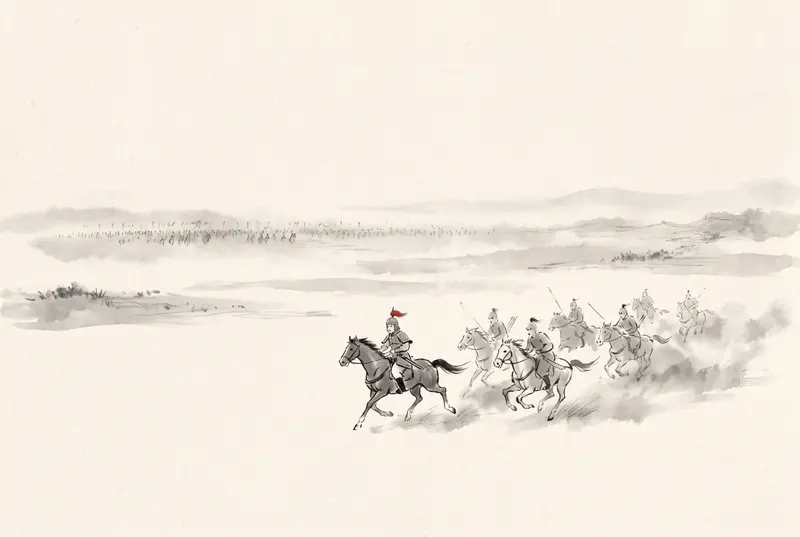
That autumn the Chanyu was furious that the Hunye King, who held the west, had been beaten again and again by Han and had lost tens of thousands of men to the General of Swift Cavalry. In his anger he meant to summon the Hunye King and kill him. The Hunye King plotted with the Xiutu King and others to surrender to Han, and first sent men to make contact at the border. At that time Li Xi, the Grand Herald, was building walls along the Yellow River. He intercepted the envoy and sent the news by fast post. The emperor feared this might be a false surrender and a trick to attack the frontier, so he ordered the General of Swift Cavalry to take troops and meet them. Huo Qubing crossed the Yellow River and came face to face with the Hunye King's horde. Many of the king's lesser generals, seeing the Han army, did not want to surrender, and a good number slipped away. Huo Qubing galloped into their midst and met the Hunye King, cut down eight thousand of those trying to flee, sent the king alone ahead by post carriage to the emperor, and led the whole people across the river. Those who surrendered numbered tens of thousands, reported as a hundred thousand. When they reached Chang'an, the emperor gave rewards worth billions of cash. The Hunye King was made Marquis of Taiyin with ten thousand households. His lesser kings Hudu'ni, Yingbi and Qin and the noble Tongli were made the Marquises of Xiamo, Huiqu, Heqi and Changle.
Notes (JA)
- 渾邪王・休屠王: 河西を治めた匈奴の王。前121年に降伏した。
- 驃騎將軍: 霍去病。元狩二年(前121年)に任じられた。
- 傳: 宿駅の早馬。
- これにより河西回廊が漢の手に入り、西域への道が開いた(巻123)。
Notes (EN)
- Hunye and Xiutu Kings: Xiongnu rulers of the land west of the Yellow River, who gave up in 121 BCE.
- This put the Gansu corridor in Han hands and opened the road to the west (Volume 123).
Word notes
- horde/hɔrd/noun
a very large group of people
In the text: “the Hunye King's horde”
Similar words: multitude — a great number · throng — a big crowd
- intercept/ˌɪntərˈsɛpt/verb
to stop someone on the way
In the text: “He intercepted the envoy”
Similar words: stop — prevent from going on · catch — take hold of
Passage 8
Original
元狩四年春,上令大將軍青、驃騎將軍去病將各五萬騎,步兵轉者踵軍數十萬,而敢力戰深入之士皆屬驃騎。驃騎始為出定襄,當單于。捕虜言單于東,乃更令驃騎出代郡,令大將軍出定襄。郎中令為前將軍,太僕為左將軍,主爵趙食其為右將軍,平陽侯襄為後將軍,皆屬大將軍。兵即度幕,人馬凡五萬騎,與驃騎等咸擊匈奴單于。趙信為單于謀曰:「漢兵既度幕,人馬罷,匈奴可坐收虜耳。」乃悉遠北其輜重,皆以精兵待幕北。而適值大將軍軍出塞千餘里,見單于兵陳而待,於是大將軍令武剛車自環為營,而縱五千騎往當匈奴。匈奴亦縱可萬騎。會日且入,大風起,沙礫擊面,兩軍不相見,漢益縱左右翼繞單于。單于視漢兵多,而士馬尚彊,戰而匈奴不利,薄莫,單于遂乘六驘,壯騎可數百,直冒漢圍西北馳去。時已昏,漢匈奴相紛挐,殺傷大當。漢軍左校捕虜言單于未昏而去,漢軍因發輕騎夜追之,大將軍軍因隨其後。匈奴兵亦散走。遲明,行二百餘里,不得單于,頗捕斬首虜萬餘級,遂至窴顏山趙信城,得匈奴積粟食軍。軍留一日而還,悉燒其城餘粟以歸。大將軍之與單于會也,而前將軍廣、右將軍食其軍別從東道,或失道,後擊單于。大將軍引還過幕南,乃得前將軍、右將軍。大將軍欲使使歸報,令長史簿責前將軍廣,廣自殺。右將軍至,下吏,贖為庶人。大將軍軍入塞,凡斬捕首虜萬九千級。
Kundoku (Japanese reading)
元狩四年春、上大将軍青・驃騎将軍去病をして各々五万騎を将いしめ、歩兵の転ずる者軍に踵ぐこと数十万、而して敢えて力戦し深入するの士は皆驃騎に属す。驃騎始め定襄を出でて、単于に当たらんとす。虜を捕えて言う、単于は東なりと。乃ち更めて驃騎をして代郡を出でしめ、大将軍をして定襄を出でしむ。郎中令は前将軍と為り、太僕は左将軍と為り、主爵趙食其は右将軍と為り、平陽侯襄は後将軍と為り、皆大将軍に属す。兵即ち幕を度り、人馬凡そ五万騎、驃騎等と咸匈奴の単于を撃つ。趙信単于の為に謀りて曰く、「漢の兵既に幕を度らば、人馬罷れ、匈奴は坐して虜を収むべきのみ」と。乃ち悉く遠く其の輜重を北にし、皆精兵を以て幕の北に待つ。而して適々大将軍の軍塞を出づること千余里に値い、単于の兵の陳して待つを見る。是に於いて大将軍武剛車をして自ら環りて営を為さしめ、而して五千騎を縦ちて往きて匈奴に当たらしむ。匈奴も亦万騎可りを縦つ。会々日且に入らんとし、大風起こり、沙礫面を撃ち、両軍相見えず。漢益々左右の翼を縦ちて単于を繞る。単于漢の兵の多くして、士馬尚お彊きを視、戦いて匈奴利あらず。薄莫、単于遂に六驘に乗り、壮騎数百可りと、直ちに漢の囲みを冒して西北に馳せ去る。時已に昏く、漢と匈奴と相紛挐し、殺傷大いに当たる。漢軍の左校虜を捕えて言う、単于は未だ昏れざるに去れりと。漢軍因りて軽騎を発して夜之を追い、大将軍の軍因りて其の後に随う。匈奴の兵も亦散走す。遅明、行くこと二百余里、単于を得ず。頗る首虜万余級を捕斬し、遂に窴顔山の趙信城に至り、匈奴の積粟を得て軍に食わしむ。軍留まること一日にして還り、悉く其の城の余粟を焼きて以て帰る。大将軍の単于と会するや、而して前将軍広・右将軍食其の軍は別に東道より従い、或いは道を失い、単于を撃つに後る。大将軍引きて還りて幕南を過ぎ、乃ち前将軍・右将軍を得たり。大将軍使いをして帰り報ぜしめんと欲し、長史をして前将軍広を簿責せしむ。広自殺す。右将軍至りて、吏に下され、贖いて庶人と為る。大将軍の軍塞に入る。凡そ首虜を斬捕すること万九千級。
Japanese
元狩四年の春、武帝は大将軍衛青と驃騎将軍霍去病にそれぞれ五万騎を率いさせ、歩兵と輸送兵数十万を続かせた。果敢に敵地深く攻め入る兵士はみな霍去病につけた。霍去病ははじめ定襄を出て単于に当たるはずだったが、捕虜が単于は東にいると言ったので、霍去病を代郡から、衛青を定襄から出すように改めた。郎中令が前将軍、太僕が左将軍、主爵の趙食其が右将軍、平陽侯の曹襄が後将軍となり、みな大将軍に属した。軍は砂漠を渡り、五万騎で霍去病らとともに匈奴の単于を討った。趙信は単于のために計略を立てた。「漢軍は砂漠を越えれば人馬ともに疲れます。匈奴は座っていても捕らえられます」。そこで荷駄をすべて遠く北へ移し、精兵だけを砂漠の北で待たせた。ちょうど衛青の軍が国境を千里あまり出たとき、単于の軍が陣を敷いて待っているのを見た。衛青は武剛車を円く並べて陣営とし、五千騎を放って匈奴に当たらせた。匈奴も一万騎ほどを出した。折しも日が沈みかけ、大風が起こって砂と小石が顔を打ち、両軍は互いに見えなくなった。漢軍はさらに左右の翼を広げて単于を囲んだ。単于は漢の兵が多く、人馬もなお強いのを見、戦いは匈奴に不利だった。夕暮れに単于は六頭の騾馬の車に乗り、勇士数百騎とともに、漢の包囲を突破して西北へ走り去った。すでに暗く、漢と匈奴は入り乱れ、双方の死傷はほぼ同じだった。漢軍の左校が捕虜から、単于は日暮れ前に逃げたと聞いた。漢軍は軽騎兵を出して夜通し追い、衛青の軍も後に続いた。匈奴の兵も散り散りに逃げた。夜明けまでに二百里あまり進んだが、単于は捕らえられなかった。それでも一万人あまりを討ち取り、窴顔山の趙信城に至って、匈奴の蓄えた穀物を軍に食べさせた。一日とどまって引き返し、残りの穀物をすべて焼いて帰った。衛青が単于と戦ったとき、前将軍の李広と右将軍の趙食其は別に東の道を進み、道に迷って戦いに遅れた。衛青が引き返して砂漠の南を過ぎたところで、ようやく二人に会った。衛青は朝廷に報告するため、長史に李広を文書で問いたださせた。李広は自殺した。右将軍は裁かれ、贖って庶民となった。衛青の軍が国境に入ったとき、討ち取った敵は合わせて一万九千であった。
English
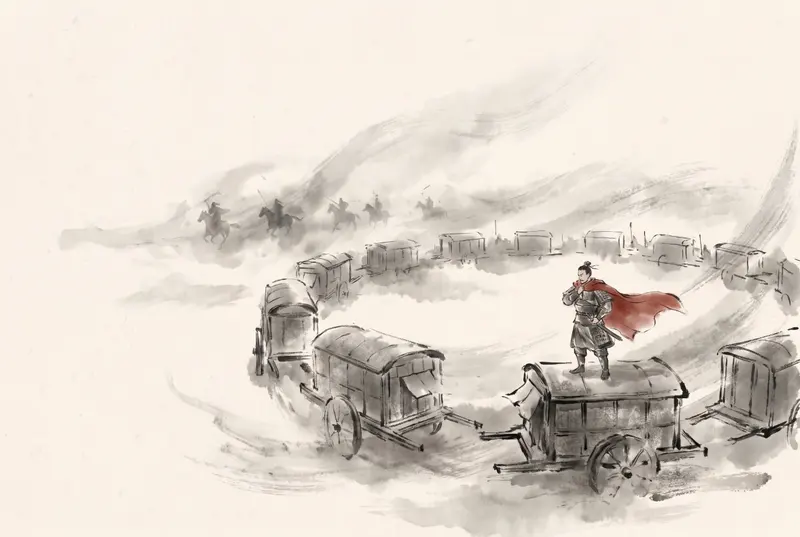
In the spring of the fourth year of Yuanshou, the emperor ordered the Grand General Qing and the General of Swift Cavalry Qubing to lead fifty thousand horsemen each, with hundreds of thousands of foot soldiers and porters following behind. All the men bold enough to fight their way deep into enemy land were assigned to Huo Qubing. At first he was to march from Dingxiang and face the Chanyu. But a prisoner said the Chanyu was to the east, so the plan was changed: Huo Qubing would go out from Dai and the Grand General from Dingxiang. The Superintendent of the Palace was General of the Van, the Grand Coachman General of the Left, Zhao Yiji General of the Right, and Cao Xiang, Marquis of Pingyang, General of the Rear, all under the Grand General. With fifty thousand horsemen they crossed the desert to strike the Chanyu. Zhao Xin advised the Chanyu: "Once the Han troops have crossed the desert, their men and horses will be exhausted. The Xiongnu can simply sit and take them prisoner." So he sent all his baggage far to the north and waited north of the desert with his best troops. The Grand General had gone more than a thousand li beyond the frontier when he saw the Chanyu's army drawn up and waiting. He ordered his armored wagons to form a ring as a camp, and sent five thousand horsemen against the Xiongnu, who sent out about ten thousand. The sun was going down when a great wind rose. Sand and gravel beat in their faces, and the two armies could not see each other. Han sent out more troops on both wings to encircle the Chanyu. The Chanyu saw how many the Han were, and how strong their men and horses still were, and the fighting went against the Xiongnu. At dusk he got into a carriage drawn by six mules and, with a few hundred strong riders, burst through the Han ring and raced off to the northwest. It was now dark, Han and Xiongnu were locked together, and the losses on both sides were about equal. The Han left wing learned from a prisoner that the Chanyu had left before nightfall. Light cavalry went after him through the night, with the Grand General's army following. The Xiongnu troops scattered. By dawn they had gone more than two hundred li without finding the Chanyu. They had killed or captured more than ten thousand, and they reached Zhao Xin's fortress at Mount Tianyan, where they fed the army on the Xiongnu's stored grain. They stayed one day and turned back, burning all the grain that was left. When the Grand General met the Chanyu, the armies of General of the Van Li Guang and General of the Right Zhao Yiji had gone separately by the eastern road, lost their way and missed the battle. Only when the Grand General was on his way back, south of the desert, did he meet them. Wishing to send a report, he had his chief of staff question Li Guang on the record, and Li Guang killed himself. The General of the Right was handed over to the law and paid to become a commoner. When the Grand General's army came back inside the frontier, it had killed or captured nineteen thousand in all.
Notes (JA)
- 元狩四年: 前119年。漠北の戦い。
- 輜重: 軍の食糧や荷物。
- 武剛車: 覆いのある戦闘用の車。
- 六驘: 六頭の騾馬。
- 李広の側から見たこの戦いは巻109 p12・p13 にある。
Notes (EN)
- Fourth year of Yuanshou: 119 BCE, the campaign north of the Gobi.
- Armored wagons (武剛車): covered carts used as a moving wall.
- For this battle from Li Guang's side, see Volume 109, p12 and p13.
Word notes
- gravel/ˈɡrævəl/noun
small stones
In the text: “Sand and gravel beat in their faces”
Similar words: pebbles — small round stones · grit — tiny bits of stone
- encircle/ɪnˈsɜrkəl/verb
to form a ring around
In the text: “to encircle the Chanyu”
Similar words: surround — be on all sides of · ring — circle
Passage 9
Original
驃騎將軍亦將五萬騎,車重與大將軍軍等,而無裨將。悉以李敢等為大校,當裨將,出代、右北平千餘里,直左方兵,所斬捕功已多大將軍。軍既還,天子曰:「驃騎將軍去病率師,躬將所獲葷粥之士,約輕齎,絕大幕,涉獲章渠,以誅比車耆,轉擊左大將,斬獲旗鼓,歷涉離侯。濟弓閭,獲屯頭王、韓王等三人,將軍、相國、當戶、都尉八十三人,封狼居胥山,禪於姑衍,登臨翰海。執鹵獲丑七萬有四百四十三級,師率減什三,取食於敵,閒行殊遠而糧不絕,以五千八百戶益封驃騎將軍。」
Kundoku (Japanese reading)
驃騎将軍も亦五万騎を将い、車重は大将軍の軍と等しく、而して裨将無し。悉く李敢等を以て大校と為し、裨将に当て、代・右北平を出づること千余里、左方の兵に直たり。斬捕する所の功已に大将軍より多し。軍既に還る。天子曰く、「驃騎将軍去病師を率い、躬ら獲る所の葷粥の士を将い、軽齎を約し、大幕を絶り、渉りて章渠を獲、以て比車耆を誅し、転じて左大将を撃ち、旗鼓を斬獲し、離侯を歴渉す。弓閭を済り、屯頭王・韓王等三人、将軍・相国・当戸・都尉八十三人を獲。狼居胥山に封じ、姑衍に禅し、翰海に登臨す。執鹵獲丑七万有四百四十三級、師の率は什に三を減じ、食を敵に取り、間行すること殊に遠くして糧絶えず。五千八百戸を以て驃騎将軍に益封す」と。
Japanese
驃騎将軍霍去病も五万騎を率い、輜重は大将軍の軍と同じだったが、副将を置かなかった。李敢らをすべて大校として副将の代わりとし、代と右北平から千里あまり出て、匈奴の左方の軍に当たった。討ち取った数はすでに大将軍より多かった。軍が帰還すると、天子は言った。「驃騎将軍去病は軍を率い、自ら捕らえた匈奴の兵を従え、軽装で大砂漠を越え、川を渡って章渠を捕らえ、比車耆を討ち、転じて左大将を撃って旗と太鼓を奪い、離侯山を越えた。弓閭の川を渡り、屯頭王や韓王ら三人、将軍、相国、当戸、都尉八十三人を捕らえた。狼居胥山で天を祭り、姑衍山で地を祭り、翰海を望んだ。捕らえた敵は七万四百四十三、軍の損耗は十分の三にとどまり、食糧は敵から取って、はるかな遠征でも絶えなかった。五千八百戸を加増する」。
English
The General of Swift Cavalry also led fifty thousand horsemen, with as many wagons as the Grand General, but he had no deputy generals. He made Li Gan and others his senior commanders in their place. Going more than a thousand li out from Dai and Youbeiping, he fell upon the Xiongnu left wing, and the enemy he killed and captured already outnumbered the Grand General's. When the army returned the emperor said: "Qubing, General of Swift Cavalry, led his army with Xiongnu fighters he had captured himself. Traveling light, he crossed the great desert, forded rivers, took Zhangqu, destroyed Bicheqi, turned on the Great General of the Left and seized his banners and drums. He passed over Mount Lihou, crossed the Gonglü River, and captured three kings, among them the kings of Tuntou and Han, and eighty-three generals, chancellors and nobles. He made the sacrifice to Heaven on Mount Langjuxu and to Earth on Mount Guyan, and climbed up to look out over the Vast Sea. He took seventy thousand four hundred and forty-three enemies, with his own army reduced by only three in ten. He fed on the enemy's food and, on a march of immense distance, never ran short. Let his fief be increased by five thousand eight hundred households."
Notes (JA)
- 葷粥: 匈奴の古い呼び名。
- 封・禪: 山で天と地を祭る最高の祭り。
- 狼居胥山: 今のモンゴル国のヘンティー山脈付近とされる。
- 翰海: 北方の大湖、あるいは大砂漠とされる。
- 李敢: 李広の子(巻109 p14)。
Notes (EN)
- Sacrifice to Heaven and Earth (封禪): the highest of all rites.
- Mount Langjuxu: thought to be in the Khentii range of present-day Mongolia.
- Vast Sea (翰海): a great lake or the desert itself; the meaning is disputed.
Word notes
- ford/fɔrd/verb
to cross a river where it is shallow
In the text: “forded rivers”
Similar words: wade — walk through water · cross — go over
Passage 10
Original
兩軍之出塞,塞閱官及私馬凡十四萬匹,而復入塞者不滿三萬匹。乃益置大司馬位,大將軍、驃騎將軍皆為大司馬。定令,令驃騎將軍秩祿與大將軍等。自是之後,大將軍青日退,而驃騎日益貴。舉大將軍故人門下多去事驃騎,輒得官爵,唯任安不肯。
Kundoku (Japanese reading)
両軍の塞を出づるや、塞に官及び私馬を閲すること凡そ十四万匹。而して復た塞に入る者三万匹に満たず。乃ち益して大司馬の位を置き、大将軍・驃騎将軍皆大司馬と為る。令を定めて、驃騎将軍の秩禄を大将軍と等しからしむ。是より後、大将軍青は日に退き、而して驃騎は日に益々貴し。大将軍の故人門下を挙げて多く去りて驃騎に事え、輒ち官爵を得たり。唯だ任安のみ肯ぜず。
Japanese
両軍が国境を出たとき、官馬と私馬を合わせて十四万頭を調べたが、再び国境に帰ったのは三万頭に満たなかった。そこで新たに大司馬の位を置き、大将軍と驃騎将軍をともに大司馬とした。法令を定めて、驃騎将軍の俸禄を大将軍と同じにした。これより後、衛青の勢いは日ごとに退き、霍去病はますます尊くなった。衛青の旧知や門下の多くが去って霍去病に仕え、すぐに官爵を得た。ただ任安だけは、そうしようとしなかった。
English
When the two armies crossed the frontier, the official and private horses counted at the border came to one hundred and forty thousand. Fewer than thirty thousand came back. A new post of Grand Marshal was then created, and both the Grand General and the General of Swift Cavalry were given it. A decree made Huo Qubing's salary equal to the Grand General's. From then on Wei Qing's fortunes declined day by day, while Huo Qubing's rose ever higher. Most of Wei Qing's old friends and followers left him to serve Huo Qubing, and were quickly given offices and titles. Only Ren An refused.
Notes (JA)
- 大司馬: 軍事の最高位。
- 任安: 司馬遷の友人。有名な「任安に報ずる書」の相手。
Notes (EN)
- Grand Marshal (大司馬): the highest military post.
- Ren An: Sima Qian's friend, to whom he addressed his famous "Letter in Reply to Ren An".
Word notes
- salary/ˈsæləri/noun
regular pay for work
In the text: “Huo Qubing's salary”
Similar words: pay — money for work · wages — earnings
Passage 11
Original
驃騎將軍為人少言不泄,有氣敢任。天子嘗欲教之孫吳兵法,對曰:「顧方略何如耳,不至學古兵法。」天子為治第,令驃騎視之,對曰:「匈奴未滅,無以家為也。」由此上益重愛之。然少而侍中,貴,不省士。其從軍,天子為遣太官齎數十乘,既還,重車餘棄粱肉,而士有饑者。其在塞外,卒乏糧,或不能自振,而驃騎尚穿域蹋鞠。事多此類。大將軍為人仁善退讓,以和柔自媚於上,然天下未有稱也。
Kundoku (Japanese reading)
驃騎将軍は人と為り言少なくして泄らさず、気有りて敢任す。天子嘗て之に孫呉の兵法を教えんと欲す。対えて曰く、「顧みるに方略何如なるのみ。古の兵法を学ぶに至らず」と。天子為に第を治め、驃騎をして之を視しむ。対えて曰く、「匈奴未だ滅びず、以て家を為す無し」と。此に由りて上益々之を重愛す。然れども少くして侍中し、貴くして、士を省みず。其の軍に従うや、天子為に太官をして数十乗を齎らさしむ。既に還るに、重車に粱肉を余し棄て、而して士に饑うる者有り。其の塞外に在るや、卒糧に乏しく、或いは自ら振う能わざるに、而も驃騎は尚お域を穿ちて鞠を蹋む。事此の類多し。大将軍は人と為り仁善退譲にして、和柔を以て自ら上に媚ぶ。然れども天下未だ称する有らざるなり。
Japanese
霍去病は無口で秘密をもらさず、気概があって思い切りがよかった。武帝が孫子や呉子の兵法を教えようとすると、こう答えた。「大事なのは戦略がどうかということです。古い兵法を学ぶまでもありません」。武帝が屋敷を建てて見せると、こう答えた。「匈奴がまだ滅びていないのに、家など持てません」。これで武帝はますます彼を重んじ愛した。しかし若くして宮中に仕えて高い地位につき、兵士を思いやらなかった。出征のとき、天子は料理番に数十台の車で食糧を運ばせたが、帰ってくると車には上等の米や肉が捨てられるほど余っているのに、兵士の中には飢えている者がいた。塞外で兵の食糧が尽き、立ち上がれない者がいるときにも、霍去病は地面を整えて蹴鞠をしていた。このようなことが多かった。衛青は情け深く謙虚で、穏やかに振る舞って武帝に取り入っていたが、世の人が彼をほめることはなかった。
English
The General of Swift Cavalry was a man of few words who kept his own counsel, spirited and bold. The emperor once wanted to teach him the military arts of Sunzi and Wuzi. He replied: "All that matters is what the strategy is. There is no need to study the old books on war." The emperor had a mansion built for him and told him to go and see it. He replied: "The Xiongnu are not yet destroyed. I have no use for a home." This made the emperor value and love him all the more. But having served at court from youth and risen so high, he paid no attention to his men. When he went on campaign, the emperor had the palace kitchen send dozens of wagons for him. When he came back, the wagons still held fine grain and meat to be thrown away, while some of his soldiers were starving. Beyond the frontier, when the troops ran out of food and some could not get up, he would still have a ground marked out and play football. Many things were like this. The Grand General was kind and retiring, and pleased the emperor by being gentle and yielding. But the world had no praise for him.
Notes (JA)
- 孫吳: 孫子と呉子(巻65)。
- 匈奴未滅、無以家為也: 霍去病の名言として広く知られる。
- 穿域蹋鞠: 地面に区画を作って蹴鞠をする。
- 媚: 取り入る。司馬遷の衛青に対する冷ややかな評価。
Notes (EN)
- Sunzi and Wuzi: the great writers on war (Volume 65).
- "The Xiongnu are not yet destroyed": Huo Qubing's most famous words.
- Football (蹋鞠): an ancient Chinese ball game played with the feet.
Idioms from this passage: The Xiongnu are not yet destroyed 匈奴未だ滅びず
Word notes
- counsel/ˈkaʊnsəl/noun
private thoughts or advice
In the text: “kept his own counsel”
Similar words: advice — an opinion on what to do · thought — an idea
- mansion/ˈmænʃən/noun
a very large house
In the text: “had a mansion built”
Similar words: manor — a big country house · villa — a large fine house
Passage 12
Original
驃騎將軍自四年軍後三年,元狩六年而卒。天子悼之,發屬國玄甲軍,陳自長安至茂陵,為冢象祁連山。謚之,并武與廣地曰景桓侯。子嬗代侯。嬗少,字子侯,上愛之,幸其壯而將之。居六歲,元封元年,嬗卒,謚哀侯。無子,絕,國除。自大將軍圍單于之後,十四年而卒。竟不復擊匈奴者,以漢馬少,而方南誅兩越,東伐朝鮮,擊羌、西南夷,以故久不伐胡。自衛氏興,大將軍青首封,其後枝屬為五侯。凡二十四歲而五侯盡奪,衛氏無為侯者。
Kundoku (Japanese reading)
驃騎将軍は四年の軍より後三年、元狩六年にして卒す。天子之を悼み、属国の玄甲軍を発し、陳ねて長安より茂陵に至らしめ、冢を為すこと祁連山に象る。之に謚するに、武と広地とを并せて景桓侯と曰う。子嬗侯を代う。嬗少く、字は子侯、上之を愛し、其の壮にして之を将いしめんことを幸う。居ること六歳、元封元年、嬗卒す。哀侯と謚す。子無く、絶え、国除かる。大将軍の単于を囲みてより後、十四年にして卒す。竟に復た匈奴を撃たざる者は、漢の馬少なきを以てなり。而して方に南のかた両越を誅し、東のかた朝鮮を伐ち、羌・西南夷を撃つ。故を以て久しく胡を伐たず。衛氏の興るより、大将軍青首めて封ぜられ、其の後枝属五侯と為る。凡そ二十四歳にして五侯尽く奪われ、衛氏に侯為る者無し。
Japanese
霍去病は元狩四年の遠征から三年後、元狩六年に亡くなった。武帝はこれを悼み、服属した異民族の黒いよろいの軍を動員して長安から茂陵まで並ばせ、墓を祁連山の形に造った。諡は武勇と領土拡大の意を合わせて景桓侯とした。子の嬗が侯を継いだ。嬗は幼く、字を子侯といい、武帝はかわいがって、成長したら将軍にしようと楽しみにしていた。六年後の元封元年に嬗は亡くなり、哀侯と諡された。子がなかったので家は絶え、領地は没収された。衛青は単于を包囲してから十四年後に亡くなった。その間ふたたび匈奴を討たなかったのは、漢に馬が少なく、また南の両越を討ち、東の朝鮮を攻め、羌や西南夷を撃っていたので、長く匈奴を攻めなかったのである。衛氏が興ると、衛青が最初に侯に封じられ、その後一族から五人の侯が出た。しかし二十四年で五人すべてが位を奪われ、衛氏に侯は一人もいなくなった。
English
Huo Qubing died in the sixth year of Yuanshou, three years after the campaign of the fourth year. The emperor mourned him. He called out the black-armored troops of the subject peoples and lined them up all the way from Chang'an to Maoling, and had his tomb built in the shape of the Qilian Mountains. His posthumous title joined martial valor and the widening of the realm, Marquis Jinghuan. His son Shan inherited the marquisate. Shan, a boy whose courtesy name was Zihou, was dear to the emperor, who hoped to make him a general when he grew up. Six years later, in the first year of Yuanfeng, Shan died and was given the title Marquis Ai. He had no son, so the line ended and the fief was abolished. The Grand General died fourteen years after he had surrounded the Chanyu. He never fought the Xiongnu again, because Han was short of horses and was busy destroying the two Yue in the south, attacking Korea in the east and striking at the Qiang and the peoples of the southwest. For that reason it did not attack the Xiongnu for a long time. When the Wei family rose, Grand General Qing was the first to be made a marquis, and five marquises came from the family after him. Within twenty-four years all five had lost their titles, and no Wei was a marquis any longer.
Notes (JA)
- 元狩六年: 前117年。霍去病は二十代前半で亡くなった。
- 玄甲: 黒いよろい。
- 冢象祁連山: 茂陵のそばに墓が残り、石彫で知られる。
- 兩越: 南越と東越。
- 大將軍の死は前106年ごろ。
Notes (EN)
- Sixth year of Yuanshou: 117 BCE. Huo Qubing was in his early twenties.
- His tomb, shaped like a mountain, still stands near Maoling and is famous for its stone carvings.
- Wei Qing died around 106 BCE.
Word notes
- posthumous/ˈpɑstʃəməs/adjective
given after death
In the text: “His posthumous title”
Similar words: after death — following a person's death · memorial — in memory of someone
Passage 13
Original
太史公曰:蘇建語余曰:「吾嘗責大將軍至尊重,而天下之賢大夫毋稱焉,願將軍觀古名將所招選擇賢者,勉之哉。大將軍謝曰:『自魏其、武安之厚賓客,天子常切齒。彼親附士大夫,招賢絀不肖者,人主之柄也。人臣奉法遵職而已,何與招士!』」驃騎亦放此意,其為將如此。
Kundoku (Japanese reading)
太史公曰く、蘇建余に語りて曰く、「吾嘗て大将軍の至って尊重なるも、而も天下の賢大夫称する毋きを責め、願わくは将軍古の名将の招選する所の賢者を観て、之を勉めよと。大将軍謝して曰く、『魏其・武安の賓客を厚くせしより、天子常に切歯す。彼の士大夫を親附し、賢を招き不肖を絀くるは、人主の柄なり。人臣は法を奉じ職に遵うのみ。何ぞ士を招くに与らん』」と。驃騎も亦此の意に放う。其の将たること此くの如し。
Japanese
太史公は言う。蘇建が私にこう語った。「私はかつて大将軍に、これほど高い位にありながら、天下の賢い大夫に誰もほめられないのは残念だ、古の名将のように賢者を招いて登用するよう努めてほしい、と進言した。大将軍は断って言った。『魏其侯と武安侯が賓客を手厚くして以来、天子はいつも歯ぎしりしておられる。士大夫を手なずけ、賢者を招き、愚か者を退けるのは君主の権限である。臣下はただ法を守り職務に従うだけだ。どうして人材招きに関わろう』」。霍去病もまた、この考えにならった。この二人の将軍ぶりはこのようなものであった。
English
The Grand Historian says: Su Jian told me: "I once reproached the Grand General, saying that for all his high rank, the worthy men of the world had no praise for him, and I begged him to look at the worthy men whom the great generals of old had sought out, and to do likewise. He declined, saying: 'Ever since the Marquises of Weiqi and Wu'an lavished favors on their guests, the Son of Heaven has ground his teeth. To win over the gentry, to call in the worthy and put down the worthless, these are powers of the ruler. A subject need only keep the law and do his duty. What has he to do with recruiting men?'" The General of Swift Cavalry followed the same idea. Such were they as generals.
Notes (JA)
- 蘇建: p3・p5 の将。司馬遷が直接話を聞いた。
- 魏其・武安: 竇嬰と田蚡。多くの賓客を抱えて権勢を争った(巻107)。
- 切齒: 歯ぎしりする。ひどく憎む。
- 柄: 権力の握り。
Notes (EN)
- Su Jian: the general of p3 and p5, whom Sima Qian knew in person.
- Marquises of Weiqi and Wu'an: Dou Ying and Tian Fen, rivals with huge followings (Volume 107).
Word notes
- lavish/ˈlævɪʃ/verb
to give very generously
In the text: “lavished favors on their guests”
Similar words: shower — give a lot of · heap — give in large amounts