Biographies · Vol. 97
The Biographies of Master Li and Lu Jia 酈生陸賈列傳
The Wild Scholar Li Yiji, and Ruling from Horseback 酈生與陸賈
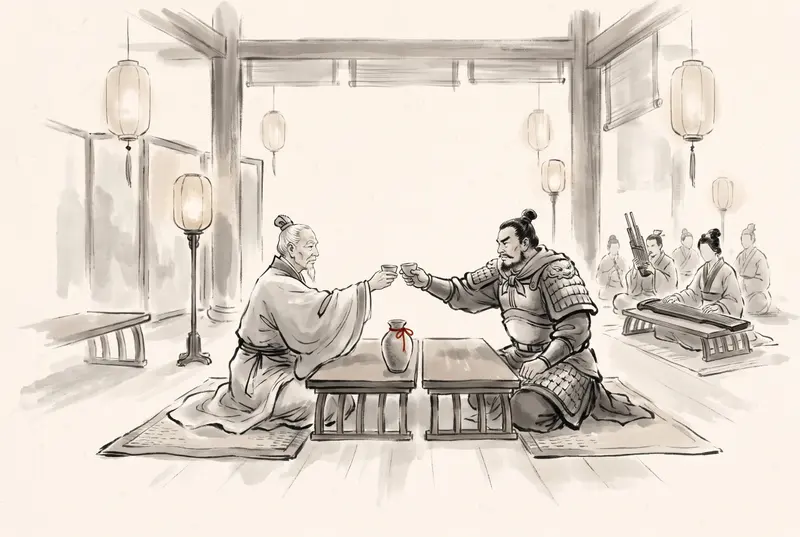
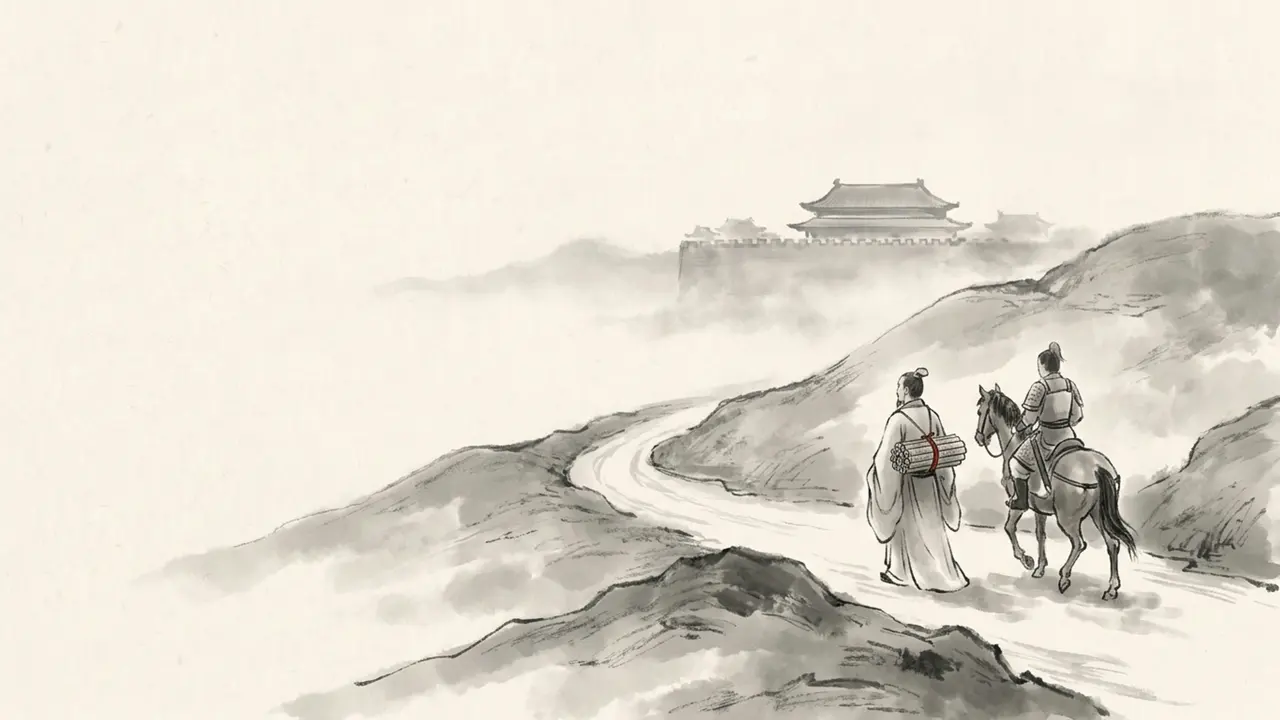
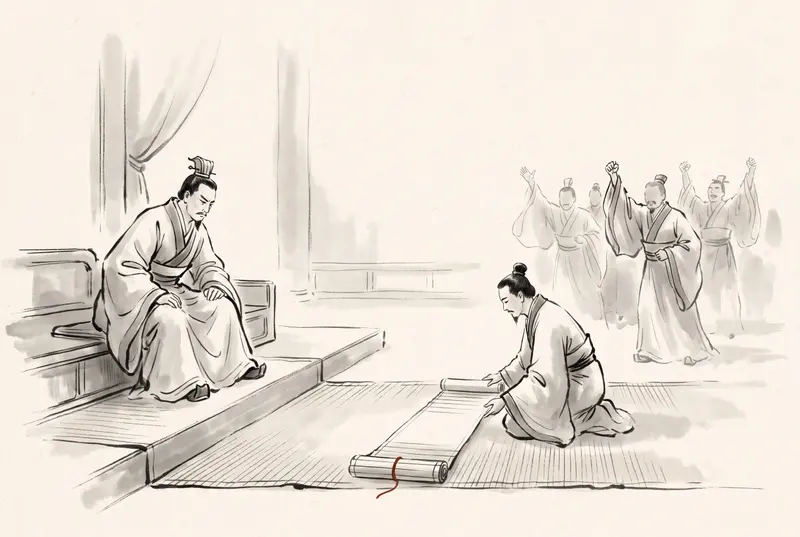
Two persuaders in the service of Liu Bang. Li Yiji was a poor gatekeeper over sixty whom everyone called "the wild scholar". When the Lord of Pei, who despised Confucians, received him while two women washed his feet, Li bowed without kneeling and rebuked him for sprawling before an elder, and the Lord of Pei hastily straightened his clothes and gave him the seat of honour. Later Li talked the seventy cities of Qi into surrender with nothing but his tongue, but when Han Xin attacked Qi anyway, the King of Qi believed he had been betrayed and had Li boiled alive. Lu Jia persuaded Zhao Tuo, who had made himself king in the far south, to submit to Han; to Gaozu, who mocked the classics, he said: "You won the realm on horseback, but can you rule it from horseback?", and wrote the New Discourses. In the days of the Lü clan he urged Chancellor Chen Ping to make a firm friend of General Zhou Bo, laying the ground for the fall of the Lü.
This page has the scene "The Wild Scholar Li Yiji, and Ruling from Horseback" from this volume, not the whole volume.
Audio
The audio is synthetic speech.
Video
Passage 1
Original
酈生食其者,陳留高陽人也。好讀書,家貧落魄,無以為衣食業,為里監門吏。然縣中賢豪不敢役,縣中皆謂之狂生。及陳勝、項梁等起,諸將徇地過高陽者數十人,酈生聞其將皆握齱好苛禮自用,不能聽大度之言,酈生乃深自藏匿。後聞沛公將兵略地陳留郊,沛公麾下騎士適酈生裏中子也,沛公時時問邑中賢士豪俊。騎士歸,酈生見謂之曰:「吾聞沛公慢而易人,多大略,此真吾所願從游,莫為我先。若見沛公,謂曰『臣里中有酈生,年六十餘,長八尺,人皆謂之狂生,生自謂我非狂生』。」騎士曰:「沛公不好儒,諸客冠儒冠來者,沛公輒解其冠,溲溺其中。與人言,常大罵。未可以儒生說也。」酈生曰:「弟言之。」騎士從容言如酈生所誡者。
Kundoku (Japanese reading)
酈生食其なる者は、陳留高陽の人なり。書を読むを好むも、家貧しく落魄して、以て衣食の業と為す無く、里の監門の吏と為る。然れども県中の賢豪敢えて役せず。県中皆之を狂生と謂う。 陳勝・項梁等の起こるに及び、諸将の地を徇えて高陽を過ぐる者数十人。酈生其の将の皆握齱にして苛礼を好み自ら用い、大度の言を聴く能わざるを聞き、酈生乃ち深く自ら蔵匿す。後に沛公兵を将いて地を陳留の郊に略すと聞く。沛公の麾下の騎士、適々酈生の里中の子なり。沛公時時邑中の賢士豪俊を問う。騎士帰る。酈生見えて之に謂いて曰く、「吾聞く、沛公は慢にして人を易んずるも、大略多しと。此れ真に吾が従いて游ばんと願う所なり。我が為に先する莫し。若し沛公に見えば、謂いて曰え、『臣の里中に酈生有り、年六十余、長八尺、人皆之を狂生と謂うも、生自ら我は狂生に非ずと謂う』と」と。騎士曰く、「沛公は儒を好まず。諸客の儒冠を冠して来たる者あれば、沛公輒ち其の冠を解きて、其の中に溲溺す。人と言えば、常に大いに罵る。未だ儒生を以て説くべからざるなり」と。酈生曰く、「弟之を言え」と。騎士従容として言うこと酈生の誡むる所の如くす。
Japanese
酈生、すなわち酈食其は、陳留郡高陽の人である。読書を好んだが、家は貧しく落ちぶれていて、生計を立てる仕事もなく、村の門番をしていた。それでも県の有力者たちは、あえて彼をこき使おうとはしなかった。県の人々は皆、彼を「狂生(気ちがい先生)」と呼んだ。 陳勝や項梁らが兵を挙げると、各地を攻め取りながら高陽を通る将軍が何十人もいた。だが酈生は、その将軍たちがみな度量が狭く、細かい礼儀にうるさく、自分の考えにこだわって、大きな話に耳を貸さないと聞いて、深く身を隠していた。のちに、沛公(劉邦)が兵を率いて陳留の郊外を攻め取っていると聞いた。沛公の配下の騎兵に、たまたま酈生と同じ村の若者がいた。沛公は折にふれて、その土地の賢い人物や豪傑のことを尋ねていた。その騎兵が村に帰ってくると、酈生は会って言った。「聞くところでは、沛公は人を見下して侮るが、大きな構想を持っているそうだ。そういう人こそ、わしがついて行きたい相手だ。だが、わしを紹介してくれる者がいない。沛公に会ったら、こう言ってくれ。『私の村に酈生という者がいます。年は六十あまり、身の丈八尺。人は皆、狂生と呼んでいますが、本人は自分は狂生ではないと言っています』と」。騎兵は言った。「沛公は儒者がお嫌いです。儒者の冠をかぶって来る客がいると、沛公はすぐにその冠を取って、中に小便をなさいます。人と話すときも、いつも大声でののしられます。儒者として説くのは、とても無理でしょう」。酈生は「とにかく言ってみてくれ」と言った。騎兵は折を見て、酈生に言われたとおりに伝えた。
English
Master Li, Li Yiji, was a man of Gaoyang in Chenliu. He loved to read, but his family was poor and down on its luck, he had no trade to live by, and he served as the village gatekeeper. Even so, the powerful men of the county did not dare give him orders, and everyone in the county called him "the wild scholar". When Chen Sheng, Xiang Liang and the others rose in arms, dozens of generals passed through Gaoyang as they seized territory. Li heard that these generals were all petty men, fussy about ceremony and set in their own ideas, unable to listen to large views, so he kept himself well hidden. Later he heard that the Lord of Pei was leading an army through the countryside of Chenliu. It happened that one of the Lord of Pei's horsemen was a young man from Li's own village, and the Lord of Pei often asked about worthy and able men in the places he passed through. When the horseman came home, Li went to see him and said: "I hear that the Lord of Pei is rude and looks down on people, but that he has great plans. He is the very man I would like to follow, but I have no one to introduce me. When you see him, tell him: 'In my village there is a Master Li, over sixty, eight feet tall. Everyone calls him the wild scholar, but he says he is not wild.'" The horseman said: "The Lord of Pei does not like Confucians. When guests come wearing scholars' caps, he snatches the caps off and pisses in them. When he talks with people, he is always cursing them. You will never win him over as a Confucian." Li said: "Just tell him." When the moment came, the horseman told the Lord of Pei just what Li had said.
Notes (JA)
- 酈食其: 「れきいき」と読む。酈生は「酈先生」の意。
- 監門吏: 村の門の番人。身分の低い仕事。
- 狂生: 常識はずれの書生。
- 握齱: 度量が狭く、こせこせしたさま。
- 溲溺: 小便をする。劉邦の儒者嫌いを示す有名な逸話。
Notes (EN)
- Master Li (酈生): "sheng" here is a polite word for a scholar.
- Village gatekeeper (監門吏): a lowly post.
- Pisses in them (溲溺): a famous anecdote of Liu Bang's contempt for Confucians.
Word notes
- down on one's luck/daʊn ɑn wʌnz lʌk/phrase
having a period of bad fortune, usually poor
In the text: “poor and down on its luck”
Similar words: hard up — short of money · unlucky — having bad fortune
- win over/wɪn ˈoʊvər/phrasal verb
to persuade someone to support you
In the text: “You will never win him over as a Confucian”
Similar words: persuade — make someone agree · convince — make someone believe
Passage 2
Original
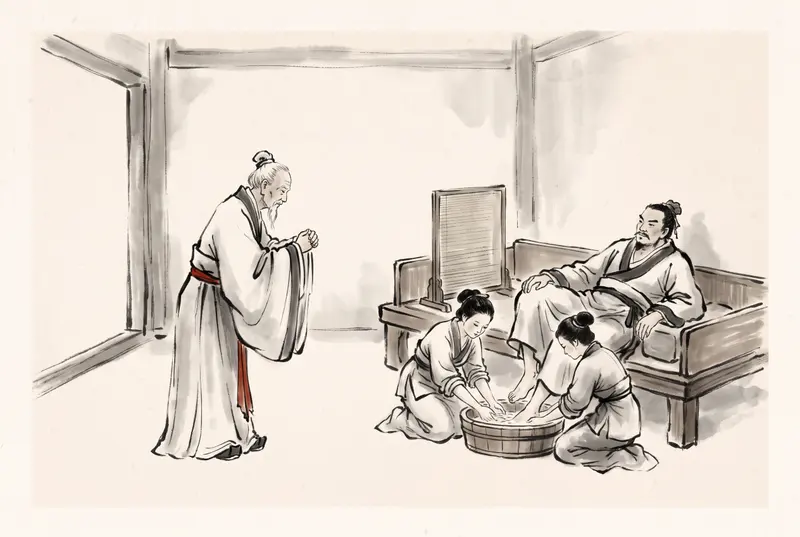
沛公至高陽傳舍,使人召酈生。酈生至,入謁,沛公方倨床使兩女子洗足,而見酈生。酈生入,則長揖不拜,曰:「足下欲助秦攻諸侯乎?且欲率諸侯破秦也?」沛公罵曰:「豎儒!夫天下同苦秦久矣,故諸侯相率而攻秦,何謂助秦攻諸侯乎?」酈生曰:「必聚徒合義兵誅無道秦,不宜倨見長者。」於是沛公輟洗,起攝衣,延酈生上坐,謝之。酈生因言六國從橫時。沛公喜,賜酈生食,問曰:「計將安出?」酈生曰:「足下起糾合之眾,收散亂之兵,不滿萬人,欲以徑入彊秦,此所謂探虎口者也。夫陳留,天下之衝,四通五達之郊也,今其城又多積粟。臣善其令,請得使之,令下足下。即不聽,足下舉兵攻之,臣為內應。」於是遣酈生行,沛公引兵隨之,遂下陳留。號酈食其為廣野君。
Kundoku (Japanese reading)
沛公高陽の伝舎に至り、人をして酈生を召さしむ。酈生至り、入りて謁す。沛公方に床に倨して両女子をして足を洗わしめて、酈生を見る。酈生入り、則ち長揖して拝せずして曰く、「足下秦を助けて諸侯を攻めんと欲するか。且つ諸侯を率いて秦を破らんと欲するか」と。沛公罵りて曰く、「豎儒。夫れ天下同じく秦に苦しむこと久し。故に諸侯相率いて秦を攻む。何ぞ秦を助けて諸侯を攻むと謂うや」と。酈生曰く、「必ず徒を聚め義兵を合わせて無道の秦を誅せんとならば、宜しく倨して長者に見ゆべからず」と。是に於いて沛公洗うを輟め、起ちて衣を摂め、酈生を延きて上坐せしめ、之に謝す。酈生因りて六国従横の時を言う。沛公喜び、酈生に食を賜いて、問いて曰く、「計将た安くに出でん」と。酈生曰く、「足下糾合の衆を起こし、散乱の兵を収むるも、万人に満たず。以て径ちに彊秦に入らんと欲するは、此れ所謂虎口を探る者なり。夫れ陳留は、天下の衝、四通五達の郊なり。今其の城又多く粟を積む。臣其の令と善し。請う之に使いするを得て、足下に下らしめん。即し聴かずんば、足下兵を挙げて之を攻めよ。臣内応を為さん」と。是に於いて酈生を遣わして行かしめ、沛公兵を引きて之に随い、遂に陳留を下す。酈食其を号して広野君と為す。
Japanese
沛公は高陽の宿舎に着くと、人をやって酈生を呼んだ。酈生がやって来て面会を求めると、沛公はちょうど寝台に足を投げ出して座り、二人の女に足を洗わせながら酈生に会った。酈生は中に入ると、両手を組んで高く上げる礼をしただけで、ひざまずいて拝礼せずに言った。「あなたは秦を助けて諸侯を攻めたいのですか。それとも諸侯を率いて秦を打ち破りたいのですか」。沛公はののしった。「この青二才の儒者め。天下はみな長いあいだ秦に苦しめられてきた。だから諸侯がそろって秦を攻めているのだ。秦を助けて諸侯を攻めるとは、何のことだ」。酈生は言った。「本気で仲間を集め、正義の兵を合わせて無道な秦を討つおつもりなら、足を投げ出したまま年長者に会うべきではありません」。沛公は足を洗うのをやめ、立ち上がって衣を整え、酈生を上座に招いてわびた。酈生は、戦国時代に六国が合従・連衡した話をした。沛公は喜び、酈生に食事をふるまって尋ねた。「では、どういう計があるか」。酈生は言った。「あなたは寄せ集めの兵を起こし、散らばった兵を集めましたが、一万人にも足りません。それでまっすぐ強い秦に攻めこもうとするのは、いわば虎の口に手を突っこむようなものです。陳留は天下の要所で、四方八方に道が通じる土地です。しかもいま城には穀物がたくさん蓄えてあります。私はそこの県令と親しいので、使いに行って、あなたに降伏させましょう。もし聞かなければ、兵を挙げて攻めてください。私が中から呼応します」。そこで沛公は酈生を使いに出し、自分は兵を率いて後に続き、陳留を降した。酈食其は広野君と名づけられた。
English
When the Lord of Pei reached the inn at Gaoyang, he sent for Li. Li came and asked to be received. The Lord of Pei was sprawled on a couch, having two women wash his feet, and received him like that. Li came in, made a long bow with joined hands but did not kneel, and said: "Do you want to help Qin attack the lords? Or do you want to lead the lords and destroy Qin?" The Lord of Pei cursed him: "You lackey of a Confucian! The whole realm has suffered under Qin for a long time; that is why the lords have joined together to attack it. What do you mean, help Qin attack the lords?" Li said: "If you truly mean to gather followers and unite a righteous army to punish lawless Qin, you should not sprawl there when you receive an elder." At that the Lord of Pei stopped the washing, stood up, straightened his clothes, led Li to the seat of honour and apologised. Li then talked about the days when the six states made and broke their alliances. The Lord of Pei was delighted, had a meal served to Li and asked: "So what plan do you suggest?" Li said: "You have raised a motley crowd and gathered scattered soldiers, fewer than ten thousand men. To march straight into mighty Qin with them is what they call putting your hand in the tiger's mouth. Chenliu is the crossroads of the realm, open in every direction, and its city is full of stored grain. I am on good terms with its magistrate. Let me go to him as your envoy and make him surrender to you. If he will not listen, attack with your army, and I will help you from within." So Li was sent, the Lord of Pei followed with his army, and Chenliu fell. Li Yiji was given the title Lord of Guangye.
Notes (JA)
- 倨床: 寝台に足を投げ出して座る。相手を軽んじる無礼な姿勢。
- 長揖不拜: 手を組んで高く上げる礼だけをして、ひざまずかない。対等の立場を示す。
- 豎儒: 「小僧の儒者め」というののしりの言葉。
- 探虎口: 虎の口に手を入れる。ひどく危険なことのたとえ。
- 劉邦は口は悪いが、正しい忠告にはすぐ態度を改めた。張良や陳平の話にも同じ姿が見える。
Notes (EN)
- Sprawled on a couch (倨床): sitting with legs stretched out, a deliberately rude posture.
- A long bow without kneeling (長揖不拜): the greeting of an equal, not a subordinate.
- Put your hand in the tiger's mouth (探虎口): to court mortal danger.
- Rude as he was, Liu Bang changed his manner at once when given good advice; the same pattern appears in the stories of Zhang Liang and Chen Ping.
Word notes
- sprawl/sprɔl/verb
to sit or lie with arms and legs spread out carelessly
In the text: “was sprawled on a couch”
Similar words: lounge — sit lazily · loll — lean or lie lazily
- motley/ˈmɑtli/adjective
made of many different, badly matched kinds
In the text: “You have raised a motley crowd”
Similar words: mixed — of different kinds · ragtag — disorderly (informal)
Passage 3
Original
淮陰侯聞酈生伏軾下齊七十餘城,乃夜度兵平原襲齊。齊王田廣聞漢兵至,以為酈生賣己,乃曰:「汝能止漢軍,我活汝;不然,我將亨汝!」酈生曰:「舉大事不細謹,盛德不辭讓。而公不為若更言!」齊王遂亨酈生,引兵東走。
Kundoku (Japanese reading)
淮陰侯酈生の軾に伏して斉の七十余城を下すを聞き、乃ち夜兵を平原に度して斉を襲う。斉王田広漢兵の至るを聞き、以為えらく酈生己を売れりと。乃ち曰く、「汝能く漢軍を止めば、我汝を活かさん。然らずんば、我将に汝を亨んとす」と。酈生曰く、「大事を挙ぐる者は細謹せず。盛徳は辞譲せず。而公は若が為に更に言わず」と。斉王遂に酈生を亨て、兵を引きて東に走る。
Japanese
淮陰侯韓信は、酈生が車の横木にもたれたまま(舌一つで)斉の七十余城を降したと聞くと、夜のうちに平原で黄河を渡り、斉を急襲した。斉王田広は漢の兵が来たと聞き、酈生が自分を裏切ったのだと思って言った。「おまえが漢軍を止められれば生かしてやる。できなければ釜ゆでにするぞ」。酈生は言った。「大事を成す者は小さなことにこだわらず、大きな徳のある者は遠慮などしない。わしはおまえのために言い直したりはせぬ」。斉王はついに酈生を釜ゆでにし、兵を率いて東へ逃げた。
English
When Han Xin, the Marquis of Huaiyin, heard that Li had won over more than seventy cities of Qi while leaning on the rail of his carriage, he crossed the river at Pingyuan by night and attacked Qi. When Tian Guang, King of Qi, heard that the Han army had come, he thought Li had betrayed him, and said: "If you can stop the Han army, I will let you live. If not, I will boil you." Li said: "A man doing great things does not fuss over small scruples; a man of great virtue does not stand on ceremony. I will not say another word for you." So the King of Qi boiled Li Yiji alive, and led his army away to the east.
Notes (JA)
- この前の段(ここでは省略)で、酈生は斉王田広を説き、斉は漢に従うことを約束して守りを解いていた。
- 伏軾: 車の前の横木にもたれる。武力を使わず、弁舌だけで、という意味。
- 淮陰侯: 韓信。酈生の手柄を奪われるのを恐れた弁士蒯通にすすめられて、斉を攻めた(巻92)。
- 亨: 煮る。釜ゆでの刑。
- 而公: 「このわし」。自分を指す尊大な言い方。
Notes (EN)
- In the passage left out before this one, Li had persuaded Tian Guang, King of Qi, to join Han, and Qi had lowered its guard.
- While leaning on the rail of his carriage (伏軾): with words alone, without a single soldier.
- Han Xin attacked anyway, urged on by the persuader Kuai Tong, who did not want a mere scholar to take the credit (vol. 92).
- "I will not say another word for you": Li died rather than beg.
Word notes
- scruple/ˈskrupəl/noun
a feeling that stops you doing something you think is wrong
In the text: “does not fuss over small scruples”
Similar words: qualm — an uneasy doubt · misgiving — a feeling of doubt
- betray/bɪˈtreɪ/verb
to be disloyal to someone who trusts you
In the text: “Li had betrayed him”
Similar words: double-cross — cheat a partner · sell out — betray for gain
Passage 4
Original
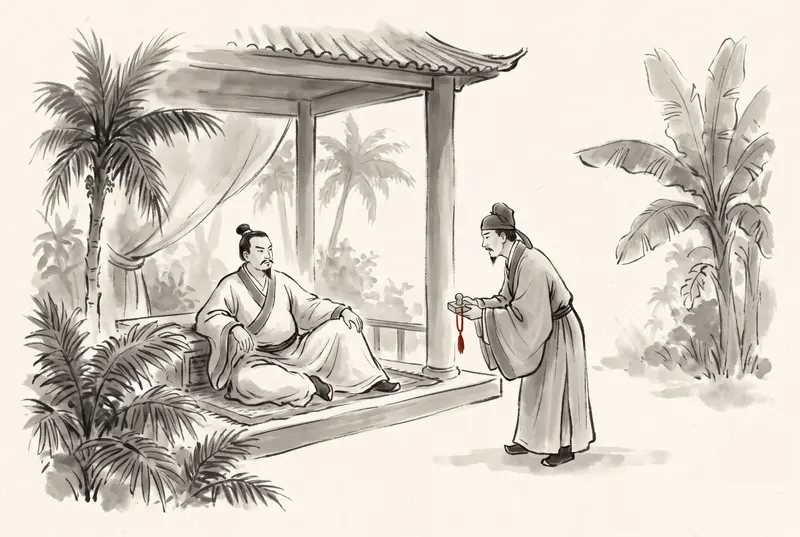
陸賈者,楚人也。以客從高祖定天下,名為有口辯士,居左右,常使諸侯。及高祖時,中國初定,尉他平南越,因王之。高祖使陸賈賜尉他印為南越王。陸生至,尉他魋結箕倨見陸生。陸生因進說他曰:「足下中國人,親戚昆弟墳在真定。今足下反天性,棄冠帶,欲以區區之越與天子抗衡為敵國,禍且及身矣。且夫秦失其政,諸侯豪桀并起,唯漢王先入關,據咸陽。項羽倍約,自立為西楚霸王,諸侯皆屬,可謂至彊。然漢王起巴蜀,鞭笞天下,劫略諸侯,遂誅項羽滅之。五年之閒,海內平定,此非人力,天之所建也。天子聞君王王南越,不助天下誅暴逆,將相欲移兵而誅王,天子憐百姓新勞苦,故且休之,遣臣授君王印,剖符通使。君王宜郊迎,北面稱臣,乃欲以新造未集之越,屈彊於此。漢誠聞之,掘燒王先人冢,夷滅宗族,使一偏將將十萬眾臨越,則越殺王降漢,如反覆手耳。」
Kundoku (Japanese reading)
陸賈なる者は、楚の人なり。客を以て高祖に従いて天下を定む。名づけて口有る弁士と為し、左右に居りて、常に諸侯に使いす。 高祖の時に及び、中国初めて定まる。尉他南越を平らげ、因りて之に王たり。高祖陸賈をして尉他に印を賜いて南越王と為さしむ。陸生至る。尉他魋結箕倨して陸生を見る。陸生因りて進みて他に説きて曰く、「足下は中国の人にして、親戚昆弟の墳は真定に在り。今足下天性に反き、冠帯を棄て、区区たる越を以て天子と抗衡して敵国と為らんと欲す。禍且に身に及ばんとす。且つ夫れ秦其の政を失い、諸侯豪桀並び起こる。唯だ漢王先ず関に入り、咸陽に拠る。項羽約に倍き、自立して西楚の霸王と為り、諸侯皆属す。至彊と謂うべし。然れども漢王巴蜀より起こり、天下を鞭笞し、諸侯を劫略し、遂に項羽を誅して之を滅ぼす。五年の閒に、海内平定す。此れ人力に非ず、天の建つる所なり。天子君王の南越に王たりて、天下を助けて暴逆を誅せざるを聞き、将相兵を移して王を誅せんと欲す。天子百姓の新たに労苦せるを憐れみ、故に且く之を休め、臣を遣わして君王に印を授け、符を剖きて使いを通ぜしむ。君王宜しく郊迎し、北面して臣と称すべし。乃ち新造未集の越を以て、此に屈彊せんと欲す。漢誠に之を聞かば、王の先人の冢を掘り焼き、宗族を夷滅し、一偏将をして十万の衆を将いて越に臨ましめば、則ち越王を殺して漢に降ること、手を反覆するが如きのみ」と。
Japanese
陸賈は楚の人である。食客として高祖に従い、天下の平定に加わった。弁舌にすぐれた人物として知られ、高祖のそばに仕えて、よく諸侯のもとへ使いに出た。 高祖の時代、中国が平定されたばかりのころ、尉他(趙佗)が南越を平定して、その王となった。高祖は陸賈を使者として、尉他に南越王の印を授けさせた。陸生が着くと、尉他は越の風俗のまげを結い、両足を投げ出して座ったまま陸生に会った。陸生は進み出て説いた。「あなたはもともと中国の人で、ご親族や兄弟の墓は真定にあります。それなのにいま、生まれついた本性にそむき、冠と帯を捨て、ちっぽけな越の国で天子と張り合い、敵国になろうとしておられる。わざわいがいまにもその身に及びますぞ。そもそも秦が政治を失うと、諸侯や豪傑が一斉に立ち上がりました。漢王だけが真っ先に関中に入り、咸陽を押さえたのです。項羽は約束を破って自ら西楚の覇王となり、諸侯はみなこれに従いました。この上なく強かったと言えましょう。しかし漢王は巴蜀から立ち上がり、天下をむちうって従え、諸侯を打ち破って、ついに項羽を滅ぼしました。わずか五年のうちに、天下は平定されたのです。これは人の力ではなく、天が打ち立てたものです。天子は、あなたが南越の王となりながら、天下を助けて暴虐な者を討とうとしなかったと聞いて、将軍や大臣たちは兵を向けてあなたを討とうとしました。ですが天子は、民が戦乱の苦しみから抜け出したばかりなのを哀れんで、しばらく兵を休め、私を遣わしてあなたに印を授け、割り符を分けて使者を通わせようとなさったのです。あなたは都の郊外まで出迎え、北を向いて臣下と名のるべきです。それなのに、できたばかりでまとまってもいない越の国で、ここで強がろうとなさる。漢がこれを本当に聞けば、あなたの先祖の墓を掘り返して焼き、一族を皆殺しにし、副将一人に十万の兵を率いさせて越に向かわせるでしょう。そうなれば越の人々があなたを殺して漢に降るのは、手のひらを返すようにたやすいことです」。
English
Lu Jia was a man of Chu. He followed Gaozu as a retainer while the realm was being won, became known as a persuader with a ready tongue, stayed at the emperor's side and was often sent as an envoy to the lords. In Gaozu's time, when the Middle Kingdom had just been brought to order, Zhao Tuo had conquered Nanyue and made himself its king. Gaozu sent Lu Jia to present him with a seal as King of Nanyue. When Master Lu arrived, Zhao Tuo received him with his hair in a southern topknot, sitting with his legs sprawled out. Master Lu stepped forward and said: "You are a man of the Middle Kingdom, and the graves of your kin and your brothers are at Zhending. Yet now you turn against your own nature, throw away the cap and sash, and mean to stand up to the Son of Heaven as an enemy state with this little country of Yue. Disaster is about to fall on you. When Qin lost its grip on government, lords and heroes rose up everywhere. Only the King of Han entered the passes first and took Xianyang. Xiang Yu broke the agreement, made himself Hegemon-King of Western Chu, and all the lords submitted to him; he was as strong as anyone could be. Yet the King of Han rose from Ba and Shu, whipped the realm into line, overpowered the lords, and in the end destroyed Xiang Yu. In five years everything within the seas was at peace. That was not the work of human strength; it was Heaven's doing. When the Son of Heaven heard that you had made yourself king in Nanyue without helping the realm punish the tyrant, his generals and ministers wanted to turn their armies on you. But the Son of Heaven pitied the people, who had only just come through their sufferings, and so he has let the matter rest for now and sent me to give you a seal, split a tally with you, and open the way for envoys. You should come out to the edge of your city to meet me, face north and call yourself his subject. Instead you think you can stand firm against him with a newly made, unsettled Yue. If Han truly heard of this, it would dig up and burn your ancestors' graves, wipe out your clan, and send a single lieutenant with a hundred thousand men to Yue; and the people of Yue would kill you and surrender to Han as easily as turning over a hand."
Notes (JA)
- 尉他: 趙佗。秦の将軍で、南海郡の尉(軍事長官)だったので「尉他」と呼ばれる。秦が滅びると南越国を建てた。
- 魋結箕倨: 越の風俗のまげを結い、両足を前に投げ出して座る。中国の礼を捨てたことを示す。
- 冠帶: 冠と帯。中国の礼儀と文化の象徴。
- 剖符: 割り符を二つに分けて、それぞれが持つ。君臣の約束のしるし。
- 如反覆手: 手のひらを返すように、たやすい。
Notes (EN)
- Zhao Tuo (尉他): a Qin general and commandant of Nanhai, who founded the kingdom of Nanyue in the far south when Qin fell.
- A southern topknot, legs sprawled out (魋結箕倨): he had given up Chinese dress and manners.
- Split a tally (剖符): each party kept half, a sign of the bond between ruler and vassal.
Word notes
- envoy/ˈɛnvɔɪ/noun
a messenger sent by one ruler to another
In the text: “sent as an envoy to the lords”
Similar words: emissary — an official messenger · ambassador — a ruler's representative
- tyrant/ˈtaɪrənt/noun
a cruel and unjust ruler
In the text: “punish the tyrant”
Similar words: despot — a ruler with total power · oppressor — one who treats people harshly
Passage 5
Original
於是尉他乃蹶然起坐,謝陸生曰:「居蠻夷中久,殊失禮義。」因問陸生曰:「我孰與蕭何、曹參、韓信賢?」陸生曰:「王似賢。」復曰:「我孰與皇帝賢?」陸生曰:「皇帝起豐沛,討暴秦,誅彊楚,為天下興利除害,繼五帝三王之業,統理中國。中國之人以億計,地方萬里,居天下之膏腴,人眾車轝,萬物殷富,政由一家,自天地剖泮未始有也。今王眾不過數十萬,皆蠻夷,崎嶇山海閒,譬若漢一郡,王何乃比於漢!」尉他大笑曰:「吾不起中國,故王此。使我居中國,何渠不若漢?」乃大說陸生,留與飲數月。曰:「越中無足與語,至生來,令我日聞所不聞。」賜陸生橐中裝直千金,他送亦千金。陸生卒拜尉他為南越王,令稱臣奉漢約。歸報,高祖大悅,拜賈為太中大夫。
Kundoku (Japanese reading)
是に於いて尉他乃ち蹶然として起ちて坐し、陸生に謝して曰く、「蛮夷の中に居ること久しく、殊に礼義を失えり」と。因りて陸生に問いて曰く、「我蕭何・曹参・韓信と孰れか賢なる」と。陸生曰く、「王賢なるに似たり」と。復た曰く、「我皇帝と孰れか賢なる」と。陸生曰く、「皇帝豊沛より起こり、暴秦を討ち、彊楚を誅し、天下の為に利を興し害を除き、五帝三王の業を継ぎ、中国を統理す。中国の人は億を以て計え、地は方万里、天下の膏腴に居り、人衆く車轝あり、万物殷富にして、政一家に由る。天地剖泮してより未だ始めより有らざるなり。今王の衆は数十万に過ぎず、皆蛮夷にして、山海の閒に崎嶇す。譬えば漢の一郡の若し。王何ぞ乃ち漢に比せんや」と。尉他大いに笑いて曰く、「吾中国に起こらず、故に此に王たり。我をして中国に居らしめば、何ぞ渠ぞ漢に若かざらんや」と。乃ち大いに陸生を説び、留めて与に飲むこと数月。曰く、「越中には与に語るに足る無し。生の来たるに至りて、我をして日に聞かざる所を聞かしむ」と。陸生に橐中の装の直千金なるを賜い、他の送るも亦千金。陸生卒に尉他を拝して南越王と為し、臣と称して漢の約を奉ぜしむ。帰りて報ず。高祖大いに悦び、賈を拝して太中大夫と為す。
Japanese
尉他はさっと身を起こして座り直し、陸生にわびた。「蛮夷の中に長くいたので、すっかり礼儀を忘れておりました」。そして陸生に尋ねた。「わしは蕭何・曹参・韓信と比べて、どちらが賢いか」。陸生「王のほうが賢いようです」。また尋ねた。「では、わしと皇帝とでは、どちらが賢いか」。陸生は言った。「皇帝は豊・沛から立ち上がり、暴虐な秦を討ち、強い楚を滅ぼして、天下のために利益を起こし害を除き、五帝・三王の事業を受け継いで、中国を治めておられます。中国の人口は億を数え、土地は四方一万里、天下の肥えた土地を占め、人も車も多く、あらゆる物が豊かで、政治は一つの家から出ています。天地が分かれて以来、かつてなかったことです。いま王の民は数十万にすぎず、それもみな蛮夷で、山と海のあいだの険しい土地にひしめいています。たとえれば漢の一つの郡のようなもの。王がどうして漢と比べられましょう」。尉他は大笑いして言った。「わしは中国で立ち上がらなかったから、ここで王になっているのだ。もしわしが中国にいたら、どうして漢に及ばないことがあろうか」。尉他は陸生がすっかり気に入り、引き留めて何か月も酒を酌み交わした。そして言った。「越には話し相手になる者がいない。先生が来てから、毎日聞いたことのない話が聞ける」。尉他は陸生に、袋に入れた千金に値する宝物を贈り、ほかの贈り物も千金に及んだ。陸生はついに尉他を南越王に任じ、臣下と名のって漢との約束を守らせた。帰って報告すると、高祖は大いに喜び、陸賈を太中大夫に任じた。
English
At that Zhao Tuo sat up with a start and apologised to Master Lu: "I have lived among the barbarians so long that I have quite forgotten my manners." Then he asked him: "Who is the worthier, I or Xiao He, Cao Can and Han Xin?" "You seem the worthier, King," said Master Lu. "And who is the worthier, I or the emperor?" Master Lu said: "The emperor rose from Feng and Pei, punished tyrannical Qin and destroyed mighty Chu. For the sake of the realm he brought benefit and removed harm, carried on the work of the Five Emperors and the Three Kings, and rules the whole Middle Kingdom. Its people number in the hundreds of millions, its land stretches ten thousand li, it holds the richest country under heaven, its people and carriages are many and all things abound, and all government comes from one house. Nothing like it has existed since heaven and earth were parted. Your people, King, are no more than a few hundred thousand, all barbarians, crowded among the mountains and the sea, like a single commandery of Han. How can you compare yourself with Han?" Zhao Tuo laughed loudly: "I did not rise in the Middle Kingdom, so I am king here. If I had been in the Middle Kingdom, why should I not have done as well as Han?" He took a great liking to Master Lu and kept him for several months, drinking with him. "In Yue there is no one worth talking to," he said. "Since you came, every day I hear things I have never heard." He gave Master Lu a bag of treasure worth a thousand pieces of gold, and other gifts worth a thousand more. In the end Master Lu invested Zhao Tuo as King of Nanyue and had him call himself a subject and keep the terms of Han. When he came back and reported, Gaozu was delighted and made him a Grand Palace Grandee.
Notes (JA)
- 蹶然: さっと勢いよく。
- 蕭何・曹參・韓信: 漢の建国の功臣たち。
- 五帝三王: 伝説の五人の帝と、夏・殷・周の始祖。理想の君主たち。
- 天地剖泮: 天地が分かれて世界が始まったとき。
- 橐中裝: 袋に入れた宝物。陸賈はのちにこれを売って五人の子に分けた。
Notes (EN)
- Xiao He, Cao Can and Han Xin: the great founding ministers and generals of Han.
- The Five Emperors and the Three Kings (五帝三王): the sage rulers of legend and the founders of Xia, Shang and Zhou.
- A bag of treasure (橐中裝): Lu Jia later sold it and divided the money among his five sons.
Word notes
- with a start/wɪð ə stɑrt/phrase
with a sudden movement of surprise
In the text: “sat up with a start”
Similar words: suddenly — all at once · in surprise — feeling shocked
- abound/əˈbaʊnd/verb
to exist in great numbers
In the text: “all things abound”
Similar words: be plentiful — exist in large amounts · teem — be full of
Passage 6
Original
陸生時時前說稱詩書。高帝罵之曰:「乃公居馬上而得之,安事詩書!」陸生曰;「居馬上得之,寧可以馬上治之乎?且湯武逆取而以順守之,文武并用,長久之術也。昔者吳王夫差、智伯極武而亡;秦任刑法不變,卒滅趙氏。鄉使秦已并天下,行仁義,法先聖,陛下安得而有之?」高帝不懌而有慚色,乃謂陸生曰:「試為我著秦所以失天下,吾所以得之者何,及古成敗之國。」陸生乃粗述存亡之徵,凡著十二篇。每奏一篇,高帝未嘗不稱善,左右呼萬歲,號其書曰「新語」。
Kundoku (Japanese reading)
陸生時時前みて説きて詩書を称す。高帝之を罵りて曰く、「乃公馬上に居りて之を得たり。安んぞ詩書を事とせん」と。陸生曰く、「馬上に居りて之を得るも、寧ぞ馬上を以て之を治むべけんや。且つ湯武は逆取して順を以て之を守る。文武並び用うるは、長久の術なり。昔者呉王夫差・智伯は武を極めて亡び、秦は刑法に任じて変えず、卒に趙氏を滅ぼす。郷使し秦已に天下を并せて、仁義を行い、先聖に法らば、陛下安んぞ得て之を有たんや」と。高帝懌ばずして慚ずる色有り。乃ち陸生に謂いて曰く、「試みに我が為に秦の天下を失いし所以、吾の之を得し所以の者は何ぞ、及び古の成敗の国を著せ」と。陸生乃ち粗ぼ存亡の徴を述べ、凡そ十二篇を著す。一篇を奏する毎に、高帝未だ嘗て善しと称せずんばあらず。左右万歳を呼ぶ。其の書を号して「新語」と曰う。
Japanese
陸生はおりにふれて高帝の前に進み出て、『詩経』や『書経』の言葉を引いて説いた。高帝はののしった。「わしは馬の上で天下を手に入れたのだ。詩だの書だの、何の役に立つ」。陸生は言った。「馬の上で天下を得ても、馬の上で治めることができましょうか。殷の湯王や周の武王は、武力で天下を奪い取りましたが、そのあとは道理にかなったやり方で守りました。文と武をあわせ用いることこそ、国を長く保つ方法です。昔、呉王夫差や晋の智伯は、武力をとことん用いて滅びました。秦は刑罰と法律にばかり頼ってやり方を改めず、ついに(秦の王家である)趙氏を滅ぼしてしまいました。もし秦が天下を統一したあと、仁義を行い、昔の聖人に学んでいたら、陛下はどうして天下を手に入れることができたでしょう」。高帝は不機嫌になったが、恥じ入る様子を見せ、陸生に言った。「ためしに、わしのために、秦が天下を失ったわけ、わしが天下を得たわけ、それに昔の国々の成功と失敗について書いてみよ」。陸生は国の存続と滅亡のきざしをあらまし述べて、全部で十二篇を書いた。一篇を読み上げるたびに、高帝はいつも「よし」とほめ、左右の者は万歳を叫んだ。この書は『新語』と名づけられた。
English
Master Lu often came forward to talk, quoting the Odes and the Documents. Gaozu cursed him: "Your old man won the realm on horseback. What use are the Odes and the Documents?" Master Lu said: "You won it on horseback, but can you rule it from horseback? Tang of Shang and King Wu of Zhou took the realm by force, against the order of things, but held it by following that order. To use both the civil and the martial is the way to last long. In the past King Fuchai of Wu and Zhi Bo pushed their military might to the limit and perished. Qin relied on punishments and laws and never changed, and so the house of Qin was destroyed. If Qin, after uniting the realm, had practised humanity and righteousness and followed the sages of old, how could Your Majesty have come to hold it?" Gaozu was displeased, but he looked ashamed. He said to Master Lu: "Try writing for me about why Qin lost the realm and why I won it, and about the states of old that rose and fell." So Master Lu set out in brief the signs of survival and ruin, in twelve chapters in all. Each time he presented a chapter, Gaozu never failed to praise it, and those around him cried "Ten thousand years!" The book was called the New Discourses.
Notes (JA)
- 乃公: 「おまえのおやじさま」。目下に対して自分を偉そうに言う言葉。
- 居馬上得之,寧可以馬上治之乎: 「馬上で得ても、馬上で治められるか」。武力で天下を取っても、治めるには学問と道徳が要る、という有名な言葉。
- 逆取順守: 道理にそむいて奪い、道理に従って守る。
- 趙氏: 秦の王家の氏。秦の王家は趙と同じ祖先から出て、趙氏を名のった。
- 新語: 陸賈の著書。現在も伝わる。
Notes (EN)
- "Your old man" (乃公): Gaozu's swaggering way of saying "I".
- "Can you rule it from horseback?" (寧可以馬上治之乎): a famous saying, that a realm won by force must be governed by learning and virtue.
- The house of Qin (趙氏): the Qin royal family shared its ancestry with Zhao and bore the clan name Zhao.
- The New Discourses (新語): Lu Jia's book, which still survives.
Idioms from this passage: You won it on horseback, but can you rule it from horseback? 馬上に居りて之を得るも、寧ぞ馬上を以て之を治むべけんや
Word notes
- curse/kɜrs/verb
to swear at someone angrily
In the text: “Gaozu cursed him”
Similar words: swear at — use rude words to · abuse — speak insultingly to
- present/prɪˈzɛnt/verb
to formally give something to someone
In the text: “presented a chapter”
Similar words: submit — hand in for judgement · offer — hold out to give
Passage 7
Original
呂太后時,王諸呂,諸呂擅權,欲劫少主,危劉氏。右丞相陳平患之,力不能爭,恐禍及己,常燕居深念。陸生往請,直入坐,而陳丞相方深念,不時見陸生。陸生曰:「何念之深也?」陳平曰:「生揣我何念?」陸生曰:「足下位為上相,食三萬戶侯,可謂極富貴無欲矣。然有憂念,不過患諸呂、少主耳。」陳平曰:「然。為之柰何?」陸生曰:「天下安,注意相;天下危,注意將。將相和調,則士務附;士務附,天下雖有變,即權不分。為社稷計,在兩君掌握耳。臣常欲謂太尉絳侯,絳侯與我戲,易吾言。君何不交驩太尉,深相結?」為陳平畫呂氏數事。陳平用其計,乃以五百金為絳侯壽,厚具樂飲;太尉亦報如之。此兩人深相結,則呂氏謀益衰。陳平乃以奴婢百人,車馬五十乘,錢五百萬,遺陸生為飲食費。陸生以此游漢廷公卿閒,名聲藉甚。
Kundoku (Japanese reading)
呂太后の時、諸呂を王とし、諸呂権を擅にし、少主を劫かして、劉氏を危うくせんと欲す。右丞相陳平之を患うるも、力争う能わず、禍の己に及ばんことを恐れ、常に燕居して深く念う。陸生往きて請い、直ちに入りて坐す。而して陳丞相方に深く念い、時に陸生を見ず。陸生曰く、「何ぞ念うことの深きや」と。陳平曰く、「生我が何をか念うを揣れ」と。陸生曰く、「足下位上相たり、三万戸侯に食む。富貴を極めて欲無しと謂うべし。然れども憂念有るは、諸呂・少主を患うるに過ぎざるのみ」と。陳平曰く、「然り。之を為すこと奈何」と。陸生曰く、「天下安ければ、意を相に注ぎ、天下危うければ、意を将に注ぐ。将相和調すれば、則ち士務めて附く。士務めて附けば、天下変有りと雖も、即ち権分かれず。社稷の為に計るは、両君の掌握に在るのみ。臣常に太尉絳侯に謂わんと欲するも、絳侯我と戯れ、吾が言を易んず。君何ぞ太尉に交驩して、深く相結ばざる」と。陳平の為に呂氏の数事を画す。陳平其の計を用い、乃ち五百金を以て絳侯の寿を為し、厚く楽飲を具う。太尉も亦報ゆること之の如くす。此の両人深く相結べば、則ち呂氏の謀益々衰う。陳平乃ち奴婢百人、車馬五十乗、銭五百万を以て、陸生に遺りて飲食の費と為す。陸生此を以て漢廷の公卿の閒に游び、名声藉甚たり。
Japanese
呂太后の時代、呂氏の人々が王となって権力をほしいままにし、幼い帝をおどして劉氏の天下を危うくしようとしていた。右丞相の陳平はこれを憂えたが、力で争うことはできず、わざわいが自分に及ぶのを恐れて、いつも家にこもって深く考えこんでいた。陸生が訪ねて行き、案内も請わずにまっすぐ入って座ったが、陳丞相は考えこんでいて、すぐには陸生に気づかなかった。陸生「何をそんなに深く考えておられるのです」。陳平「わしが何を考えているか、当ててみよ」。陸生は言った。「あなたは最高の宰相の位にあり、三万戸の領地を持つ侯です。富も地位もきわめて、もう望むものはないはずです。それでも心配があるとすれば、呂氏の人々と幼い帝のことにすぎないでしょう」。陳平「そのとおりだ。どうすればよい」。陸生は言った。「天下が安らかなときは宰相に、天下が危ういときは将軍に、人々は目を向けます。将軍と宰相が仲良く心を合わせていれば、士人は進んで従います。士人が進んで従えば、天下に変事があっても、権力は分かれません。国家のための計は、お二人の手の中にあるのです。私はいつも太尉の絳侯(周勃)にこのことを言いたいと思っているのですが、絳侯は私をからかって、私の言葉を軽く扱われます。あなたはどうして太尉と親しく交わり、深く手を結ばないのですか」。そして陳平のために、呂氏に対するいくつかの策を立てた。陳平はその計を用い、五百金を贈って絳侯の長寿を祝い、盛大に宴を開いて酒を酌み交わした。太尉も同じようにお返しをした。この二人が深く手を結んだので、呂氏のたくらみはますます弱まった。陳平は、召使い百人、車と馬五十組、銭五百万を、宴の費用にと陸生に贈った。陸生はこれをもとに朝廷の高官たちのあいだを渡り歩き、名声はたいへんに高まった。
English
In the time of the Empress Dowager Lü, the Lü were made kings, seized power for themselves and meant to overawe the young emperor and endanger the Liu. Chancellor of the Right Chen Ping was troubled by it, but he had no power to fight them and feared that disaster would fall on him; he often sat at home, deep in thought. Master Lu went to call on him and walked straight in and sat down, but Chancellor Chen was so deep in thought that at first he did not notice him. "What are you thinking so hard about?" asked Master Lu. "Guess what I am thinking," said Chen Ping. Master Lu said: "You hold the highest office of chancellor and live on the revenue of a marquisate of thirty thousand households. You have all the wealth and honour a man could want; there is nothing left for you to desire. If you are worried, it can only be about the Lü and the young emperor." "Yes," said Chen Ping. "What can be done?" Master Lu said: "When the realm is at peace, all eyes turn to the chancellor; when it is in danger, all eyes turn to the general. If general and chancellor are in harmony, the gentlemen of the realm will be eager to follow them; and if they are eager to follow, then even if there is upheaval, power will not be divided. The plans for saving the state lie in the hands of you two. I have often wanted to say this to the Grand Commandant, the Marquis of Jiang, but he jokes with me and makes light of what I say. Why do you not make friends with the Grand Commandant and bind yourselves closely together?" And he worked out several plans against the Lü for Chen Ping. Chen Ping followed his advice. He gave the Marquis of Jiang five hundred pieces of gold for his birthday and held a lavish feast with music and wine, and the Grand Commandant repaid him in the same way. Once these two were closely bound, the schemes of the Lü grew weaker and weaker. Chen Ping then gave Master Lu a hundred slaves, fifty carriages with horses and five million cash for his food and drink. With these Master Lu moved among the great ministers of the Han court, and his name was widely known.
Notes (JA)
- 燕居: 公務を離れて家でくつろぐ。ここでは家にこもること。
- 天下安,注意相;天下危,注意將: 「天下が安らかなら宰相に、危ういなら将軍に注目が集まる」。
- 將相和調: 将軍と宰相が心を合わせる。廉頗と藺相如の「刎頸の交わり」(巻81)にも通じる考え。
- 爲壽: 長寿を祝って贈り物をする。
- この陳平と周勃の結びつきが、呂后の死後、呂氏を倒す力となった(巻9)。
Notes (EN)
- "When the realm is at peace, all eyes turn to the chancellor; when it is in danger, to the general" (天下安,注意相;天下危,注意將).
- General and chancellor in harmony (將相和調): the same idea as the friendship of Lian Po and Lin Xiangru (vol. 81).
- This alliance of Chen Ping and Zhou Bo is what brought down the Lü after the empress died (vol. 9).
Word notes
- troubled/ˈtrʌbəld/adjective
worried and unhappy
In the text: “Chen Ping was troubled by it”
Similar words: worried — anxious · uneasy — not at peace
- eager/ˈiɡər/adjective
wanting very much to do something
In the text: “will be eager to follow them”
Similar words: keen — very interested · willing — ready to do