Biographies · Vol. 66
Biography of Wu Zixu 伍子胥列傳
Wu Zixu: The Day Is Late and the Road Is Long 日莫途遠
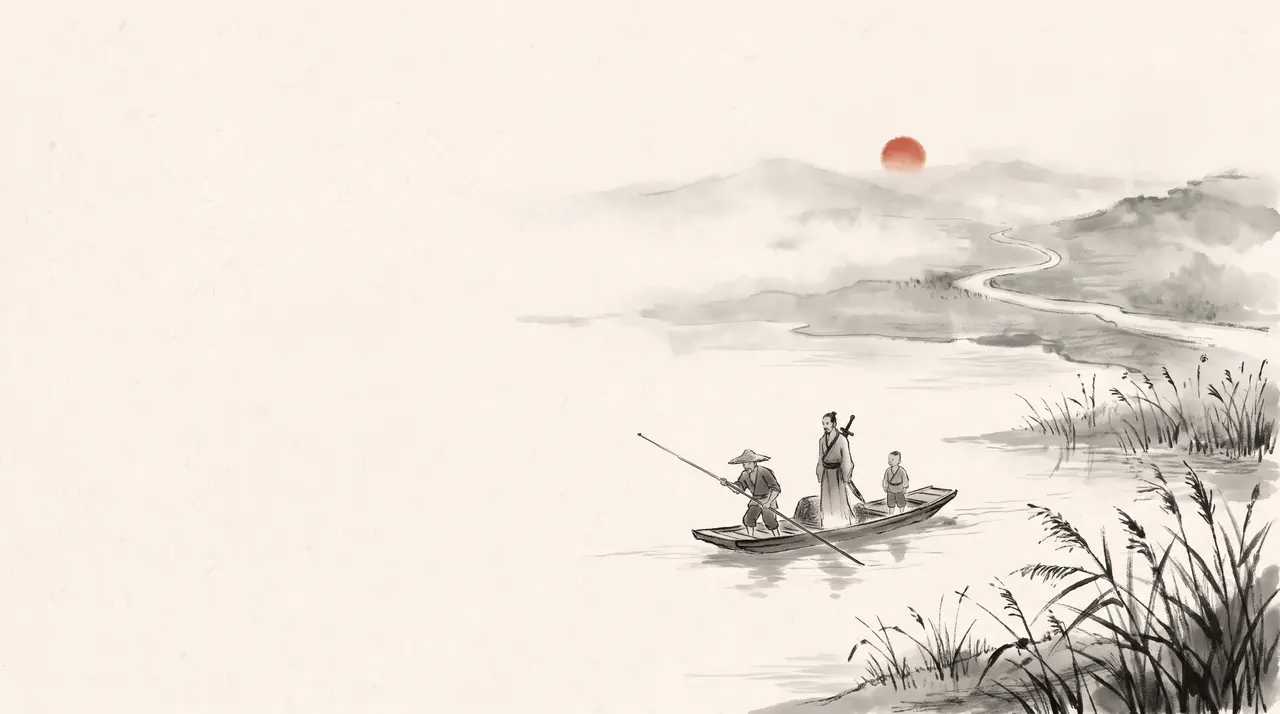
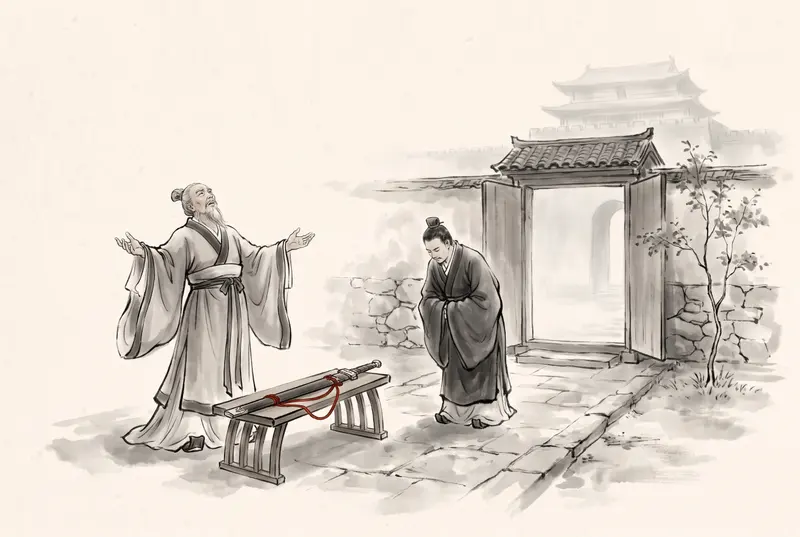
Wu Zixu of Chu loses his father and brother when King Ping believes a slanderer. He escapes his pursuers and flees to Wu, and when he helps King Helü of Wu take the Chu capital, he digs up the dead King Ping and whips the corpse three hundred times. Rebuked by his old friend Shen Baoxu, he answers that "the day is late and the road is long." Later he warns King Fuchai of Wu again and again that he will regret it if he does not destroy Goujian of Yue, but the king will not listen, and a slanderer has Zixu ordered to kill himself. His last words: "Gouge out my eyes and hang them on the east gate, so that I can watch Yue destroy Wu."
This page has the scene "Wu Zixu: The Day Is Late and the Road Is Long" from this volume, not the whole volume.
Audio
The audio is synthetic speech.
Video
Passage 1
Original
伍子胥者,楚人也,名員。員父曰伍奢。員兄曰伍尚。其先曰伍舉,以直諫事楚莊王,有顯,故其後世有名於楚。楚平王有太子名曰建,使伍奢為太傅,費無忌為少傅。無忌不忠於太子建。平王使無忌為太子取婦於秦,秦女好,無忌馳歸報平王曰:「秦女絕美,王可自取,而更為太子取婦。」平王遂自取秦女而絕愛幸之,生子軫。更為太子取婦。
Kundoku (Japanese reading)
伍子胥なる者は、楚の人なり。名は員。員の父を伍奢と曰い、員の兄を伍尚と曰う。其の先を伍挙と曰い、直諫を以て楚の荘王に事えて顕るる有り。故に其の後世楚に名有り。楚の平王に太子有り、名を建と曰う。伍奢をして太傅と為し、費無忌を少傅と為す。無忌太子建に忠ならず。平王無忌をして太子の為に婦を秦に取らしむ。秦の女好し。無忌馳せ帰りて平王に報じて曰く、「秦の女絶だ美なり。王自ら取りて、更に太子の為に婦を取るべし」と。平王遂に自ら秦の女を取りて絶だ之を愛幸し、子軫を生む。更に太子の為に婦を取る。
Japanese
伍子胥は楚の人で、名を員という。父は伍奢、兄は伍尚といった。先祖の伍挙は、遠慮なく王をいさめる家臣として楚の荘王に仕え、名をあげたので、その子孫も楚で知られていた。楚の平王には建という太子がいた。平王は伍奢を太子の教育係の長(太傅)にし、費無忌をその次の役(少傅)にした。費無忌は太子建に誠実ではなかった。平王は無忌に命じて、秦から太子の妃を迎えさせた。秦の娘は美しかった。無忌は急いで帰ってきて平王に報告した。「秦の娘はたいへんな美人です。王がご自分でお迎えになり、太子には別の妃を迎えればよいでしょう」。平王はとうとう秦の娘を自分の妃にして、たいそうかわいがり、子の軫が生まれた。太子には別の妃を迎えた。
English
Wu Zixu was a man of Chu whose name was Yun. His father was Wu She, and his elder brother was Wu Shang. Their ancestor Wu Ju had served King Zhuang of Chu and won distinction for his blunt advice, so the family was well known in Chu. King Ping of Chu had a crown prince named Jian. He made Wu She the prince's grand tutor and Fei Wuji his lesser tutor. Fei Wuji was not loyal to Prince Jian. King Ping sent Wuji to Qin to fetch a bride for the prince. The Qin girl was beautiful, and Wuji raced back to report to King Ping: "The girl from Qin is a great beauty. Your Majesty could take her yourself and find the prince another wife." So King Ping took the Qin girl himself, loved her dearly, and she bore him a son, Zhen. The prince was given another wife.
Notes (JA)
- 伍子胥: 名は員(うん)、字は子胥。楚の人で、のちに呉に仕えた(?〜前484年)。
- 伍舉: 荘王に遠慮なく意見した家臣。「鳴かず飛ばず」の謎かけで王をいさめた人として知られる。
- 楚莊王: 楚の王(在位 前613〜前591年)。春秋五覇の一人に数えられる。
- 楚平王: 楚の王(在位 前528〜前516年)。
- 太傅・少傅: 太子の教育係。太傅が上位。
- 費無忌: 平王の家臣。『春秋左氏伝』では費無極。
- 軫: のちの楚の昭王。
Notes (EN)
- Wu Zixu (d. 484 BCE): his name was Yun and his courtesy name Zixu. Born in Chu, he later served Wu.
- Wu Ju: a minister known for rebuking King Zhuang with the riddle of the bird that "neither flies nor sings."
- King Zhuang of Chu (r. 613–591 BCE): counted among the Five Hegemons of the Spring and Autumn period.
- King Ping of Chu (r. 528–516 BCE).
- Grand tutor and lesser tutor (太傅・少傅): the crown prince's teachers.
- Fei Wuji: a minister of King Ping, called Fei Wuji (費無極) in the Zuo Commentary.
- Zhen: later King Zhao of Chu.
Word notes
- distinction/dɪˈstɪŋkʃən/noun
honor and fame for doing something well
In the text: “won distinction for his blunt advice”
Similar words: honor — great respect · renown — fame
- blunt/blʌnt/adjective
saying exactly what you think, without trying to be polite
In the text: “his blunt advice”
Similar words: frank — honest and direct · outspoken — saying opinions openly
Blunt also means not sharp, like a dull knife.
- fetch/fɛtʃ/verb
to go and bring someone or something back
In the text: “to fetch a bride for the prince”
Similar words: bring — carry or lead here · collect — go and get
- bear/bɛr/verb
to give birth to a child (past tense: bore)
In the text: “she bore him a son”
Similar words: give birth to — the everyday phrase · deliver — have a baby (also used of doctors)
Bear also means to carry, or to put up with something.
Passage 2
Original
頃之,無忌又日夜言太子短於王曰:「太子以秦女之故,不能無怨望,願王少自備也。自太子居城父,將兵,外交諸侯,且欲入為亂矣。」平王乃召其太傅伍奢考問之。伍奢知無忌讒太子於平王,因曰:「王獨柰何以讒賊小臣疏骨肉之親乎?」無忌曰:「王今不制,其事成矣。王且見禽。」於是平王怒,囚伍奢,而使城父司馬奮揚往殺太子。行未至,奮揚使人先告太子:「太子急去,不然將誅。」太子建亡奔宋。
Kundoku (Japanese reading)
頃之、無忌又日夜太子の短を王に言いて曰く、「太子秦の女の故を以て、怨望無きこと能わず。願わくは王少しく自ら備えよ。太子の城父に居りてより、兵を将い、外に諸侯に交わり、且に入りて乱を為さんと欲す」と。平王乃ち其の太傅伍奢を召して之を考問す。伍奢無忌の太子を平王に讒するを知り、因りて曰く、「王独り柰何ぞ讒賊の小臣を以て骨肉の親を疏んずるや」と。無忌曰く、「王今制せずんば、其の事成らん。王且に禽にせられんとす」と。是に於いて平王怒り、伍奢を囚え、而して城父の司馬奮揚をして往きて太子を殺さしむ。行きて未だ至らざるに、奮揚人をして先に太子に告げしむ、「太子急ぎ去れ。然らずんば将に誅せられんとす」と。太子建亡げて宋に奔る。
Japanese
しばらくすると、無忌はまた昼も夜も、王に太子の悪口を言った。「太子は秦の娘の件で、恨みを抱かずにはいられないでしょう。王は少しご用心ください。太子は城父にいて兵を率いるようになってから、外では諸侯と付き合い、いまにも都に攻め入って反乱を起こそうとしています」。平王は太子の教育係の伍奢を呼んで、問いただした。伍奢は、無忌が王に太子の悪口を吹きこんでいるのを知っていたので、言った。「王はどうして、人を陥れるようなつまらない家臣の言うことを聞いて、血を分けたわが子を遠ざけるのですか」。無忌は言った。「王がいま押さえつけなければ、太子のたくらみは成功し、王は捕らえられてしまいますぞ」。そこで平王は怒って伍奢を牢に入れ、城父の司馬(軍事の役人)の奮揚に、太子を殺しに行かせた。奮揚は、着く前に人をやって、太子に知らせた。「太子、急いでお逃げください。さもないと殺されます」。太子建は宋へ逃げた。
English
Before long Wuji was again speaking ill of the prince to the king day and night: "Because of the Qin girl, the prince cannot help bearing a grudge. Your Majesty should be a little on your guard. Ever since he went to Chengfu and took command of troops, he has been making friends with the lords abroad, and he means to come back and rebel." King Ping summoned the prince's grand tutor, Wu She, and questioned him. Wu She knew that Wuji had been slandering the prince to the king, and said, "How can Your Majesty let a slanderous, petty minister turn you against your own flesh and blood?" Wuji said, "If Your Majesty does not stop him now, his plot will succeed, and you will be taken prisoner." At that King Ping flew into a rage, threw Wu She into prison, and sent Fen Yang, the marshal of Chengfu, to kill the prince. Before Fen Yang arrived, he sent a man ahead to warn the prince: "Flee at once, or you will be killed." Prince Jian fled to Song.
Notes (JA)
- この節の前(省略): 無忌は、太子が王になれば自分が殺されると恐れ、平王に太子の悪口を言うようになった。平王は太子を遠ざけ、国境の城父を守らせた。
- 城父: 楚の北の国境の町。今の安徽省亳州市のあたり。
- 怨望: うらむこと。
- 讒賊: 人を陥れる悪口を言うこと、またその人。
- 骨肉之親: 血を分けた肉親。
- 禽: 「擒」と同じ。とりこにする。
- 司馬: 軍事を担当する役人。
- 宋: 今の河南省商丘市を中心とした国。
Notes (EN)
- Before this (left out here): afraid that the prince would kill him once he became king, Wuji began slandering him to King Ping. The king sent the prince away to guard the border town of Chengfu.
- Chengfu: a town on Chu's northern border, near present-day Bozhou in Anhui.
- 怨望: to bear a grudge.
- 讒賊: slander, or a slanderer.
- 骨肉之親 ("bone and flesh"): one's own family.
- 禽: the same as 擒, to capture.
- Marshal (司馬): an official in charge of military affairs.
- Song: a state centered on present-day Shangqiu in Henan.
Word notes
- grudge/ɡrʌdʒ/noun
a long-lasting angry feeling against someone who hurt you
In the text: “cannot help bearing a grudge”
Similar words: resentment — bitter feeling about unfair treatment · ill will — unfriendly feeling
- slander/ˈslændər/verb
to say false things about someone to damage their name
In the text: “had been slandering the prince”
Similar words: defame — formal; damage someone's good name · badmouth — informal; speak badly of
Passage 3
Original
無忌言於平王曰:「伍奢有二子,皆賢,不誅且為楚憂。可以其父質而召之,不然且為楚患。」王使使謂伍奢曰:「能致汝二子則生,不能則死。」伍奢曰:「尚為人仁,呼必來。員為人剛戾忍訽,能成大事,彼見來之并禽,其勢必不來。」王不聽,使人召二子曰:「來,吾生汝父;不來,今殺奢也。」
Kundoku (Japanese reading)
無忌平王に言いて曰く、「伍奢に二子有り、皆賢なり。誅せずんば且に楚の憂いと為らんとす。其の父を以て質として之を召すべし。然らずんば且に楚の患いと為らん」と。王使いをして伍奢に謂わしめて曰く、「能く汝の二子を致さば則ち生かさん。能わずんば則ち死せん」と。伍奢曰く、「尚の人と為りは仁なり。呼べば必ず来たらん。員の人と為りは剛戾忍訽、能く大事を成す。彼来たれば之を并せ禽にせらるるを見て、其の勢い必ず来たらじ」と。王聴かず、人をして二子を召さしめて曰く、「来たらば、吾汝の父を生かさん。来たらずんば、今奢を殺さん」と。
Japanese
無忌は平王に言った。「伍奢には二人の息子がいて、どちらも優秀です。殺しておかないと、いずれ楚の心配の種になります。父親を人質にして呼び寄せるのがよいでしょう。そうしなければ、楚にわざわいをもたらします」。王は使いを出して伍奢に言わせた。「おまえの二人の息子を呼び寄せることができれば、命を助けよう。できなければ殺す」。伍奢は言った。「兄の尚は、心のやさしい人間です。呼べば必ず来るでしょう。弟の員は、気が強くてねじけたところがあり、恥を忍ぶことができる人間で、大きなことをやりとげる力があります。来れば一緒に捕まるとわかっているので、きっと来ないでしょう」。王は聞き入れず、人をやって二人の息子を呼ばせた。「来れば、父親の命は助けよう。来なければ、すぐに伍奢を殺す」。
English
Wuji said to King Ping, "Wu She has two sons, both able men. If they are not killed, they will become a worry for Chu. You could use their father as a hostage to summon them. Otherwise they will bring disaster on Chu." The king sent a messenger to tell Wu She, "If you can bring your two sons here, you will live. If not, you will die." Wu She said, "Shang is a kind man; if he is called, he will surely come. Yun is hard and stubborn, able to swallow insults, and capable of great things. He will see that if he comes he will be seized along with us, so he will surely not come." The king would not listen and sent men to summon the two sons: "Come, and I will spare your father. If you do not come, I will kill She at once."
Notes (JA)
- 質: 人質。
- 剛戾忍訽: 気が強くねじけていて、恥を忍ぶことができる(読みと意味には諸説ある)。
- 禽: とりこにする。
Notes (EN)
- 質: a hostage.
- 剛戾忍訽: hard, stubborn and able to bear disgrace (the reading is debated).
- 禽: to capture.
Word notes
- hostage/ˈhɑstɪdʒ/noun
a person held prisoner until demands are met
In the text: “as a hostage”
Similar words: captive — a prisoner · pawn — someone used by others for their purposes
- stubborn/ˈstʌbərn/adjective
refusing to change your mind
In the text: “Yun is hard and stubborn”
Similar words: obstinate — formal; very stubborn · headstrong — determined to do as you like
Passage 4
Original
伍尚欲往,員曰:「楚之召我兄弟,非欲以生我父也,恐有脫者後生患,故以父為質,詐召二子。二子到,則父子俱死。何益父之死?往而令讎不得報耳。不如奔他國,借力以雪父之恥,俱滅,無為也。」伍尚曰:「我知往終不能全父命。然恨父召我以求生而不往,後不能雪恥,終為天下笑耳。」謂員:「可去矣!汝能報殺父之讎,我將歸死。」尚既就執,使者捕伍胥。伍胥貫弓執矢向使者,使者不敢進,伍胥遂亡。聞太子建之在宋,往從之。奢聞子胥之亡也,曰:「楚國君臣且苦兵矣。」伍尚至楚,楚并殺奢與尚也。
Kundoku (Japanese reading)
伍尚往かんと欲す。員曰く、「楚の我が兄弟を召すは、以て我が父を生かさんと欲するに非ず。脱るる者有りて後に患いを生ぜんことを恐る。故に父を以て質と為し、詐りて二子を召すなり。二子到らば、則ち父子倶に死せん。何ぞ父の死に益あらん。往かば讎をして報いるを得ざらしむるのみ。他国に奔り、力を借りて以て父の恥を雪ぐに如かず。倶に滅ぶるは、為す無きなり」と。伍尚曰く、「我往くとも終に父の命を全うする能わざるを知る。然れども父我を召して以て生を求むるに往かずして、後に恥を雪ぐ能わずんば、終に天下の笑いと為らんことを恨むのみ」と。員に謂う、「去るべし。汝能く父を殺すの讎に報いよ。我将に帰りて死せんとす」と。尚既に執に就く。使者伍胥を捕らえんとす。伍胥弓を貫き矢を執りて使者に向かう。使者敢えて進まず。伍胥遂に亡ぐ。太子建の宋に在るを聞き、往きて之に従う。奢子胥の亡ぐるを聞きて曰く、「楚国の君臣且に兵に苦しまんとす」と。伍尚楚に至る。楚并せて奢と尚とを殺す。
Japanese
兄の伍尚は行こうとした。員は言った。「楚がわれら兄弟を呼ぶのは、父上を生かすためではありません。一人でも逃がすと、あとでわざわいになるのを恐れて、父上を人質にし、うそをついてわたしたち二人を呼んでいるのです。二人が行けば、父も子もみな殺されます。それで父上の死が何か報われるでしょうか。行けば、仇を討つ者がいなくなるだけです。それより、よその国へ逃げて、その力を借りて父上の恥をすすぐほうがいい。みんな一緒に滅びるのは、何の意味もありません」。伍尚は言った。「行っても父上の命を救えないことは、わたしにもわかっている。だが、父上が命を助けてもらおうとして呼んでいるのに行かず、しかもあとで恥をすすげなかったら、天下の笑いものになる。それが悔しいのだ」。そして員に言った。「行け。おまえは父上を殺した仇を討ってくれ。わたしは戻って死のう」。伍尚が捕らえられると、使者は伍子胥も捕らえようとした。伍子胥は弓に矢をつがえて使者に向けたので、使者は近づけず、伍子胥はとうとう逃げのびた。太子建が宋にいると聞いて、そのもとへ向かった。伍奢は子胥が逃げたと聞いて言った。「楚の君臣は、これから戦に苦しむことになるだろう」。伍尚が楚の都に着くと、楚は伍奢と伍尚をともに殺した。
English
Wu Shang wanted to go. Yun said, "Chu is not summoning us brothers to spare our father. They are afraid that whoever escapes will make trouble later, so they are using our father as a hostage to trick us both into coming. If we both go, father and sons will all die. What good would that do our father? Going would only make sure no one is left to avenge him. Better to flee to another state and borrow its strength to wipe out our father's shame. For all of us to perish together is pointless." Wu Shang said, "I know that going will not save our father's life. But if father calls for me to save his life and I do not go, and later I fail to wipe out the shame, I will only be a laughingstock to the world. That is what I cannot bear." He said to Yun, "Go! You can avenge our father's murder. I will go back and die." When Shang had given himself up, the envoys tried to seize Wu Zixu. Zixu strung his bow, fitted an arrow and aimed it at them. They dared not come near, and he got away. Hearing that Prince Jian was in Song, he went to join him. When Wu She heard that Zixu had escaped, he said, "The lord and ministers of Chu will soon suffer from war." Wu Shang reached the capital, and Chu killed both She and Shang.
Notes (JA)
- 讎: 仇。かたき。
- 雪恥: 恥をすすぐ。「雪辱」と同じ。
- 貫弓: 弓に弦を張る、また矢をつがえる。
- 苦兵: 戦争に苦しむ。伍子胥が仇を討ちにくることを予言した言葉。
- 楚并殺奢與尚: 前522年。
Notes (EN)
- 讎: an enemy to be avenged.
- 雪恥 ("wash away the shame"): to avenge a disgrace.
- 貫弓: to string a bow, or fit an arrow to it.
- 苦兵 ("suffer from war"): Wu She foresees that Zixu will return for revenge.
- Chu killed both: in 522 BCE.
Word notes
- avenge/əˈvɛndʒ/verb
to punish someone for a wrong they did to you or your family
In the text: “no one is left to avenge him”
Similar words: revenge — harm someone in return · pay back — informal; get even
- laughingstock/ˈlæfɪŋˌstɑk/noun
a person everyone laughs at
In the text: “a laughingstock to the world”
Similar words: joke — someone not taken seriously · figure of fun — someone people make fun of
- string/strɪŋ/verb
to put a string on a bow (past tense: strung)
In the text: “Zixu strung his bow”
Similar words: bend — bend a bow to fit the string · draw — pull back the string
Passage 5
Original
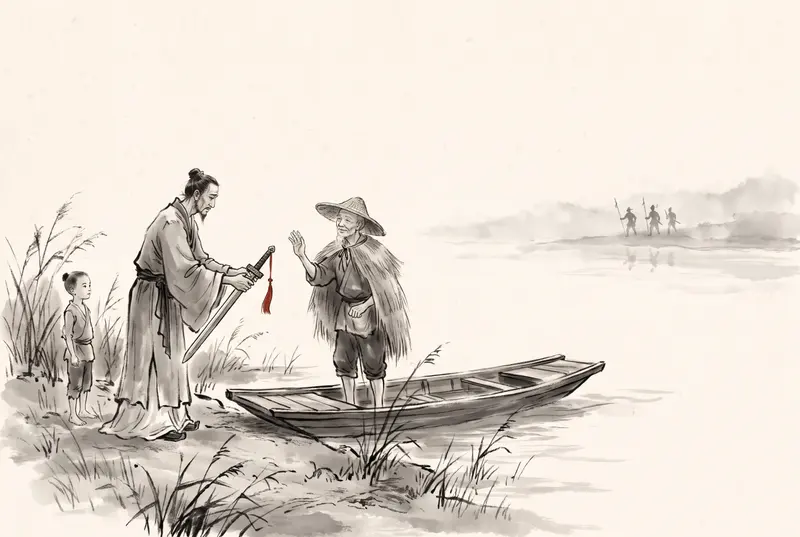
伍胥懼,乃與勝俱奔吳。到昭關,昭關欲執之。伍胥遂與勝獨身步走,幾不得脫。追者在後。至江,江上有一漁父乘船,知伍胥之急,乃渡伍胥。伍胥既渡,解其劍曰:「此劍直百金,以與父。」父曰:「楚國之法,得伍胥者賜粟五萬石,爵執珪,豈徒百金劍邪!」不受。伍胥未至吳而疾,止中道,乞食。至於吳,吳王僚方用事,公子光為將。伍胥乃因公子光以求見吳王。
Kundoku (Japanese reading)
伍胥懼れ、乃ち勝と倶に呉に奔る。昭関に到る。昭関之を執えんと欲す。伍胥遂に勝と独身にして歩み走り、幾ど脱するを得ず。追う者後ろに在り。江に至る。江上に一漁父有りて船に乗る。伍胥の急を知り、乃ち伍胥を渡す。伍胥既に渡り、其の剣を解きて曰く、「此の剣は百金に直す。以て父に与えん」と。父曰く、「楚国の法に、伍胥を得る者は粟五万石を賜い、爵は執珪。豈に徒だ百金の剣のみならんや」と。受けず。伍胥未だ呉に至らずして疾み、中道に止まりて食を乞う。呉に至る。呉王僚方に事を用い、公子光将たり。伍胥乃ち公子光に因りて以て呉王に見えんことを求む。
Japanese
伍子胥は恐れて、太子建の子の勝とともに呉へ逃げた。昭関まで来ると、関所の役人が捕らえようとした。伍子胥は勝と二人きりで、歩いて逃げたが、ほとんど逃げきれないところだった。追っ手がすぐ後ろに迫っていた。長江まで来ると、川に一人の漁師が舟を浮かべていた。漁師は伍子胥が危ないのを知って、向こう岸へ渡してくれた。渡り終えると、伍子胥は自分の剣をはずして言った。「この剣は百金の値打ちがあります。お礼に差し上げます」。漁師は言った。「楚の国のおふれでは、伍子胥を捕らえた者には、穀物五万石と、珪を持つ高い位がもらえる。百金の剣どころではないよ」。そして受け取らなかった。伍子胥は呉に着く前に病気になり、途中で足止めされて、食べ物を乞うた。呉に着くと、ちょうど呉王僚が政治を行い、公子光が将軍だった。伍子胥は公子光のつてを頼って、呉王にお目通りを願った。
English
In fear, Wu Zixu fled to Wu together with Sheng. When he reached the Zhao Pass, the guards there tried to seize him. Zixu and Sheng fled on foot, alone, and barely got away, with the pursuers close behind. When they came to the Yangzi, there was a fisherman in a boat on the river who saw how desperate Zixu was and ferried him across. On the other side Zixu took off his sword and said, "This sword is worth a hundred pieces of gold. Please take it." The old man said, "By the law of Chu, whoever catches Wu Zixu will be given fifty thousand measures of grain and the rank of a jade-tablet holder. Why would I want a sword worth a hundred pieces of gold?" And he would not take it. Before reaching Wu, Zixu fell ill and had to stop on the way and beg for food. When he reached Wu, King Liao was ruling and Prince Guang was a general. Zixu sought an audience with the King of Wu through Prince Guang.
Notes (JA)
- この節の前(省略): 伍子胥は太子建とともに宋から鄭に移った。太子建は晋と組んで鄭を乗っ取ろうとしたが、計画がもれて鄭に殺された。建には勝という子がいた。
- 勝: 太子建の子。のちに楚に戻って白公勝と呼ばれる。
- 昭關: 楚と呉の境の関所。今の安徽省含山県のあたり。伍子胥が一夜で髪が白くなったという伝説もある。
- 漁父: 年をとった漁師。
- 執珪: 楚の高い爵位。珪(玉の板)を持つ位。
- 吳王僚: 呉の王(在位 前526〜前515年)。
- 公子光: のちの呉王闔廬。
Notes (EN)
- Before this (left out here): Zixu and Prince Jian moved from Song to Zheng. Jian plotted with Jin to seize Zheng, but the plot leaked and Zheng killed him. Jian had a son named Sheng.
- Sheng: Prince Jian's son, later known in Chu as Sheng, Duke of Bai.
- The Zhao Pass (昭關): a pass on the border between Chu and Wu, near present-day Hanshan in Anhui. A later legend says Zixu's hair turned white there in one night.
- 漁父: an old fisherman.
- 執珪 ("holder of the jade tablet"): a high rank in Chu.
- King Liao of Wu (r. 526–515 BCE).
- Prince Guang: later King Helü of Wu.
Word notes
- pursuer/pərˈsuːər/noun
a person who is chasing someone
In the text: “with the pursuers close behind”
Similar words: chaser — one who chases · hunter — one who hunts
- ferry/ˈfɛri/verb
to carry people across water in a boat
In the text: “ferried him across”
Similar words: carry — take from one place to another · row — move a boat with oars
Passage 6
Original
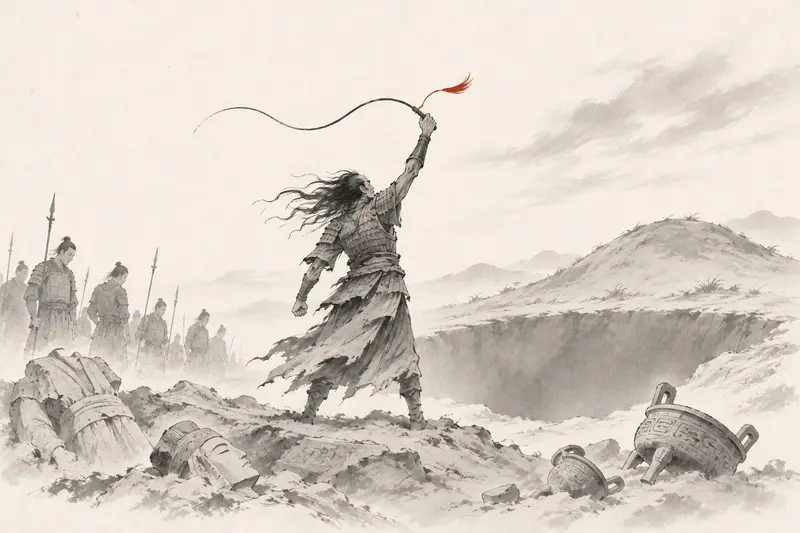
始伍員與申包胥為交,員之亡也,謂包胥曰:「我必覆楚。」包胥曰:「我必存之。」及吳兵入郢,伍子胥求昭王。既不得,乃掘楚平王墓,出其尸,鞭之三百,然後已。
Kundoku (Japanese reading)
始め伍員申包胥と交わりを為す。員の亡ぐるや、包胥に謂いて曰く、「我必ず楚を覆さん」と。包胥曰く、「我必ず之を存せん」と。呉の兵郢に入るに及びて、伍子胥昭王を求む。既に得ず。乃ち楚の平王の墓を掘り、其の尸を出だし、之を鞭うつこと三百にして、然る後に已む。
Japanese
もともと伍員(伍子胥)は申包胥と親しかった。員が逃げるとき、包胥に言った。「わたしは必ず楚をくつがえしてみせる」。包胥は言った。「わたしは必ず楚を守ってみせる」。やがて呉の兵が楚の都の郢に攻め入ると、伍子胥は昭王を探したが、見つからなかった。そこで楚の平王の墓を掘り返し、遺体を引き出して、三百回むち打ち、やっとやめた。
English
Wu Yun had once been a friend of Shen Baoxu. When he fled, he told Baoxu, "I will surely overthrow Chu." "And I will surely save it," Baoxu replied. When the Wu army entered Ying, Wu Zixu searched for King Zhao but could not find him. So he dug up the tomb of King Ping of Chu, dragged out the corpse and whipped it three hundred times before he stopped.
Notes (JA)
- この節の前(省略): 公子光は王僚を暗殺して王となった(呉王闔廬)。伍子胥は闔廬に重く用いられ、孫武とともに楚を攻めた(巻65の章を参照)。前506年、呉は楚の都の郢に攻め入り、楚の昭王は逃げた。平王はすでに亡くなっていた。
- 申包胥: 楚の家臣。
- 覆: くつがえす、滅ぼす。
- 存: 守って残す。
- 昭王: 楚の昭王。平王と秦の娘の子の軫。
- 鞭之三百: 「屍に鞭打つ」という言葉のもと。死んだ人をさらに責めることのたとえ。
Notes (EN)
- Before this (left out here): Prince Guang had King Liao assassinated and became King Helü of Wu. Helü trusted Zixu, who attacked Chu together with Sun Wu (see Volume 65). In 506 BCE Wu took Ying, the capital of Chu, and King Zhao fled. King Ping had died years before.
- Shen Baoxu: a minister of Chu.
- 覆: to overthrow.
- 存: to preserve.
- King Zhao of Chu: Zhen, the son of King Ping and the Qin girl.
- Whipped it three hundred times: the source of the Chinese phrase "to whip a corpse," meaning to go on punishing someone after death.
Idioms from this passage: Flogging a corpse 死屍に鞭打つ
Word notes
- overthrow/ˌoʊvərˈθroʊ/verb
to remove a ruler or government from power by force
In the text: “I will surely overthrow Chu”
Similar words: topple — make fall · bring down — cause to lose power
- corpse/kɔrps/noun
a dead body
In the text: “dragged out the corpse”
Similar words: body — the everyday word · remains — formal; a dead body
Do not confuse with corps /kɔr/, a group of soldiers.
- whip/wɪp/verb
to hit with a long thin rope or strap
In the text: “whipped it three hundred times”
Similar words: flog — beat with a whip · lash — hit with a whip
Passage 7
Original
申包胥亡於山中,使人謂子胥曰:「子之報讎,其以甚乎!吾聞之,人眾者勝天,天定亦能破人。今子故平王之臣,親北面而事之,今至於僇死人,此豈其無天道之極乎!」伍子胥曰:「為我謝申包胥曰,吾日莫途遠,吾故倒行而逆施之。」
Kundoku (Japanese reading)
申包胥山中に亡れ、人をして子胥に謂わしめて曰く、「子の讎に報ゆる、其れ以だ甚だしいかな。吾之を聞く、人衆き者は天に勝ち、天定まれば亦た能く人を破る、と。今子は故平王の臣にして、親しく北面して之に事う。今死人を僇むるに至る。此れ豈に其れ天道無きの極みならんや」と。伍子胥曰く、「我が為に申包胥に謝して曰え、吾日莫れて途遠し。吾故に倒行して之を逆施す、と」と。
Japanese
申包胥は山の中に逃れていたが、人をやって伍子胥に言わせた。「あなたの仇討ちは、あまりにひどすぎる。『人の数が多ければ天にも勝つが、天の定めが落ち着けば、やはり人を打ち破る』と聞いている。あなたはもとは平王の家臣で、自ら北を向いて王に仕えていたではないか。それがいまや死人をはずかしめるまでになった。これこそ天の道をないがしろにすることの極みではないか」。伍子胥は言った。「わたしに代わって申包胥にわびて、こう伝えてくれ。『わたしは日が暮れかかっているのに、道はまだ遠い。だから、道理に逆らったやり方をするのだ』と」。
English
Shen Baoxu had fled into the mountains. He sent a man to say to Zixu, "Your revenge goes too far! I have heard that when men are many they can overcome Heaven, but once Heaven's course is settled it can also break men. You were once King Ping's own subject; you faced north and served him in person. Now you have gone so far as to defile a dead man. Is this not the very height of defying the way of Heaven?" Wu Zixu said, "Make my apologies to Shen Baoxu and tell him this: the day is growing late and my road is long. That is why I go backward and act against the grain."
Notes (JA)
- 人眾者勝天,天定亦能破人: 人の勢いが強いときは一時は天に勝つが、天の定めが落ち着けば、やはり人を打ち破る。
- 北面: 北を向く。家臣として君主に仕えること。君主は南を向いて座る。
- 僇: はずかしめる。
- 日莫途遠: 日が暮れかかっているのに、道のりはまだ遠い。年をとったのに、目的はまだ果たせていないこと。「日暮れて道遠し」として今も使う。「莫」は「暮」と同じ。
- 倒行而逆施: 道理に逆らったやり方をする。「倒行逆施」という四字熟語のもと。
Notes (EN)
- 人眾者勝天,天定亦能破人: when men are many they may overcome Heaven for a time, but once Heaven's course is settled, it breaks men in the end.
- 北面 ("face north"): to serve as a subject; a ruler sits facing south.
- 僇: to defile, disgrace.
- 日莫途遠 ("the day is late and the road is long"): too little time left for what must be done; still a common saying. 莫 is the same as 暮, dusk.
- 倒行而逆施 ("go backward and act against the grain"): to act against reason; the source of a Chinese idiom.
Idioms from this passage: The day is ending and the road is long 日暮れて道遠し
Word notes
- revenge/rɪˈvɛndʒ/noun
harm done to someone in return for harm they did
In the text: “Your revenge goes too far”
Similar words: vengeance — formal; revenge · retaliation — striking back
- defile/dɪˈfaɪl/verb
to make something holy or pure dirty or shameful
In the text: “to defile a dead man”
Similar words: desecrate — treat a holy thing with disrespect · dishonor — bring shame on
- apology/əˈpɑlədʒi/noun
words saying you are sorry
In the text: “Make my apologies”
Similar words: regrets — polite word for apologies · excuse — a reason given for a fault
- against the grain/əˌɡɛnst ðə ˈɡreɪn/phrase
in a way that is unnatural or goes against normal rules
In the text: “act against the grain”
Similar words: contrary — opposite to what is expected · unnaturally — not in the usual way
The grain is the direction of the lines in wood.
Passage 8
Original
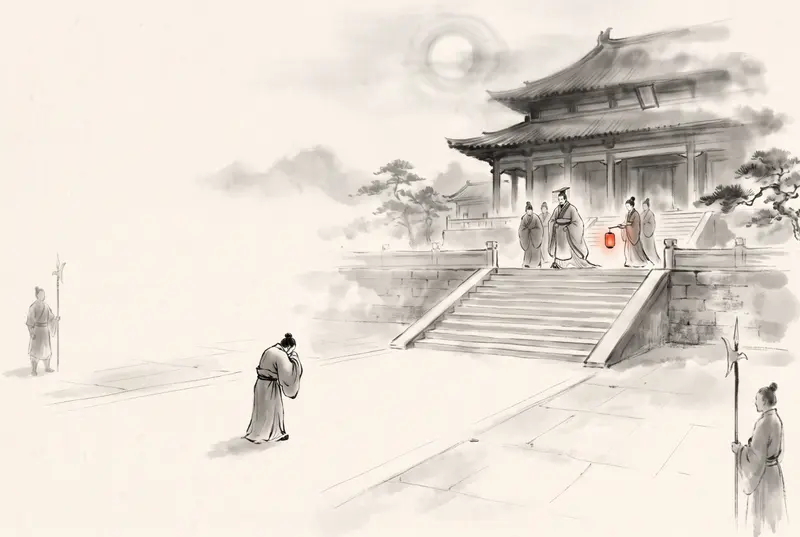
於是申包胥走秦告急,求救於秦。秦不許。包胥立於秦廷,晝夜哭,七日七夜不絕其聲。秦哀公憐之,曰:「楚雖無道,有臣若是,可無存乎!」乃遣車五百乘救楚擊吳。
Kundoku (Japanese reading)
是に於いて申包胥秦に走りて急を告げ、救いを秦に求む。秦許さず。包胥秦の廷に立ちて、昼夜哭し、七日七夜其の声を絶たず。秦の哀公之を憐れみて曰く、「楚は無道なりと雖も、臣有ること是くの若し。存すること無かるべけんや」と。乃ち車五百乗を遣わして楚を救いて呉を撃たしむ。
Japanese
そこで申包胥は秦へ急ぎ、窮状を訴えて救いを求めた。秦は聞き入れなかった。包胥は秦の朝廷に立ちつくし、昼も夜も泣きつづけ、七日七晩、その声がとぎれることはなかった。秦の哀公はあわれに思って言った。「楚は道にはずれた国だが、これほどの家臣がいるのだ。滅ぼさせてよいものか」。そして戦車五百台を送って楚を救い、呉を攻めさせた。
English
Then Shen Baoxu hurried to Qin to report the danger and ask for help. Qin refused. Baoxu stood in the Qin court weeping day and night, and for seven days and seven nights his voice never stopped. Duke Ai of Qin took pity on him and said, "Chu may have lost the Way, but when it has a minister like this, how can we let it perish?" And he sent five hundred chariots to rescue Chu and attack Wu.
Notes (JA)
- 告急: 危急を知らせ、助けを求める。
- 秦廷: 秦の朝廷。「秦庭の哭」として、救援を求める熱意のたとえになった。
- 秦哀公: 秦の君主(在位 前536〜前501年)。昭王の母(秦の娘)の一族にあたる。
- 乘: 戦車を数える言葉。
- このあと(省略): 秦の救援に加え、闔廬の弟の夫概が呉で王を名のったため、闔廬は楚から引き上げ、昭王は郢に戻った。
Notes (EN)
- 告急: to report a crisis and ask for help.
- The Qin court: "weeping in the Qin court" became a byword for a desperate plea for help.
- Duke Ai of Qin (r. 536–501 BCE): a relative of King Zhao's Qin mother.
- 乘: a counter for chariots.
- After this (left out here): with Qin's army coming, and Helü's brother Fugai proclaiming himself king back in Wu, Helü withdrew from Chu, and King Zhao returned to Ying.
Word notes
- take pity on/ˌteɪk ˈpɪti ɑn/phrase
to feel sorry for someone and help them
In the text: “took pity on him”
Similar words: sympathize with — feel sorry for · have mercy on — treat kindly
- rescue/ˈrɛskjuː/verb
to save from danger
In the text: “to rescue Chu”
Similar words: save — keep from harm · relieve — bring help to a place under attack
Passage 9
Original
後五年,伐越。越王句踐迎擊,敗吳於姑蘇,傷闔廬指,軍卻。闔廬病創將死,謂太子夫差曰:「爾忘句踐殺爾父乎?」夫差對曰:「不敢忘。」是夕,闔廬死。夫差既立為王,以伯嚭為太宰,習戰射。二年後伐越,敗越於夫湫。越王句踐乃以餘兵五千人棲於會稽之上,使大夫種厚幣遺吳太宰嚭以請和,求委國為臣妾。吳王將許之。伍子胥諫曰:「越王為人能辛苦。今王不滅,後必悔之。」吳王不聽,用太宰嚭計,與越平。
Kundoku (Japanese reading)
後五年、越を伐つ。越王句践迎え撃ち、呉を姑蘇に敗り、闔廬の指を傷つけ、軍卻く。闔廬創を病みて将に死せんとし、太子夫差に謂いて曰く、「爾句践の爾の父を殺せしを忘れんか」と。夫差対えて曰く、「敢えて忘れず」と。是の夕べ、闔廬死す。夫差既に立ちて王と為り、伯嚭を以て太宰と為し、戦射を習わしむ。二年の後越を伐ち、越を夫湫に敗る。越王句践乃ち余兵五千人を以て会稽の上に棲み、大夫種をして幣を厚くして呉の太宰嚭に遺りて以て和を請わしめ、国を委ねて臣妾と為らんことを求む。呉王将に之を許さんとす。伍子胥諫めて曰く、「越王の人と為りは能く辛苦す。今王滅ぼさずんば、後必ず之を悔いん」と。呉王聴かず、太宰嚭の計を用いて越と平らぐ。
Japanese
五年後、呉は越を攻めた。越王句践は迎え撃って、呉を姑蘇で破り、闔廬は指に傷を負って、軍は退いた。闔廬は傷がもとで死にかけ、太子の夫差に言った。「おまえは、句践がおまえの父を殺したことを忘れるか」。夫差は「決して忘れません」と答えた。その夜、闔廬は死んだ。夫差は王となると、伯嚭を太宰(宰相)にして、兵に戦いと弓を習わせた。二年後に越を攻め、夫湫で越を破った。越王句践は残った兵五千人とともに会稽山の上に立てこもり、大夫の種に、呉の太宰嚭へ手厚い贈り物を届けさせて和睦を求め、国ごと差し出して家来になりたいと願い出た。呉王はこれを許そうとした。伍子胥はいさめて言った。「越王は苦しみに耐えることのできる人物です。いま滅ぼしておかなければ、きっと後悔なさいます」。呉王は聞き入れず、太宰嚭の策を用いて越と和睦した。
English
Five years later Wu attacked Yue. Goujian, King of Yue, met the attack and defeated Wu at Gusu, wounding Helü's finger, and the Wu army fell back. Dying of his wound, Helü said to his son Fuchai, the crown prince, "Will you forget that Goujian killed your father?" "I would not dare forget," Fuchai answered. That evening Helü died. When Fuchai became king, he made Bo Pi his chief minister and had his troops practice fighting and archery. Two years later he attacked Yue and defeated it at Fujiao. Goujian, King of Yue, took refuge on Mount Kuaiji with his last five thousand men. He sent his minister Zhong with rich gifts to Bo Pi, the chief minister of Wu, to sue for peace, offering to hand over his state and become Wu's servant. The King of Wu was about to agree. Wu Zixu protested: "The King of Yue is a man who can endure hardship. If Your Majesty does not destroy him now, you will surely regret it." The King of Wu would not listen; following Bo Pi's advice, he made peace with Yue.
Notes (JA)
- この節の前(省略): 呉は伍子胥と孫武の策によって、西では楚を破り、北では斉・晋をおびやかし、南では越を従えた。
- 姑蘇: 呉の都の近く、今の江蘇省蘇州市のあたり。巻41では「檇李」の戦い(前496年)。
- 夫差: 呉の最後の王(在位 前495〜前473年)。
- 伯嚭: 楚から亡命してきた家臣。太宰は宰相にあたる役。
- 夫湫: 巻41では「夫椒」。今の太湖のあたりとされる。前494年の戦い。
- 會稽: 今の浙江省紹興市の南の山。越の本拠地。
- 大夫種: 越の家臣、文種。
- 臣妾: 男の家来と女の召使い。国ごと家来になるということ。
- 能辛苦: 苦しみに耐えることができる。
Notes (EN)
- Before this (left out here): following the plans of Wu Zixu and Sun Wu, Wu defeated Chu in the west, overawed Qi and Jin in the north, and subdued Yue in the south.
- Gusu: near the Wu capital, present-day Suzhou in Jiangsu. Volume 41 calls this the battle of Zuili (496 BCE).
- Fuchai: the last king of Wu (r. 495–473 BCE).
- Bo Pi: a refugee from Chu. The "chief minister" (太宰) was the head of the government.
- Fujiao: written 夫椒 in Volume 41, probably near Lake Tai. The battle was in 494 BCE.
- Mount Kuaiji: a mountain south of present-day Shaoxing in Zhejiang, the heart of Yue.
- Zhong: Wen Zhong, a minister of Yue.
- 臣妾 ("menservants and maidservants"): to become Wu's subjects, state and all.
- 能辛苦: able to endure hardship.
Word notes
- wound/wuːnd/noun
an injury, especially a cut in the skin
In the text: “Dying of his wound”
Similar words: injury — damage to the body · gash — a deep cut
Wound (injury) rhymes with tuned. Wound /waʊnd/, the past of wind, rhymes with sound.
- archery/ˈɑrtʃəri/noun
shooting arrows with a bow
In the text: “practice fighting and archery”
Similar words: bowmanship — skill with the bow · marksmanship — skill at shooting
- refuge/ˈrɛfjuːdʒ/noun
a place of safety
In the text: “took refuge on Mount Kuaiji”
Similar words: shelter — a place that protects · sanctuary — a safe place
- sue for peace/ˌsuː fər ˈpiːs/phrase
to ask an enemy to stop fighting
In the text: “to sue for peace”
Similar words: make peace — agree to stop fighting · surrender — give up to an enemy
Sue also means to take someone to court.
Passage 10
Original
其後五年,而吳王聞齊景公死而大臣爭寵,新君弱,乃興師北伐齊。伍子胥諫曰:「句踐食不重味,弔死問疾,且欲有所用之也。此人不死,必為吳患。今吳之有越,猶人之有腹心疾也。而王不先越而乃務齊,不亦謬乎!」吳王不聽,伐齊,大敗齊師於艾陵,遂威鄒魯之君以歸。益疏子胥之謀。
Kundoku (Japanese reading)
其の後五年にして、呉王斉の景公死して大臣寵を争い、新君弱きを聞き、乃ち師を興して北のかた斉を伐たんとす。伍子胥諫めて曰く、「句践は食に味を重ねず、死を弔い疾を問う。且に之を用うる所有らんと欲するなり。此の人死せずんば、必ず呉の患いと為らん。今呉の越有るは、猶お人の腹心の疾有るがごときなり。而るに王越を先にせずして乃ち斉に務む。亦た謬らずや」と。呉王聴かず、斉を伐ち、大いに斉の師を艾陵に敗り、遂に鄒・魯の君を威して以て帰る。益ます子胥の謀を疏んず。
Japanese
その五年後、呉王は、斉の景公が死んで大臣たちが権力を争い、新しい君主が弱いと聞くと、軍を起こして北の斉を攻めようとした。伍子胥はいさめて言った。「句践は、おかずを二品と並べない質素な食事をし、死んだ者を弔い、病人を見舞っています。いずれ民を使って何かをしようとしているのです。この男が死なないかぎり、必ず呉のわざわいになります。いまの呉にとっての越は、人でいえば腹や胸の奥の病気のようなものです。それなのに王は越を後回しにして、斉に力を注いでおられる。間違いではありませんか」。呉王は聞き入れずに斉を攻め、艾陵で斉の軍を大いに破り、鄒や魯の君主をも威圧して帰ってきた。そして、ますます伍子胥の意見を遠ざけるようになった。
English
Five years later, the King of Wu heard that Duke Jing of Qi had died, that his ministers were fighting for power, and that the new ruler was weak, so he raised an army to attack Qi in the north. Wu Zixu protested: "Goujian eats only one dish at a meal, mourns the dead and visits the sick. He means to make use of his people someday. As long as this man lives, he will be a danger to Wu. Yue is to Wu what a disease in the belly and heart is to a man. And yet Your Majesty puts Qi before Yue. Is that not a mistake?" The King of Wu would not listen. He attacked Qi, crushed its army at Ailing, overawed the rulers of Zou and Lu, and came home. After that he paid even less heed to Zixu's advice.
Notes (JA)
- 齊景公: 斉の君主(在位 前547〜前490年)。
- 食不重味: おかずを重ねない、質素な食事をする。
- 弔死問疾: 死者を弔い、病人を見舞う。民の心をつかもうとしていること。
- 腹心疾: 腹や胸の奥の病気。体の内側にあって命にかかわる心配ごとのたとえ。
- 艾陵: 今の山東省泰安市のあたり。前484年の戦い。
- 鄒魯: 斉の南の小国、鄒と魯。
Notes (EN)
- Duke Jing of Qi (r. 547–490 BCE).
- 食不重味: eating only one dish, living frugally.
- 弔死問疾: mourning the dead and visiting the sick, to win the people's hearts.
- 腹心疾 ("a disease of the belly and heart"): a deadly danger from within.
- Ailing: near present-day Tai'an in Shandong. The battle was in 484 BCE.
- Zou and Lu: small states south of Qi.
Word notes
- mourn/mɔrn/verb
to feel or show great sadness for someone who has died
In the text: “mourns the dead”
Similar words: grieve — feel deep sadness · lament — show sorrow openly
- heed/hiːd/noun
careful attention to advice or a warning
In the text: “paid even less heed”
Similar words: attention — notice · notice — care or interest
Passage 11
Original
吳王曰:「微子之言,吾亦疑之。」乃使使賜伍子胥屬鏤之劍,曰:「子以此死。」伍子胥仰天嘆曰:「嗟乎!讒臣嚭為亂矣,王乃反誅我。我令若父霸。自若未立時,諸公子爭立,我以死爭之於先王,幾不得立。若既得立,欲分吳國予我,我顧不敢望也。然今若聽諛臣言以殺長者。」乃告其舍人曰:「必樹吾墓上以梓,令可以為器;而抉吾眼縣吳東門之上,以觀越寇之入滅吳也。」乃自剄死。吳王聞之大怒,乃取子胥尸盛以鴟夷革,浮之江中。吳人憐之,為立祠於江上,因命曰胥山。
Kundoku (Japanese reading)
呉王曰く、「子の言微かりせば、吾も亦た之を疑わん」と。乃ち使いをして伍子胥に属鏤の剣を賜わしめて曰く、「子此を以て死せよ」と。伍子胥天を仰ぎて嘆じて曰く、「嗟乎、讒臣嚭乱を為す。王乃ち反って我を誅す。我若の父をして霸たらしむ。若の未だ立たざる時より、諸公子立つを争う。我死を以て之を先王に争い、幾ど立つを得ざらんとす。若既に立つを得て、呉国を分かちて我に予えんと欲す。我顧って敢えて望まず。然るに今若諛臣の言を聴きて以て長者を殺す」と。乃ち其の舎人に告げて曰く、「必ず吾が墓の上に樹うるに梓を以てし、以て器と為すべからしめよ。而して吾が眼を抉りて呉の東門の上に県けよ。以て越寇の入りて呉を滅ぼすを観ん」と。乃ち自剄して死す。呉王之を聞きて大いに怒り、乃ち子胥の尸を取りて盛るに鴟夷の革を以てし、之を江中に浮かぶ。呉人之を憐れみ、為に祠を江上に立て、因りて命じて胥山と曰う。
Japanese
呉王は言った。「おまえに言われなくても、わたしも疑っていた」。そして使いを出して、伍子胥に属鏤という名の剣を与え、「これで死ね」と伝えた。伍子胥は天を仰いで嘆いた。「ああ、悪口を言う家臣の嚭が国を乱しているのに、王はかえってわたしを殺すのか。わたしはおまえの父を覇者にしてやった。おまえがまだ太子に立てられる前、公子たちが跡継ぎの座を争ったとき、わたしは命がけで先王に掛け合ったが、それでもおまえは危うく太子になれないところだった。太子になれると、おまえは呉の国を分けてわたしに与えようとしたが、わたしはそんなことは望まなかった。それなのにいま、おまえはへつらう家臣の言葉を聞いて、目上の者を殺すのか」。そして家来に言った。「わたしの墓には必ず梓の木を植えて、棺桶が作れるようにしておけ。そして、わたしの目をえぐり取って、呉の東門の上にかけておけ。越の軍が攻めこんで呉を滅ぼすのを見とどけてやる」。そして自ら首をはねて死んだ。呉王はこれを聞いてひどく怒り、伍子胥の遺体を革の袋に入れて、長江に流した。呉の人々はあわれに思って、川のほとりにほこらを建て、その山を胥山と名づけた。
English
The King of Wu said, "Even without your words, I had my own suspicions." So he sent a messenger to give Wu Zixu a sword called Shulou, saying, "Die by this." Wu Zixu looked up to Heaven and sighed: "Alas! The slanderer Pi is bringing ruin, and the king kills me instead. I made your father overlord. Before you were named heir, when the princes were fighting over the succession, I argued for you with the late king at the risk of my life, and even so you very nearly lost. When you were named heir, you wanted to give me part of the state of Wu, but I would not even think of it. And now you listen to a flatterer and kill your elder." Then he told his retainers, "Be sure to plant catalpa trees on my grave, so that there will be wood for coffins. And gouge out my eyes and hang them above the east gate of Wu, so that I can watch the Yue invaders come in and destroy Wu." Then he cut his own throat and died. When the King of Wu heard this, he flew into a rage. He had Zixu's body stuffed into a leather sack and thrown into the river. The people of Wu pitied him and built a shrine for him by the river, and the place was named Mount Xu.
Notes (JA)
- この節の前(省略): 斉への使いに出た伍子胥は、呉の滅亡を予感して、自分の子を斉の鮑氏にあずけた。伯嚭はこれを知り、伍子胥は他国と通じて王を恨んでいる、と呉王に告げた。
- 微: 「もし…がなければ」。
- 屬鏤: 剣の名。自殺せよという命令として剣を与えた。
- 霸: 覇者。諸侯のかしら。
- 長者: 年長の者、目上の者。
- 梓: アズサ(キササゲ)の木。棺を作る材料。呉王の棺を作るため、つまり呉が滅びることを予言した。
- 抉吾眼縣吳東門: 目をえぐって東門にかけよ。越は呉の東南にあった。巻41の章にも同じ話がある。
- 鴟夷: 革で作った袋(酒袋)。のちに范蠡がこの名を名のる(巻41の章を参照)。
- 胥山: 今の江蘇省蘇州市の西にある山とされる。前484年のこと。
Notes (EN)
- Before this (left out here): sent as envoy to Qi, Zixu foresaw the fall of Wu and left his son with the Bao family of Qi. Bo Pi learned of this and told the king that Zixu was plotting with a foreign state out of resentment.
- 微: "if not for."
- Shulou (屬鏤): the name of a sword. Sending a sword was an order to commit suicide.
- 霸: overlord, leader of the lords.
- 長者: one's elder or senior.
- Catalpa (梓): a tree whose wood was used for coffins; Zixu is foretelling the death of Wu.
- Hang my eyes above the east gate: Yue lay to the southeast of Wu. Volume 41 tells the same story.
- 鴟夷: a leather sack (for wine). Fan Li later took this as his name (see Volume 41).
- Mount Xu: said to be a hill west of present-day Suzhou. This was in 484 BCE.
Word notes
- succession/səkˈsɛʃən/noun
the act of following someone as ruler
In the text: “fighting over the succession”
Similar words: inheritance — what comes to an heir · accession — coming to the throne
- flatterer/ˈflætərər/noun
a person who praises others too much to win favor
In the text: “you listen to a flatterer”
Similar words: yes-man — informal; one who always agrees · sycophant — formal; a flatterer
- gouge out/ˌɡaʊdʒ ˈaʊt/phrasal verb
to dig something out with force
In the text: “gouge out my eyes”
Similar words: dig out — remove by digging · tear out — pull out violently
- shrine/ʃraɪn/noun
a holy place built to honor a person or a god
In the text: “built a shrine for him”
Similar words: temple — a building for worship · memorial — something built to remember someone
Passage 12
Original
太史公曰:怨毒之於人甚矣哉!王者尚不能行之於臣下,況同列乎!向令伍子胥從奢俱死,何異螻蟻。棄小義,雪大恥,名垂於後世,悲夫!方子胥窘於江上,道乞食,志豈嘗須臾忘郢邪?故隱忍就功名,非烈丈夫孰能致此哉?
Kundoku (Japanese reading)
太史公曰く、怨毒の人に於けるや甚だしいかな。王者すら尚お之を臣下に行う能わず、況んや同列をや。向に伍子胥をして奢に従いて倶に死せしめば、何ぞ螻蟻に異ならん。小義を棄てて、大恥を雪ぎ、名後世に垂る。悲しいかな。子胥の江上に窘しみ、道に食を乞うに方りて、志豈に嘗て須臾も郢を忘れんや。故に隠忍して功名を就す。烈丈夫に非ずんば孰か能く此を致さんや。
Japanese
太史公(司馬遷)は言う。人の恨みの毒とは、なんとすさまじいものか。王でさえ、家臣に恨まれるようなことをしてはならない。まして同じ身分の者どうしならなおさらだ。もし伍子胥が父の伍奢に従って一緒に死んでいたら、虫けらと何の違いもなかっただろう。小さな義理を捨てて大きな恥をすすぎ、名を後の世に残した。悲しいことだ。子胥が長江のほとりで追いつめられ、道で食べ物を乞うていたとき、その心は少しの間でも、楚の都の郢を忘れたことがあっただろうか。だから、じっと耐え忍んで功名をなしとげたのだ。激しい心をもつ男でなければ、だれがこんなことをなしとげられようか。
English
The Grand Historian says: how terrible is the poison of resentment in a man! Even a king cannot afford to provoke it in his subjects, still less among equals. Had Wu Zixu died with his father, She, he would have been no different from an ant. He cast aside a small duty to wipe out a great shame, and his name has come down to later ages. How sad! When Zixu was trapped by the river and begging for food on the road, did his mind ever forget Ying for a single moment? So he endured in silence and won his fame. Who but a man of fierce spirit could have done this?
Notes (JA)
- 怨毒: 恨みの毒。深い恨み。
- 同列: 同じ地位の者どうし。
- 螻蟻: ケラとアリ。取るに足りないもの。
- 棄小義,雪大恥: 父と一緒に死ぬという小さな義を捨てて、父の仇を討ち、大きな恥をすすいだ。
- 須臾: ほんのしばらく。
- 隱忍: じっと耐え忍ぶ。司馬遷自身も、宮刑の恥に耐えて『史記』を書き上げた(巻130の章を参照)。
- 烈丈夫: 激しく強い心をもつ男。
- このあと(省略): 伍子胥とともに逃げた勝(白公)についての短い評が続く。
Notes (EN)
- 怨毒: the poison of resentment, deep hatred.
- 同列: those of equal rank.
- 螻蟻: mole crickets and ants, worthless creatures.
- 棄小義,雪大恥: he gave up the small duty of dying with his father in order to avenge him and wipe out the great shame.
- 須臾: a single moment.
- 隱忍 ("endure in silence"): Sima Qian himself endured the shame of castration to finish the Shiji (see Volume 130).
- 烈丈夫: a man of fierce spirit.
- After this (left out here): a short remark on Sheng, Duke of Bai, who fled with Zixu and later rebelled in Chu.
Word notes
- resentment/rɪˈzɛntmənt/noun
a bitter feeling about being treated unfairly
In the text: “the poison of resentment”
Similar words: bitterness — angry disappointment · grudge — long-lasting anger
- provoke/prəˈvoʊk/verb
to cause a strong feeling, especially anger
In the text: “cannot afford to provoke it”
Similar words: stir up — cause trouble or feeling · arouse — awaken a feeling
- endure/ɪnˈdʊr/verb
to suffer something difficult patiently
In the text: “he endured in silence”
Similar words: bear — put up with · tolerate — accept something unpleasant
- fierce/fɪrs/adjective
very strong, wild or determined
In the text: “a man of fierce spirit”
Similar words: intense — very strong · ferocious — very fierce, like a wild animal