Hereditary Houses · Vol. 60
The Hereditary Houses of the Three Kings 三王世家
Guard Your State, Tend Your People 保國艾民,可不敬與
The record of how Emperor Wu made three of his sons, Liu Hong, Liu Dan and Liu Xu, kings. In 117 BCE Huo Qubing, the Grand Marshal, sent up a memorial noting that the princes still had no rank, and the chancellor and ministers asked that they be made kings; again and again the emperor refused, saying sons not yet trained could not rule cities, and offered only marquisates. At last, after repeated pleas, Liu Hong became King of Qi, Liu Dan King of Yan and Liu Xu King of Guangling, and the emperor gave each a charter of admonitions fitted to his land. Sima Qian kept these documents as they were, finding their language splendid. Master Chu's additions tell how the princes' mother Lady Wang hoped for Luoyang, explain the five-coloured earth a king received from the altar of the Son of Heaven, and follow the kings of Yan and Guangling as they defied their charters, plotted rebellion and both died by their own hand.
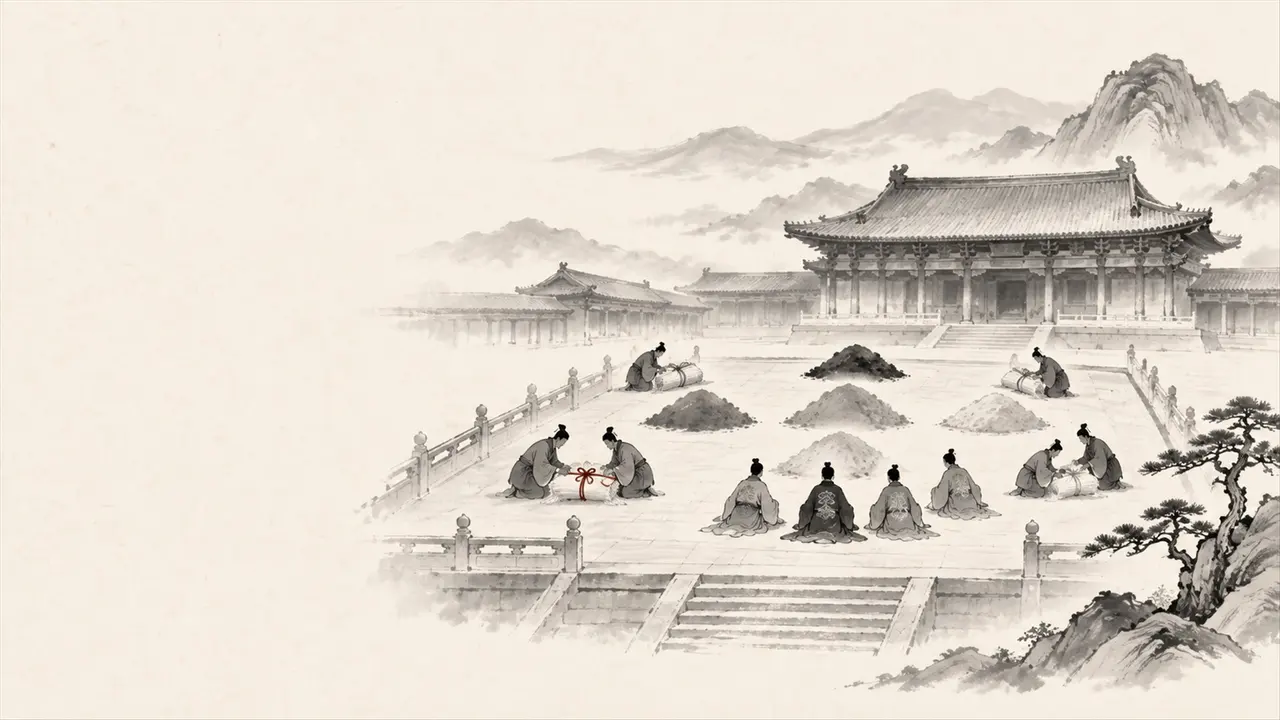
This page has the scene "Guard Your State, Tend Your People" from this volume, not the whole volume.
Audio
The audio is synthetic speech.
Video
Passage 1
Original
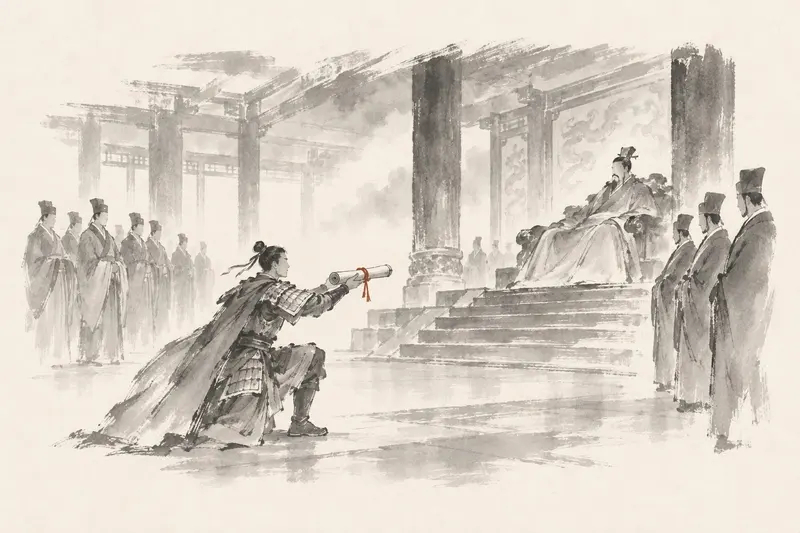
「大司馬臣去病昧死再拜上疏皇帝陛下:陛下過聽,使臣去病待罪行閒。宜專邊塞之思慮,暴骸中野無以報,乃敢惟他議以干用事者,誠見陛下憂勞天下,哀憐百姓以自忘,虧膳貶樂,損郎員。皇子賴天,能勝衣趨拜,至今無號位師傅官。陛下恭讓不恤,群臣私望,不敢越職而言。臣竊不勝犬馬心,昧死願陛下詔有司,因盛夏吉時定皇子位。唯陛下幸察。臣去病昧死再拜以聞皇帝陛下。」三月乙亥,御史臣光守尚書令奏未央宮。制曰:「下御史。」
Kundoku (Japanese reading)
「大司馬臣去病昧死再拝して疏を皇帝陛下に上る。陛下過聴し、臣去病をして罪を行間に待たしむ。宜しく辺塞の思慮を専らにすべく、骸を中野に暴すも以て報ゆる無し。乃ち敢えて惟だ他議以て事を用うる者を干すは、誠に陛下の天下を憂労し、百姓を哀憐して以て自ら忘れ、膳を虧き楽を貶し、郎員を損ずるを見ればなり。皇子天に頼りて、能く衣に勝え趨拝す。今に至るまで号位師傅の官無し。陛下恭譲して恤えず、群臣私かに望むも、敢えて職を越えて言わず。臣窃かに犬馬の心に勝えず、昧死して願わくは陛下有司に詔し、盛夏の吉時に因りて皇子の位を定めよ。唯だ陛下幸いに察せよ。臣去病昧死再拝して以て皇帝陛下に聞す」と。三月乙亥、御史臣光尚書令を守し未央宮に奏す。制して曰く、「御史に下せ」と。
Japanese
「大司馬のわたくし霍去病は、死をおかして再拝し、皇帝陛下に申し上げます。陛下はわたくしを買いかぶって軍の中に置いてくださいました。わたくしは国境のことだけを考えるべき身で、たとえ野原に骨をさらしてもご恩に報いることはできません。それなのにあえて他のことを申し上げ、政治をあずかる方々をわずらわせるのは、陛下が天下のために心を砕き、民をあわれんでご自分のことを忘れ、食事を減らし音楽をひかえ、宮中の郎の数まで減らしておられるのを見るからです。皇子たちは天のおかげで、衣服を着て小走りに礼ができるほどに育ちましたが、いまだに称号も位も、守り役の師もおりません。陛下はへりくだって気にかけず、家臣たちはひそかに望んでいても、職を越えて言い出せずにいます。わたくしは犬や馬のような忠誠の心をおさえきれず、死をおかしてお願いいたします。どうか役人に命じ、真夏のよい時期に皇子たちの位を定めてください。陛下、どうかお察しください」。三月乙亥の日、尚書令を代行する御史の光が、未央宮でこれを奏上した。天子は「御史に下せ」と命じた。
English
"Your servant Qubing, Grand Marshal, at the risk of death bows twice and presents this memorial to His Majesty the Emperor. Your Majesty has thought too well of me and set me to serve among the ranks. I ought to think only of the frontier; even if my bones lay bleaching in the open field, I could never repay you. If I dare to raise another matter and trouble those who run affairs, it is because I truly see Your Majesty toiling over the realm and pitying the people until you forget yourself, cutting your meals and your music and reducing your gentlemen of the palace. By Heaven's grace the princes are old enough to wear their robes and bow with hurried steps, yet to this day they have no title, no rank and no tutors. Your Majesty in your modesty pays it no heed; the ministers privately hope, but dare not speak beyond their office. I cannot contain my dog-and-horse devotion, and at the risk of death I beg Your Majesty to order the officials to fix the princes' ranks in this auspicious season of high summer. I pray Your Majesty will deign to consider it. Your servant Qubing, at the risk of death, bows twice and informs His Majesty the Emperor." On the day yihai of the third month, Guang, a secretary acting as Prefect of the Masters of Writing, presented it at the Weiyang Palace. The decree said: "Send it down to the Grandee Secretary."
Notes (JA)
- 霍去病: 武帝の若い名将で、匈奴を何度も破った(111-wei-huo の章)。この上疏の年(前117年)に、二十四歳で亡くなる。
- 昧死: 死罪をおかす覚悟で申し上げる、という上奏の決まり文句。
- 犬馬の心: 犬や馬が主人に尽くすような、へりくだった忠誠の心。
Notes (EN)
- Huo Qubing: Emperor Wu's young general who beat the Xiongnu again and again (chapter 111); he died at twenty-four in the year of this memorial, 117 BCE.
- At the risk of death (昧死): a set phrase opening memorials to the throne.
- Dog-and-horse devotion (犬馬之心): the humble loyalty of a beast to its master.
Word notes
- memorial/məˈmɔːriəl/noun
a formal written request to a ruler
In the text: “presents this memorial”
Similar words: petition — a formal request · report — an official account
- devotion/dɪˈvoʊʃən/noun
great love and loyalty
In the text: “dog-and-horse devotion”
Similar words: loyalty — faithfulness · dedication — commitment
Passage 2
Original
制曰:「蓋聞周封八百,姬姓并列,或子、男、附庸。禮『支子不祭』。云并建諸侯所以重社稷,朕無聞焉。且天非為君生民也。朕之不德,海內未洽,乃以未教成者彊君連城,即股肱何勸?其更議以列侯家之。」
Kundoku (Japanese reading)
制して曰く、「蓋し聞く、周八百を封じ、姫姓并び列なり、或いは子・男・附庸たりと。礼に『支子は祭らず』と。并びに諸侯を建つるは社稷を重んずる所以なりと云うは、朕聞く無し。且つ天は君の為に民を生ずるに非ざるなり。朕の不徳、海内未だ洽からず。乃ち未だ教え成らざる者を以て彊いて城を連ぬるに君たらしめば、即ち股肱何をか勧めん。其れ更に議して列侯を以て之を家せしめよ」と。
Japanese
天子は詔で言った。「聞くところでは、周は八百の国を封じ、姫姓の一族が並び立ったが、子爵や男爵、付属の小国にすぎないものもあった。礼には『跡継ぎでない子は先祖を祭らない』とある。諸侯をあわせて建てるのが国家を重んじることだというのは、聞いたことがない。それに、天は君主のために民を生んだのではない。わたしの徳が足りず、天下はまだよく治まっていない。それなのに、まだ教えの成っていない者を無理に多くの城の君主にしたら、補佐する家臣たちは何を励みにすればよいのか。あらためて議論し、列侯として家を立てさせよ」。
English
The decree said: "I have heard that Zhou enfeoffed eight hundred states, with those of the Ji surname side by side, some only viscounts, barons or dependent lands. The rites say, 'A younger son does not sacrifice.' I have never heard that setting up many lords is the way to honour the altars of the state. Besides, Heaven did not create the people for the sake of their lords. My virtue is lacking, and the realm is not yet at peace. If I force sons whose education is not complete to rule over strings of cities, what will encourage my ministers, my arms and legs? Discuss it again, and set them up in households as marquises."
Notes (JA)
- 支子: 正妻の長男以外の子。跡継ぎでないので、祖先の祭りの主にはならない。
- 股肱: 主君の手足となって働く家臣。
- 武帝は、皇子をすぐに王にせず、まず列侯にとどめようとした。
Notes (EN)
- A younger son (支子): any son but the principal heir, who does not lead the ancestral rites.
- Arms and legs (股肱): the ministers who act for their lord.
- The emperor at first offered only marquisates, not kingdoms.
Word notes
- marquisate/ˈmɑːrkwɪzət/noun
the rank or land of a marquis
In the text: “as marquises”
Similar words: title — a rank name · fief — land held from a ruler
- encourage/ɪnˈkʌrɪdʒ/verb
to give someone hope or confidence
In the text: “what will encourage my ministers”
Similar words: inspire — fill with hope · motivate — give a reason to act
Passage 3
Original
制曰:「康叔親屬有十而獨尊者,褒有德也。周公祭天命郊,故魯有白牡、騂剛之牲。群公不毛,賢不肖差也。『高山仰之,景行向之』,朕甚慕焉。所以抑未成,家以列侯可。」
Kundoku (Japanese reading)
制して曰く、「康叔親属十有りて独り尊きは、有徳を褒むればなり。周公天を祭り郊を命ぜらる。故に魯に白牡・騂剛の牲有り。群公は毛ならず。賢不肖の差なり。『高山之を仰ぎ、景行之に向かう』と。朕甚だ焉を慕う。未だ成らざるを抑うる所以なり。家するに列侯を以てして可なり」と。
Japanese
天子は詔で言った。「康叔の兄弟は十人いたが、康叔だけが尊ばれたのは、徳のある者をほめたからである。周公は天を祭り、郊外の祭りを許された。だから魯には白い牡牛と赤い牛のいけにえがある。ほかの諸公は毛色のそろったいけにえを使えなかった。賢い者とそうでない者との差である。『高い山を仰ぎ見、大きな道を目指して進む』という。わたしはそれを深く慕っている。だから、まだ教えの成らない者を抑えるのだ。列侯として家を立てさせればよい」。
English
The decree said: "Kang Shu had ten brothers, yet he alone was honoured: it was to reward virtue. The Duke of Zhou was granted the sacrifice to Heaven in the suburbs, which is why Lu has its offerings of a white bull and a red one, while the other dukes could not use unblemished victims. That is the difference between the worthy and the unworthy. 'A high mountain one looks up to; a great road one walks toward.' I long for this deeply. That is why I hold back those who are not yet formed. Setting them up in households as marquises will do."
Notes (JA)
- 康叔: 周の武王の弟で、衛の祖(035-guan-cai の章)。
- 白牡・騂剛: 白い牡牛と赤い牛。天を祭るときの特別ないけにえ。
- 「高山之を仰ぎ、景行之に向かう」: 『詩経』の言葉。司馬遷は孔子世家の評でもこの句を引いている(047-confucius の章)。
Notes (EN)
- Kang Shu: King Wu's brother and founder of Wey (chapter 035).
- A white bull and a red one: special victims for the sacrifice to Heaven.
- "A high mountain one looks up to…": from the Book of Odes; Sima Qian quotes it of Confucius too (chapter 047).
Idioms from this passage: A high mountain one looks up to; a great road one walks toward 高山之を仰ぎ、景行之に向かう
Word notes
- unblemished/ʌnˈblɛmɪʃt/adjective
without any marks or faults
In the text: “unblemished victims”
Similar words: spotless — without spots · flawless — perfect
- long for/lɒŋ fɔːr/phrasal verb
to want something very much
In the text: “I long for this deeply”
Similar words: yearn — want deeply · crave — want strongly
Passage 4
Original
制曰:「立皇子閎為齊王,旦為燕王,胥為廣陵王。」「維六年四月乙巳,皇帝使御史大夫湯廟立子閎為齊王。曰:於戲,小子閎,受茲青社!朕承祖考,維稽古建爾國家,封于東土,世為漢藩輔。於戲念哉!抱朕之詔,惟命不于常。人之好德,克明顯光。義之不圖,俾君子怠。悉爾心,允執其中,天祿永終。厥有愆不臧,乃凶于而國,害于爾躬。於戲,保國艾民,可不敬與!王其戒之。」
Kundoku (Japanese reading)
制して曰く、「皇子閎を立てて斉王と為し、旦を燕王と為し、胥を広陵王と為す」と。「維れ六年四月乙巳、皇帝御史大夫湯をして廟に子閎を立てて斉王と為さしむ。曰く、於戯、小子閎、茲の青社を受けよ。朕祖考を承け、維れ古を稽えて爾の国家を建て、東土に封じ、世々漢の藩輔と為す。於戯念えや。朕の詔を抱け。惟れ命は常に于いてせず。人の徳を好む、克く明らかに光を顕す。義を之れ図らざれば、君子をして怠らしむ。爾の心を悉くし、允に其の中を執らば、天禄永く終えん。厥れ愆りて臧からざる有らば、乃ち而の国に凶あり、爾の躬を害せん。於戯、国を保ち民を艾めよ、敬まざるべけんや。王其れ之を戒めよ」と。
Japanese
天子は詔で言った。「皇子の劉閎を斉王に、劉旦を燕王に、劉胥を広陵王に立てる」。「元狩六年四月乙巳の日、皇帝は御史大夫の張湯に命じ、祖先の廟で子の劉閎を斉王に立てさせた。その言葉に言う。ああ、わが子閎よ、この青い土の社を受けよ。わたしは先祖と父を継ぎ、昔のならわしに従っておまえの国を建て、東の地に封じ、代々漢を守る藩屏とする。ああ、よく考えよ。わたしの詔を胸に抱け。天命はいつも同じところにとどまるとはかぎらない。人が徳を好めば、その光ははっきりと輝く。義を思わなければ、君子もやる気を失う。心を尽くし、まことに中正を守れば、天の恵みは永く続く。もし過ちを犯して善くなければ、おまえの国に災いが起こり、おまえの身を害するだろう。ああ、国を守り民を治めることを、つつしまずにいられようか。王よ、これを戒めとせよ」。
English
The decree said: "Prince Hong is made King of Qi, Dan King of Yan and Xu King of Guangling." "On the day yisi of the fourth month of the sixth year, the Emperor sent the Grandee Secretary Tang to the ancestral temple to make his son Hong King of Qi, saying: Ah, young Hong, receive this green altar earth! I, heir to my ancestors and father, following the ways of old, establish your state and enfeoff you in the eastern land, to be a bulwark of Han for generations. Ah, take thought! Hold fast to my decree: the mandate does not stay in one place for ever. When a man loves virtue, his light shines bright. If he takes no thought for right, gentlemen grow slack. Give your whole heart and truly hold to the middle way, and Heaven's blessings will last to the end. But if you err and do wrong, disaster will fall on your state and harm on your person. Ah, guarding the state and tending the people — can you be other than reverent? King, take this as your warning."
Notes (JA)
- 青社: 東の国に封じられる王は、天子の社から青い土を受け取る(第9節)。
- 張湯: 武帝の時代の御史大夫で、きびしい法律家(122-kuli の章)。
- 斉の地の人は変わりやすく礼儀に慣れていないので、心の内をつつしむよう戒めた、と褚先生は説明する。
Notes (EN)
- Green altar earth (青社): a king enfeoffed in the east received green earth from the altar of the Son of Heaven (passage 9).
- Zhang Tang: Emperor Wu's Grandee Secretary, a harsh man of the law (chapter 122).
- Master Chu explains that the people of Qi were changeable and unused to ritual, so the king was warned to guard his own heart.
Word notes
- bulwark/ˈbʊlwərk/noun
a strong defence or protection
In the text: “to be a bulwark of Han”
Similar words: rampart — a defensive wall · safeguard — a protection
- reverent/ˈrɛvərənt/adjective
showing deep respect
In the text: “can you be other than reverent”
Similar words: respectful — polite and admiring · devout — deeply religious
Passage 5
Original
「維六年四月乙巳,皇帝使御史大夫湯廟立子旦為燕王。曰:於戲,小子旦,受茲玄社!朕承祖考,維稽古,建爾國家,封于北土,世為漢藩輔。於戲!葷粥氏虐老獸心,侵犯寇盜,加以姦巧邊萌。於戲!朕命將率徂征厥罪,萬夫長,千夫長,三十有二君皆來,降期奔師。葷粥徙域,北州以綏。悉爾心,毋作怨,毋卹德,毋乃廢備。非教士不得從徵。於戲,保國艾民,可不敬與!王其戒之。」
Kundoku (Japanese reading)
「維れ六年四月乙巳、皇帝御史大夫湯をして廟に子旦を立てて燕王と為さしむ。曰く、於戯、小子旦、茲の玄社を受けよ。朕祖考を承け、維れ古を稽え、爾の国家を建て、北土に封じ、世々漢の藩輔と為す。於戯、葷粥氏老を虐げ獣心あり、侵犯寇盗し、加うるに姦巧を以て辺萌す。於戯、朕将率に命じて徂きて厥の罪を征し、万夫の長、千夫の長、三十有二君皆来たり、旗を降して師に奔る。葷粥域を徙し、北州以て綏んず。爾の心を悉くし、怨みを作すこと毋かれ、徳に俷ること毋かれ、乃ち備えを廃すること毋かれ。教士に非ずんば徴に従うを得ず。於戯、国を保ち民を艾めよ、敬まざるべけんや。王其れ之を戒めよ」と。
Japanese
「元狩六年四月乙巳の日、皇帝は御史大夫の張湯に命じ、祖先の廟で子の劉旦を燕王に立てさせた。その言葉に言う。ああ、わが子旦よ、この黒い土の社を受けよ。わたしは先祖と父を継ぎ、昔のならわしに従っておまえの国を建て、北の地に封じ、代々漢を守る藩屏とする。ああ、葷粥(匈奴)は老人を虐げる獣の心を持ち、国境を侵して略奪し、そのうえ悪だくみで辺境の民をそそのかす。ああ、わたしは将軍たちに命じてその罪を討たせ、一万人の長、千人の長、三十二人の君長がみな来て、旗を伏せて漢の軍に降った。葷粥は遠くへ移り、北の地は安らかになった。心を尽くし、恨みを抱いてはならない。徳に背いてはならない。備えを怠ってはならない。教えを受けた者でなければ、そばに仕えさせてはならない。ああ、国を守り民を治めることを、つつしまずにいられようか。王よ、これを戒めとせよ」。
English
"On the day yisi of the fourth month of the sixth year, the Emperor sent the Grandee Secretary Tang to the ancestral temple to make his son Dan King of Yan, saying: Ah, young Dan, receive this black altar earth! I, heir to my ancestors and father, following the ways of old, establish your state and enfeoff you in the northern land, to be a bulwark of Han for generations. Ah, the Xunyu mistreat their old and have the hearts of beasts; they invade and plunder, and with cunning tricks they stir up the border folk. Ah, I ordered my generals to go and punish their crimes, and their captains of ten thousand and of a thousand, thirty-two chiefs in all, came lowering their banners and fled to our army. The Xunyu have moved far off, and the northern lands are at peace. Give your whole heart: do not nurse resentment, do not turn from virtue, and do not neglect your defences. Let no one but trained men follow you into service. Ah, guarding the state and tending the people — can you be other than reverent? King, take this as your warning."
Notes (JA)
- 玄社: 北の国に封じられる王が受ける黒い土。
- 葷粥: 匈奴の古い呼び名。
- 三十有二君皆来たり: 前121年に匈奴の渾邪王らが漢に降ったことをいう(110-xiongnu の章)。
Notes (EN)
- Black altar earth (玄社): the earth received by a king enfeoffed in the north.
- The Xunyu (葷粥): an old name for the Xiongnu.
- Thirty-two chiefs: the surrender of the Hunye king and others to Han in 121 BCE (chapter 110).
Word notes
- resentment/rɪˈzɛntmənt/noun
a feeling of anger about unfair treatment
In the text: “do not nurse resentment”
Similar words: bitterness — angry hurt · grudge — a lasting anger
- plunder/ˈplʌndər/verb
to steal goods by force
In the text: “they invade and plunder”
Similar words: loot — steal in war · pillage — rob with violence
Passage 6
Original
「維六年四月乙巳,皇帝使御史大夫湯廟立子胥為廣陵王。曰:於戲,小子胥,受茲赤社!朕承祖考,維稽古建爾國家,封于南土,世為漢藩輔。古人有言曰:『大江之南,五湖之閒,其人輕心。楊州保疆,三代要服,不及以政。』於戲!悉爾心,戰戰兢兢,乃惠乃順,毋侗好軼,毋邇宵人,維法維則。《書》云:『臣不作威,不作福,靡有後羞。』於戲,保國艾民,可不敬與!王其戒之。」
Kundoku (Japanese reading)
「維れ六年四月乙巳、皇帝御史大夫湯をして廟に子胥を立てて広陵王と為さしむ。曰く、於戯、小子胥、茲の赤社を受けよ。朕祖考を承け、維れ古を稽えて爾の国家を建て、南土に封じ、世々漢の藩輔と為す。古人言える有りて曰く、『大江の南、五湖の間、其の人心軽し。楊州は疆を保ち、三代は要服にして、政を以てするに及ばず』と。於戯、爾の心を悉くし、戦戦兢兢として、乃ち恵み乃ち順い、侗として軼を好むこと毋かれ、宵人に邇づくこと毋かれ、維れ法維れ則れ。書に云う、『臣は威を作さず、福を作さずんば、後の羞有ること靡し』と。於戯、国を保ち民を艾めよ、敬まざるべけんや。王其れ之を戒めよ」と。
Japanese
「元狩六年四月乙巳の日、皇帝は御史大夫の張湯に命じ、祖先の廟で子の劉胥を広陵王に立てさせた。その言葉に言う。ああ、わが子胥よ、この赤い土の社を受けよ。わたしは先祖と父を継ぎ、昔のならわしに従っておまえの国を建て、南の地に封じ、代々漢を守る藩屏とする。昔の人はこう言った。『長江の南、五湖のあたりの人は心が軽い。揚州は辺境を守る地で、夏・殷・周の三代のころは遠い従属の地として扱い、政治の教えは行きとどかなかった』。ああ、心を尽くし、おそれつつしみ、恵み深く、すなおであれ。愚かに気ままな遊びを好んではならない。つまらない者に近づいてはならない。法に従い、規則を守れ。『書経』に『臣下が勝手に威を振るわず、勝手に恵みを与えなければ、後で恥をかくことはない』とある。ああ、国を守り民を治めることを、つつしまずにいられようか。王よ、これを戒めとせよ」。
English
"On the day yisi of the fourth month of the sixth year, the Emperor sent the Grandee Secretary Tang to the ancestral temple to make his son Xu King of Guangling, saying: Ah, young Xu, receive this red altar earth! I, heir to my ancestors and father, following the ways of old, establish your state and enfeoff you in the southern land, to be a bulwark of Han for generations. The ancients had a saying: 'South of the Great River, among the Five Lakes, the people are light of heart. Yangzhou guards the border; under the Three Dynasties it was a distant dependency that government did not reach.' Ah, give your whole heart; be fearful and careful, kind and obedient. Do not be foolish and love wild pleasures; do not draw near to petty men; follow the law and keep to the rules. The Book of Documents says: 'If a minister does not wield power and does not hand out favours on his own, he will have no shame hereafter.' Ah, guarding the state and tending the people — can you be other than reverent? King, take this as your warning."
Notes (JA)
- 赤社: 南の国に封じられる王が受ける赤い土。
- 広陵: いまの江蘇省揚州のあたり。魚・塩・銅に恵まれた豊かな地だった。
- 威を作さず、福を作さず: 『書経』洪範の言葉。王が勝手に人を罰したり、財をばらまいて人気を集めたりしないよう戒めた。
Notes (EN)
- Red altar earth (赤社): the earth received by a king enfeoffed in the south.
- Guangling: around modern Yangzhou in Jiangsu, rich in fish, salt and copper.
- "Does not wield power and does not hand out favours": from the Great Plan of the Book of Documents, a warning against punishing at will or buying popularity with gifts.
Word notes
- dependency/dɪˈpɛndənsi/noun
a land ruled by another country
In the text: “a distant dependency”
Similar words: colony — land ruled from abroad · territory — an area of land
- petty/ˈpɛti/adjective
small-minded and unimportant
In the text: “do not draw near to petty men”
Similar words: mean — unkind · trivial — unimportant
Passage 7
Original
太史公曰:古人有言曰「愛之欲其富,親之欲其貴」。故王者壃土建國,封立子弟,所以褒親親,序骨肉,尊先祖,貴支體,廣同姓於天下也。是以形勢彊而王室安。自古至今,所由來久矣。非有異也,故弗論箸也。燕齊之事,無足采者。然封立三王,天子恭讓,群臣守義,文辭爛然,甚可觀也,是以附之世家。
Kundoku (Japanese reading)
太史公曰く、古人言える有りて曰く、「之を愛しては其の富まんことを欲し、之を親しみては其の貴からんことを欲す」と。故に王者は土を壃り国を建て、子弟を封立す。親を親しむを褒め、骨肉を序し、先祖を尊び、支体を貴び、同姓を天下に広むる所以なり。是を以て形勢彊くして王室安し。古より今に至るまで、由りて来たる所久し。異なること有るに非ざるなり。故に論箸せず。燕斉の事は、采るに足る者無し。然れども三王を封立するに、天子恭譲し、群臣義を守り、文辞爛然として、甚だ観るべきなり。是を以て之を世家に附す。
Japanese
太史公は言う。昔の人は「愛する者には富んでほしいと願い、親しい者には高い身分であってほしいと願う」と言った。だから王は土地を区切って国を建て、子や弟を封じて立てる。それは身内を大切にすることをたたえ、肉親の順序を正し、先祖を尊び、分かれた一族を重んじ、同じ姓の者を天下に広めるためである。そうすれば国の形勢は強くなり、王室は安らかになる。昔から今まで、ずっと続いてきたやり方で、変わったところはないので、とくに論じはしない。燕と斉のことにも、取り上げるほどのことはない。しかし三人の王を封じたとき、天子はへりくだって辞退し、家臣たちは義を守って願い出て、その文章はきらびやかで、たいへん見るべきものがある。だから世家に付けて載せたのである。
English
The Grand Historian says: The ancients had a saying: "Those we love we wish to be rich; those we hold dear we wish to be honoured." So a king marks out land, founds states and enfeoffs his sons and brothers. It is to honour love of kin, to set flesh and blood in order, to revere the ancestors, to value the branches of the family, and to spread those of the same surname across the realm. In this way the state is strong and the royal house secure. It has been done from ancient times to the present; there is nothing unusual in it, so I do not discuss it. There is nothing worth recording about the affairs of Yan and Qi. But in the enfeoffment of the three kings, the Son of Heaven was modest and yielding, the ministers held to what was right, and the language is splendid and well worth reading. That is why I have attached it to the Hereditary Houses.
Notes (JA)
- 世家の本文は、司馬遷が書いた部分が失われ、上奏文と策文だけが残ったとも考えられている。
- 文辞爛然: 文章がきらびやかで美しいこと。
Notes (EN)
- Some think Sima Qian's own narrative for this chapter was lost, leaving only the memorials and charters.
- Splendid language (文辭爛然): writing that shines.
Word notes
- splendid/ˈsplɛndɪd/adjective
very fine and impressive
In the text: “the language is splendid”
Similar words: magnificent — very impressive · superb — excellent
Passage 8
Original
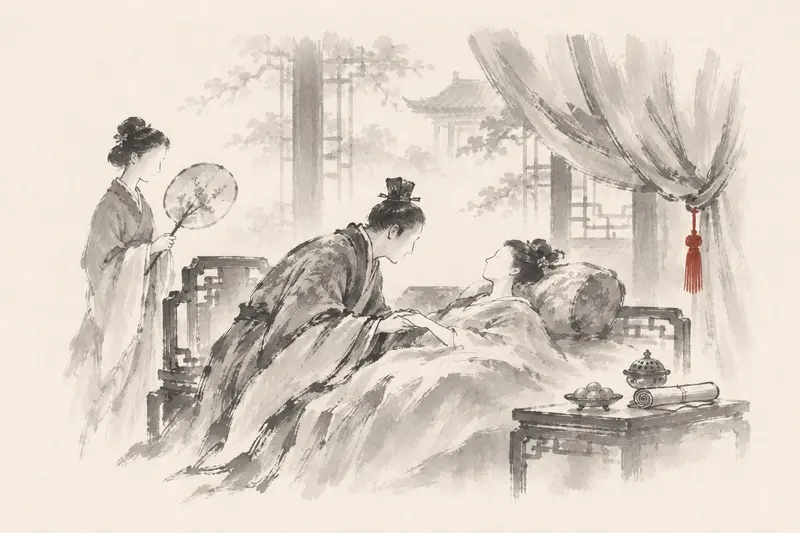
王夫人者,趙人也,與衛夫人并幸武帝,而生子閎。閎且立為王時,其母病,武帝自臨問之。曰:「子當為王,欲安所置之?」王夫人曰:「陛下在,妾又何等可言者。」帝曰:「雖然,意所欲,欲於何所王之?」王夫人曰:「願置之雒陽。」武帝曰:「雒陽有武庫敖倉,天下衝阸,漢國之大都也。先帝以來,無子王於雒陽者。去雒陽,餘盡可。」王夫人不應。武帝曰:「關東之國無大於齊者。齊東負海而城郭大,古時獨臨菑中十萬戶,天下膏腴地莫盛於齊者矣。」王夫人以手擊頭,謝曰:「幸甚。」王夫人死而帝痛之,使使者拜之曰:「皇帝謹使使太中大夫明奉璧一,賜夫人為齊王太后。」子閎王齊,年少,無有子,立,不幸早死,國絕,為郡。天下稱齊不宜王云。
Kundoku (Japanese reading)
王夫人は、趙の人なり。衛夫人と并びに武帝に幸せられ、子閎を生む。閎且に立ちて王と為らんとする時、其の母病む。武帝自ら臨みて之を問う。曰く、「子当に王と為るべし。安くに之を置かんと欲するか」と。王夫人曰く、「陛下在り。妾又た何等か言うべき者あらん」と。帝曰く、「然りと雖も、意の欲する所、何所に於いて之を王とせんと欲する」と。王夫人曰く、「願わくは之を雒陽に置け」と。武帝曰く、「雒陽は武庫・敖倉有り、天下の衝阸にして、漢国の大都なり。先帝以来、子の雒陽に王たる者無し。雒陽を去りては、余は尽く可なり」と。王夫人応えず。武帝曰く、「関東の国、斉より大なる者無し。斉は東のかた海を負いて城郭大なり。古の時独り臨菑の中のみ十万戸。天下の膏腴の地、斉より盛んなる者莫し」と。王夫人手を以て頭を撃ち、謝して曰く、「幸甚なり」と。王夫人死して帝之を痛み、使者をして之を拝せしめて曰く、「皇帝謹んで使いをして太中大夫明をして璧一を奉ぜしめ、夫人に賜いて斉王の太后と為す」と。子閎斉に王たり。年少くして、子有る無し。立ちて、不幸にして早く死し、国絶えて、郡と為る。天下斉は王とするに宜しからずと称すと云う。
Japanese
(褚先生の補い)王夫人は趙の人で、衛夫人とともに武帝に寵愛され、子の劉閎を生んだ。劉閎が王に立てられようとするころ、母の王夫人は病気になった。武帝は自ら見舞いに来てたずねた。「わが子は王になる。どこの王にしたいか」。王夫人は言った。「陛下がおられるのに、わたしが何を申し上げられましょう」。武帝は言った。「それでも、心で望むところがあるだろう。どこの王にしたいのか」。王夫人は言った。「洛陽にしてください」。武帝は言った。「洛陽には武器庫と敖倉があり、天下の要の地で、漢の大きな都だ。先帝のころから、子を洛陽の王にしたことはない。洛陽のほかなら、どこでもよい」。王夫人は答えなかった。武帝は言った。「函谷関より東の国で、斉より大きなものはない。斉は東に海を背負い、城も大きい。昔は臨淄の町だけで十万戸もあった。天下の肥えた土地で、斉より豊かなところはない」。王夫人は手で額を打って礼を言った。「ありがたいことです」。王夫人が亡くなると、武帝はたいへん悲しみ、使者を送って言わせた。「皇帝はつつしんで太中大夫の明を使いとして璧を一つ届け、夫人を斉王の太后とする」。子の劉閎は斉の王となったが、若くて子がなく、王となってまもなく早死にし、国は絶えて郡となった。世の人は、斉は王を置くのにふさわしくない地だと言ったという。
English
Lady Wang was a woman of Zhao who, together with Lady Wei, enjoyed Emperor Wu's favour, and she bore him a son, Hong. When Hong was about to be made a king, his mother fell ill. Emperor Wu came to see her himself and asked: "Our son is to be a king. Where would you like him placed?" Lady Wang said: "While Your Majesty lives, what is there for me to say?" The emperor said: "Even so, what is your wish? Where would you have him be king?" Lady Wang said: "I would like him placed at Luoyang." Emperor Wu said: "Luoyang has the arsenal and the Ao granary; it is the gateway of the realm and a great city of the Han state. Since the late emperor's time no son has been made king of Luoyang. Anywhere but Luoyang will do." Lady Wang did not answer. Emperor Wu said: "Of the states east of the passes, none is greater than Qi. Qi has the sea at its back to the east, and its walls are great; in old times Linzi alone had a hundred thousand households. No land in the realm is richer than Qi." Lady Wang struck her forehead with her hand and thanked him: "Most fortunate." When Lady Wang died, the emperor grieved for her and sent an envoy to honour her, saying: "The Emperor respectfully sends the Palace Grandee Ming with a jade disc, and names the lady Queen Dowager of the King of Qi." Her son Hong became King of Qi. He was young and had no son; soon after he took the throne he died young, the kingdom came to an end and became a commandery. People said that Qi was not a fit place for a king.
Notes (JA)
- 褚先生: 前漢の学者褚少孫。司馬遷の三王世家が失われていたので、策文と言い伝えを集めて補った。
- 衛夫人: 衛子夫。のちの衛皇后で、戻太子劉拠の母。
- 敖倉: 滎陽の近くの大きな穀物倉。
- 手を以て頭を撃つ: 額を打って感謝を表すしぐさ。
Notes (EN)
- Master Chu: Chu Shaosun, who, finding Sima Qian's chapter missing, gathered the charters and stories to fill it.
- Lady Wei: Wei Zifu, later Empress Wei and mother of Crown Prince Liu Ju.
- The Ao granary: a great grain store near Xingyang.
- Striking her forehead: a gesture of gratitude.
Word notes
- arsenal/ˈɑːrsənəl/noun
a place where weapons are stored
In the text: “Luoyang has the arsenal”
Similar words: armoury — a store of weapons · depot — a storehouse
- grieve/ɡriːv/verb
to feel deep sadness after a death
In the text: “the emperor grieved for her”
Similar words: mourn — show sadness for the dead · lament — express grief
Passage 9
Original
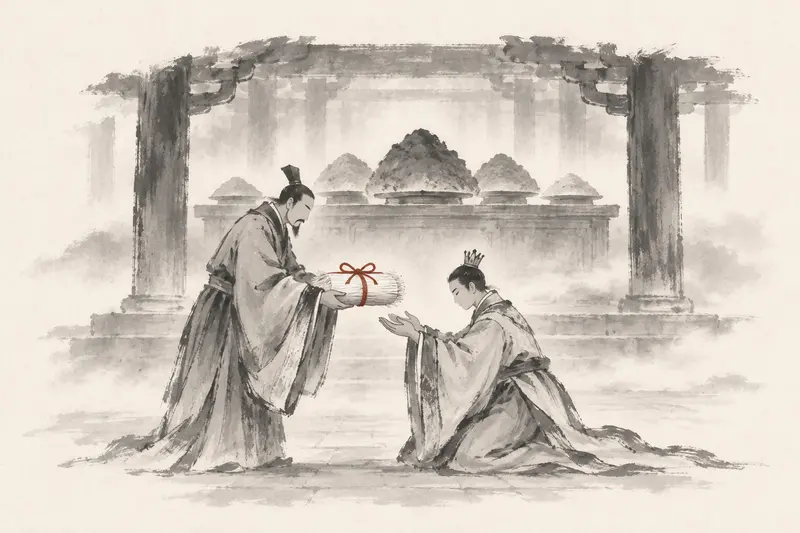
所謂「受此土」者,諸侯王始封者必受土於天子之社,歸立之以為國社,以歲時祠之。春秋大傳曰:「天子之國有泰社。東方青,南方赤,西方白,北方黑,上方黃。」故將封於東方者取青土,封於南方者取赤土,封於西方者取白土,封於北方者取黑土,封於上方者取黃土。各取其色物,裹以白茅,封以為社。此始受封於天子者也。此之為主土。主土者,立社而奉之也。「朕承祖考」,祖者先也,考者父也。「維稽古」,維者度也,念也,稽者當也,當順古之道也。
Kundoku (Japanese reading)
所謂「此の土を受けよ」とは、諸侯王の始めて封ぜらるる者は必ず土を天子の社に受け、帰りて之を立てて以て国社と為し、歳時を以て之を祠る。春秋大伝に曰く、「天子の国に泰社有り。東方は青、南方は赤、西方は白、北方は黒、上方は黄」と。故に将に東方に封ぜられんとする者は青土を取り、南方に封ぜらるる者は赤土を取り、西方に封ぜらるる者は白土を取り、北方に封ぜらるる者は黒土を取り、上方に封ぜらるる者は黄土を取る。各々其の色物を取り、裹むに白茅を以てし、封じて以て社と為す。此れ始めて封を天子に受くる者なり。此れを之れ主土と為す。主土とは、社を立てて之を奉ずるなり。「朕祖考を承く」とは、祖は先なり、考は父なり。「維れ古を稽う」とは、維は度なり、念なり。稽は当なり。当に古の道に順うべきなり。
Japanese
(褚先生の補い)策文にある「この土を受けよ」とは、こういうことである。初めて封じられる諸侯王は、必ず天子の社から土を受け取り、国に帰ってそれで国の社を建て、季節ごとに祭る。『春秋大伝』には「天子の国には泰社がある。東は青、南は赤、西は白、北は黒、中央は黄である」とある。だから東に封じられる者は青い土を、南に封じられる者は赤い土を、西に封じられる者は白い土を、北に封じられる者は黒い土を、中央に封じられる者は黄色い土を受け取る。それぞれの色の土を取り、白い茅で包み、それを封じて社とする。これが、初めて天子から封を受けるということである。これを「主土」という。主土とは、社を立ててそれを奉じることである。「朕、祖考を承く」の祖は先祖、考は父のことである。「維れ古を稽う」の維は「はかる」「思う」、稽は「あてはまる」という意味で、昔の道に従うべきだということである。
English
What the charter calls "receiving this earth" means that a king newly enfeoffed must receive earth from the altar of the Son of Heaven, take it home and set it up as the altar of his state, sacrificing at it in each season. The Great Commentary on the Spring and Autumn says: "In the state of the Son of Heaven there is the Grand Altar: green for the east, red for the south, white for the west, black for the north and yellow for the centre." So one about to be enfeoffed in the east takes green earth, one in the south red earth, one in the west white earth, one in the north black earth, and one in the centre yellow earth. Each takes earth of his colour, wraps it in white rushes and seals it to make his altar. This is what it means to receive a fief from the Son of Heaven, and it is called "the lord's earth": to set up the altar and serve it. In "I, heir to my ancestors and father", zu means the forebears and kao the father. In "following the ways of old", wei means to measure or consider, and ji means to match: one must keep to the way of the ancients.
Notes (JA)
- 五色の土: 五行の考えで、方角ごとに色が決まっていた(東は青、南は赤、西は白、北は黒、中央は黄)。
- 白茅: 白い茅(ちがや)。祭りで清らかなものとして使われた。
- 褚先生は、策文の難しい言葉を一つずつ説明している。
Notes (EN)
- Five-coloured earth: in Five Phases thought each direction had its colour — green east, red south, white west, black north, yellow centre.
- White rushes (白茅): a grass used in rites as a symbol of purity.
- Master Chu explains the difficult words of the charters one by one.
Word notes
- rush/rʌʃ/noun
a tall grass that grows in wet places
In the text: “wraps it in white rushes”
Similar words: reed — a tall water plant · sedge — a grass-like plant
Passage 10
Original
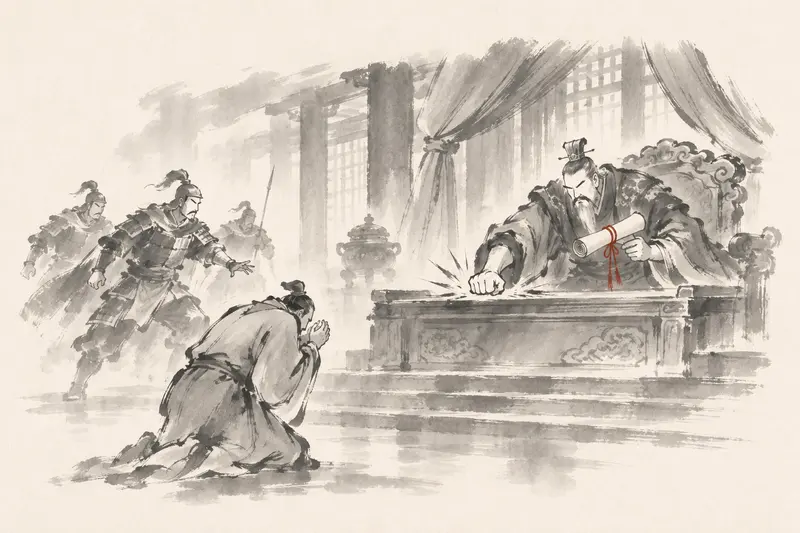
會武帝年老長,而太子不幸薨,未有所立,而旦使來上書,請身入宿衛於長安。孝武見其書,擊地,怒曰:「生子當置之齊魯禮義之鄉,乃置之燕趙,果有爭心,不讓之端見矣。」於是使使即斬其使者於闕下。
Kundoku (Japanese reading)
会々武帝年老い長じ、而して太子不幸にして薨じ、未だ立つる所有らず。而して旦使いをして来たりて書を上らしめ、身ずから入りて長安に宿衛せんことを請う。孝武其の書を見て、地を撃ち、怒りて曰く、「子を生まば当に之を斉魯の礼義の郷に置くべし。乃ち之を燕趙に置けり。果たして争う心有り、譲らざるの端見われたり」と。是に於いて使いをして即ち其の使者を闕下に斬らしむ。
Japanese
(褚先生の補い)武帝が年老いたころ、太子が不幸にも亡くなり、まだ次の太子が立てられていなかった。そこへ燕王旦が使者をよこして上書し、自分が都の長安に入って宮中の警護をしたいと願い出た。武帝はその書を見ると、地面を打って怒った。「子が生まれたら、斉や魯のような礼儀のある土地に置くべきだった。それを燕や趙に置いたものだから、やはり争う心を持ち、譲らない兆しが現れた」。そして使いをやって、燕王の使者を宮殿の門の下で斬らせた。
English
When Emperor Wu was growing old, his heir had the misfortune to die and no new heir had yet been named. Then Dan sent an envoy with a letter asking to come to Chang'an himself and serve in the palace guard. When Emperor Wu saw the letter he struck the ground and said in anger: "When sons are born they should be placed in lands of ritual and right like Qi and Lu. I placed him in Yan and Zhao, and sure enough he has a contentious heart; the first signs of unwillingness to yield have appeared." He at once sent men to behead the envoy below the palace gate.
Notes (JA)
- 太子の死: 前91年の巫蠱の事件で、太子の劉拠が自殺した(104-tian-shu の章)。
- 旦は年の順では次の太子になれる立場で、宮中に入ることで跡継ぎの座をねらったとみなされた。
- 武帝はこのあと末子の劉弗陵(昭帝)を跡継ぎにした。
Notes (EN)
- The heir's death: Crown Prince Liu Ju killed himself in the witchcraft affair of 91 BCE (chapter 104).
- By age Dan stood next in line, and his request to come to the palace was read as a bid for the succession.
- Emperor Wu later made his youngest son, Liu Fuling (Emperor Zhao), heir.
Word notes
- contentious/kənˈtɛnʃəs/adjective
likely to cause arguments
In the text: “a contentious heart”
Similar words: quarrelsome — often arguing · combative — eager to fight
- behead/bɪˈhɛd/verb
to cut off someone's head
In the text: “behead the envoy”
Similar words: decapitate — cut off the head · execute — put to death
Passage 11
Original
其後胥果作威福,通楚王使者。楚王宣言曰:「我先元王,高帝少弟也,封三十二城。今地邑益少,我欲與廣陵王共發兵云。[立]廣陵王為上,我復王楚三十二城,如元王時。」事發覺,公卿有司請行罰誅。天子以骨肉之故,不忍致法於胥,下詔書無治廣陵王,獨誅首惡楚王。傳曰「蓬生麻中,不扶自直;白沙在泥中,與之皆黑」者,土地教化使之然也。其後胥復祝詛謀反,自殺,國除。其後旦復與左將軍上官桀等謀反,宣言曰「我次太子,太子不在,我當立,大臣共抑我」云云。大將軍光輔政,與公卿大臣議曰:「燕王旦不改過悔正,行惡不變。」於是修法直斷,行罰誅。旦自殺,國除,如其策指。有司請誅旦妻子。孝昭以骨肉之親,不忍致法,寬赦旦妻子,免為庶人。傳曰「蘭根與白芷,漸之滫中,君子不近,庶人不服」者,所以漸然也。
Kundoku (Japanese reading)
其の後胥果たして威福を作し、楚王の使者に通ず。楚王宣言して曰く、「我が先の元王は、高帝の少弟なり。三十二城に封ぜらる。今地邑益々少し。我広陵王と共に兵を発せんと欲す」と云う。「広陵王を立てて上と為し、我復た楚の三十二城に王たること、元王の時の如くせん」と。事発覚す。公卿有司罰誅を行わんことを請う。天子骨肉の故を以て、法を胥に致すに忍びず。詔書を下して広陵王を治むること無からしめ、独り首悪の楚王を誅す。伝に曰く「蓬麻中に生ずれば、扶けずして自ら直し。白沙泥中に在れば、之と皆黒し」とは、土地教化之をして然らしむるなり。其の後胥復た祝詛して謀反し、自殺し、国除かる。其の後旦復た左将軍上官桀等と謀反し、宣言して曰く「我は太子に次ぐ。太子在らず。我当に立つべし。大臣共に我を抑う」と云云。大将軍光政を輔け、公卿大臣と議して曰く、「燕王旦過ちを改め悔い正さず、悪を行いて変わらず」と。是に於いて法を修め直ちに断じ、罰誅を行う。旦自殺し、国除かる。其の策の指の如し。有司旦の妻子を誅せんことを請う。孝昭骨肉の親を以て、法を致すに忍びず。旦の妻子を寛赦し、免じて庶人と為す。伝に曰く「蘭根と白芷も、之を滫中に漸せば、君子近づかず、庶人服せず」とは、漸する所以然るなり。
Japanese
(褚先生の補い)その後、広陵王胥は案の定、勝手に威を振るい恵みを与え、楚王の使者と通じた。楚王は言いふらした。「わが先祖の元王は高帝の末の弟で、三十二の城に封じられた。いまは領地がますます少ない。わたしは広陵王とともに兵を挙げたい。広陵王を天子に立て、わたしはふたたび元王のときのように楚の三十二の城の王になる」。ことが発覚し、大臣や役人たちは罰を与えるよう願った。天子(宣帝)は肉親であるため胥を法で裁くのにしのびず、詔を出して広陵王の罪は問わず、張本人の楚王だけを殺した。古い書に「よもぎも麻の中に生えれば、支えなくてもまっすぐ伸びる。白い砂も泥の中にあれば、泥とともに黒くなる」とあるのは、土地の教えがそうさせるということである。その後、胥はまた呪いをかけて謀反をはかり、自殺して国は取りつぶされた。燕王旦もその後、左将軍の上官桀らと謀反をはかり、「わたしは太子の次の順だ。太子がいないのだから、わたしが立つべきなのに、大臣たちがそろってわたしを抑えている」などと言いふらした。政治を補佐していた大将軍の霍光は、大臣たちと相談して言った。「燕王旦は過ちを改めず、悪事をやめない」。そこで法に従ってすぐに裁き、罰した。旦は自殺し、国は取りつぶされた。まさに策文が戒めたとおりになった。役人たちは旦の妻子も殺すよう願ったが、昭帝は肉親であるため法で裁くのにしのびず、妻子を許して庶民とした。古い書に「蘭の根や香草の白芷も、汚れた水に浸せば、君子は近づかず、庶民も身につけない」とあるのは、浸かるものによってそうなるということである。
English
Later Xu did indeed wield power and hand out favours, and dealt with envoys of the King of Chu. The King of Chu declared: "My forebear King Yuan was the youngest brother of Emperor Gao, enfeoffed with thirty-two cities. Now my lands grow smaller and smaller. I mean to raise troops together with the King of Guangling, set him up on the throne, and be king again of the thirty-two cities of Chu as in King Yuan's time." The plot was discovered, and the high ministers asked that the guilty be punished. The Son of Heaven, because they were his own flesh and blood, could not bear to bring the law down on Xu; he issued a decree that the King of Guangling not be tried, and put to death only the chief offender, the King of Chu. The book says, "Mugwort growing among hemp grows straight without support; white sand in the mud turns black with it" — the land and its teaching make it so. Later Xu again laid curses and plotted rebellion; he killed himself and his kingdom was abolished. Later still Dan plotted rebellion with the General of the Left Shangguan Jie and others, declaring: "I come next after the crown prince. The crown prince is gone, so I should be made emperor, but the ministers have joined to hold me down." The Grand General Guang, who was helping to govern, discussed it with the high ministers and said: "Dan, King of Yan, does not mend his faults or repent, and keeps on doing evil." So the law was applied and judgement passed at once. Dan killed himself and his kingdom was abolished, just as his charter had warned. The officials asked that Dan's wife and children be put to death, but Emperor Zhao, because they were his own kin, could not bear to apply the law; he pardoned them and made them commoners. The book says, "Even orchid roots and angelica, steeped in foul water, are shunned by gentlemen and worn by no one" — it is what they are steeped in that makes them so.
Notes (JA)
- 楚王: 楚王劉延寿。楚の元王劉交の子孫(050-chu-yuan の章)。
- 霍光: 霍去病の異母弟。武帝の死後、幼い昭帝を補佐して政治を握った。
- 「蓬麻中に生ず」: 『荀子』などに見えることわざ。環境が人を変えるたとえ。
- 燕王旦の謀反は前80年、広陵王胥の自殺は前54年。司馬遷の死後の出来事である。
Notes (EN)
- The King of Chu: Liu Yanshou, a descendant of Liu Jiao, King Yuan of Chu (chapter 050).
- Guang: Huo Guang, Huo Qubing's half-brother, who ruled for the boy Emperor Zhao after Emperor Wu's death.
- "Mugwort growing among hemp": a saying found in the Xunzi and elsewhere on how surroundings shape a person.
- Dan's plot was in 80 BCE and Xu's suicide in 54 BCE, both after Sima Qian's death.
Word notes
- pardon/ˈpɑːrdən/verb
to forgive someone officially
In the text: “he pardoned them”
Similar words: forgive — stop blaming · spare — not punish
- steep/stiːp/verb
to soak something in liquid
In the text: “steeped in foul water”
Similar words: soak — leave in liquid · immerse — put fully under liquid