Hereditary Houses · Vol. 46
The Hereditary House of Tian Jingzhong Wan 田敬仲完世家
The King Whose Treasures Were His Ministers 吾臣有檀子者
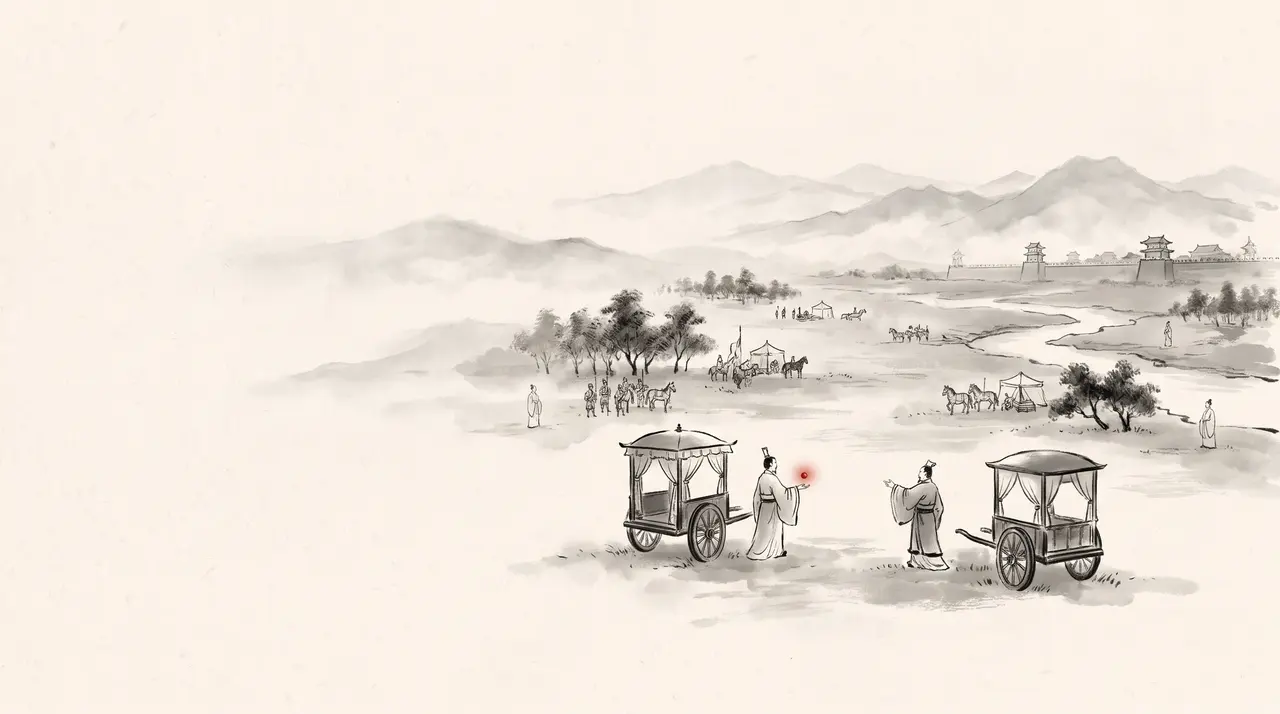
The story of the Tian clan, descendants of a prince of Chen, who took over the state of Qi, became its kings, and were finally destroyed by Qin. When Chen Wan was born, a Zhou historian foretold that his heirs would prosper in another state. He later fled civil strife to Qi and served Duke Huan. His descendant Tian Qi collected taxes with a small measure and lent grain with a large one, and the people's hearts turned to the Tian. Tian Chang killed Duke Jian and took power, telling the next duke, "You bestow the favours, and I will carry out the punishments"; his great-grandson Tian He was at last recognised by Zhou as a lord. In the Warring States period, King Wei rewarded the governor of Jimo, of whom he heard only evil but who governed well, with ten thousand households, and boiled alive the governor of E, who was praised by all because he bribed the king's attendants. When King Hui of Wei asked him whether he had any treasures, he answered that his treasures were the ministers who guarded his realm. The last king, Jian, followed a chancellor bribed by Qin, surrendered without a fight, and the people sang in grief: "Is it pine? Is it cypress?"
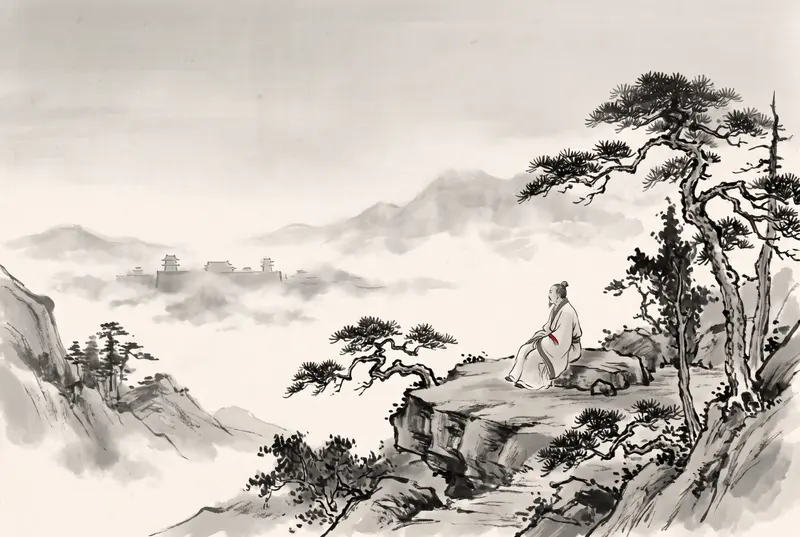
This page has the scene "The King Whose Treasures Were His Ministers" from this volume, not the whole volume.
Audio
The audio is synthetic speech.
Video
Passage 1
Original
陳完者,陳厲公他之子也。完生,周太史過陳,陳厲公使卜完,卦得觀之否:「是爲觀國之光,利用賓于王。此其代陳有國乎?不在此而在異國乎?非此其身也,在其子孫。若在異國,必姜姓。姜姓,四嶽之後。物莫能兩大,陳衰,此其昌乎?」
Kundoku (Japanese reading)
陳完は、陳の厲公他の子なり。完生まれ、周の太史陳を過ぐ。陳の厲公完を卜せしむ。卦観の否に之くを得たり。「是れ国の光を観る、用て王に賓たるに利しと為す。此れ其れ陳に代わりて国を有たんか。此に在らずして異国に在らんか。此れ其の身に非ず、其の子孫に在り。若し異国に在らば、必ず姜姓ならん。姜姓は、四岳の後なり。物能く両つながら大なる莫し。陳衰えなば、此れ其れ昌んならんか」と。
Japanese
陳完は陳の厲公他の子である。完が生まれたとき、周の太史が陳に立ち寄ったので、陳の厲公は完の将来を占わせた。卦は「観」が「否」に変わるものだった。太史は言った。「これは『国の光を見る、王の客となるによい』という卦です。この子は陳に代わって国をもつのではないでしょうか。この国ではなく、よその国でそうなるのではないでしょうか。この子自身ではなく、その子孫においてでしょう。もしよその国なら、必ず姜姓の国でしょう。姜姓は四岳の子孫です。物事は二つが同時に大きくなることはありません。陳が衰えたとき、この子の家が栄えるのでしょう」。
English
Chen Wan was the son of Ta, Duke Li of Chen. When Wan was born, a Grand Historian of Zhou was passing through Chen, and Duke Li had him divine the child's future. The hexagram he drew was Guan changing into Pi. He said: "This means: 'He beholds the glory of a state; it is fitting for him to be a guest of the king.' Will he take Chen's place and hold a state? Not here, perhaps, but in another state? Not he himself, but his descendants. If it is another state, it will surely be one of the Jiang clan. The Jiang are heirs of the Four Mountains. Two things cannot both be great at once. When Chen declines, will this line flourish?"
Notes (JA)
- 陳: 今の河南省淮陽にあった国。舜の子孫とされる媯姓の国。
- 觀之否: 『易経』の「観」の卦が「否」の卦に変わること。「国の光を観る」は「観」の卦の言葉。
- 姜姓: 斉の君主の姓。太公望呂尚の子孫(032-qi-taigong の章)。
- 田敬仲完: 陳完の諡が敬仲で、のちに田氏を名のったので、こう呼ぶ。
Notes (EN)
- Chen (陳): a state at present-day Huaiyang in Henan, said to descend from Shun.
- Guan changing into Pi: a reading from the Book of Changes; "beholding the glory of a state" is a line of the Guan hexagram.
- The Jiang clan: the ruling house of Qi, heirs of the Grand Duke (chapter 032).
- Tian Jingzhong Wan: Chen Wan's posthumous name was Jingzhong, and his line later took the surname Tian.
Word notes
- divine/dɪˈvaɪn/verb
to try to learn the future by signs
In the text: “had him divine the child's future”
Similar words: foretell — say what will happen · predict — say in advance
- flourish/ˈflɜrɪʃ/verb
to grow and do very well
In the text: “will this line flourish”
Similar words: thrive — do well · prosper — succeed
Passage 2
Original
莊公卒,立弟杵臼,是爲宣公。宣公[二]十一年,殺其太子御寇。御寇與完相愛,恐禍及己,完故奔齊。齊桓公欲使爲卿,辭曰:「羈旅之臣幸得免負檐,君之惠也,不敢當髙位。」桓公使爲工正。齊懿仲欲妻完,卜之,占曰:「是謂鳳皇于蜚,和鳴鏘鏘。有媯之後,將育于姜。五世其昌,并于正卿。八世之後,莫之與京。」卒妻完。完之奔齊,齊桓公立十四年矣。
Kundoku (Japanese reading)
荘公卒し、弟杵臼を立つ。是れを宣公と為す。宣公二十一年、其の太子御寇を殺す。御寇完と相愛す。禍の己に及ばんことを恐れ、完故に斉に奔る。斉の桓公卿たらしめんと欲す。辞して曰く、「羈旅の臣幸いに負檐を免るるを得るは、君の恵みなり。敢えて高位に当たらず」と。桓公工正たらしむ。斉の懿仲完に妻わせんと欲し、之を卜す。占いに曰く、「是れ鳳皇于に蜚び、和鳴鏘鏘たりと謂う。有媯の後、将に姜に育せられんとす。五世にして其れ昌んにして、正卿に并ぶ。八世の後、之と京しきもの莫し」と。卒に完に妻わす。完の斉に奔るや、斉の桓公立ちて十四年なり。
Japanese
(陳の厲公の死後、陳では君主の位をめぐる争いが続いた。)荘公が亡くなり、弟の杵臼が立った。これが宣公である。宣公の二十一年、宣公は太子の御寇を殺した。御寇は陳完と親しかったので、完は災いが自分に及ぶのを恐れて斉に逃れた。斉の桓公は完を卿にしようとしたが、完は辞退して言った。「旅の身のわたしが、重い荷を負う苦労をまぬかれただけでも、殿のお恵みです。高い位などとてもお受けできません」。桓公は完を工正(工人をつかさどる役人)にした。斉の懿仲は完に娘を嫁がせようとして、占わせた。占いはこう出た。「これは、鳳凰がつがいで飛び、声を合わせて美しく鳴くという卦です。媯姓の子孫が、姜姓の国で育てられます。五代目には栄えて正卿と肩を並べ、八代ののちには、並ぶ者のないほど大きくなるでしょう」。懿仲はとうとう完に娘を嫁がせた。完が斉に逃れてきたのは、斉の桓公が即位して十四年目のことだった。
English
When Duke Zhuang died, his younger brother Chujiu came to the throne. He was Duke Xuan. In the twenty-first year of his reign, Duke Xuan killed his heir, Yukou. Yukou and Wan were close friends, and Wan, afraid the trouble would reach him, fled to Qi. Duke Huan of Qi wanted to make him a minister, but he declined: "That a wandering stranger like me has been spared from carrying burdens is already your kindness. I dare not take high office." So Duke Huan made him master of the craftsmen. Yizhong of Qi wanted to give Wan his daughter in marriage, and had it divined. The reading said: "This means: 'The phoenixes fly together, singing in harmony, clear and sweet.' The heirs of the Gui clan will be raised among the Jiang. In five generations they will flourish and rank with the chief ministers; after eight generations none will be their equal." So in the end he gave Wan his daughter. When Wan fled to Qi, Duke Huan of Qi had been on the throne fourteen years.
Notes (JA)
- 羈旅之臣: 他国から来た旅の身の臣下。陳完は謙遜して高い位を辞退した。
- 工正: 工人をつかさどる役人。
- 鳳皇于蜚: 鳳凰がつがいで飛ぶ。夫婦の和合を表す吉兆の言葉。
- 有媯之後: 陳の君主の姓は媯。陳完の子孫が姜姓の斉で栄えることを予言した。
Notes (EN)
- A wandering stranger (羈旅之臣): Chen Wan modestly refused high office.
- The phoenixes fly together (鳳皇于蜚): a sign of a happy marriage.
- The Gui clan: the ruling clan of Chen; the oracle foretold that Wan's heirs would prosper in Jiang-ruled Qi.
Idioms from this passage: The phoenixes fly together 鳳凰于に飛ぶ
Word notes
- decline/dɪˈklaɪn/verb
to refuse politely
In the text: “but he declined”
Similar words: refuse — say no · turn down — not accept
- harmony/ˈhɑrməni/noun
pleasant agreement of sounds or feelings
In the text: “singing in harmony”
Similar words: accord — agreement · concord — peace
Passage 3
Original
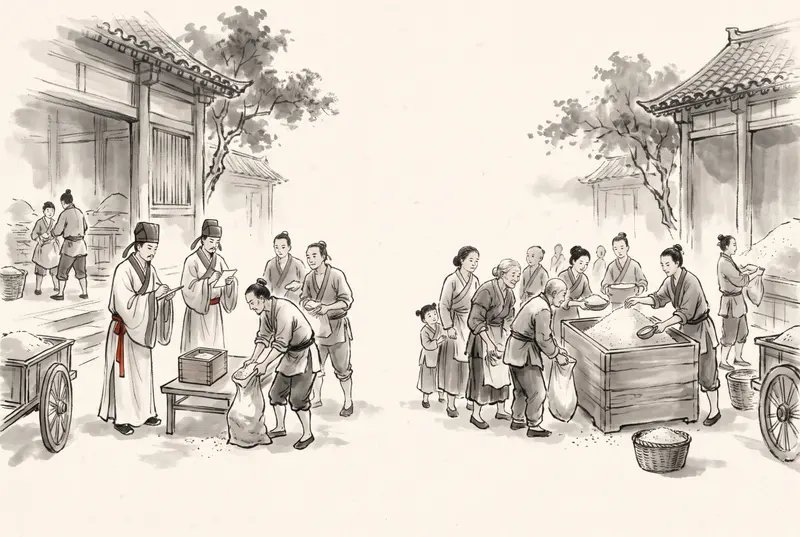
田釐子乞事齊景公爲大夫,其收賦稅於民以小斗受之,其(粟)[稟]予民以大斗,行陰德於民,而景公弗禁。由此田氏得齊衆心,宗族益彊,民思田氏。晏子數諫景公,景公弗聽。已而使於晉,與叔向私語曰:「齊國之政卒歸於田氏矣。」
Kundoku (Japanese reading)
田釐子乞斉の景公に事えて大夫と為る。其の賦税を民に収むるには小斗を以て之を受け、其の稟を民に予うるには大斗を以てし、陰徳を民に行う。而して景公禁ぜず。此れに由りて田氏斉の衆心を得、宗族益々彊く、民田氏を思う。晏子数々景公を諫む。景公聴かず。已にして晋に使いし、叔向と私語して曰く、「斉国の政卒に田氏に帰せん」と。
Japanese
田釐子乞は斉の景公に仕えて大夫になった。民から税を取り立てるときは小さな枡で量って受け取り、民に穀物を貸し与えるときは大きな枡で量って与え、ひそかに民に恩恵をほどこした。景公はそれを禁じなかった。このため田氏は斉の民の心をつかみ、一族はますます強くなり、民は田氏を慕った。晏子はたびたび景公をいさめたが、景公は聞かなかった。晏子は晋へ使いに行ったとき、叔向にひそかに語った。「斉の国の政治は、結局は田氏のものになるでしょう」。
English
Tian Qi, Tian Xizi, served Duke Jing of Qi as a minister. When he collected taxes from the people, he took them in with a small measure; when he lent grain to the people, he gave it out with a large measure, quietly doing good to the people. Duke Jing did not stop him. In this way the Tian won the hearts of the people of Qi; the clan grew ever stronger, and the people longed for the Tian. Yanzi warned Duke Jing many times, but the duke would not listen. Later, on a mission to Jin, Yanzi said to Shuxiang in private: "In the end the government of Qi will pass to the Tian."
Notes (JA)
- 小斗・大斗: 小さな枡と大きな枡。田氏は自分の損で民に恩を売り、人望を集めた。
- 陰徳: 人に知られずにほどこす恩恵。
- 晏子: 斉の名宰相の晏嬰(062-guan-yan の章)。
- 叔向: 晋の賢い大夫。晏子と叔向は、それぞれ自国の君主の家が衰えていくのを嘆き合った。
Notes (EN)
- A small measure and a large one (小斗・大斗): the Tian bought the people's loyalty at their own cost.
- Yanzi (晏子): Yan Ying, the great chancellor of Qi (chapter 062).
- Shuxiang (叔向): a wise minister of Jin; the two men lamented the decline of their own ruling houses.
Word notes
- measure/ˈmɛʒər/noun
a container used to measure an amount
In the text: “with a small measure”
Similar words: gauge — measuring tool · scoop — container for grain
- collect/kəˈlɛkt/verb
to gather money or goods that are owed
In the text: “When he collected taxes from the people”
Similar words: gather — bring together · levy — raise taxes
Passage 4
Original
田常言於齊平公曰:「德施人之所欲,君其行之;刑罰人之所惡,臣請行之。」行之五年,齊國之政皆歸田常。田常於是盡誅鮑、晏、監止及公族之彊者,而割齊自安平以東至瑯邪,自爲封邑。封邑大於平公之所食。田常乃選齊國中女子長七尺以上爲後宮,後宮以百數,而使賓客舍人出入後宮者不禁。及田常卒,有七十餘男。三年,太公與魏文侯會濁澤,求爲諸侯。魏文侯乃使使言周天子及諸侯,請立齊相田和爲諸侯。周天子許之。康公之十九年,田和立爲齊侯,列於周室,紀元年。
Kundoku (Japanese reading)
田常斉の平公に言いて曰く、「徳施は人の欲する所なり。君其れ之を行え。刑罰は人の悪む所なり。臣請う之を行わん」と。之を行うこと五年、斉国の政皆田常に帰す。田常是に於いて尽く鮑・晏・監止及び公族の彊き者を誅し、而して斉の安平より以東瑯邪に至るまでを割きて、自ら封邑と為す。封邑は平公の食む所より大なり。田常乃ち斉国中の女子の長七尺以上なるを選びて後宮と為す。後宮百を以て数う。而して賓客舎人の後宮に出入する者をして禁ぜず。田常卒するに及び、七十余男有り。三年、太公魏の文侯と濁沢に会し、諸侯と為らんことを求む。魏の文侯乃ち使いをして周の天子及び諸侯に言わしめ、斉の相田和を立てて諸侯と為さんことを請う。周の天子之を許す。康公の十九年、田和立ちて斉侯と為り、周室に列し、元年を紀す。
Japanese
(田乞の子の田常は、君主の簡公を殺し、その弟の平公を立てた。)田常は斉の平公に言った。「恩恵をほどこすのは人に喜ばれることですから、殿がなさってください。刑罰は人にいやがられることですから、わたしにやらせてください」。こうして五年たつと、斉の国の政治はすべて田常の手に帰した。そこで田常は、鮑氏・晏氏・監止や、公族の中で力のある者を皆殺しにし、斉の安平から東、瑯邪までの土地を分け取って、自分の領地とした。その領地は平公の治める土地より大きかった。さらに田常は、斉の国中から背丈七尺以上の女を選んで自分の後宮に入れ、その数は百を超えた。そして客人や家臣が後宮に出入りするのを禁じなかった。田常が死んだときには、七十人あまりの息子がいた。(田常の曾孫の田和は、斉の康公を海辺に移した。)康公の三年、太公(田和)は魏の文侯と濁沢で会い、諸侯にしてもらいたいと頼んだ。魏の文侯は使いを送って周の天子と諸侯に話し、斉の宰相の田和を諸侯に立てるよう願い出た。周の天子はこれを許した。康公の十九年、田和は斉侯となって周の諸侯の列に加わり、元年を立てた。
English
Tian Chang said to Duke Ping of Qi: "Bestowing favours is what people like; you should do that, my lord. Punishments are what people hate; let me carry them out." After five years of this, all the government of Qi was in Tian Chang's hands. Then Tian Chang put to death the Bao and the Yan, Jian Zhi, and the strongest members of the ducal clan, and carved out the land of Qi from Anping east to Langya as his own fief. His fief was larger than the land the duke lived on. Tian Chang then chose women from all over Qi who were over seven feet tall to fill his harem, which numbered in the hundreds, and he did not forbid his guests and retainers to come and go there. When he died he had more than seventy sons. In the third year of Duke Kang, the Grand Duke, Tian He, met Marquis Wen of Wei at Zhuoze and asked to be made a lord. Marquis Wen sent envoys to the Son of Heaven of Zhou and to the lords to ask that Tian He, chancellor of Qi, be made a lord. The Son of Heaven agreed. In the nineteenth year of Duke Kang, Tian He became Marquis of Qi, took his place among the lords of Zhou, and began counting the years of his own reign.
Notes (JA)
- 田常: 田成子。前481年に簡公を殺した(067-disciples の章で子貢が斉を説く場面にも出る)。
- 德施・刑罰: 恩恵は君主に、刑罰は自分に、と言いながら、恐れられる権力を自分が握った。
- 七十餘男: 一族を増やして勢力を広げるための手段だったとされる。
- 田和: 前386年に周から諸侯と認められた。これを「田氏代斉(田氏が斉に代わる)」という。
Notes (EN)
- Tian Chang (田常): Tian Chengzi, who killed Duke Jian in 481 BCE (he also appears in chapter 067).
- Favours for the duke, punishments for himself: he took the power that men feared.
- Seventy sons: a way to multiply his clan's strength.
- Tian He (田和): recognised as a lord by Zhou in 386 BCE, completing the Tian takeover of Qi.
Word notes
- harem/ˈhɛrəm/noun
the women of a ruler's household
In the text: “to fill his harem”
Similar words: inner palace — women's quarters · seraglio — harem (old word)
- bestow/bɪˈstoʊ/verb
to give something as an honour
In the text: “Bestowing favours is what people like”
Similar words: grant — give officially · confer — give an honour
Passage 5
Original
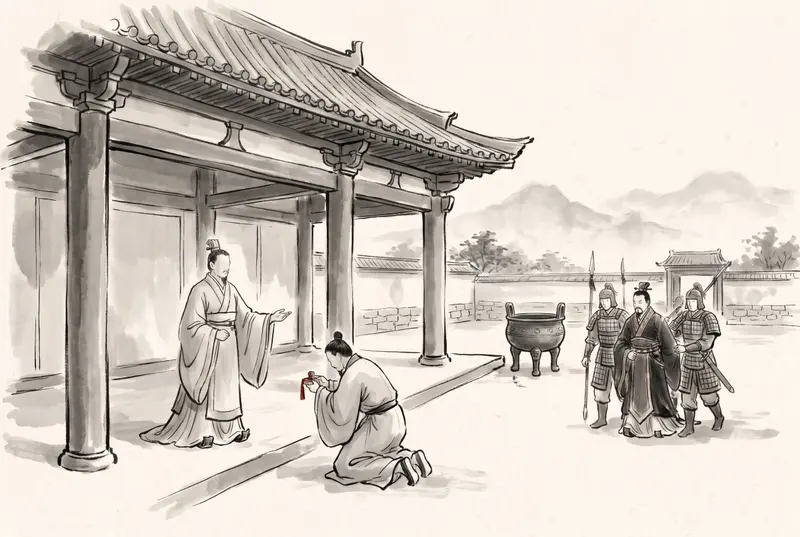
威王初卽位以來,不治,委政卿大夫,九年之閒,諸侯并伐,國人不治。於是威王召卽墨大夫而語之曰:「自子之居卽墨也,毀言日至。然吾使人視卽墨,田野辟,民人給,官無留事,東方以寧。是子不事吾左右以求譽也。」封之萬家。召阿大夫語曰:「自子之守阿,譽言日聞。然使使視阿,田野不辟,民貧苦。昔日趙攻甄,子弗能救。衞取薛陵,子弗知。是子以幣厚吾左右以求譽也。」是日,烹阿大夫,及左右嘗譽者皆并烹之。遂起兵西撃趙、衞,敗魏於濁澤而圍惠王。惠王請獻觀以和解,趙人歸我長城。於是齊國震懼,人人不敢飾非,務盡其誠。齊國大治。諸侯聞之,莫敢致兵於齊二十餘年。
Kundoku (Japanese reading)
威王初めて即位してより以来、治めず、政を卿大夫に委ぬ。九年の間、諸侯并びに伐ち、国人治まらず。是に於いて威王即墨の大夫を召して之に語りて曰く、「子の即墨に居りしより、毀言日々に至る。然れども吾人をして即墨を視しむるに、田野辟け、民人給り、官に留事無く、東方以て寧し。是れ子吾が左右に事えて以て誉れを求めざればなり」と。之に万家を封ず。阿の大夫を召して語りて曰く、「子の阿を守りしより、誉言日々に聞こゆ。然れども使いをして阿を視しむるに、田野辟けず、民貧苦す。昔日趙甄を攻むるに、子救う能わず。衛薛陵を取るに、子知らず。是れ子幣を以て吾が左右に厚くして以て誉れを求めたるなり」と。是の日、阿の大夫を烹、及び左右の嘗て誉めし者も皆并びに之を烹る。遂に兵を起こして西のかた趙・衛を撃ち、魏を濁沢に敗りて恵王を囲む。恵王観を献じて以て和解せんことを請う。趙人我が長城を帰す。是に於いて斉国震懼し、人人敢えて非を飾らず、其の誠を尽くすを務む。斉国大いに治まる。諸侯之を聞き、敢えて兵を斉に致す莫きこと二十余年。
Japanese
威王は即位してから政治をかえりみず、卿や大夫にまかせきりにしていた。九年のあいだに諸侯がそろって攻めてきて、国はよく治まらなかった。そこで威王は即墨の大夫を呼んで言った。「あなたが即墨を治めるようになってから、毎日のように悪口が聞こえてきた。しかし人をやって即墨を見させると、田畑はよく開け、民は暮らしに足り、役所には滞った仕事もなく、東の地方は安らかだった。これはあなたが、わしの側近にとりいって評判を求めなかったからだ」。そして一万戸の領地を与えた。次に阿の大夫を呼んで言った。「あなたが阿を守るようになってから、毎日のようにほめる声が聞こえてきた。しかし使いをやって阿を見させると、田畑は荒れ、民は貧しく苦しんでいた。先ごろ趙が甄を攻めたときも、あなたは救えなかった。衛が薛陵を取ったときも、あなたは知りもしなかった。これはあなたが、わしの側近に贈り物をして評判を買っていたからだ」。その日のうちに、阿の大夫を釜ゆでにし、これまで阿の大夫をほめていた側近たちも皆釜ゆでにした。そして兵を挙げて西の趙と衛を討ち、魏を濁沢で破って恵王を囲んだ。恵王は観の地を差し出して和睦を願い、趙はわが国の長城を返した。こうして斉の国中がふるえあがり、誰もが過ちをとりつくろおうとせず、誠を尽くして務めるようになった。斉の国はよく治まり、諸侯はこれを聞いて、二十年あまり斉に兵を向けようとしなかった。
English
From the time King Wei came to the throne, he did not govern, but left the government to his ministers. For nine years the lords attacked him together, and the state was in disorder. Then King Wei summoned the governor of Jimo and said to him: "Ever since you took charge of Jimo, I have heard evil of you every day. But when I sent men to look at Jimo, the fields were cleared, the people had enough, there was no business left undone in the offices, and the east was at peace. That is because you did not court my attendants to win praise." And he gave him a fief of ten thousand households. He summoned the governor of E and said to him: "Ever since you took charge of E, I have heard you praised every day. But when I sent men to look at E, the fields were not cleared and the people were poor and suffering. When Zhao attacked Zhen, you could not save it. When Wei took Xueling, you did not even know. That is because you sent rich gifts to my attendants to buy praise." That same day he had the governor of E boiled alive, along with all the attendants who had praised him. Then he raised his army, attacked Zhao and Wei in the west, defeated the state of Wei at Zhuoze and besieged King Hui. King Hui offered the city of Guan to make peace, and Zhao gave back our Long Wall. All Qi trembled with fear; no one dared to cover up his faults any more, and everyone did his utmost. Qi was well governed, and when the lords heard of it, none dared send an army against Qi for more than twenty years.
Notes (JA)
- 即墨・阿: 斉の町。即墨はのちに田単が燕軍を破った町(082-tian-dan の章)。
- 毀言・誉言: 悪口とほめ言葉。評判と実際の働きは違うことを、威王は使いをやって確かめた。
- 烹: 釜ゆでの刑。
- 威王は、淳于髡のなぞかけ(三年飛ばず鳴かず)で目覚めたと滑稽列伝は伝える(126-huaji の章)。
Notes (EN)
- Jimo and E: towns of Qi; Jimo was later where Tian Dan broke the Yan army (chapter 082).
- Reputation against results: King Wei sent men to see for himself.
- Boiled alive (烹): a punishment of the time.
- The Biographies of the Jesters say King Wei was woken by Chunyu Kun's riddle of the silent bird (chapter 126).
Word notes
- court/kɔrt/verb
to try to win someone's favour
In the text: “court my attendants to win praise”
Similar words: woo — try to please · curry favour with — flatter to gain support
- tremble/ˈtrɛmbəl/verb
to shake with fear
In the text: “All Qi trembled with fear”
Similar words: shiver — shake · quake — shake with fear
Passage 6
Original
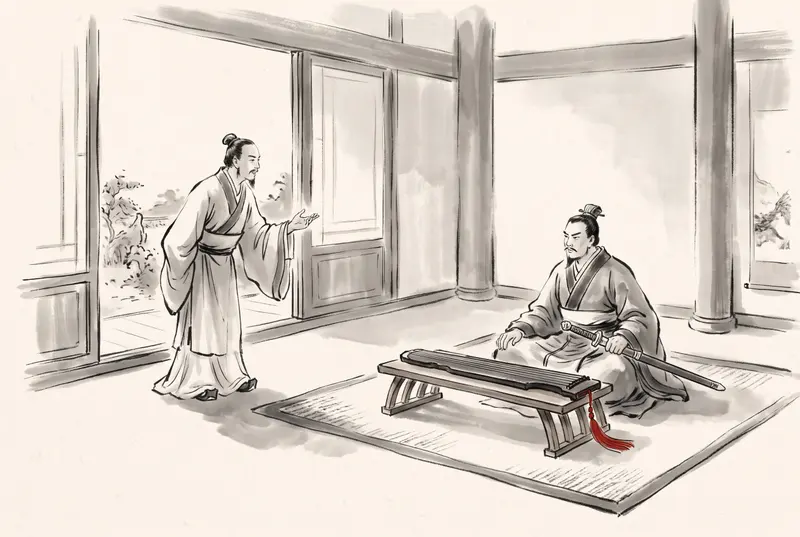
騶忌子以鼓琴見威王,威王説而捨之右室。須臾,王鼓琴,騶忌子推戸入曰:「善哉鼓琴!」王勃然不説,去琴按劍曰:「夫子見容未察,何以知其善也?」騶忌子曰:「夫大絃濁以春温者,君也;小絃廉折以淸者,相也;攫之深,醳之愉者,政令也;鈞諧以鳴,大小相益,回邪而不相害者,四時也:吾是以知其善也。」王曰:「善語音。」騶忌子曰:「何獨語音,夫治國家而弭人民皆在其中。」王又勃然不説曰:「若夫語五音之紀,信未有如夫子者也。若夫治國家而弭人民,又何爲乎絲桐之閒?」騶忌子曰:「夫大絃濁以春温者,君也;小絃廉折以淸者,相也;攫之深而捨之愉者,政令也;鈞諧以鳴,大小相益,回邪而不相害者,四時也。夫復而不亂者,所以治昌也;連而徑者,所以存亡也:故曰琴音調而天下治。夫治國家而弭人民者,無若乎五音者。」王曰:「善。」
Kundoku (Japanese reading)
騶忌子琴を鼓するを以て威王に見ゆ。威王説びて之を右室に舎く。須臾にして、王琴を鼓す。騶忌子戸を推して入りて曰く、「善いかな琴を鼓すること」と。王勃然として説ばず、琴を去り剣を按じて曰く、「夫子容を見て未だ察せず。何を以て其の善きを知るや」と。騶忌子曰く、「夫れ大絃濁りて以て春温なる者は、君なり。小絃廉折して以て清き者は、相なり。之を攫むこと深く、之を醳つこと愉なる者は、政令なり。鈞諧して以て鳴り、大小相益し、回邪して相害せざる者は、四時なり。吾是を以て其の善きを知るなり」と。王曰く、「善く音を語る」と。騶忌子曰く、「何ぞ独り音を語るのみならん。夫れ国家を治めて人民を弭んずること皆其の中に在り」と。王又勃然として説ばずして曰く、「若し夫れ五音の紀を語らば、信に未だ夫子に如く者有らざるなり。若し夫れ国家を治めて人民を弭んずるは、又何為れぞ糸桐の間に乎いてせん」と。騶忌子曰く、「夫れ大絃濁りて以て春温なる者は、君なり。小絃廉折して以て清き者は、相なり。之を攫むこと深くして之を捨つること愉なる者は、政令なり。鈞諧して以て鳴り、大小相益し、回邪して相害せざる者は、四時なり。夫れ復して乱れざる者は、治昌する所以なり。連なりて径なる者は、亡を存する所以なり。故に曰く、琴音調いて天下治まると。夫れ国家を治めて人民を弭んずる者は、五音に若くは無し」と。王曰く、「善し」と。
Japanese
騶忌は琴の腕前で威王に会った。威王は喜んで、騶忌を右の部屋に住まわせた。しばらくして威王が琴を弾くと、騶忌は戸を押し開けて入ってきて言った。「なんとみごとな琴でしょう」。威王はむっとして、琴を置き、剣に手をかけて言った。「あなたは様子を見ただけで、よく確かめもしないで、どうしてみごとだと分かるのか」。騶忌は言った。「太い弦が重く、春のように温かいのは君主です。細い弦がかどがあって澄んでいるのは宰相です。深くつまんで、軽やかに放すのは政令です。調和して鳴り、大小がたがいに助け合い、めぐり曲がっても損ない合わないのは四季です。それでみごとだと分かったのです」。威王は言った。「音楽をよく語るものだ」。騶忌は言った。「音楽だけではありません。国家を治め、民を安らかにすることも、皆この中にあります」。威王はまたむっとして言った。「五音の筋道を語るなら、たしかにあなたにまさる者はいない。だが国家を治め民を安らかにするのに、どうして琴の糸と桐の板にかかわる必要があるのか」。騶忌は言った。「太い弦が重く、春のように温かいのは君主です。細い弦がかどがあって澄んでいるのは宰相です。深くつまんで軽やかに放すのは政令です。調和して鳴り、大小がたがいに助け合い、めぐり曲がっても損ない合わないのは四季です。繰り返しても乱れないのは、国が治まり栄えるもとです。音がつながってまっすぐに通るのは、滅びかけたものを保つもとです。だから、琴の音が調えば天下は治まると申すのです。国家を治め民を安らかにするのに、五音にまさるものはありません」。威王は「よろしい」と言った。
English
Zou Ji came to see King Wei because of his skill on the zither. The king was pleased with him and lodged him in the room on the right. Soon after, the king was playing the zither, and Zou Ji pushed open the door and came in, saying: "How well you play!" The king flushed with anger, put down the zither, laid his hand on his sword and said: "You have only seen how I look, without examining anything. How can you know whether I play well?" Zou Ji said: "The thick string, deep and warm as spring, is the ruler. The thin string, sharp and clear, is the chancellor. Plucking deep and releasing lightly: that is how orders should be given. Sounding in harmony, high and low helping each other, turning and winding without harming each other: that is the four seasons. That is how I know you play well." The king said: "You speak well about music." Zou Ji said: "Not only about music. Governing a state and keeping the people at peace are all in it." The king flushed again and said: "As for the principles of the five notes, truly no one can match you. But as for governing a state and keeping the people at peace, what has that to do with silk strings and paulownia wood?" Zou Ji said: "The thick string, deep and warm as spring, is the ruler. The thin string, sharp and clear, is the chancellor. Plucking deep and releasing lightly is how orders should be given. Sounding in harmony, high and low helping each other, turning and winding without harming each other, is the four seasons. Returning again and again without confusion is how a state is kept in order and prosperity; running on straight and unbroken is how what is falling is saved. That is why they say that when the zither is in tune, the realm is well governed. For governing a state and keeping the people at peace, nothing is better than the five notes." The king said: "Good."
Notes (JA)
- 騶忌: 斉の宰相、成侯。琴の話で威王に取り入り、三か月で宰相の印を受けた。
- 大絃・小絃: 太い弦と細い弦。君主と宰相の役割を、琴の弦にたとえた。
- 絲桐: 琴の弦(絹の糸)と胴(桐の木)。琴そのものをいう。
- 音楽と政治を結びつける考えは、儒家の礼楽思想にも通じる。
Notes (EN)
- Zou Ji (騶忌): later chancellor of Qi, who won the king over with this talk and received the chancellor's seal within three months.
- Thick and thin strings: the ruler and the chancellor compared to the strings of a zither.
- Silk and paulownia (絲桐): the strings and the wooden body of the zither.
Word notes
- zither/ˈzɪðər/noun
a musical instrument with many strings stretched over a flat body
In the text: “his skill on the zither”
Similar words: qin — the Chinese zither · lute — stringed instrument
- pluck/plʌk/verb
to pull a string of an instrument to make a sound
In the text: “Plucking deep and releasing lightly”
Similar words: strum — play strings with fingers · twang — make a string sound
Passage 7
Original
威王二十三年,與趙王會平陸。二十四年,與魏王會田於郊。魏王問曰:「王亦有寶乎?」威王曰:「無有。」梁王曰:「若寡人國小也,尚有徑寸之珠照車前後各十二乘者十枚,奈何以萬乘之國而無寶乎?」威王曰:「寡人之所以爲寶與王異。吾臣有檀子者,使守南城,則楚人不敢爲寇東取,泗上十二諸侯皆來朝。吾臣有子者,使守髙唐,則趙人不敢東漁於河。吾吏有黔夫者,使守徐州,則燕人祭北門,趙人祭西門,徙而從者七千餘家。吾臣有種首者,使備盜賊,則道不拾遺。將以照千里,豈特十二乘哉!」梁惠王慚,不懌而去。
Kundoku (Japanese reading)
威王二十三年、趙王と平陸に会す。二十四年、魏王と田を郊に会す。魏王問いて曰く、「王も亦た宝有りや」と。威王曰く、「有ること無し」と。梁王曰く、「寡人の国の小なるが若きも、尚お径寸の珠の車の前後各々十二乗を照らす者十枚有り。奈何ぞ万乗の国を以て宝無からんや」と。威王曰く、「寡人の宝と為す所以は王と異なり。吾が臣に檀子なる者有り。南城を守らしむれば、則ち楚人敢えて寇を為して東に取らず、泗上の十二諸侯皆来朝す。吾が臣に盻子なる者有り。高唐を守らしむれば、則ち趙人敢えて東のかた河に漁せず。吾が吏に黔夫なる者有り。徐州を守らしむれば、則ち燕人北門に祭り、趙人西門に祭り、徙りて従う者七千余家。吾が臣に種首なる者有り。盗賊に備えしむれば、則ち道遺ちたるを拾わず。将に以て千里を照らさんとす。豈に特だ十二乗のみならんや」と。梁の恵王慚じ、懌ばずして去る。
Japanese
威王の二十三年、威王は趙王と平陸で会った。二十四年、魏王(梁の恵王)と都の郊外で狩りをした。魏王はたずねた。「王にも宝がおありかな」。威王は言った。「ありません」。梁王は言った。「わたしの国は小さいが、それでも直径一寸の真珠で、車の前後十二台ずつを照らすものが十個ある。どうして一万の戦車をもつ大国に宝がないのか」。威王は言った。「わたしが宝とするものは、王とは違います。わたしの臣に檀子という者がいて、南の城を守らせると、楚は攻めこんで東の地を取ろうとはせず、泗水のほとりの十二の小国の君主が皆朝見に来ます。わたしの臣に盻子という者がいて、高唐を守らせると、趙の人は東へ来て黄河で漁をしようとはしません。わたしの役人に黔夫という者がいて、徐州を守らせると、燕の人は北の門で、趙の人は西の門で祭りをして無事を祈り、移り住んで従ってきた家は七千あまりにのぼります。わたしの臣に種首という者がいて、盗賊の取りしまりをさせると、道に落ちている物を拾う者もいません。この者たちは千里を照らすのです。十二台の車どころではありません」。梁の恵王は恥じ入り、不機嫌そうに帰っていった。
English
In the twenty-third year of his reign, King Wei met the King of Zhao at Pinglu. In the twenty-fourth year he met the King of Wei to hunt outside the city. The King of Wei asked: "Do you have any treasures, King?" King Wei said: "None." The King of Liang said: "Even a small state like mine has ten pearls an inch across, each bright enough to light up twelve carriages in front and twelve behind. How can a state of ten thousand chariots have no treasures?" King Wei said: "What I count as treasures is different from you, King. I have a minister named Tanzi. When I set him to guard the southern city, the men of Chu do not dare raid us and take land to the east, and the twelve lords along the Si all come to my court. I have a minister named Panzi. When I set him to guard Gaotang, the men of Zhao do not dare come east to fish in the Yellow River. I have an official named Qianfu. When I set him to guard Xuzhou, the men of Yan pray at their north gate and the men of Zhao at their west gate for safety, and more than seven thousand households have moved to follow him. I have a minister named Zhongshou. When I set him to deal with robbers, no one picks up what is dropped on the road. These will light up a thousand li, not just twelve carriages!" King Hui of Liang was ashamed, and left in a sour mood.
Notes (JA)
- 梁王: 魏の恵王。魏は都を大梁に移したので梁ともいう。孟子が会った「梁の恵王」と同じ人物。
- 徑寸之珠: 直径一寸(約二・三センチ)の真珠。
- 萬乘之國: 一万台の戦車を出せる大国。
- 宝は財宝ではなく人材だという話は、のちの時代にもよく引かれた。
Notes (EN)
- The King of Liang: King Hui of Wei, who moved his capital to Daliang; the same king Mencius visited.
- A state of ten thousand chariots (萬乘之國): a great power.
- A ruler's true treasure is his people: a story often retold in later ages.
Word notes
- treasure/ˈtrɛʒər/noun
something very valuable
In the text: “Do you have any treasures, King?”
Similar words: riches — wealth · valuables — precious things
- ashamed/əˈʃeɪmd/adjective
feeling shame
In the text: “King Hui of Liang was ashamed”
Similar words: embarrassed — awkward · abashed — made to feel foolish
Passage 8
Original
四十四年,秦兵撃齊。齊王聽相后勝計,不戰,以兵降秦。秦虜王建,遷之共。遂滅齊爲郡。天下壹并於秦,秦王政立號爲皇帝。始,君王后賢,事秦謹,與諸侯信,齊亦東邊海上,秦日夜攻三晉、燕、楚,五國各自救於秦,以故王建立四十餘年不受兵。君王后死,后勝相齊,多受秦閒金,多使賓客入秦,秦又多予金,客皆爲反閒,勸王去從朝秦,不修攻戰之備,不助五國攻秦,秦以故得滅五國。五國已亡,秦兵卒入臨淄,民莫敢格者。王建遂降,遷於共。故齊人怨王建不蚤與諸侯合從攻秦,聽姦臣賓客以亡其國,歌之曰:「松耶柏耶?住建共者客耶?」疾建用客之不詳也。
Kundoku (Japanese reading)
四十四年、秦の兵斉を撃つ。斉王相后勝の計を聴き、戦わず、兵を以て秦に降る。秦王建を虜にし、之を共に遷す。遂に斉を滅ぼして郡と為す。天下壱に秦に并せられ、秦王政号を立てて皇帝と為す。始め、君王后賢にして、秦に事うること謹み、諸侯と信あり。斉も亦た東のかた海上に辺し、秦日夜三晋・燕・楚を攻め、五国各々自ら秦より救う。故を以て王建立ちて四十余年兵を受けず。君王后死し、后勝斉に相たり。多く秦の間金を受け、多く賓客をして秦に入らしむ。秦又多く金を予う。客皆反間と為り、王に従を去りて秦に朝するを勧め、攻戦の備えを修めず、五国を助けて秦を攻めず。秦故を以て五国を滅ぼすを得たり。五国已に亡び、秦の兵卒に臨淄に入る。民敢えて格う者莫し。王建遂に降り、共に遷さる。故に斉人王建の蚤く諸侯と合従して秦を攻めず、姦臣賓客を聴きて以て其の国を亡ぼしたるを怨み、之を歌いて曰く、「松か柏か。建を共に住ましむる者は客か」と。建の客を用いることの詳らかならざるを疾むなり。
Japanese
王建の四十四年、秦の兵が斉を攻めた。斉王は宰相の后勝の計略を聞き入れて戦わず、兵を率いて秦に降伏した。秦は王建を捕らえて共の地に移し、斉を滅ぼして郡とした。こうして天下は秦に統一され、秦王政は皇帝と名のった。はじめ、君王后は賢く、秦に慎重に仕え、諸侯とも信義を守った。斉は東の海辺にあり、秦は昼も夜も三晋(韓・魏・趙)や燕・楚を攻めていたので、五つの国はそれぞれ秦から自分の身を守るのに精一杯だった。そのため王建は即位して四十年あまり戦争を経験しなかった。君王后が死ぬと、后勝が斉の宰相となった。后勝は秦の間者から多くの金を受け取り、多くの客を秦に送りこんだ。秦はその客たちにも多くの金を与えたので、客は皆秦の手先となって、王に合従(諸国の同盟)をやめて秦に朝見するよう勧め、戦いの備えもさせず、五国を助けて秦を攻めることもさせなかった。そのため秦は五国を滅ぼすことができた。五国が滅ぶと、秦の兵はとうとう臨淄に入ったが、立ち向かう民は一人もいなかった。王建は降伏して共に移された。そこで斉の人々は、王建が早く諸侯と手を結んで秦を攻めず、悪い臣や客の言うことを聞いて国を滅ぼしたことを恨み、こう歌った。「松か柏か。建を共に住まわせたのは客か」。王建が客を用いるのにいいかげんだったことを、非難したのである。
English
In the forty-fourth year of King Jian, the armies of Qin attacked Qi. The King of Qi followed the advice of his chancellor, Hou Sheng, and did not fight, but surrendered with his army to Qin. Qin took King Jian prisoner and moved him to Gong, destroyed Qi and made it a commandery. The whole realm was united under Qin, and King Zheng of Qin took the title of emperor. At first, Queen Junwang had been wise; she served Qin with care and kept faith with the lords. Qi lay far to the east on the sea, while Qin was attacking the three Jin states, Yan and Chu day and night, and those five states were each busy saving themselves from Qin. So for more than forty years after King Jian came to the throne, Qi saw no war. When Queen Junwang died, Hou Sheng became chancellor of Qi. He took a great deal of gold from Qin's spies and sent many of his retainers to Qin, and Qin gave them a great deal of gold too. The retainers all became Qin's agents. They urged the king to leave the alliance and pay court to Qin, to make no preparations for war, and not to help the five states attack Qin. That was how Qin was able to destroy the five states. When the five states had fallen, the armies of Qin at last entered Linzi, and none of the people dared resist. King Jian surrendered and was moved to Gong. So the people of Qi blamed King Jian for not joining the other lords early to attack Qin, and for destroying his own state by listening to wicked ministers and retainers. They sang: "Is it pine? Is it cypress? Who sent Jian to live at Gong? Was it his retainers?" They hated Jian for trusting his retainers so carelessly.
Notes (JA)
- 王建: 斉の最後の王。前221年に秦に降伏し、斉は六国で最後に滅んだ。
- 君王后: 襄王の后で王建の母。賢明で、秦と争わずに斉を守った(082-tian-dan の章)。
- 松耶柏耶: 共の地に移された王建は、松や柏の林の中で飢え死にしたと伝えられる。歌はそれを嘆いたもの。
- 反間: 敵の手先となって、こちらの国を内側から崩す者。
Notes (EN)
- King Jian (王建): the last king of Qi, who surrendered in 221 BCE; Qi was the last of the six states to fall.
- Queen Junwang (君王后): King Xiang's queen and Jian's mother, who kept the peace with Qin (chapter 082).
- "Is it pine? Is it cypress?": Jian was said to have starved among the pines and cypresses of Gong.
Word notes
- agent/ˈeɪdʒənt/noun
a person who secretly works for a foreign power
In the text: “became Qin's agents”
Similar words: spy — secret worker · operative — secret agent
- carelessly/ˈkɛrləsli/adverb
without enough care
In the text: “trusting his retainers so carelessly”
Similar words: thoughtlessly — without thinking · rashly — too quickly
Passage 9
Original
太史公曰:蓋孔子晩而喜易。易之爲術,幽明遠矣,非通人達才孰能注意焉!笔周太史之卦田敬仲完,占至十世之後;及完奔齊,懿仲卜之亦云。田乞及常所以比犯二君,專齊國之政,非必事勢之漸然也,蓋若遵厭兆祥云。
Kundoku (Japanese reading)
太史公曰く、蓋し孔子晩にして易を喜ぶ。易の術為る、幽明遠し。通人達才に非ずんば孰か能く意を注がんや。故に周の太史の田敬仲完を卦するや、占い十世の後に至る。完の斉に奔るに及び、懿仲之を卜するも亦た云う。田乞及び常の二君を比犯して、斉国の政を専らにせし所以は、必ずしも事勢の漸く然るに非ず、蓋し兆祥に遵い厭うが若しと云う。
Japanese
太史公は言う。孔子は晩年、『易』を好んだという。『易』という術は、目に見えないものと見えるものとにわたって奥深い。物事に通じたすぐれた人でなければ、誰がこれに心を向けることができようか。だから周の太史が田敬仲完のために占ったとき、その占いは十代のちにまで及んだ。完が斉に逃れたときも、懿仲が占わせたところ、同じことを言った。田乞と田常が二人の君主を続けて殺し、斉の国の政治を独り占めにしたのは、必ずしも成り行きでしだいにそうなったのではなく、まるで前兆に従ってそれを満たしていったかのようだったという。
English
The Grand Historian says: Confucius, they say, loved the Book of Changes in his old age. The art of the Changes reaches far into both the hidden and the visible. Who but a man of wide understanding and great talent could give his mind to it? So when the Grand Historian of Zhou divined for Tian Jingzhong Wan, his reading reached ten generations ahead; and when Wan fled to Qi, Yizhong's divination said the same. That Tian Qi and Tian Chang went on to strike down two rulers one after another and take all the government of Qi into their hands was not necessarily just the gradual working of circumstances; it was as if they were following and fulfilling the omens.
Notes (JA)
- 孔子晩而喜易: 孔子は晩年『易』を好み、綴じひもが三度切れるほど読んだという(047-confucius の章、韋編三絶)。
- 比犯二君: 田乞は晏孺子を、田常は簡公を殺した。
- 司馬遷は、田氏の興隆を、天の定めと人の働きのどちらで説明するかを読者に問いかけている。
Notes (EN)
- Confucius loved the Changes in old age: he read it until the bindings broke three times (chapter 047).
- Two rulers: Tian Qi killed the boy ruler Ruzi, and Tian Chang killed Duke Jian.
- Sima Qian leaves open whether the rise of the Tian was fate or human effort.
Word notes
- omen/ˈoʊmən/noun
a sign of what will happen
In the text: “fulfilling the omens”
Similar words: portent — warning sign · sign — signal
- circumstance/ˈsɜrkəmˌstæns/noun
a fact or condition affecting a situation
In the text: “the gradual working of circumstances”
Similar words: condition — situation · factor — influence