Hereditary Houses · Vol. 42
The Hereditary House of Zheng 鄭世家
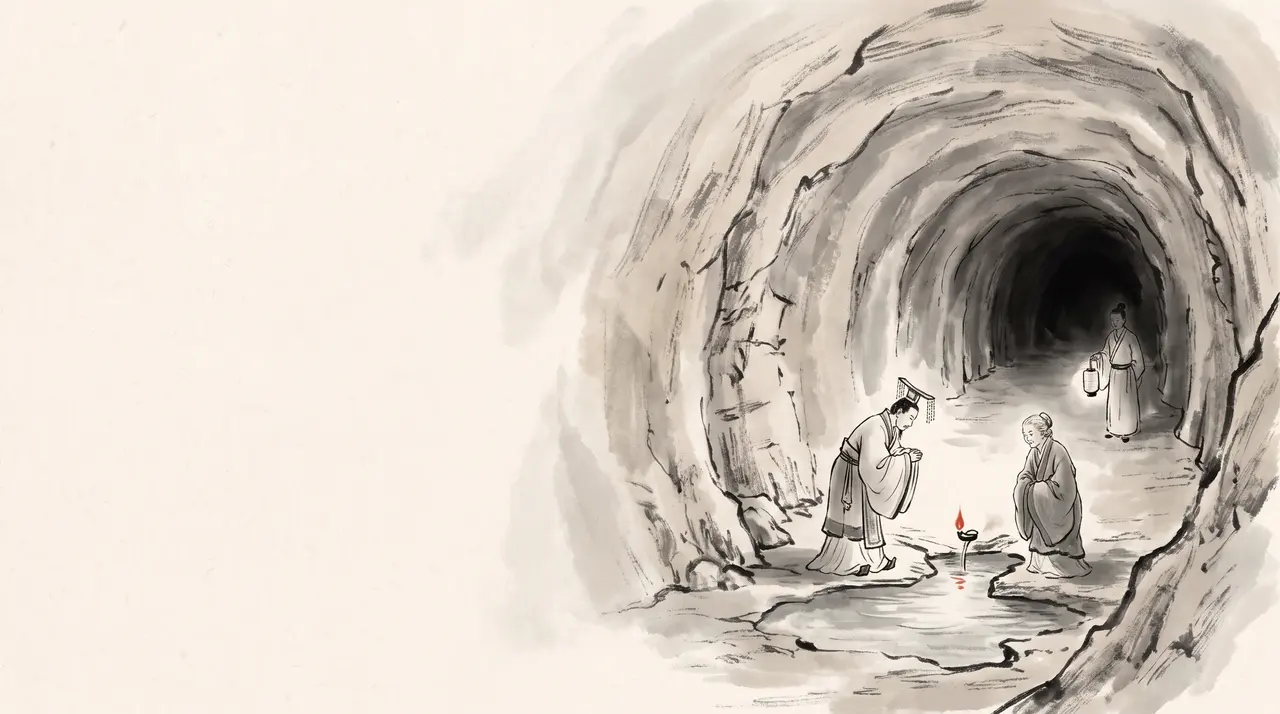
Until We Meet at the Yellow Springs 不至黃泉,毋相見也
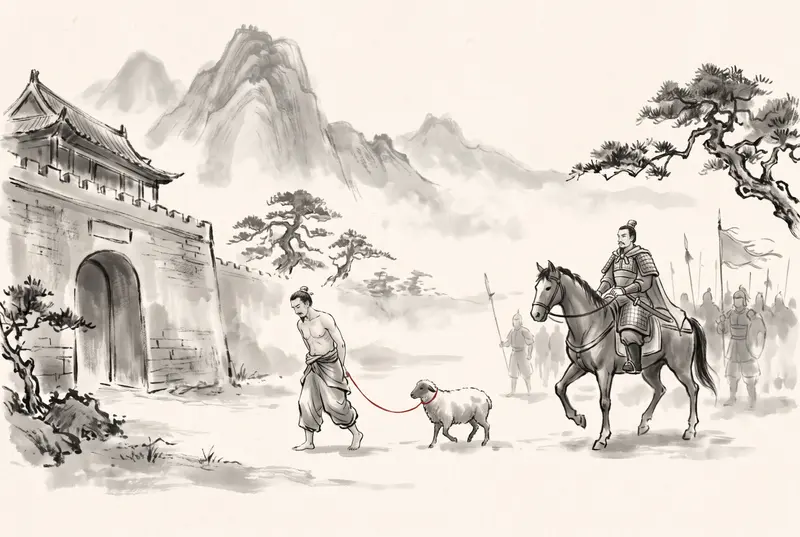
The story of Zheng, a state founded by a prince of the Zhou royal house. Duke Huan, brother of King Xuan of Zhou, saw the misrule of King You and, on the advice of the historian Bo, moved his people east to the Luo River, laying the foundation of his state. Duke Zhuang was born in a difficult birth and his mother, Wu Jiang, never loved him; she doted on his younger brother Duan and helped him attack Zheng. After driving Duan out, Duke Zhuang sent his mother away, swearing, "We will not meet again until we reach the Yellow Springs." He soon regretted it, and on Ying Kaoshu's advice had a tunnel dug down to the springs, and met his mother there. When the daughter of the powerful minister Zhai Zhong learned of a plot to kill her father, her mother told her, "You have only one father; any man can be a husband," and she warned him. Under Duke Ling, Zigong said his twitching index finger meant he would eat something rare; denied a share of the turtle soup, he dipped his finger in the pot and licked it, and in the end killed the duke. Duke Xiang surrendered to King Zhuang of Chu, coming out stripped to the waist and leading a sheep, and the king spared his state. Later the chief minister Zichan protected little Zheng by government based on ritual, and when he died, Confucius wept, calling him a man of the old love for others.
This page has the scene "Until We Meet at the Yellow Springs" from this volume, not the whole volume.
Audio
The audio is synthetic speech.
Video
Passage 1
Original
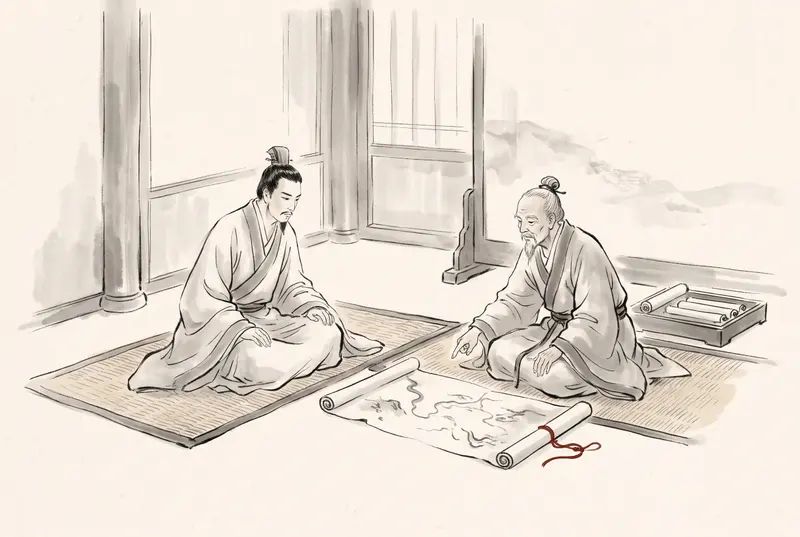
鄭桓公友者,周厲王少子而宣王庶弟也。宣王立二十二年,友初封于鄭。封三十三歳,百姓皆便愛之。幽王以爲司徒。和集周民,周民皆説,河雒之閒,人便思之。爲司徒一歳,幽王以褒后故,王室治多邪,諸侯或畔之。於是桓公問太史伯曰:「王室多故,予安逃死乎?」太史伯對曰:「獨雒之東土,河濟之南可居。」公曰:「何以?」對曰:「地近虢、鄶,虢、鄶之君貪而好利,百姓不附。今公爲司徒,民皆愛公,公誠請居之,虢、鄶之君見公方用事,輕分公地。公誠居之,虢、鄶之民皆公之民也。」公曰:「吾欲南之江上,何如?」對曰:「昔祝融爲髙辛氏火正,其功大矣,而其於周未有興者,楚其後也。周衰,楚必興。興,非鄭之利也。」公曰:「吾欲居西方,何如?」對曰:「其民貪而好利,難久居。」公曰:「周衰,何國興者?」對曰:「齊、秦、晉、楚乎?夫齊,姜姓,伯夷之後也,伯夷佐堯典禮。秦,嬴姓,伯翳之後也,伯翳佐舜懷柔百物。及楚之先,皆嘗有功於天下。而周武王克紂後,成王封叔虞于唐,其地阻險,以此有德與周衰并,亦必興矣。」桓公曰:「善。」於是卒言王,東徙其民雒東,而虢、鄶果獻十邑,竟國之。
Kundoku (Japanese reading)
鄭の桓公友は、周の厲王の少子にして宣王の庶弟なり。宣王立ちて二十二年、友初めて鄭に封ぜらる。封ぜらるること三十三歳、百姓皆便として之を愛す。幽王以て司徒と為す。周の民を和集し、周の民皆説び、河雒の間、人便として之を思う。司徒と為ること一歳、幽王褒后の故を以て、王室の治邪多く、諸侯或いは之に畔く。是に於いて桓公太史伯に問いて曰く、「王室故多し。予安くにか死を逃れん」と。太史伯対えて曰く、「独り雒の東土、河済の南居るべし」と。公曰く、「何を以てか」と。対えて曰く、「地虢・鄶に近し。虢・鄶の君貪りて利を好み、百姓附かず。今公司徒為り、民皆公を愛す。公誠に請いて之に居らば、虢・鄶の君公の方に事を用うるを見て、軽く公に地を分かたん。公誠に之に居らば、虢・鄶の民皆公の民なり」と。公曰く、「吾南のかた江上に之かんと欲す。何如」と。対えて曰く、「昔祝融高辛氏の火正為り。其の功大なり。而れども其の周に於いて未だ興る者有らず。楚其の後なり。周衰えなば、楚必ず興らん。興らば、鄭の利に非ざるなり」と。公曰く、「吾西方に居らんと欲す。何如」と。対えて曰く、「其の民貪りて利を好み、久しく居り難し」と。公曰く、「周衰えなば、何れの国か興る者ぞ」と。対えて曰く、「斉・秦・晋・楚か。夫れ斉は、姜姓、伯夷の後なり。伯夷堯を佐けて礼を典る。秦は、嬴姓、伯翳の後なり。伯翳舜を佐けて百物を懐柔す。楚の先に及ぶまで、皆嘗て天下に功有り。而して周の武王紂に克ちて後、成王叔虞を唐に封ず。其の地阻険なり。此の有徳と周の衰えとを以て并せば、亦た必ず興らん」と。桓公曰く、「善し」と。是に於いて卒に王に言い、東のかた其の民を雒の東に徙す。而して虢・鄶果たして十邑を献じ、竟に之を国とす。
Japanese
鄭の桓公友は、周の厲王の末の子で、宣王の腹違いの弟である。宣王が即位して二十二年目に、友ははじめて鄭に封じられた。封じられて三十三年、民は皆住みよいと感じて、桓公を慕った。幽王は桓公を司徒にした。桓公が周の民をまとめて和らげたので、周の民は皆喜び、黄河と洛水のあたりの人々は桓公を慕った。司徒になって一年たつと、幽王が褒姒にのめりこんだために、王室の政治は乱れ、背く諸侯も出てきた。そこで桓公は史官の太史伯にたずねた。「王室には災いが多い。わたしはどこへ行けば死を逃れられるだろうか」。太史伯は答えた。「ただ洛水の東の地、黄河と済水の南の地なら住めます」。桓公は「なぜか」と聞いた。太史伯は答えた。「そこは虢と鄶に近い土地です。虢と鄶の君主は欲深く利益を好み、民は心服していません。いまあなたは司徒で、民は皆あなたを慕っています。あなたが本当に願い出てそこに住めば、虢と鄶の君主は、あなたが権力を握っているのを見て、たやすく土地を分けてくれるでしょう。あなたが本当にそこに住めば、虢と鄶の民は皆あなたの民になります」。桓公は言った。「南の長江のほとりへ行きたいと思うが、どうか」。太史伯は答えた。「むかし祝融は高辛氏の火の役人となり、大きな功績がありましたが、周の時代にはまだ栄えている子孫がいません。楚はその子孫です。周が衰えれば、楚は必ず栄えるでしょう。楚が栄えれば、鄭のためになりません」。桓公は言った。「西の地に住みたいと思うが、どうか」。太史伯は答えた。「その地の民は欲深く利益を好むので、長く住むのは難しいでしょう」。桓公は言った。「周が衰えたら、どの国が栄えるだろうか」。太史伯は答えた。「斉・秦・晋・楚でしょうか。斉は姜姓で伯夷の子孫です。伯夷は堯を助けて礼をつかさどりました。秦は嬴姓で伯翳の子孫です。伯翳は舜を助けて万物をなつけました。楚の祖先にいたるまで、皆かつて天下に功績がありました。また周の武王が紂を破ったあと、成王は叔虞を唐に封じましたが、その地は険しく守りやすい。この徳と周の衰えとが重なれば、晋もまた必ず栄えるでしょう」。桓公は「よし」と言った。そこでとうとう王に申し出て、民を東の洛水の東に移した。すると虢と鄶は果たして十の村を差し出し、ついにそこを国とした。
English
Duke Huan of Zheng, whose name was You, was the youngest son of King Li of Zhou and a half-brother of King Xuan. In the twenty-second year of King Xuan's reign, You was first given the fief of Zheng. After thirty-three years there, the people all found him easy to live under and loved him. King You made him minister of the masses. He brought the people of Zhou together in harmony; they were all delighted, and between the Yellow River and the Luo, people thought of him fondly. When he had been minister for a year, because of Queen Bao, the royal government had grown corrupt, and some of the lords were rebelling. So Duke Huan asked Bo, the Grand Historian: "The royal house is in great trouble. Where can I go to escape death?" The historian answered: "Only the land east of the Luo, south of the Yellow River and the Ji, is fit to live in." The duke asked: "Why?" He answered: "It lies near Guo and Kuai. The rulers of Guo and Kuai are greedy and grasping, and their people are not loyal to them. You are minister of the masses, and the people all love you. If you truly ask to live there, the rulers of Guo and Kuai, seeing that you are in power, will give you land without a second thought. If you truly live there, the people of Guo and Kuai will all become your people." The duke said: "I would like to go south to the Yangzi. What do you think?" He answered: "Long ago Zhurong was master of fire for Gaoxin, and his deeds were great, but none of his line has yet risen under the Zhou. Chu is his heir. When Zhou declines, Chu will surely rise, and when it does, that will not be good for Zheng." The duke said: "I would like to live in the west. What do you think?" He answered: "The people there are greedy and grasping. It would be hard to stay long." The duke said: "When Zhou declines, which states will rise?" He answered: "Qi, Qin, Jin and Chu, surely. Qi is of the Jiang clan, heirs of Boyi, who helped Yao with the rites. Qin is of the Ying clan, heirs of Boyi who helped Shun tame all creatures. And so on to the ancestors of Chu: all of them once did great service to the realm. And after King Wu of Zhou conquered King Zhou, King Cheng gave Tang to Shuyu as a fief; its land is rugged and easy to defend. With virtue like this, as Zhou declines, it too will surely rise." Duke Huan said: "Good." In the end he spoke to the king, and moved his people east of the Luo. Guo and Kuai did indeed give him ten towns, and in the end they became his state.
Notes (JA)
- 鄭: 今の河南省新鄭市を都とした国。周の王族の国の中で最も新しく建てられた。
- 幽王と褒姒: 烽火で諸侯をだました話で知られる(004-zhou の章)。桓公もこの乱で殺された。
- 虢・鄶: 洛水の東にあった小国。鄭はのちにこれらを併合した。
- 伯夷・伯翳: ここの伯夷は斉の祖先とされる人物で、首陽山で餓死した伯夷とは別人。
Notes (EN)
- Zheng (鄭): a state with its capital near present-day Xinzheng in Henan, the youngest of the Zhou royal states.
- King You and Queen Bao: of the beacon-fire story (chapter 004); Duke Huan died with King You.
- Guo and Kuai: small states east of the Luo, later swallowed by Zheng.
- This Boyi, ancestor of the Qi rulers, is not the Boyi who starved on Mount Shouyang.
Word notes
- grasping/ˈɡræspɪŋ/adjective
too eager to get money or possessions
In the text: “greedy and grasping”
Similar words: greedy — wanting too much · avaricious — eager for wealth
- decline/dɪˈklaɪn/verb
to become weaker
In the text: “When Zhou declines”
Similar words: wane — grow weaker · fade — lose strength
Passage 2
Original
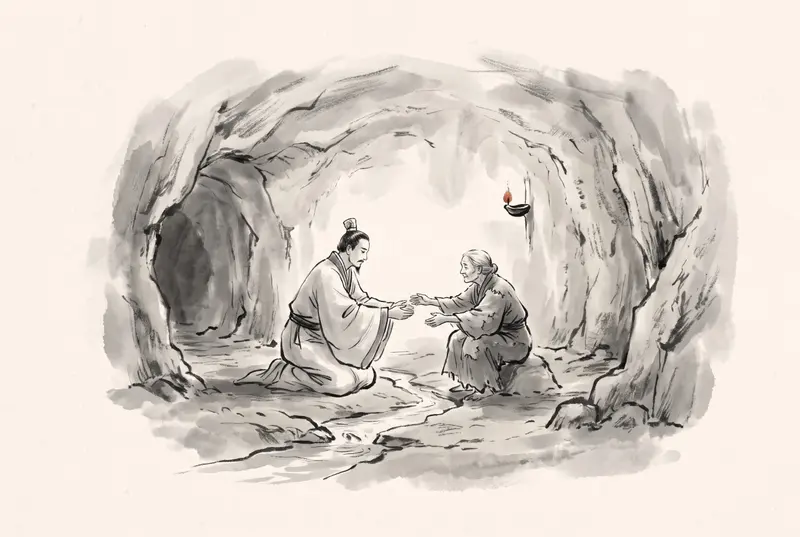
武公十年,娶申侯女爲夫人,曰武姜。生太子寤生,生之難,及生,夫人弗愛。後生少子叔段,段生易,夫人愛之。二十七年,武公疾。夫人請公,欲立段爲太子,公弗聽。是歳,武公卒,寤生立,是爲莊公。莊公元年,封弟段於京,號太叔。祭仲曰:「京大於國,非所以封庶也。」莊公曰:「武姜欲之,我弗敢奪也。」段至京,繕治甲兵,與其母武姜謀襲鄭。二十二年,段果襲鄭,武姜爲内應。莊公發兵伐段,段走。伐京,京人畔段,段出走鄢。鄢潰,段出奔共。於是莊公遷其母武姜於城潁,誓言曰:「不至黃泉,毋相見也。」居歳餘,已悔思母。潁谷之考叔有獻於公,公賜食。考叔曰:「臣有母,請君食賜臣母。」莊公曰:「我甚思母,惡負盟,柰何?」考叔曰:「穿地至黃泉,則相見矣。」於是遂從之,見母。
Kundoku (Japanese reading)
武公十年、申侯の女を娶りて夫人と為す。武姜と曰う。太子寤生を生む。之を生むこと難く、生まるるに及び、夫人愛せず。後に少子叔段を生む。段の生まるること易く、夫人之を愛す。二十七年、武公疾む。夫人公に請い、段を立てて太子と為さんと欲す。公聴かず。是の歳、武公卒し、寤生立つ。是れを荘公と為す。荘公元年、弟段を京に封じ、太叔と号す。祭仲曰く、「京は国より大なり。庶を封ずる所以に非ず」と。荘公曰く、「武姜之を欲す。我敢えて奪わず」と。段京に至り、甲兵を繕治し、其の母武姜と鄭を襲わんと謀る。二十二年、段果たして鄭を襲う。武姜内応を為す。荘公兵を発して段を伐つ。段走る。京を伐つ。京人段に畔く。段出でて鄢に走る。鄢潰え、段出でて共に奔る。是に於いて荘公其の母武姜を城潁に遷し、誓言して曰く、「黄泉に至らずんば、相見ること毋からん」と。居ること歳余にして、已にして悔いて母を思う。潁谷の考叔公に献ずる有り。公食を賜う。考叔曰く、「臣に母有り。請う君の食の賜を臣の母に」と。荘公曰く、「我甚だ母を思う。盟に負かんことを悪む。柰何」と。考叔曰く、「地を穿ちて黄泉に至らば、則ち相見ん」と。是に於いて遂に之に従い、母に見ゆ。
Japanese
武公の十年、申侯の娘を夫人に迎えた。これを武姜という。武姜は太子の寤生を生んだが、難産だったので、生まれてからも夫人は寤生をかわいがらなかった。のちに末の子の叔段を生んだが、段は安産だったので、夫人は段をかわいがった。二十七年、武公が病気になると、夫人は武公に頼んで段を太子に立てようとしたが、武公は聞かなかった。この年、武公が亡くなり、寤生が立った。これが荘公である。荘公の元年、荘公は弟の段を京に封じて、太叔と呼ばせた。祭仲は言った。「京は国の都より大きく、弟を封じるべきところではありません」。荘公は言った。「母の武姜が望んでいるので、取り上げるわけにはいかない」。段は京に着くと、よろいや武器を整え、母の武姜と鄭の都を襲う計画を立てた。二十二年、段は果たして鄭を襲い、武姜は内から手引きした。荘公は兵を出して段を討ち、段は逃げた。京を攻めると、京の人々は段に背き、段は鄢に逃げた。鄢も崩れて、段は共に逃れた。そこで荘公は母の武姜を城潁に移し、誓って言った。「黄泉に行くまで、二度と会うまい」。一年あまりたつと、荘公は後悔して母を恋しく思った。潁谷の考叔が荘公に献上物をしたので、荘公は食事を与えた。考叔は言った。「わたしには母がおります。どうか殿にいただいた食事を母に持ち帰らせてください」。荘公は言った。「わしも母にとても会いたいのだが、誓いを破るのはいやだ。どうしたものか」。考叔は言った。「地面を掘って黄泉(地下の泉)に至れば、お会いになれます」。荘公はそのとおりにして、母と会った。
English
In the tenth year of his reign, Duke Wu married the daughter of the Marquis of Shen; she was called Wu Jiang. She bore the heir Wusheng, but the birth was difficult, and after he was born she did not love him. Later she bore a younger son, Duan, whose birth was easy, and she loved him. In the twenty-seventh year, when Duke Wu fell ill, his wife begged him to make Duan his heir, but he would not. That year Duke Wu died and Wusheng came to the throne. He was Duke Zhuang. In his first year, Duke Zhuang gave his brother Duan the fief of Jing, with the title Great Uncle. Zhai Zhong said: "Jing is bigger than the capital. It is not a fit fief for a younger son." Duke Zhuang said: "Wu Jiang wanted it for him. I dare not take it away." When Duan reached Jing, he repaired armour and weapons and plotted with his mother to attack the capital. In the twenty-second year Duan did attack, with Wu Jiang helping him from inside. Duke Zhuang sent troops against him, and Duan fled. When the duke attacked Jing, its people turned against Duan, and he fled to Yan. When Yan fell, he fled to Gong. Then Duke Zhuang moved his mother Wu Jiang to Chengying, and swore: "Until we reach the Yellow Springs, we shall not see each other again." After a year or so he regretted it and longed for his mother. Kaoshu of Yinggu brought the duke a gift, and the duke gave him a meal. Kaoshu said: "I have a mother. I beg you to let me take the food you have given me to her." Duke Zhuang said: "I miss my mother very much, but I hate to break my oath. What can I do?" Kaoshu said: "Dig down into the earth until you reach the springs, and then you can meet." So the duke did as he said, and saw his mother.
Notes (JA)
- 寤生: 「寤(さか)さまに生まれた」の意とも、「眠っているあいだに生まれた」の意ともいわれる。逆子の難産だったとされる。
- 共叔段: 共に逃げたので「共叔段」と呼ばれる。『春秋左氏伝』の「鄭伯克段于鄢」の話で名高い。
- 黄泉: 地下の泉。死者の行く世界。「黄泉で会う」は「死ぬまで会わない」という意味だった。
- 潁考叔: 孝行で知られた臣。トンネルを掘って「黄泉」で会わせ、誓いを破らずに母子を和解させた。
Notes (EN)
- Wusheng (寤生): "born backwards", a breech birth.
- Gongshu Duan: named after Gong, where he fled; the story opens the Zuo Commentary.
- The Yellow Springs (黃泉): the underground world of the dead; to meet there meant never in this life.
- Ying Kaoshu (潁考叔): known for his filial love; the tunnel let the duke keep his oath and still see his mother.
Idioms from this passage: Until we reach the Yellow Springs, we shall not meet 黄泉に至らずんば相見ること毋からん
Word notes
- regret/rɪˈɡrɛt/verb
to feel sorry about something you did
In the text: “he regretted it”
Similar words: repent — feel sorry for · rue — wish undone
- oath/oʊθ/noun
a serious promise
In the text: “I hate to break my oath”
Similar words: vow — solemn promise · pledge — firm promise
Passage 3
Original
厲公四年,祭仲專國政。厲公患之,陰使其婿雍糾欲殺祭仲。糾妻,祭仲女也,知之,謂其母曰:「父與夫孰親?」母曰:「父一而已,人盡夫也。」女乃告祭仲,祭仲反殺雍糾,戮之於市。厲公無柰祭仲何,怒糾曰:「謀及婦人,死固宜哉!」夏,厲公出居邊邑櫟。祭仲迎昭公忽,六月乙亥,復入鄭,卽位。
Kundoku (Japanese reading)
厲公四年、祭仲国政を専らにす。厲公之を患え、陰かに其の婿雍糾をして祭仲を殺さんと欲せしむ。糾の妻は、祭仲の女なり。之を知り、其の母に謂いて曰く、「父と夫と孰れか親しき」と。母曰く、「父は一のみ。人は尽く夫なり」と。女乃ち祭仲に告ぐ。祭仲反って雍糾を殺し、之を市に戮す。厲公祭仲を柰何ともする無く、糾を怒りて曰く、「謀婦人に及ぶ。死すること固より宜なるかな」と。夏、厲公出でて辺邑の櫟に居る。祭仲昭公忽を迎え、六月乙亥、復た鄭に入りて、位に即く。
Japanese
(荘公の死後、宰相の祭仲は昭公忽を立てたが、宋に脅されて厲公突を立て直していた。)厲公の四年、祭仲は国の政治を思うままに動かしていた。厲公はこれを心配して、ひそかに祭仲の娘婿の雍糾に祭仲を殺させようとした。雍糾の妻は祭仲の娘で、この計画を知ると、母にたずねた。「父と夫と、どちらが大切でしょう」。母は言った。「父はただ一人だけ。夫なら誰でもなれます」。そこで娘は父の祭仲に知らせた。祭仲は逆に雍糾を殺し、その死体を市場にさらした。厲公は祭仲をどうすることもできず、雍糾に腹を立てて言った。「はかりごとを女に知られるとは。死んで当然だ」。夏、厲公は国を出て、国境の町の櫟に住んだ。祭仲は昭公忽を迎え、六月乙亥の日に、昭公は再び鄭に入って位についた。
English
In the fourth year of Duke Li, Zhai Zhong had all the government of the state in his hands. Duke Li was troubled by it, and secretly had Zhai Zhong's son-in-law, Yong Jiu, plan to kill him. Yong Jiu's wife was Zhai Zhong's daughter. When she learned of it, she asked her mother: "Which is closer, a father or a husband?" Her mother said: "You have only one father. Any man can be a husband." So the daughter told Zhai Zhong. Zhai Zhong killed Yong Jiu instead and exposed his body in the market. Duke Li could do nothing against Zhai Zhong, and blamed Yong Jiu: "He let a woman in on the plot. No wonder he died!" In summer Duke Li left the capital and went to live in the border town of Li. Zhai Zhong brought back Duke Zhao, Hu, and on the day yihai of the sixth month he entered Zheng again and took the throne.
Notes (JA)
- 祭仲: 鄭の権臣。荘公の死後、君主を立てたり廃したりして国の実権を握った。
- 人盡夫也: 夫になりうる男は誰でもいるが、父はただ一人。のちに「人尽く夫なり」は、夫は替えがきくという意味で引かれるようになった。
- 櫟: 鄭の国境の町。厲公は十七年ここに住み、のちに鄭に戻った。
Notes (EN)
- Zhai Zhong (祭仲): the minister who made and unmade the rulers of Zheng after Duke Zhuang's death.
- "Any man can be a husband" (人盡夫也): a line still quoted for the idea that a husband can be replaced but a father cannot.
- Li (櫟): the border town where Duke Li lived for seventeen years before returning.
Idioms from this passage: You have only one father; any man can be a husband 父は一のみ、人は尽く夫なり
Word notes
- son-in-law/ˈsʌn ɪn ˌlɔ/noun
the husband of your daughter
In the text: “Zhai Zhong's son-in-law”
Similar words: daughter's husband — married to one's daughter · in-law — relative by marriage
- expose/ɪkˈspoʊz/verb
to put something where everyone can see it
In the text: “exposed his body in the market”
Similar words: display — show publicly · put on show — make visible
Passage 4
Original
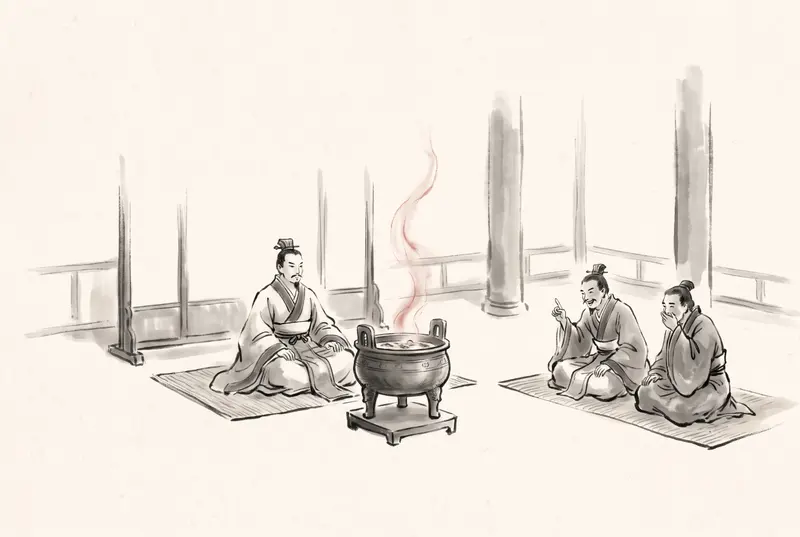
靈公元年春,楚獻黿於靈公。子家、子公將朝靈公,子公之食指動,謂子家曰:「佗日指動,必食異物。」及入,見靈公進黿羹,子公笑曰:「果然!」靈公問其笑故,具告靈公。靈公召之,獨弗予羹。子公怒,染其指,嘗之而出。公怒,欲殺子公。子公與子家謀先。夏,弒靈公。鄭人欲立靈公弟去疾,去疾讓曰:「必以賢,則去疾不肖;必以順,則公子堅長。」堅者,靈公庶弟,去疾之兄也。於是乃立子堅,是爲襄公。
Kundoku (Japanese reading)
霊公元年春、楚黿を霊公に献ず。子家・子公将に霊公に朝せんとす。子公の食指動く。子家に謂いて曰く、「佗日指動けば、必ず異物を食らう」と。入るに及び、霊公の黿羹を進むるを見る。子公笑いて曰く、「果たして然り」と。霊公其の笑う故を問う。具に霊公に告ぐ。霊公之を召し、独り羹を予えず。子公怒り、其の指を染め、之を嘗めて出づ。公怒り、子公を殺さんと欲す。子公子家と謀りて先んず。夏、霊公を弑す。鄭人霊公の弟去疾を立てんと欲す。去疾譲りて曰く、「必ず賢を以てせば、則ち去疾は不肖なり。必ず順を以てせば、則ち公子堅長ぜり」と。堅は、霊公の庶弟、去疾の兄なり。是に於いて乃ち子堅を立つ。是れを襄公と為す。
Japanese
霊公の元年の春、楚が霊公にすっぽんを献上した。子家と子公が霊公のもとに参内しようとしたとき、子公の人さし指がぴくぴく動いた。子公は子家に言った。「これまでも、この指が動くと、必ず珍しいものが食べられたのだ」。宮中に入ると、霊公の前にすっぽんのスープが出されていたので、子公は笑って言った。「やっぱりそうだ」。霊公が笑ったわけをたずねたので、子家がくわしく話した。霊公は二人を呼び寄せたが、子公にだけスープを与えなかった。子公は怒って、鍋に指を突っこんでなめ、出ていった。霊公は怒って子公を殺そうとした。子公は子家と相談して先手を打ち、夏、霊公を殺した。鄭の人々は霊公の弟の去疾を立てようとしたが、去疾は辞退して言った。「賢さで選ぶなら、わたしは愚かです。年の順で選ぶなら、公子の堅のほうが年上です」。堅は霊公の腹違いの弟で、去疾の兄だった。そこで公子堅を立てた。これが襄公である。
English
In the spring of the first year of Duke Ling, Chu presented the duke with a soft-shelled turtle. As Zijia and Zigong were about to go in to court, Zigong's index finger twitched. He said to Zijia: "Whenever my finger has twitched before, I have always eaten something rare." When they went in, they saw turtle soup being served to Duke Ling, and Zigong laughed: "Just as I said!" Duke Ling asked why he laughed, and was told the whole story. The duke called them over, but gave soup to everyone except Zigong. Zigong was furious. He dipped his finger in the pot, licked it and went out. The duke was angry and wanted to kill Zigong. Zigong plotted with Zijia to strike first, and in summer they murdered Duke Ling. The people of Zheng wanted to make the duke's brother Quji ruler, but Quji declined, saying: "If you choose by merit, I am unworthy. If you choose by age, Prince Jian is older." Jian was a half-brother of Duke Ling and Quji's elder brother. So they made Prince Jian ruler. He was Duke Xiang.
Notes (JA)
- 食指動く: 人さし指(食指)が動くのは、ごちそうにありつける前ぶれ。のちに「食欲がわく」「何かをしたくなる」意味で使われるようになった。この話が出典。
- 染指: 鍋に指を突っこんでなめること。のちに「分け前にあずかる」「不正に手を出す」意味となった。
- 黿: すっぽん。南方の楚の珍味だった。
- 一杯のスープの恨みが君主殺しに至った話として、宋の華元と羊のスープの話(038-song の章)とよく並べられる。
Notes (EN)
- A twitching index finger (食指動): a sign of a feast to come, and the origin of the Chinese phrase for an appetite stirring.
- Dipping his finger (染指): later meaning to take a share one is not entitled to.
- A bowl of soup leading to murder: often set beside Hua Yuan's mutton soup in Song (chapter 038).
Idioms from this passage: The index finger twitches 食指動く、Dipping a finger in the pot 指を染む
Word notes
- twitch/twɪtʃ/verb
to make a small sudden movement
In the text: “Zigong's index finger twitched”
Similar words: jerk — move suddenly · flicker — move quickly
- murder/ˈmɜrdər/verb
to kill someone on purpose
In the text: “they murdered Duke Ling”
Similar words: assassinate — kill a leader · slay — kill (literary)
Passage 5
Original
七年,鄭與晉盟鄢陵。八年,楚莊王以鄭與晉盟,來伐,圍鄭三月,鄭以城降楚。楚王入自皇門,鄭襄公肉袒掔羊以迎,曰:「孤不能事邊邑,使君王懷怒以及獘邑,孤之罪也。敢不惟命是聽。君王遷之江南,及以賜諸侯,亦惟命是聽。若君王不忘厲、宣王,桓、武公,哀不忍絶其社稷,錫不毛之地,使復得改事君王,孤之願也,然非所敢望也。敢布腹心,惟命是聽。」莊王爲卻三十里而後舍。楚群臣曰:「自郢至此,士大夫亦久勞矣。今得國捨之,何如?」莊王曰:「所爲伐,伐不服也。今已服,尚何求乎?」卒去。晉聞楚之伐鄭,發兵救鄭。其來持兩端,故遲,比至河,楚兵已去。晉將率或欲渡,或欲還,卒渡河。莊王聞,還撃晉。鄭反助楚,大破晉軍於河上。十年,晉來伐鄭,以其反晉而親楚也。
Kundoku (Japanese reading)
七年、鄭晋と鄢陵に盟う。八年、楚の荘王鄭の晋と盟いしを以て、来たり伐ち、鄭を囲むこと三月、鄭城を以て楚に降る。楚王皇門より入る。鄭の襄公肉袒して羊を掔きて以て迎え、曰く、「孤辺邑に事うる能わず、君王をして怒りを懐きて以て獘邑に及ばしむるは、孤の罪なり。敢えて惟だ命に是れ聴かざらんや。君王之を江南に遷し、及び以て諸侯に賜うも、亦た惟だ命に是れ聴かん。若し君王厲・宣王、桓・武公を忘れず、哀しみて其の社稷を絶つに忍びず、不毛の地を錫い、復た君王に改め事うるを得しめば、孤の願いなり。然れども敢えて望む所に非ざるなり。敢えて腹心を布く。惟だ命に是れ聴かん」と。荘王為に却くこと三十里にして而る後に舎る。楚の群臣曰く、「郢より此に至るまで、士大夫も亦た久しく労せり。今国を得て之を捨つるは、何如」と。荘王曰く、「伐つ所為は、服せざるを伐つなり。今已に服す。尚お何をか求めん」と。卒に去る。晋楚の鄭を伐つを聞き、兵を発して鄭を救う。其の来たるや両端を持す。故に遅し。河に至る比、楚の兵已に去る。晋の将率或いは渡らんと欲し、或いは還らんと欲す。卒に河を渡る。荘王聞き、還りて晋を撃つ。鄭反って楚を助け、大いに晋の軍を河上に破る。十年、晋来たりて鄭を伐つ。其の晋に反きて楚に親しむを以てなり。
Japanese
七年、鄭は晋と鄢陵で同盟を結んだ。八年、楚の荘王は、鄭が晋と同盟したことを責めて攻めて来て、三か月包囲した。鄭は都を明けわたして楚に降伏した。楚王が皇門から入ってくると、鄭の襄公は肌ぬぎになり、羊を引いて出迎え、言った。「わたしが国境のことにまで気を配れず、王を怒らせて、わが小さな国にまで来させてしまったのは、わたしの罪です。どんなご命令にも従います。王がわたしたちを長江の南に移されても、ほかの諸侯にお与えになっても、ただご命令に従います。もし王が、周の厲王・宣王や、鄭の桓公・武公のことをお忘れにならず、哀れんで国の祭りを絶やすのを忍びなく思われ、作物も育たない土地でもお与えくださって、ふたたび王にお仕えできるようにしてくださるなら、それがわたしの願いです。けれども、とても望めることではありません。思うところを正直に申し上げました。ただご命令に従います」。荘王は兵を三十里退かせてから陣を張った。楚の群臣は言った。「郢からここまで、兵も将も長いあいだ苦労してきました。いま国を手に入れたのに手放すのは、いかがなものでしょう」。荘王は言った。「攻めたのは、従わない者を討つためだ。いま従ったのだから、これ以上何を求めよう」。そしてとうとう引き上げた。晋は楚が鄭を攻めたと聞いて、兵を出して鄭を救おうとしたが、どっちつかずの態度だったので遅れ、黄河に着いたときには楚の兵はすでに去っていた。晋の将軍たちは、渡ろうと言う者もいれば、引き返そうと言う者もいたが、結局黄河を渡った。荘王はこれを聞くと、引き返して晋を攻めた。鄭はかえって楚を助け、黄河のほとりで晋の軍を大いに破った。十年、晋は、鄭が晋に背いて楚に味方したことを責めて、鄭を攻めた。
English
In the seventh year Zheng made a covenant with Jin at Yanling. In the eighth year King Zhuang of Chu, because Zheng had sworn alliance with Jin, came and attacked it, besieged it for three months, and Zheng surrendered its capital to Chu. When the King of Chu came in through the Huang Gate, Duke Xiang of Zheng came out to meet him stripped to the waist, leading a sheep, and said: "That I could not serve you on your borders, and made you come to my poor city in anger, is my fault. I will obey whatever you command. If you move us south of the Yangzi, or give us to the other lords, I will still obey. But if you have not forgotten Kings Li and Xuan, and Dukes Huan and Wu, and cannot bear to cut off the altars of our state, and grant us even barren land so that we can serve you anew, that is my wish; though I dare not hope for it. I have spoken my heart. I will obey whatever you command." King Zhuang drew his army back thirty li before making camp. The ministers of Chu said: "From Ying to here, the officers have toiled a long time. Now that we have taken the state, how can we give it up?" King Zhuang said: "We attacked them because they would not submit. Now they have submitted. What more do we want?" And in the end he left. Jin heard that Chu had attacked Zheng and sent troops to save it, but it could not make up its mind, and so it came late; by the time it reached the Yellow River the Chu army had gone. Some of the Jin generals wanted to cross, some to go back, and in the end they crossed. When King Zhuang heard, he turned back and attacked Jin, and Zheng, changing sides, helped Chu crush the army of Jin beside the river. In the tenth year Jin attacked Zheng for turning against it and siding with Chu.
Notes (JA)
- 肉袒掔羊: 肌ぬぎになり、羊を引いて出迎える。降伏して罰を受ける覚悟を示す作法。
- 楚の荘王: 「鳴かず飛ばず」で知られる楚の名君(040-chu の章)。鄭を許したことで覇者の器を示した。
- 河上の戦い: 前597年の邲の戦い。楚が晋を破り、荘王は春秋の覇者の一人に数えられるようになった。
- 大国の晋と楚のあいだにはさまれた鄭は、どちらにつくかでたびたび攻められた。
Notes (EN)
- Stripped to the waist, leading a sheep (肉袒掔羊): the ritual of surrender, ready for punishment.
- King Zhuang of Chu: the king who "neither sang nor flew" (chapter 040), showing a hegemon's generosity.
- The battle by the river: the battle of Bi in 597 BCE, which made King Zhuang a hegemon.
- Caught between Jin and Chu, Zheng was attacked by whichever side it left.
Word notes
- surrender/səˈrɛndər/verb
to give yourself up to an enemy
In the text: “Zheng surrendered its capital to Chu”
Similar words: give in — stop fighting · yield — hand over
- barren/ˈbærən/adjective
unable to grow crops
In the text: “even barren land”
Similar words: infertile — not productive · desolate — empty and bare
Passage 6
Original
十二年,簡公怒相子孔專國權,誅之,而以子産爲卿。十九年,簡公如晉請衞君還,而封子産以六邑。子産讓,受其三邑。二十二年,呉使延陵季子於鄭,見子産如舊交,謂子産曰:「鄭之執政者侈,難將至,政將及子。子爲政,必以禮;不然,鄭將敗。」子産厚遇季子。二十三年,諸公子爭寵相殺,又欲殺子産。公子或諫曰:「子産仁人,鄭所以存者子産也,勿殺!」乃止。四年,晉昭公卒,其六卿彊,公室卑。子産謂韓宣子曰:「爲政必以德,毋忘所以立。」六年,鄭火,公欲禳之。子産曰:「不如修德。」
Kundoku (Japanese reading)
十二年、簡公相子孔の国権を専らにするを怒り、之を誅し、而して子産を以て卿と為す。十九年、簡公晋に如きて衛君の還るを請い、而して子産を封ずるに六邑を以てす。子産譲りて、其の三邑を受く。二十二年、呉延陵の季子を鄭に使いせしむ。子産を見ること旧交の如し。子産に謂いて曰く、「鄭の執政者侈なり。難将に至らんとし、政将に子に及ばんとす。子政を為すには、必ず礼を以てせよ。然らずんば、鄭将に敗れんとす」と。子産厚く季子を遇す。二十三年、諸公子寵を争いて相殺し、又子産を殺さんと欲す。公子或いは諫めて曰く、「子産は仁人なり。鄭の存する所以の者は子産なり。殺す勿かれ」と。乃ち止む。四年、晋の昭公卒す。其の六卿彊く、公室卑し。子産韓宣子に謂いて曰く、「政を為すには必ず徳を以てせよ。立つ所以を忘るる毋かれ」と。六年、鄭火あり。公之を禳わんと欲す。子産曰く、「徳を修むるに如かず」と。
Japanese
簡公の十二年、簡公は宰相の子孔が国の権力を独り占めにしているのに怒って子孔を殺し、子産を卿にした。十九年、簡公は晋へ行って衛の君主を帰国させるよう願い、子産に六つの村を領地として与えた。子産は辞退して、そのうち三つの村だけを受けた。二十二年、呉は延陵の季子(季札)を鄭に使いさせた。季子は子産と、まるで昔からの友人のように会い、子産に言った。「鄭の政治を執る者はおごっています。まもなく難が起こり、政治はあなたの手に回ってくるでしょう。あなたが政治を行うときは、必ず礼にもとづいてください。そうでなければ鄭は滅びるでしょう」。子産は季子を手厚くもてなした。二十三年、公子たちが寵愛を争って殺し合い、さらに子産も殺そうとした。ある公子がいさめて言った。「子産は仁の人です。鄭が保たれているのは子産のおかげです。殺してはなりません」。そこで取りやめた。(定公の)四年、晋の昭公が亡くなり、晋では六人の卿が強くなって、君主の家は衰えた。子産は晋の韓宣子に言った。「政治を行うには、必ず徳によってください。何によって立っているかを忘れてはなりません」。六年、鄭で大火事があり、定公はお祓いをしようとした。子産は言った。「徳を修めるほうがよろしいでしょう」。
English
In the twelfth year of Duke Jian, the duke was angry that his chancellor Zikong kept all the power of the state to himself; he put him to death and made Zichan a minister. In the nineteenth year Duke Jian went to Jin to ask for the ruler of Wei to be sent home, and gave Zichan six towns as a fief. Zichan declined, and accepted three of them. In the twenty-second year Wu sent Jizi of Yanling to Zheng. He met Zichan as if they were old friends, and said to him: "Those who run the government of Zheng are extravagant. Trouble is coming, and the government will fall to you. When you govern, you must do it by ritual. If not, Zheng will fall." Zichan treated Jizi with great honour. In the twenty-third year the princes fought for favour and killed one another, and they wanted to kill Zichan too. One of the princes warned them: "Zichan is a humane man. It is because of Zichan that Zheng survives. Do not kill him." So they stopped. In the fourth year of Duke Ding, Duke Zhao of Jin died; its six ministers grew strong, and the ducal house grew weak. Zichan said to Han Xuanzi: "In government you must rely on virtue. Do not forget what you stand on." In the sixth year there was a great fire in Zheng, and the duke wanted to hold a rite to drive it away. Zichan said: "Better to cultivate virtue."
Notes (JA)
- 子産: 鄭の宰相、公孫僑。法律を鼎に鋳こんで公にしたことで知られる(119-xunli の章)。
- 延陵季子: 呉の季札。各国をめぐって賢者と交わり、のちに亡き徐の君主の墓に剣を掛けた(031-wu-taibo の章)。
- 六卿: 晋の実権を握った六つの家。のちに韓・魏・趙の三家が晋を分けた。
- 禳: お祓い。子産は迷信にたよるより、政治をよくすることを説いた。
Notes (EN)
- Zichan (子産): Gongsun Qiao, who cast the laws on bronze (chapter 119).
- Jizi of Yanling: Ji Zha of Wu, who later hung his sword on a dead friend's grave (chapter 031).
- The six ministers (六卿): the families that took over Jin, three of which later divided it.
- A rite to drive away the fire (禳): Zichan preferred good government to ritual magic.
Word notes
- accept/əkˈsɛpt/verb
to agree to take something offered
In the text: “accepted three of them”
Similar words: take — receive · receive — get something given
- extravagant/ɪkˈstrævəɡənt/adjective
spending too much
In the text: “are extravagant”
Similar words: wasteful — using too much · lavish — costly
Passage 7
Original
聲公五年,鄭相子産卒,鄭人皆哭泣,悲之如亡親戚。子産者,鄭成公少子也。爲人仁愛人,事君忠厚。孔子嘗過鄭,與子産如兄弟云。及聞子産死,孔子爲泣曰:「古之遺愛也!」
Kundoku (Japanese reading)
声公五年、鄭の相子産卒す。鄭人皆哭泣し、之を悲しむこと親戚を亡うが如し。子産は、鄭の成公の少子なり。人と為り仁にして人を愛し、君に事うること忠厚なり。孔子嘗て鄭を過ぎ、子産と兄弟の如しと云う。子産の死を聞くに及び、孔子為に泣きて曰く、「古の遺愛なり」と。
Japanese
声公の五年、鄭の宰相の子産が亡くなった。鄭の人々は皆泣き、親族を失ったように悲しんだ。子産は鄭の成公の末の子である。人柄は情け深く人をいつくしみ、誠実に君主に仕えた。孔子はかつて鄭に立ち寄り、子産と兄弟のように親しくしたという。子産が死んだと聞くと、孔子は涙を流して言った。「古の人の愛を受け継いだ人だった」。
English
In the fifth year of Duke Sheng, Zichan, the chancellor of Zheng, died. All the people of Zheng wept and wailed, grieving as if they had lost a member of their own family. Zichan was the youngest son of Duke Cheng of Zheng. He was humane and loved people, and served his rulers with loyalty and generosity. Confucius once passed through Zheng and was said to be like a brother to Zichan. When he heard of Zichan's death, Confucius wept for him and said: "He was one who carried on the love of the ancients."
Notes (JA)
- 古之遺愛: 古の人の仁愛を今に伝える人。孔子が子産をたたえた言葉。
- 子産の死の年代には諸説あり、『春秋左氏伝』では前522年とされる。
- 子産の死を民が親を失ったように悲しんだことは、循吏列伝にも記されている(119-xunli の章)。
Notes (EN)
- "One who carried on the love of the ancients" (古之遺愛): Confucius's praise of Zichan.
- The date of Zichan's death is disputed; the Zuo Commentary gives 522 BCE.
- The people's grief is also recorded in the Biographies of the Law-Abiding Officials (chapter 119).
Idioms from this passage: A love left to us from the ancients 古の遺愛
Word notes
- wail/weɪl/verb
to cry loudly in grief
In the text: “wept and wailed”
Similar words: howl — cry loudly · lament — mourn aloud
- generosity/ˌdʒɛnəˈrɑsəti/noun
willingness to give and to be kind
In the text: “with loyalty and generosity”
Similar words: kindness — goodness to others · liberality — free giving
Passage 8
Original
太史公曰:語有之,「以權利合者,權利盡而交疎」,甫瑕是也。甫瑕雖以劫殺鄭子内厲公,厲公終背而殺之,此與晉之裏克何異?守節如荀息,身死而不能存奚齊。變所從來,亦多故矣!
Kundoku (Japanese reading)
太史公曰く、語に之有り、「権利を以て合う者は、権利尽きて交わり疎し」と。甫瑕是れなり。甫瑕は劫かして鄭子を殺して厲公を内れたりと雖も、厲公終に背きて之を殺す。此れ晋の里克と何ぞ異ならんや。節を守ること荀息の如きも、身死して奚斉を存する能わず。変の従りて来たる所、亦た故多きかな。
Japanese
太史公は言う。ことわざに「権力や利益で結びついた者は、権力や利益が尽きると疎遠になる」とある。甫瑕がそれである。甫瑕は脅されて鄭子を殺し、厲公を国に迎え入れたが、厲公は結局甫瑕を裏切って殺した。これは晋の里克とどこが違うだろうか。荀息のように節を守っても、自分は死に、奚斉を守りきることはできなかった。変事が起こるもとには、さまざまな理由があるものだ。
English
The Grand Historian says: There is a saying: "Those who come together for power and profit drift apart when the power and profit are gone." Fu Xia was such a man. Though Fu Xia, under threat, killed the ruler of Zheng and let Duke Li back in, Duke Li betrayed him in the end and killed him. How is that different from Li Ke of Jin? And even keeping faith like Xun Xi, one may die without saving one's prince, as he failed to save Xiqi. Upheavals have many causes indeed.
Notes (JA)
- 甫瑕: 鄭の大夫。櫟にいた厲公に捕らえられ、命と引きかえに鄭子を殺して厲公を迎え入れたが、のちに厲公に殺された。
- 里克・荀息: 晋の献公の死後、里克は奚斉らを殺して恵公を迎えたが、恵公に殺された。荀息は奚斉を守ろうとして死んだ(039-chong-er の章)。
- 以權利合者,權利盡而交疎: 利害で結ばれた関係のもろさを示すことわざ。
Notes (EN)
- Fu Xia (甫瑕): captured by the exiled Duke Li, he bought his life by killing the ruler and letting Li back in, and was later killed by him.
- Li Ke and Xun Xi: the ministers of Jin who killed, and tried to protect, the boy Xiqi after Duke Xian's death (chapter 039).
- "Those who come together for profit drift apart": a saying about the frailty of alliances of interest.
Word notes
- betray/bɪˈtreɪ/verb
to be disloyal to someone who trusted you
In the text: “Duke Li betrayed him”
Similar words: double-cross — trick an ally · turn on — attack a friend
- upheaval/ʌpˈhivəl/noun
a sudden great change or disorder
In the text: “Upheavals have many causes”
Similar words: turmoil — confusion · disruption — disturbance